Skip to content
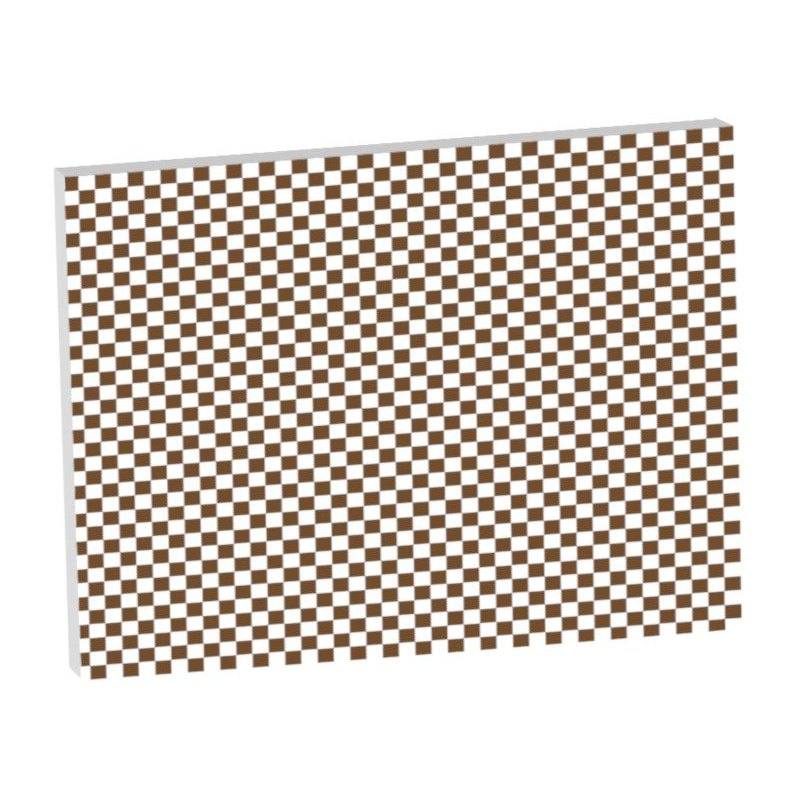
Opto Engineering PTTC film-on-glass machine vision accessory
  • Recommended by AIS Vision

Opto Engineering PTTC film-on-glass checkerboard calibration patterns

PTTC film-on-glass

Opto Engineering PTTC film-on-glass — checkerboard calibration pattern (film-on-glass photomask on soda lime glass); 4 sizes: plate 107 × 83 to 340 × 280 mm × 5 mm, active area 101.2 × 74.8 mm to 320 × 260 mm, squares 2.20–5.00 mm; accuracy Grade 4.

Brand
Opto Engineering
Pattern
Checkerboard (2.20 / 3.00 / 4.00 / 5.00 mm squares)
Pattern area
101.2 × 74.8 mm to 320 × 260 mm active area (W × H), by part number
Pattern accuracy
Grade 4 (film-on-glass): tolerance ±(9.6 µm + 0.015 µm/mm × length); min. feature / spacing 1.2 µm
Substrate
Soda lime glass, film-on-glass photomask
Dimensions
107 × 83 × 5 mm / 180 × 140 × 5 mm / 300 × 240 × 5 mm / 340 × 280 × 5 mm (W × H × thickness, by size)
Compatible with
Opto Engineering TC CORE series, TC series, TC1MHR CORE series, TC1MHR series, TC2MHR CORE series, TC2MHR series, TC3MHR CORE series, TC3MHR series, TC4MHR CORE series, TC4MHR series, TC10M series, TC12K series, TC12M series, TC16M series, TCDP PLUS series, TCSM series, TCZRS series, CMPH series, CMT series

Technical overview

Four part numbers, from PT064-096-P (107 × 83 mm plate, 2.20 mm squares) to PT260-310-P (340 × 280 mm plate, 5.00 mm squares), on 5 mm soda lime glass with a Grade 4 tolerance of ±(9.6 µm + 0.015 µm/mm × length): 9.6 + 0.015 × 101.2 ≈ 11.1 µm across the smallest active width and 9.6 + 0.015 × 320 = 14.4 µm across the largest. If a 320 mm field is imaged on 4096 px (320 mm ÷ 4096 ≈ 78 µm per pixel, as an example), 14.4 µm is only 0.18 px, so for fields this large the film tolerance is a small fraction of a pixel.

Compared with the chrome-on-glass PTTC, the smallest active area here is 101.2 × 74.8 mm and the squares start at 2.20 mm, so it does not reach the small high-magnification fields, and no certificate is supplied. The film mask is also slightly smaller on the same plate: PT064-096-P has a 101.2 × 74.8 mm active area against 105.6 × 79.2 mm for the chrome PT064-096. Emulsion film scratches more easily than chrome, so avoid abrasive cleaning.

Best for

  • Calibrating telecentric lenses with fields from about 100 mm to 320 mm, where a tolerance of 11 to 14 µm is a fraction of a pixel.
  • Routine recalibration and set-up checks, where a traceability certificate is not needed and the 5 mm plate is stiff in handling.
  • Large fields where big squares stay easy to detect: at an example 78 µm per pixel (320 mm ÷ 4096), 5.00 mm squares span 5.00 mm ÷ 0.078 mm ≈ 64 px.

Selection notes

  • Weigh the 11 to 14 µm tolerance against your object pixel size; below roughly 10 µm per pixel, choose a chrome-on-glass part with published Class 1 or Class 2 figures.
  • Choose by active area. PT120-144-P has a 168 × 132 mm active area on a 180 × 140 mm plate; PT192-240-P has 280 × 224 mm on a 300 × 240 mm plate.
  • Compatibility with TCEL, TCZEL and TCLWD3M lenses is given for the chrome range, not for this one.
  • For mounting, the CMPH series pattern holders are the related accessory.

Specifications: General
BrandOpto Engineering
PatternCheckerboard (2.20 / 3.00 / 4.00 / 5.00 mm squares)
Compatible withOpto Engineering TC CORE series, TC series, TC1MHR CORE series, TC1MHR series, TC2MHR CORE series, TC2MHR series, TC3MHR CORE series, TC3MHR series, TC4MHR CORE series, TC4MHR series, TC10M series, TC12K series, TC12M series, TC16M series, TCDP PLUS series, TCSM series, TCZRS series, CMPH series, CMT series

Specifications: Geometry
Pattern area101.2 × 74.8 mm to 320 × 260 mm active area (W × H), by part number
Pattern accuracyGrade 4 (film-on-glass): tolerance ±(9.6 µm + 0.015 µm/mm × length); min. feature / spacing 1.2 µm

Specifications: Mechanical
SubstrateSoda lime glass, film-on-glass photomask
Dimensions107 × 83 × 5 mm / 180 × 140 × 5 mm / 300 × 240 × 5 mm / 340 × 280 × 5 mm (W × H × thickness, by size)

Frequently asked questions

Related technical guides

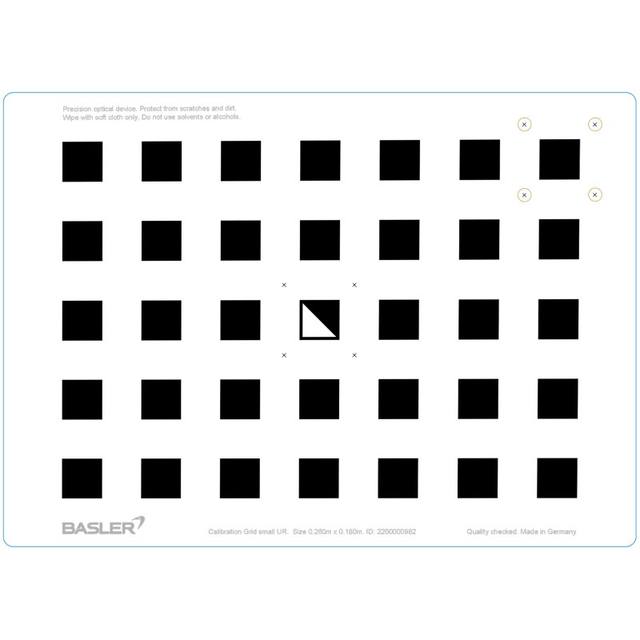
  • Basler Calibration Grid machine vision accessory
    BaslerBasler Calibration GridCalibration Grid
    • small: 26 cm × 18 cm; large: 39 cm × 27 cm; extra large: 52 cm × 36 cm (grid area)
    • 3D Cameras: Basler STA-100-547M-082609-W, Basler Stereo Camera rc_visard 160m-6, Basler Stereo Camera rc_visard 160c, Basler Stereo Camera rc_visard 65m, Basler Stereo Camera rc_visard 65c, Basler STA-100-547C-082609-W, Basler Stereo Camera rc_visard 160m, Basler STA-200-547C-082616-W +3 more; Application Software: Basler 3D SilhouetteMatch, Basler 3D ItemPickAI, Basler 3D ItemPick, Basler 3D BoxPick, Basler 3D TagDetect, Basler 3D SilhouetteMatchAI, Basler 3D CADMatch
    • Alu-dibond, 6 mm thick
    • Recommended by AIS Vision
    On request
    View
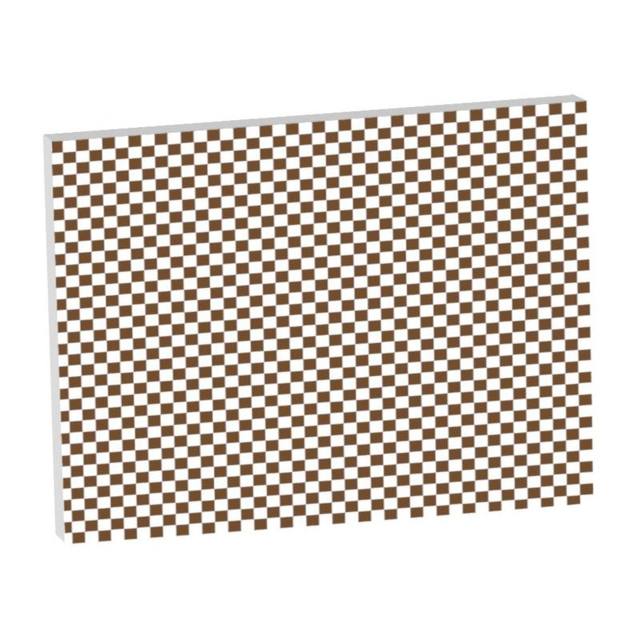
  • Opto Engineering PTTC chrome-on-glass machine vision accessory
    • Checkerboard (0.20 / 0.60 / 1.35 / 2.20 / 3.00 / 4.00 / 5.00 mm squares)
    • 14.4 × 12.8 mm to 320 × 260 mm active area (W × H), by part number
    • Opto Engineering TC CORE series, TC series, TC1MHR CORE series, TC1MHR series, TC2MHR CORE series, TC2MHR series, TC3MHR CORE series, TC3MHR series, TC4MHR CORE series, TC4MHR series, TC10M series, TC12K series, TC12M series, TC16M series, TCDP PLUS series, TCEL series, TCLWD3M series, TCSM series, TCZEL series, TCZRS series, CMPH series, CMT series
    • Class 1 (chrome-on-glass): tolerance ±(6.4 µm + 0.016 µm/mm × length); min. feature / spacing 1.4 µm; Class 2 (chrome-on-glass): tolerance ±(1.6 µm + 0.008 µm/mm × length); min. feature / spacing 0.8 µm; Grade B (maker's accuracy grade; no tolerance figures for it on the page)
    • Recommended by AIS Vision
    On request
    View
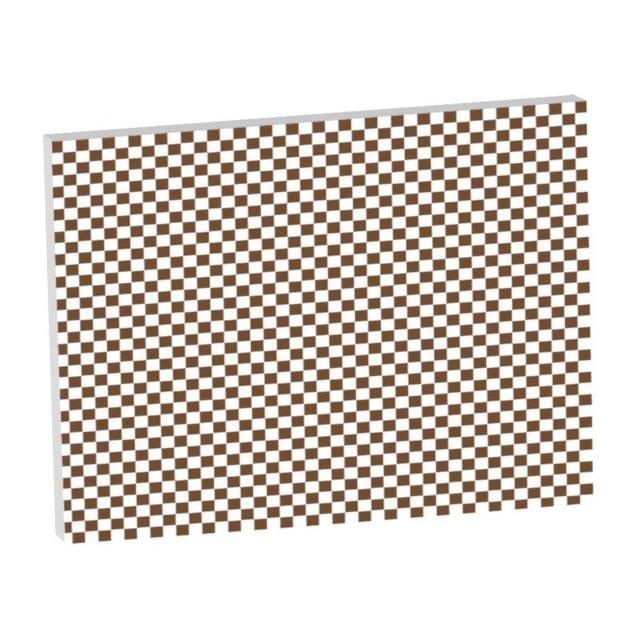
  • Opto Engineering PTCP chrome-on-glass machine vision accessory
    • Checkerboard (1.35 / 2.20 mm squares)
    • 167.4 × 129.6 mm to 286.2 × 226.8 mm active area (W × H), by part number
    • Opto Engineering TC CORE PLUS series, TCHR CORE PLUS series
    • Class 2 (chrome-on-glass): tolerance ±(1.6 µm + 0.008 µm/mm × length); min. feature / spacing 0.8 µm; Grade B (maker's accuracy grade; no tolerance figures for it on the page)
    • Recommended by AIS Vision
    On request
    View

AIS Vision · Integration

We validate camera + lens + lighting

AIS Vision defines and tests the optimal combination of camera, optics and lighting for your application before you buy.