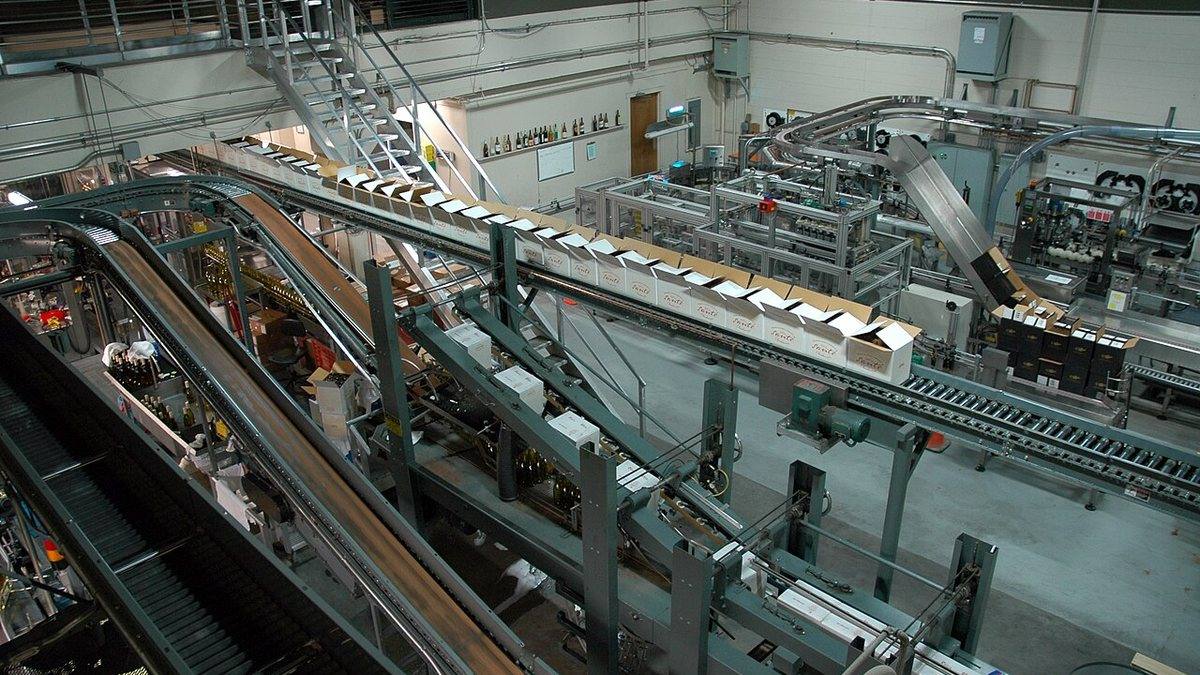
Packaging lines combine high throughput with high variety: the same machine handles multiple SKUs, formats change several times per shift, and a missed defect can mean a recall, a rejected pallet or a regulatory hold. Packaging inspection has to confirm, on every unit, that the product is present, the pack is intact, the label is correct and legible, and the date or lot code is readable — all in the few milliseconds each part spends in front of the camera.
The challenge is rarely a single hard measurement. It is the breadth of small checks that must all pass at line rate, across changing products, while tolerating reflective films, glossy varnishes, condensation and operators who reposition guides between runs. The right approach groups these checks by difficulty, then picks the simplest reliable device for each one rather than over-specifying a single camera to do everything.
This page frames the typical packaging checks, explains where a vision sensor is enough and where a smart camera earns its place, and covers the lighting and integration decisions that determine whether the system holds up in production.
What packaging inspection actually checks
Most packaging stations bundle several distinct inspections that engineers tend to treat as one. Separating them is the first design step, because each has a different failure mode and a different ideal sensor.
Presence and count checks confirm that the right number of items, inserts, leaflets or caps are in the pack. Integrity checks look at seals, closures, fill level, crushed corners and tamper bands. Labelling checks verify that the correct label is applied, in the right position and orientation, and free of folds, smears or bubbles. Code checks read or verify the barcode, 2D code or human-readable lot and expiry print, which on packaging is often printed live by an upstream coder and is the most error-prone element on the line.
- Presence/absence and count: items, leaflets, desiccants, caps, closures
- Integrity: seal and weld quality, fill level, crushed or open flaps, tamper evidence
- Label: correct artwork, position, skew, wrinkles, bubbles and legibility
- Codes: 1D/2D barcode read plus OCR/OCV of printed lot, batch and best-before
Match the device to the check: sensor or smart camera
The most cost-effective packaging stations use vision sensors for the simple, well-defined go/no-go decisions and reserve programmable smart cameras for the checks that need flexibility, OCR/OCV or pixel measurement. Trying to force every task onto one platform usually means paying for capability you cannot use on the easy checks, or hitting a wall on the hard ones.
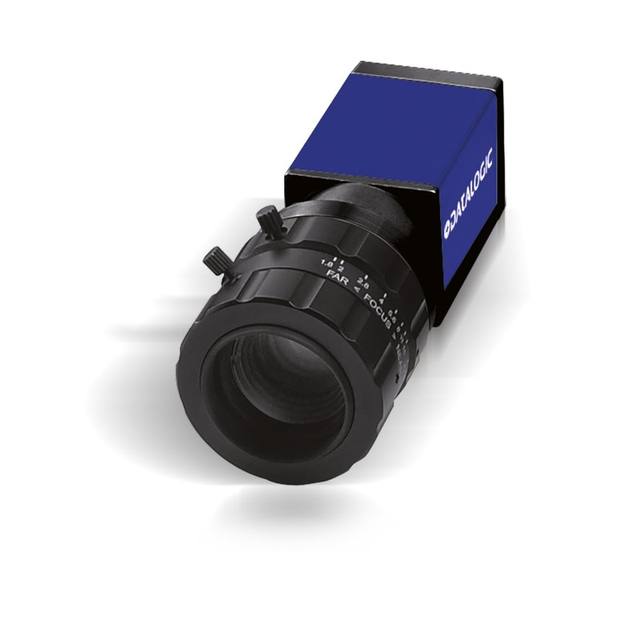
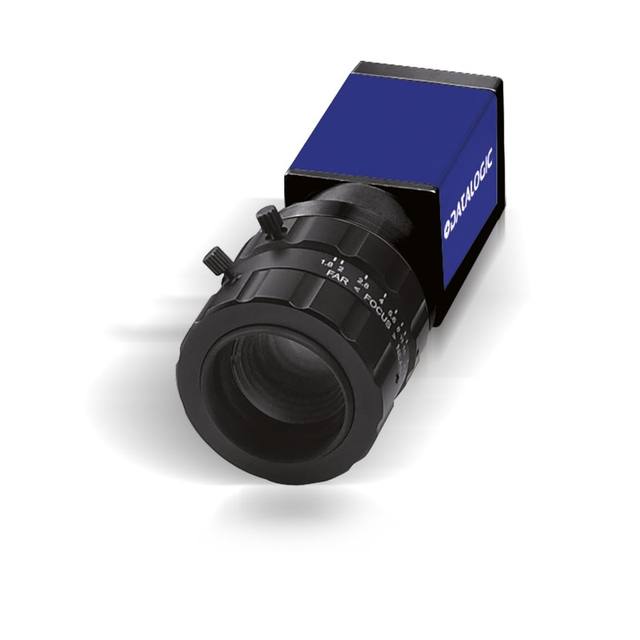
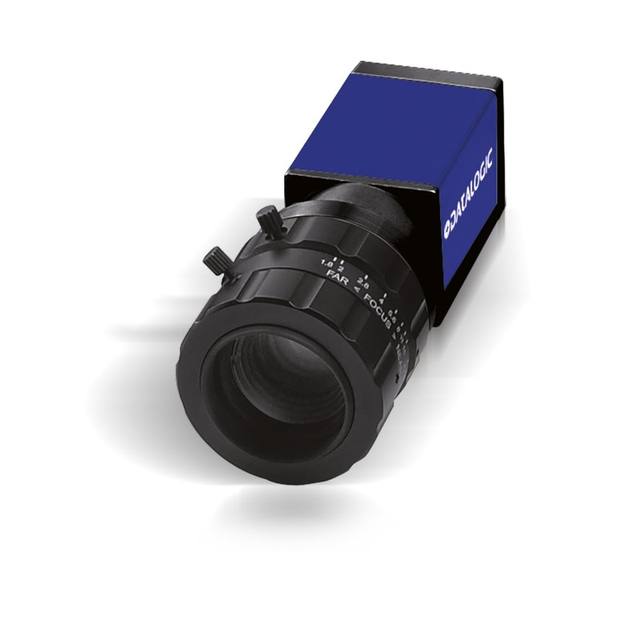
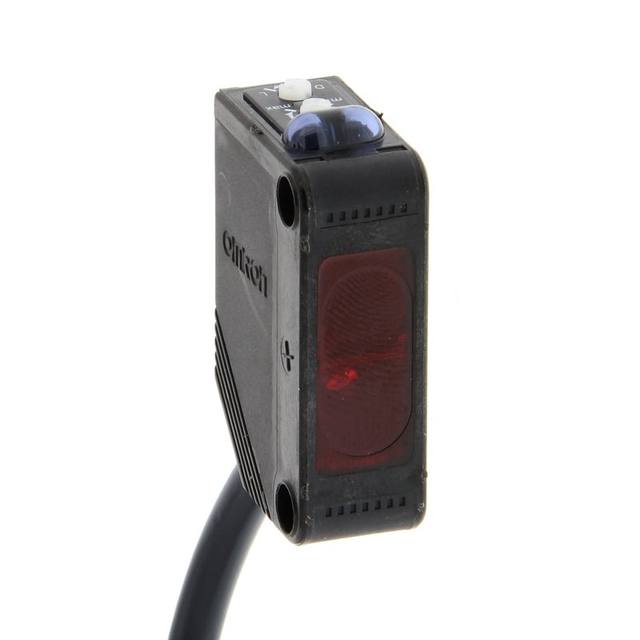
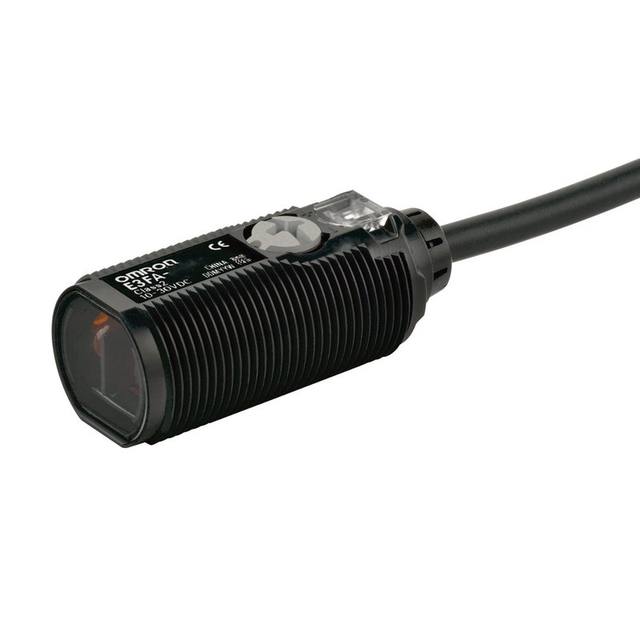
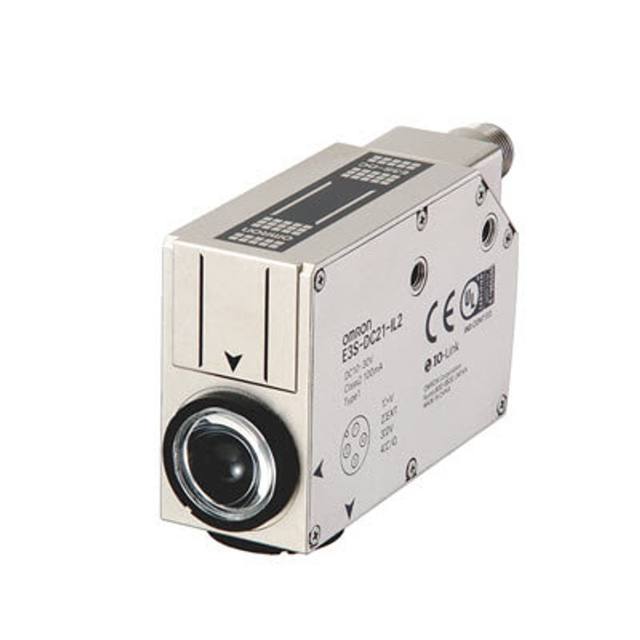
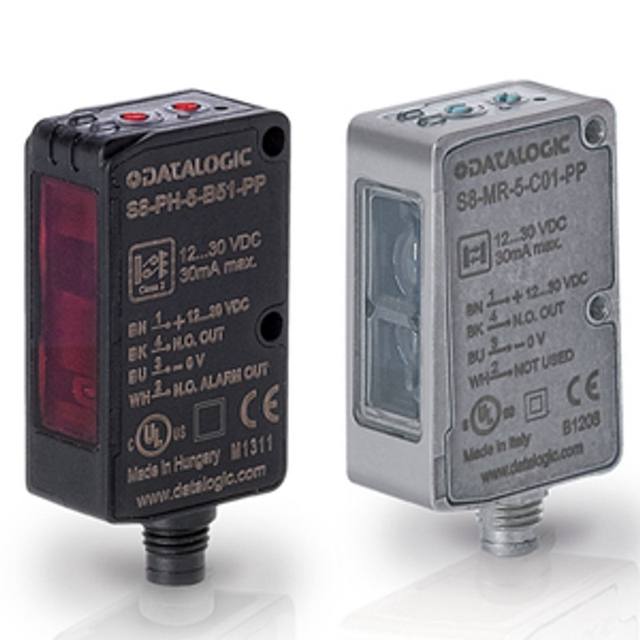
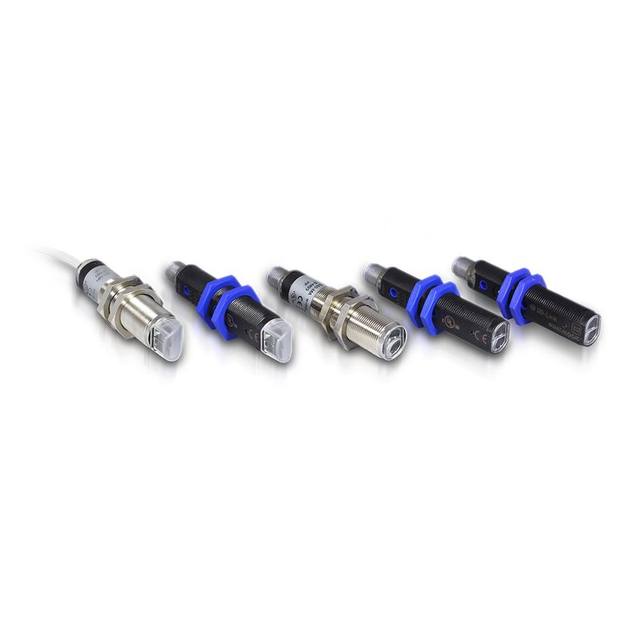
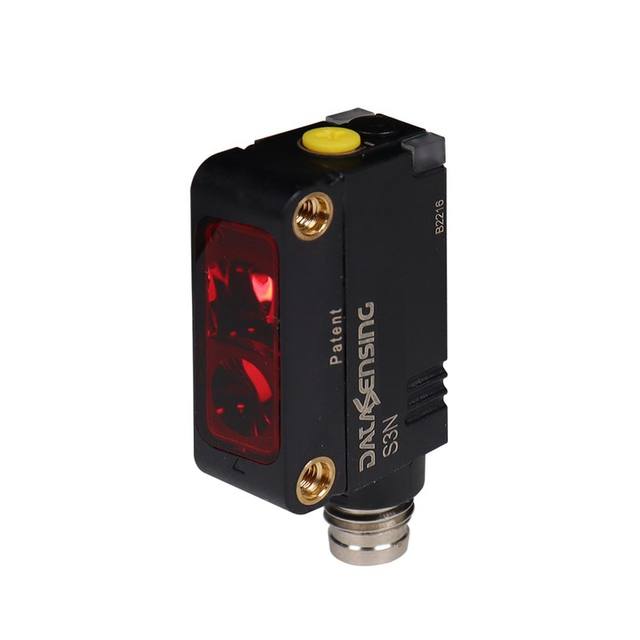
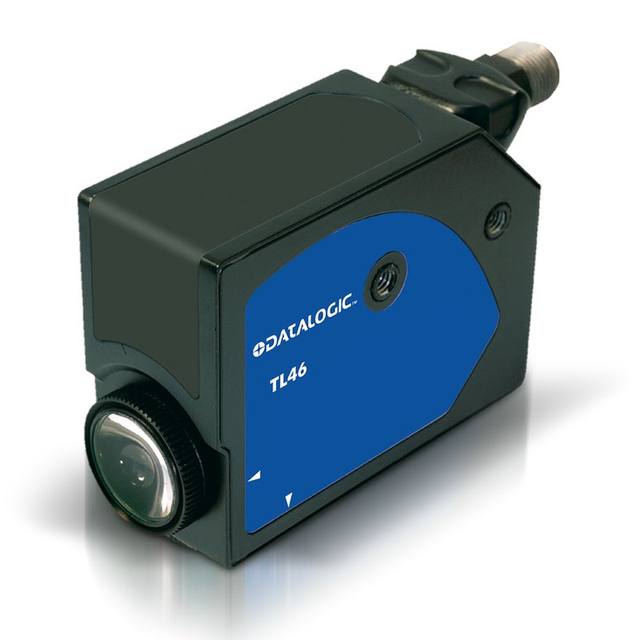
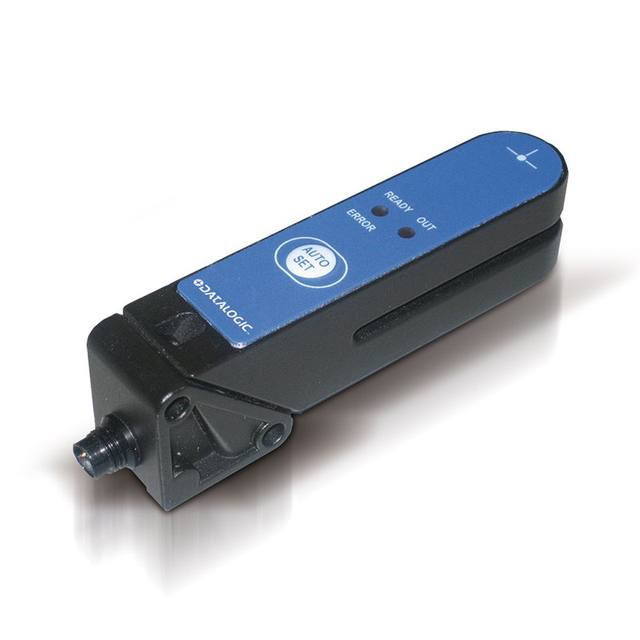
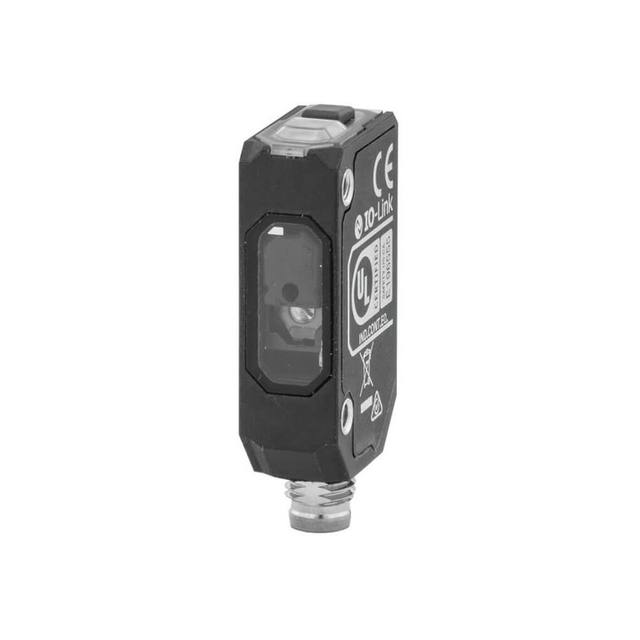
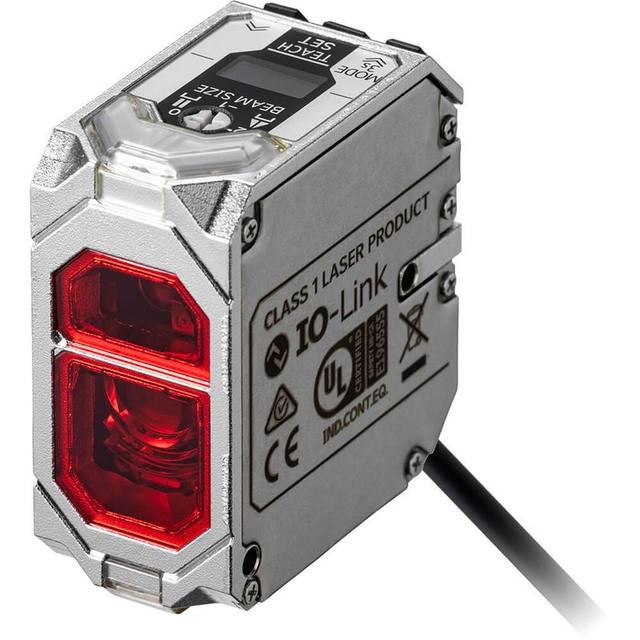
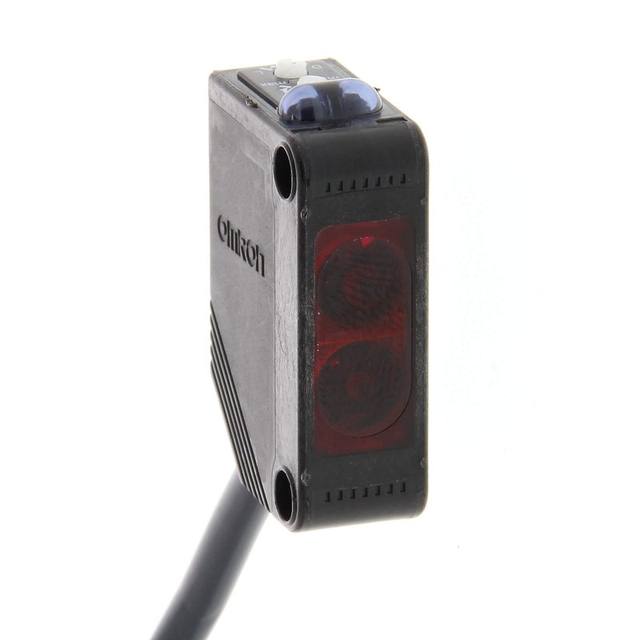
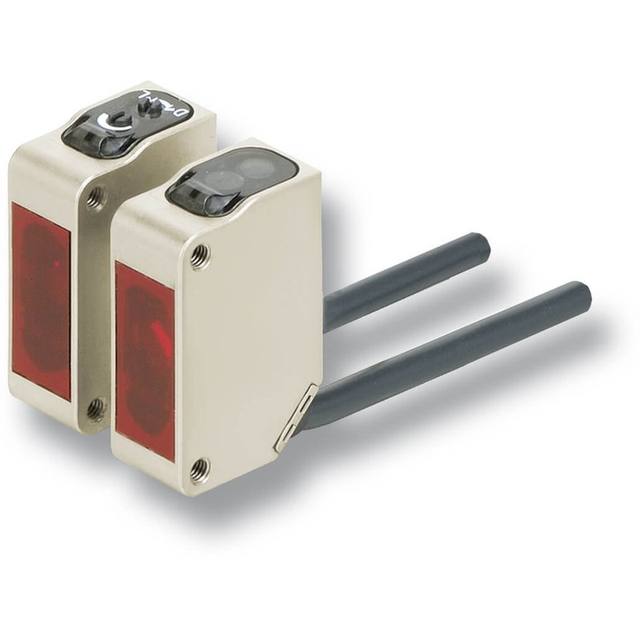
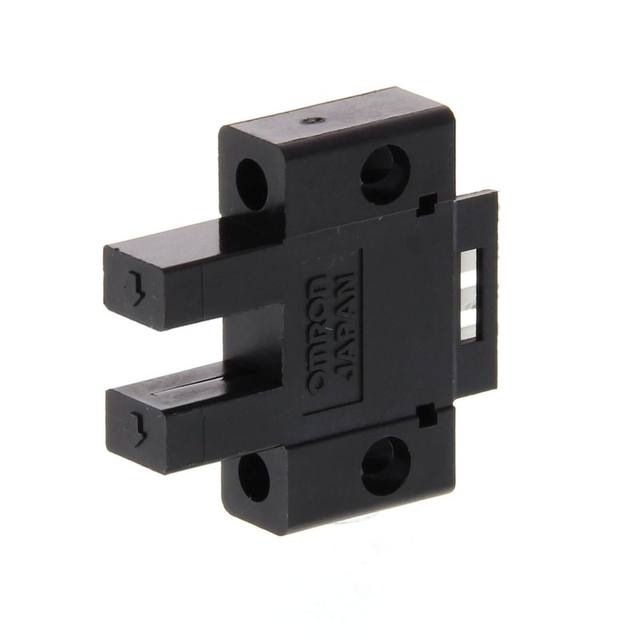
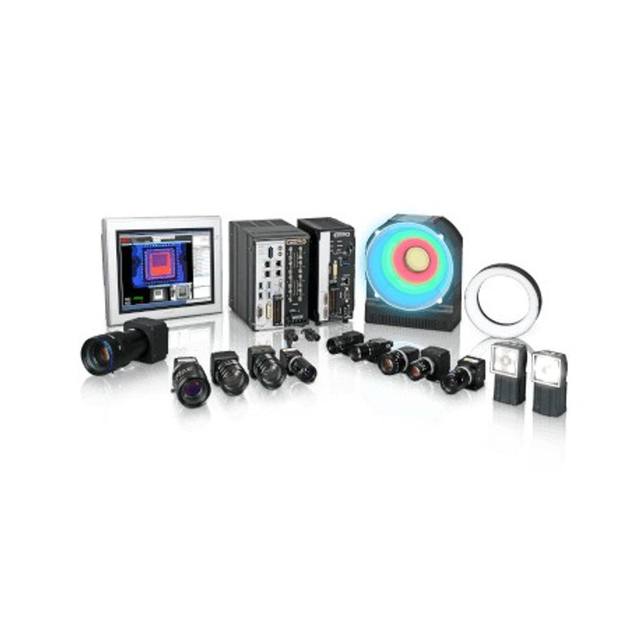
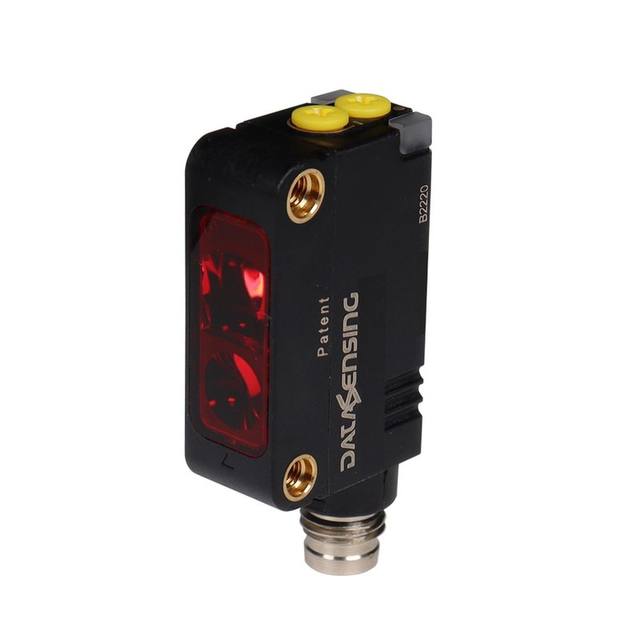
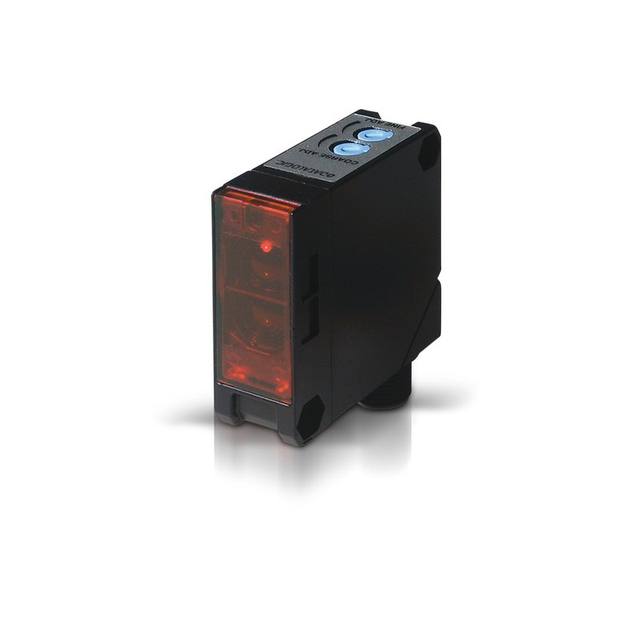
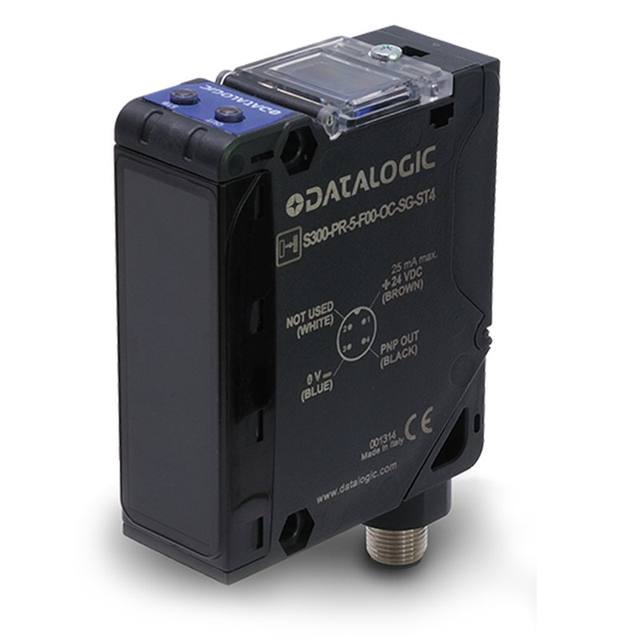
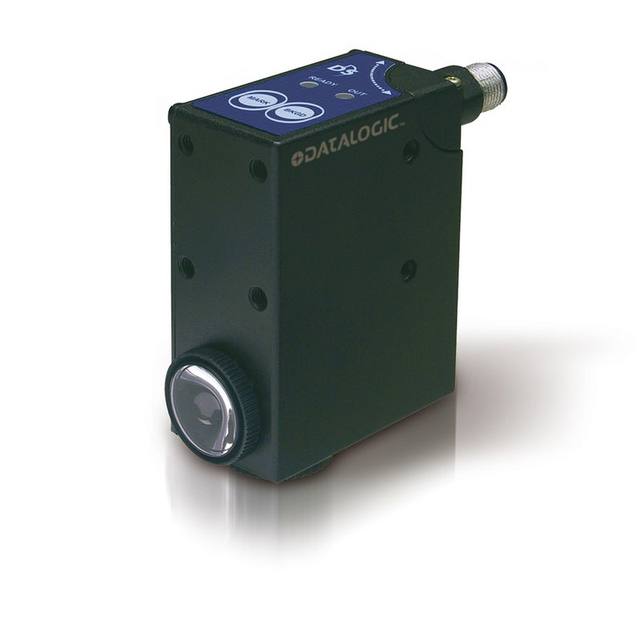
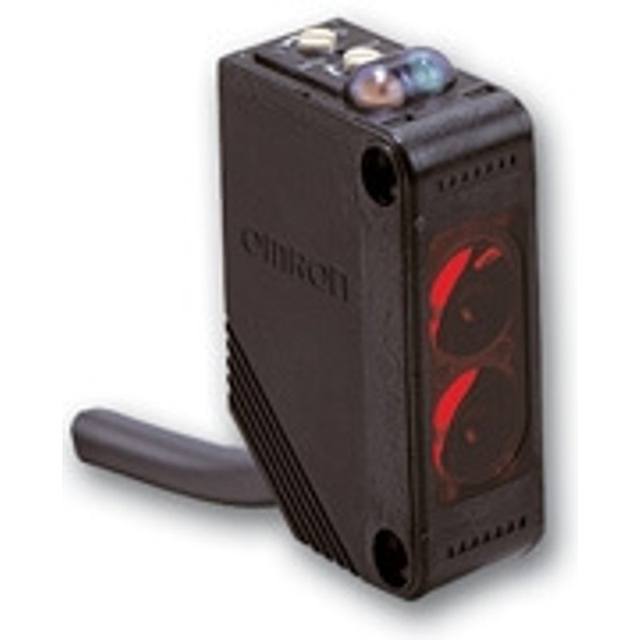
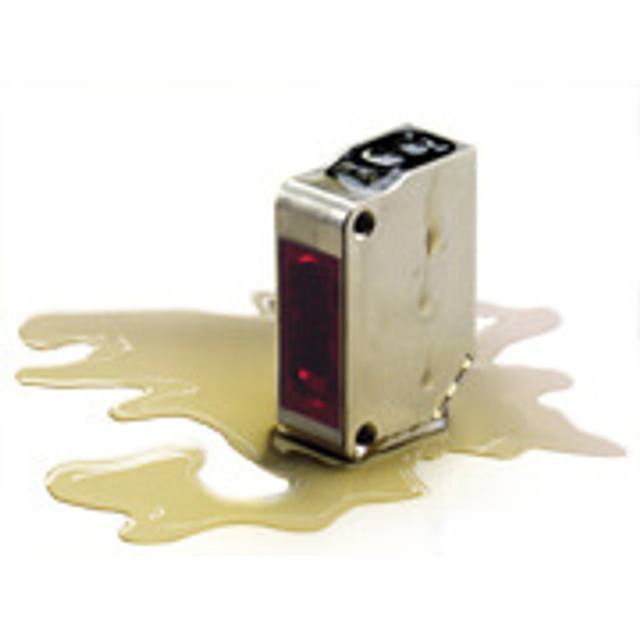
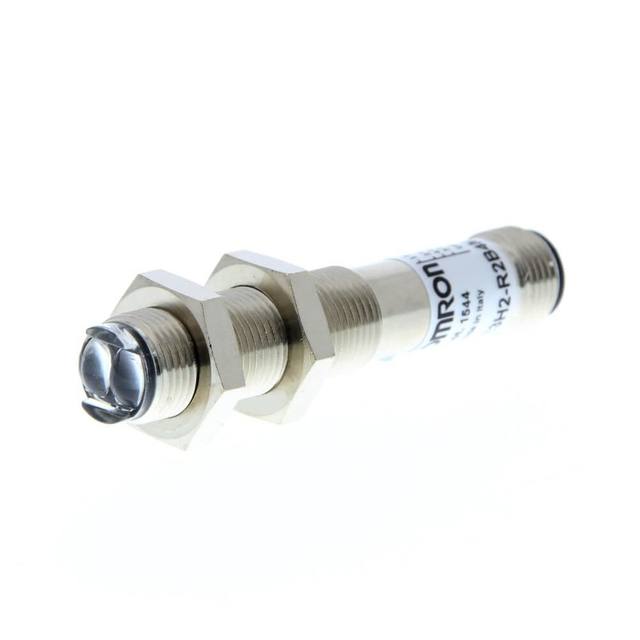
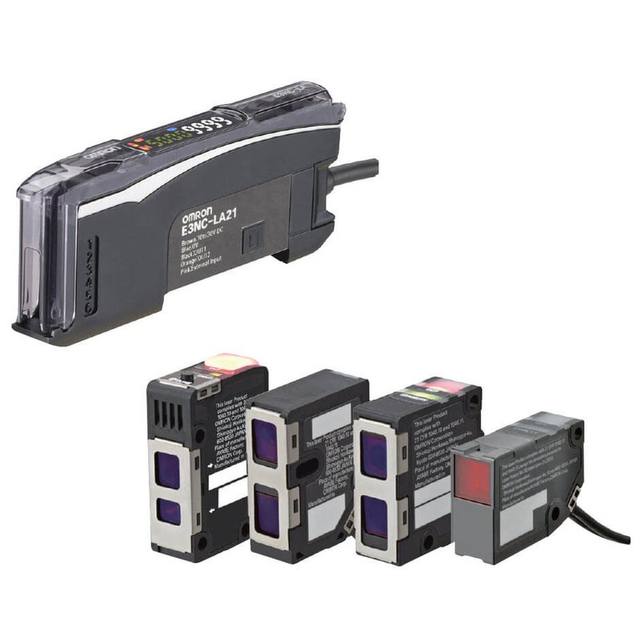
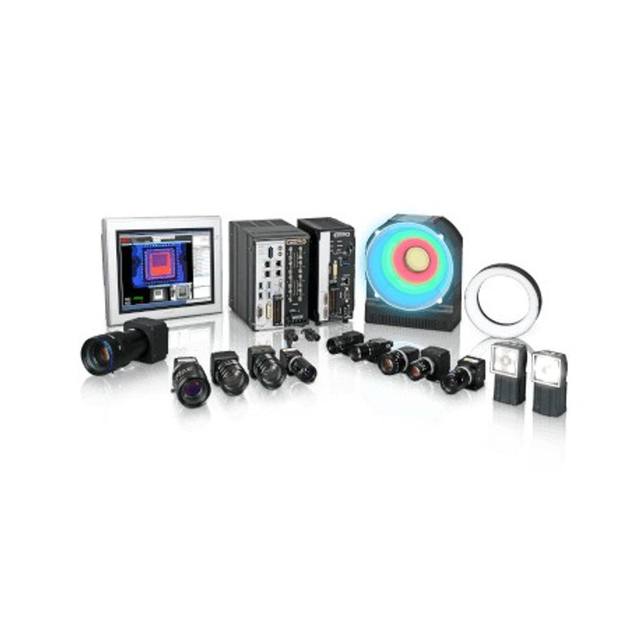
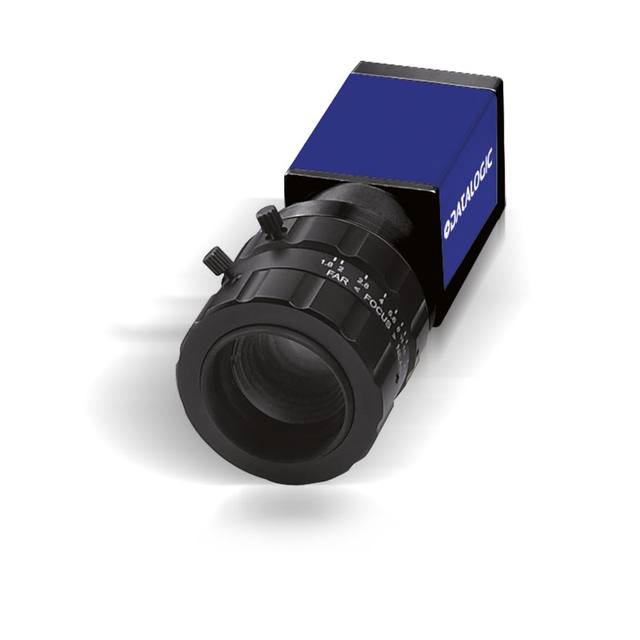
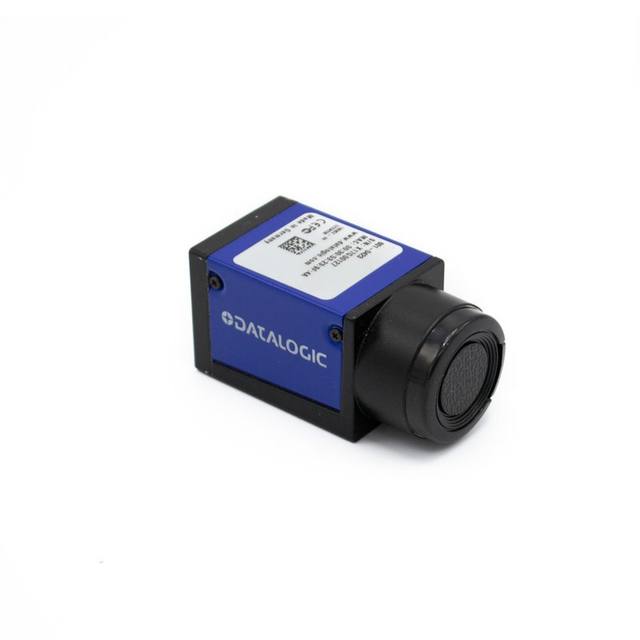
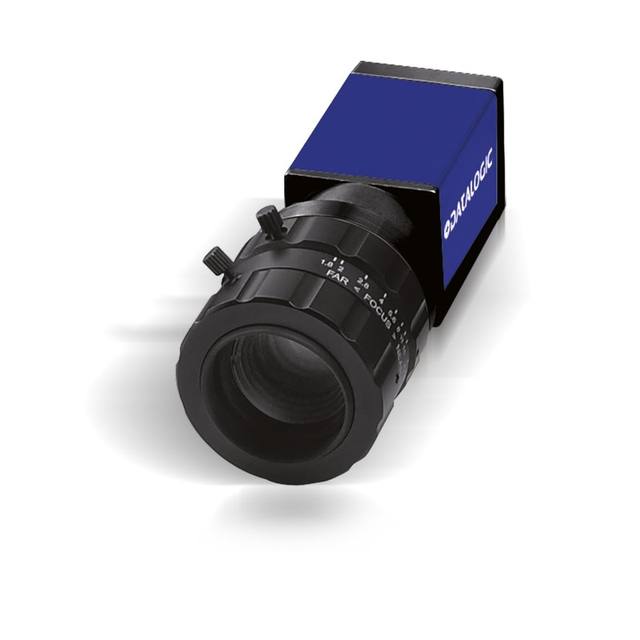
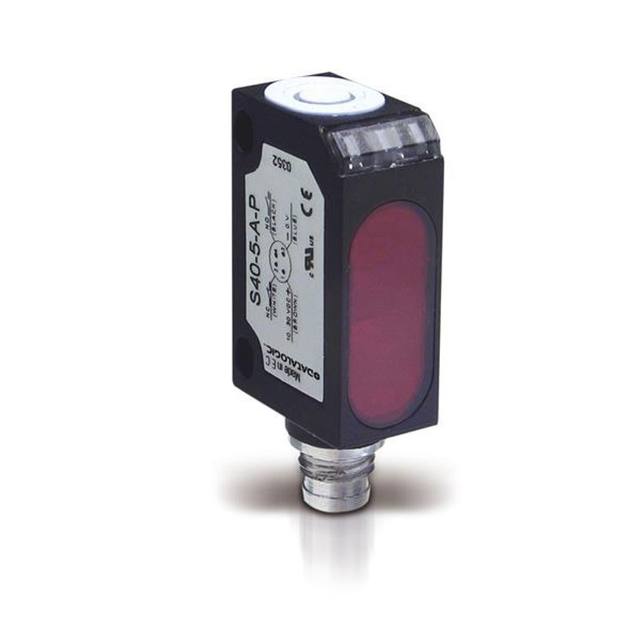
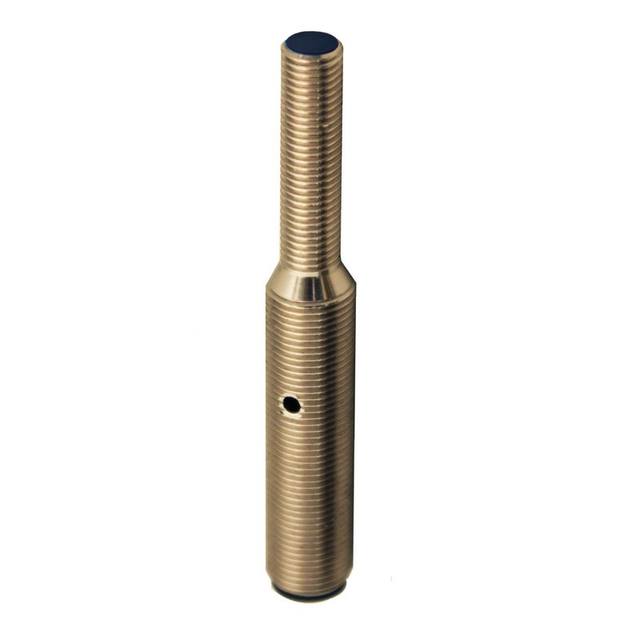
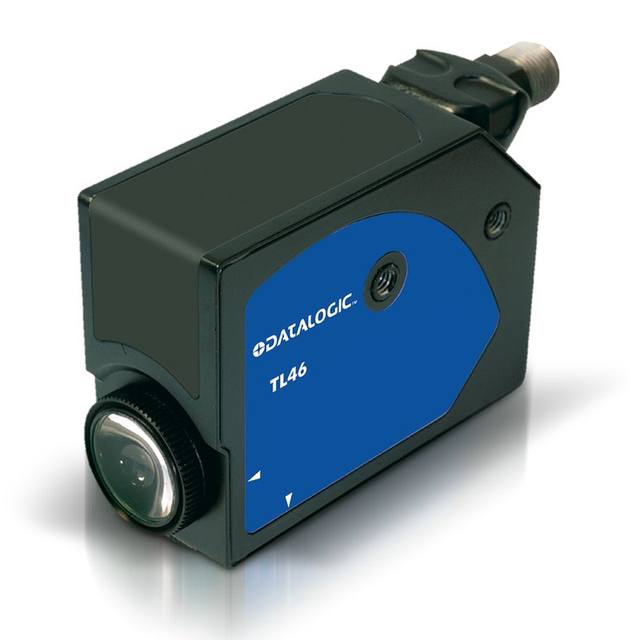
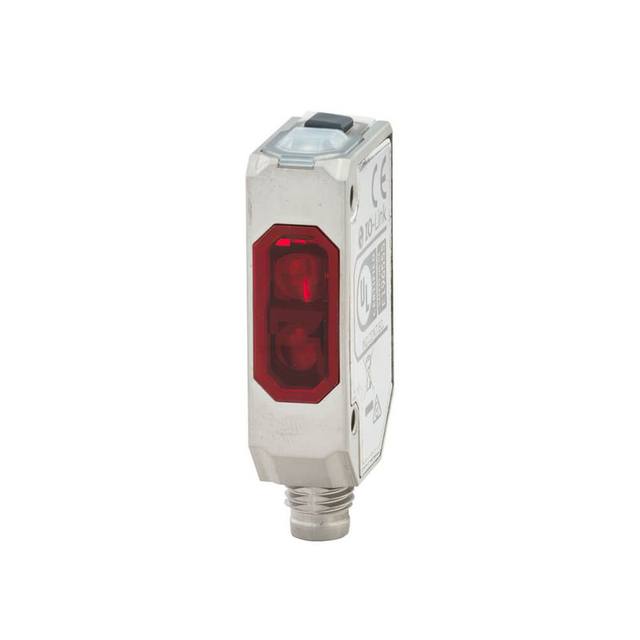
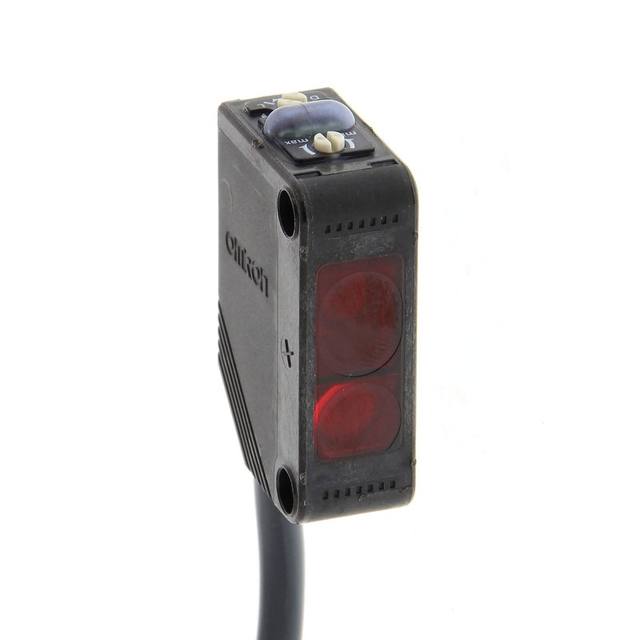
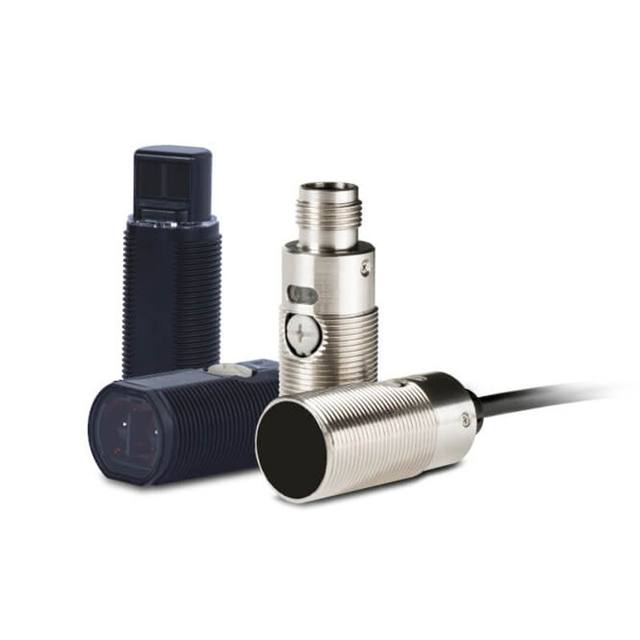
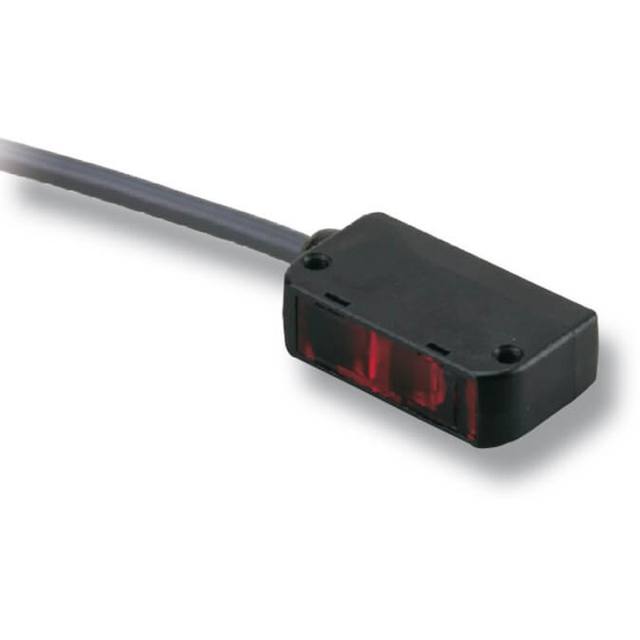
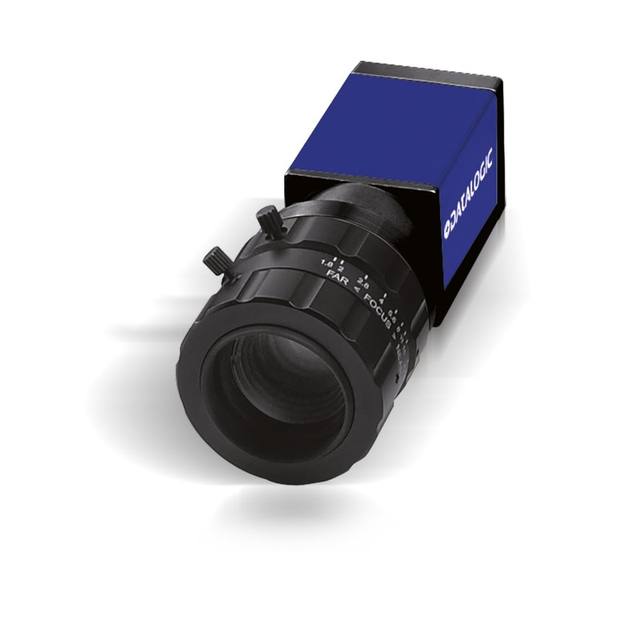
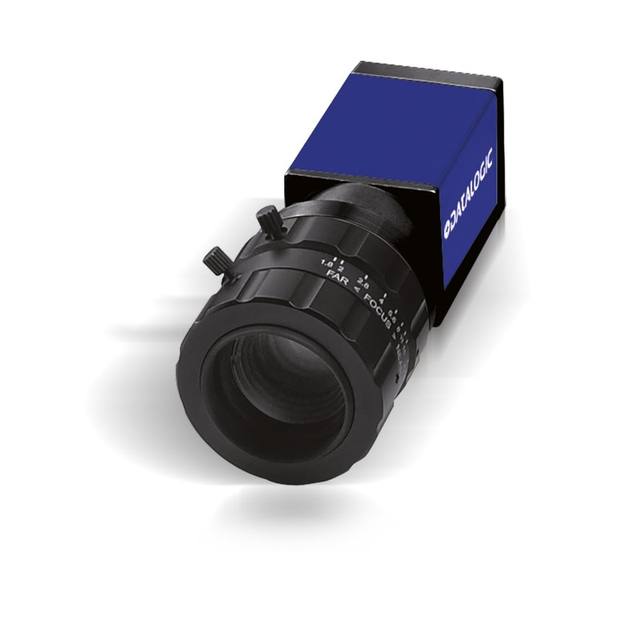
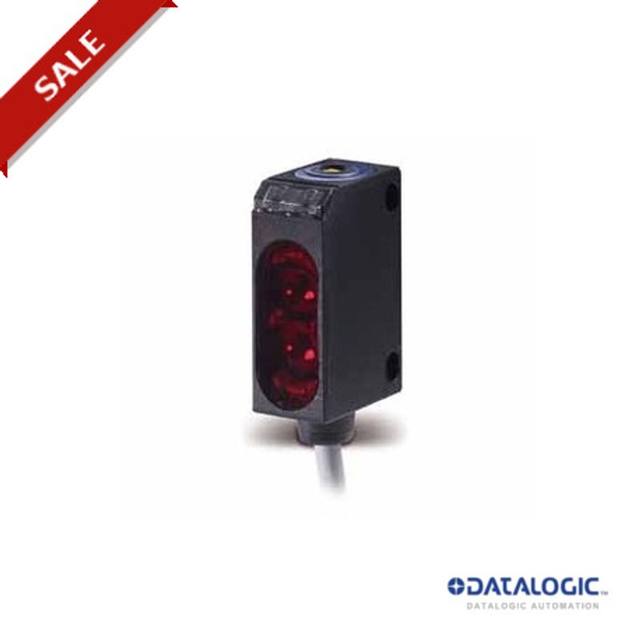
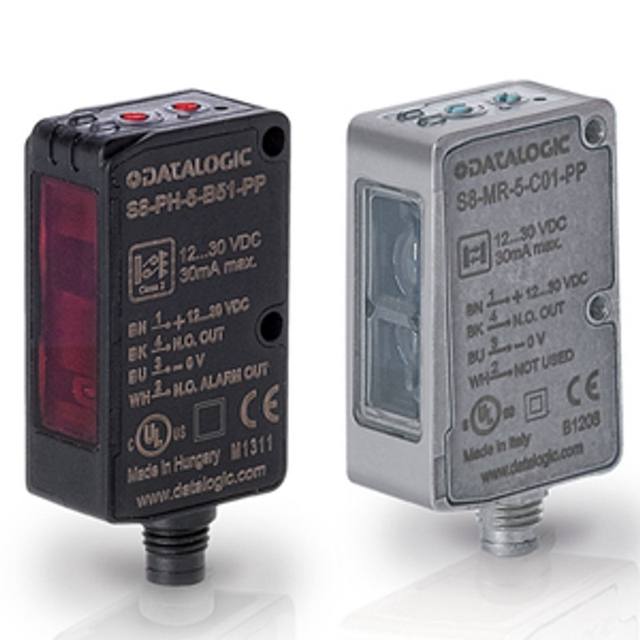
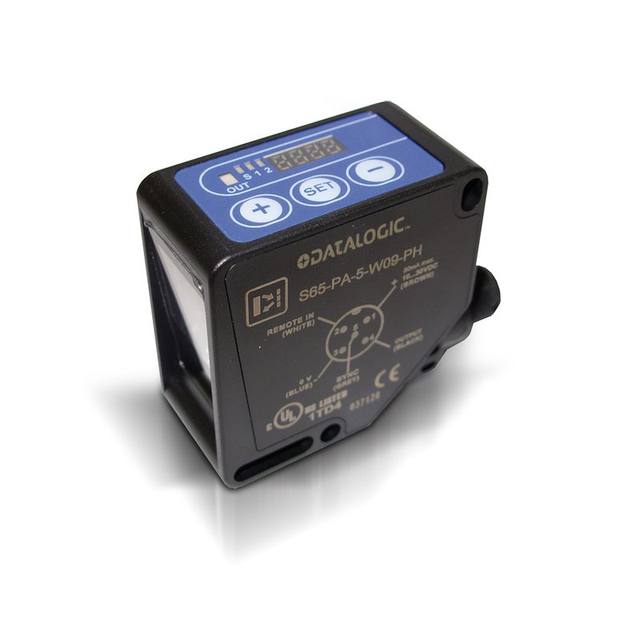
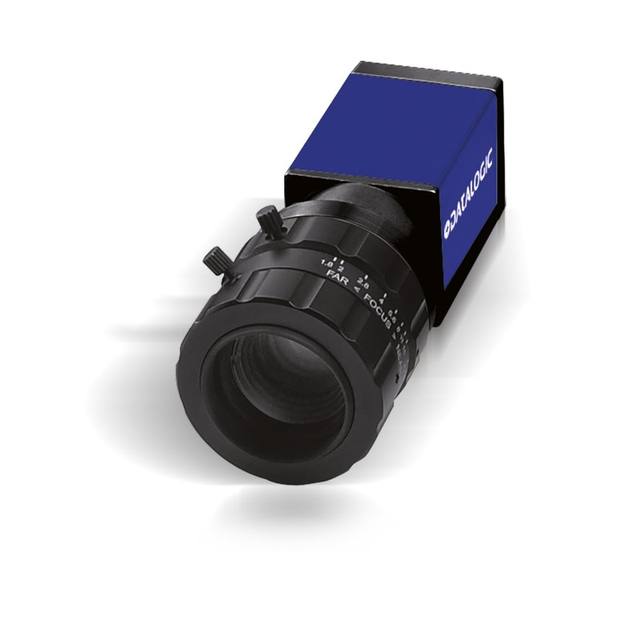
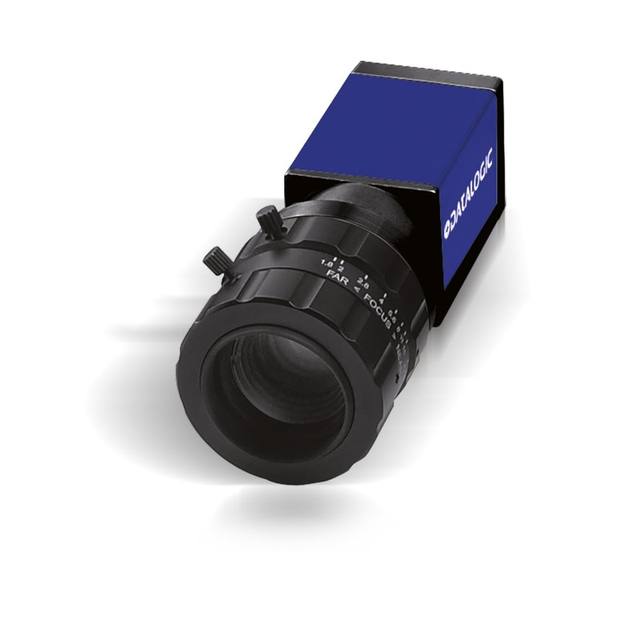
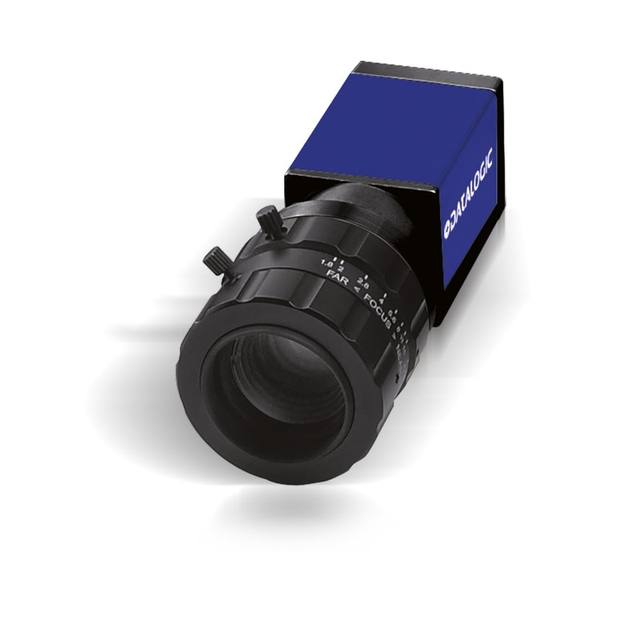
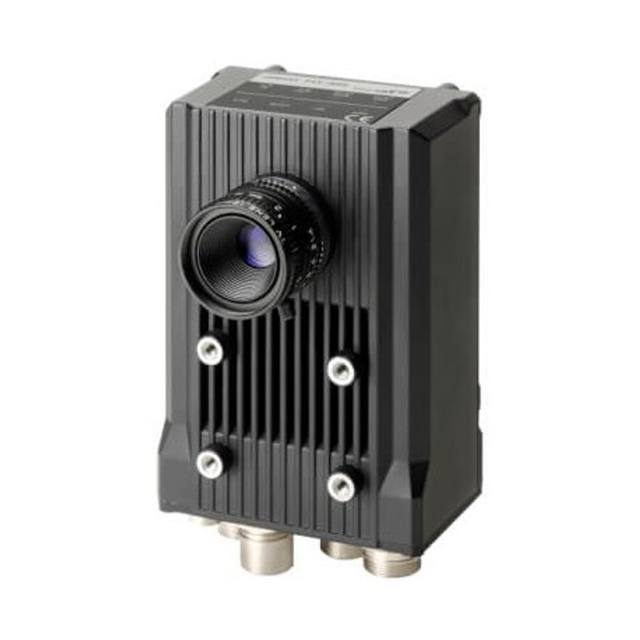
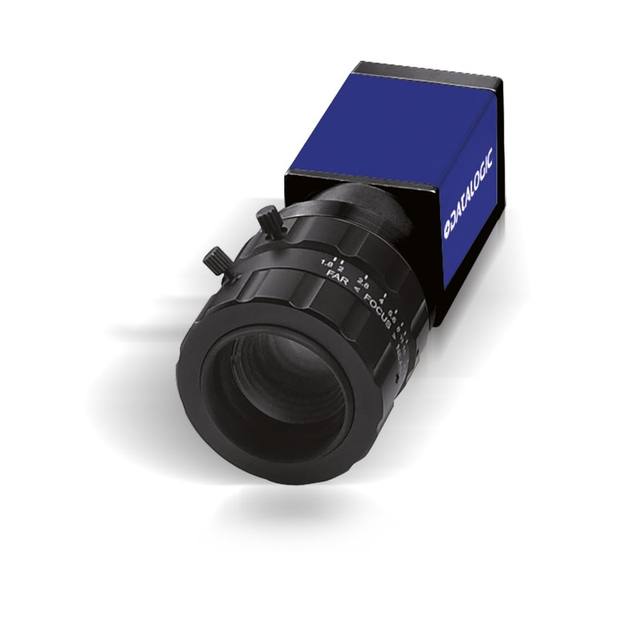
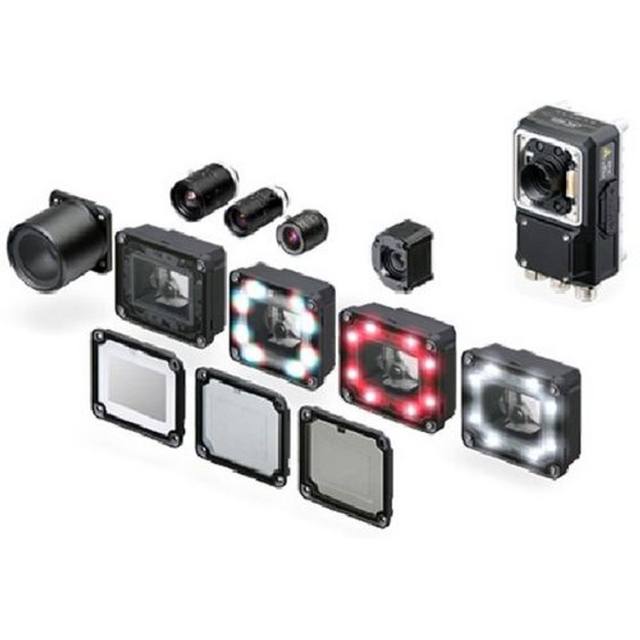
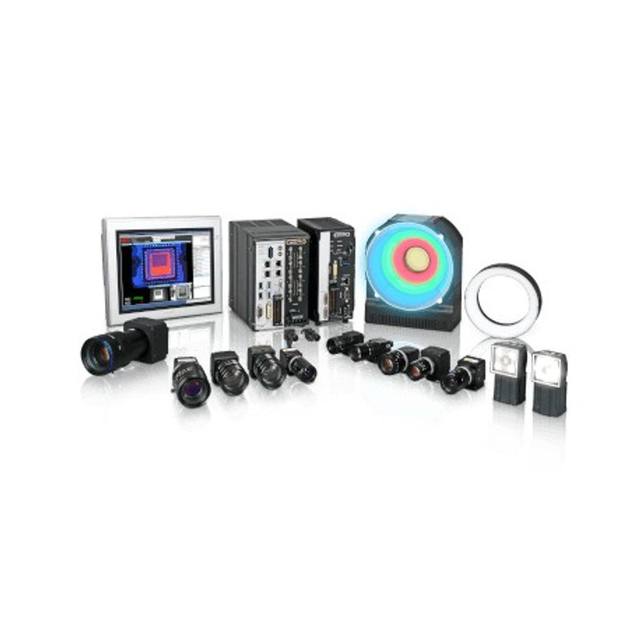
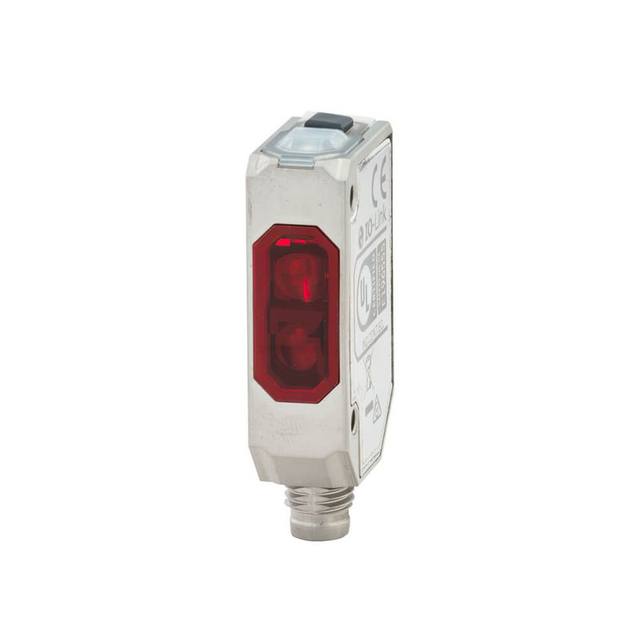
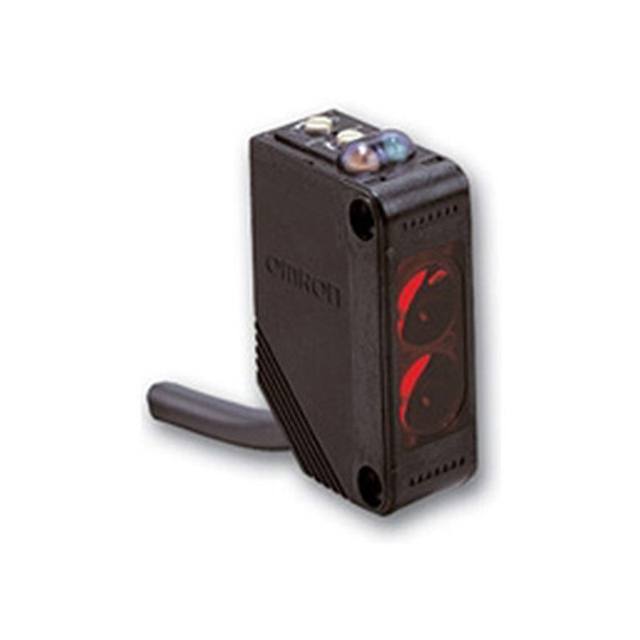
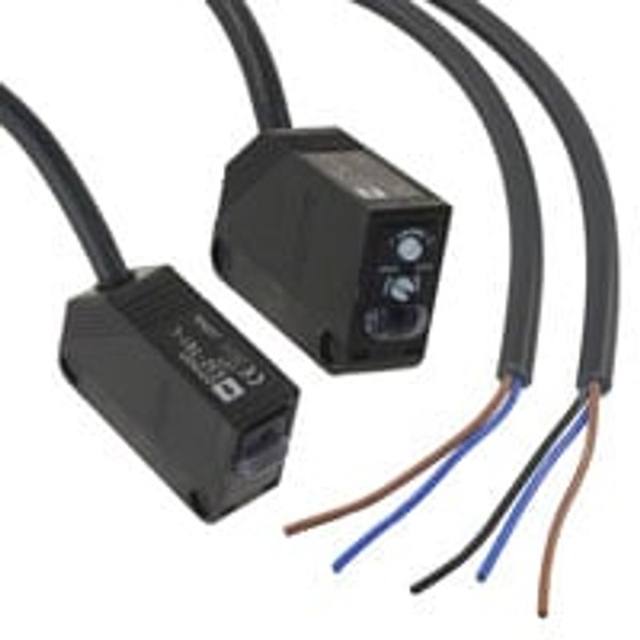
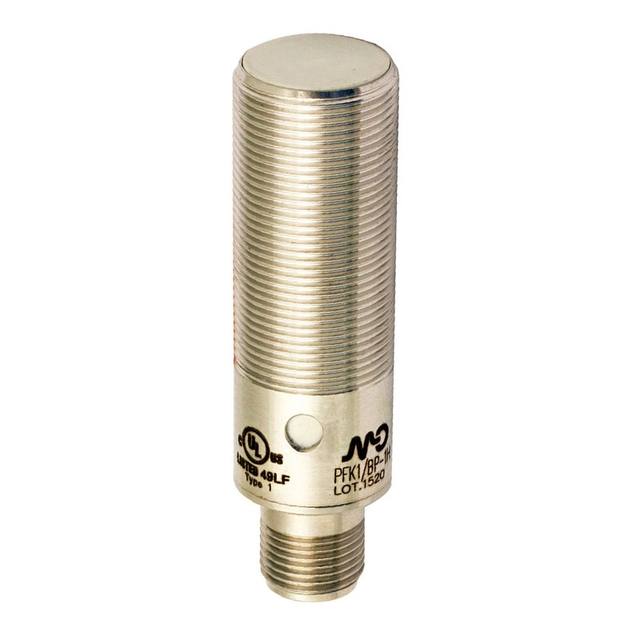
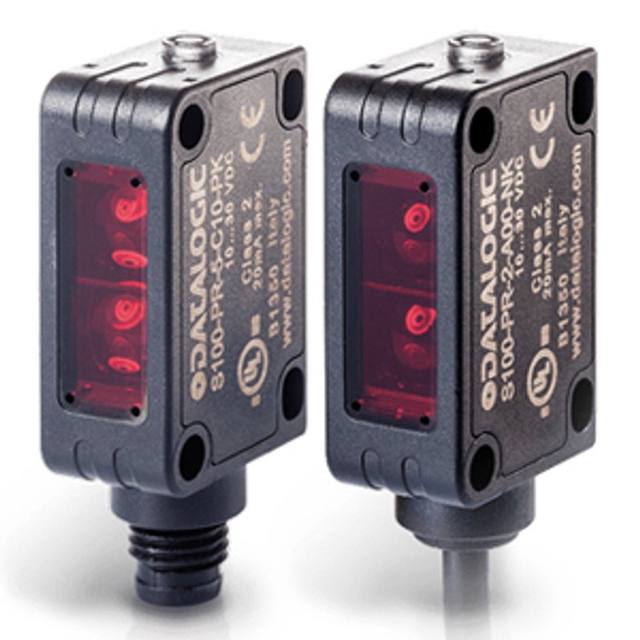
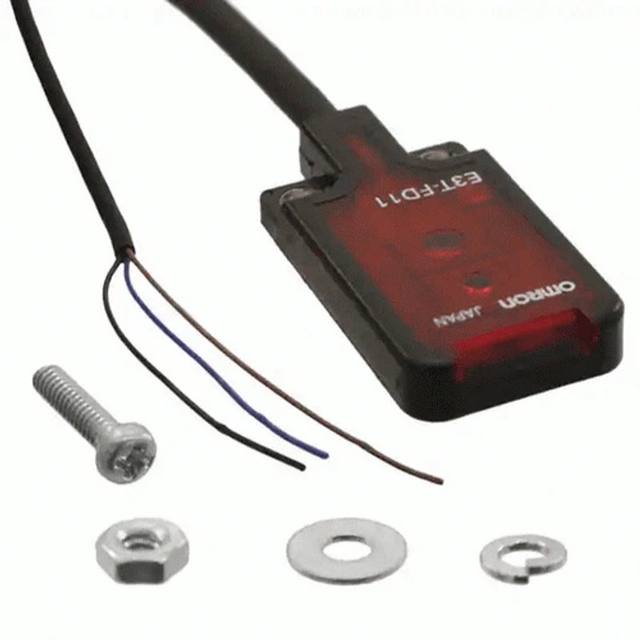
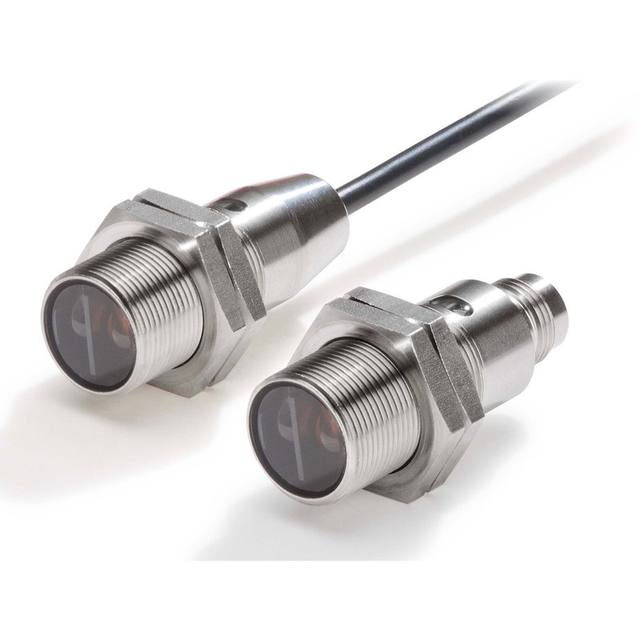
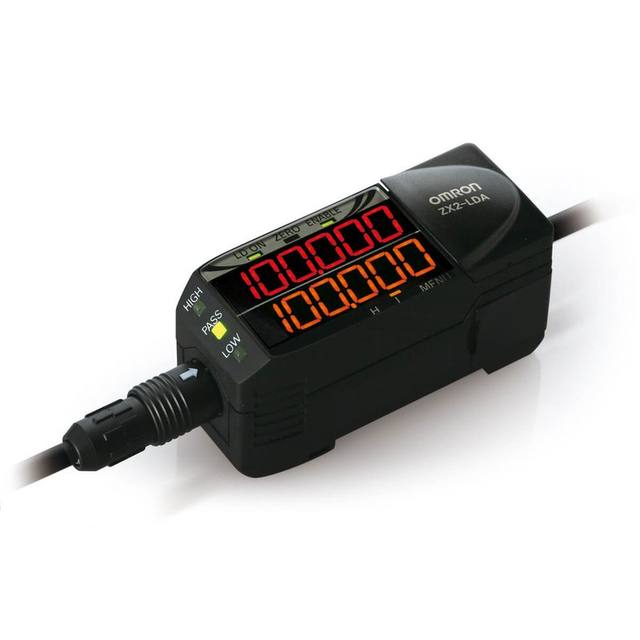
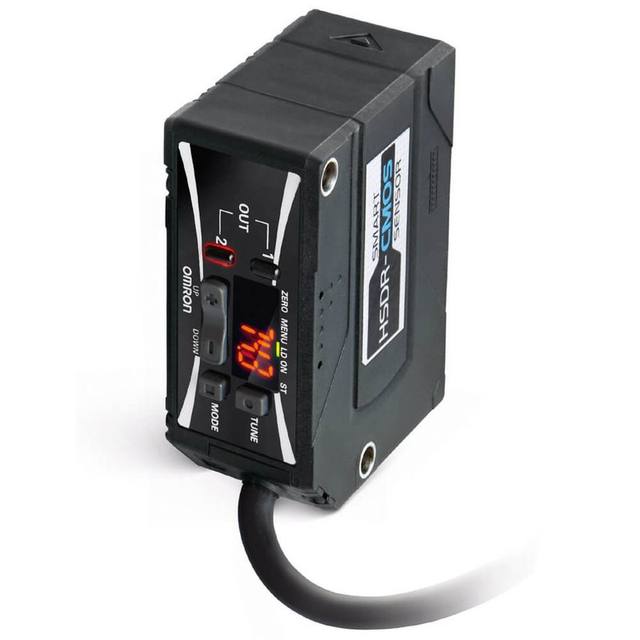
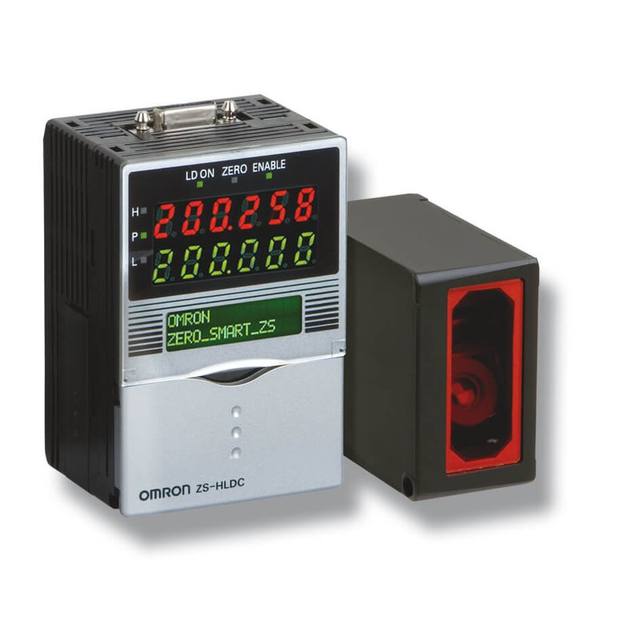
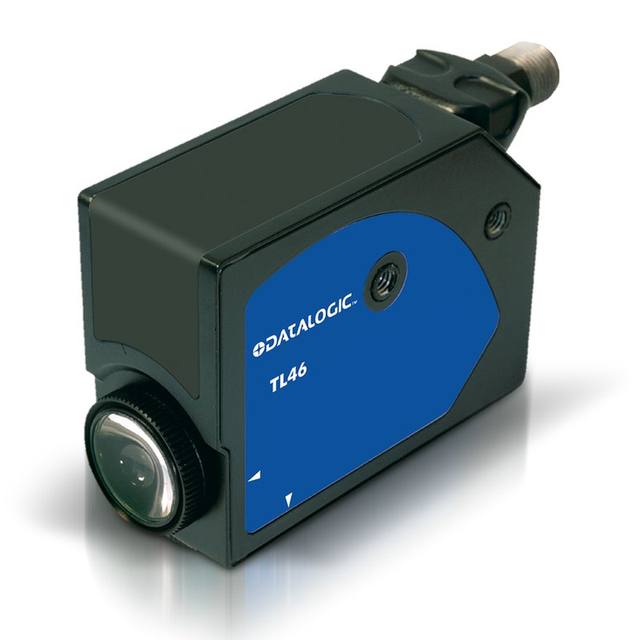
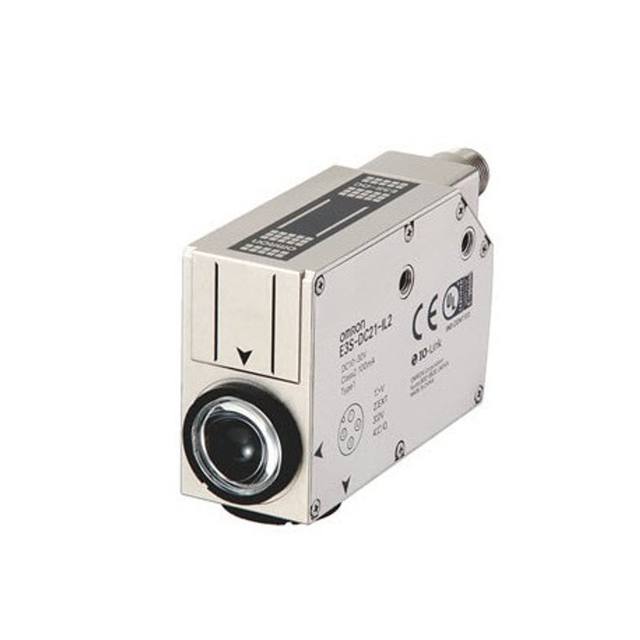
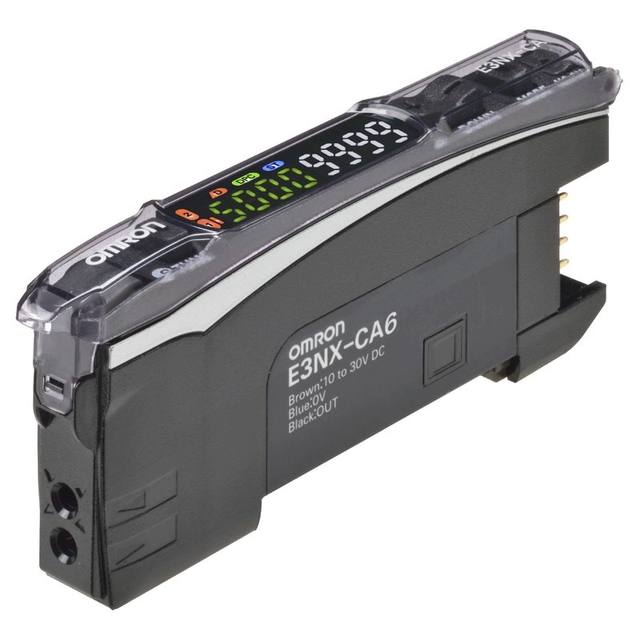
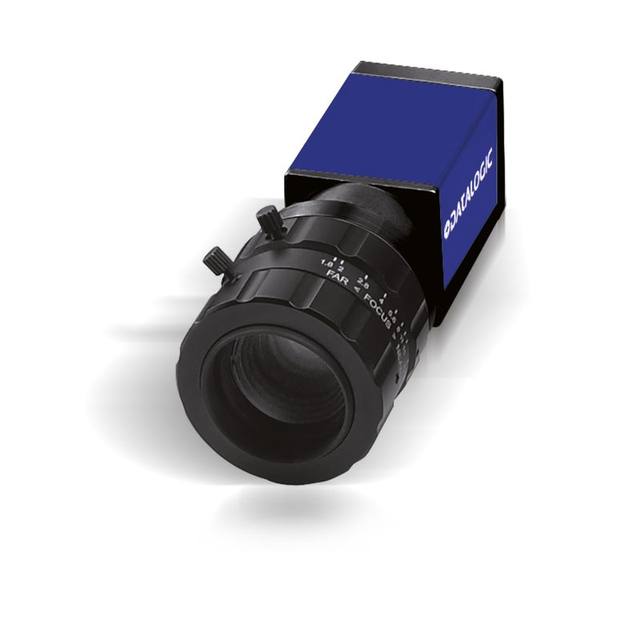
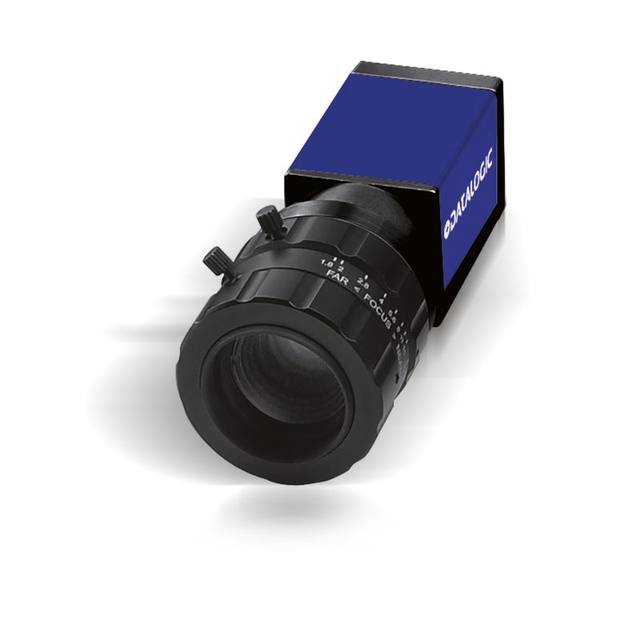
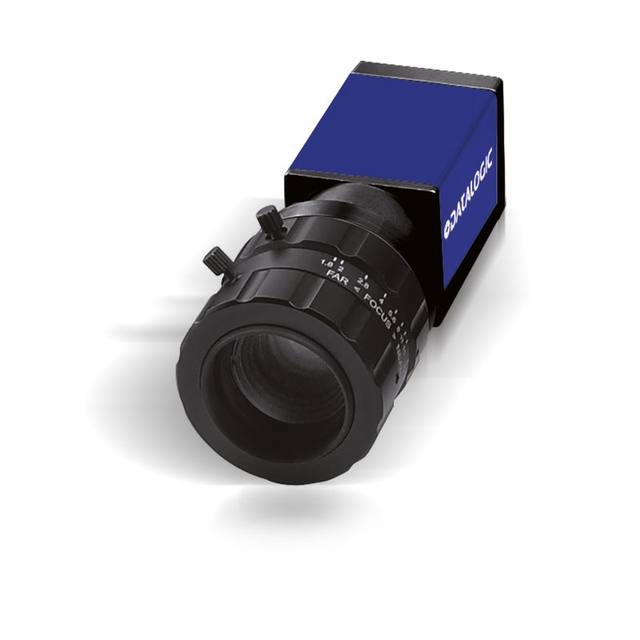
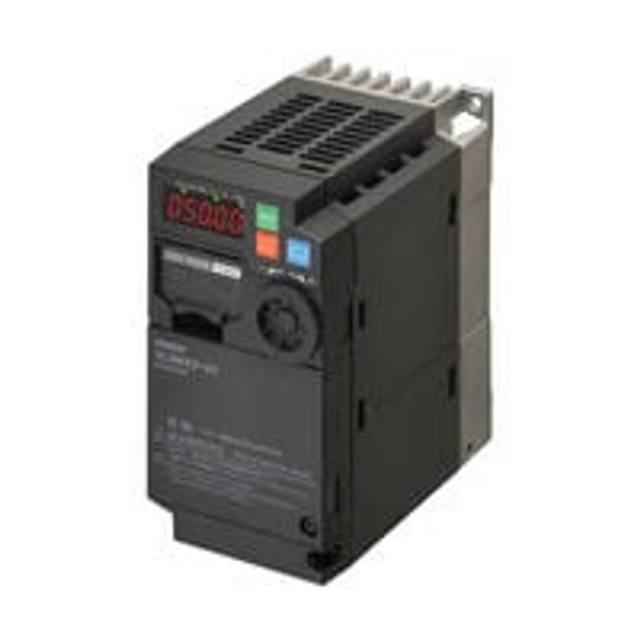
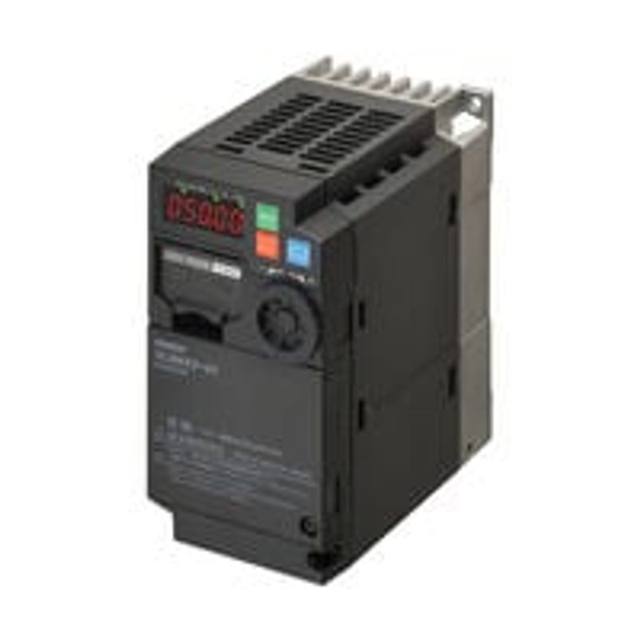
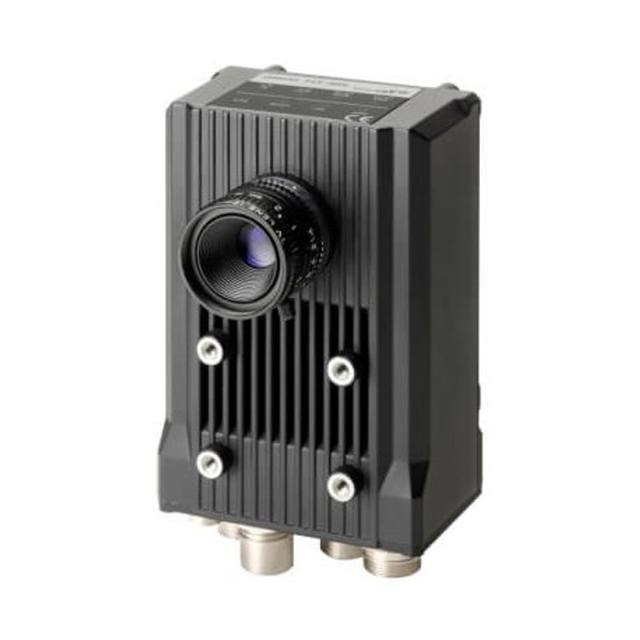
Vision sensors from Omron/Sentech and Datalogic/Datasensing are well suited to fixed presence, position, colour and pattern-match decisions: they are fast to teach, run a fixed program, output a clean PASS/FAIL to the PLC, and survive being deployed by line technicians rather than vision engineers. Use them where the part presentation is repeatable and the decision is binary.
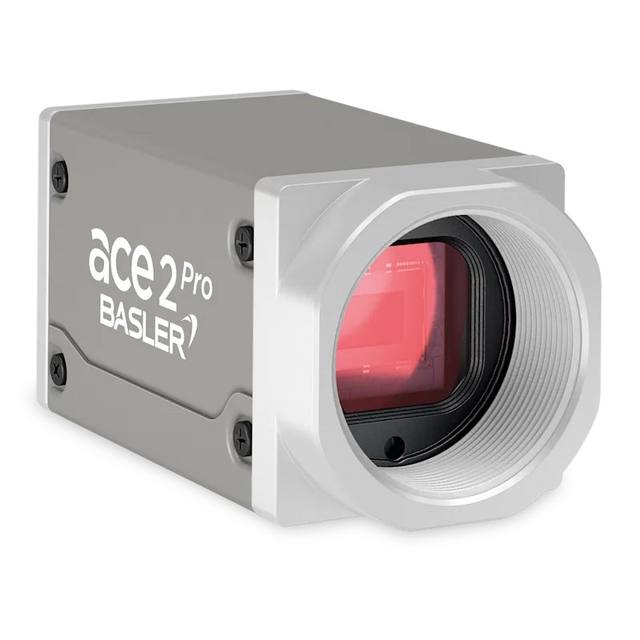
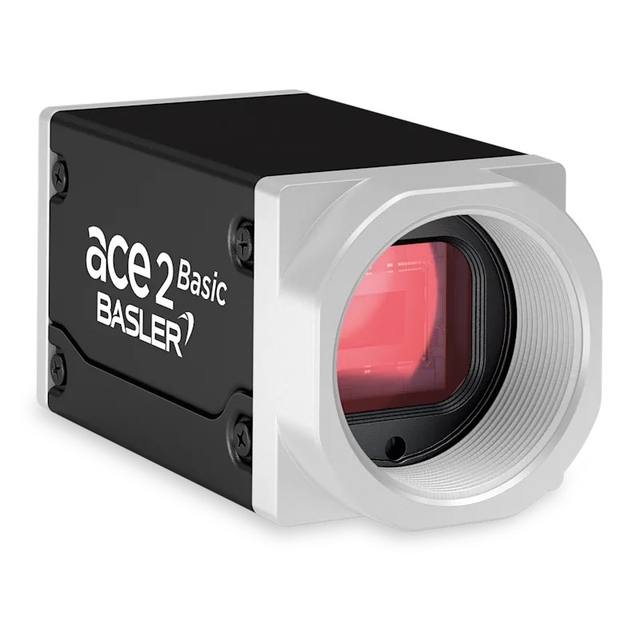
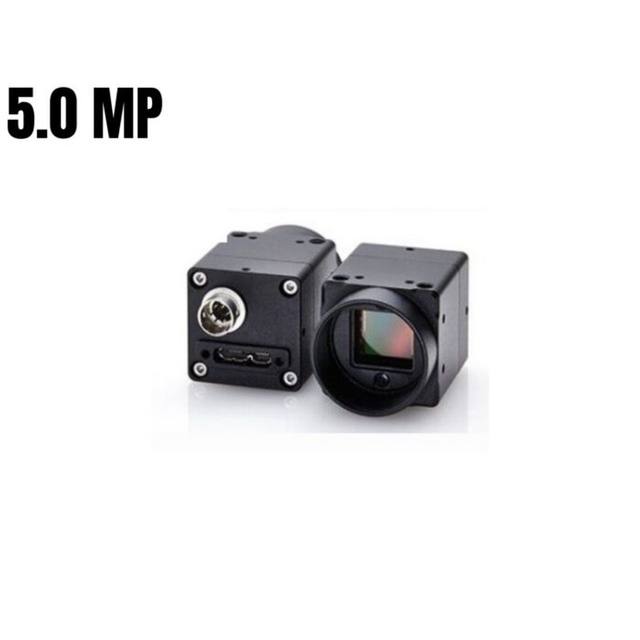
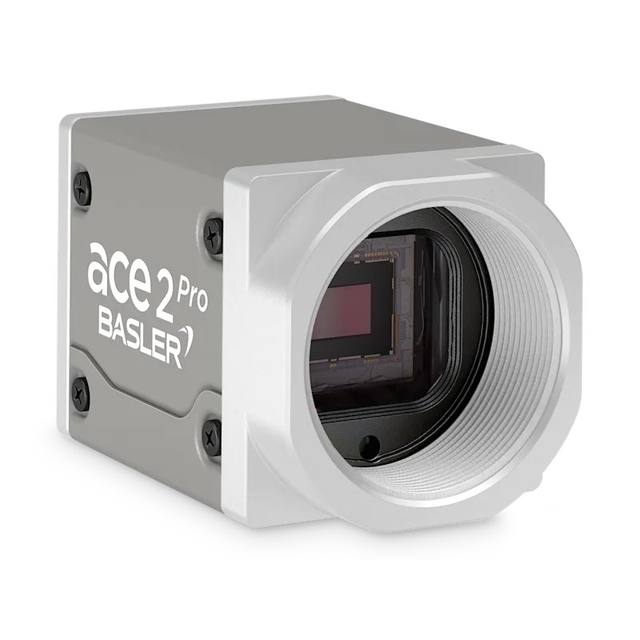
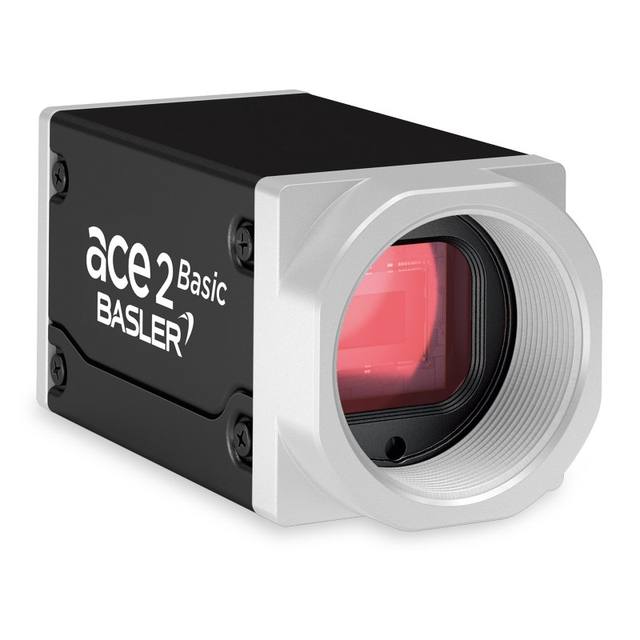
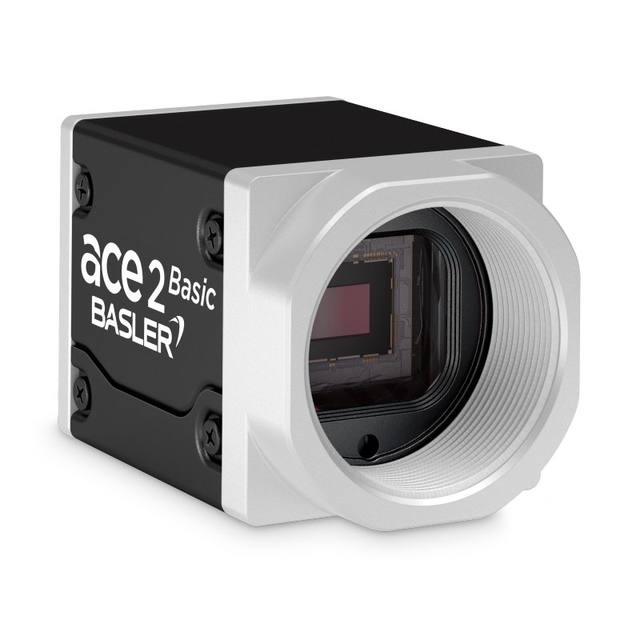
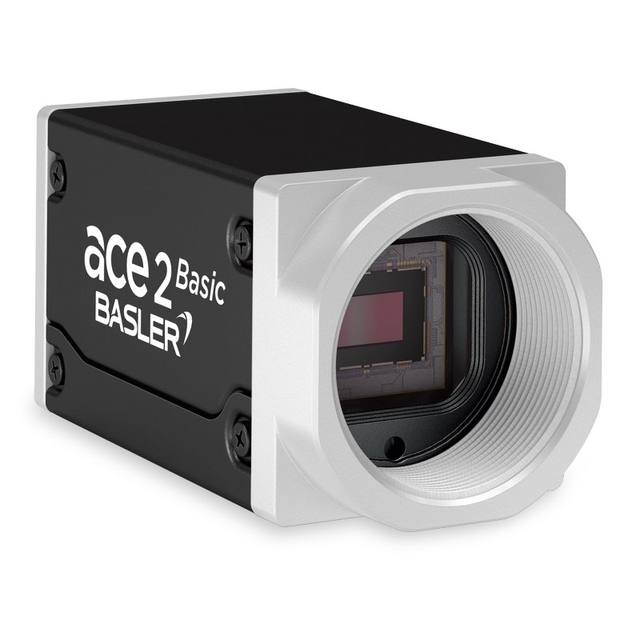
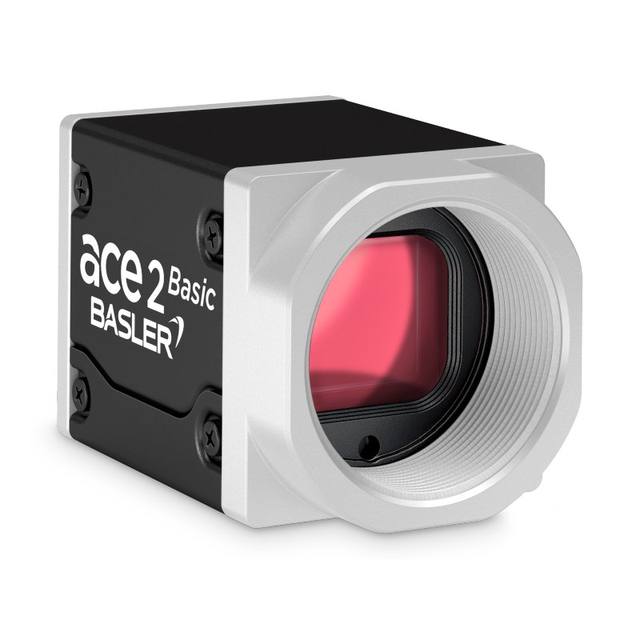
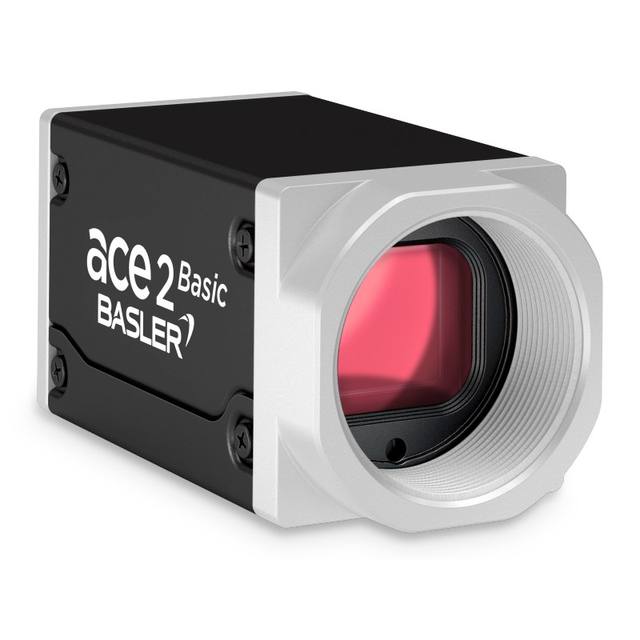
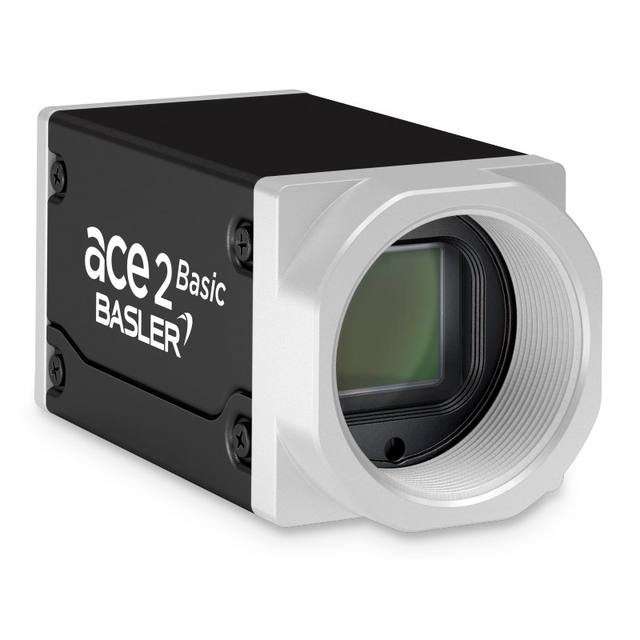
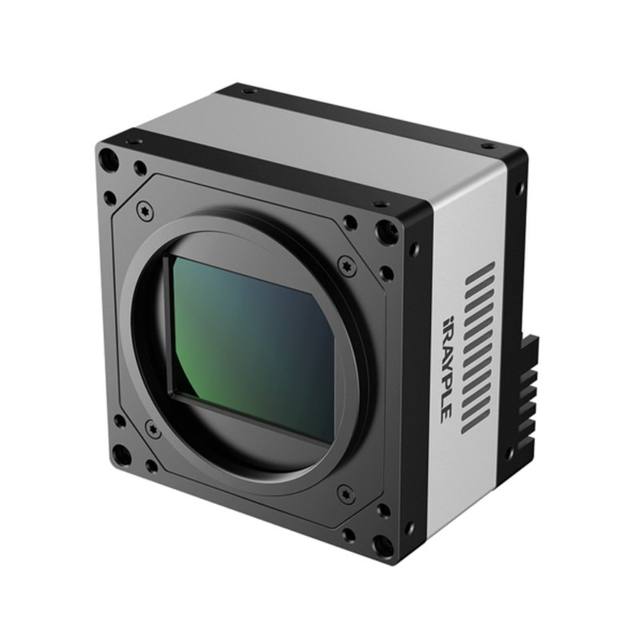
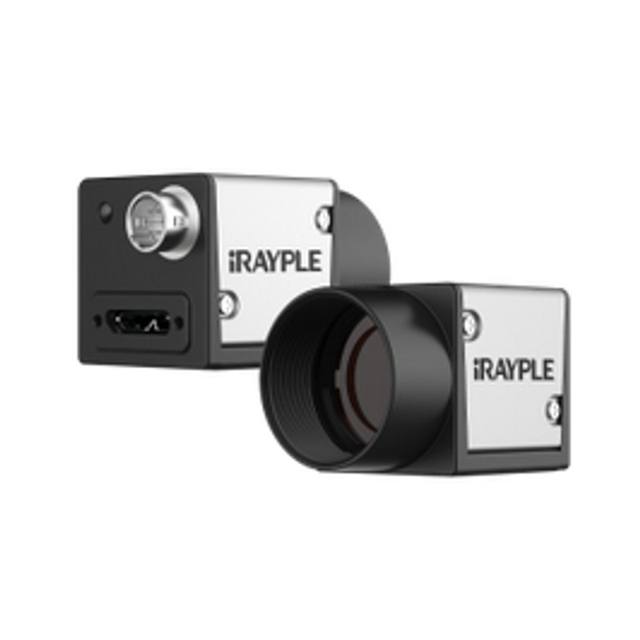
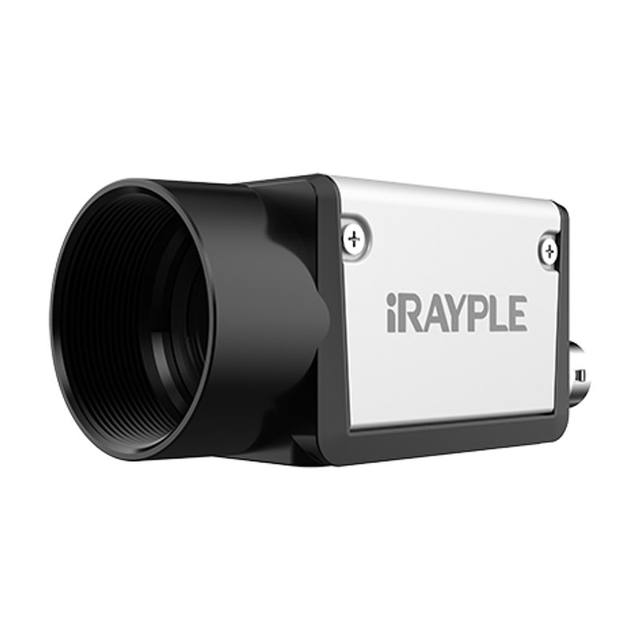
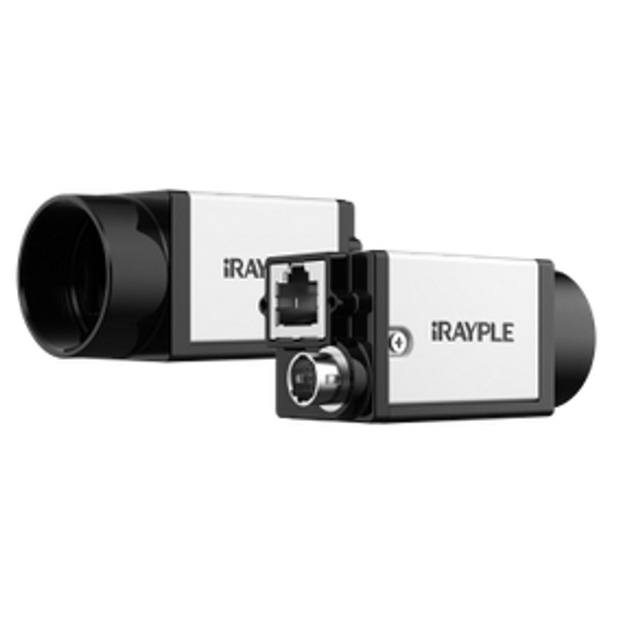
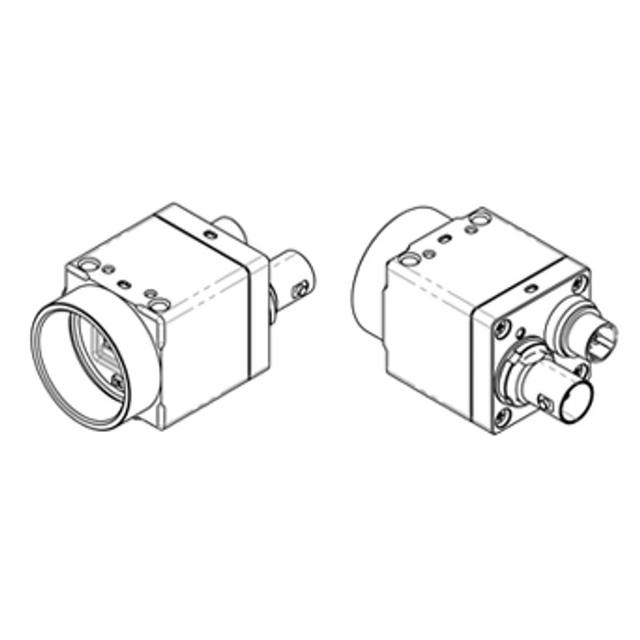
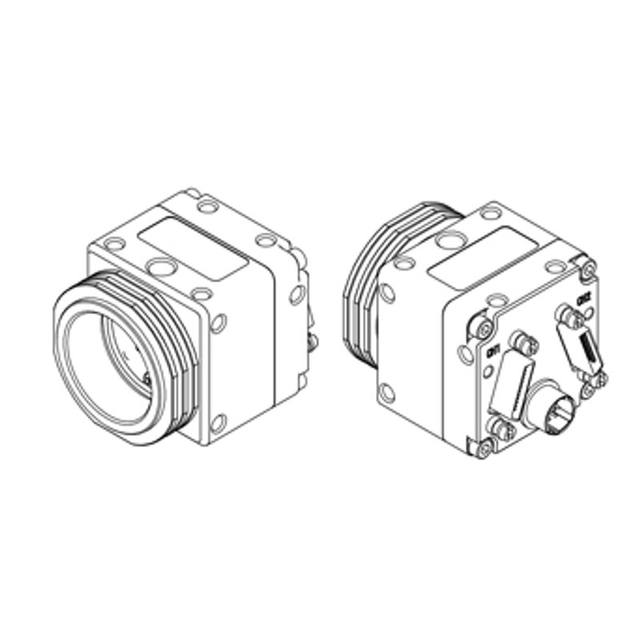
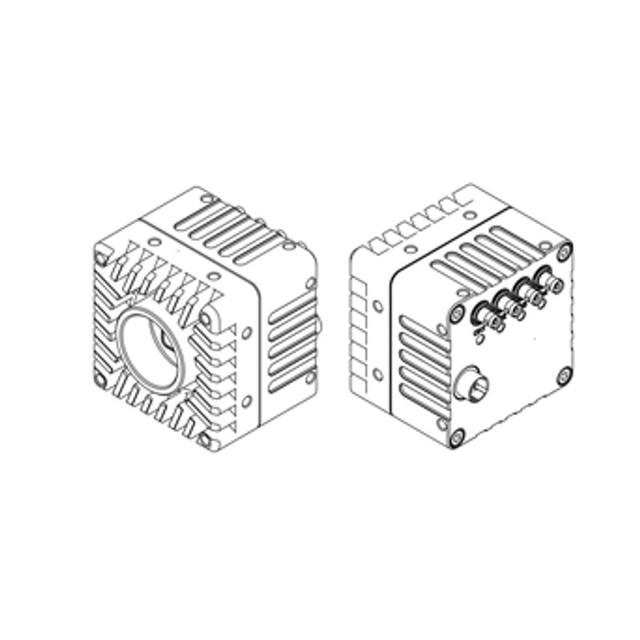
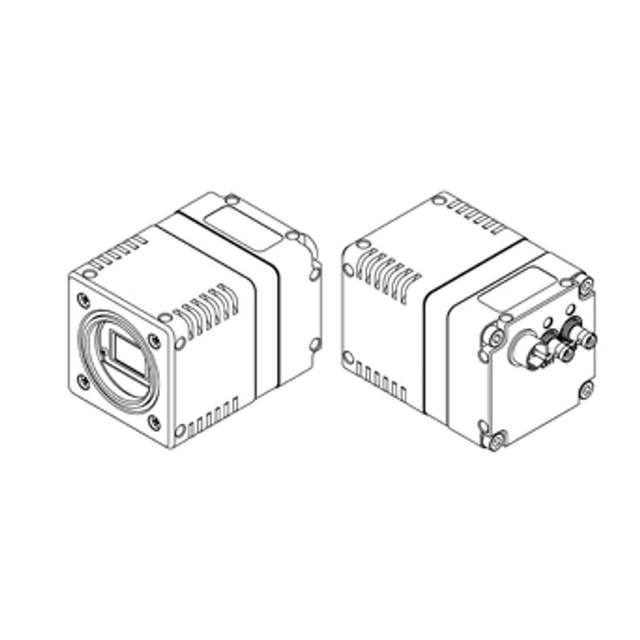
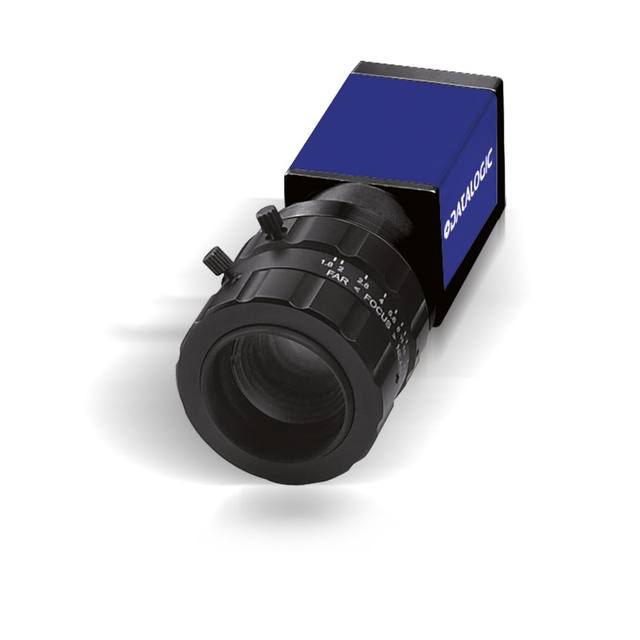
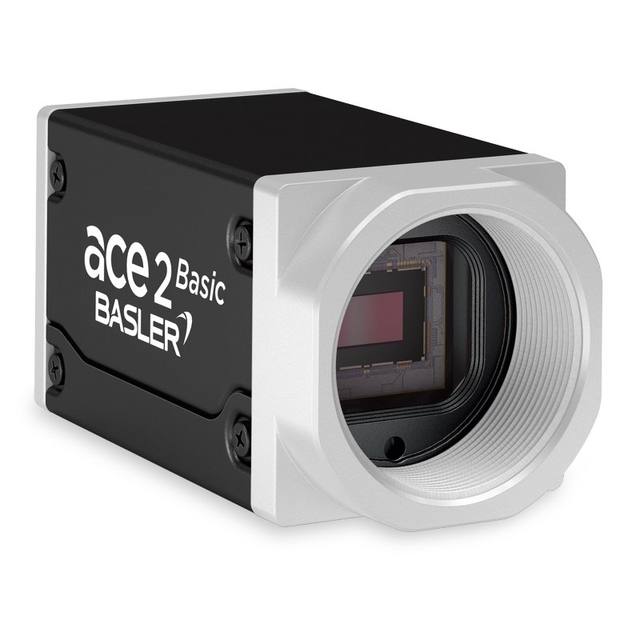
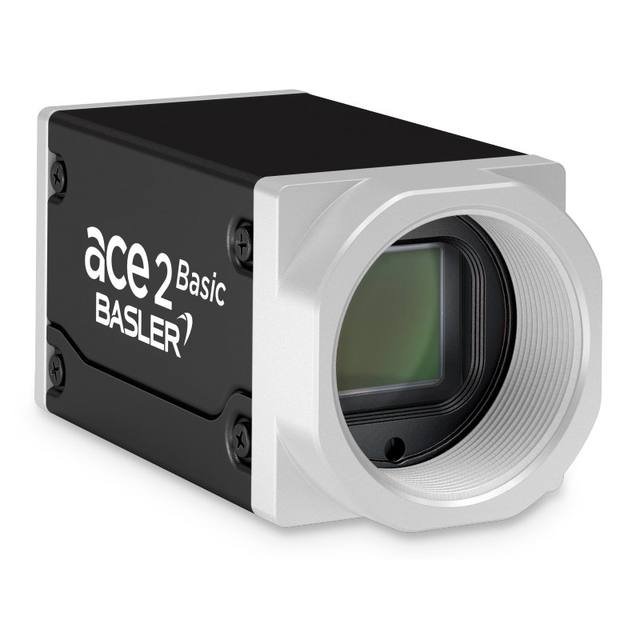
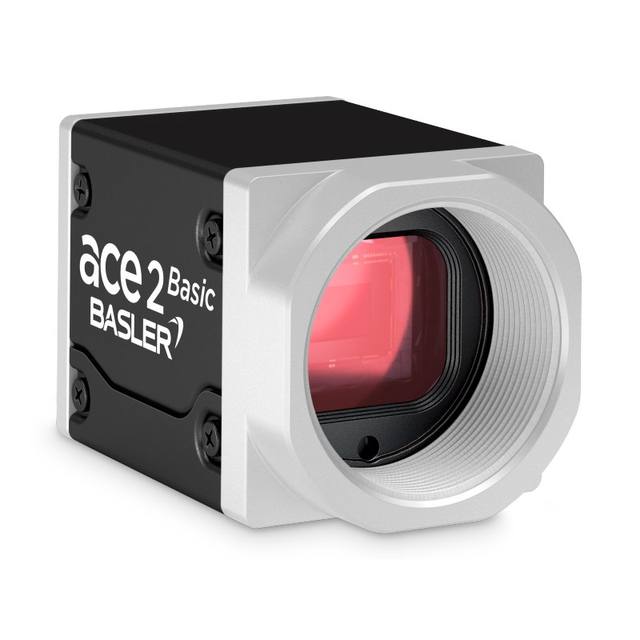
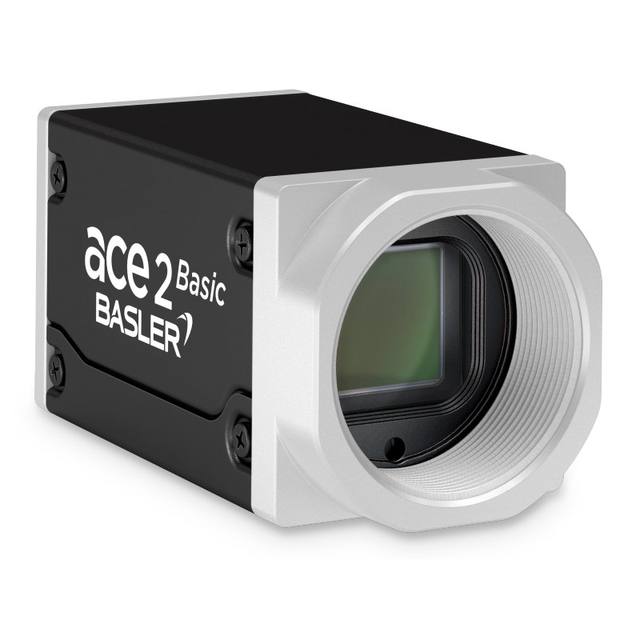
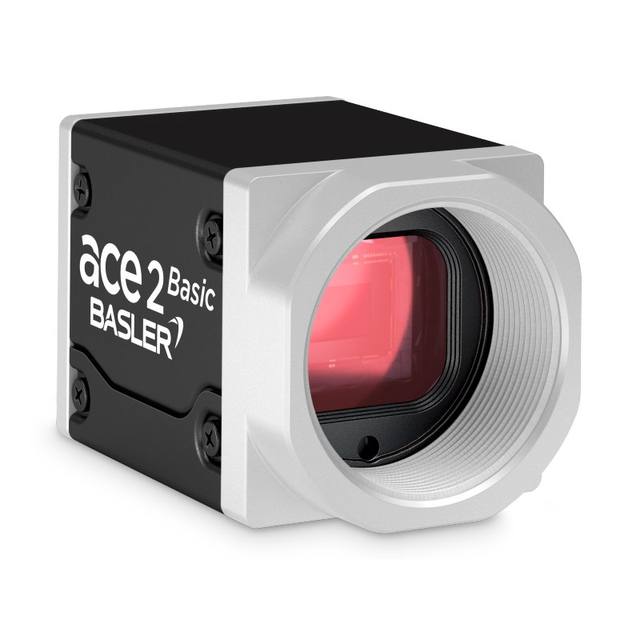
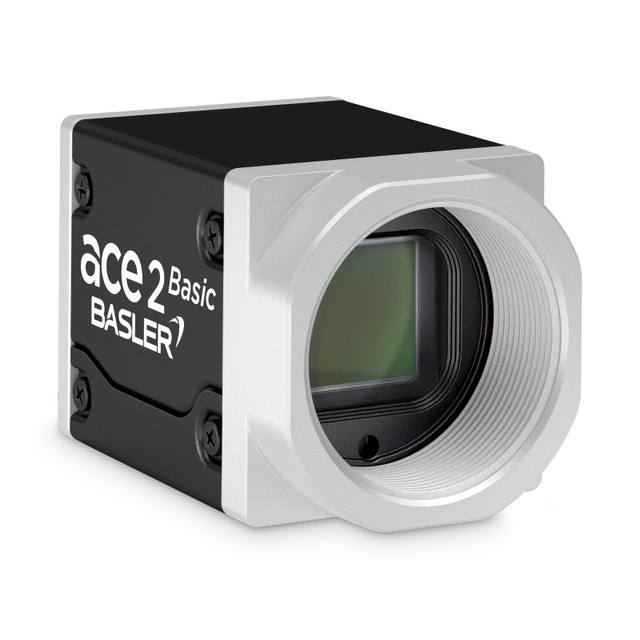
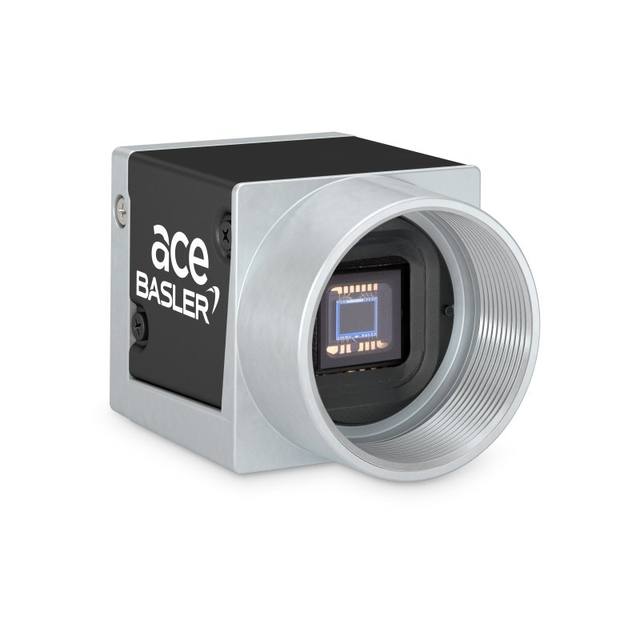
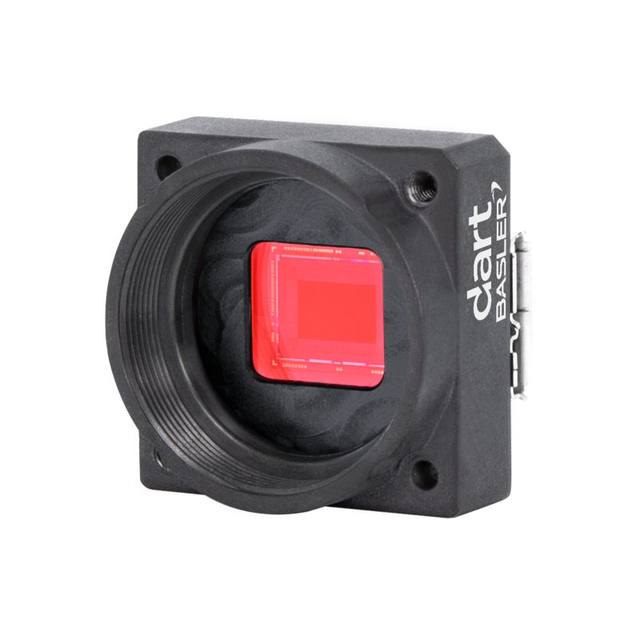
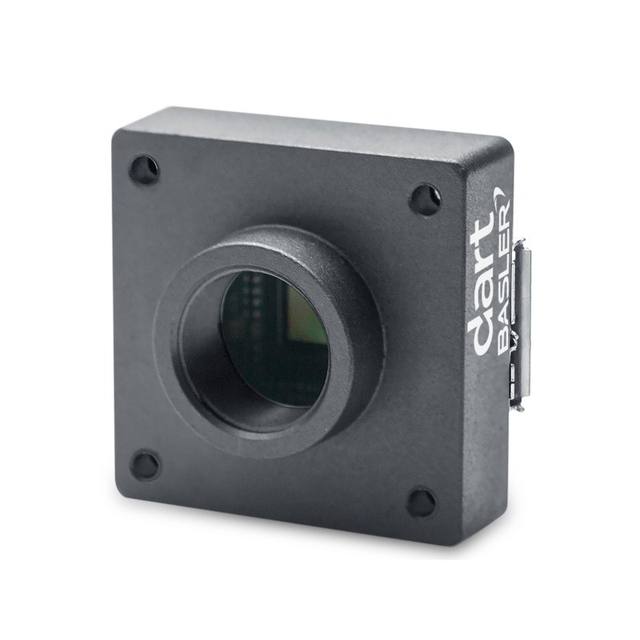
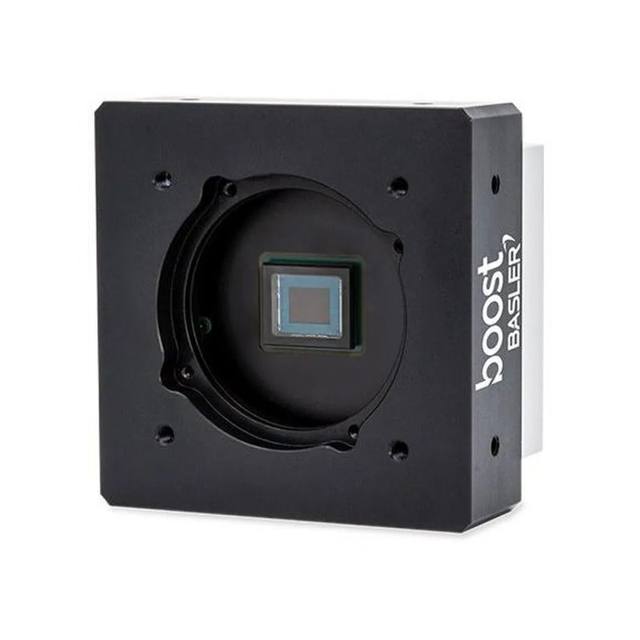
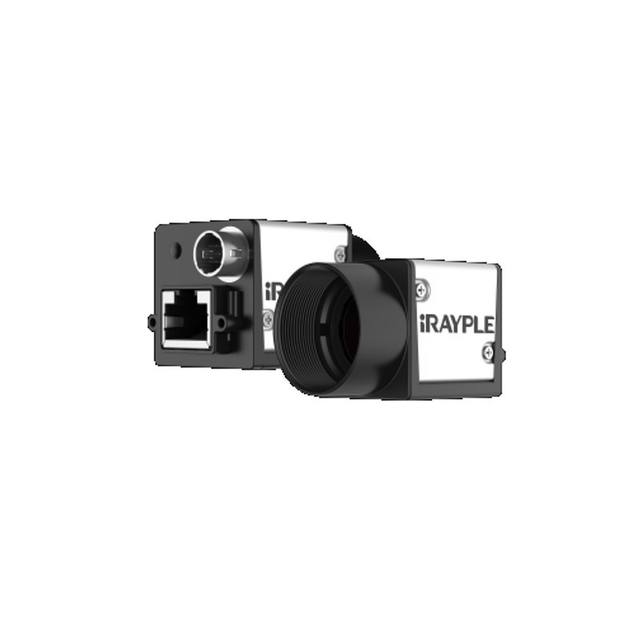
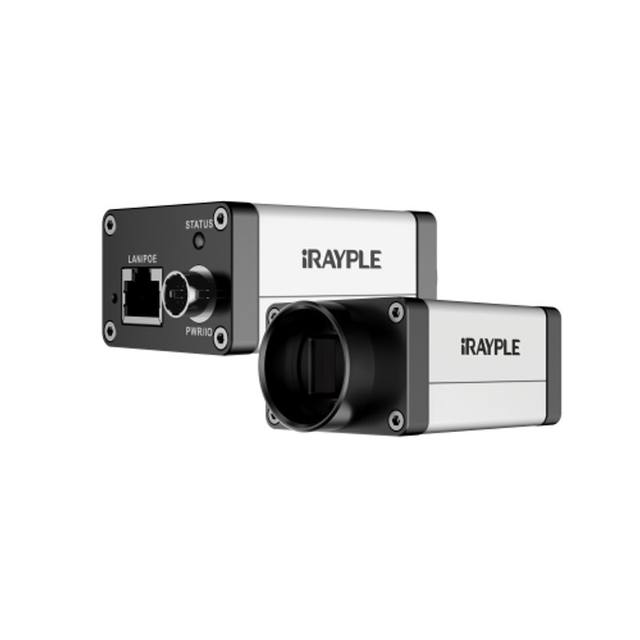
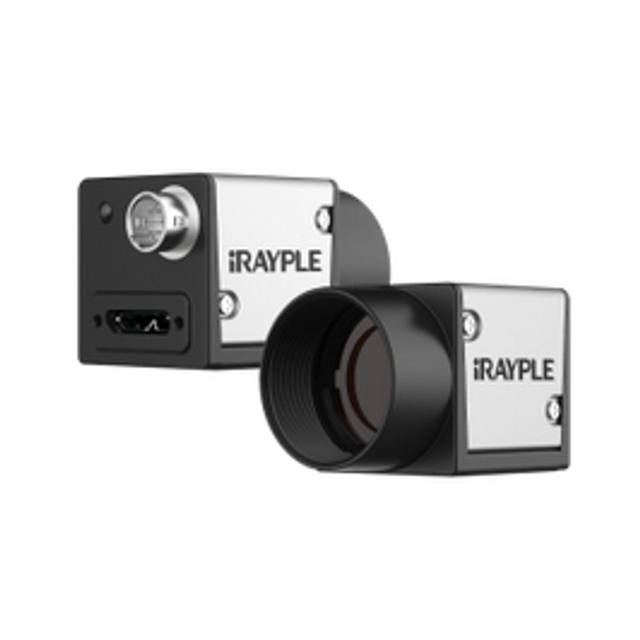
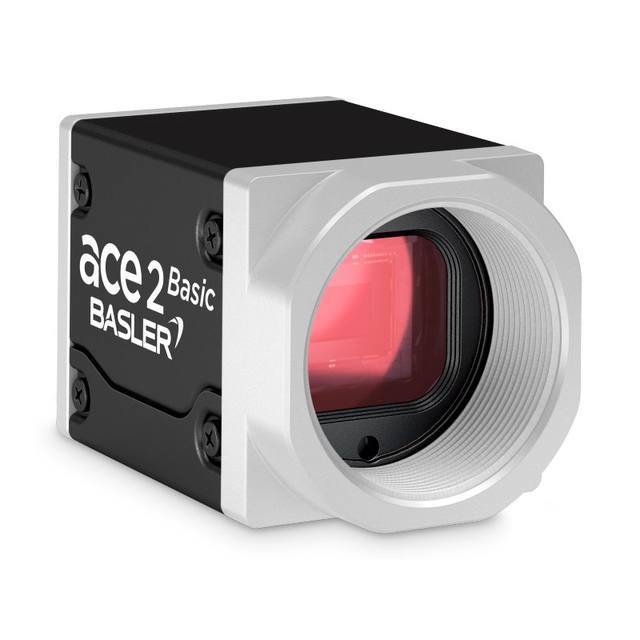
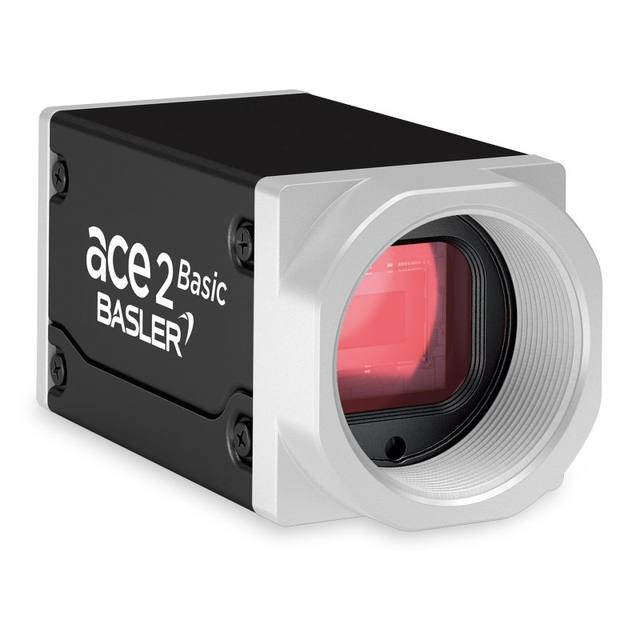
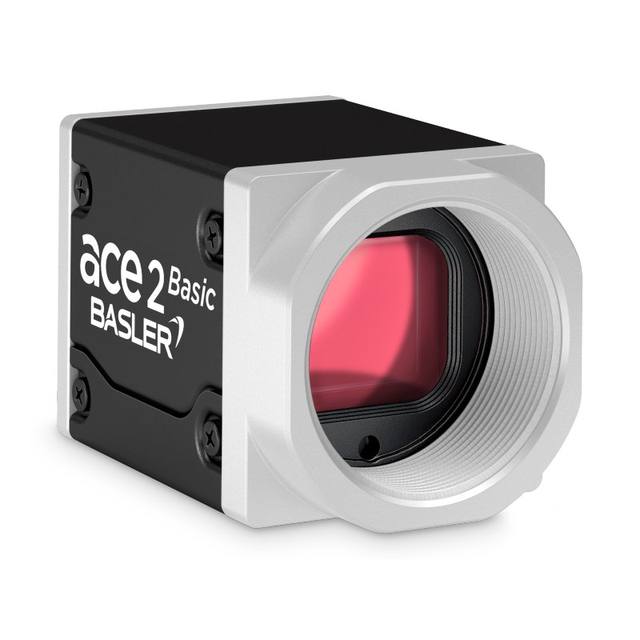
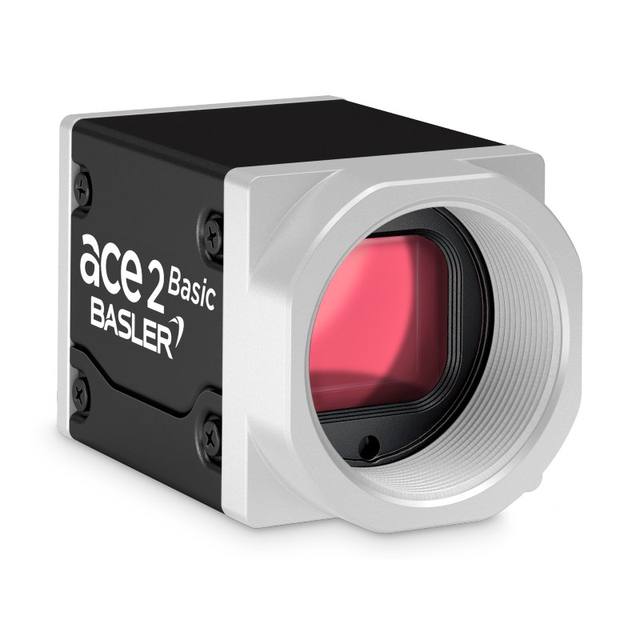
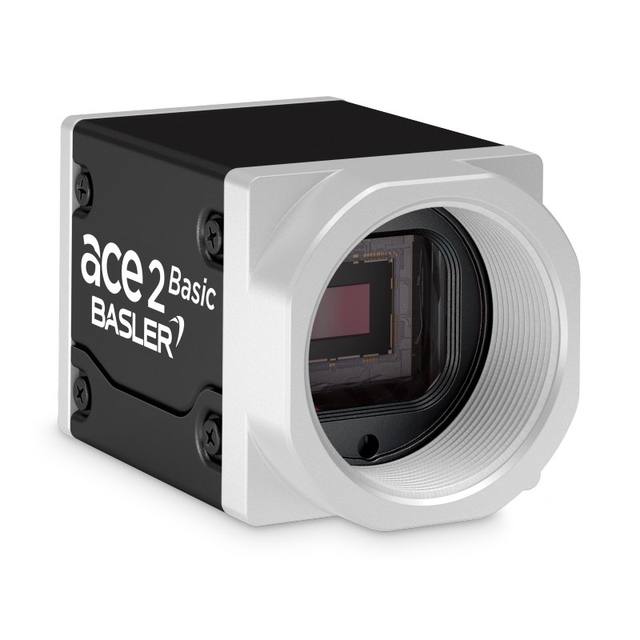
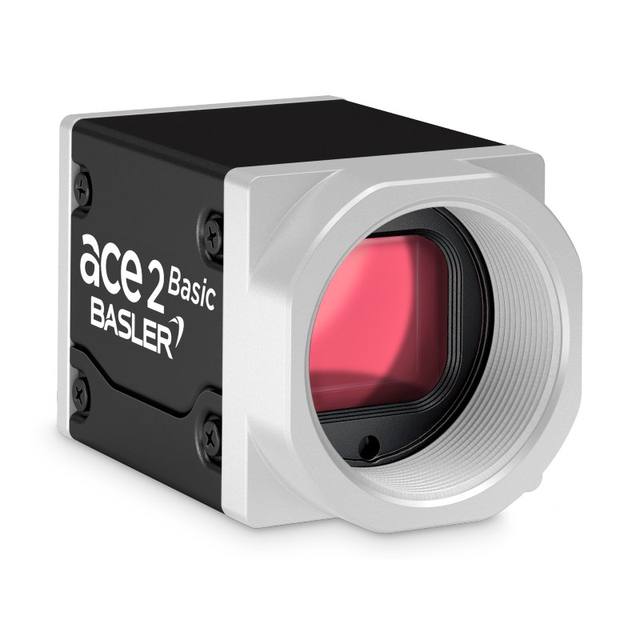
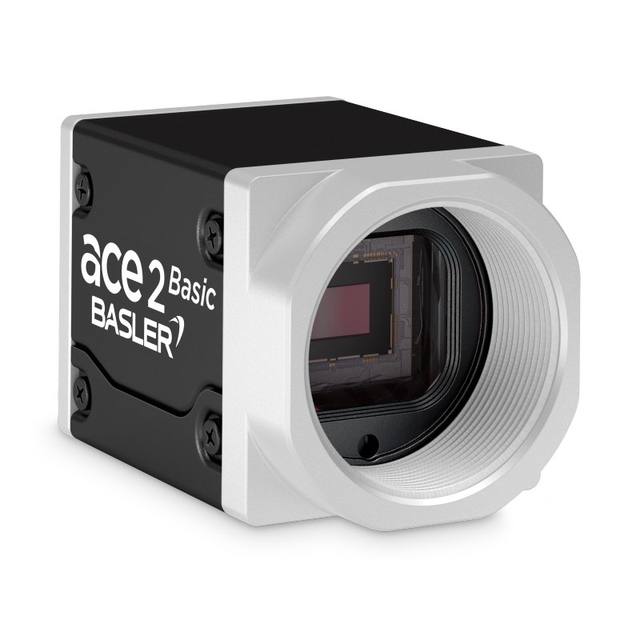
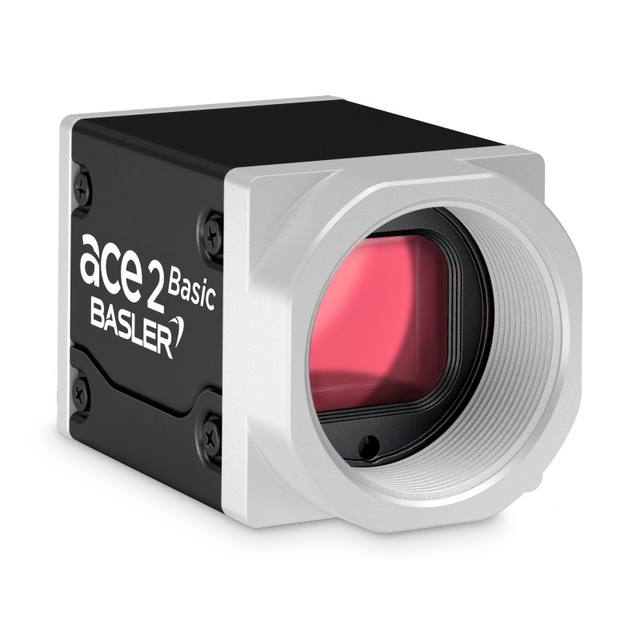
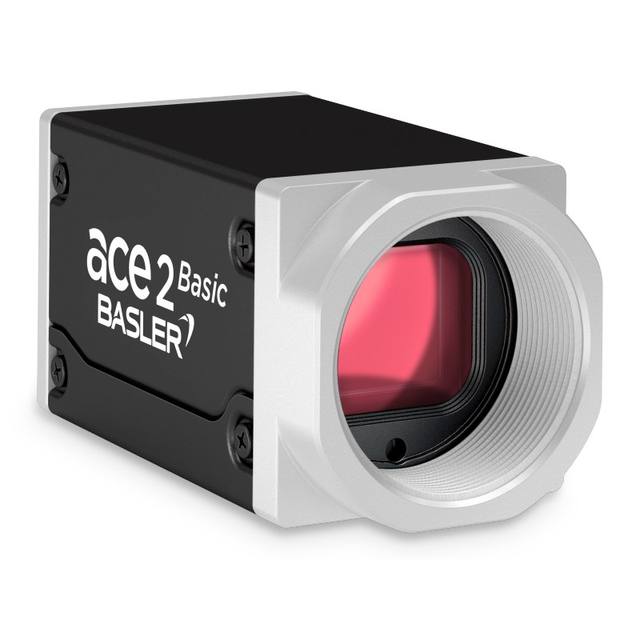
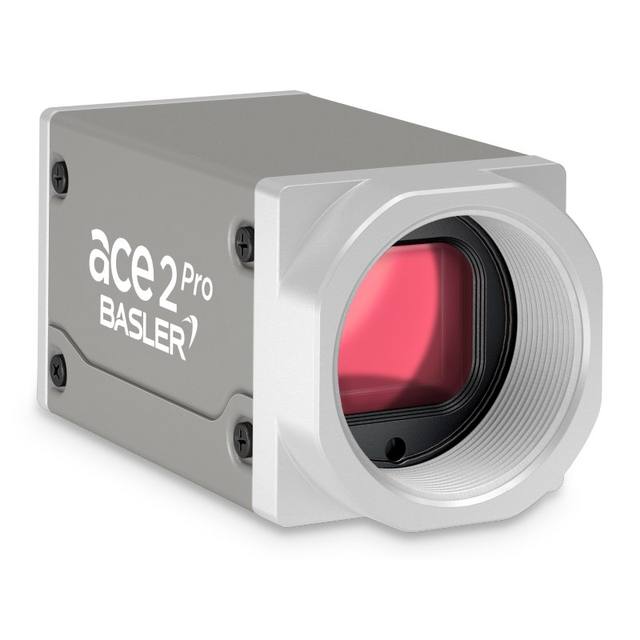
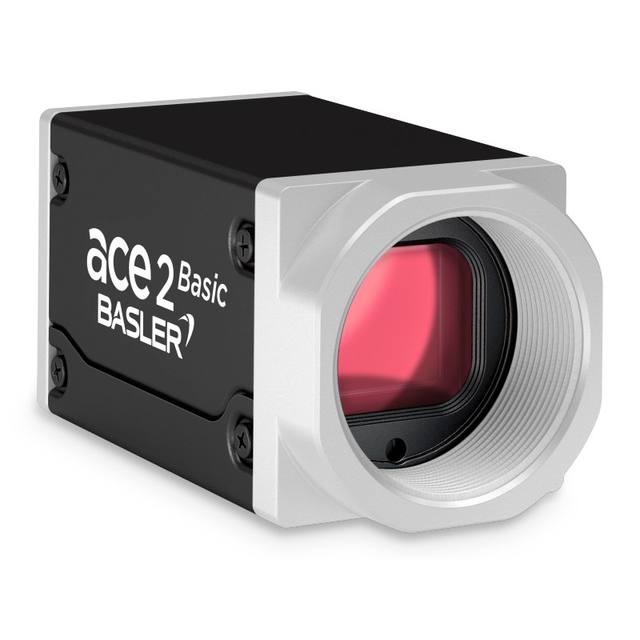
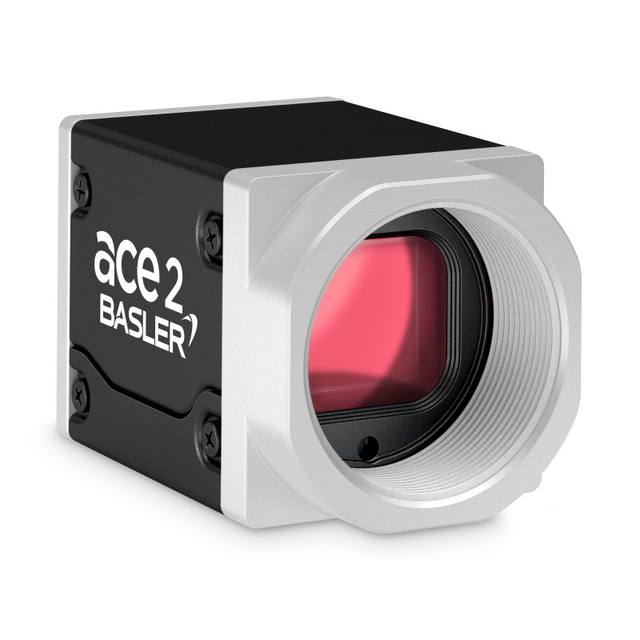
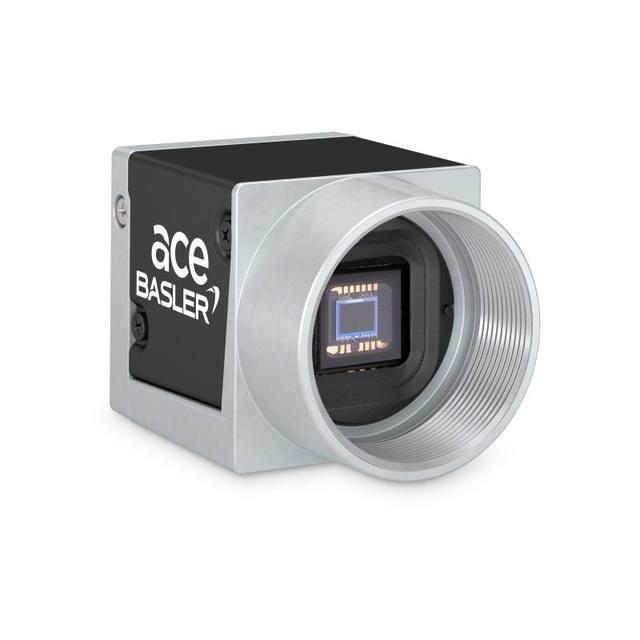
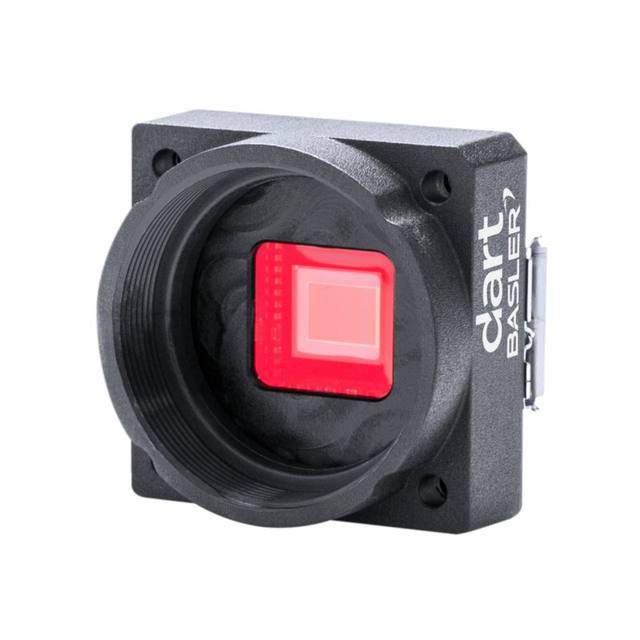
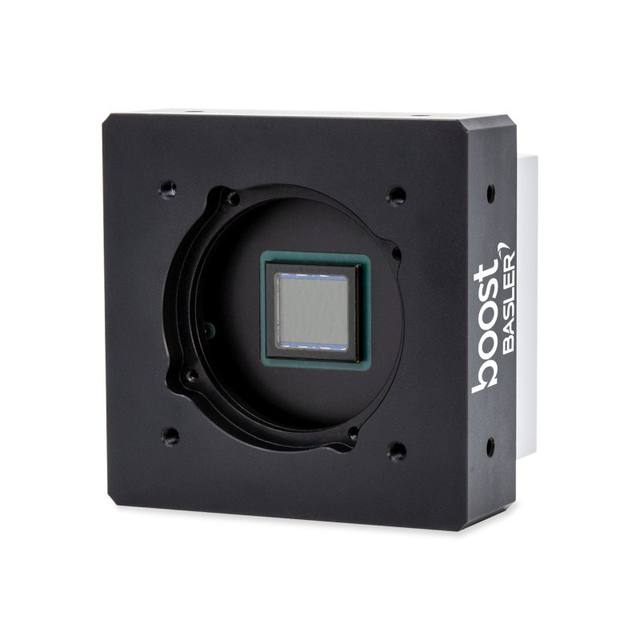
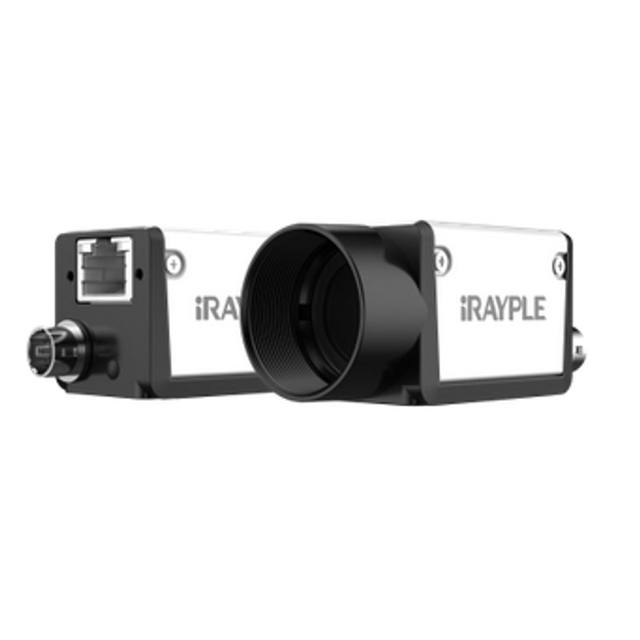
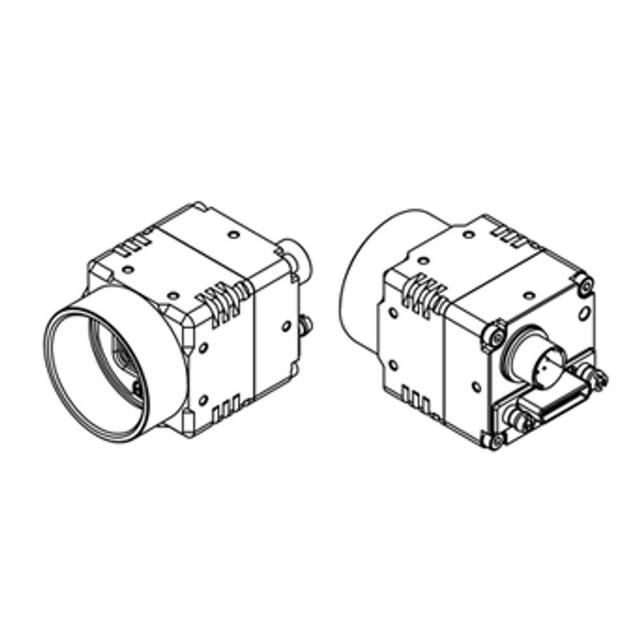
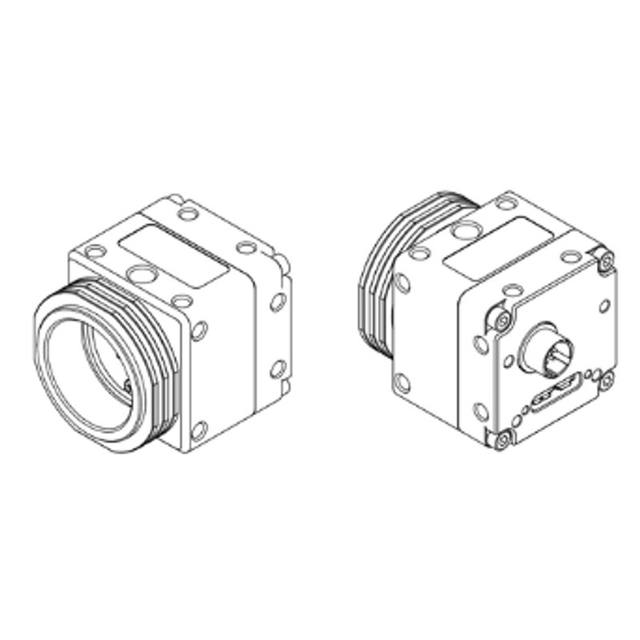
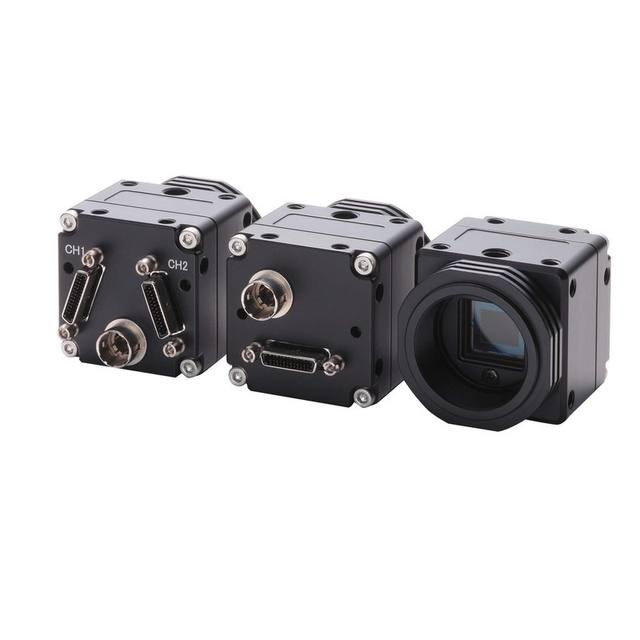
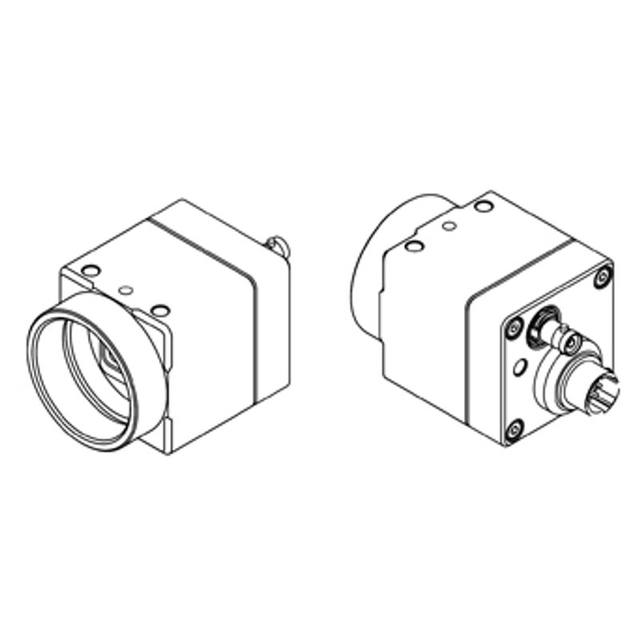
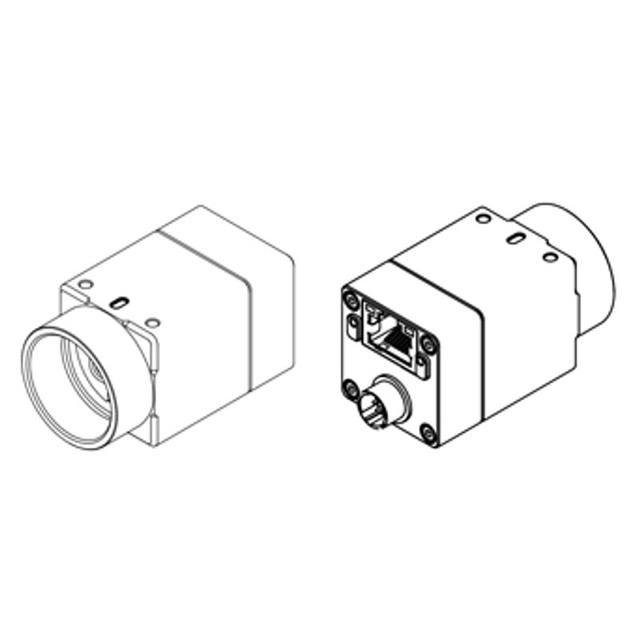
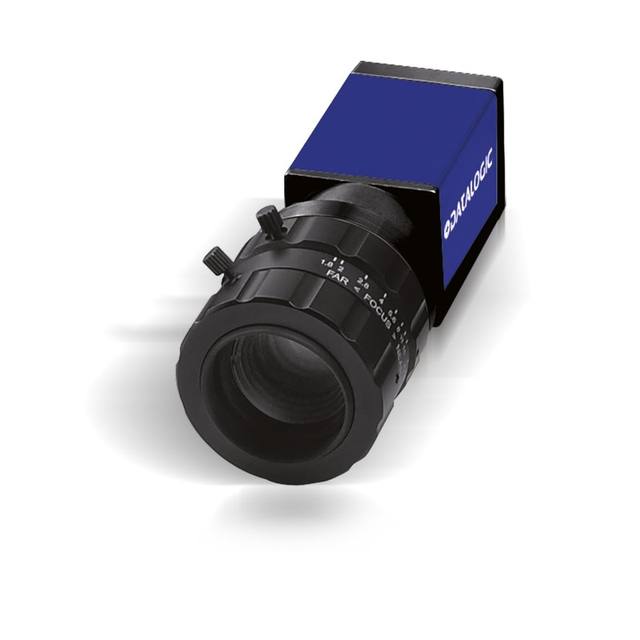
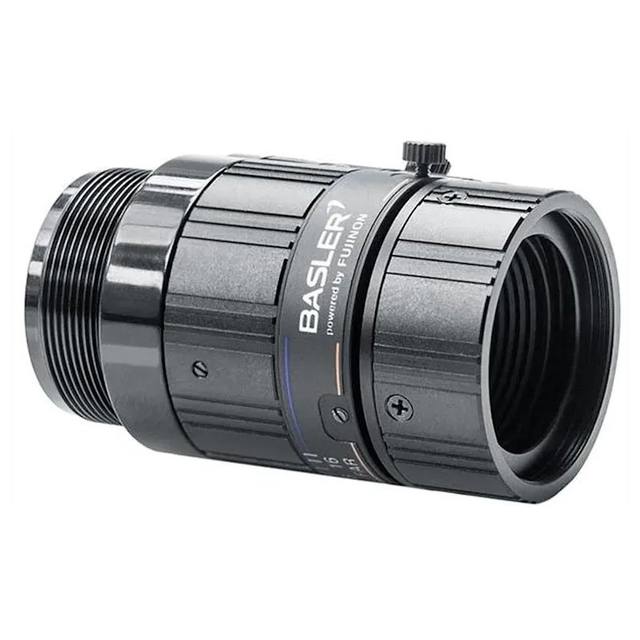
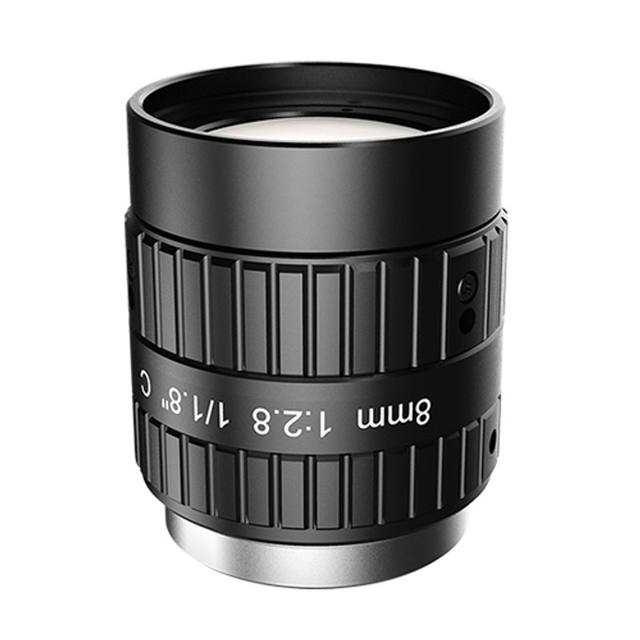
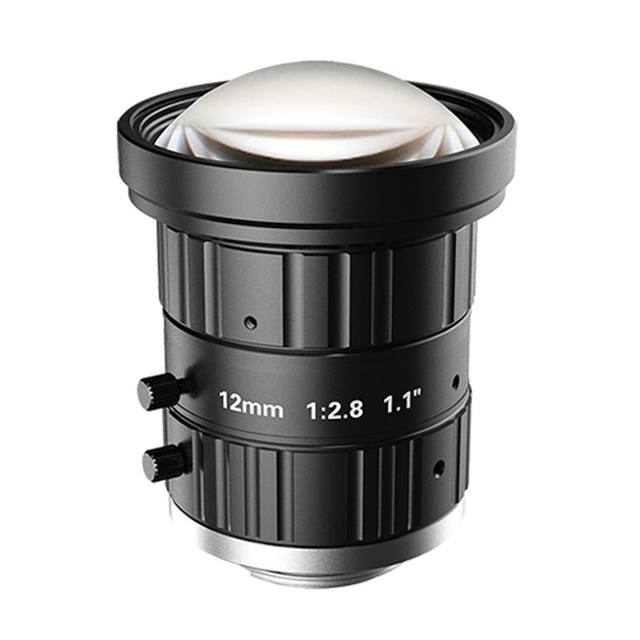
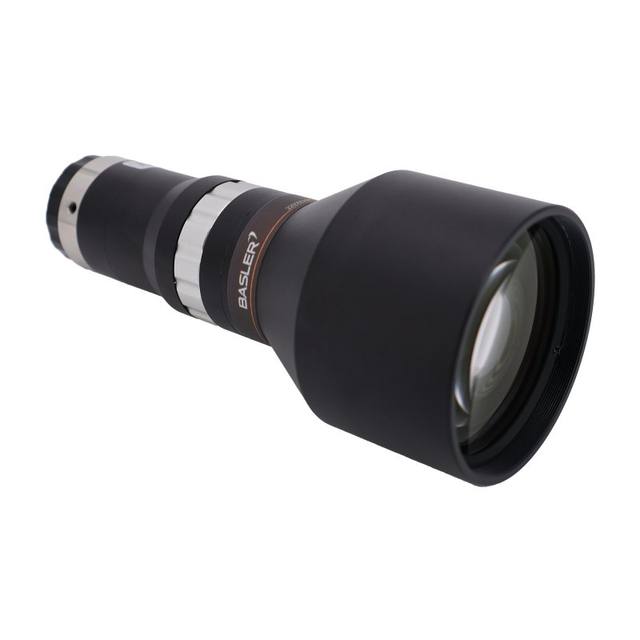
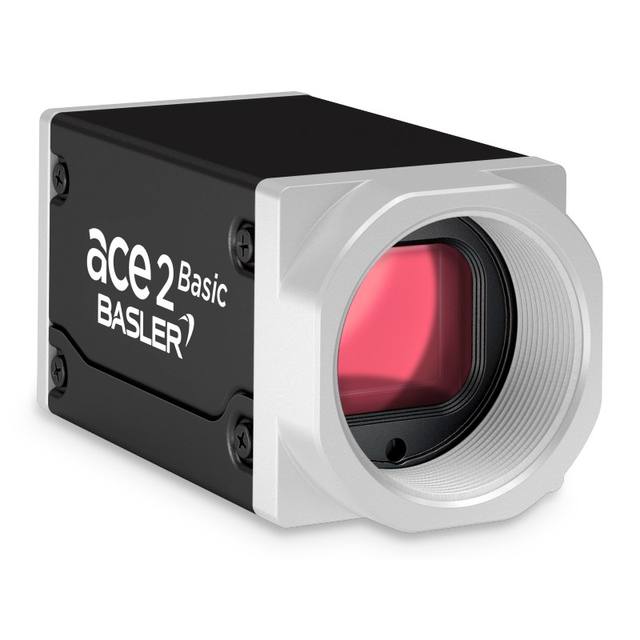
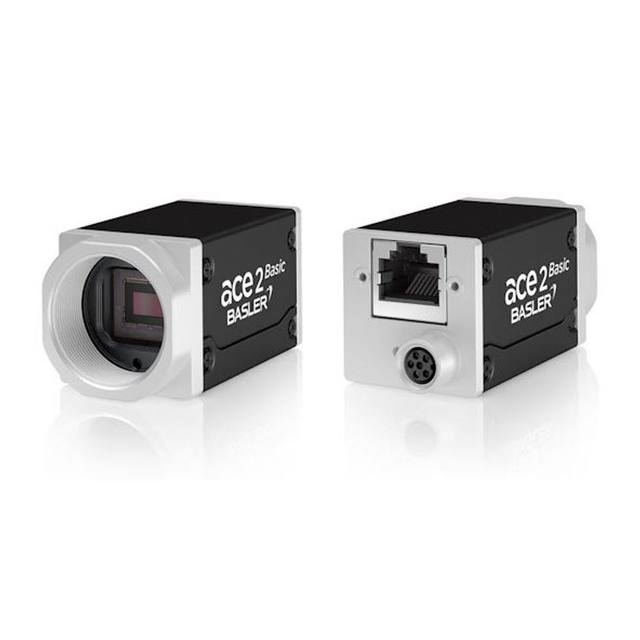
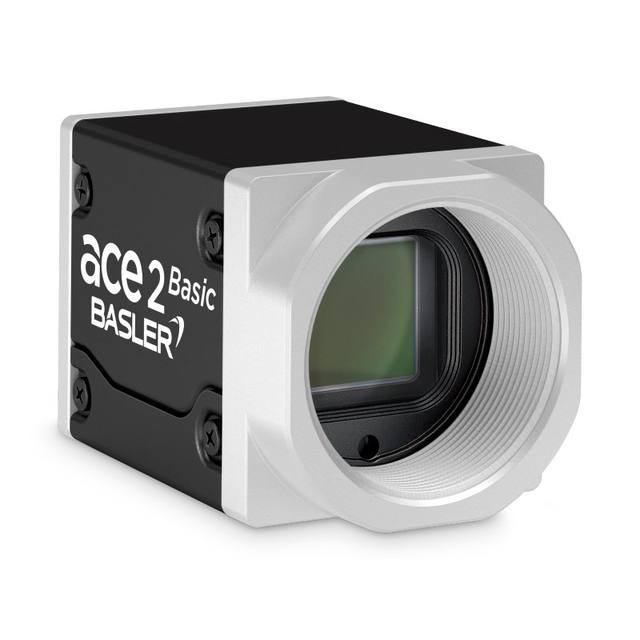
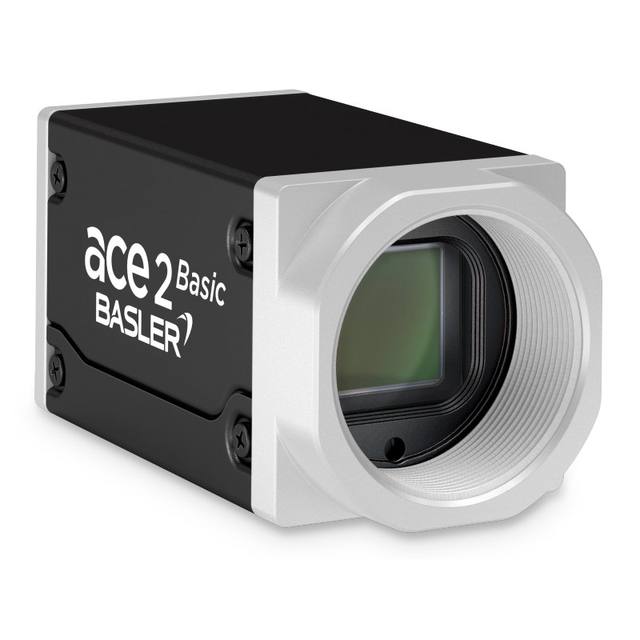
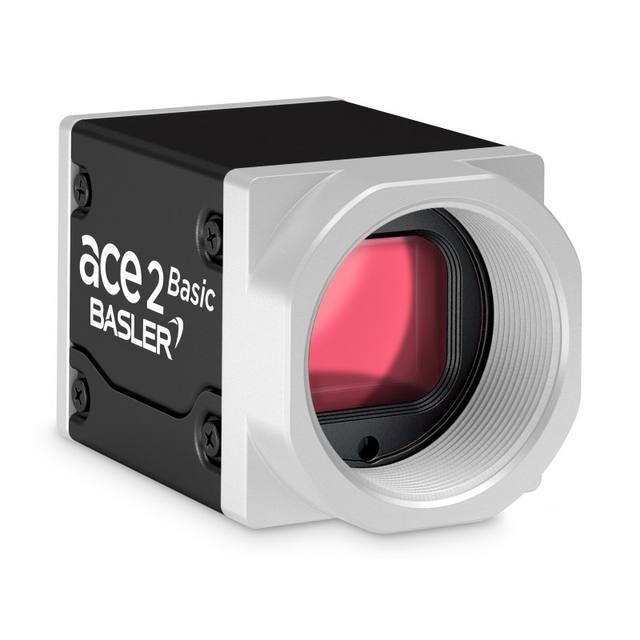
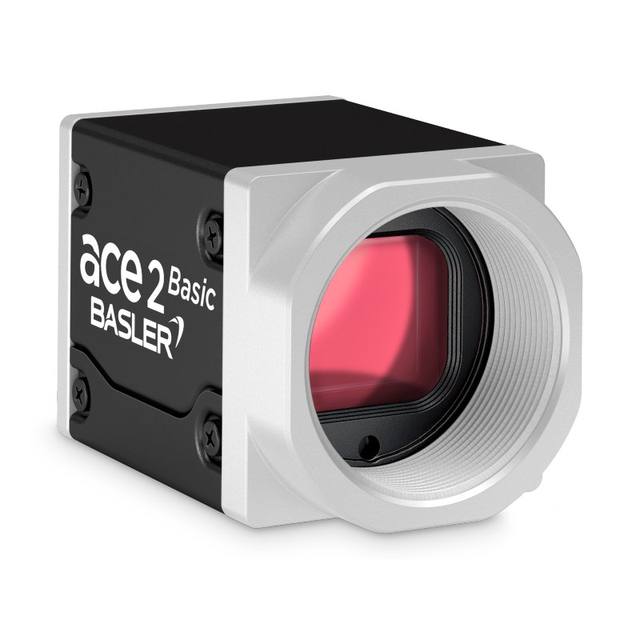
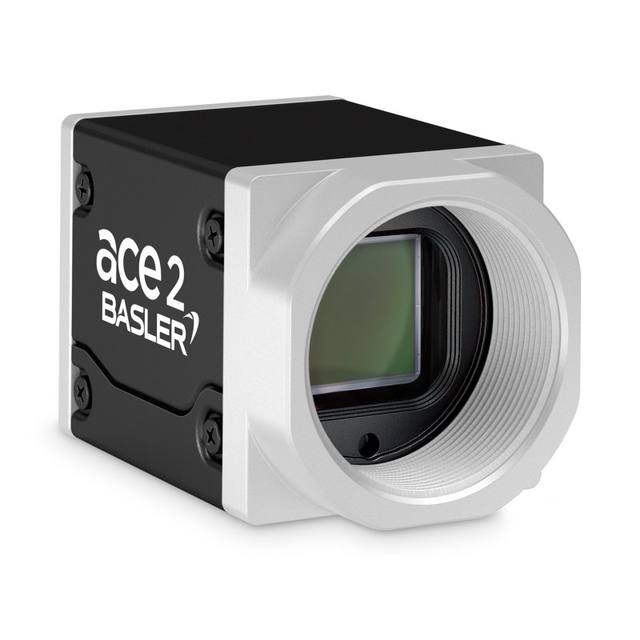
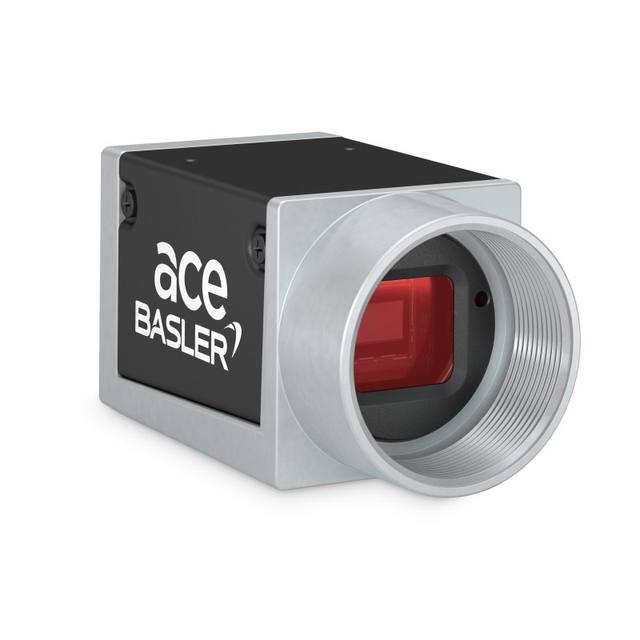
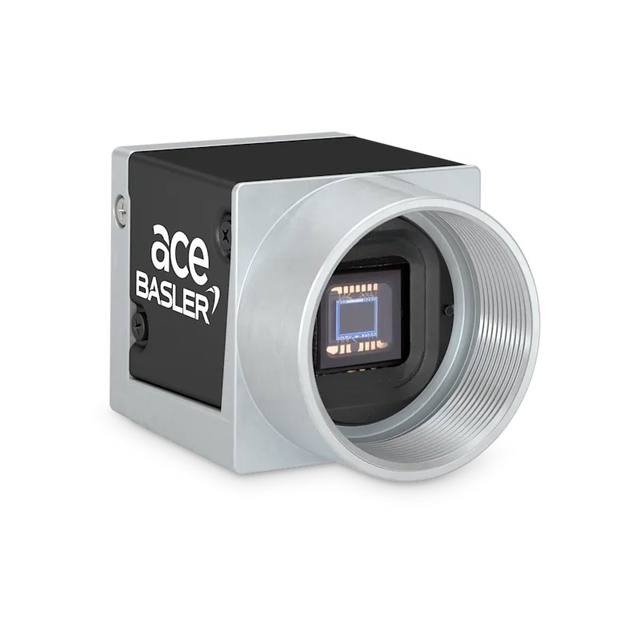
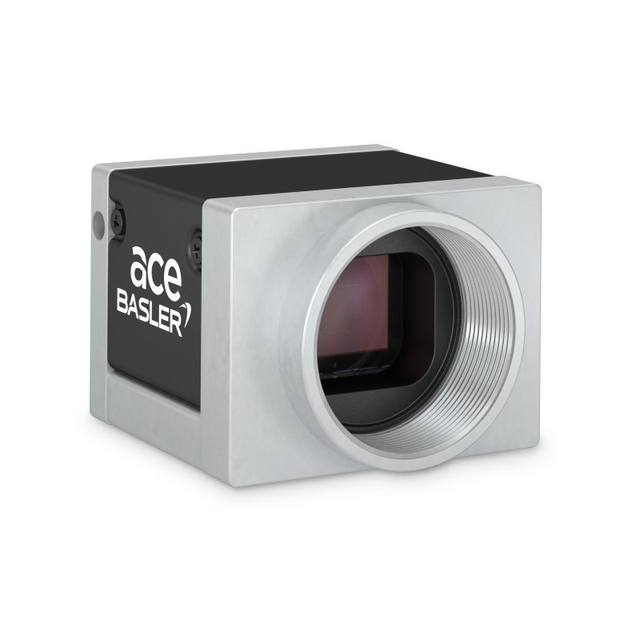
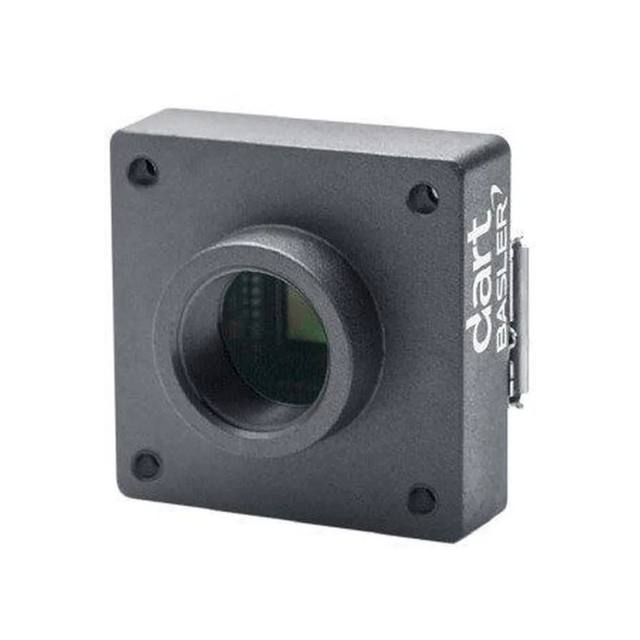
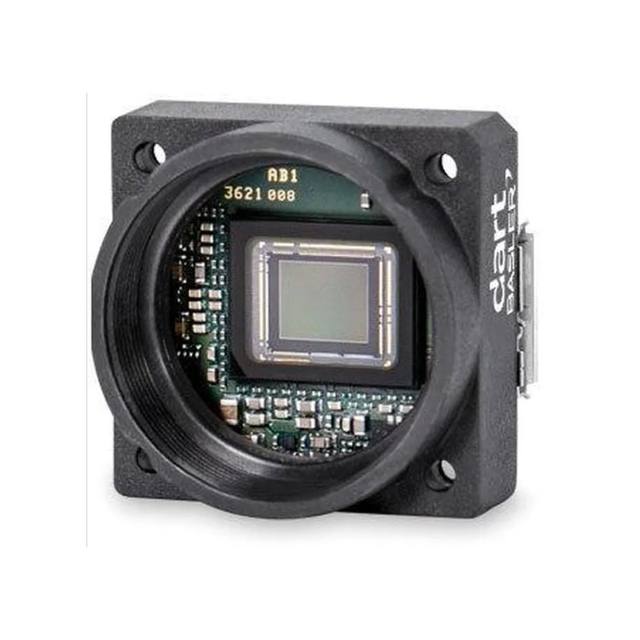
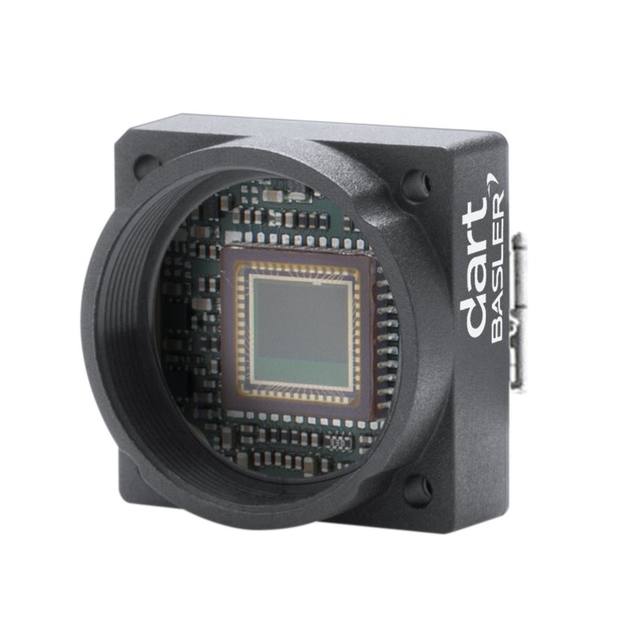
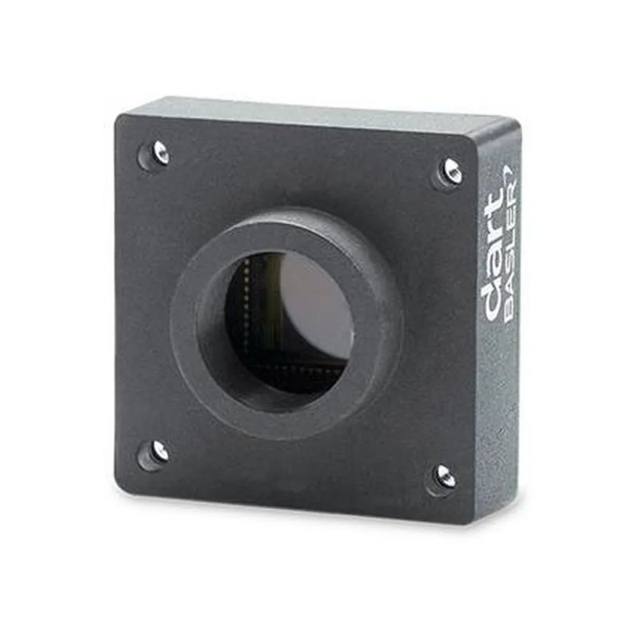
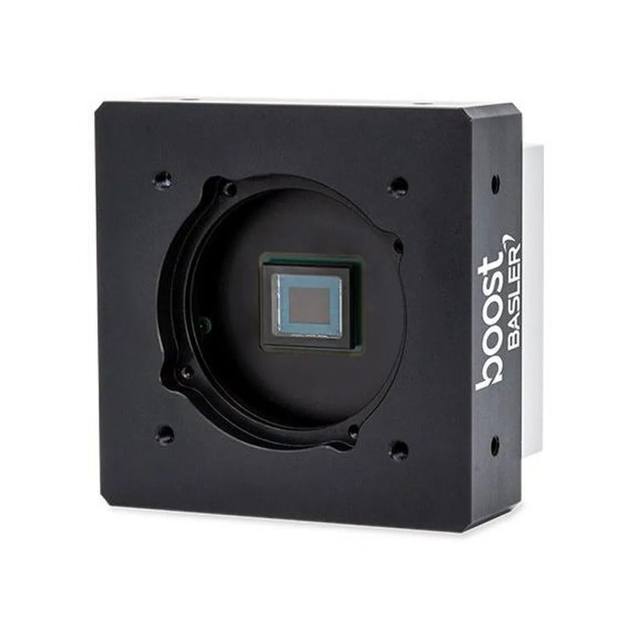
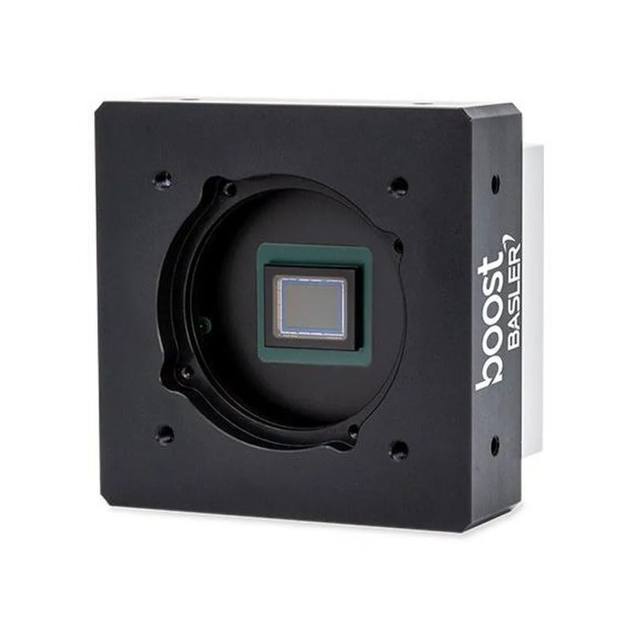
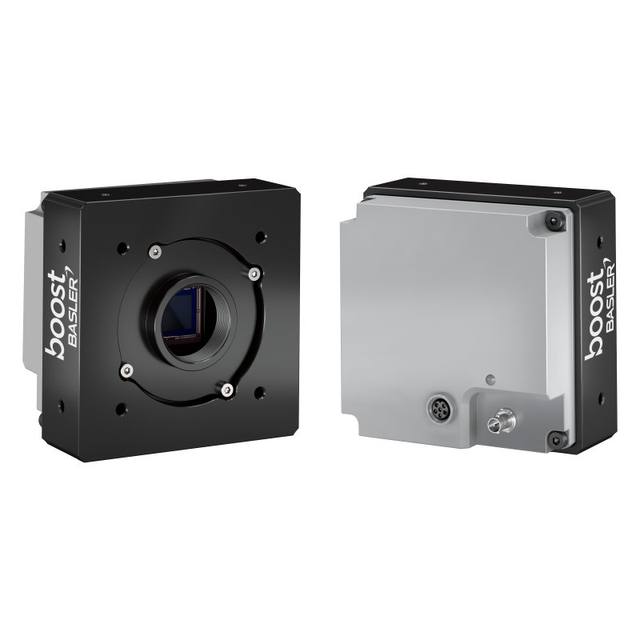
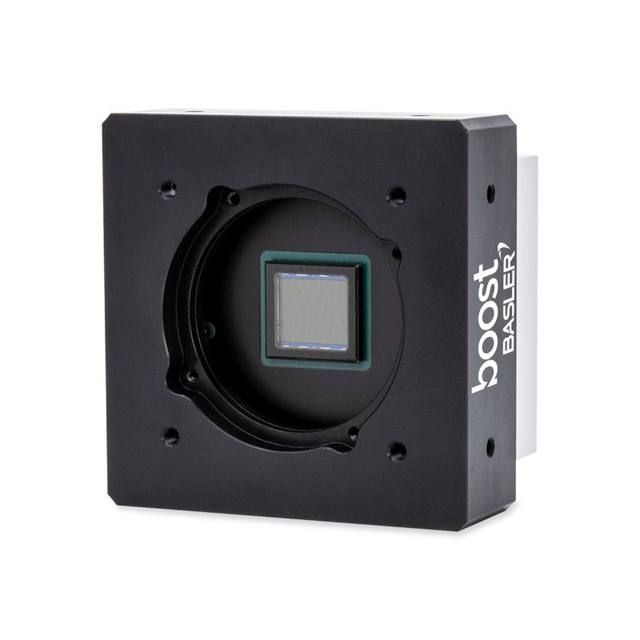
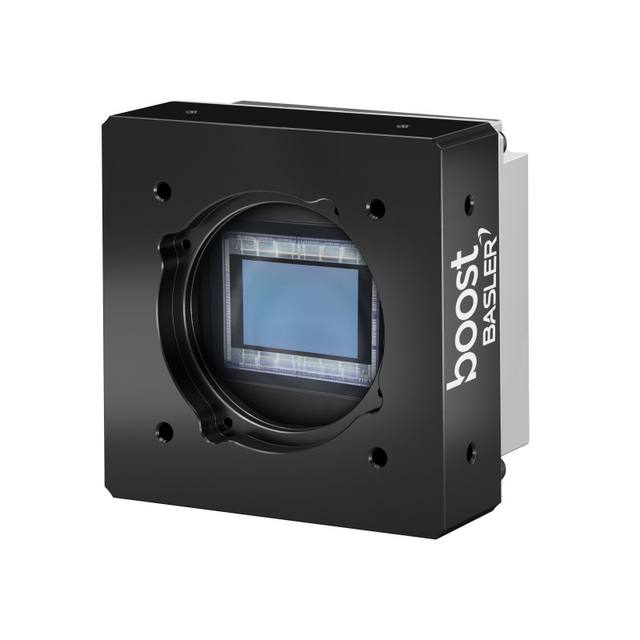
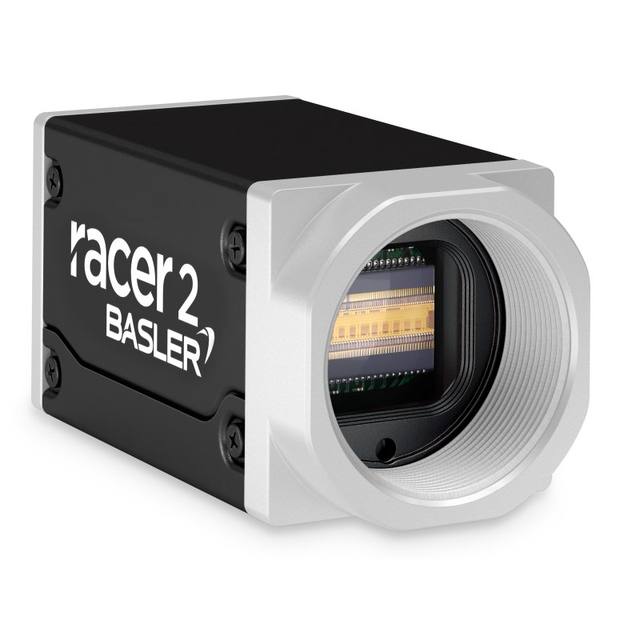
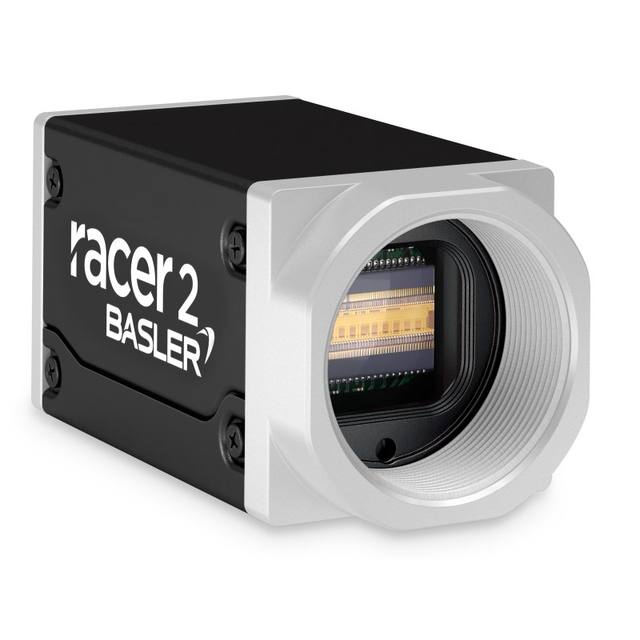
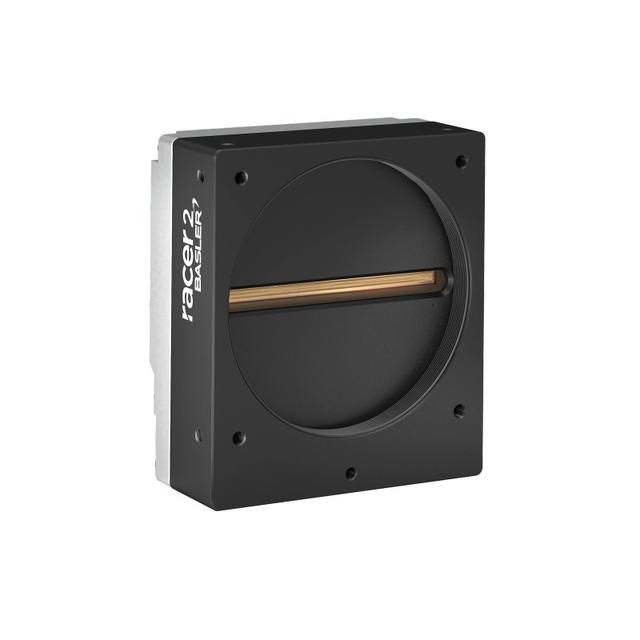
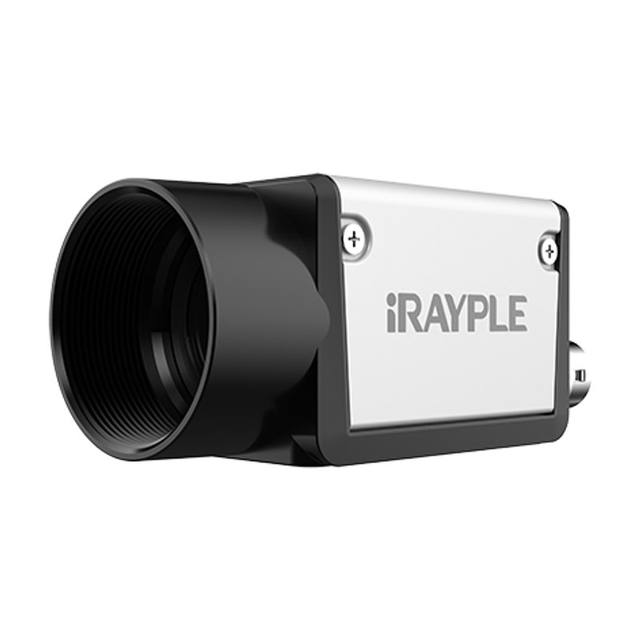
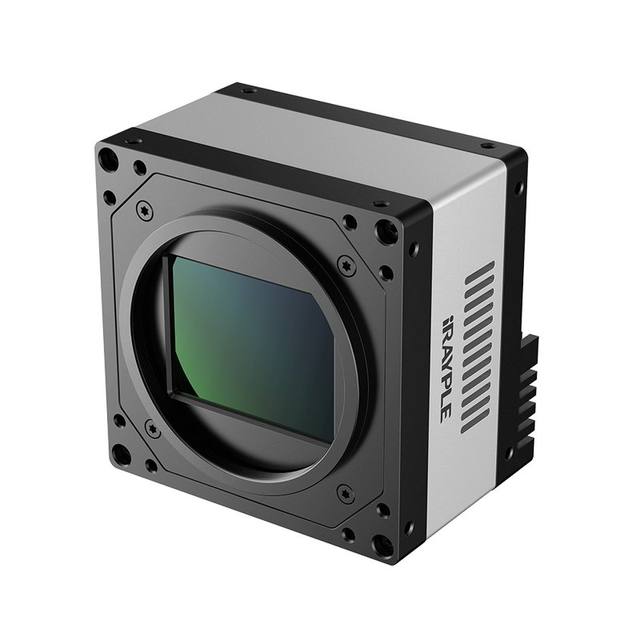
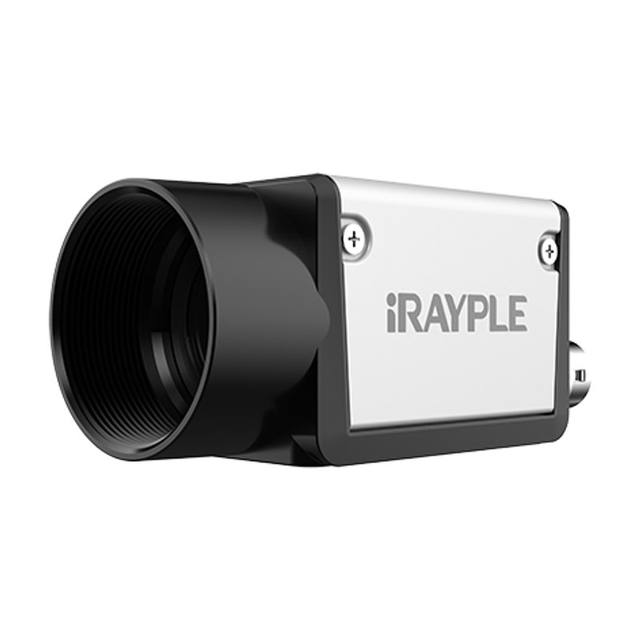
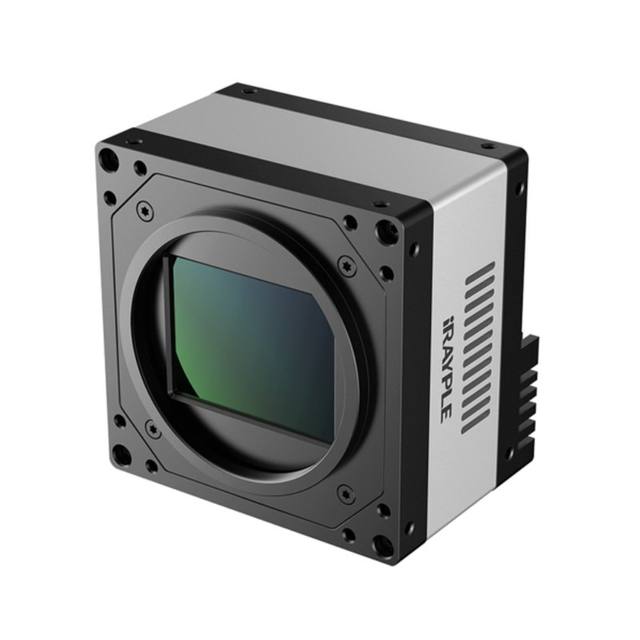
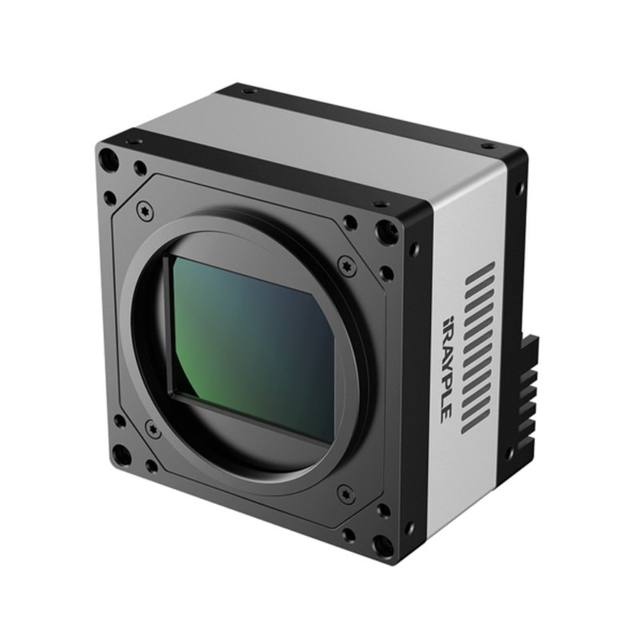
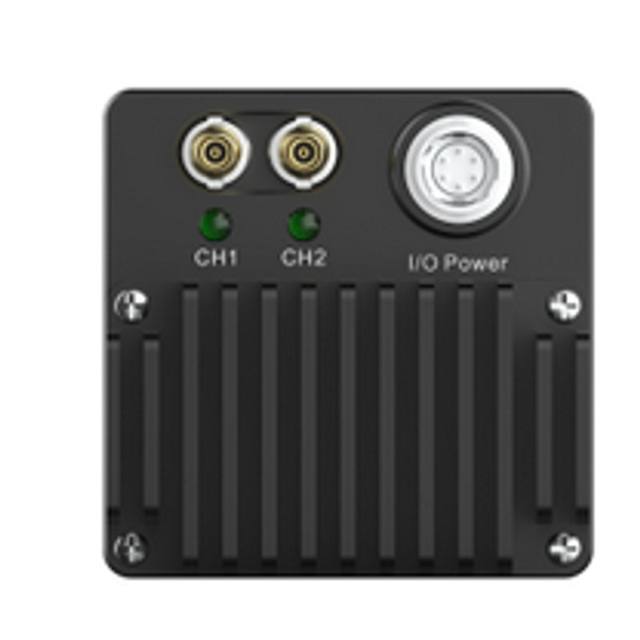
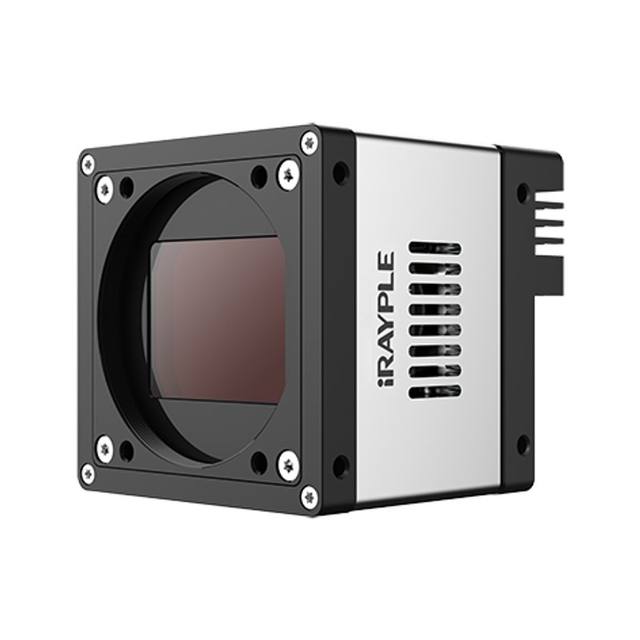
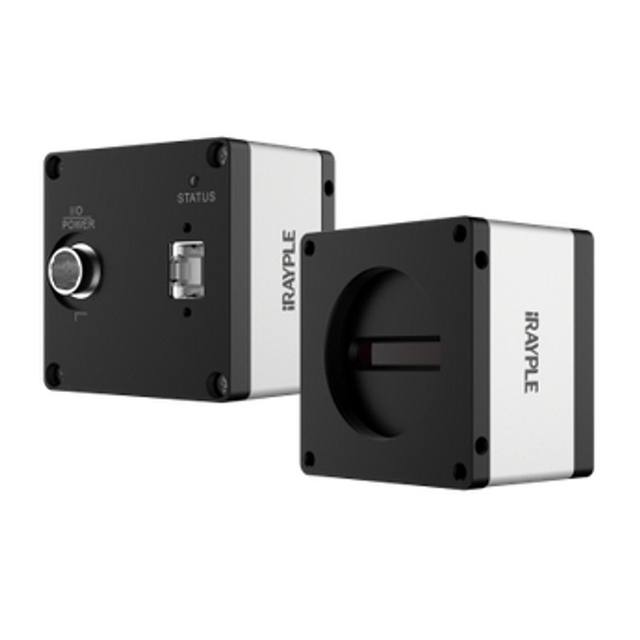
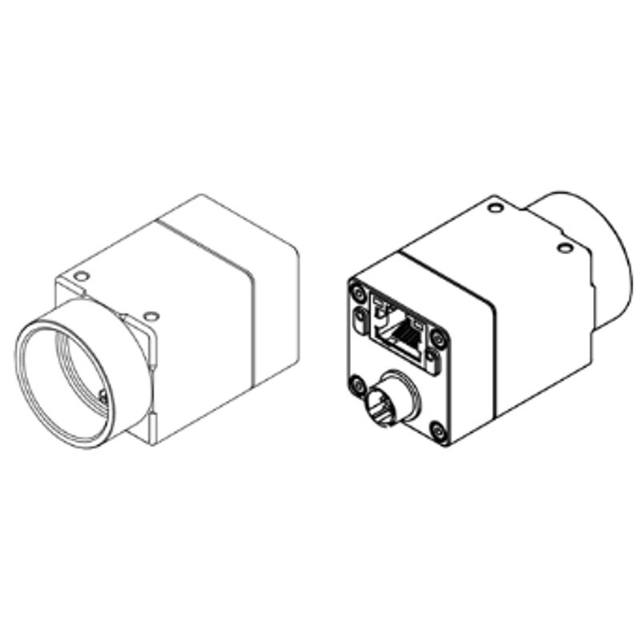
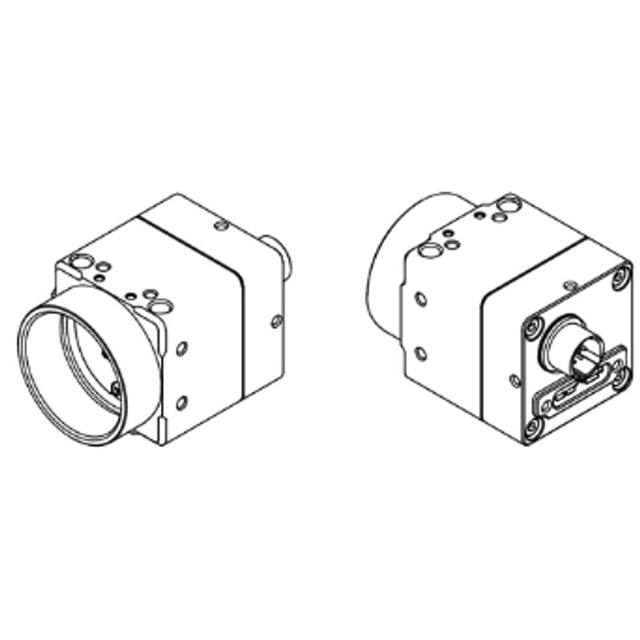
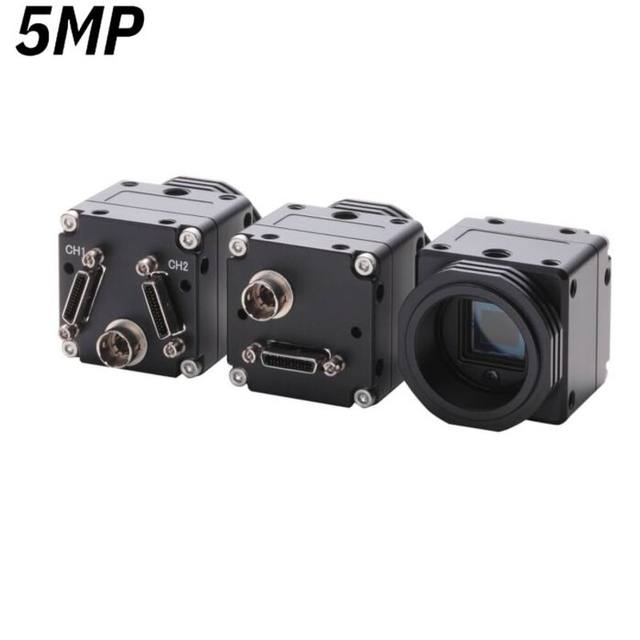
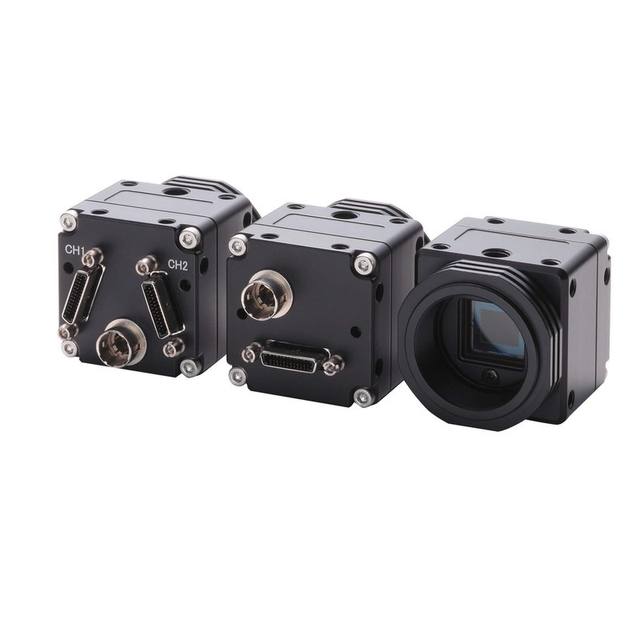
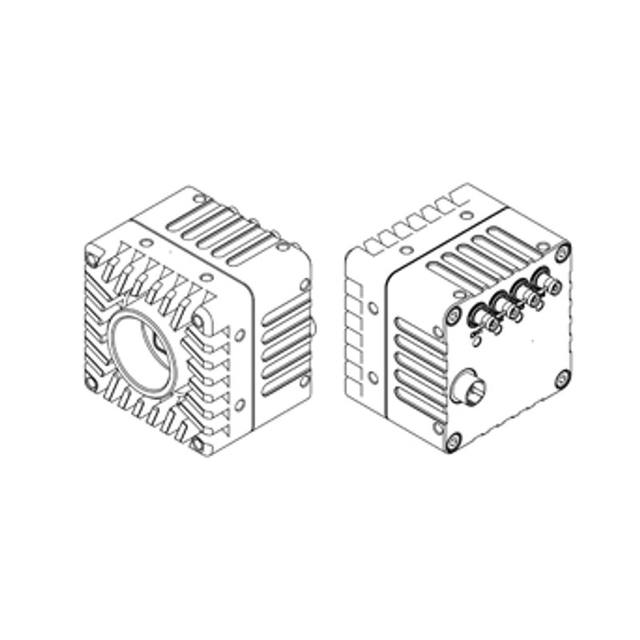
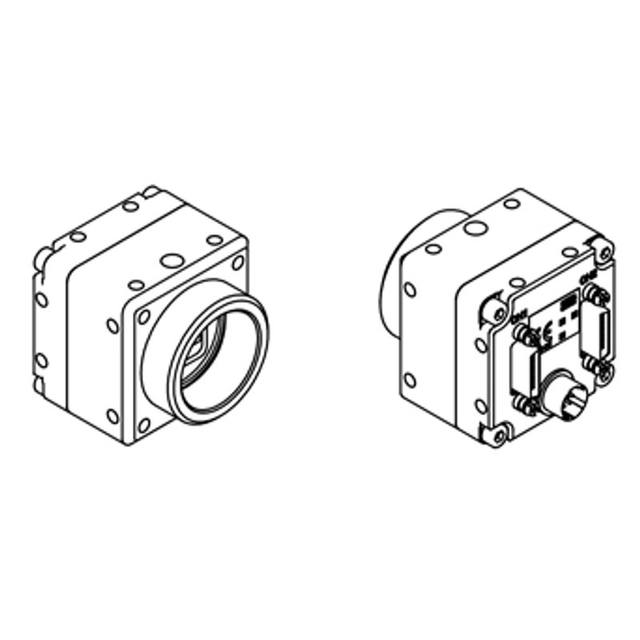
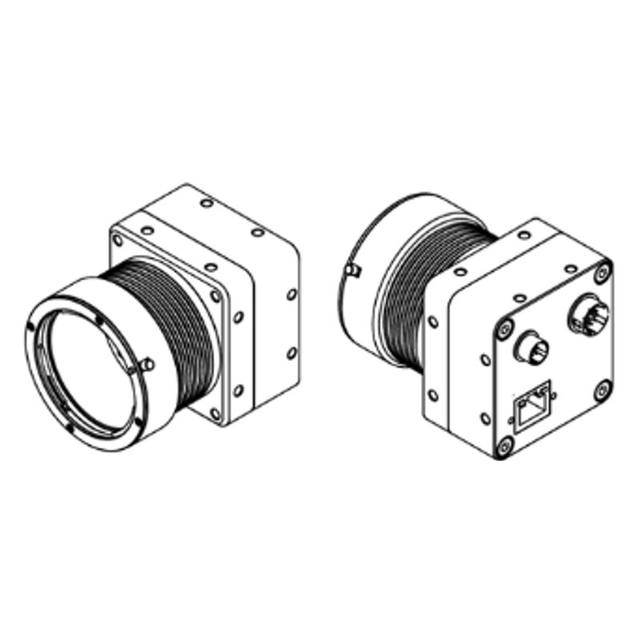
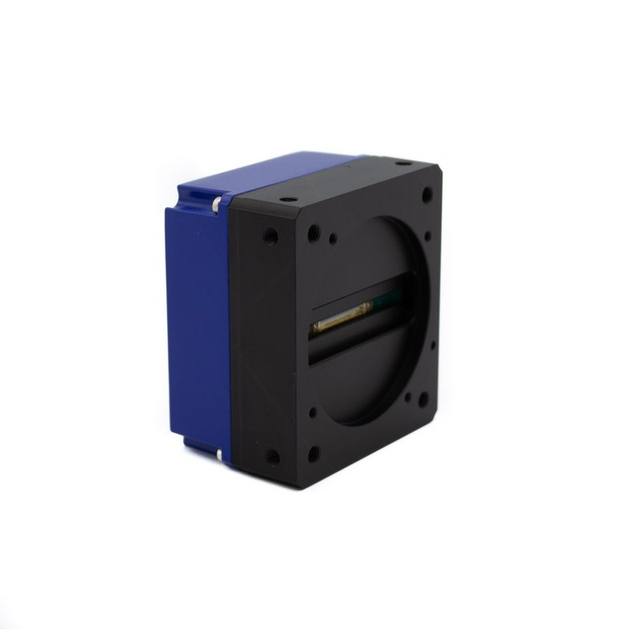
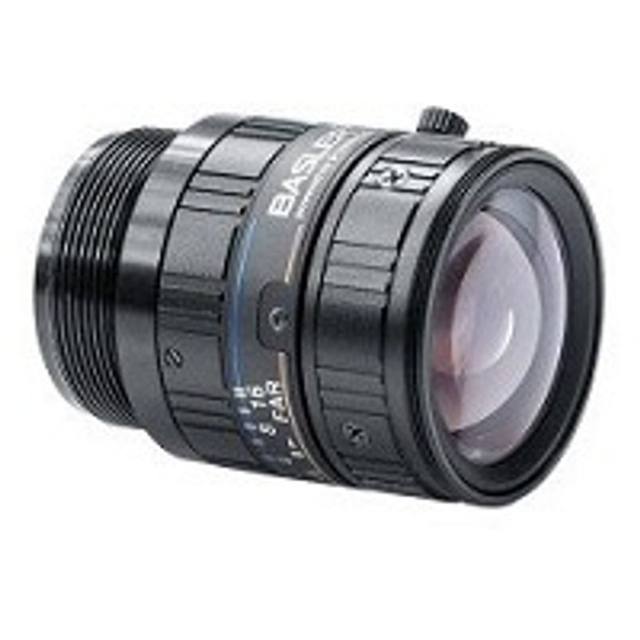
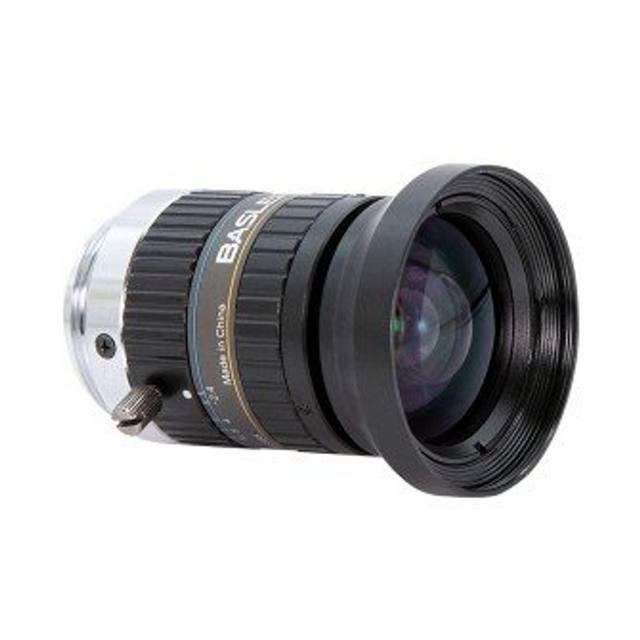
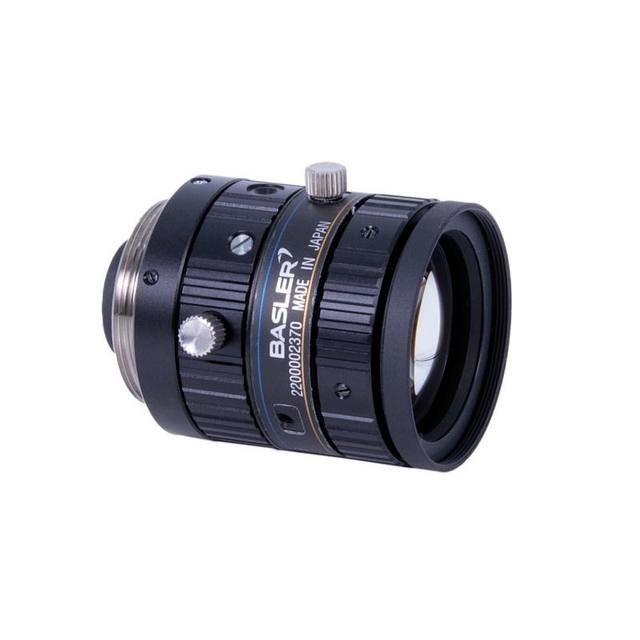
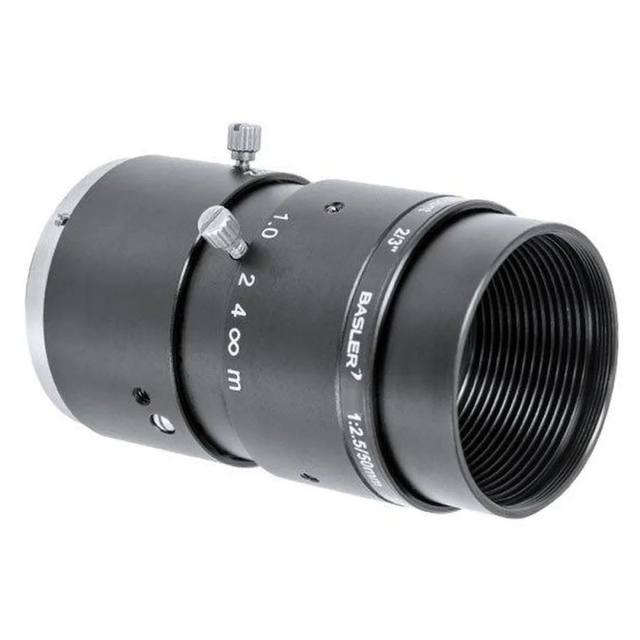
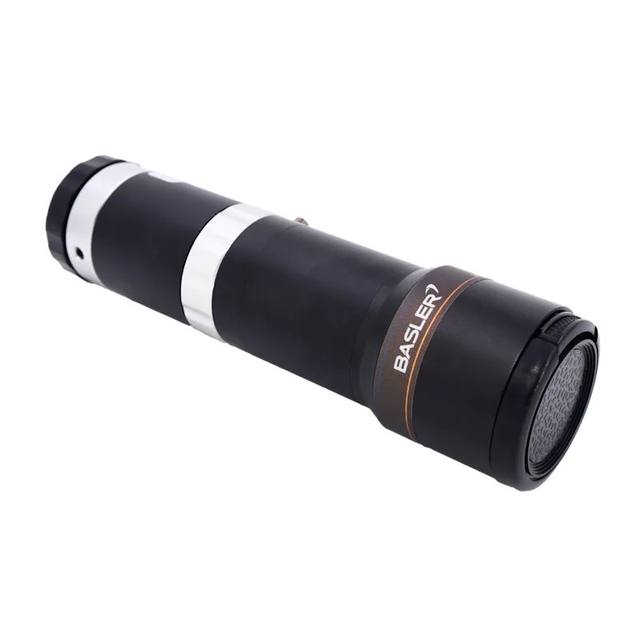
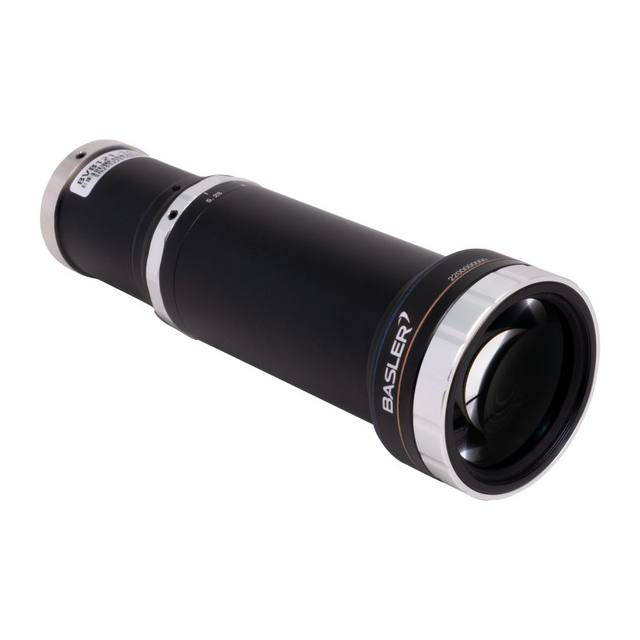
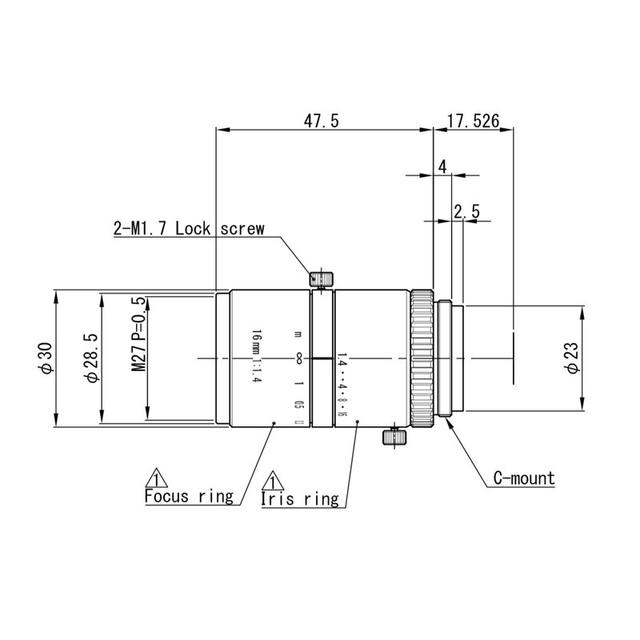
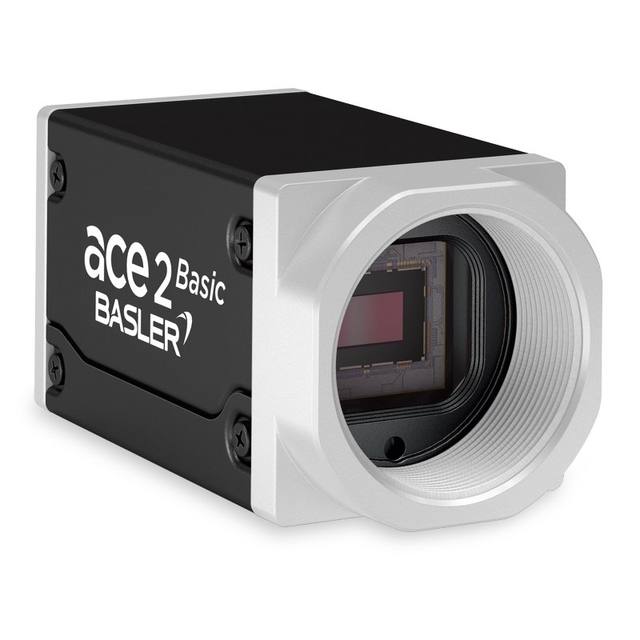
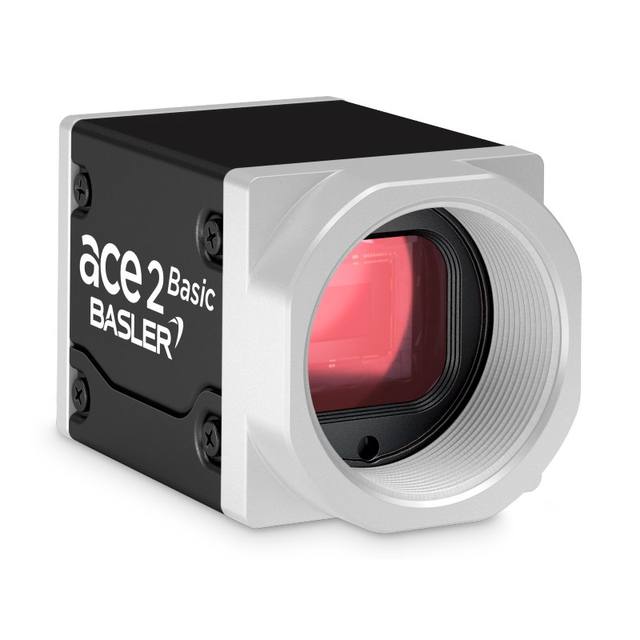
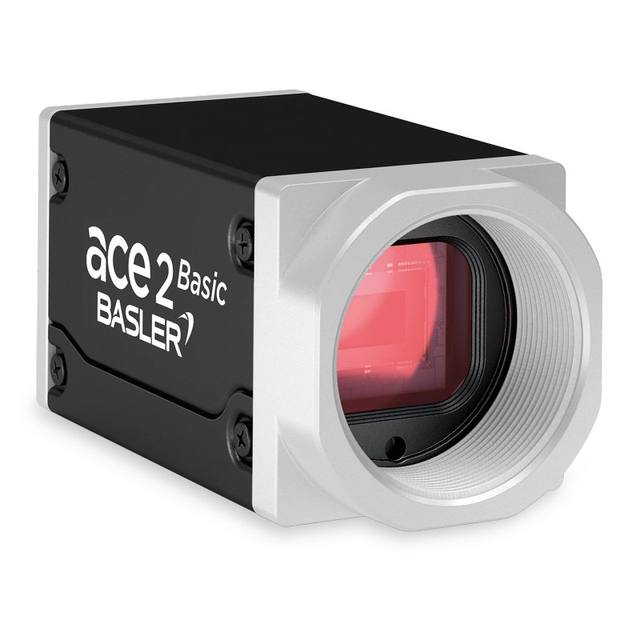
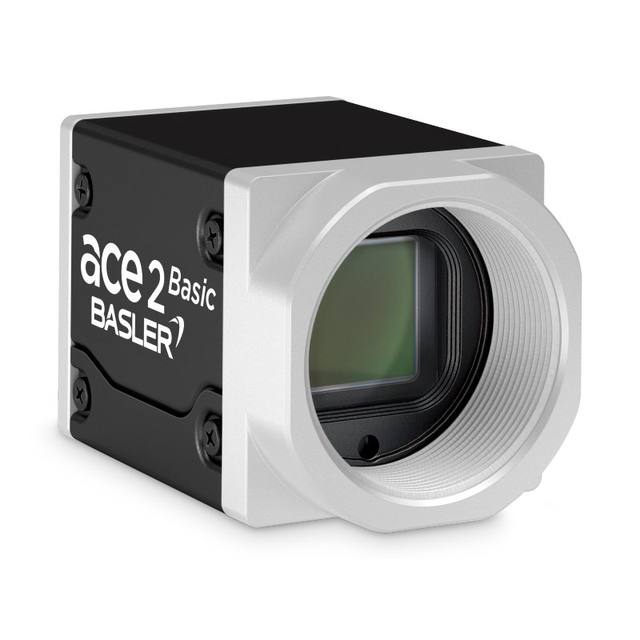
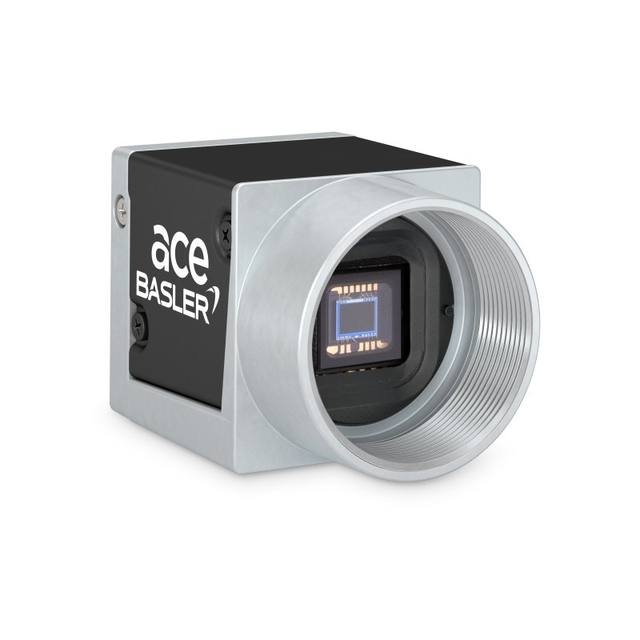
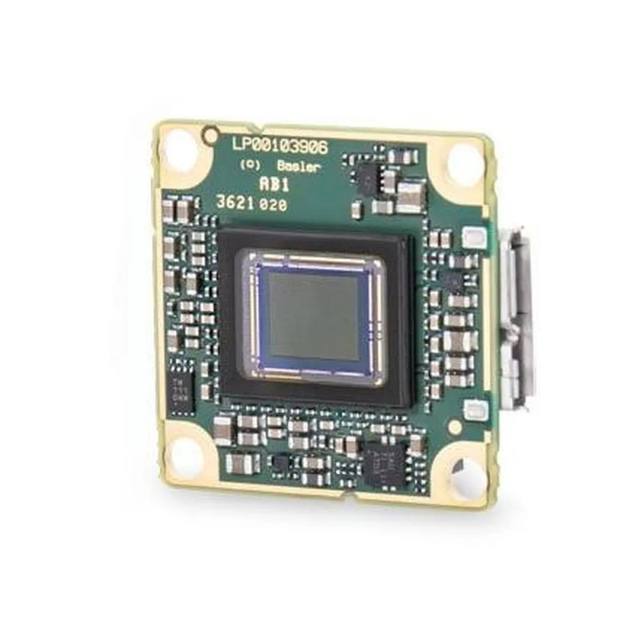
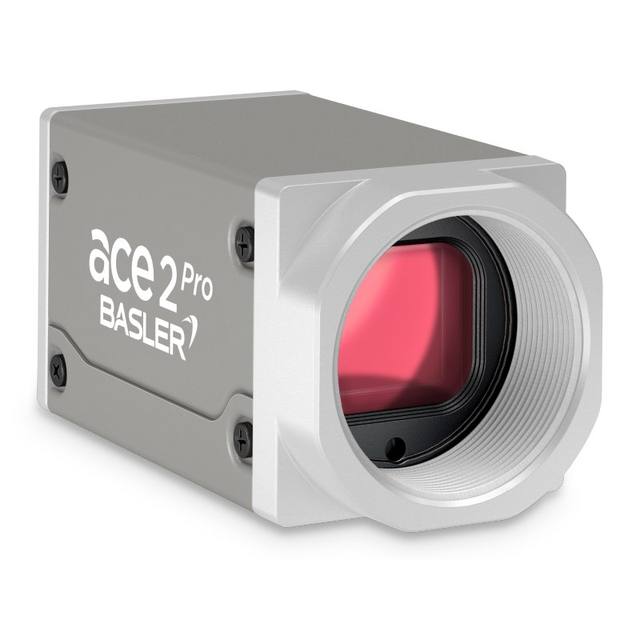
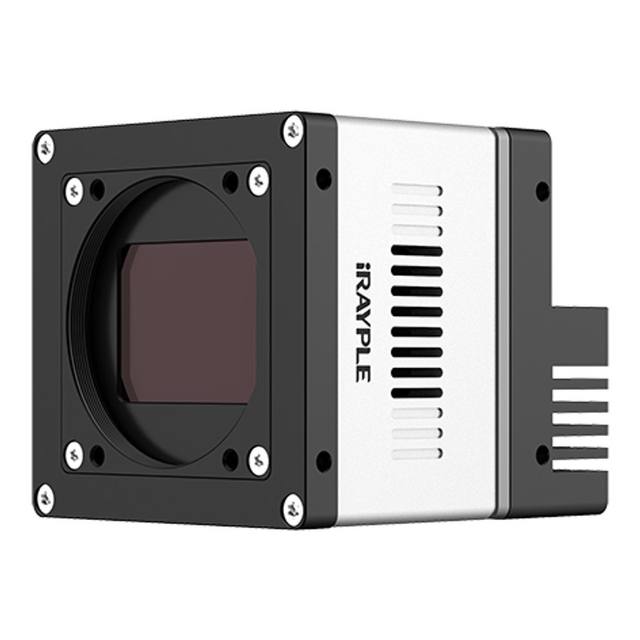
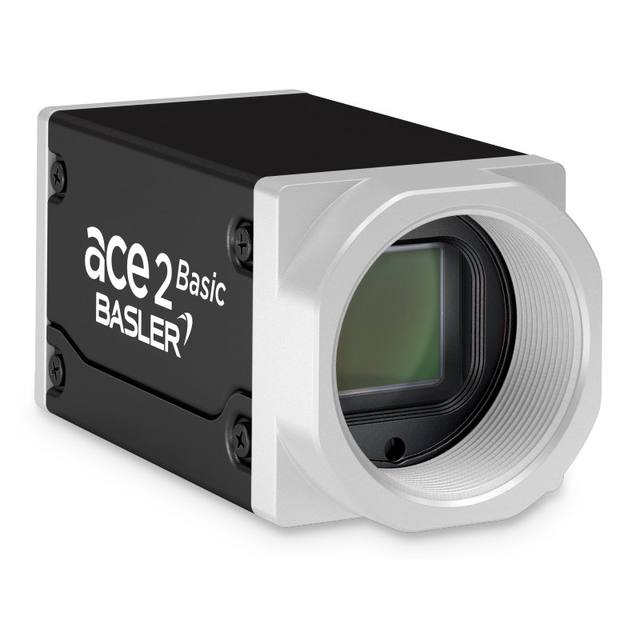
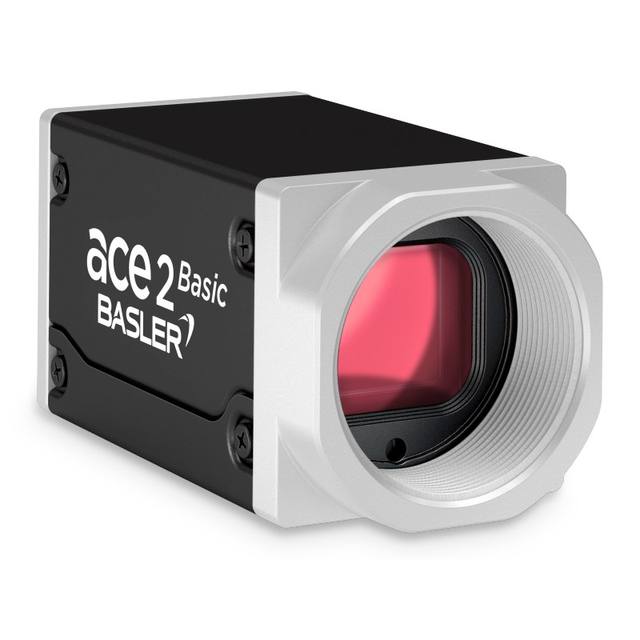
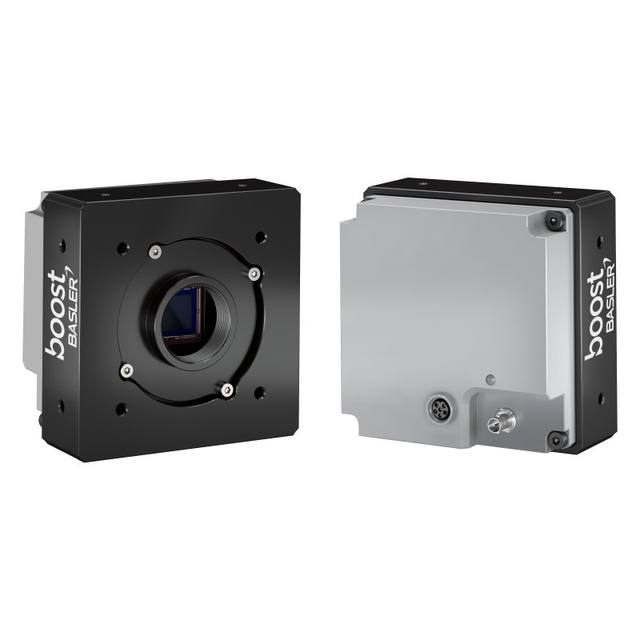
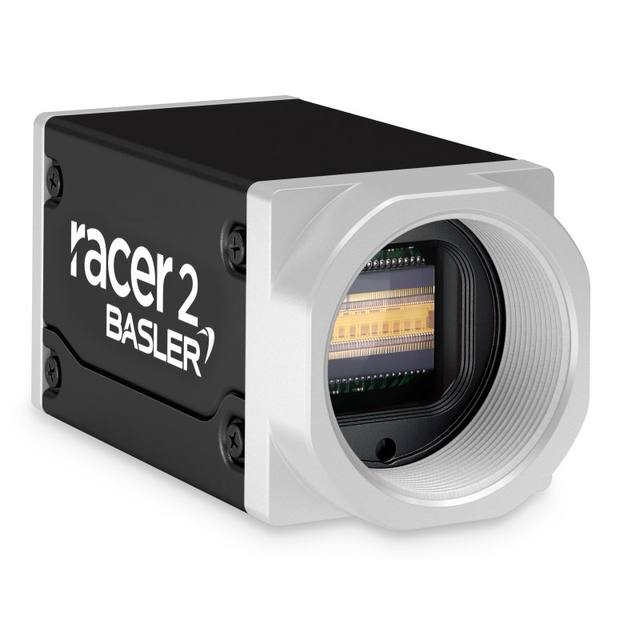
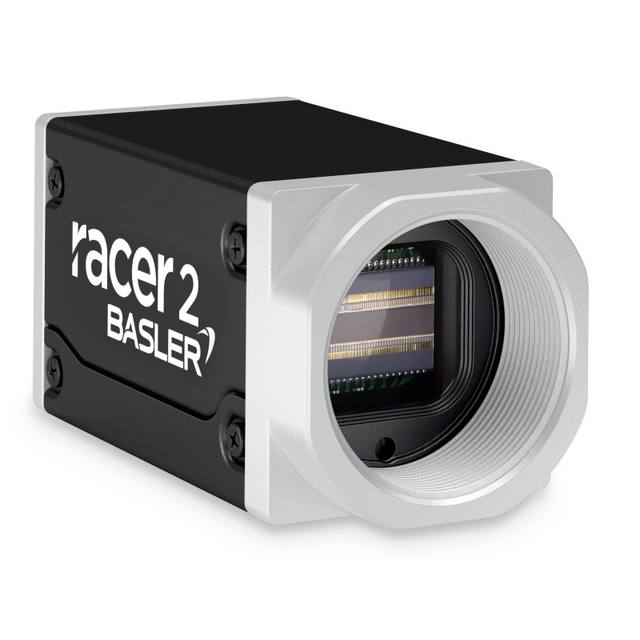
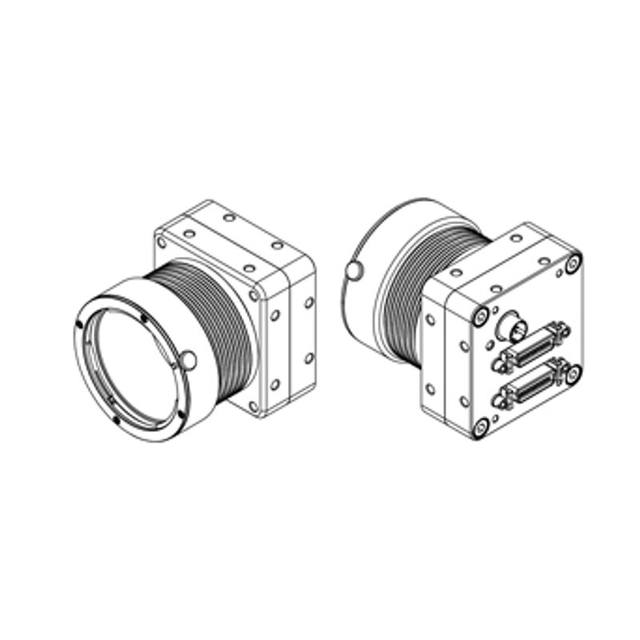
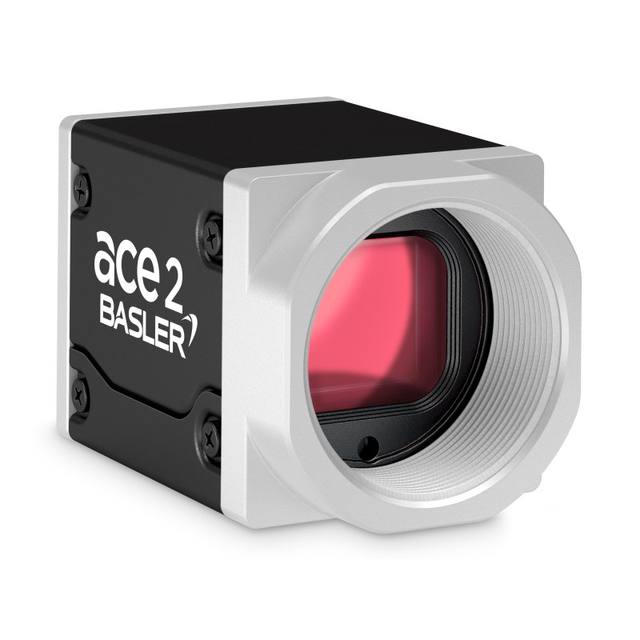
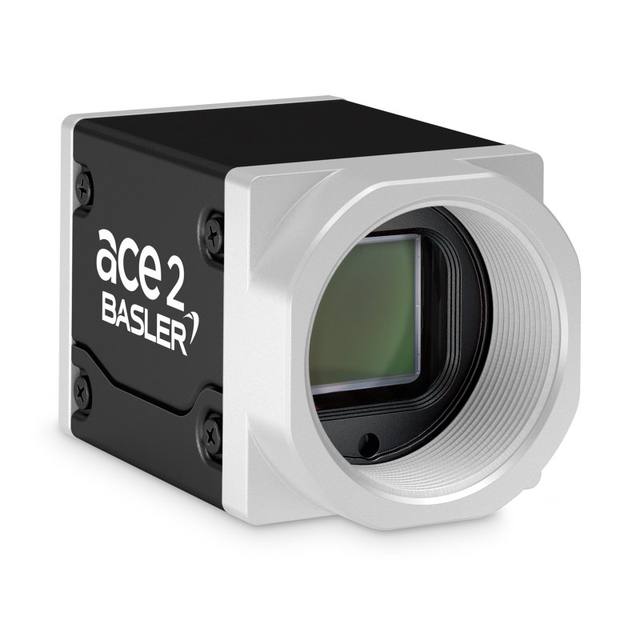
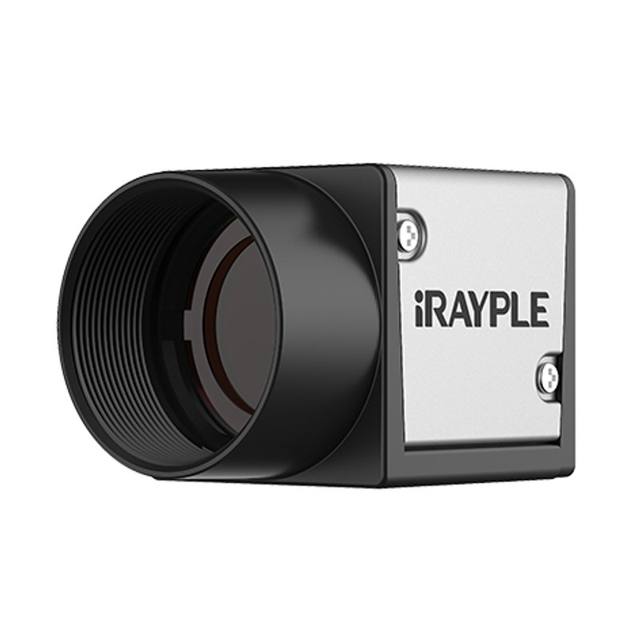
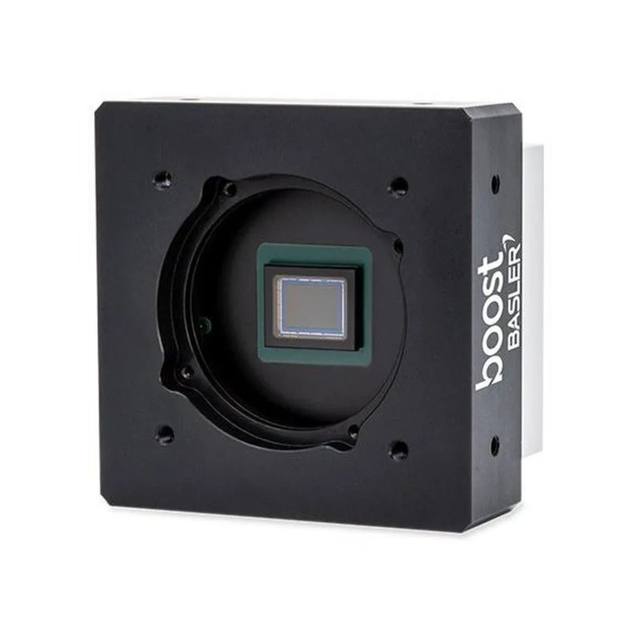
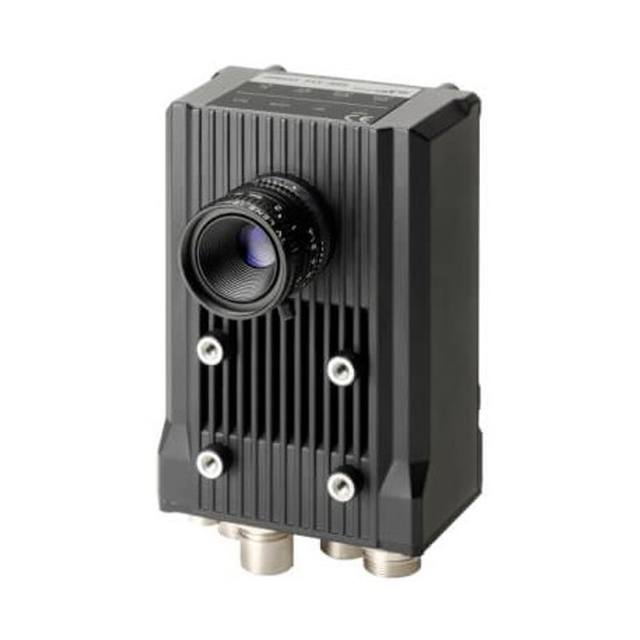
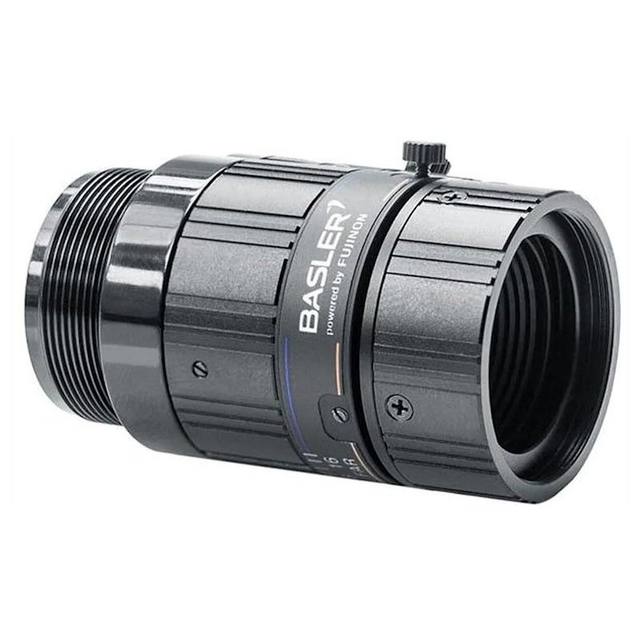
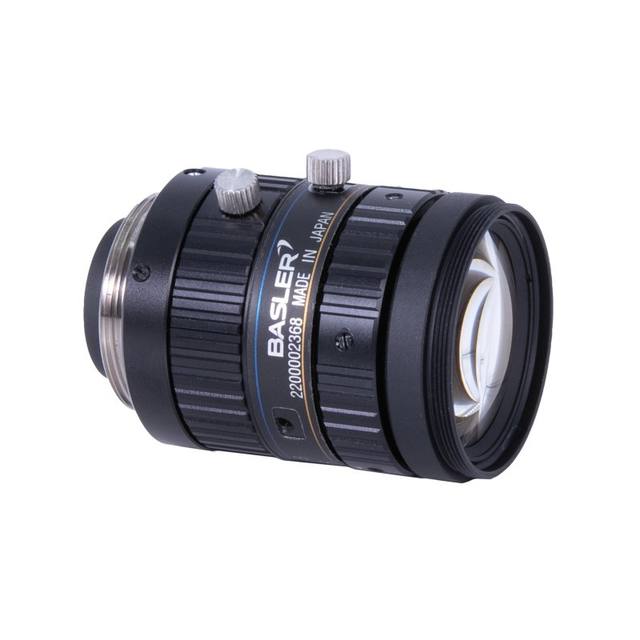
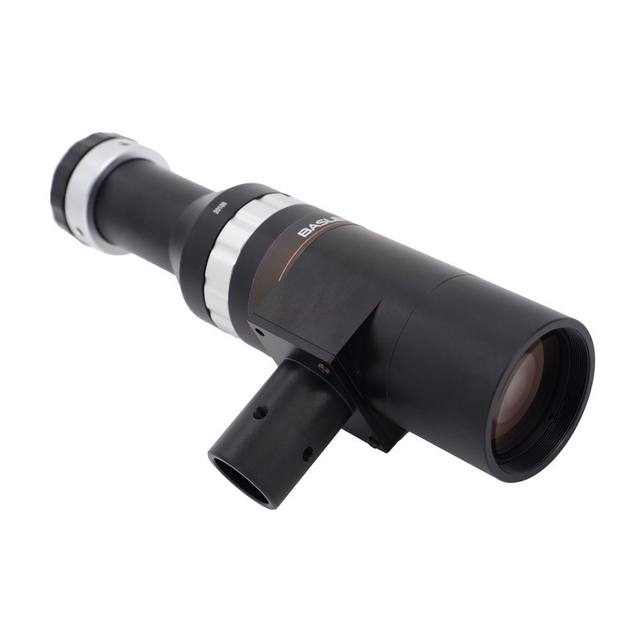
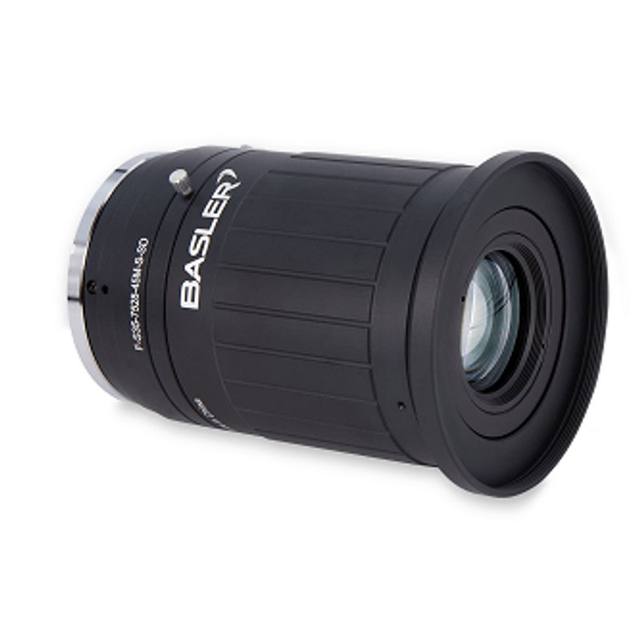
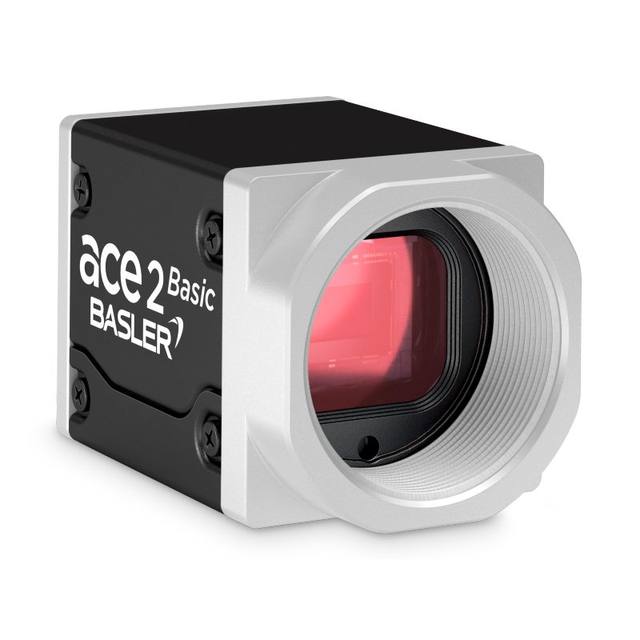
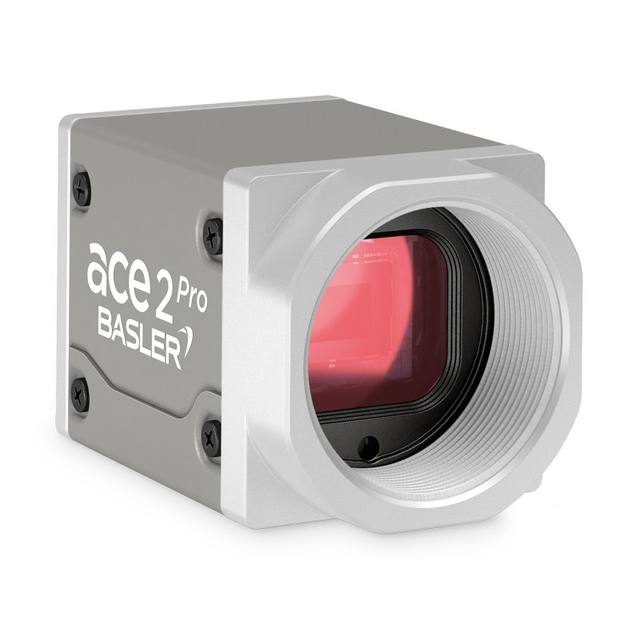
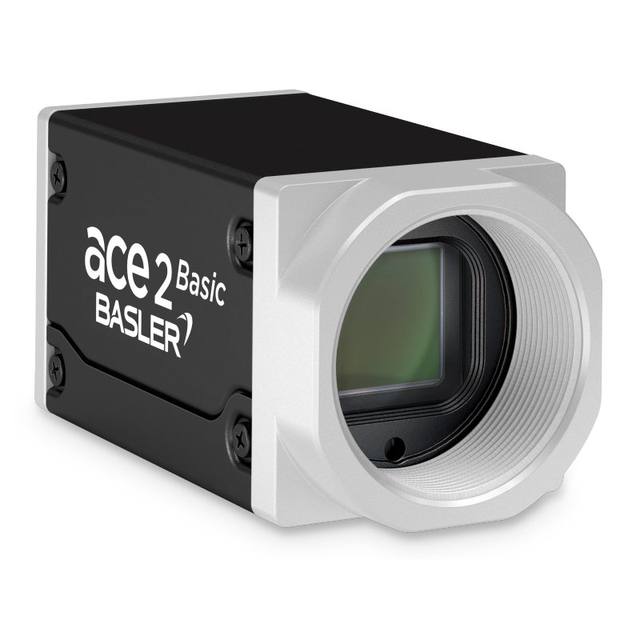
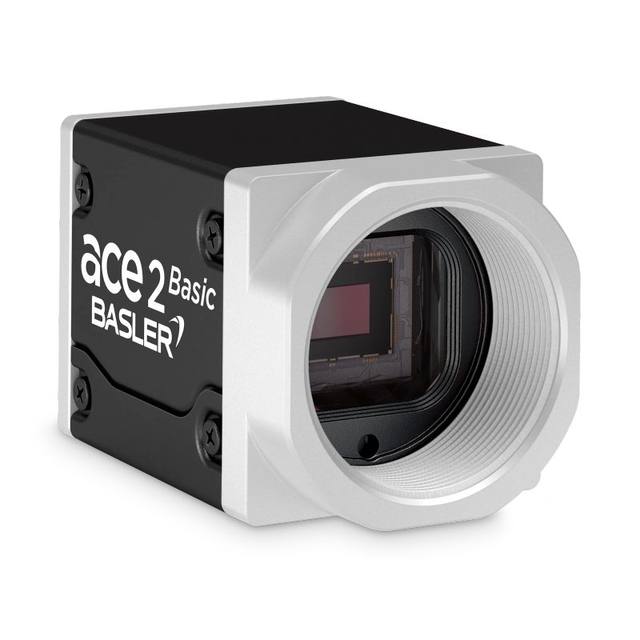
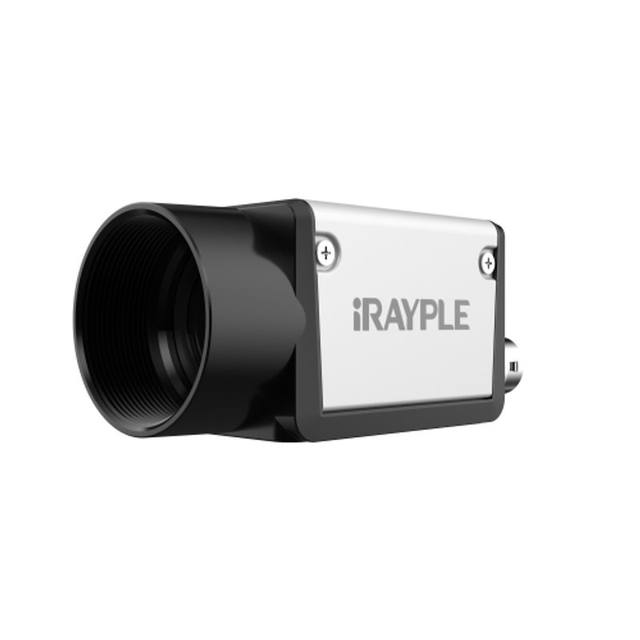
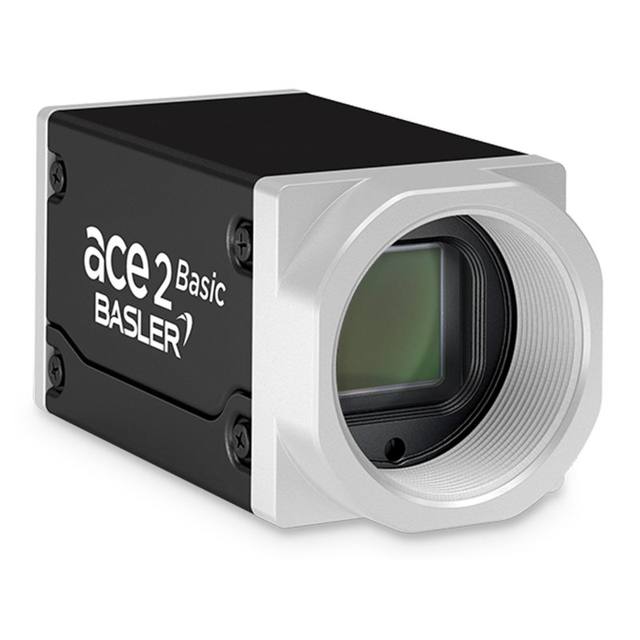
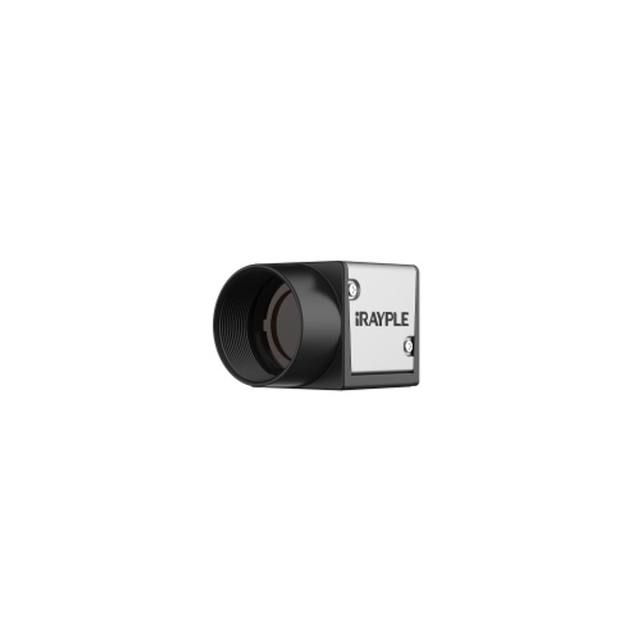
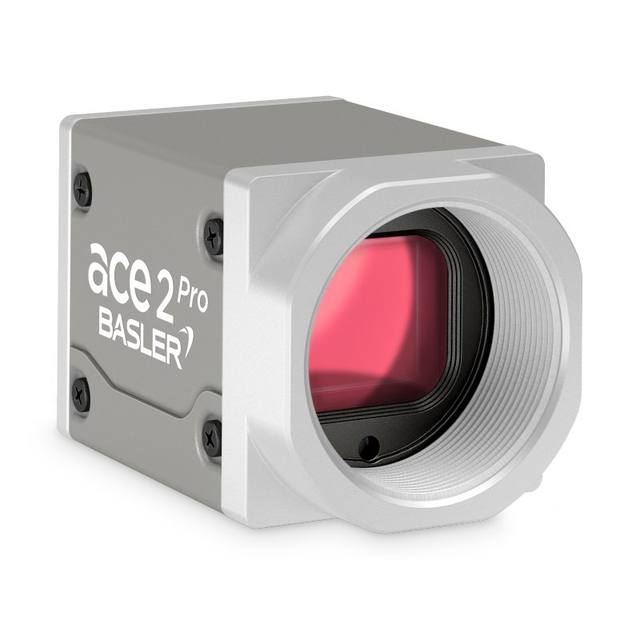
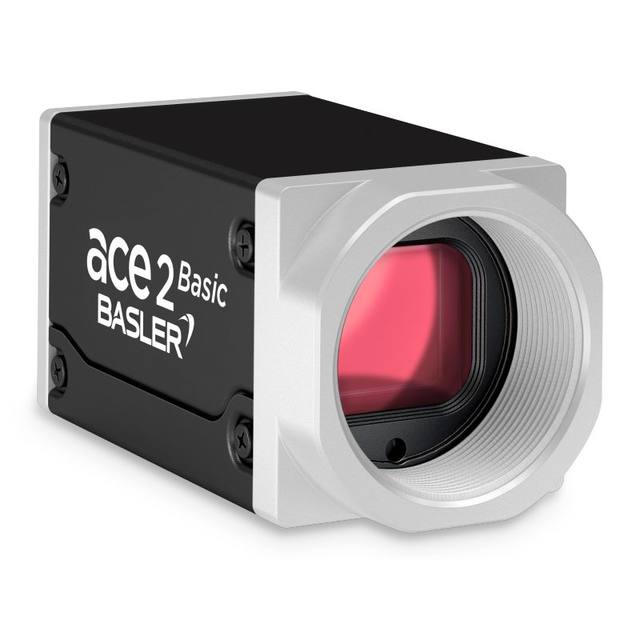
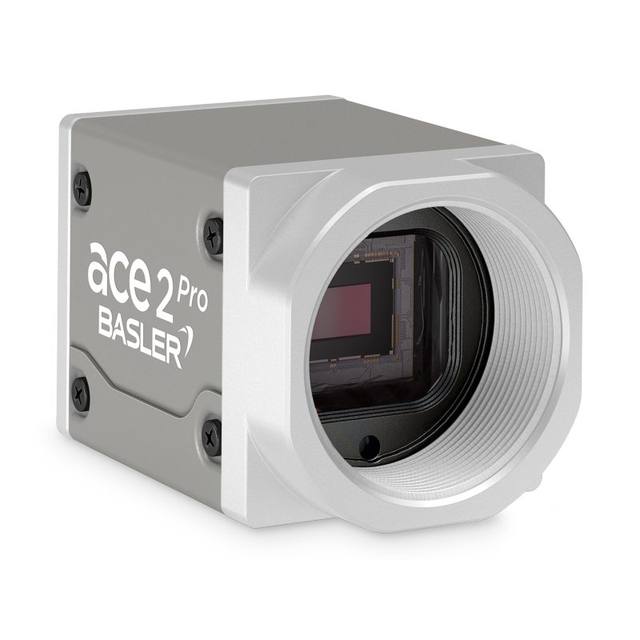
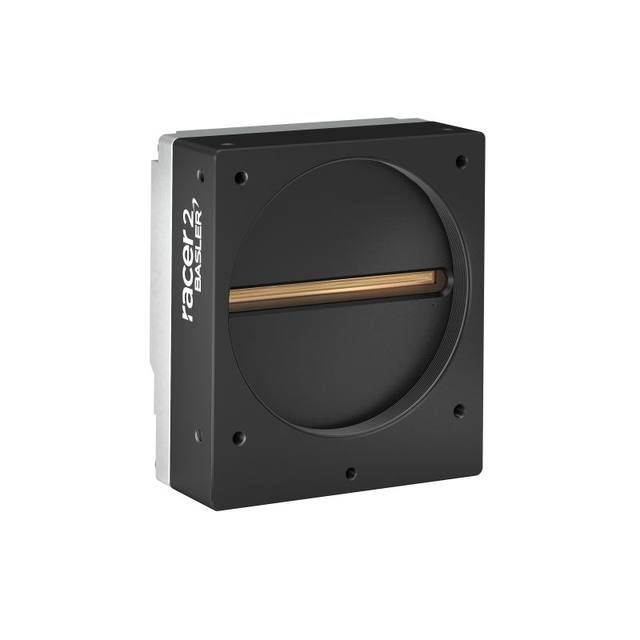
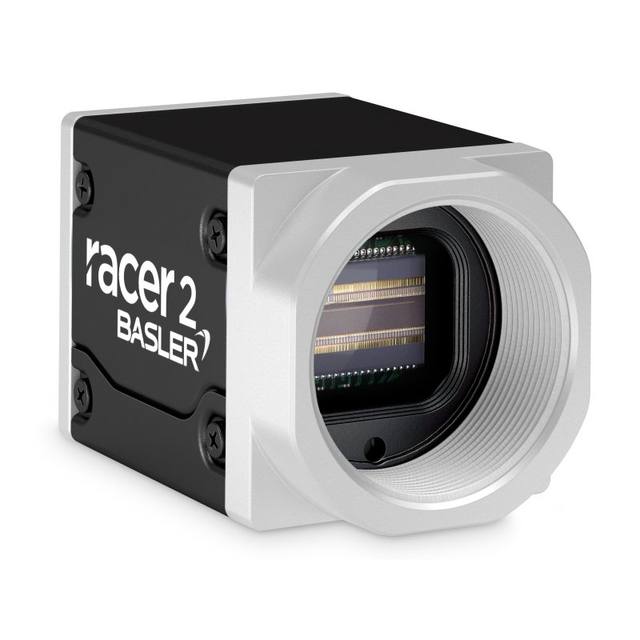
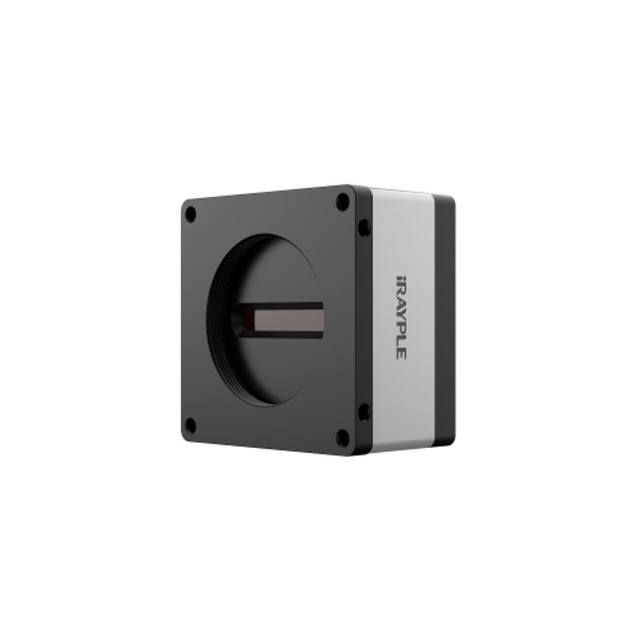
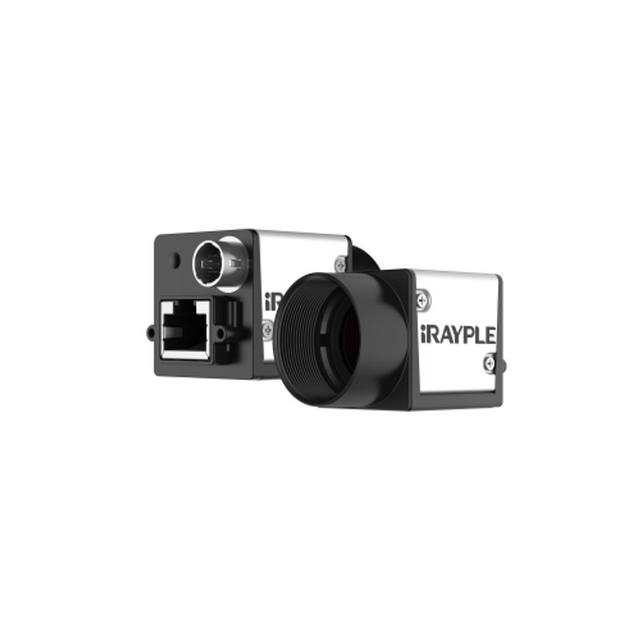
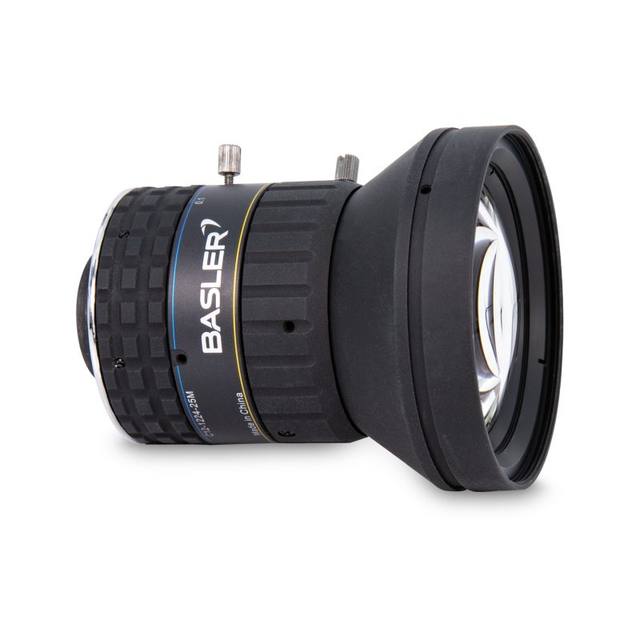
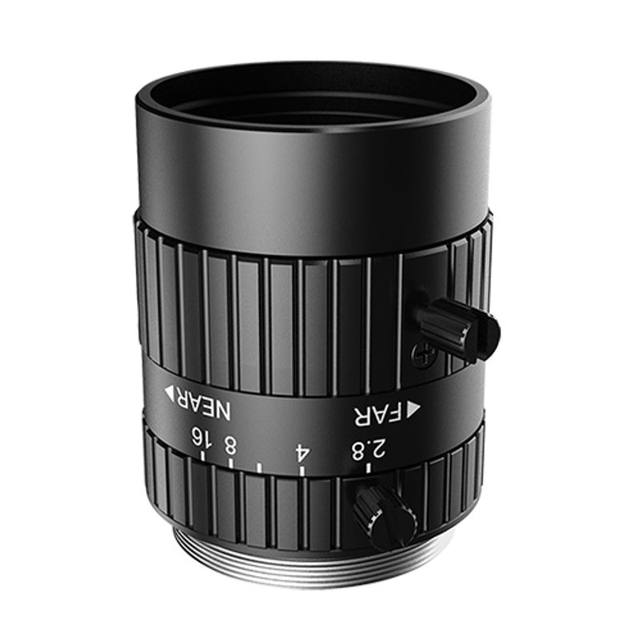
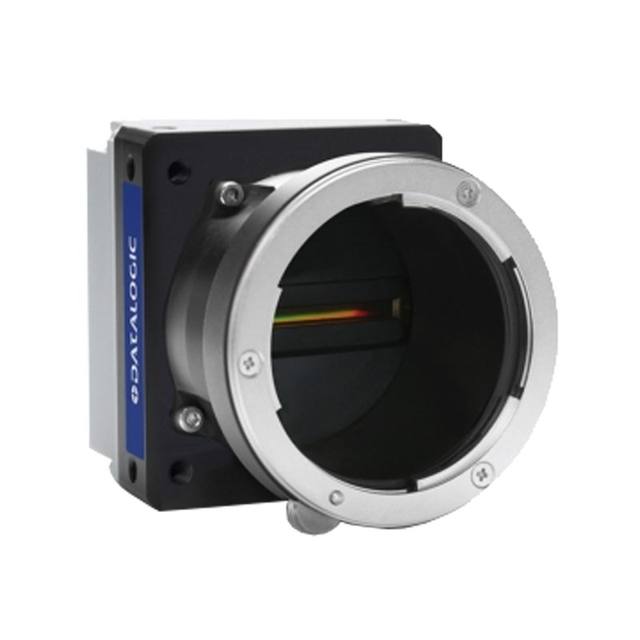
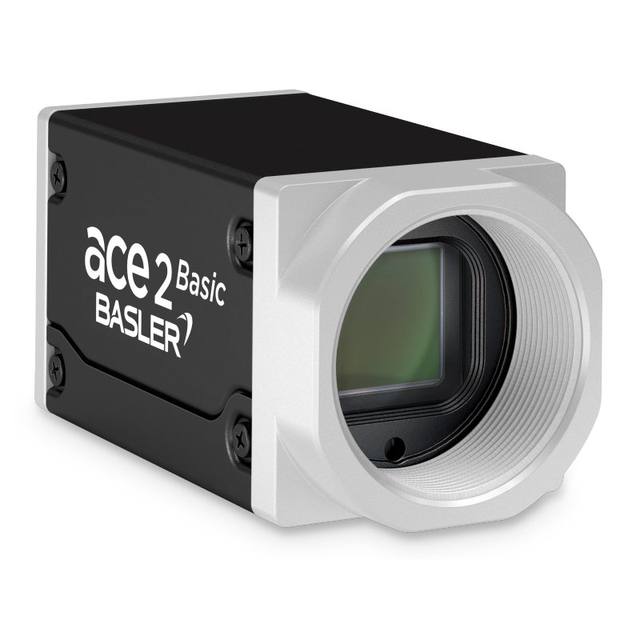
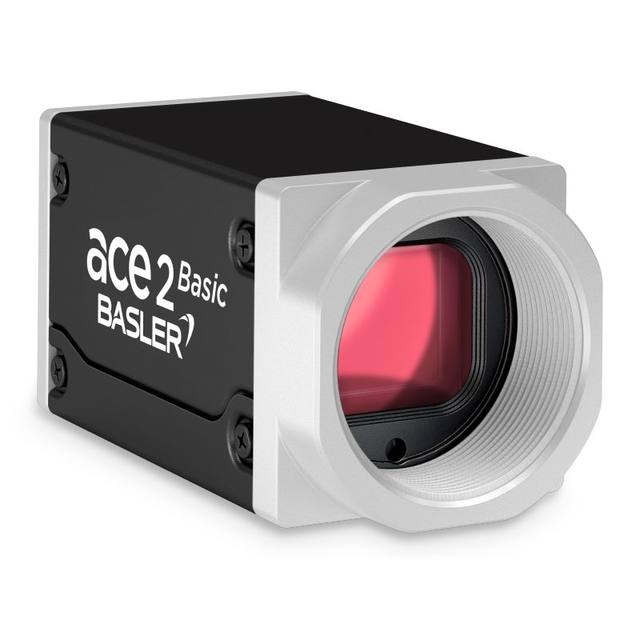
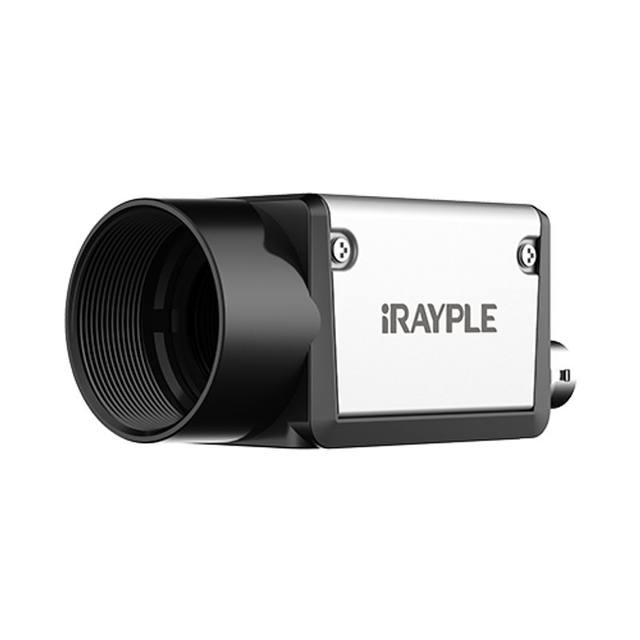
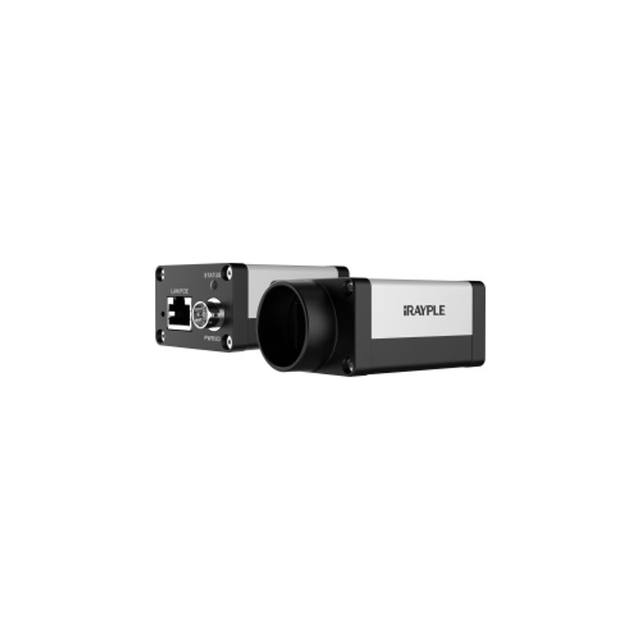
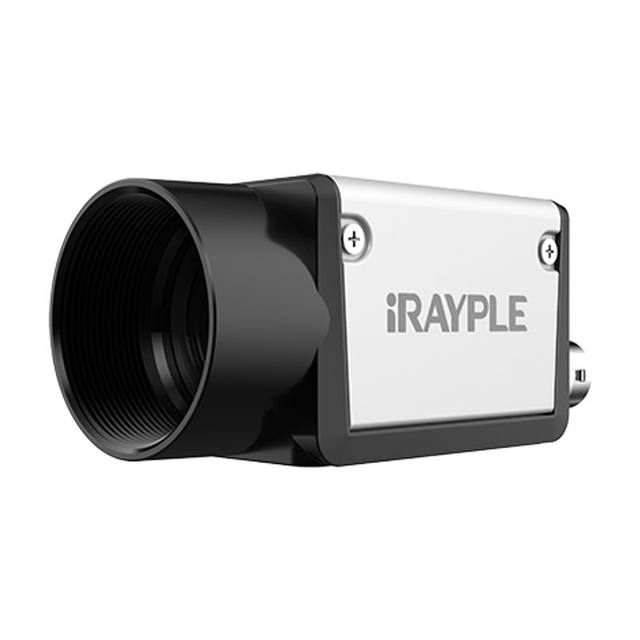
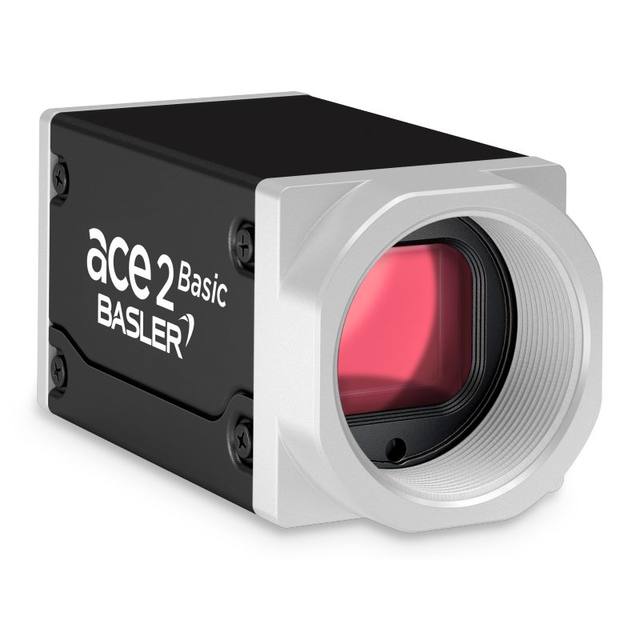
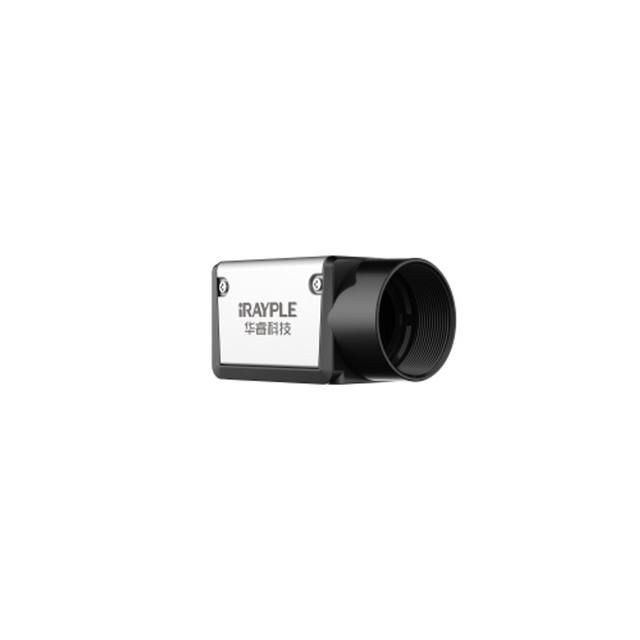
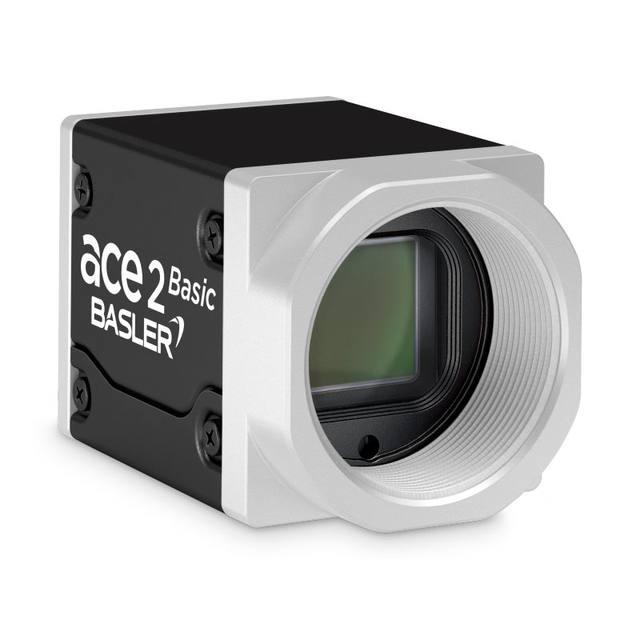
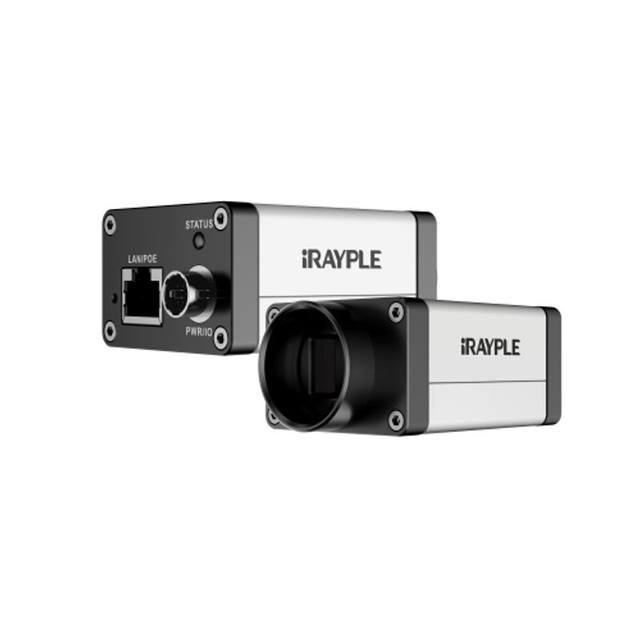
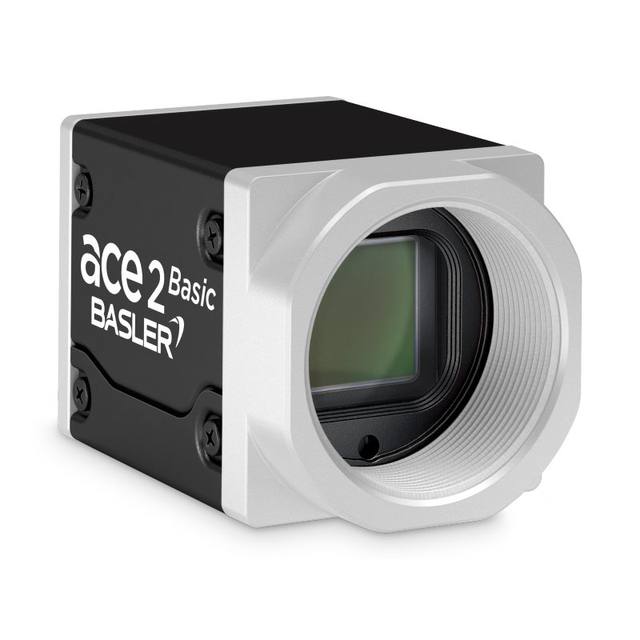
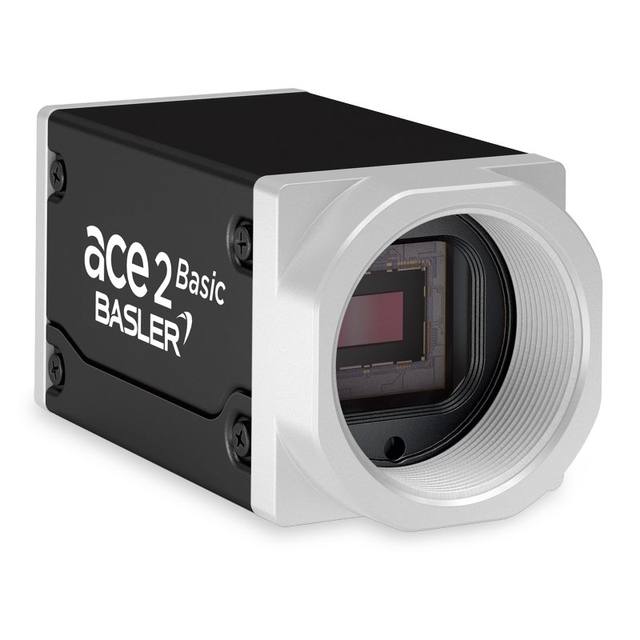
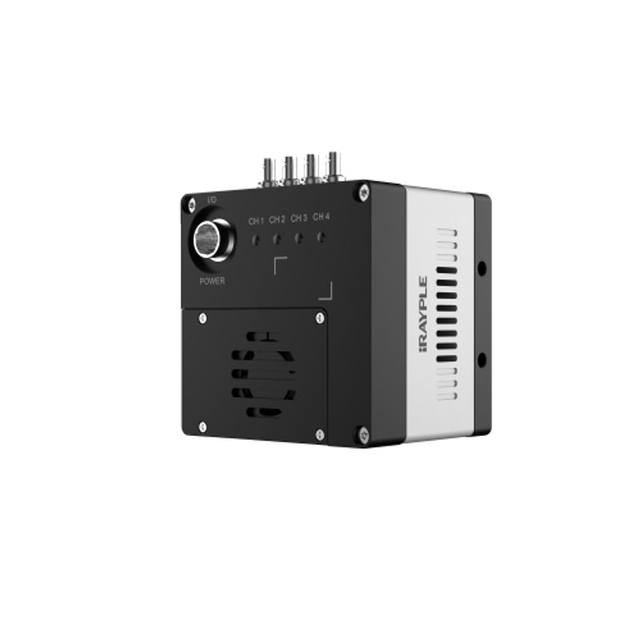
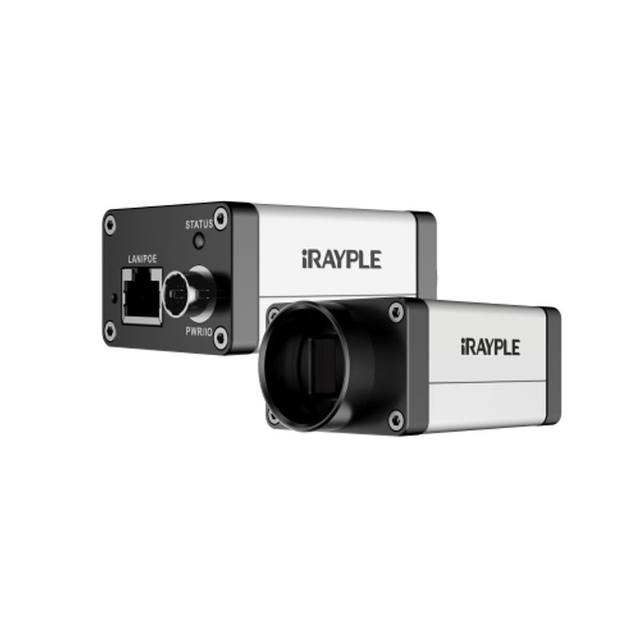
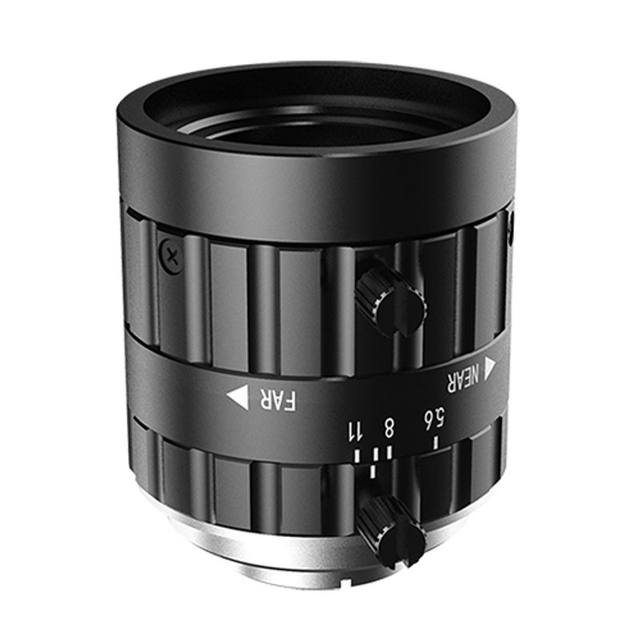
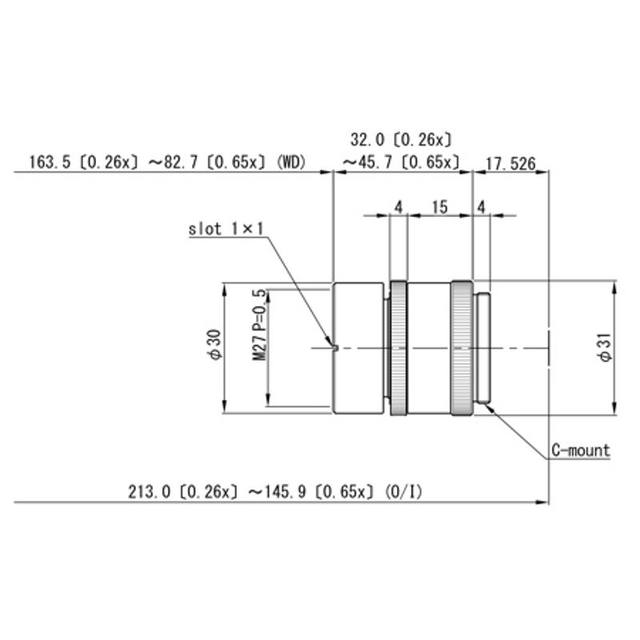
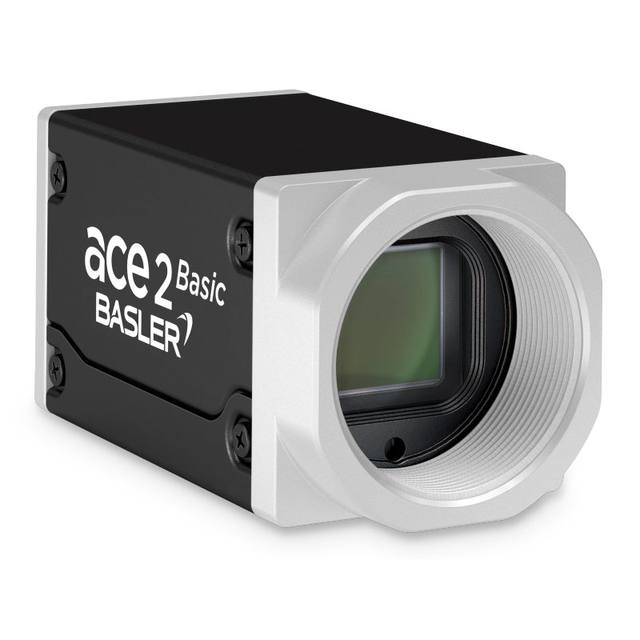
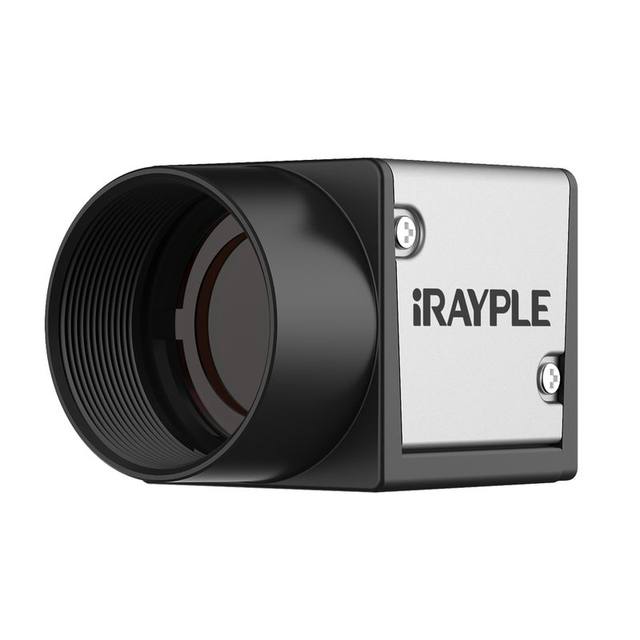
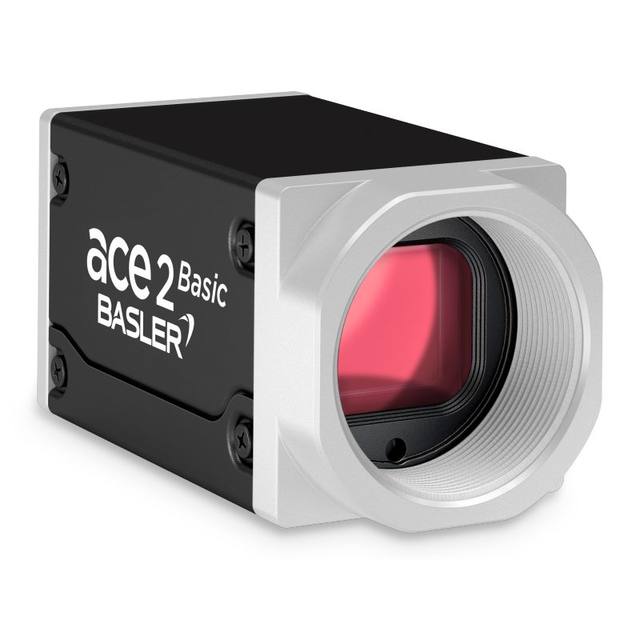
Smart cameras earn their place where you need configurable inspection logic, multiple regions of interest, label verification, or onboard barcode and OCR/OCV in a single compact unit. Brands such as Basler, iRAYPLE and Omron/Sentech (STC) offer smart cameras and board-level/area-scan options that put processing at the point of capture, which keeps wiring simple and latency low — important when an ejector has only a few milliseconds to act. For very high resolution, very high speed, or multi-camera 360-degree label coverage, a PC-based architecture with separate industrial cameras becomes the better choice, and that trade-off is worth deciding early.
- Vision sensor: fixed, repeatable, binary checks; fast teach; technician-deployable
- Smart camera: configurable logic, multi-ROI, onboard codes/OCR/OCV, low-latency reject
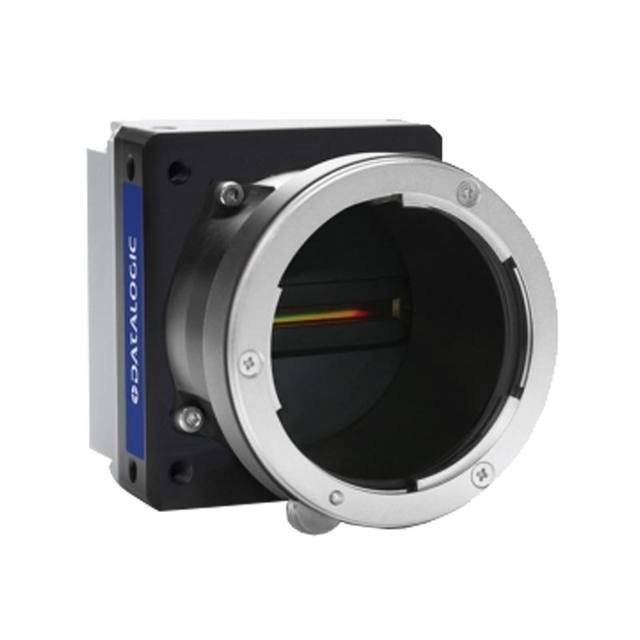
- PC-based + industrial cameras: highest resolution/speed or many synchronized views
Lighting and imaging considerations that make or break it
On packaging, lighting is usually the difference between a robust system and one that drifts. Films, foils, shrink-wrap and glossy cartons are highly specular, so uncontrolled reflections create false rejects and hide real defects. The goal is to make the feature you care about high-contrast and the rest of the scene uniform, then to lock that lighting in so it does not depend on factory ambient light.
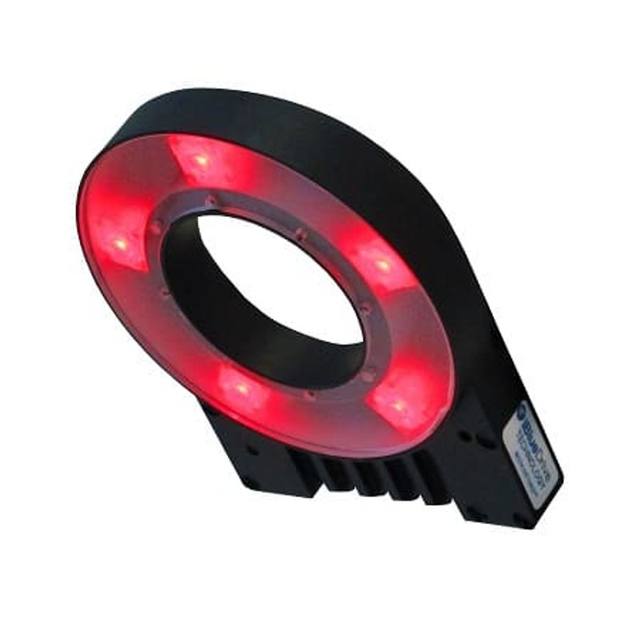
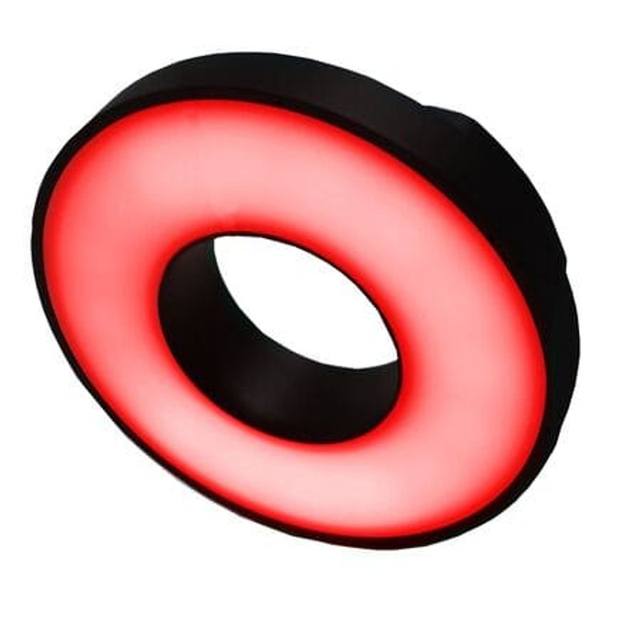
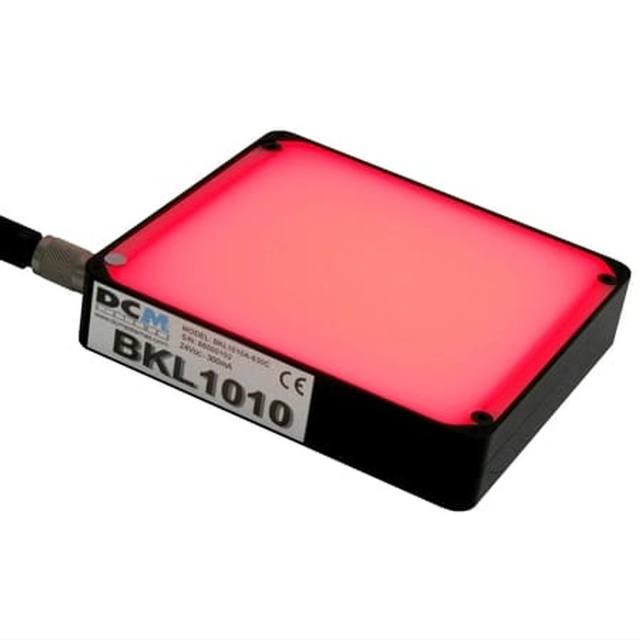
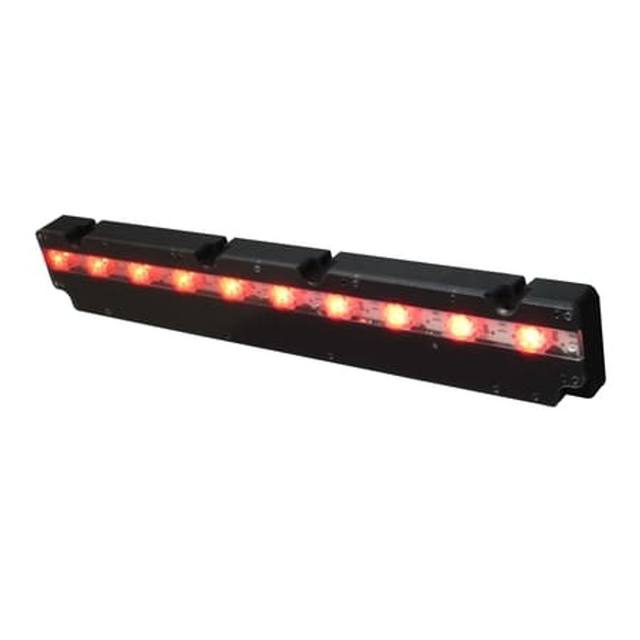
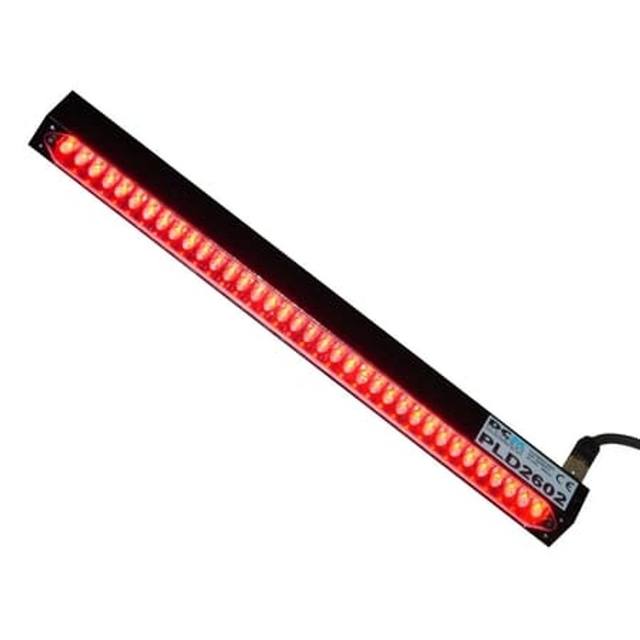
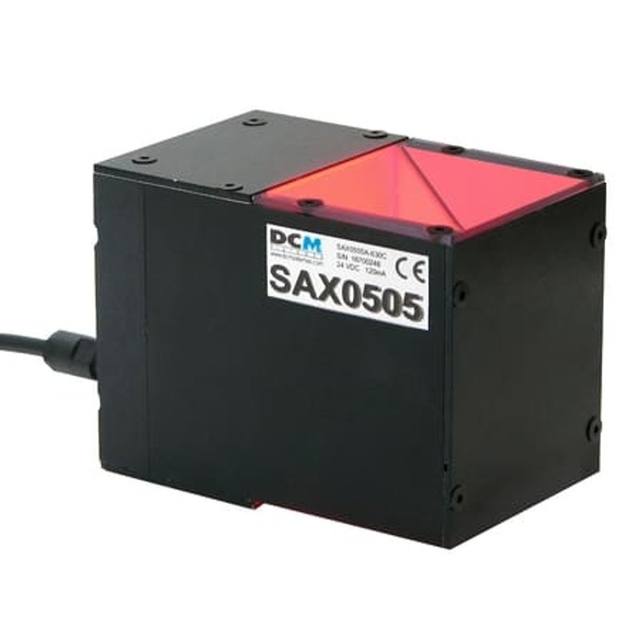
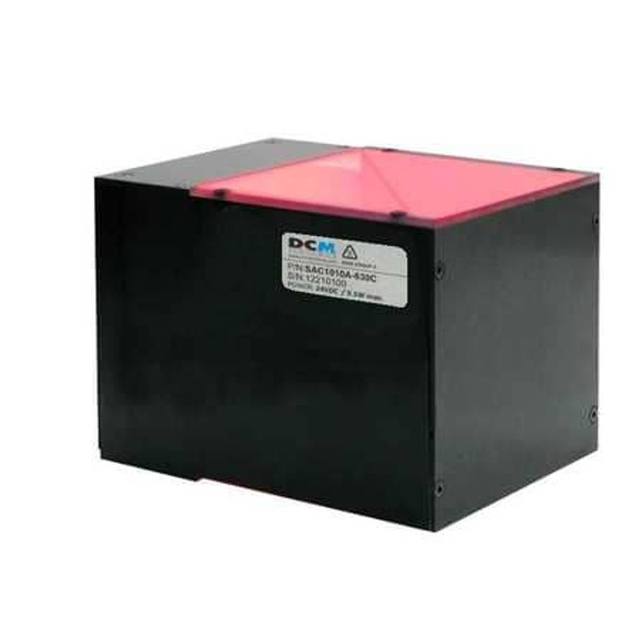
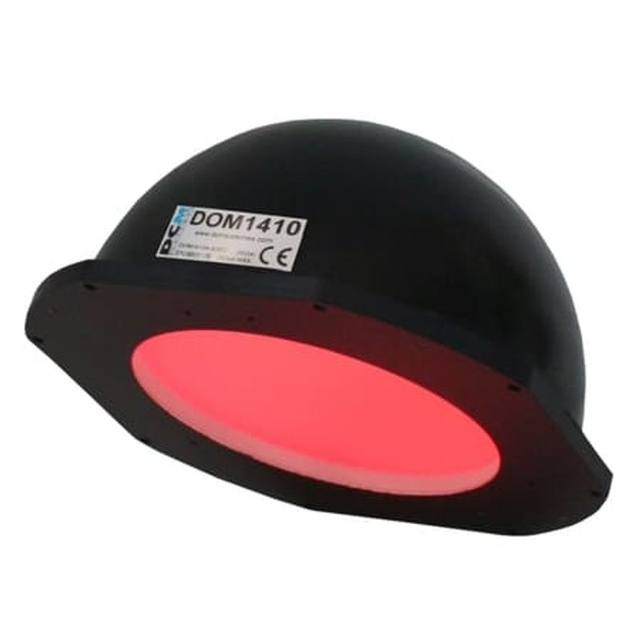
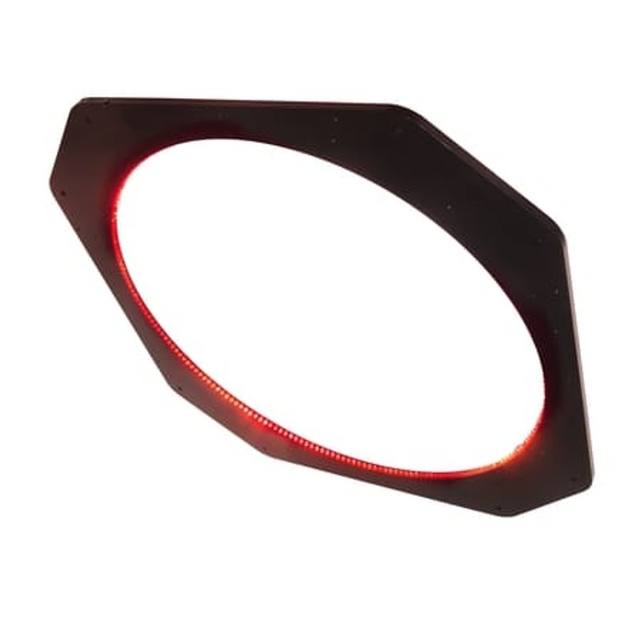
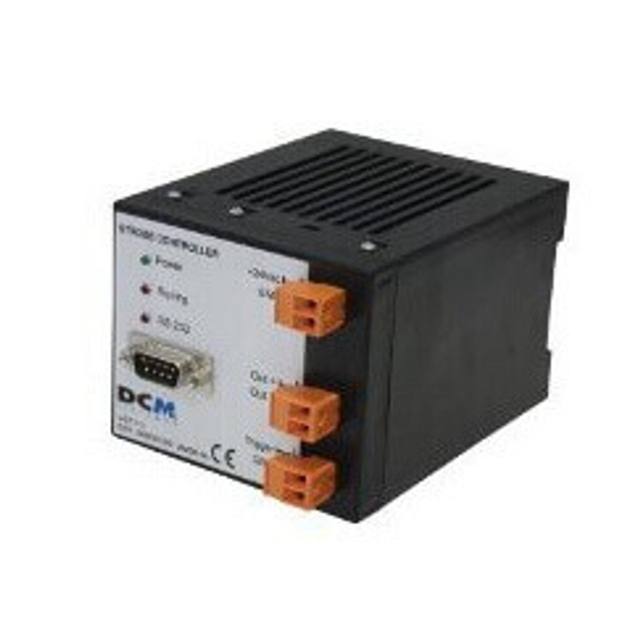
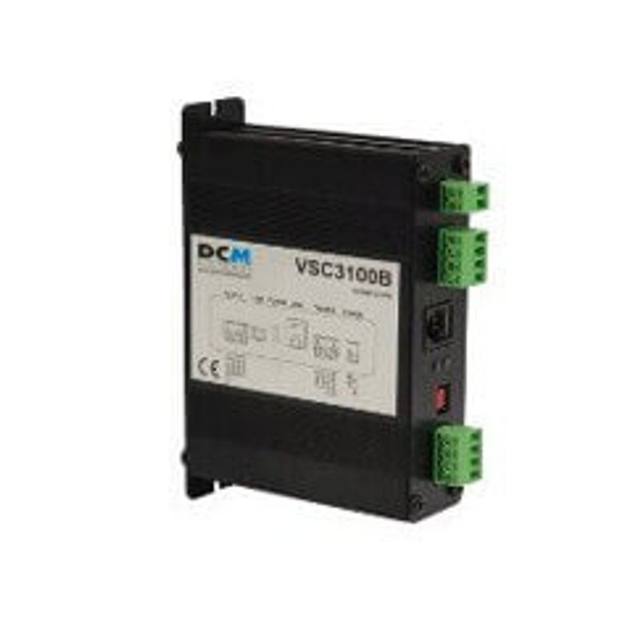
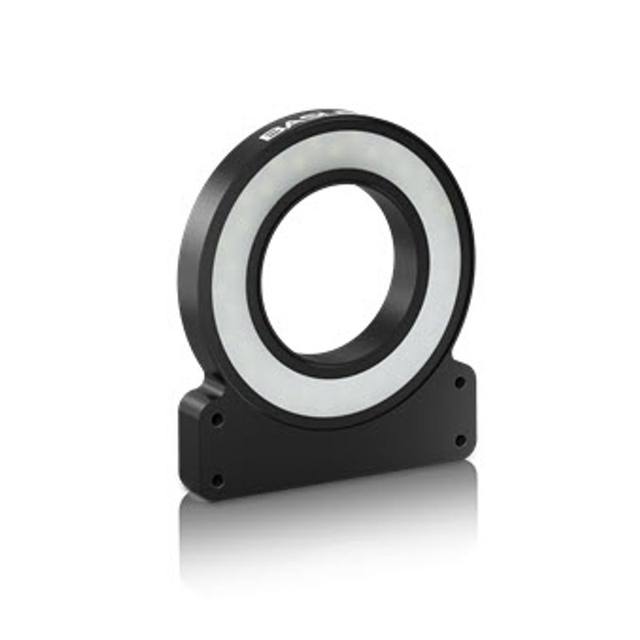
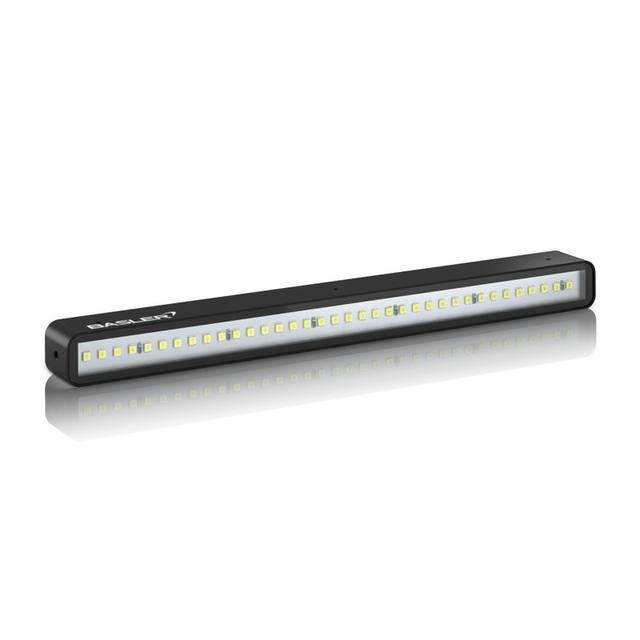
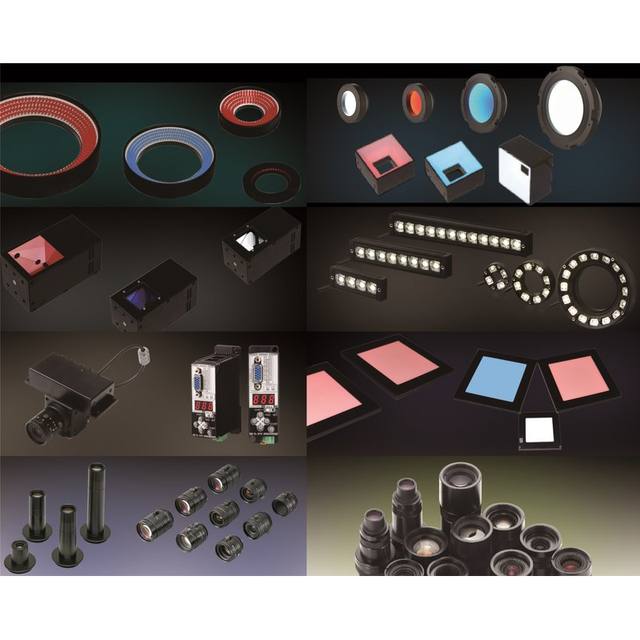
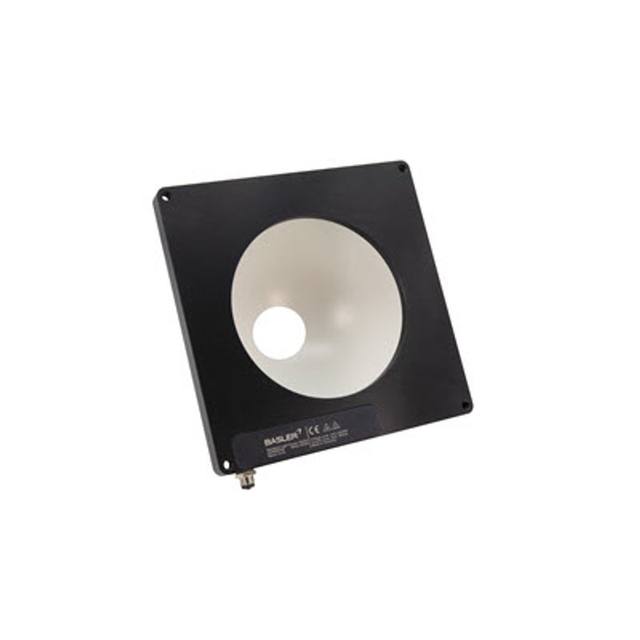
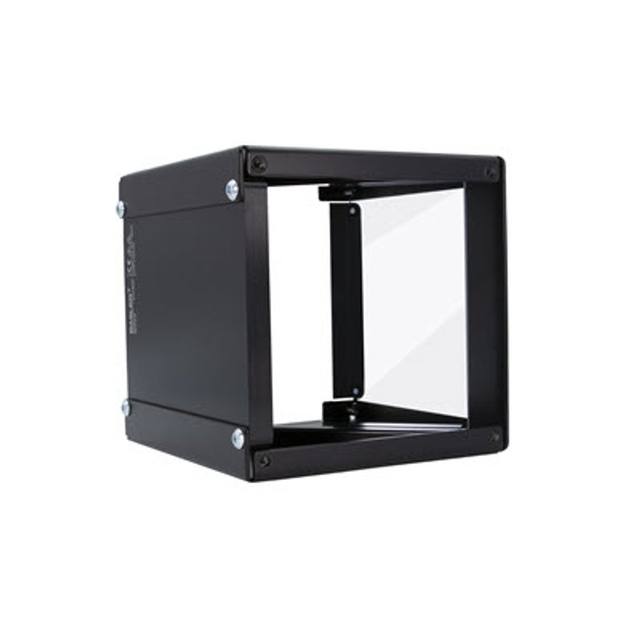
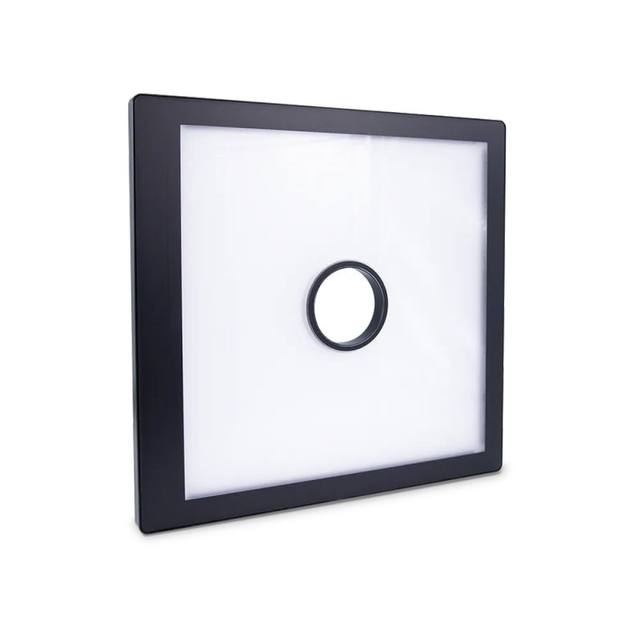
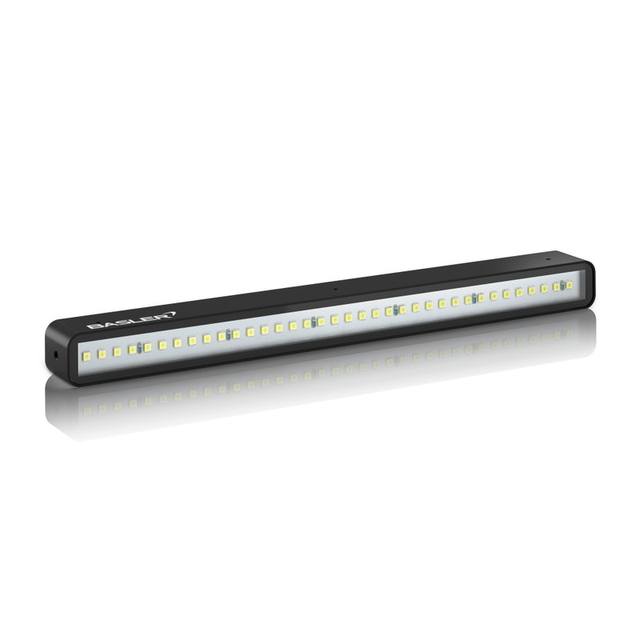
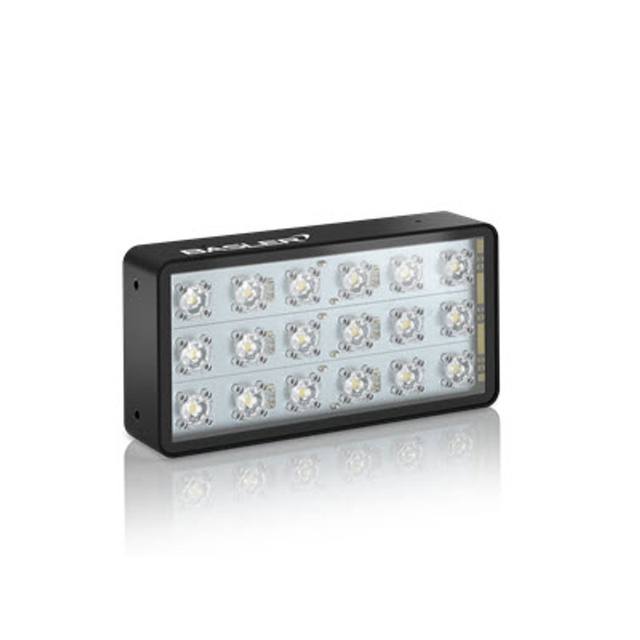
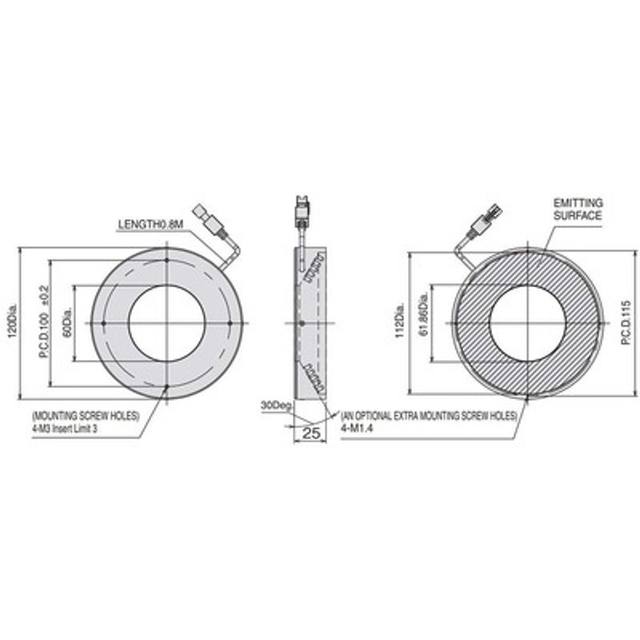
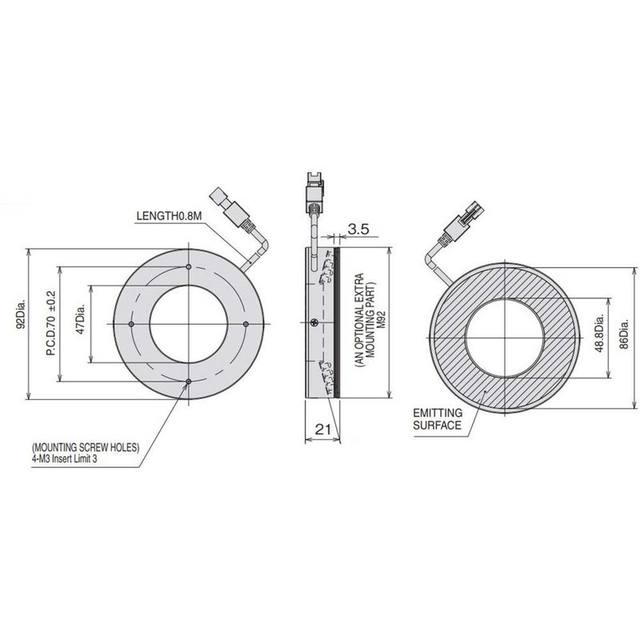
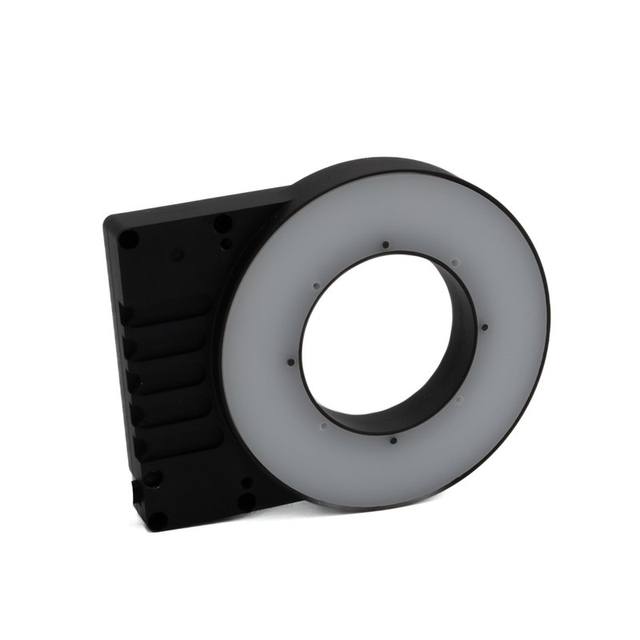
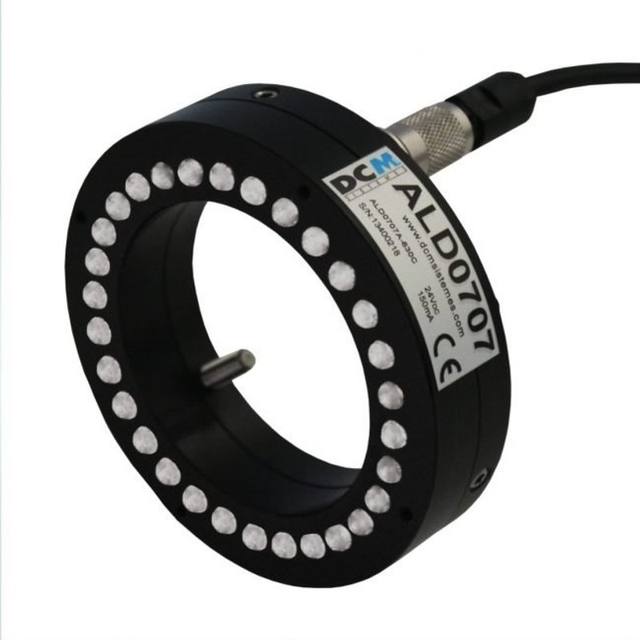
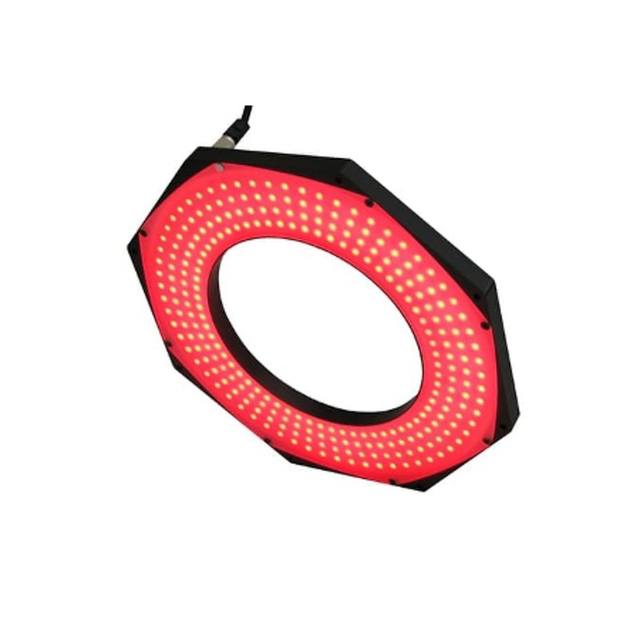
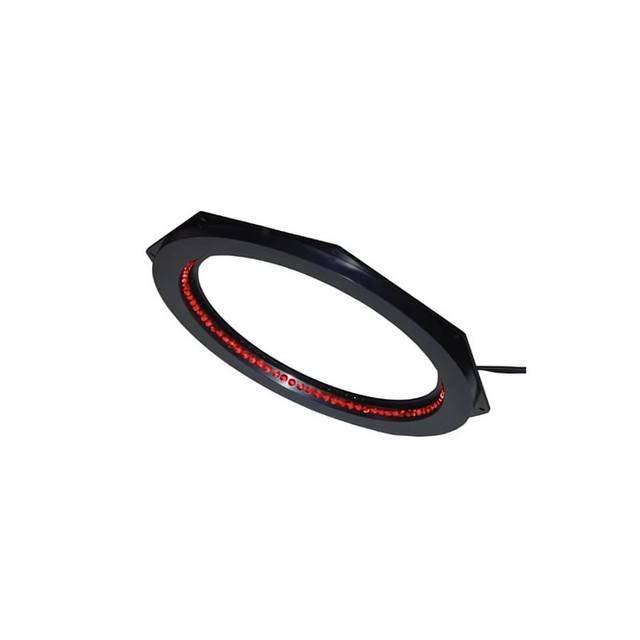
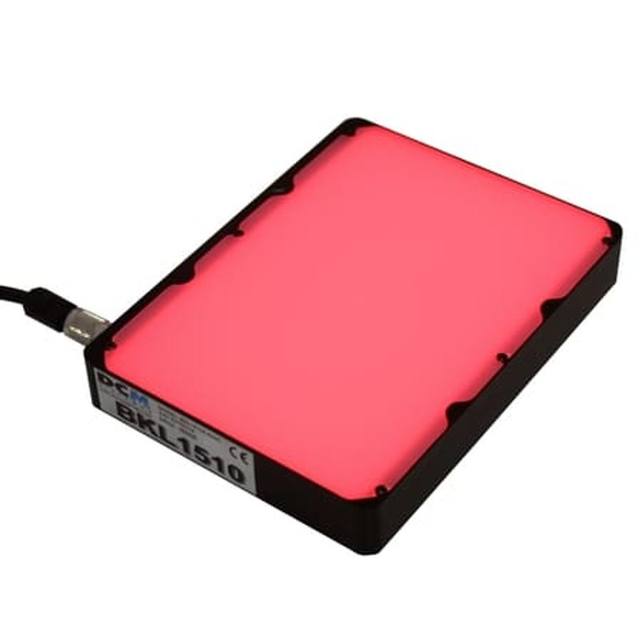
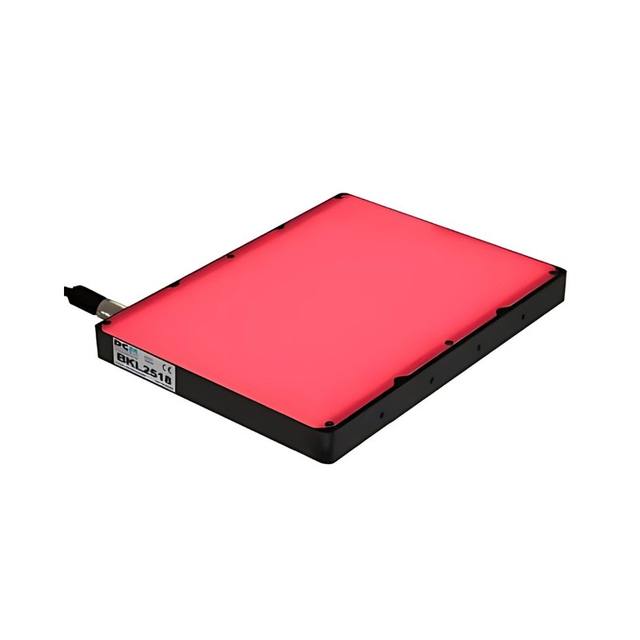
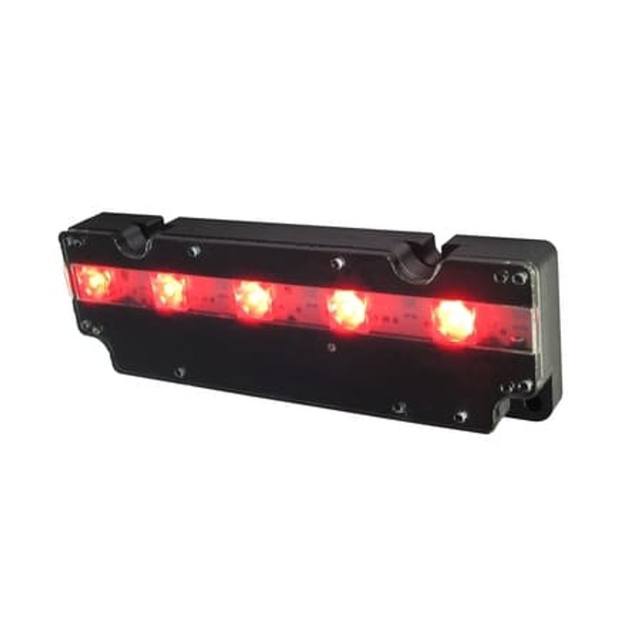
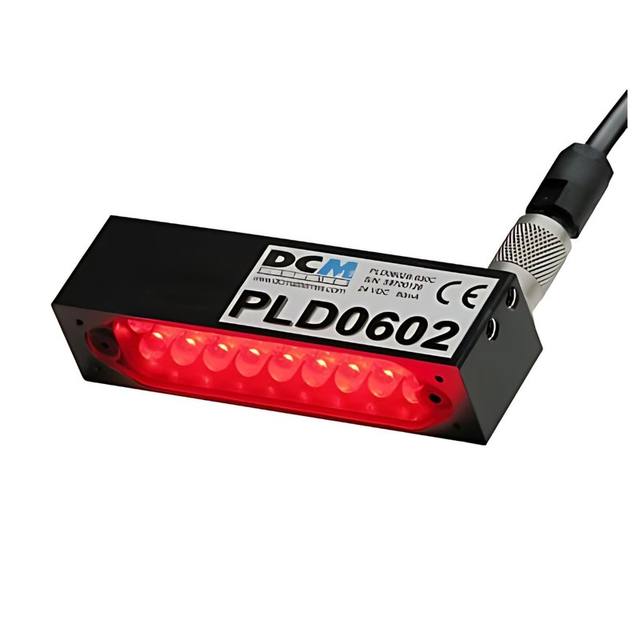
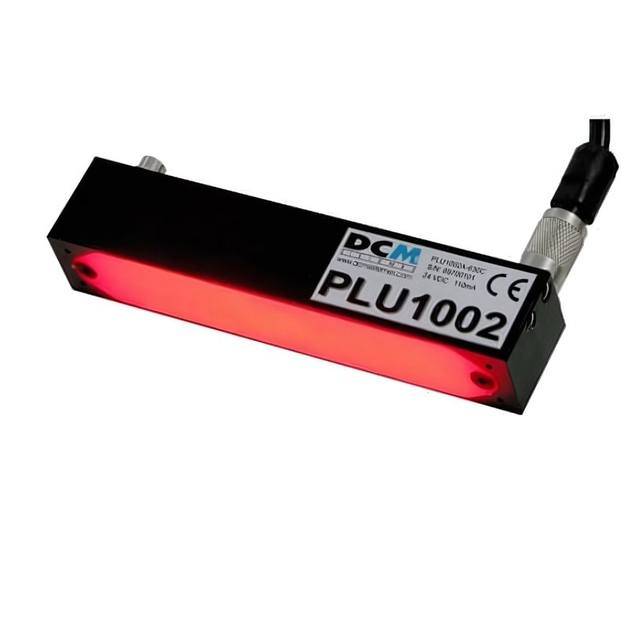
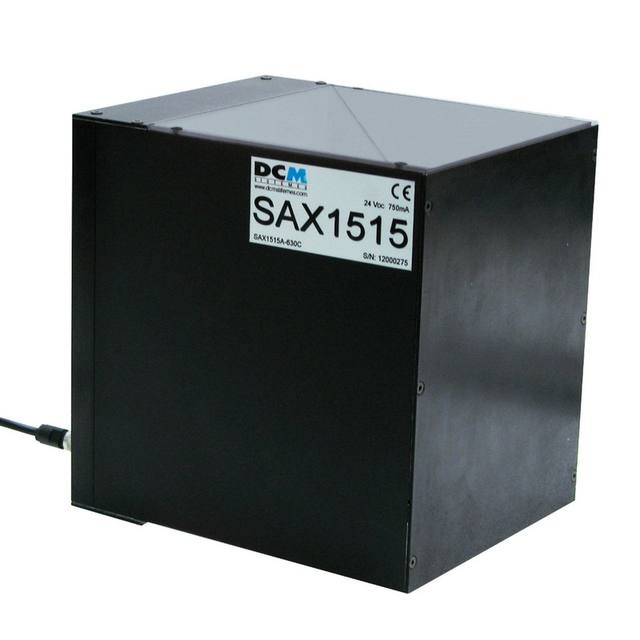
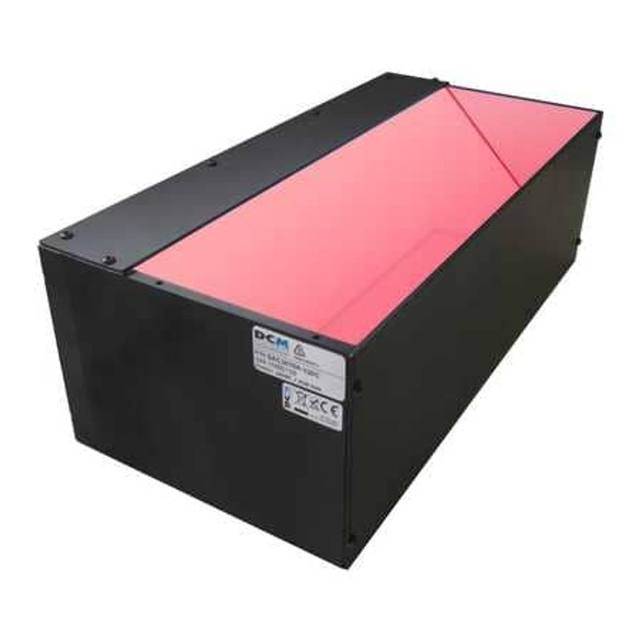
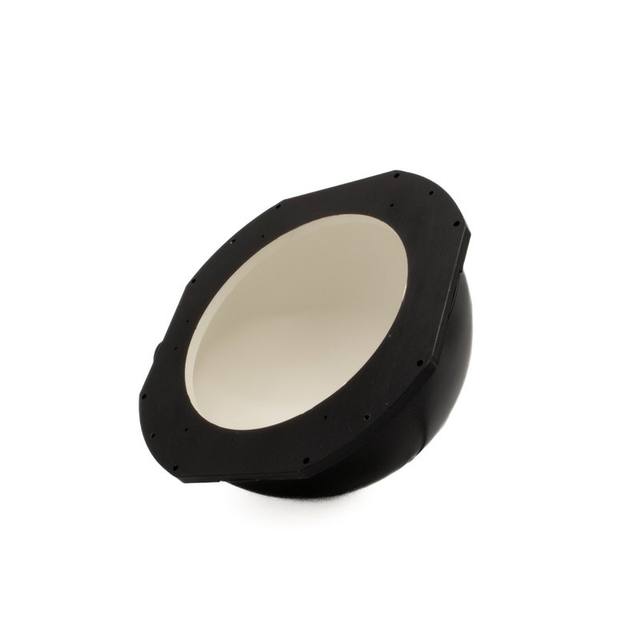
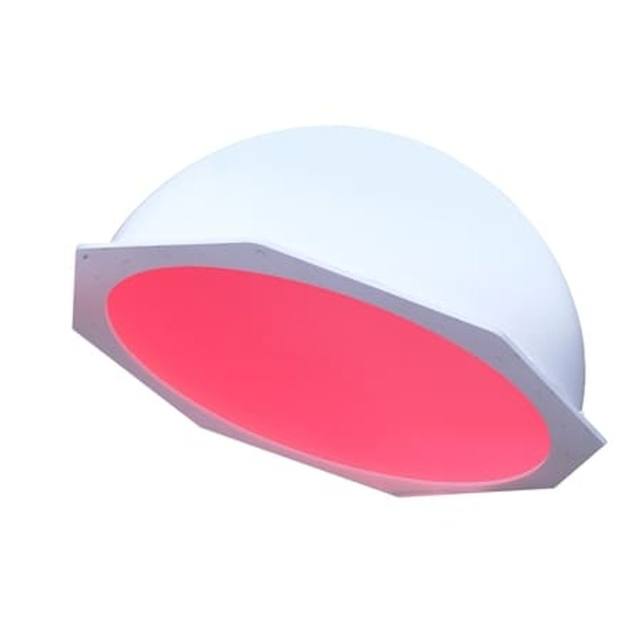
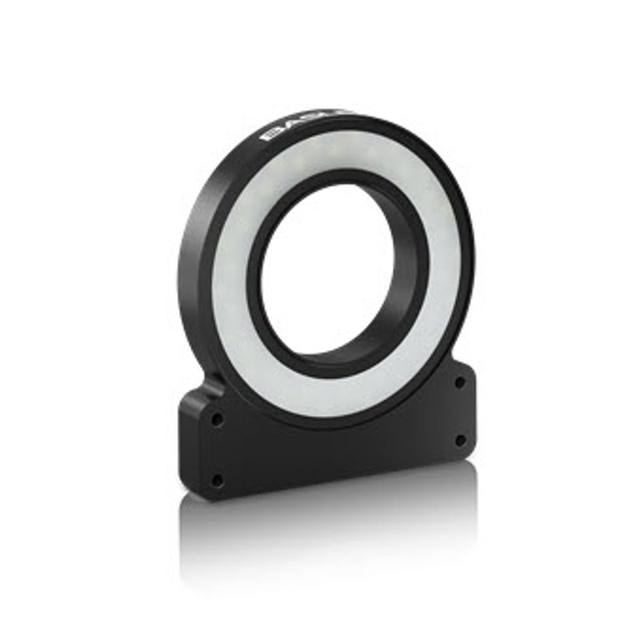
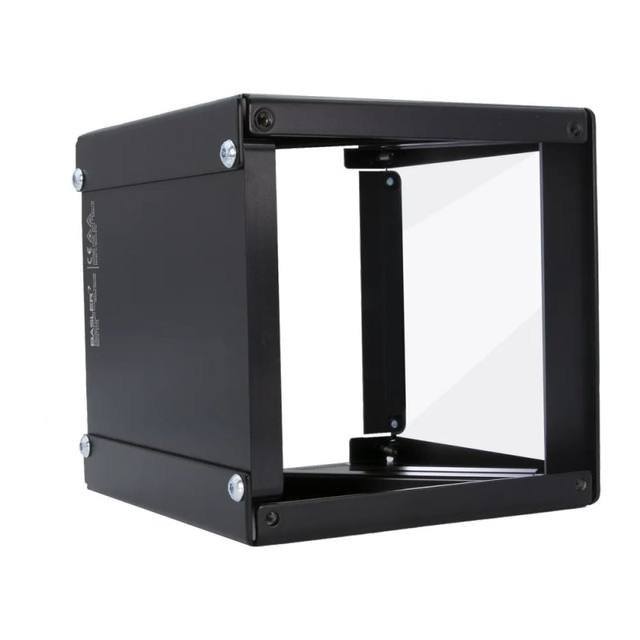
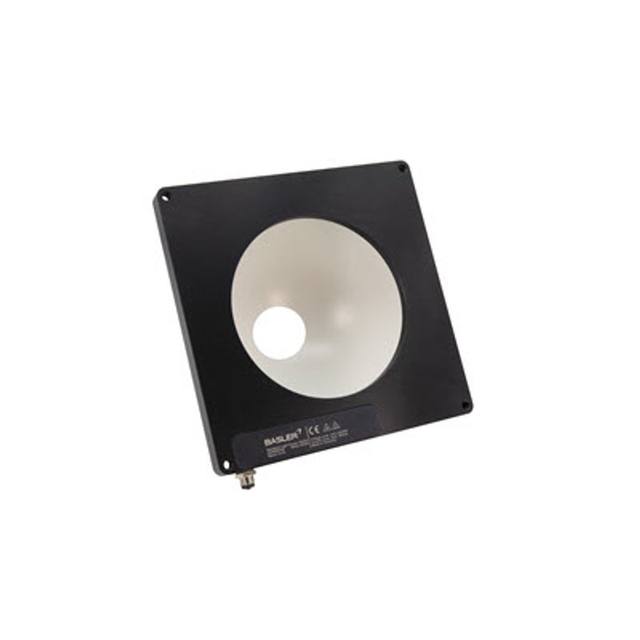
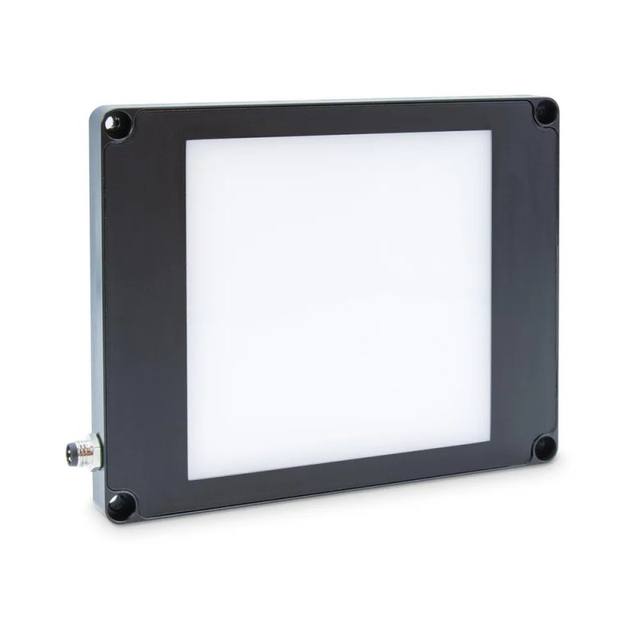
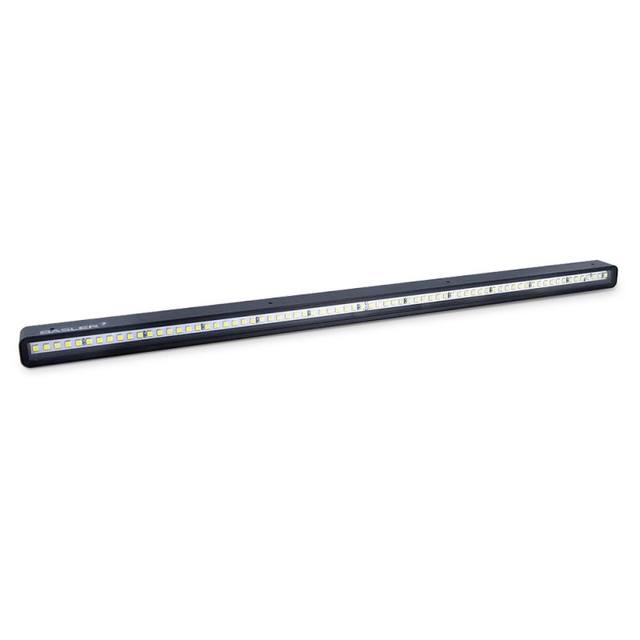
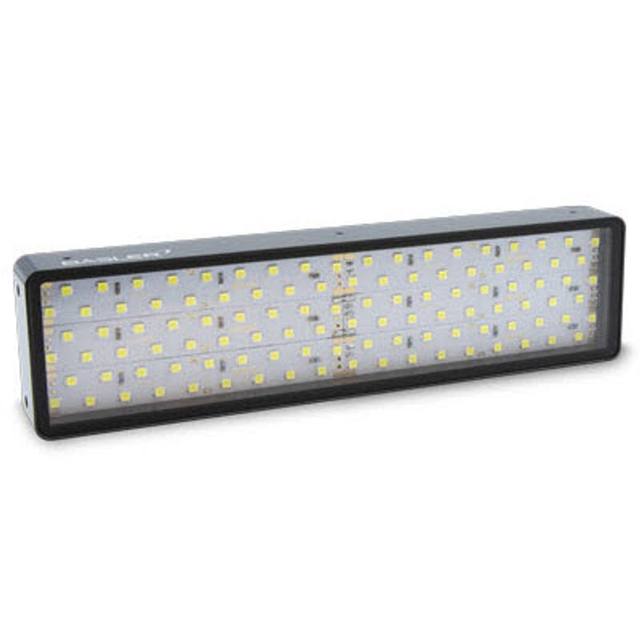
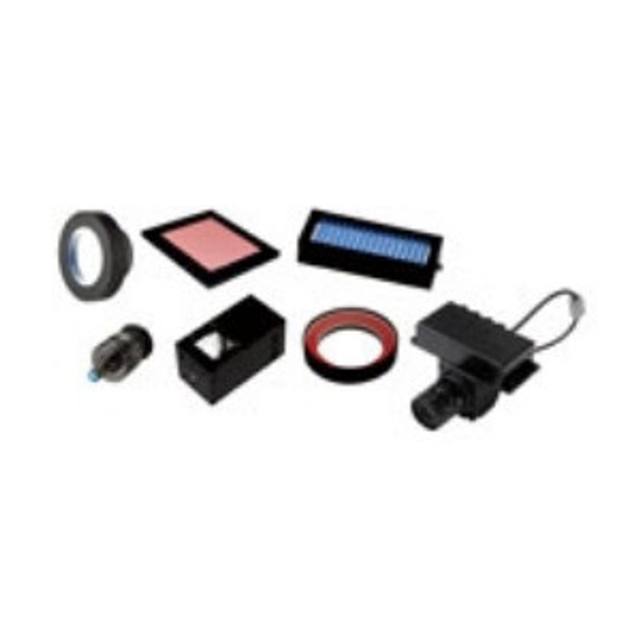
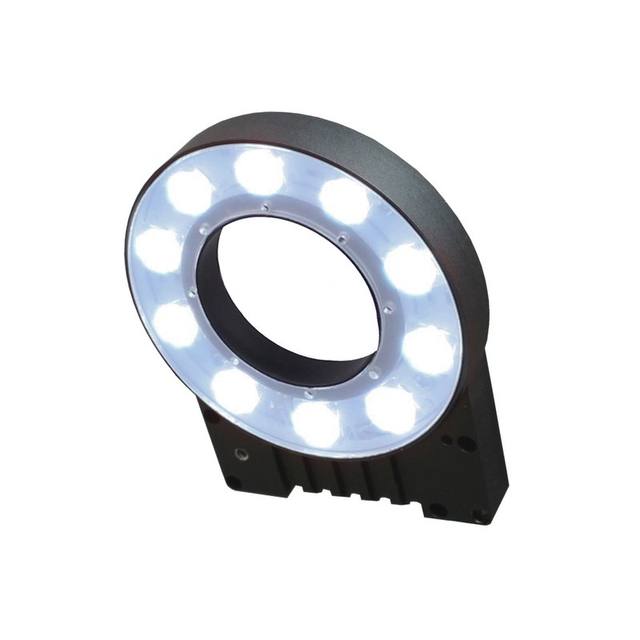
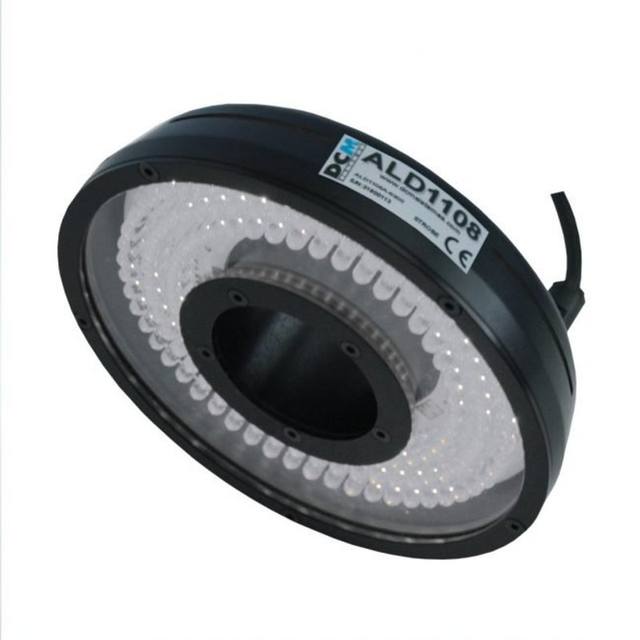
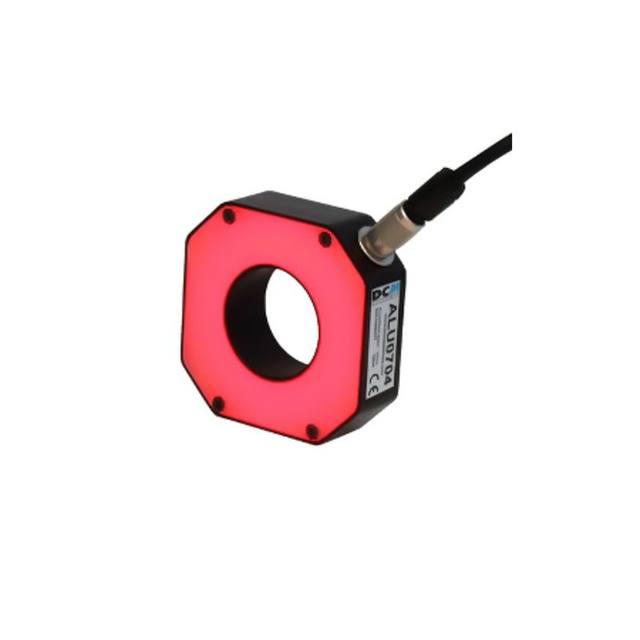
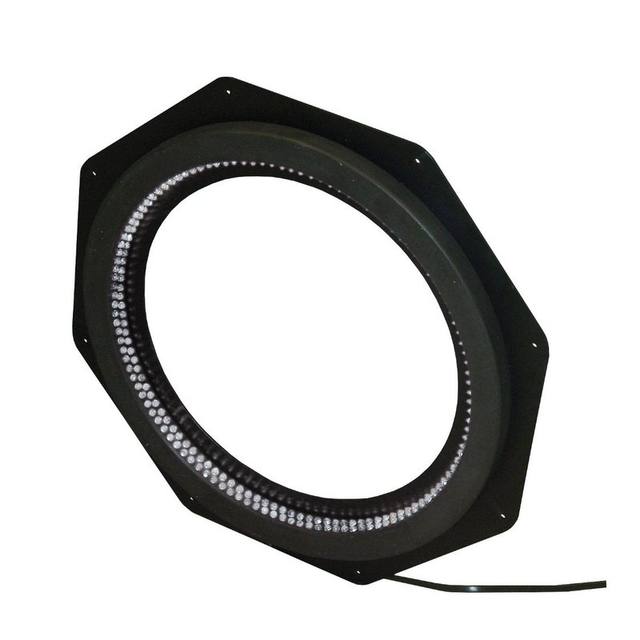
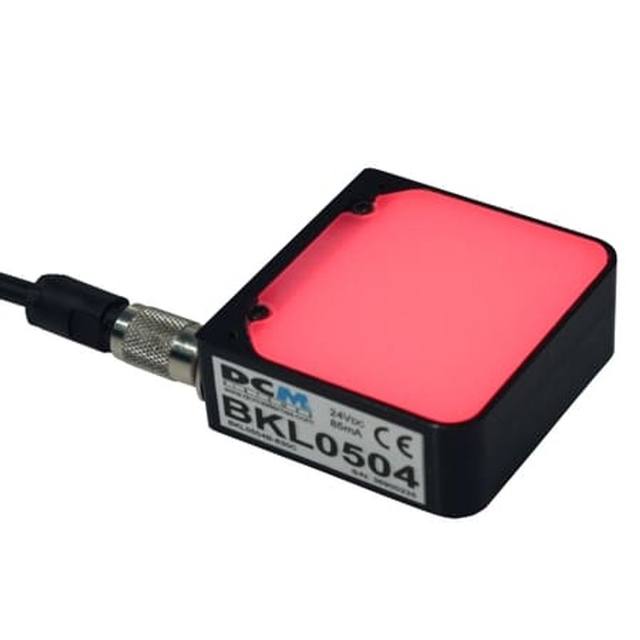
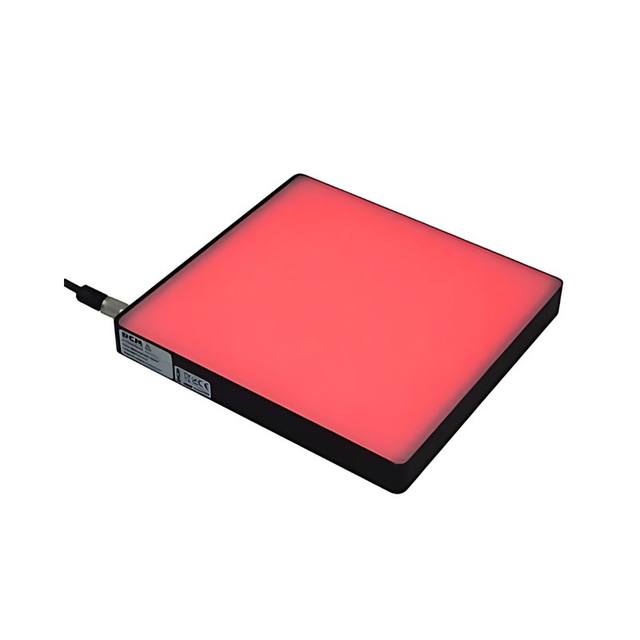
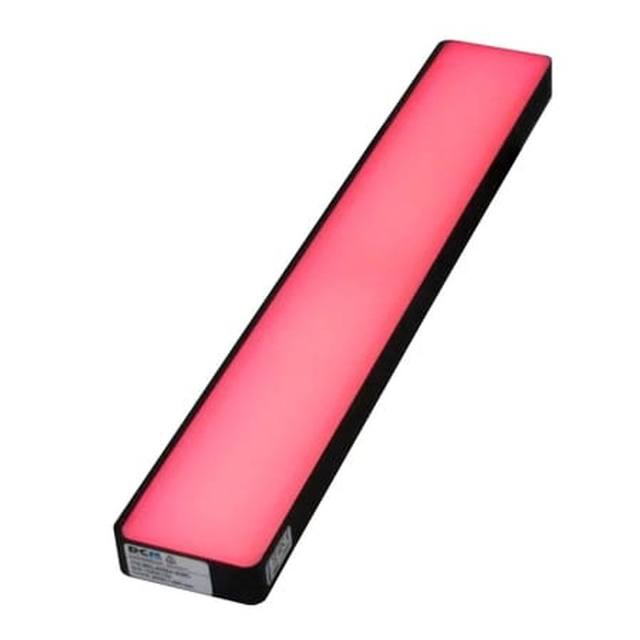
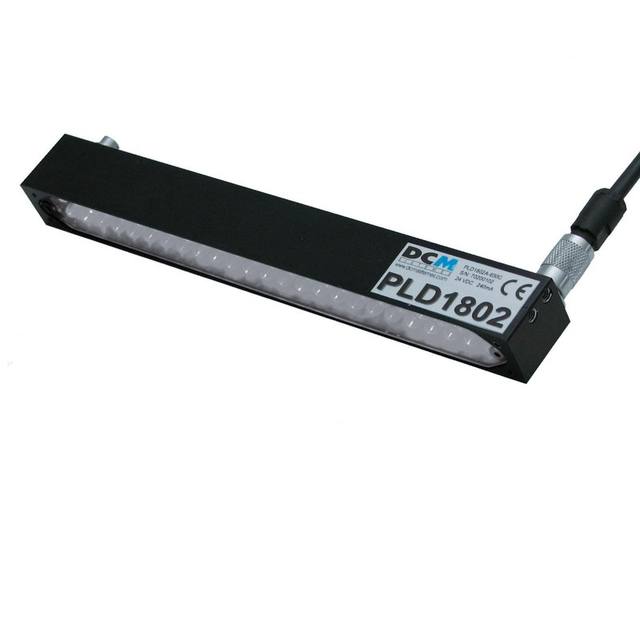
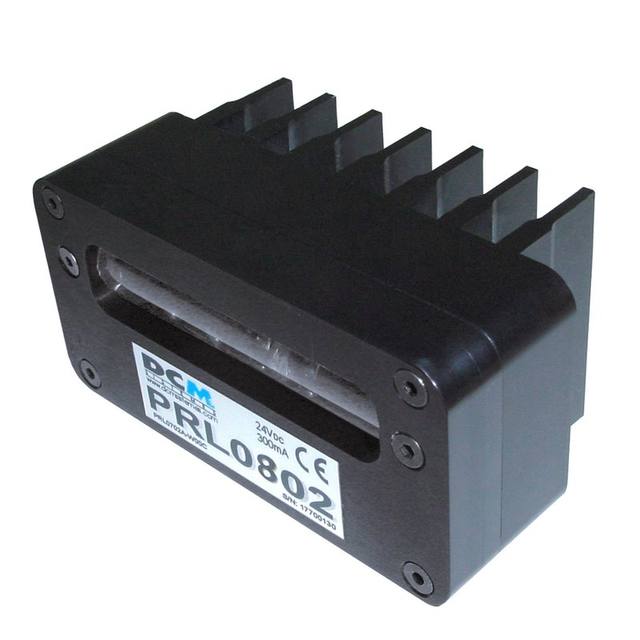
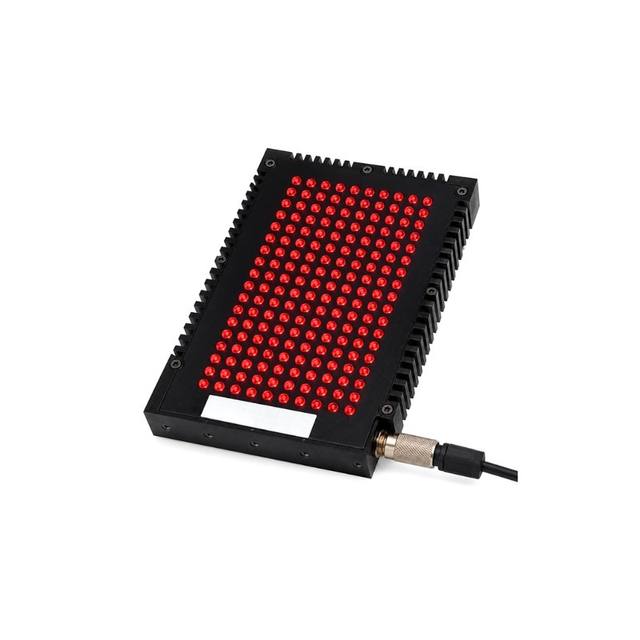
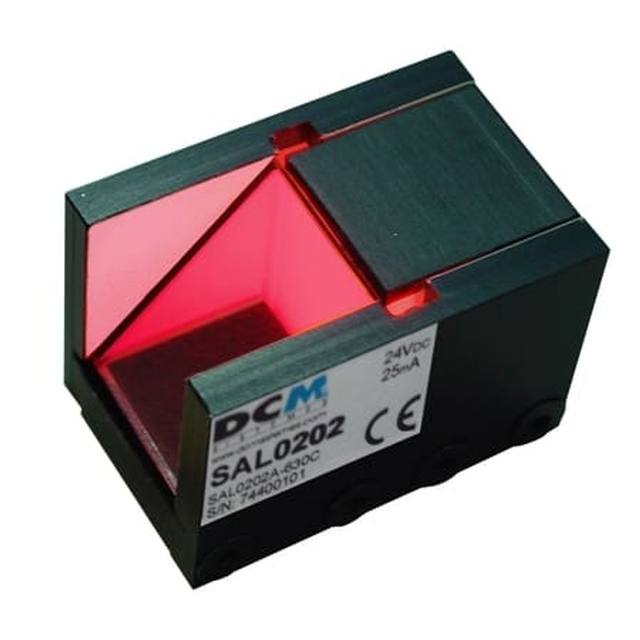
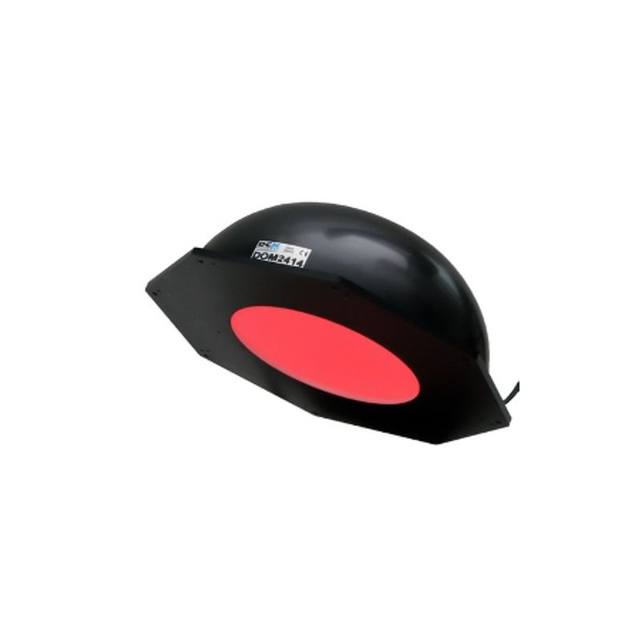
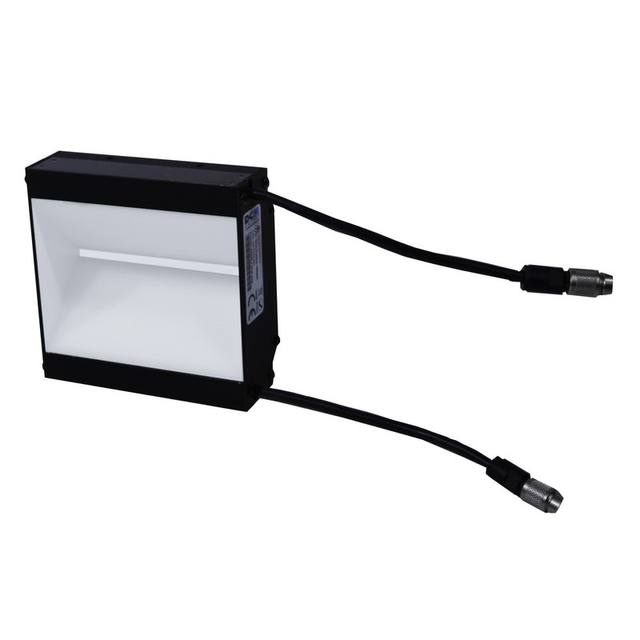
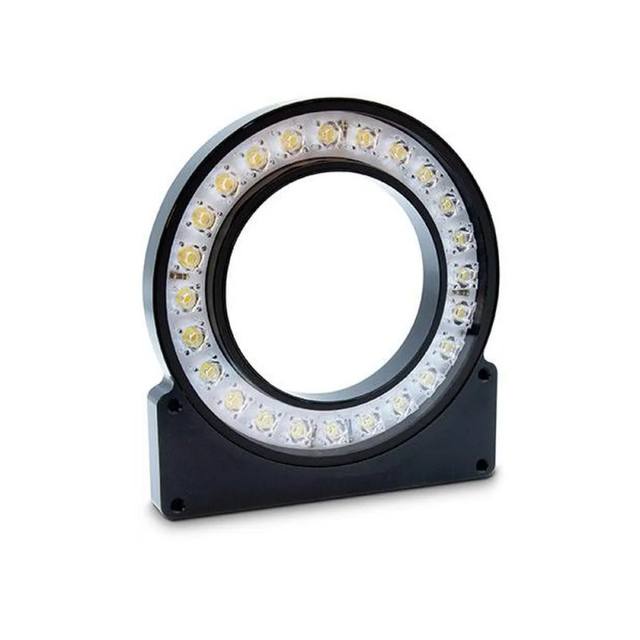
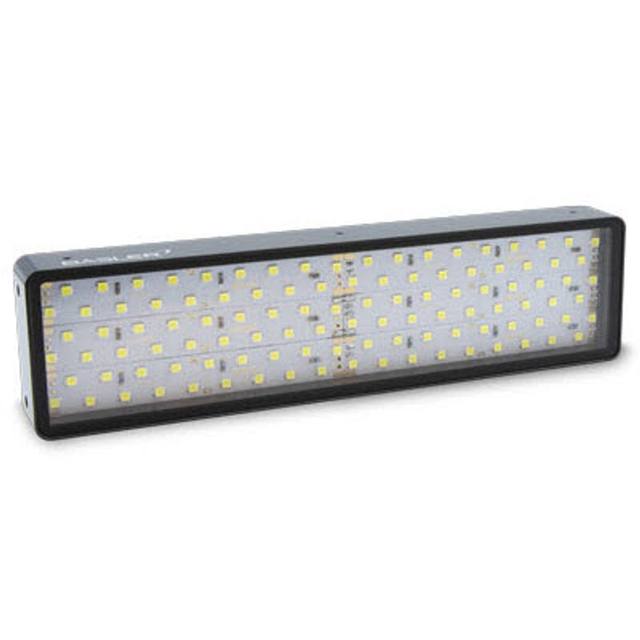
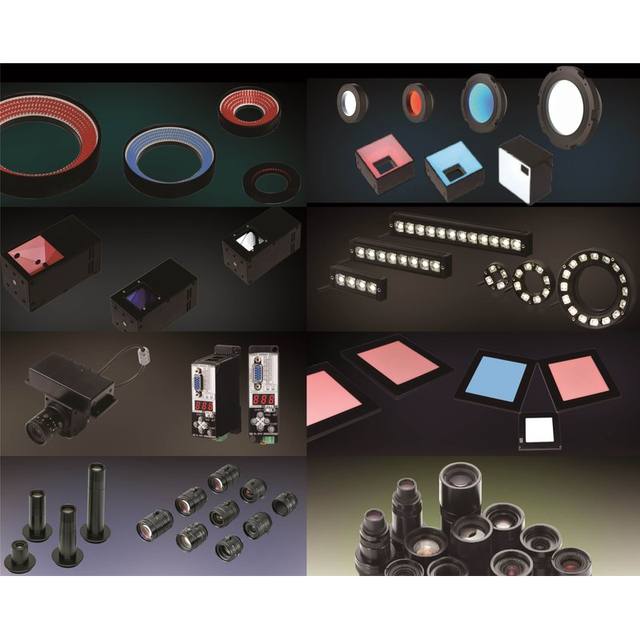
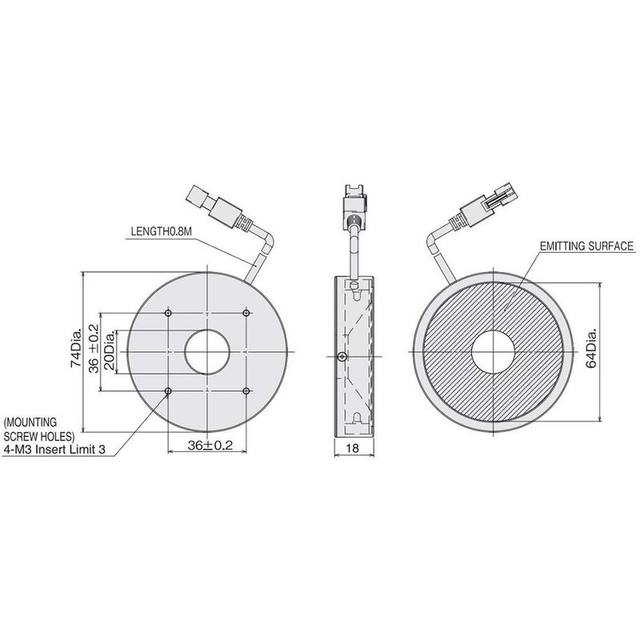
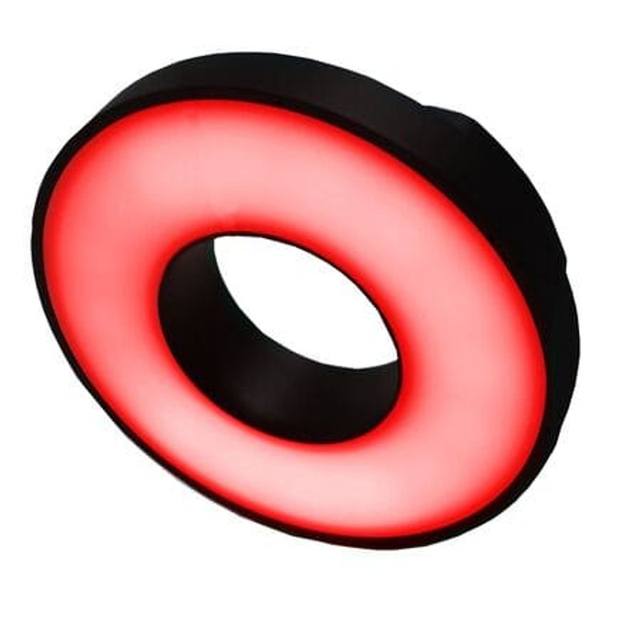
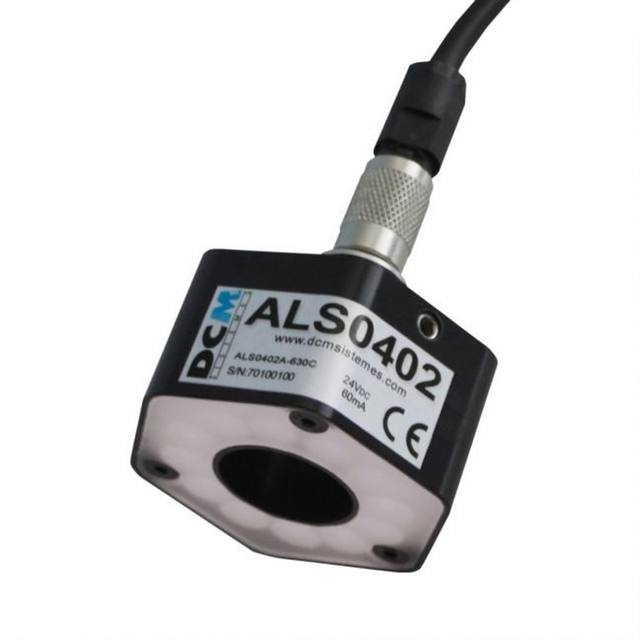
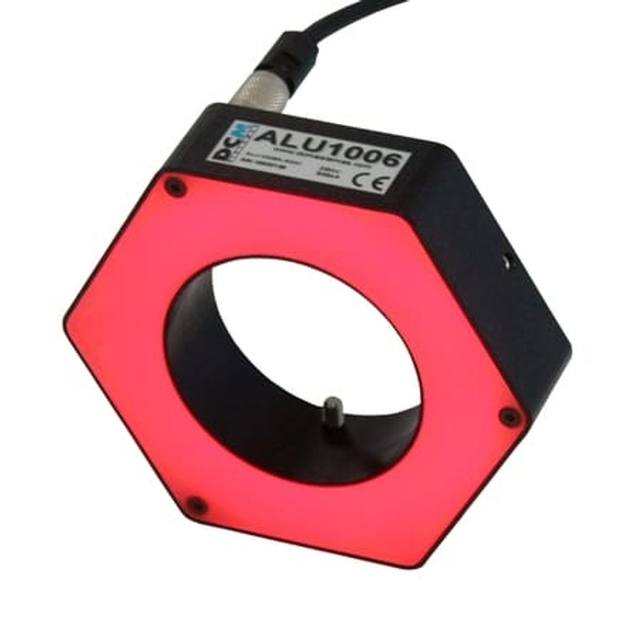
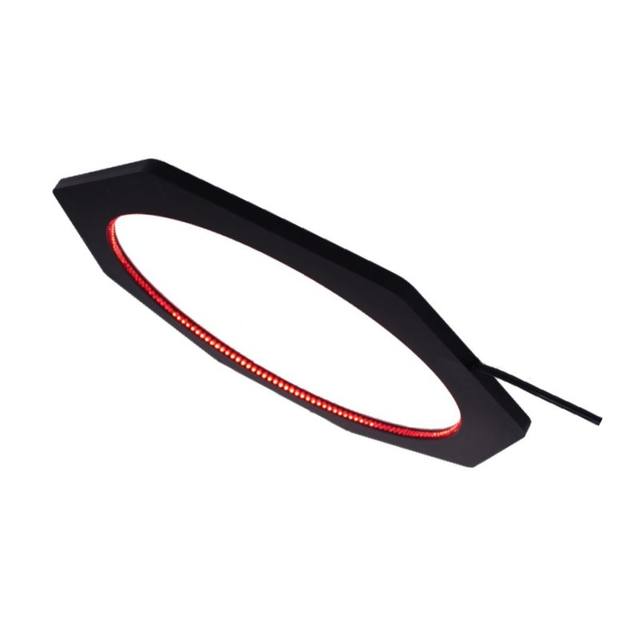
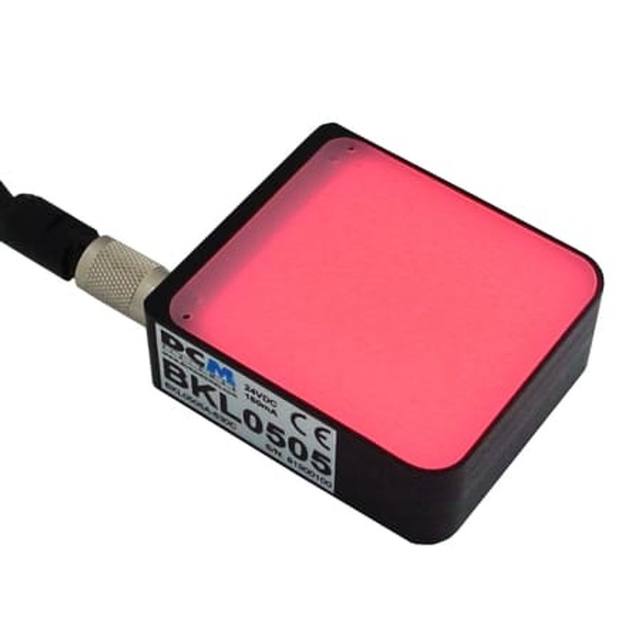
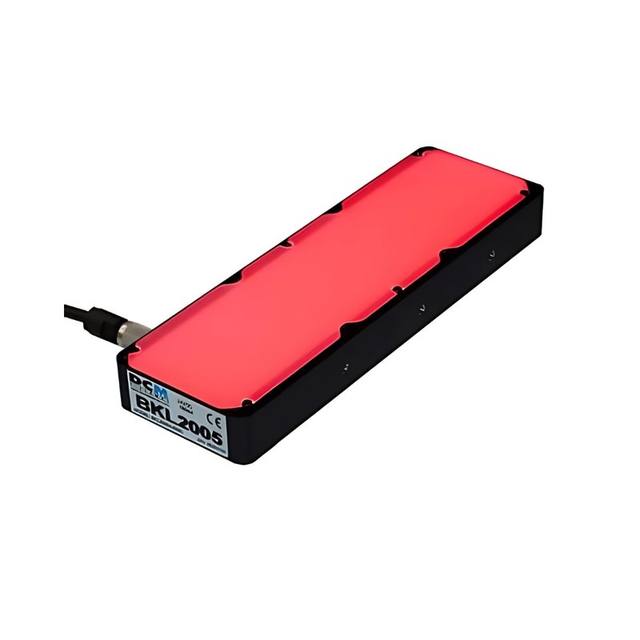
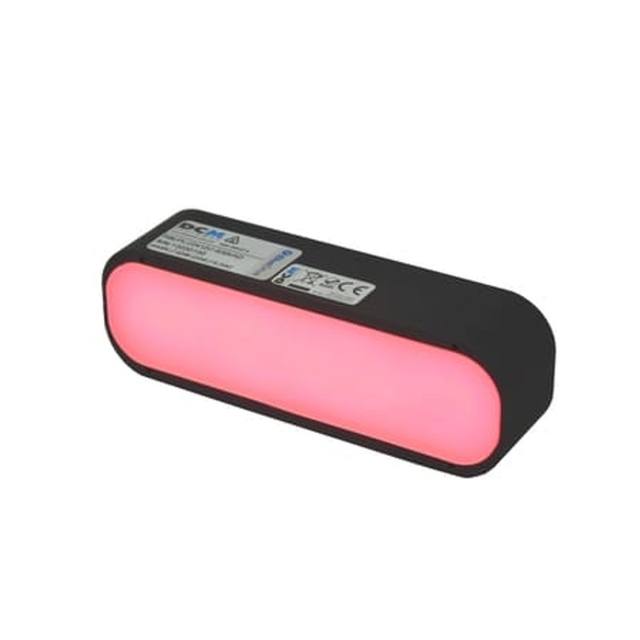
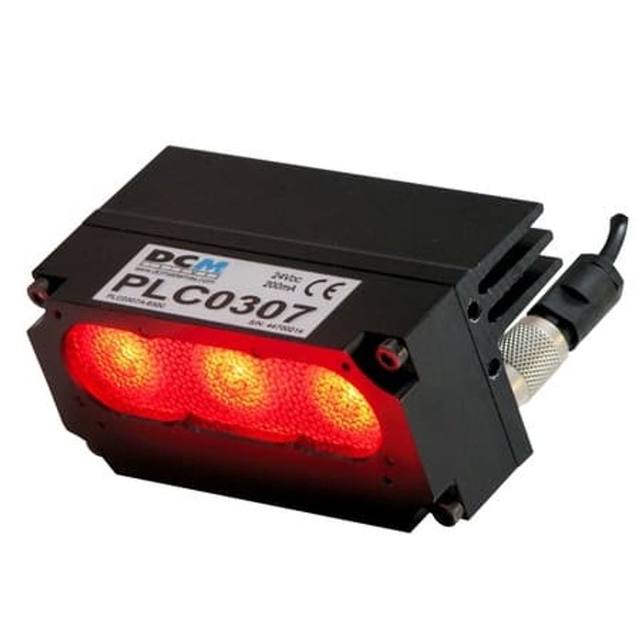
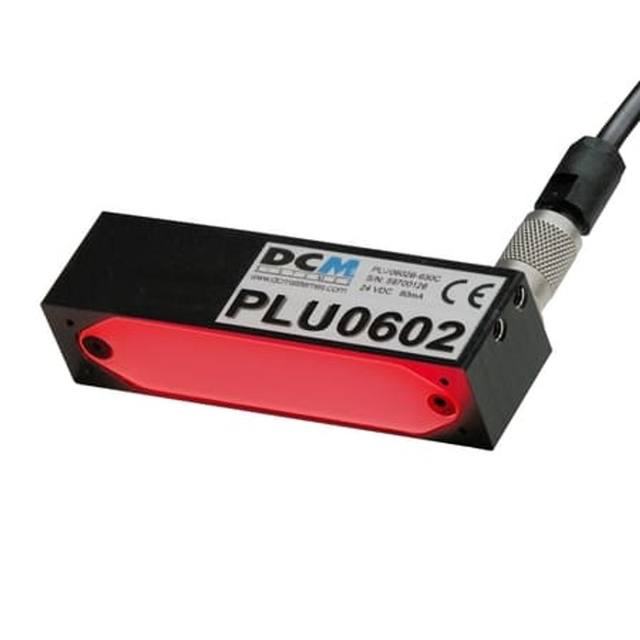
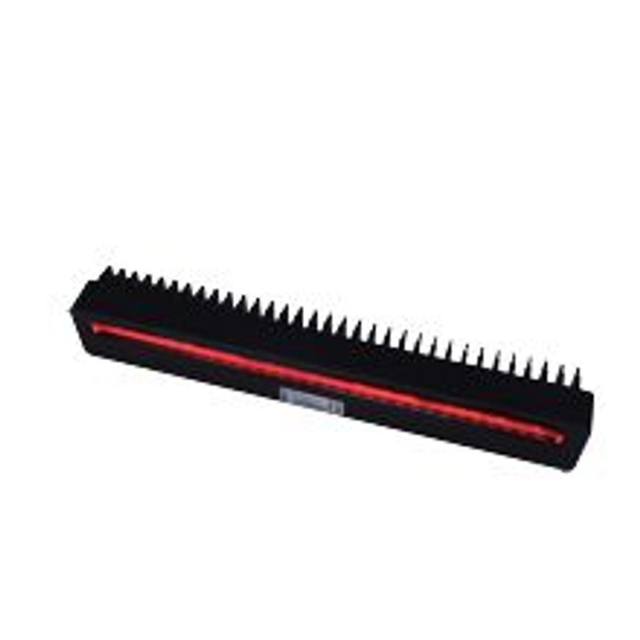
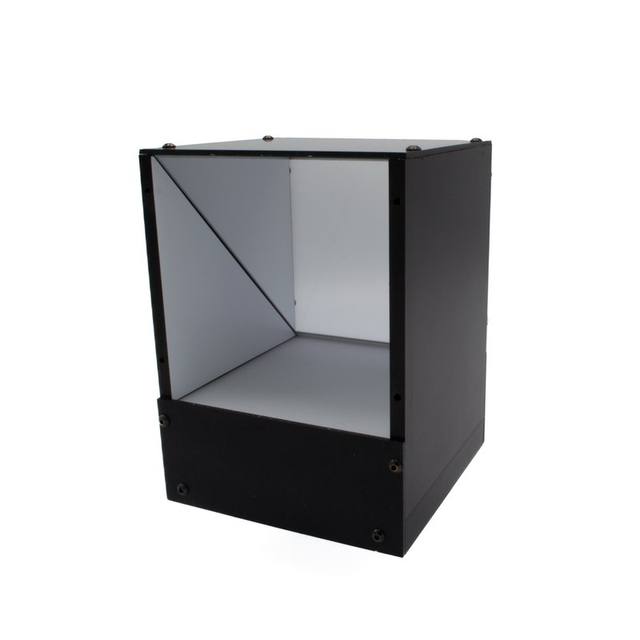
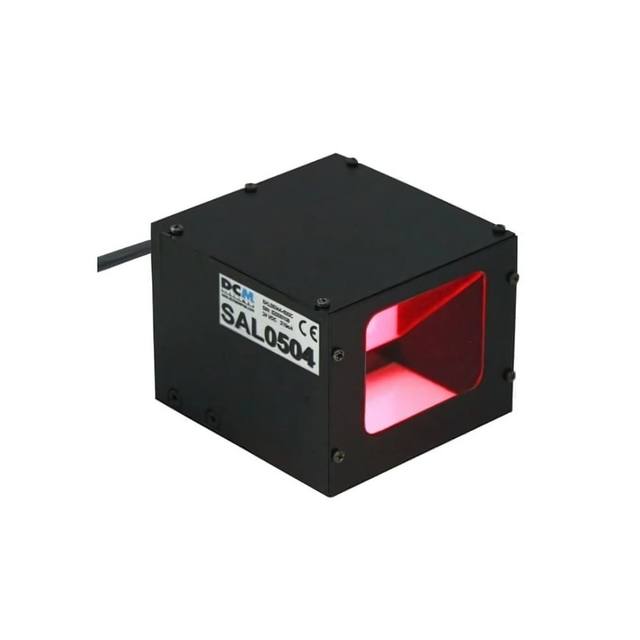
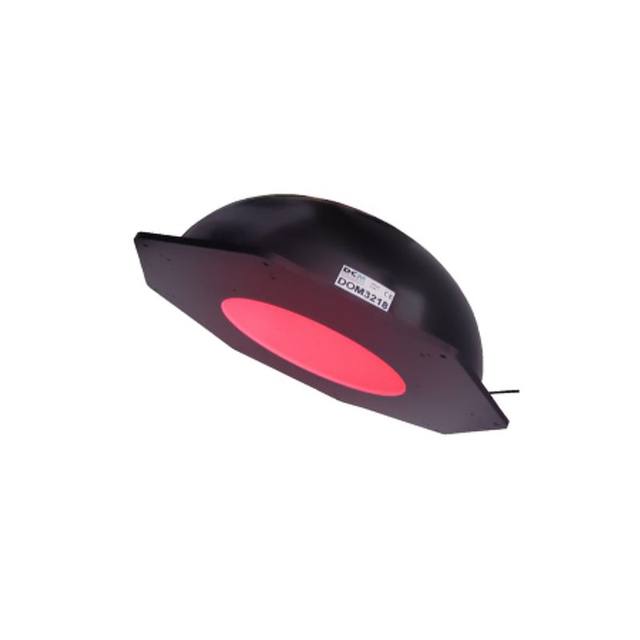
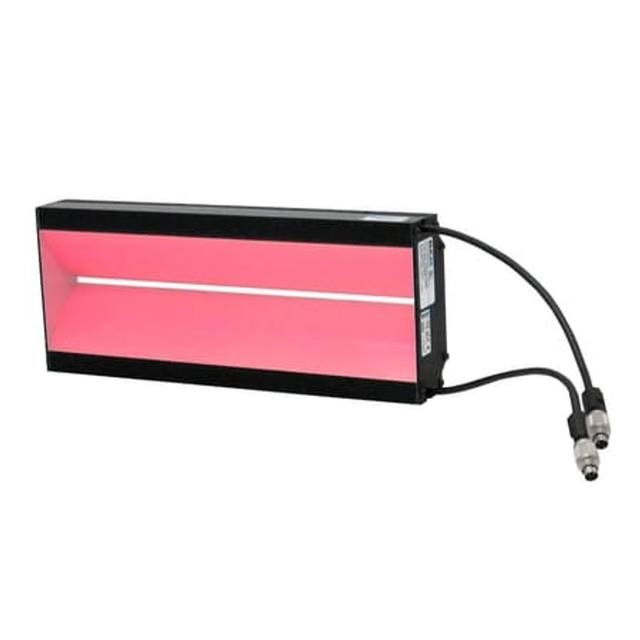
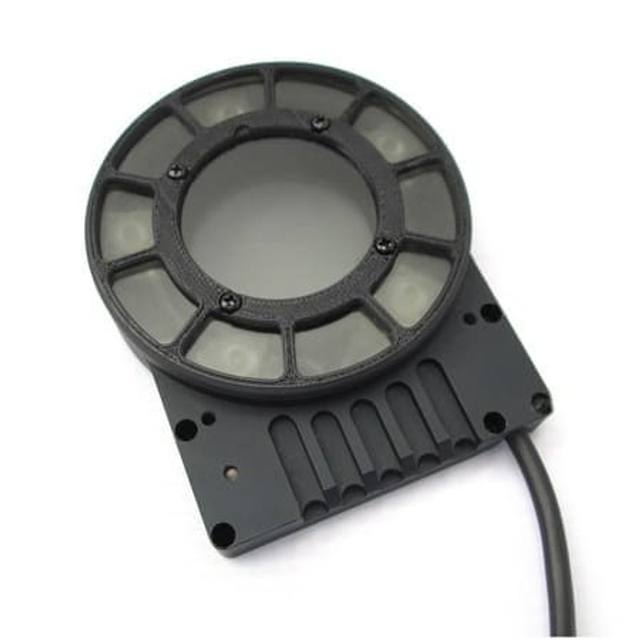
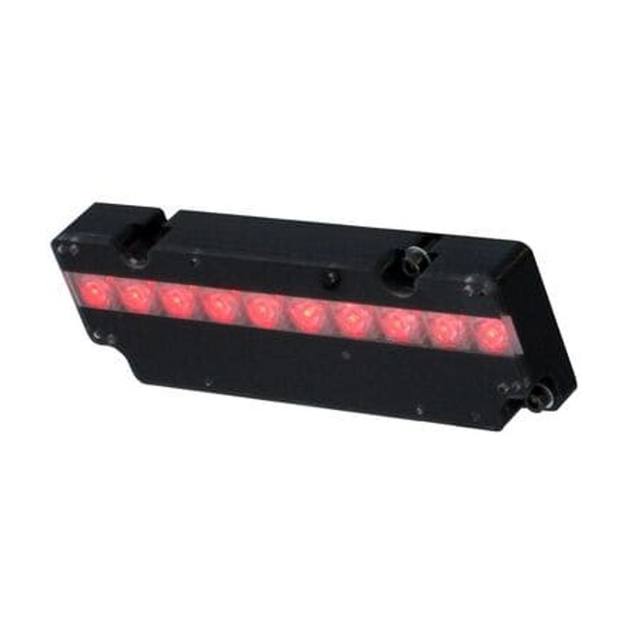
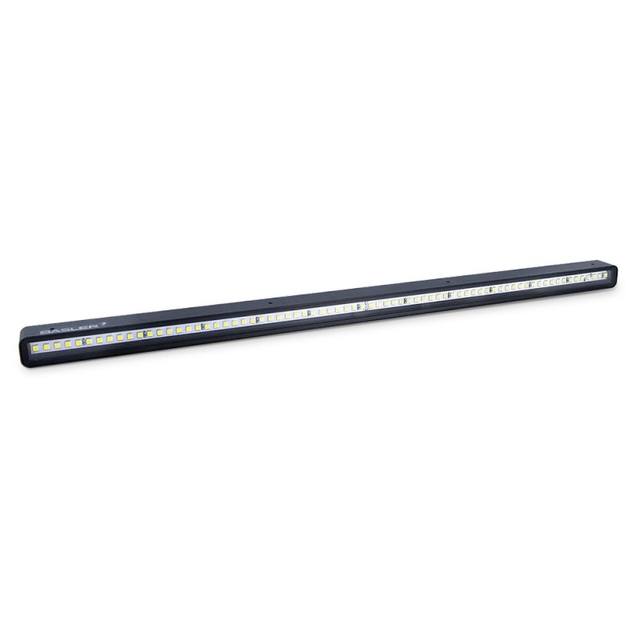
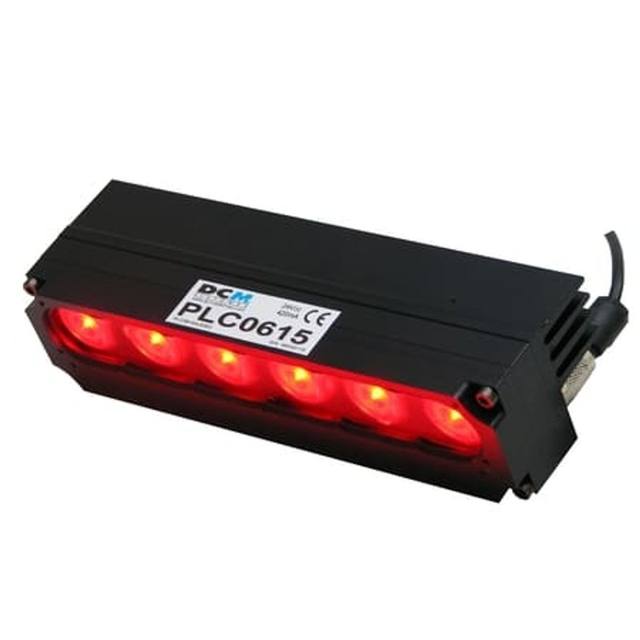
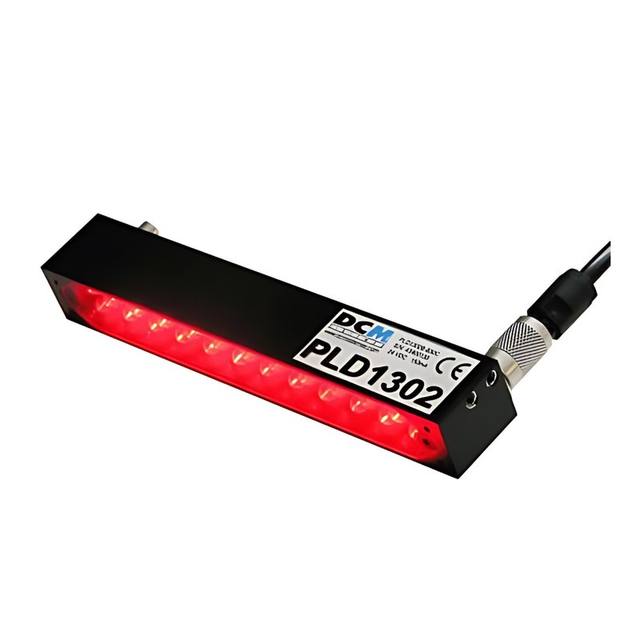
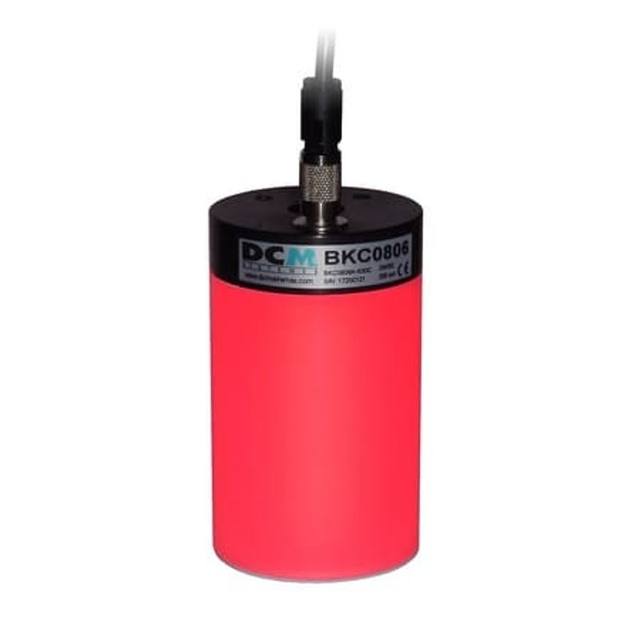
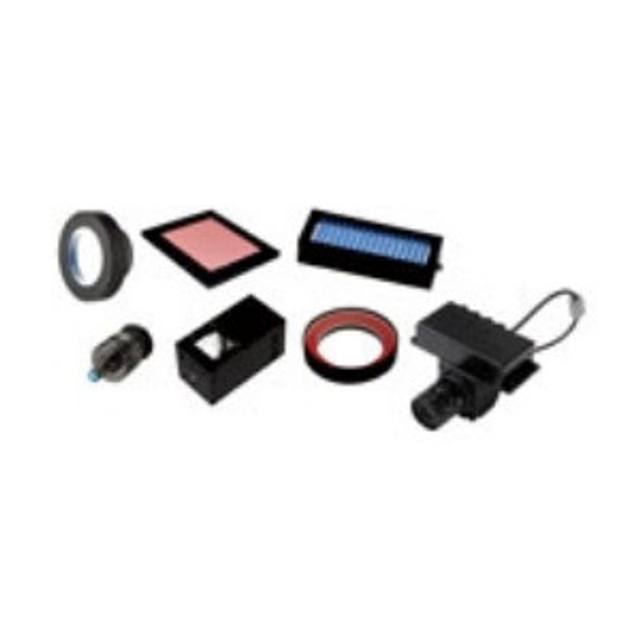
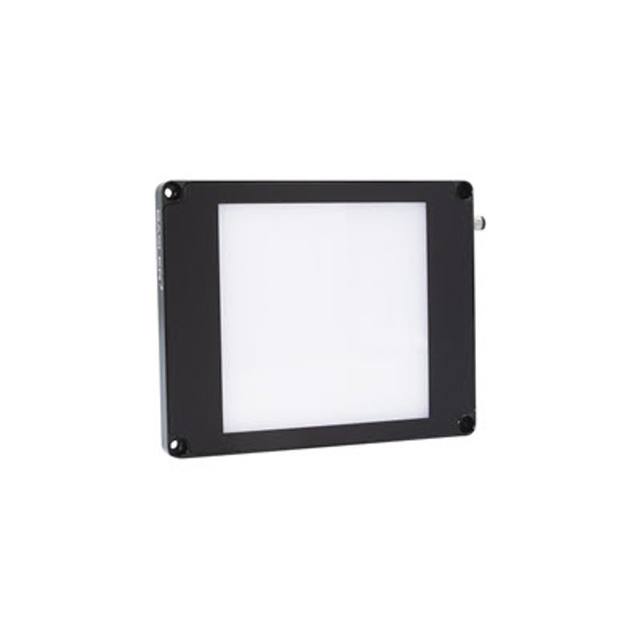
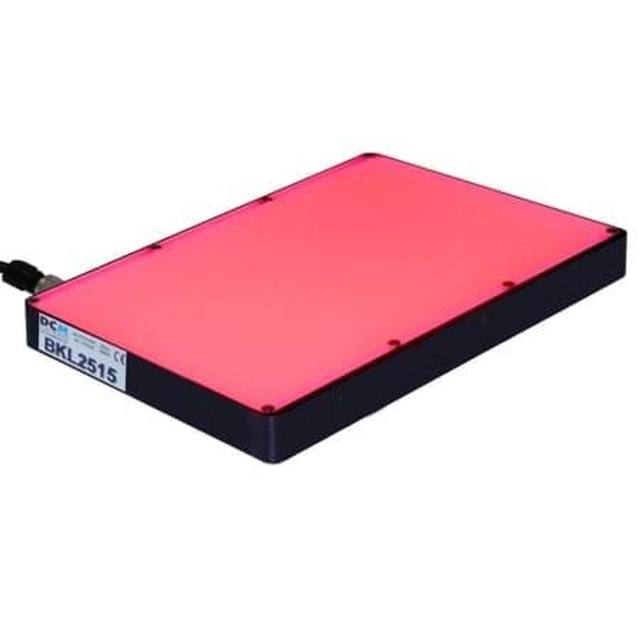
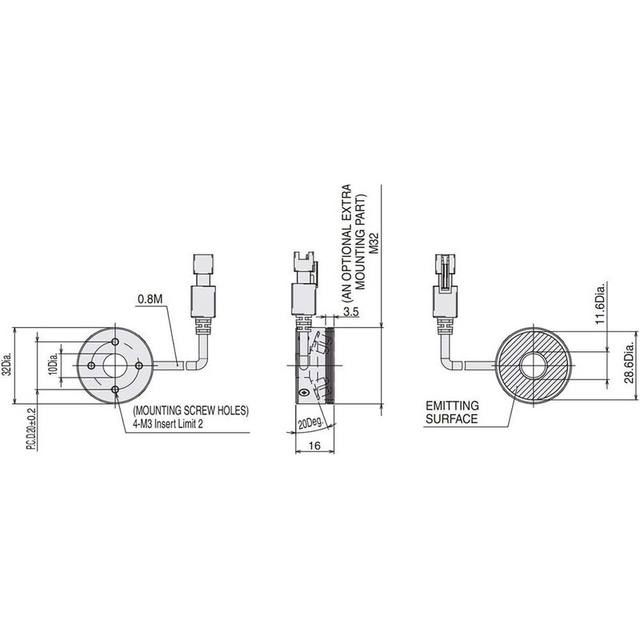
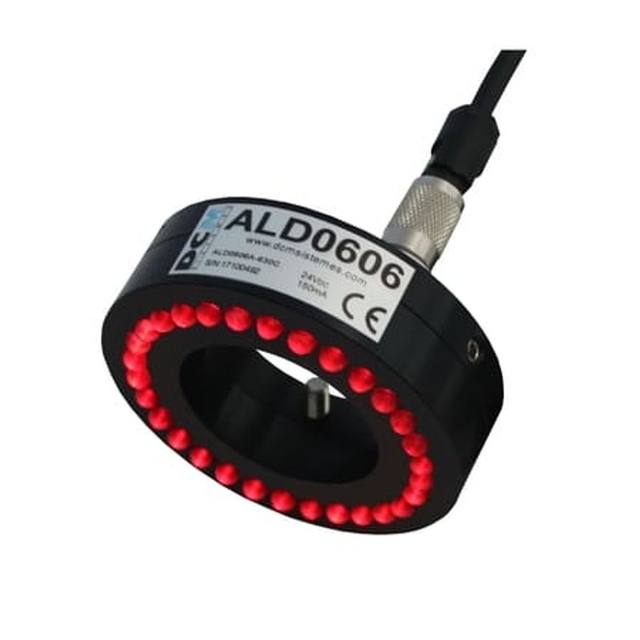
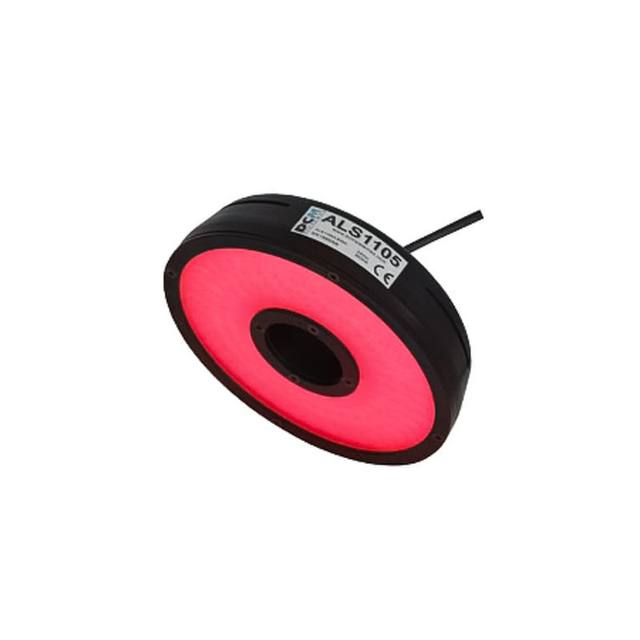
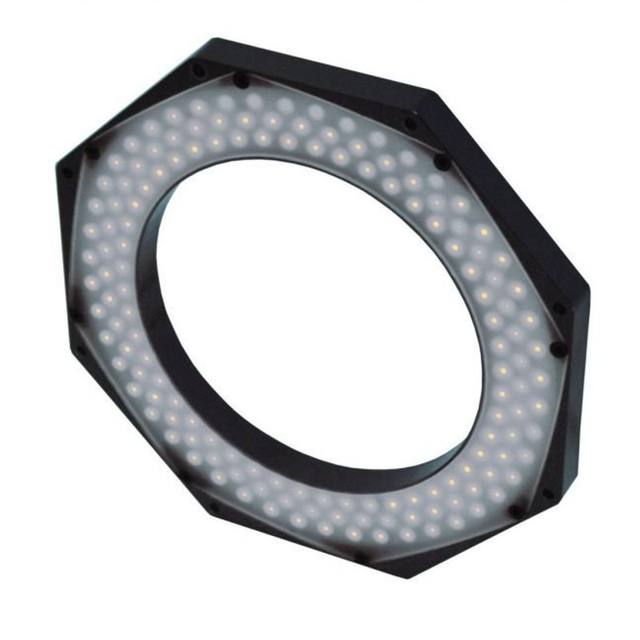
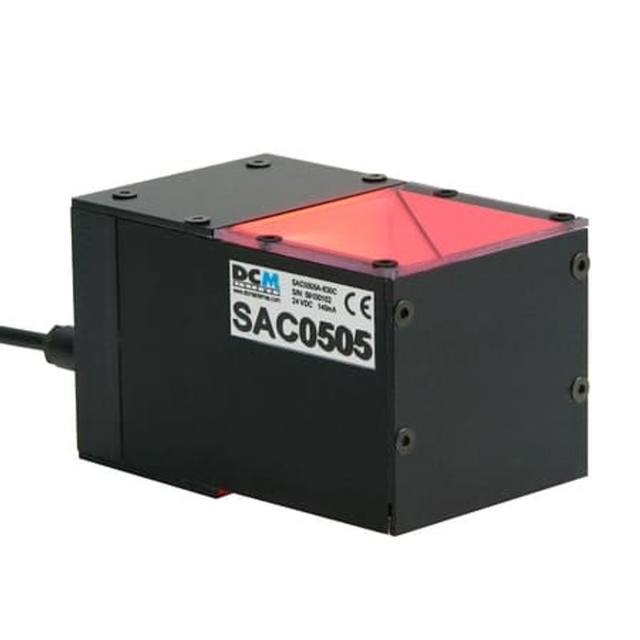
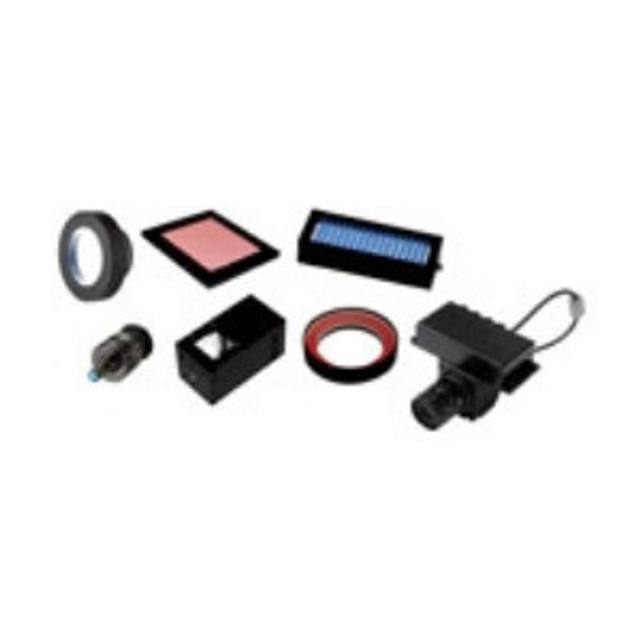
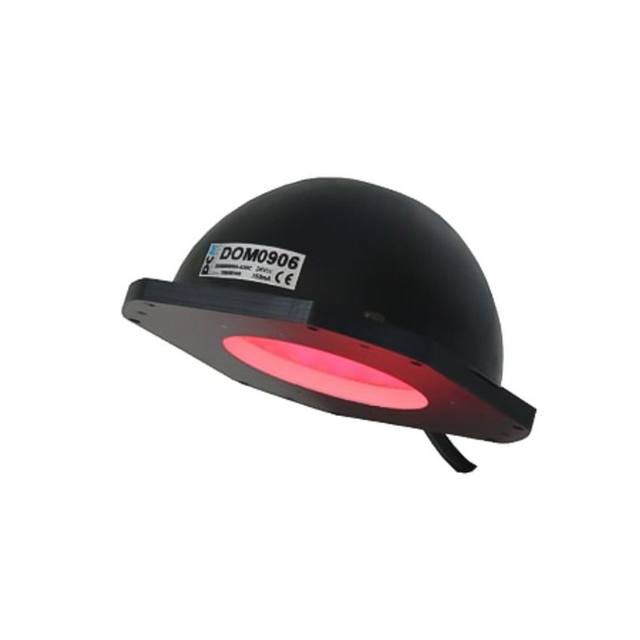
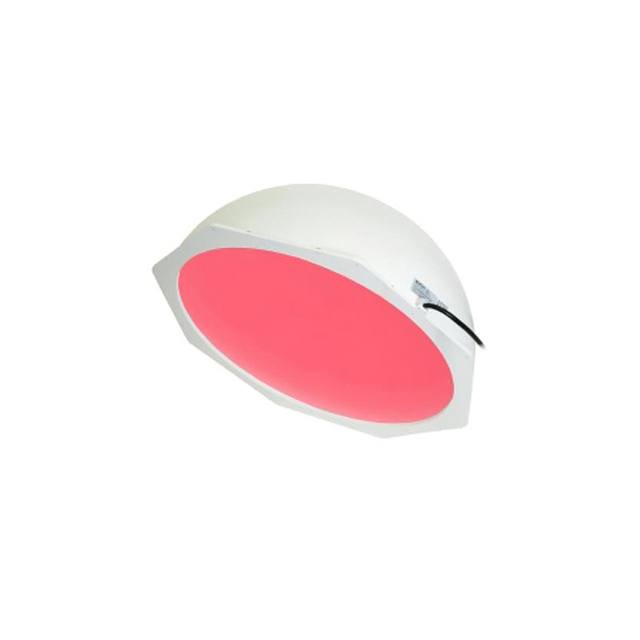
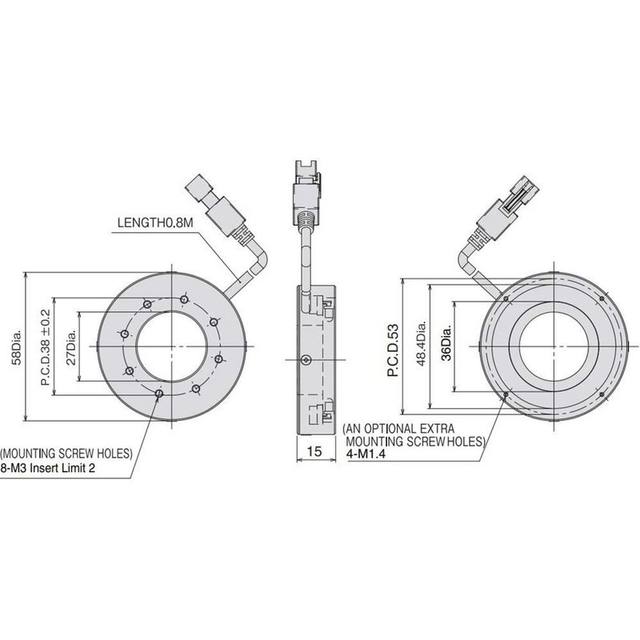
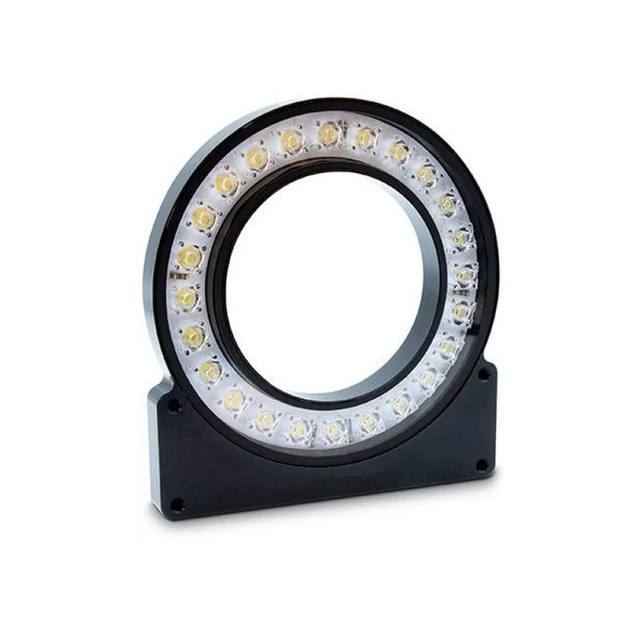
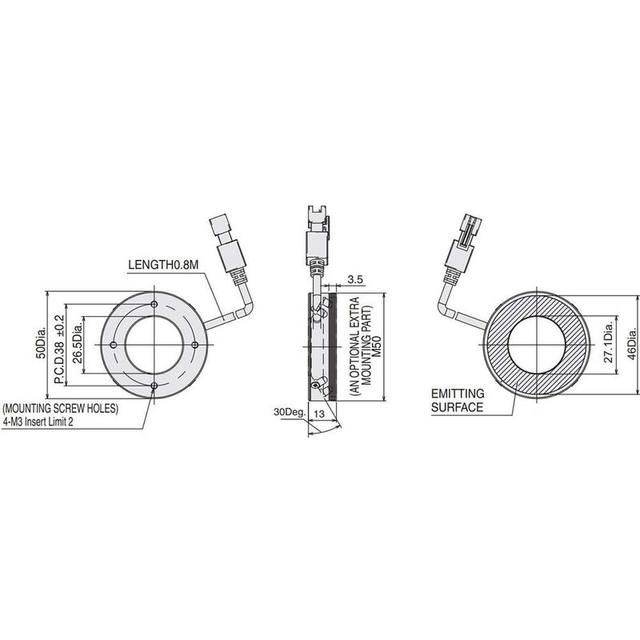
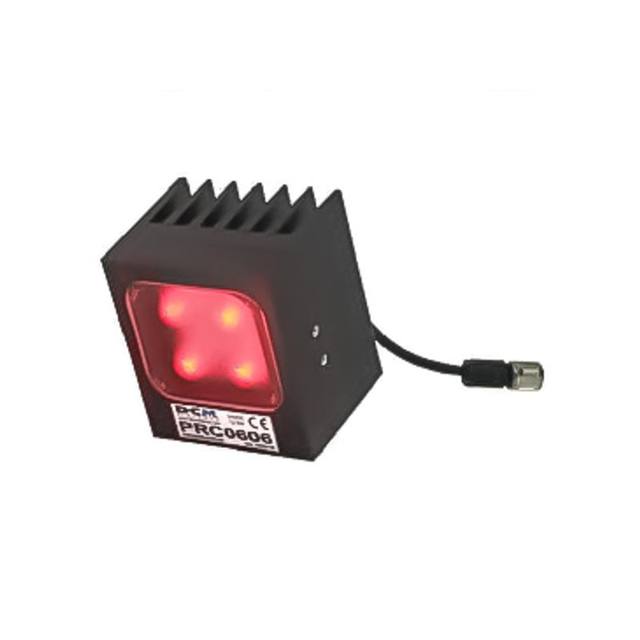
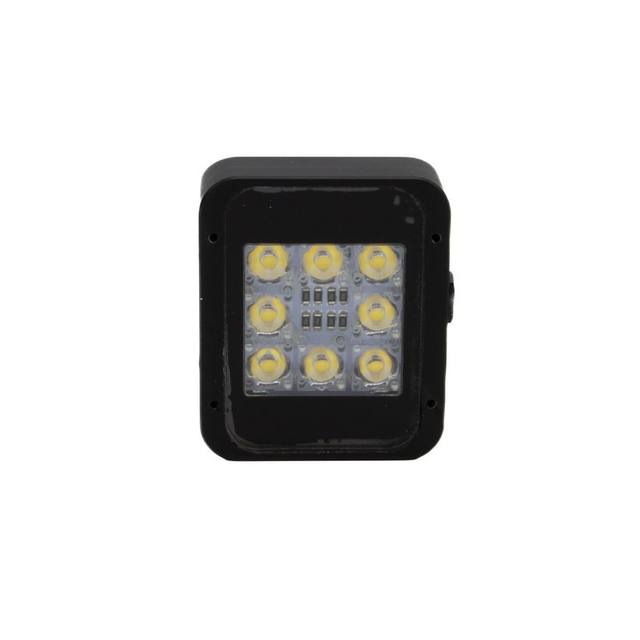
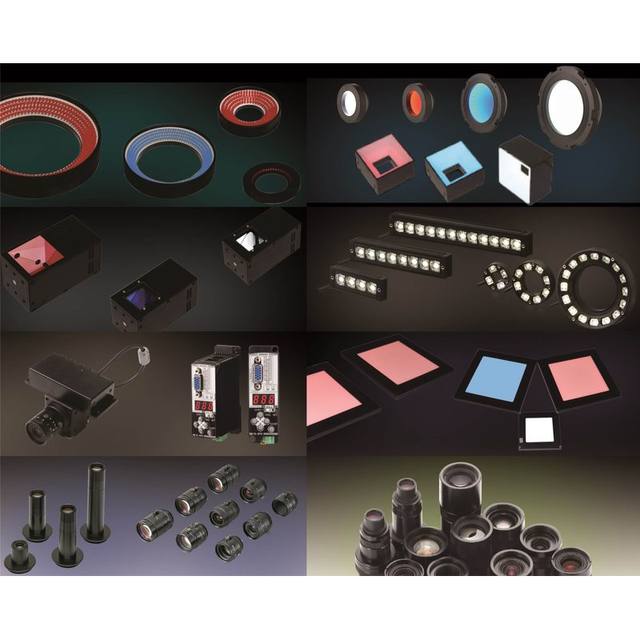
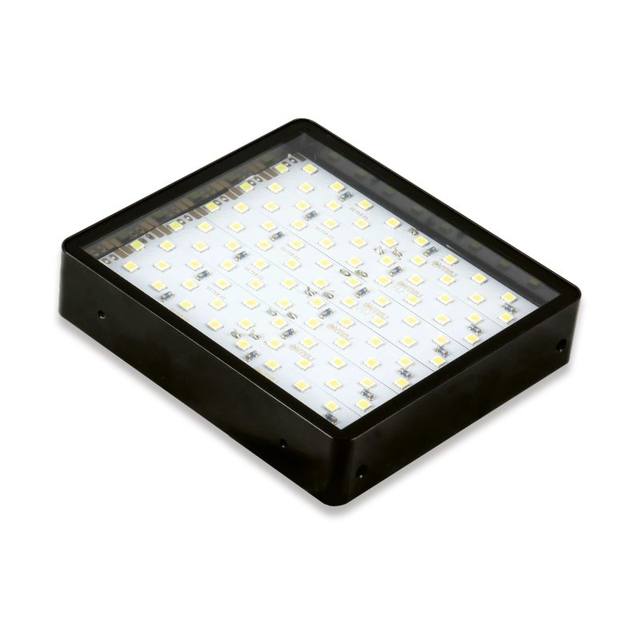
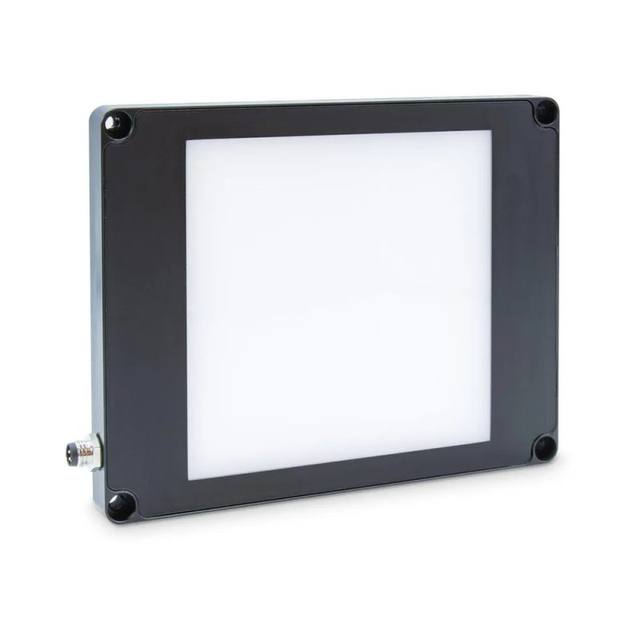
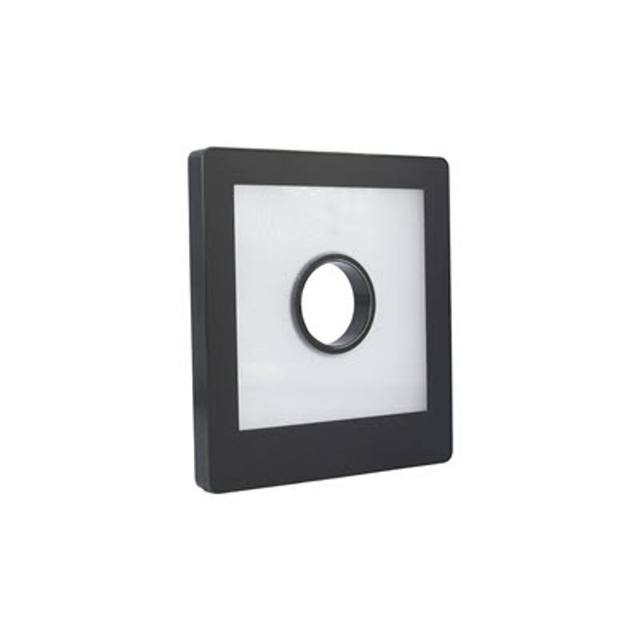
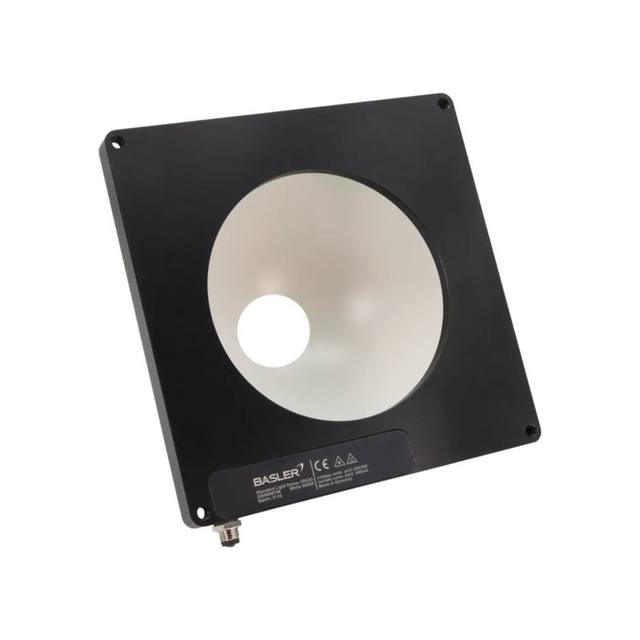
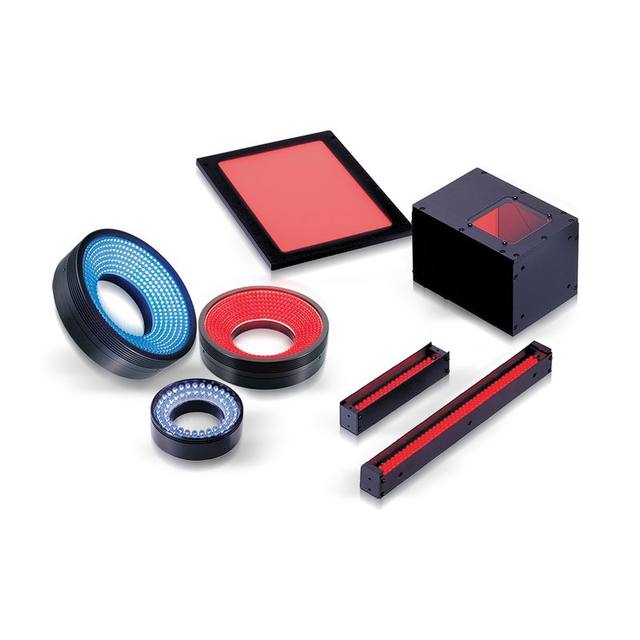
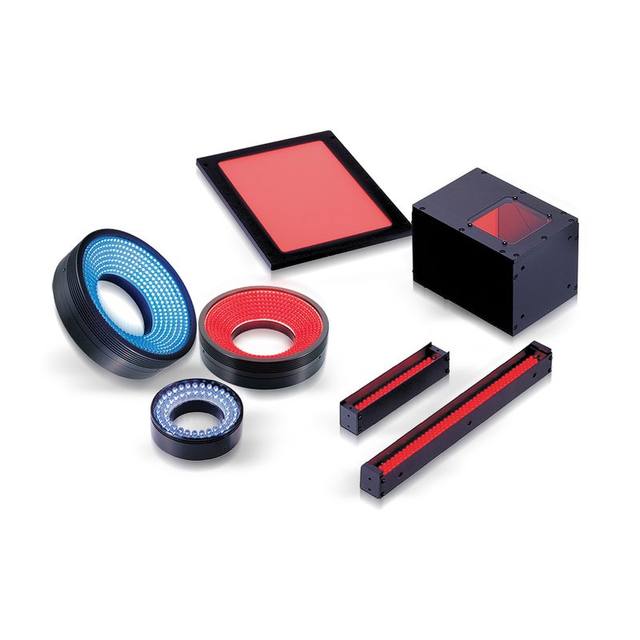
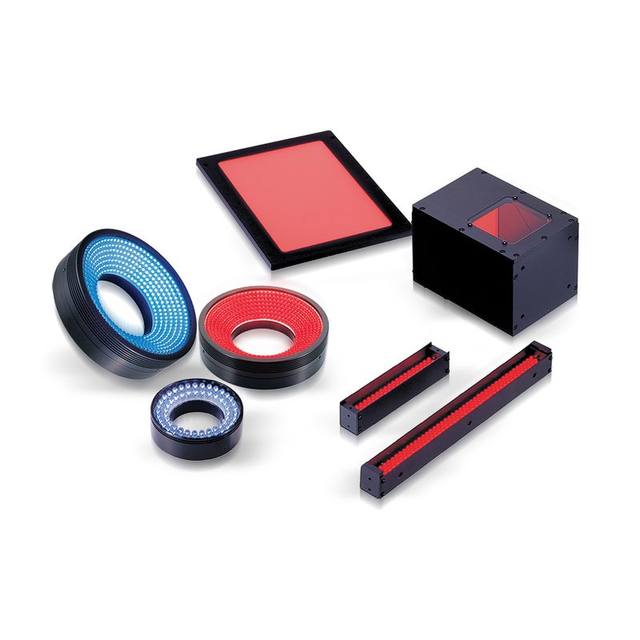
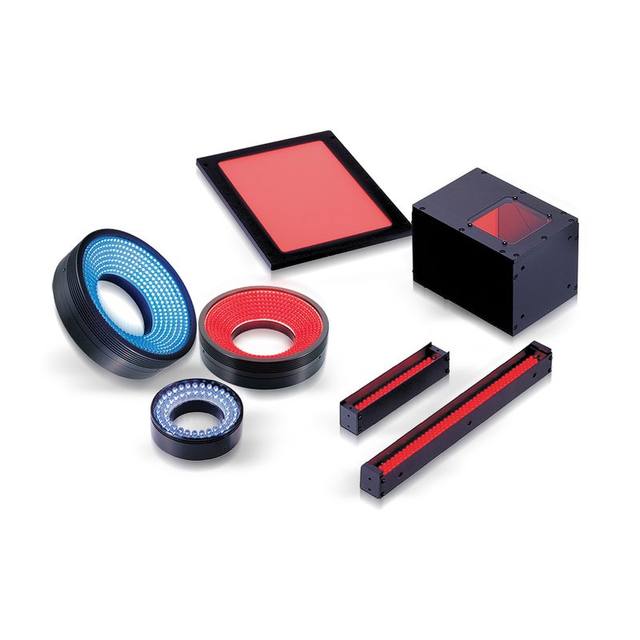
Common, proven techniques apply directly: diffuse dome or coaxial illumination tames specular highlights on shiny film and glossy labels; backlighting gives a crisp silhouette for fill-level, presence and shape checks; low-angle dark-field grazing light pops embossed seals, weld lines and surface deformation; and bright bar or ring lights handle general label and print reading. DCM Sistemes lighting covers these geometries, and choosing the geometry first — before the camera — is the discipline that separates reliable installs from constant retuning.
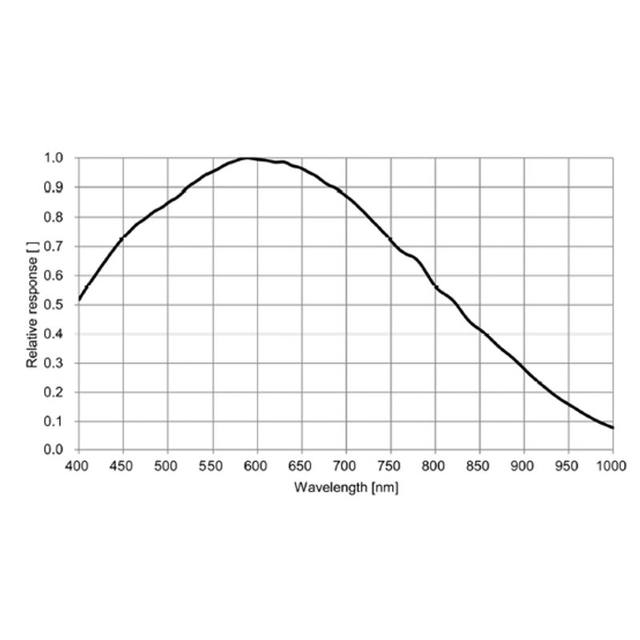
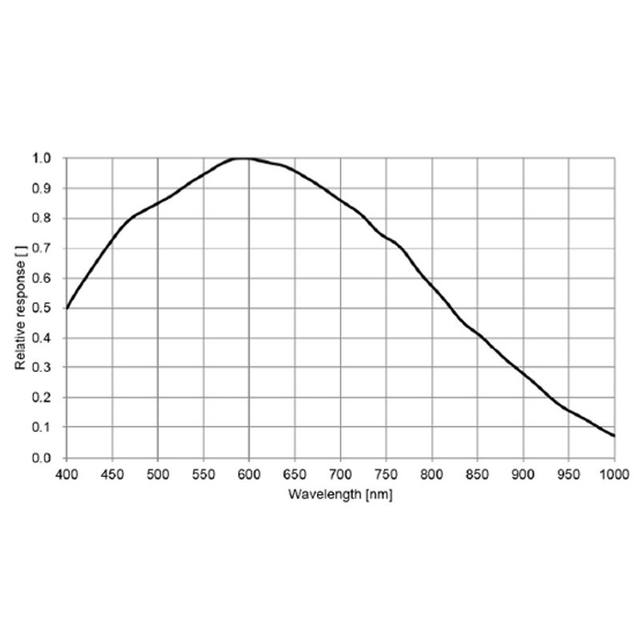
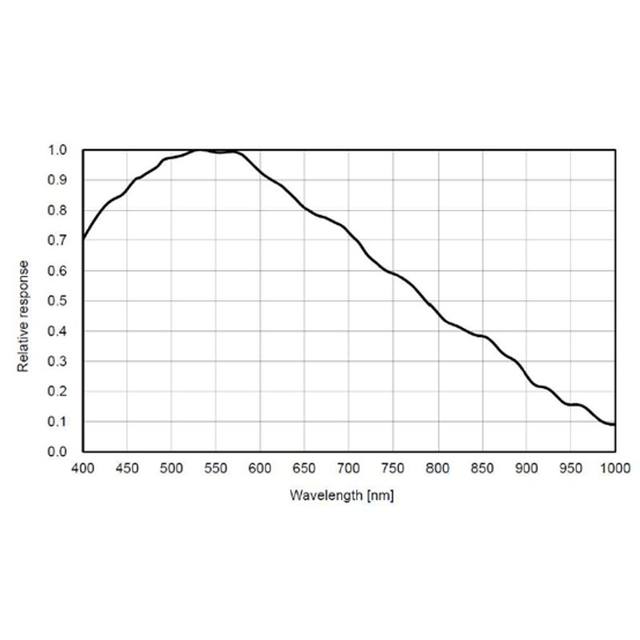
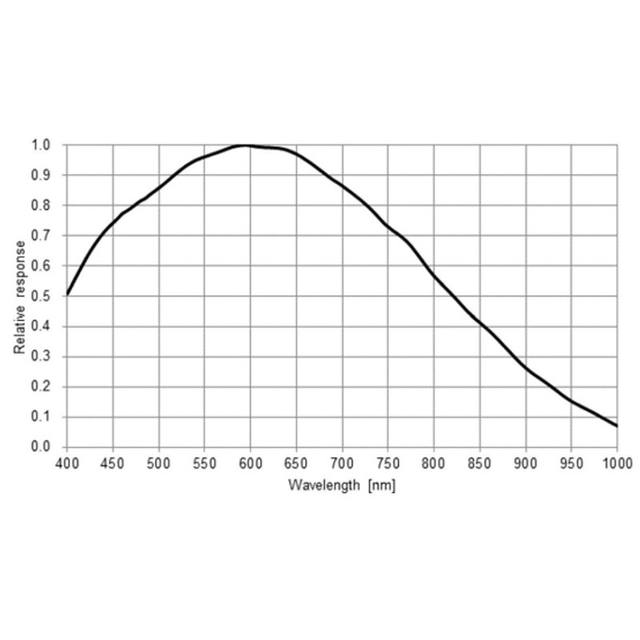
Two imaging factors deserve a quick check. First, line speed dictates exposure: fast conveyors need a global-shutter sensor and enough light to use a short exposure, or moving parts will smear and codes will blur. Second, colour matters when the check is about label correctness or product/cap colour — a colour sensor or camera resolves what a monochrome unit cannot, while monochrome with the right wavelength often gives better contrast for print and defect detection. Pick monochrome-plus-wavelength when the task is contrast, colour when the task is identity.
When rules struggle: variation, print quality and cosmetic defects
Rule-based tools on sensors and smart cameras handle the bulk of packaging inspection well. They begin to struggle when the defect is variable and hard to threshold: inconsistent print quality on porous or curved surfaces, subtle label cosmetic defects, natural product variation behind a window, or seal contamination that never looks quite the same twice. These are exactly the cases that generate either nuisance false rejects or escaped defects under fixed thresholds.
Where that describes your hard checks, deep-learning inspection is the practical answer. Rosepetal, the group's deep-learning visual-inspection software, learns the acceptable range from labelled examples and judges new images against it, which is far more tolerant of natural variation than a fixed rule while still giving a defensible PASS/FAIL. It runs on standard area-scan imaging and good lighting, and is best introduced precisely on the few checks where rules underperform — not as a replacement for the cheap, reliable sensor checks that already work.
Specifying and validating the full station
A packaging inspection station is a system, not a camera. The pieces that most often get under-specified are the trigger and reject timing (encoder or photo-eye to ejector, with enough latency budget), the SKU changeover workflow (how an operator selects the right inspection recipe without breaking it), and the data path (PASS/FAIL plus images and code-read results to the line PLC or MES for traceability). Getting these right matters as much as the optics.
Because the variety of packs, speeds and surfaces is so high, the reliable way to lock a configuration is to validate it on real samples and real line conditions before committing hardware. AIS Vision, the group's machine-vision integrator, will take your part data, line speed, environment and the specific checks that matter, then propose and prove a configuration — sensor where a sensor is enough, smart camera or PC-based imaging where it is not, with the matched lighting and the integration to your PLC. Request an application validation to get a configuration scoped to your line rather than a generic parts list.