Skip to content
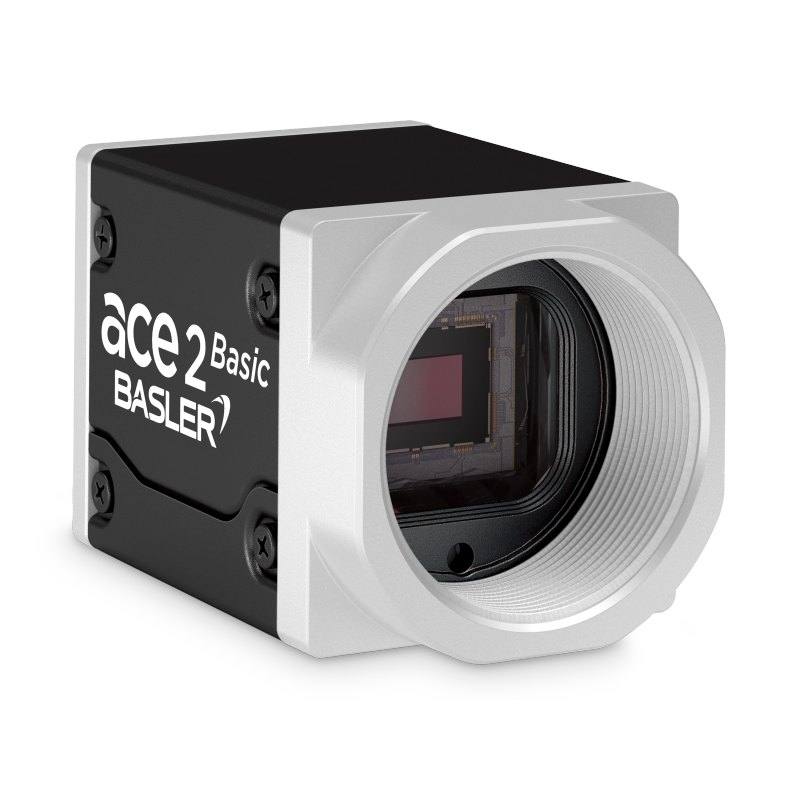
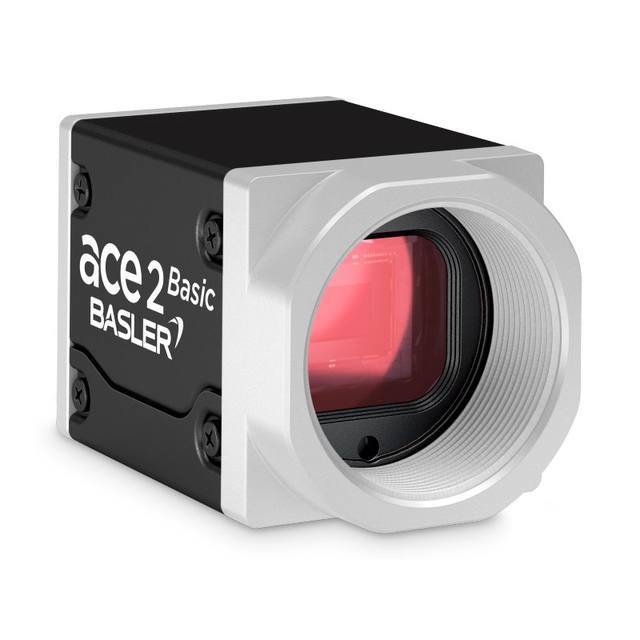
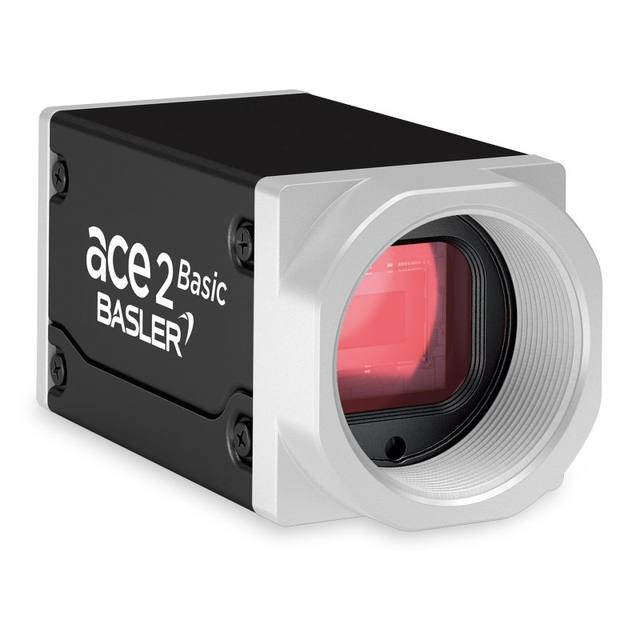
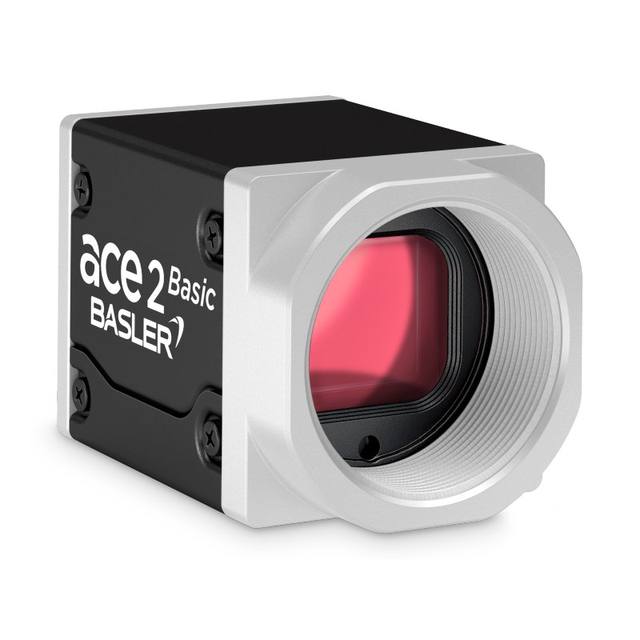
Basler a2A2590-60um machine vision camera
  • Rosepetal compatible
  • Recommended by AIS Vision

Basler ace 2 a2A2590-60umBAS

a2A2590-60um

The Basler ace 2 a2A2590-60umBAS is an industrial area scan camera built around the Sony IMX334 1/2.8" CMOS sensor (2.0 x 2.0 um pixels), providing 2592 x 1944 monochrome resolution at up to 60.9 fps over a USB 3.0 SuperSpeed (5 Gbit/s) interface. It uses a rolling shutter, supports 8/10/12-bit pixel formats, and is compliant with the USB3 Vision and GenICam standards. The camera is powered over USB (approximately 2.6 W at 5 VDC), uses a C-mount, and is housed in an IP30 box enclosure with one opto-coupled input and two GPIO lines.

Brand
Basler
Camera type
Area scan
Interface
USB 3.0 (SuperSpeed, 5 Gbit/s)
Resolution
5 MP
Horizontal resolution
2592 x 1944 px
Mono / color
Monochrome
Sensor manufacturer
sony_starvis
Sensor model
IMX334ROI
Shutter
Rolling shutter
FPS
60.9 fps
Mount
C-mount
Sensor size
1/2.8" (5.2 mm x 3.9 mm)

Technical overview

The Basler ace 2 a2A2590-60umBAS is a 5 MP monochrome area scan camera built on Sony's 1/2.8" IMX334 CMOS sensor (5.2 x 3.9 mm) with small 2.0 x 2.0 um pixels, delivering a native 2592 x 1944 image at up to 60.9 fps. Those small pixels are the defining trait of this camera: they pack 5 MP onto a compact 1/2.8" optical format, so you get high spatial detail per millimeter of field of view, but each pixel is physically small. In practice that means the camera rewards controlled, well-matched illumination and a lens with enough resolving power to keep up with a 2 um pixel pitch. As a monochrome sensor it has no Bayer color filter, so it captures the full luminance reaching every pixel for maximum sharpness on grayscale tasks such as edge-based measurement, surface defect detection, and text or code reading.

The camera uses a rolling shutter rather than a global shutter. For stationary parts, indexed/stop-and-go stations, or slow continuous motion, rolling shutter is well suited and keeps the camera compact and cost-effective. For fast-moving or freely conveyed parts, rolling shutter can introduce geometric skew unless you freeze motion with a short strobe flash or gate exposure tightly to a trigger, so motion handling is the single most important design consideration here. The camera exposes one opto-coupled input plus two configurable GPIO lines, which is enough to take an external hardware trigger from an encoder or photo-eye and to drive or synchronize a strobe controller. It supports 8/10/12-bit pixel formats, so you can trade off bandwidth for grayscale depth depending on whether the application needs simple thresholding or finer tonal gradation for subtle surface contrast.

Connectivity is USB 3.0 SuperSpeed (5 Gbit/s), and the camera is bus-powered at roughly 2.6 W over the same cable (5 VDC), which removes the need for a separate power supply or PoE injector and simplifies single-camera cells next to an industrial PC. It conforms to USB3 Vision and GenICam, so it integrates with standard machine-vision SDKs and software without proprietary drivers. The C-mount accepts the broad ecosystem of standard machine-vision lenses; just confirm the lens is rated to resolve the 2 um pixel and covers the 1/2.8" sensor. Physically it is a compact 48.1 x 29 x 29 mm box (with connectors and lens mount) weighing 85 g, rated IP30 (dust/finger protection, not washdown), and specified for -10 to 60 degC, making it a good fit for enclosed cabinets and guarded inspection stations rather than open, wet, or sprayed-down environments.

Best for

  • Edge-based dimensional measurement and gauging of stationary or indexed parts where 5 MP detail across a compact field of view matters
  • Surface and defect inspection on electronics, semiconductor, and packaging lines using monochrome contrast
  • Industrial OCR/OCV and 1D/2D code/traceability reading where grayscale sharpness aids character and code legibility
  • Single-camera USB3 inspection cells next to an industrial PC, where bus power (2.6 W) keeps wiring minimal
  • Stop-and-go or slow-motion packaging and pharma inspection stations where rolling shutter is acceptable when paired with controlled lighting

Selection notes

  • Confirm motion handling: this is a rolling-shutter sensor, so for moving parts freeze motion with a short strobe flash or tight triggered exposure to avoid skew; for stationary or indexed parts no special measures are needed.
  • Plan illumination: 2.0 um pixels are small, so provide adequate, controlled lighting and account for the monochrome sensor needing matched-wavelength illumination rather than relying on color.
  • Match the lens to the sensor: use a C-mount lens that covers the 1/2.8" (5.2 x 3.9 mm) format and resolves the 2 um pixel pitch, otherwise effective resolution falls below the 2592 x 1944 native count.
  • Plan the USB 3.0 link: keep cable lengths within USB3 limits and use a host controller with sufficient bandwidth to sustain 5 MP at 60.9 fps; the bus also supplies the camera's ~2.6 W, so a quality host port and cable matter.
  • Check environment and I/O: IP30 and -10 to 60 degC suit enclosed cabinets, not washdown areas; the single opto-coupled input plus two GPIO lines must cover your trigger and strobe-sync needs.

Specifications: General
BrandBasler
Camera typeArea scan

Specifications: Sensor
Resolution5 MP
Horizontal resolution2592 x 1944 px
Mono / colorMonochrome
Sensor manufacturersony_starvis
Sensor modelIMX334ROI
ShutterRolling shutter
Sensor size1/2.8" (5.2 mm x 3.9 mm)
Pixel size2.0 x 2.0 um

Specifications: Performance
FPS60.9 fps

Specifications: Interface
InterfaceUSB 3.0 (SuperSpeed, 5 Gbit/s)
ProtocolsUSB3 Vision, GenICam

Specifications: Optics
MountC-mount

Specifications: Electrical
PowerPower over USB (5 VDC)
Power consumption2.6 W

Specifications: Environment
IP ratingIP30
Operating temperature-10 to 60 degC

Specifications: Mechanical
Housing materialBox
Dimensions48.1 x 29 x 29 (with connectors and lens mount) mm
Weight85 g

Frequently asked questions

Related technical guides

Rosepetal · AI

Test this camera with Rosepetal

Validate your visual inspection with AI: send us sample images and we evaluate the case on your hardware.

AIS Vision · Integration

We validate camera + lens + lighting

AIS Vision defines and tests the optimal combination of camera, optics and lighting for your application before you buy.