Traceability stands or falls on a single number: the percentage of codes read correctly, the first time, at line speed. Whether the mark is a printed EAN barcode on a carton, a laser-etched Data Matrix on a machined part, or a GS1 DataMatrix carrying a pharmaceutical serial number, the imaging system has to decode it under real production conditions: vibration, variable presentation, reflective or low-contrast substrates, and throughput targets that leave only milliseconds per item.
There are two distinct jobs hiding behind 'code reading', and confusing them is the most common cause of failed projects. Reading is about decoding the symbol and passing the data to your line control, ERP or aggregation system. Verification is about grading the mark against an ISO/IEC quality standard so you can prove print quality and predict downstream readability. A reader tells you what the code says; a verifier tells you how good the code is. Many traceability applications need both, and they generally need different hardware to do each job properly.
What makes code reading hard in production
A code that scans perfectly on the bench can fail on the line for reasons that have nothing to do with the decoding algorithm. The dominant variables are mark quality and presentation. Direct part marking (DPM) on metal, plastic or PCBs produces dot-peened, laser-etched or ink-jet symbols with low contrast and specular surfaces; standard label barcodes are high-contrast but can be crushed, smeared, curled around a bottle, or partially obscured by shrink wrap. Add motion blur from a moving conveyor, glare from a glossy film, and parts that arrive at unpredictable angles, and the imaging conditions become the limiting factor — not the reader's software.
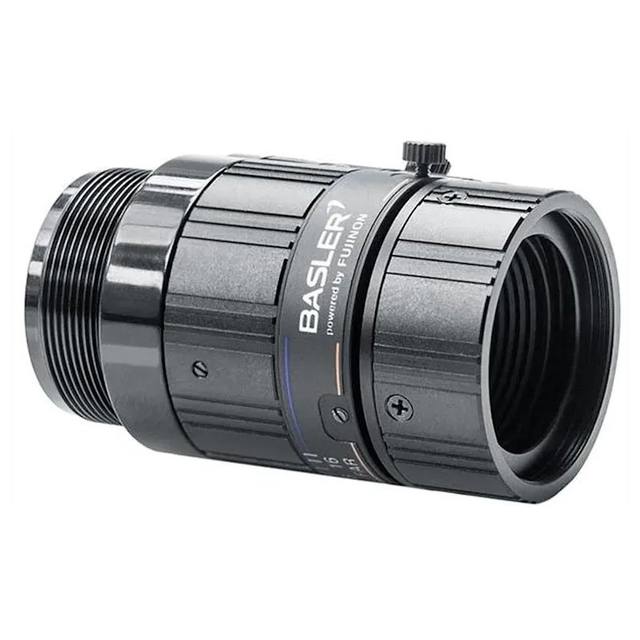
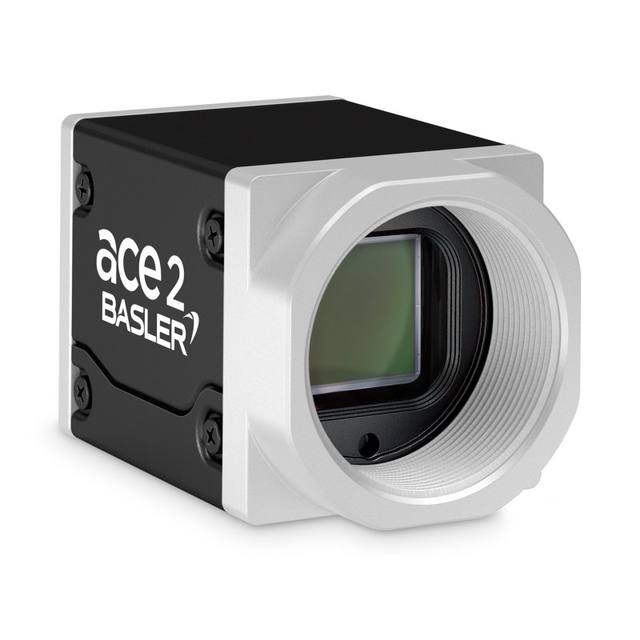
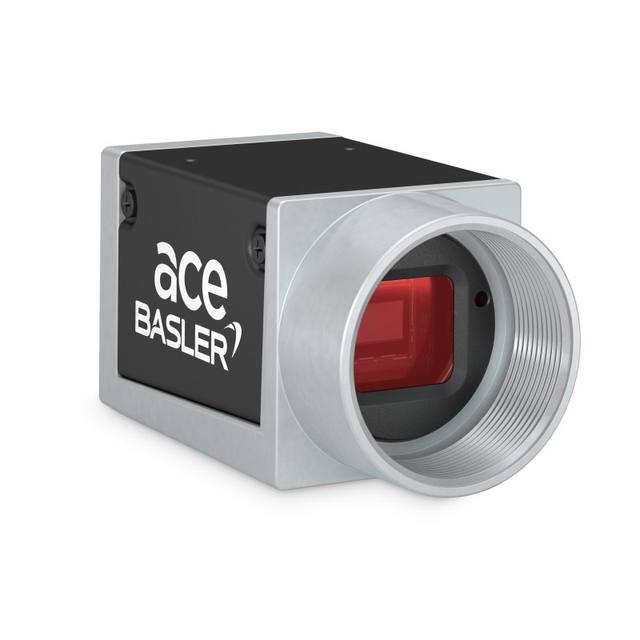
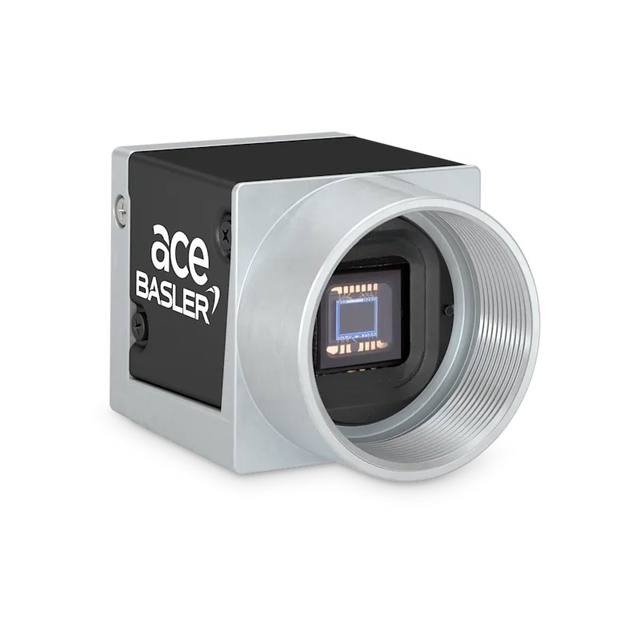
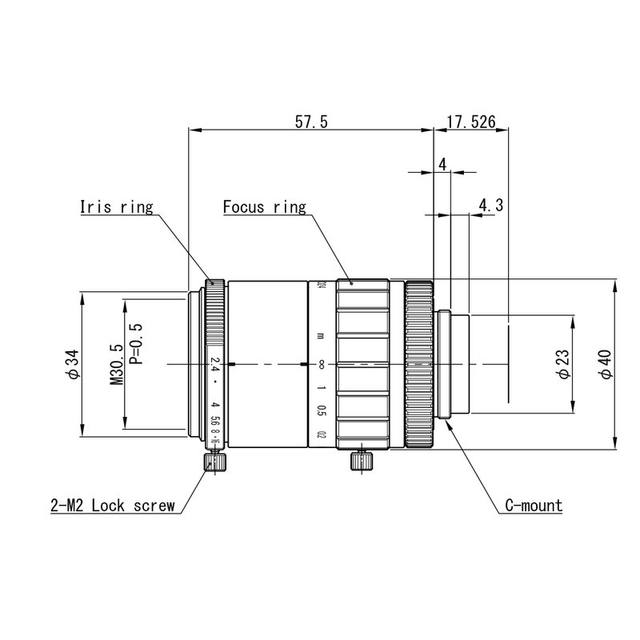
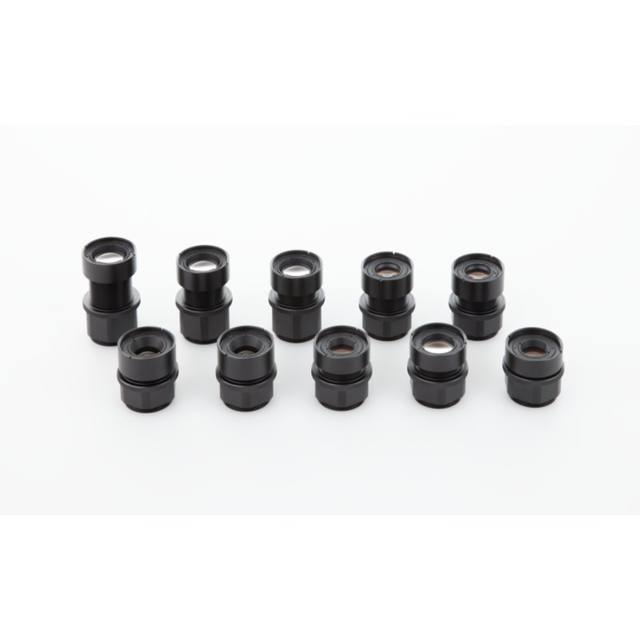
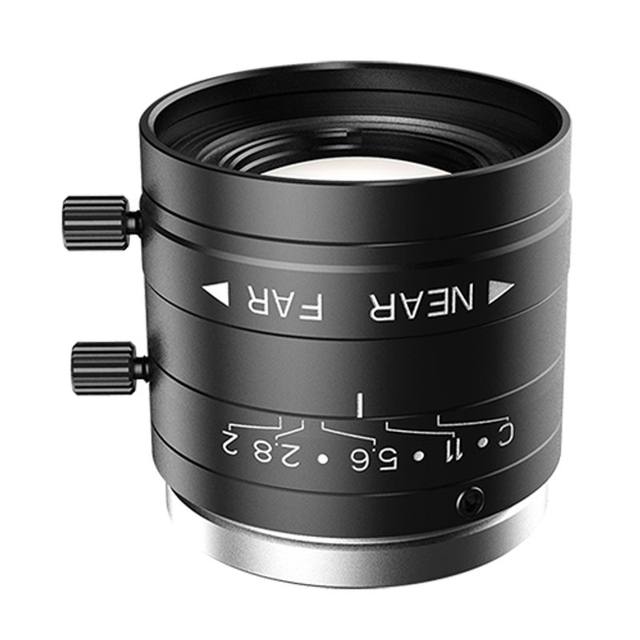
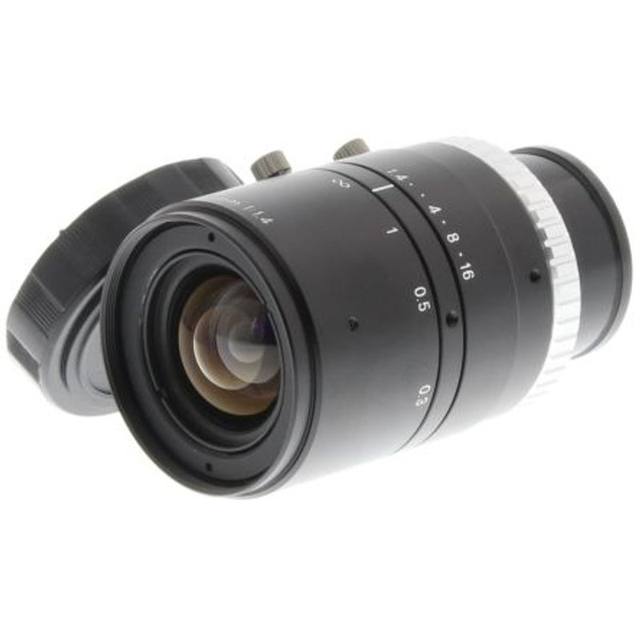
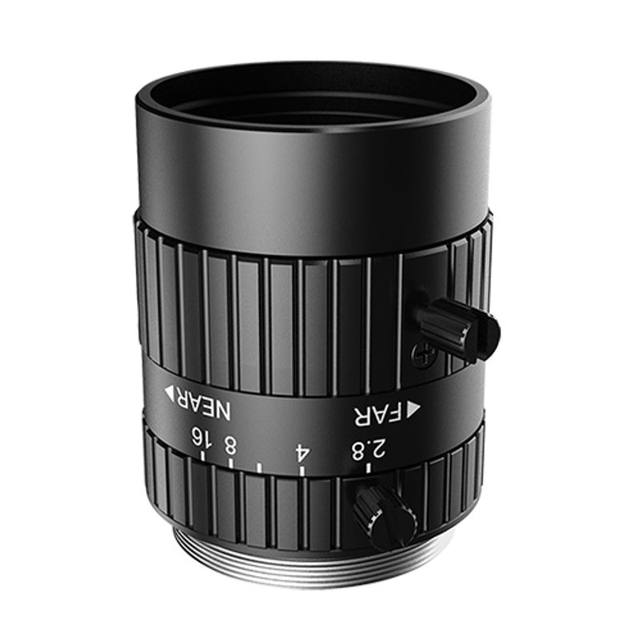
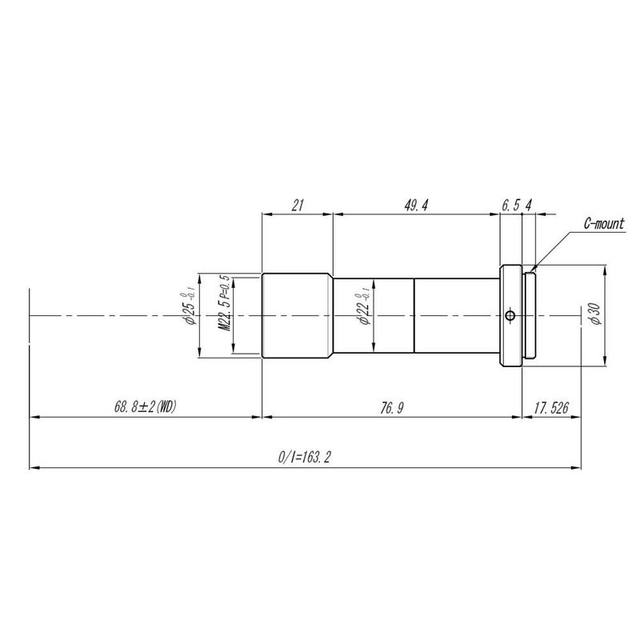
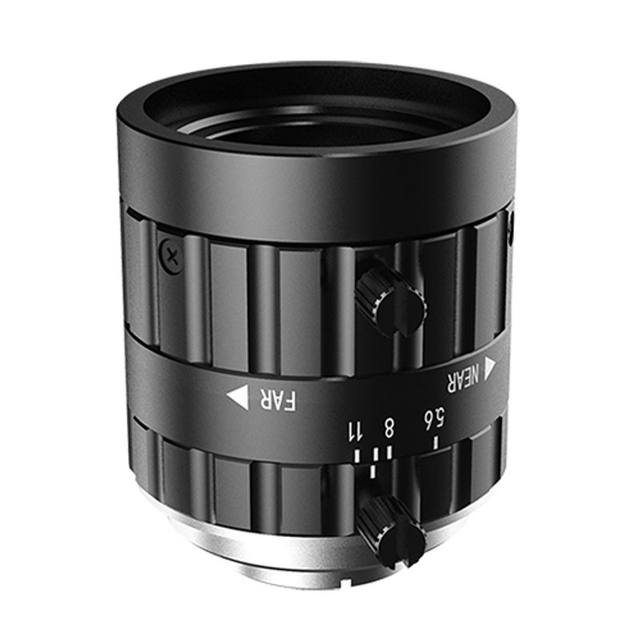
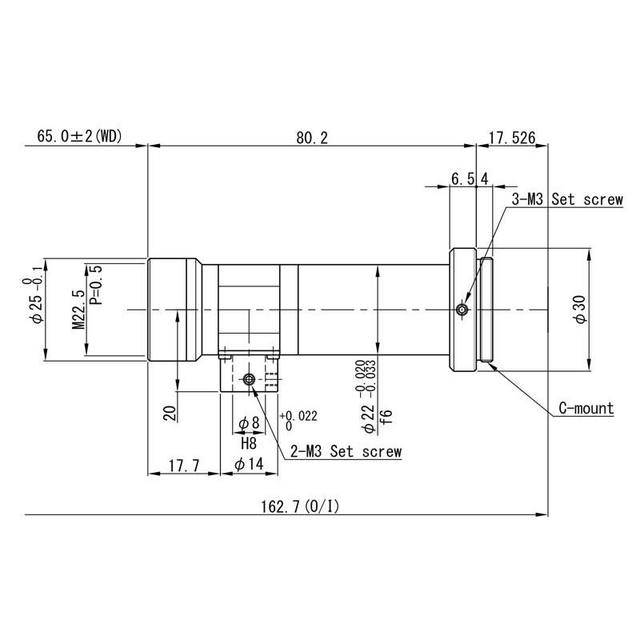
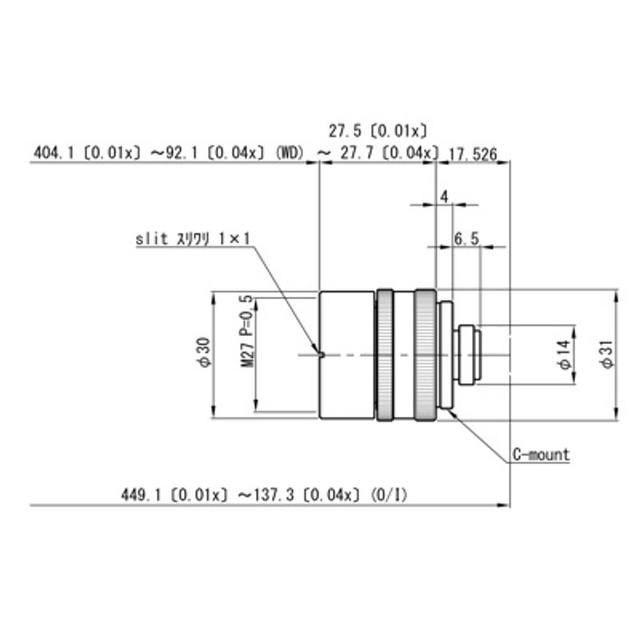
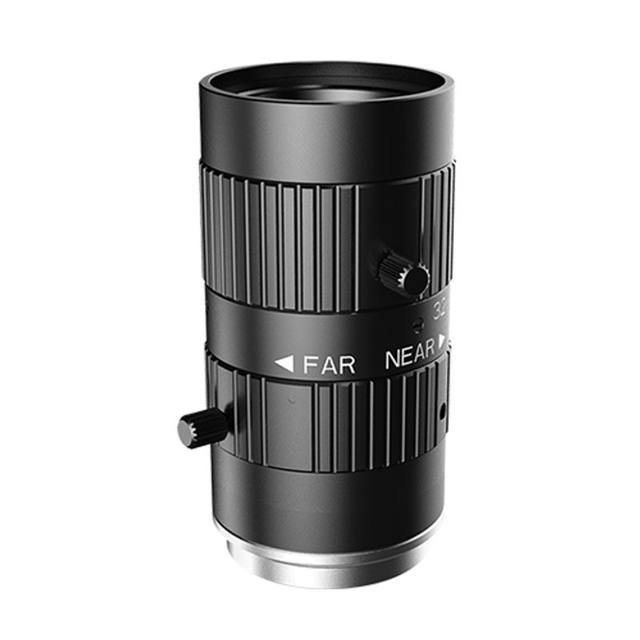
Three engineering parameters decide whether a given reader will cope: resolution at the working distance, depth of field, and exposure under motion. You need enough pixels across the smallest module of the symbol — a useful rule of thumb is several pixels per module for 1D and per cell for 2D Data Matrix. You need the depth of field to span the range of part heights and positions you will actually see. And you need a short enough exposure, with enough light, to freeze motion without blur. Get these three right and decode rates climb sharply; get them wrong and no amount of software tuning fully recovers the read rate.
- Symbol type and size: 1D (EAN, Code 128), 2D (Data Matrix, QR, PDF417) and DPM each have different contrast and resolution demands.
- Marking method and substrate: printed labels, thermal transfer, ink-jet, laser etch and dot peen behave very differently under light.
- Presentation: fixed vs. random orientation, single vs. omnidirectional reading, and the range of working distances and part heights.
- Throughput: parts per minute sets the maximum exposure time and therefore the lighting intensity and trigger strategy you need.
- Data and compliance: GS1 application identifiers, serialisation/aggregation, and audit requirements in regulated sectors.
The recommended approach: read, then verify
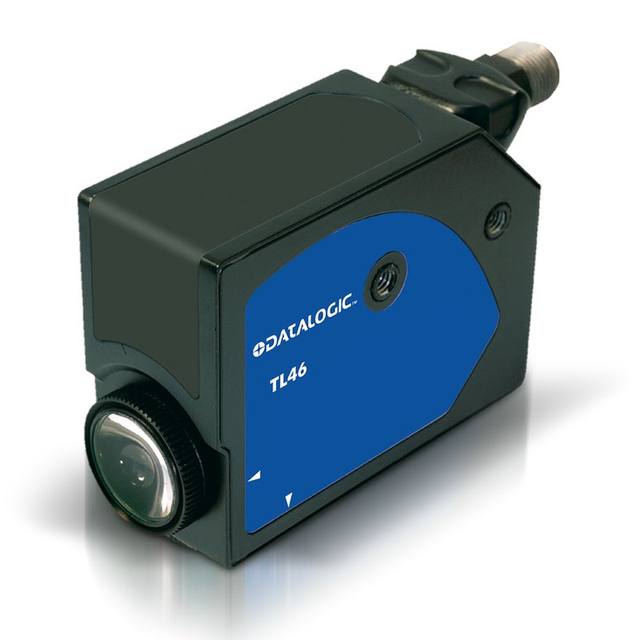
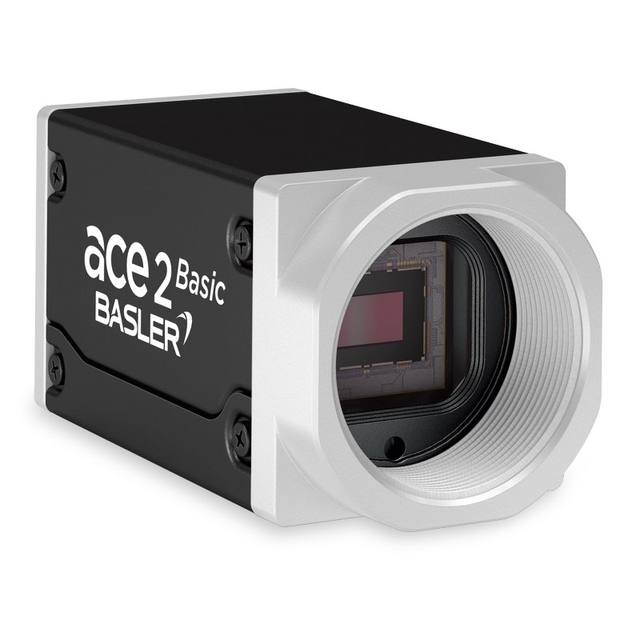
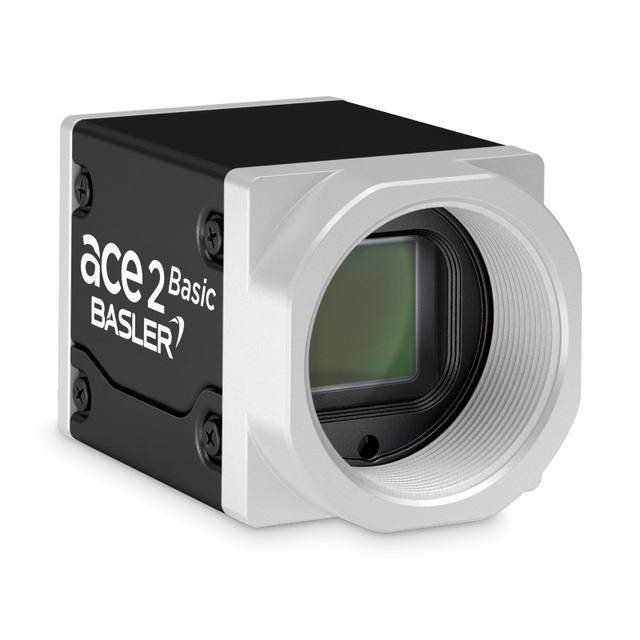
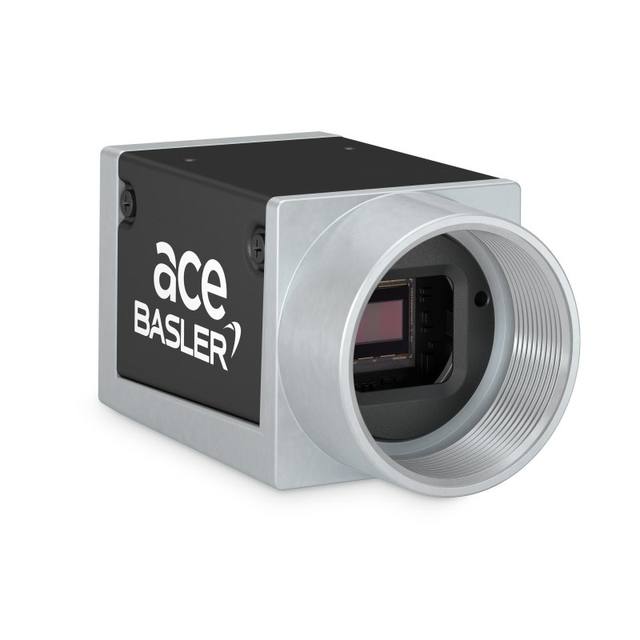
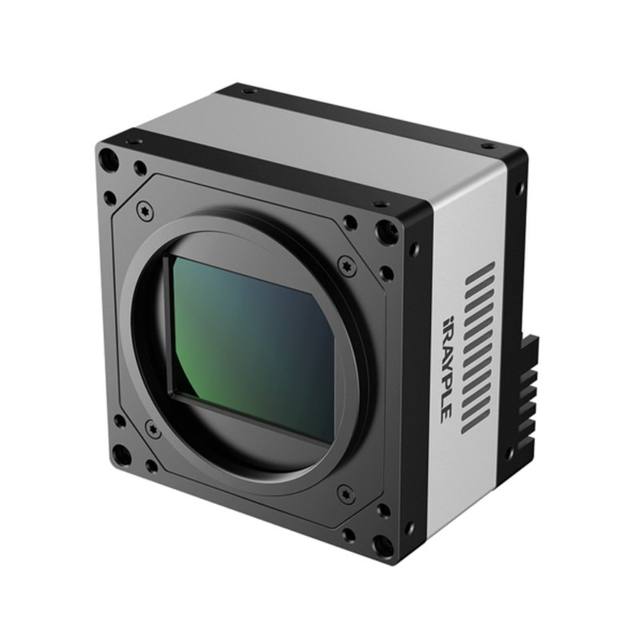
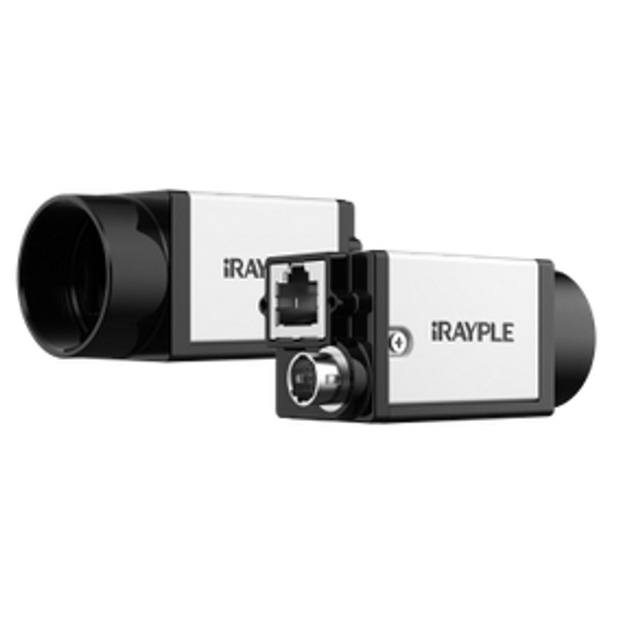
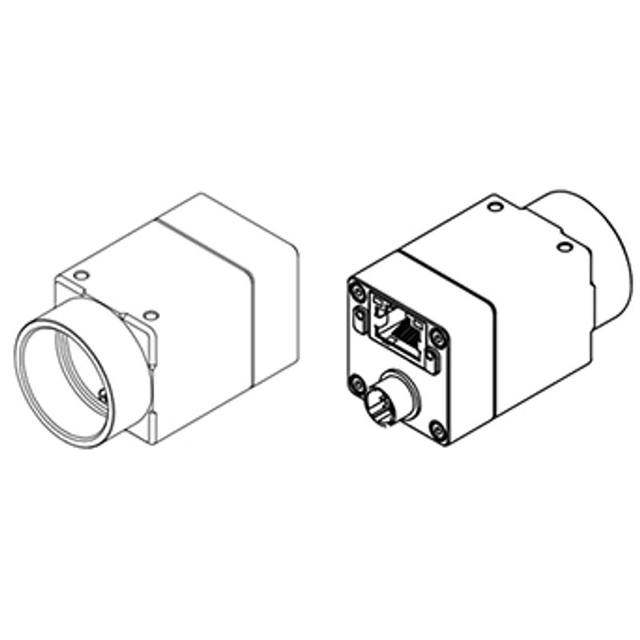
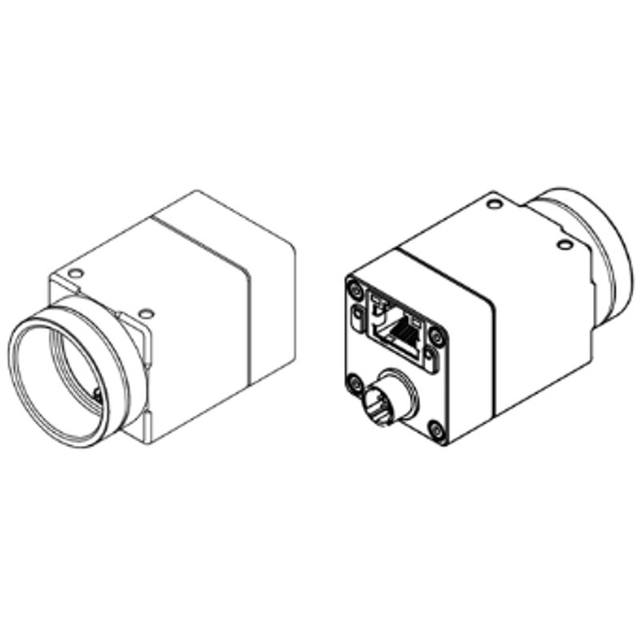
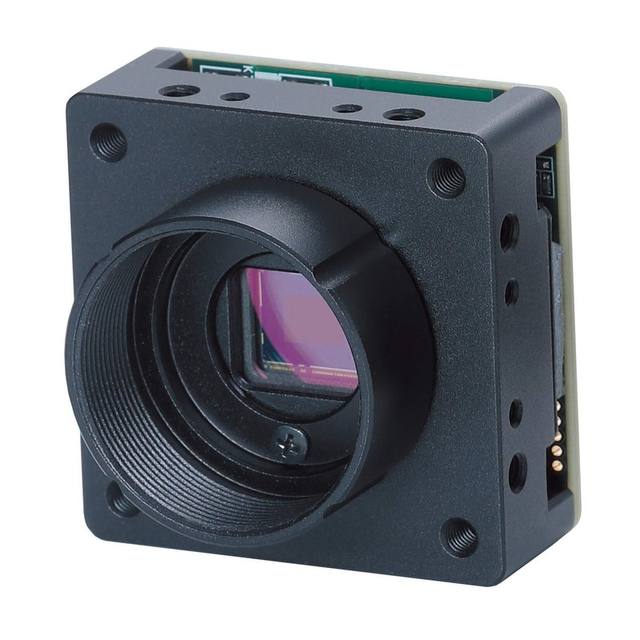
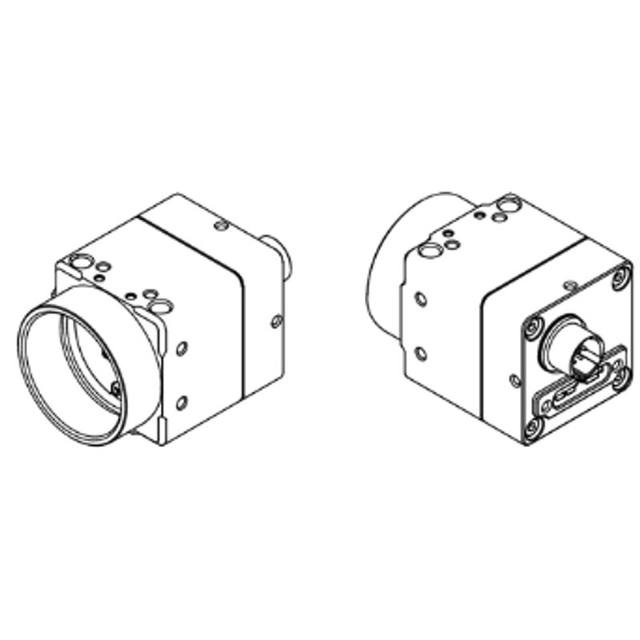
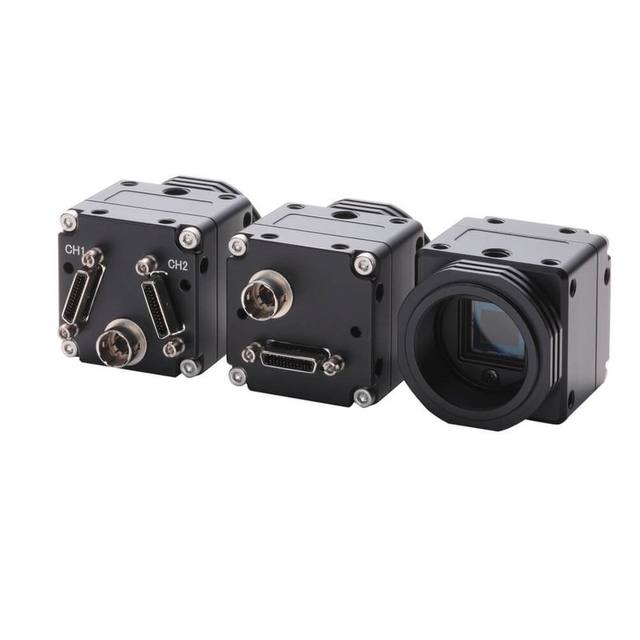
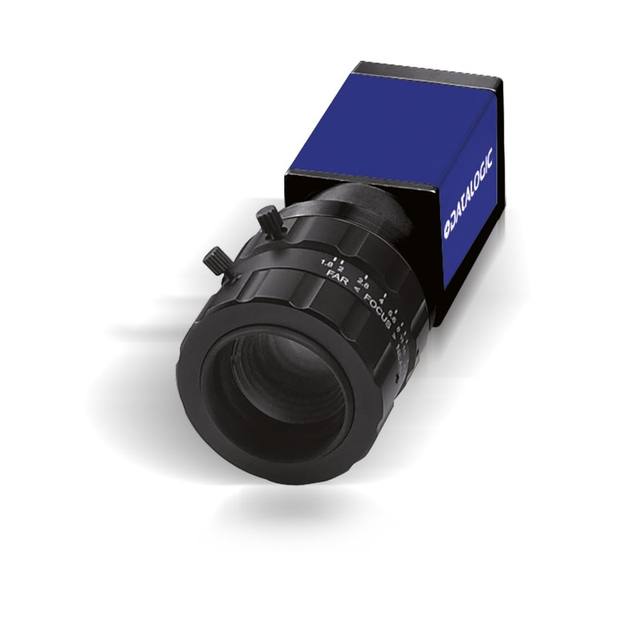
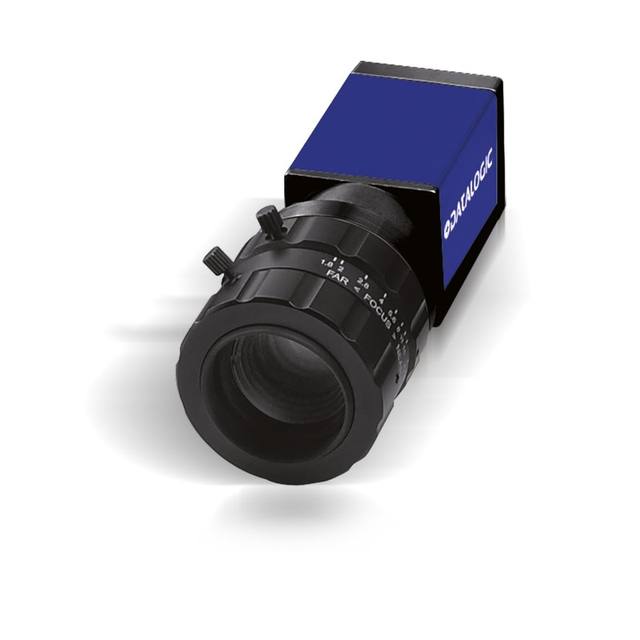
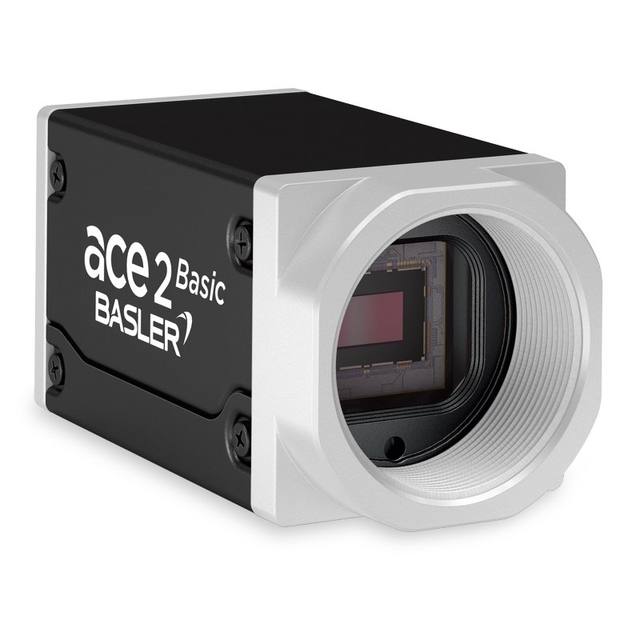
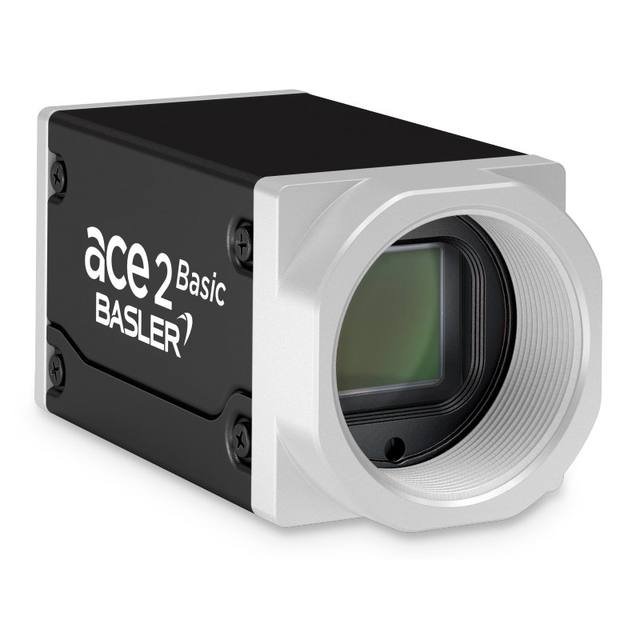
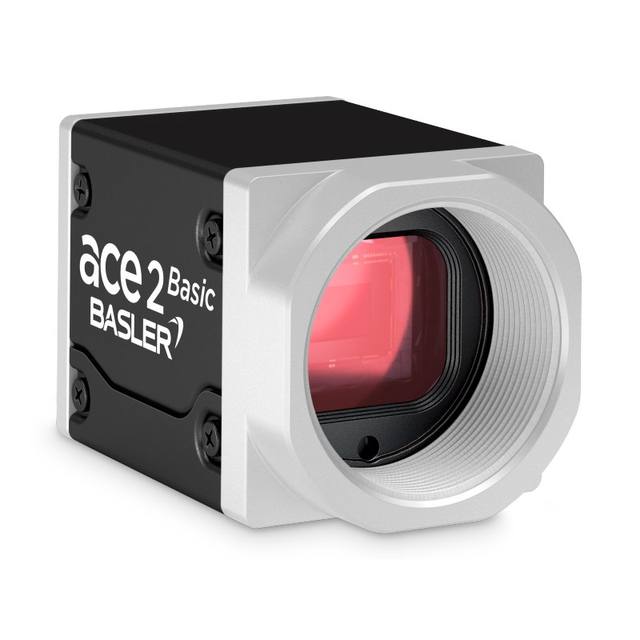
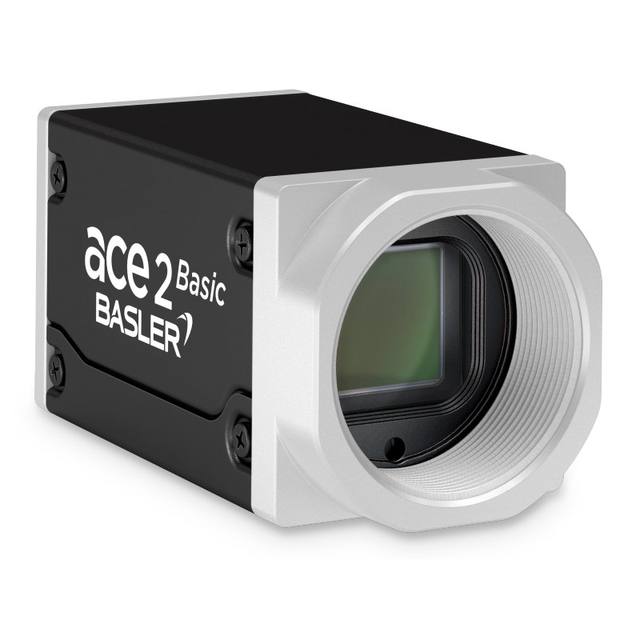
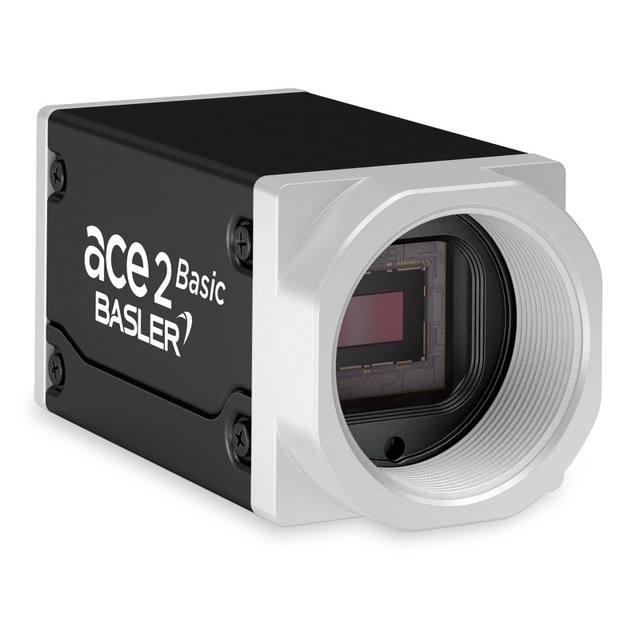
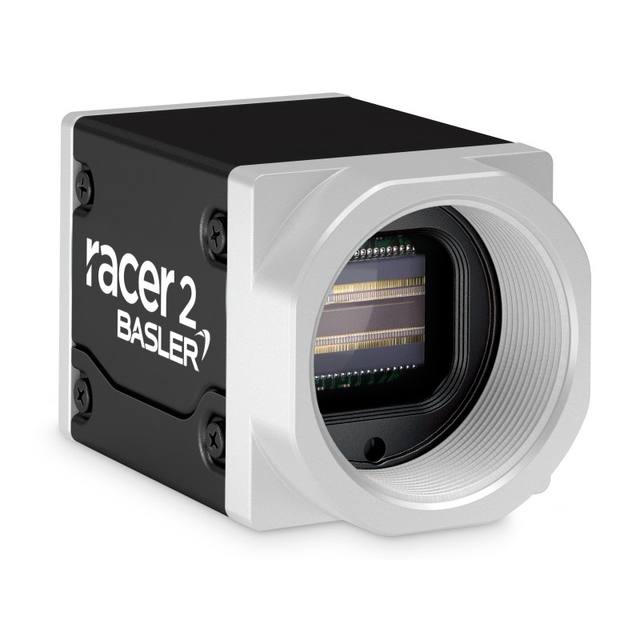
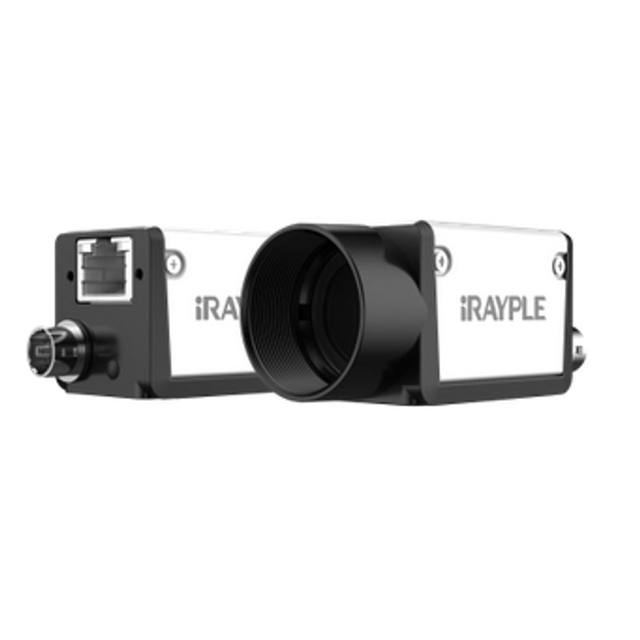
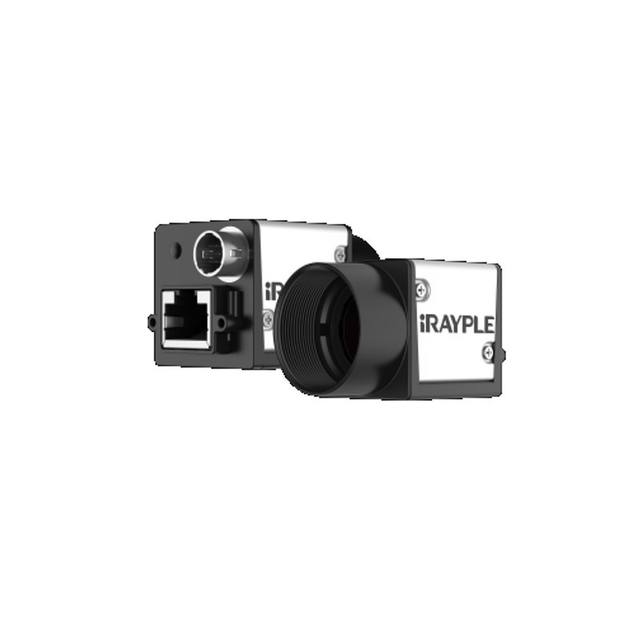
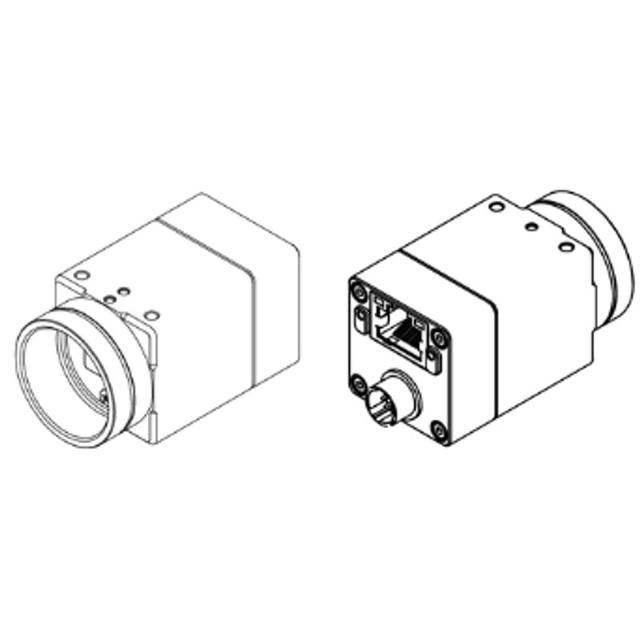
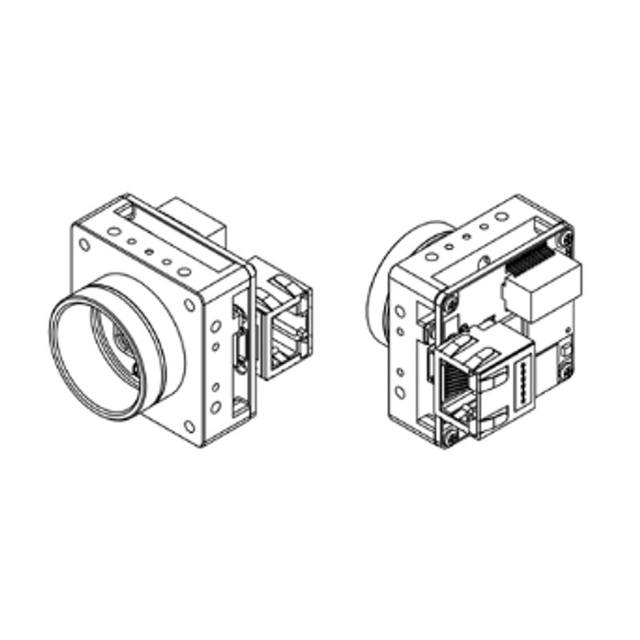
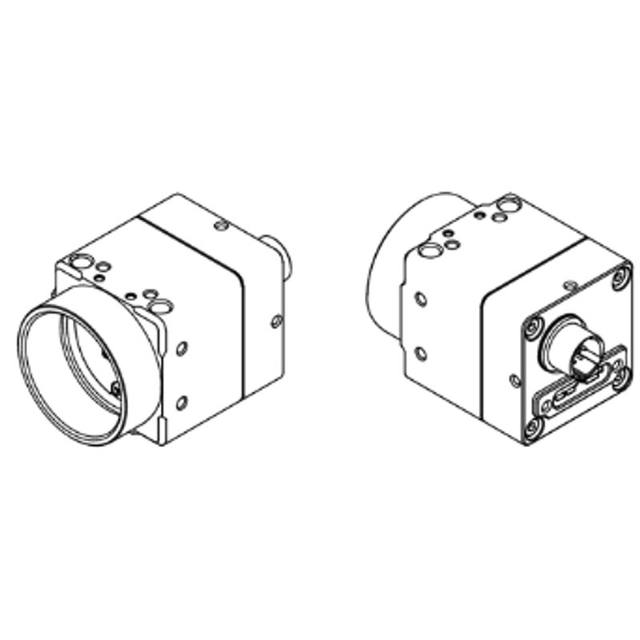
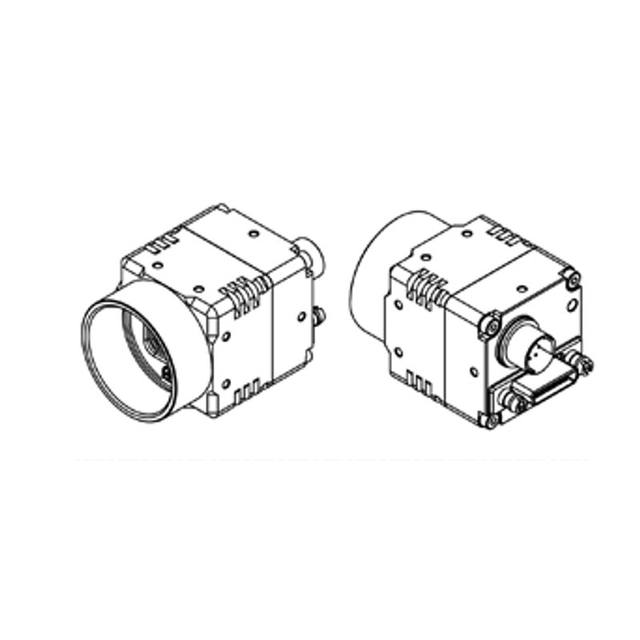
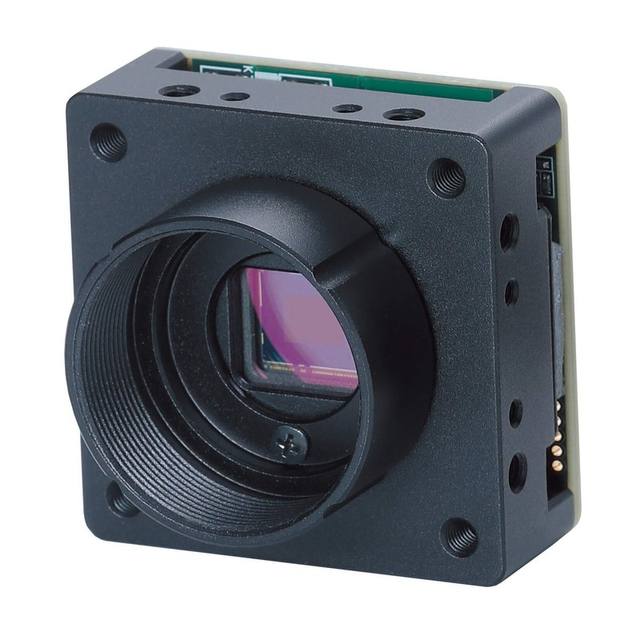
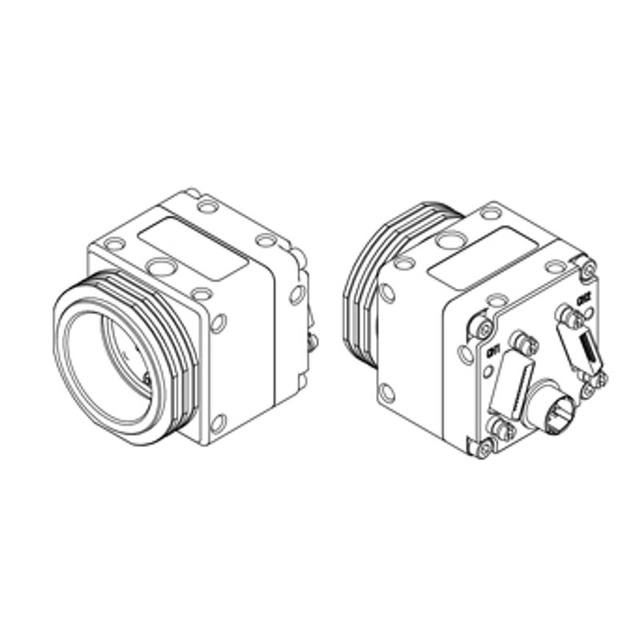
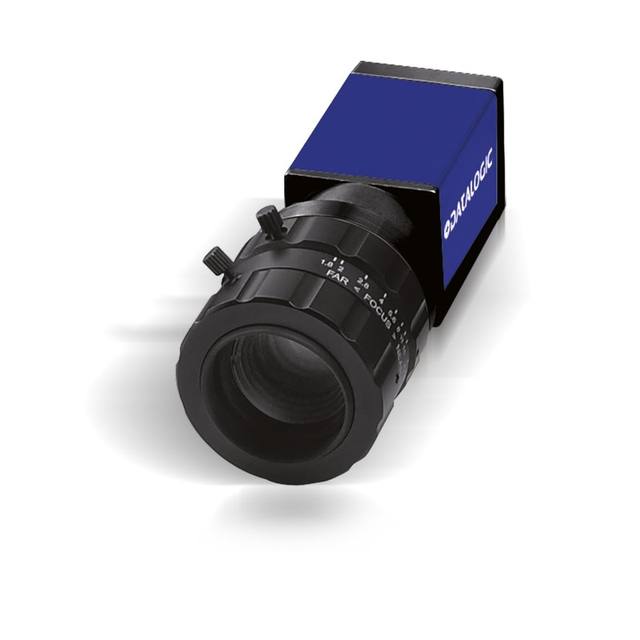
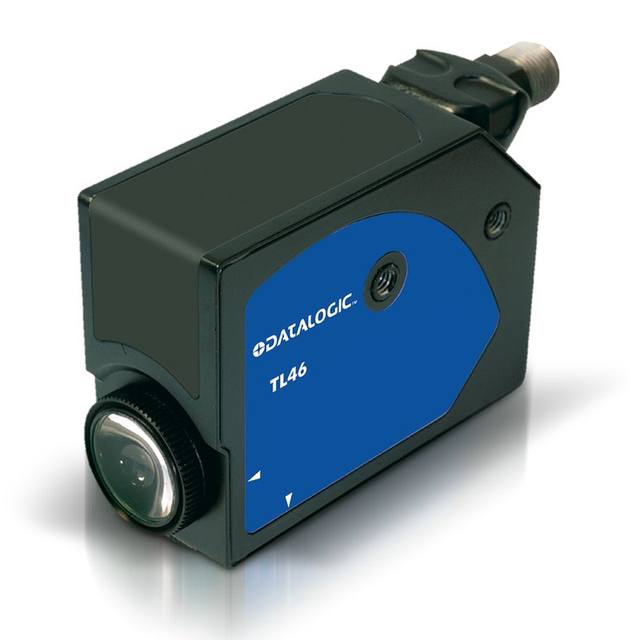
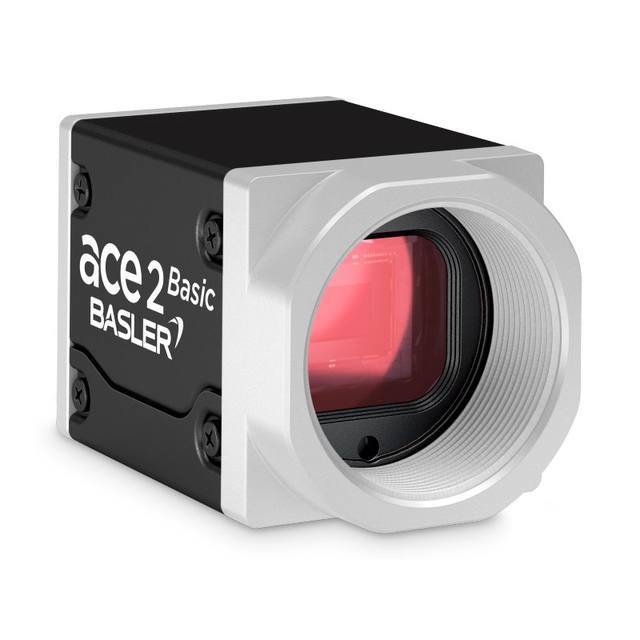
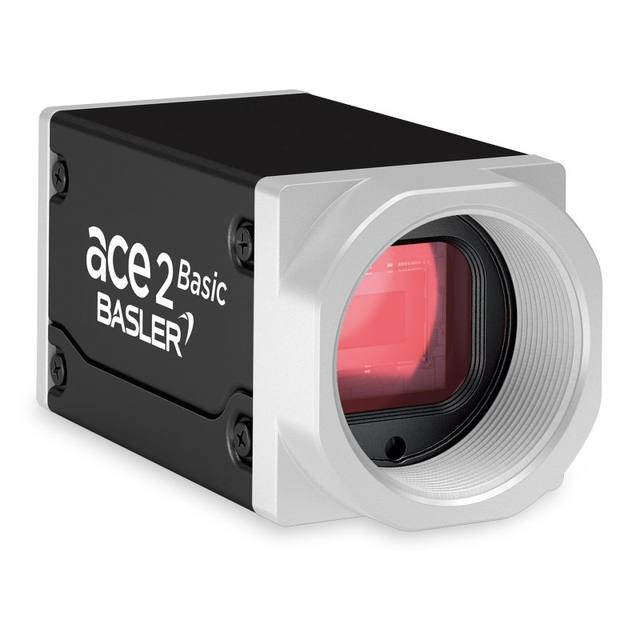
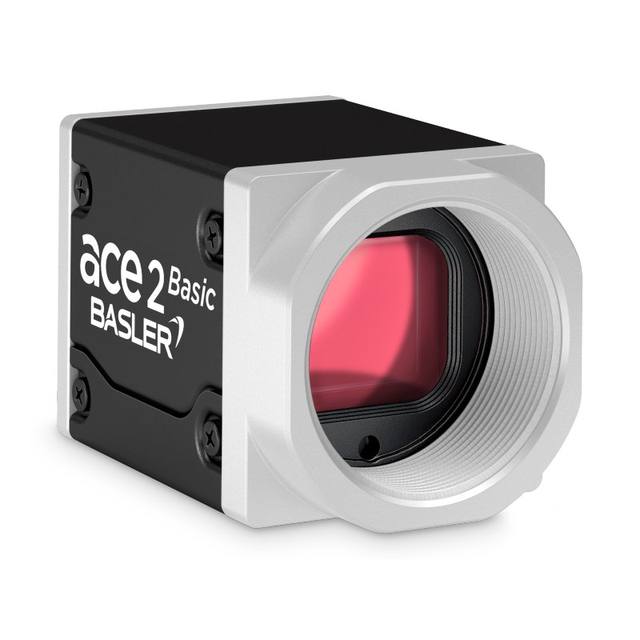
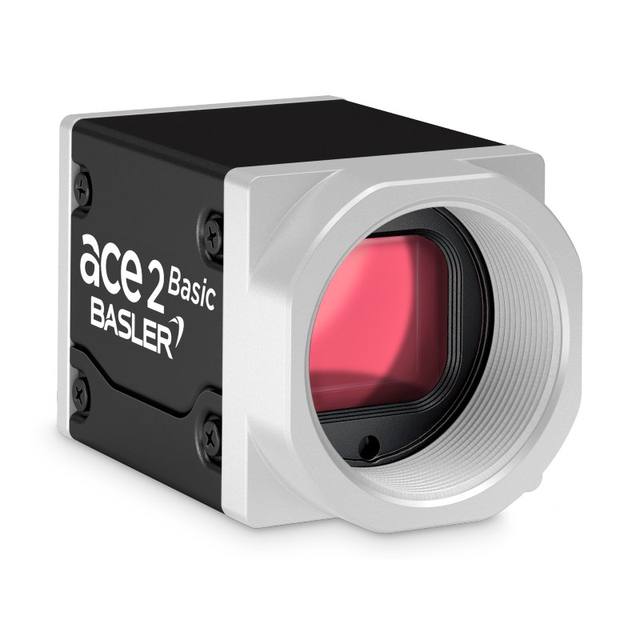
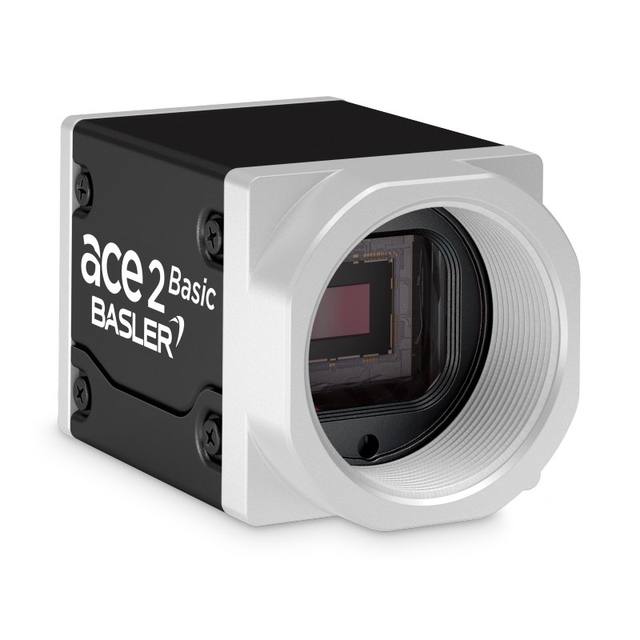
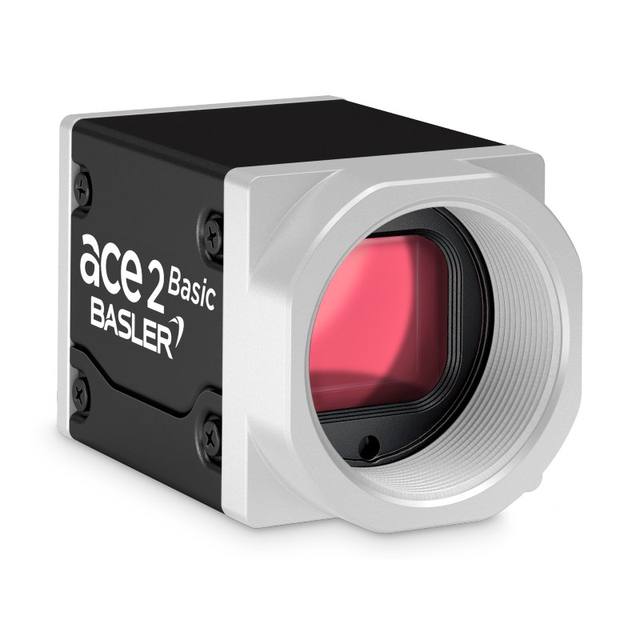
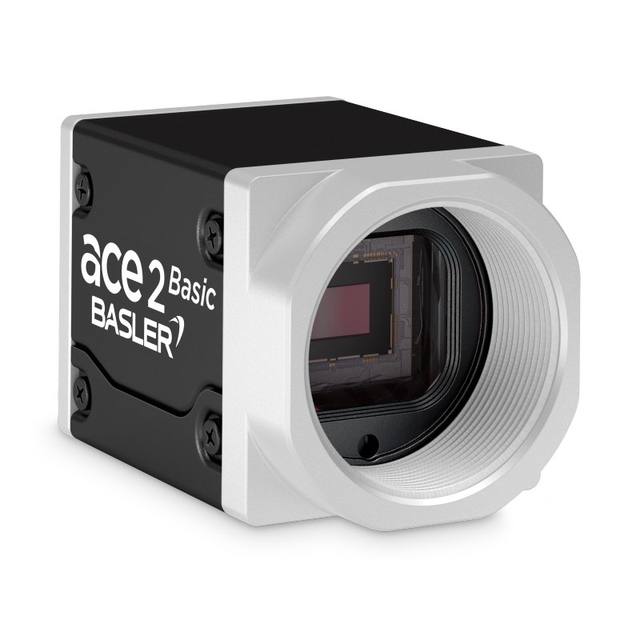
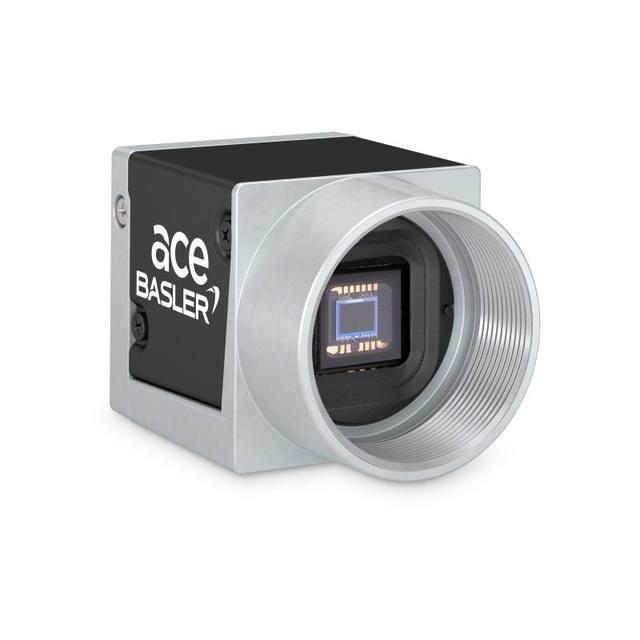
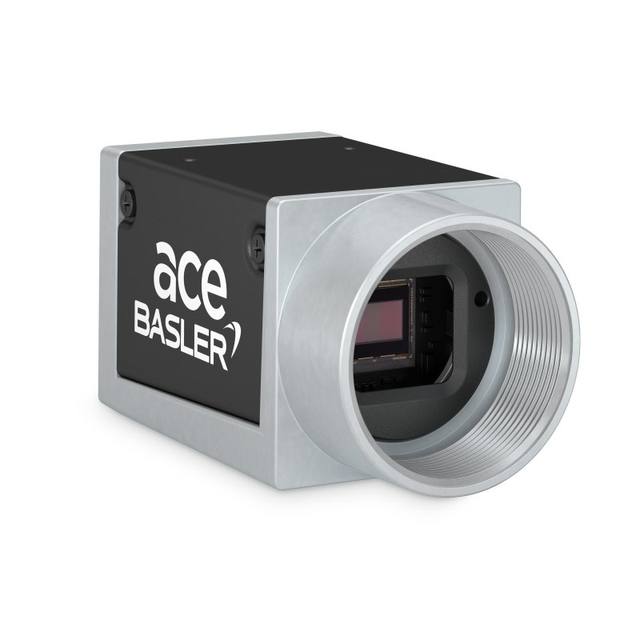
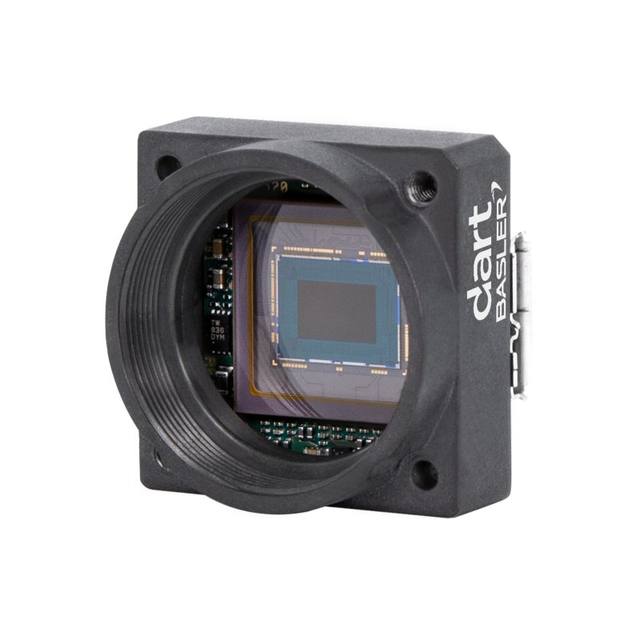
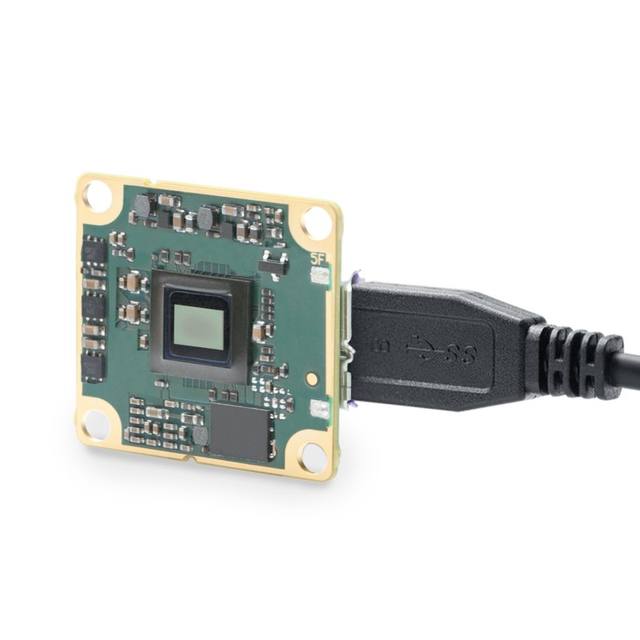
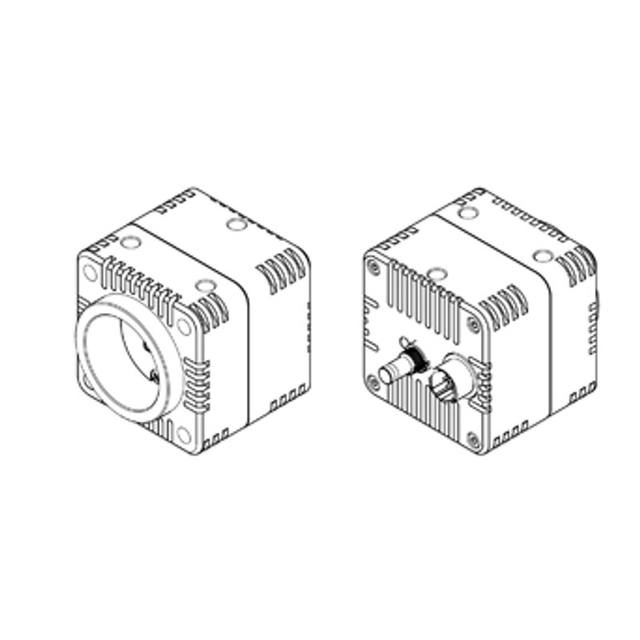
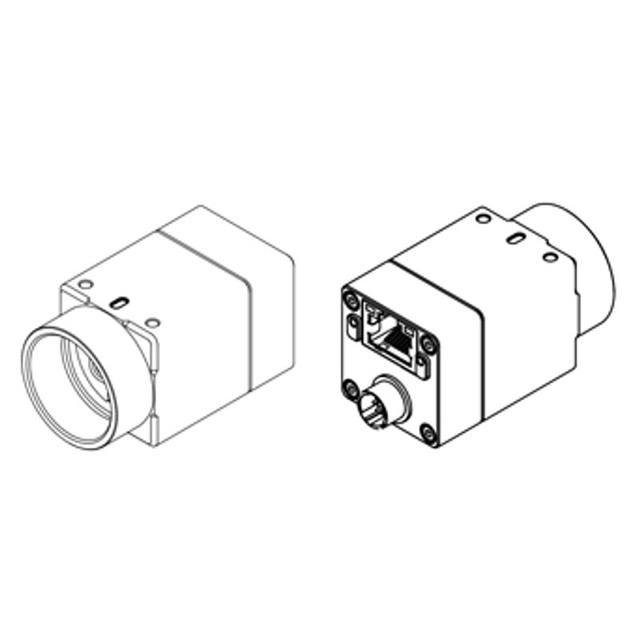
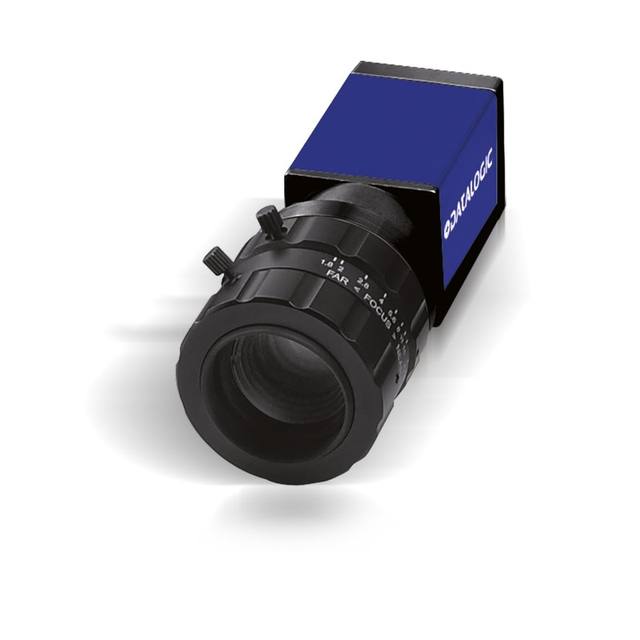
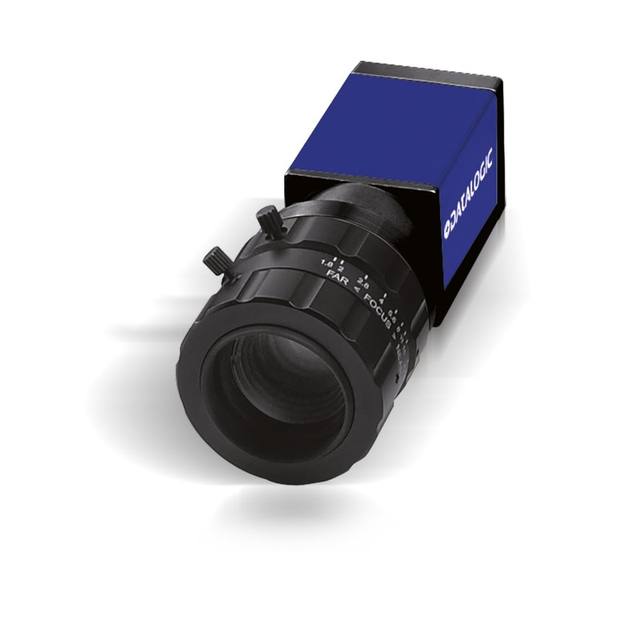
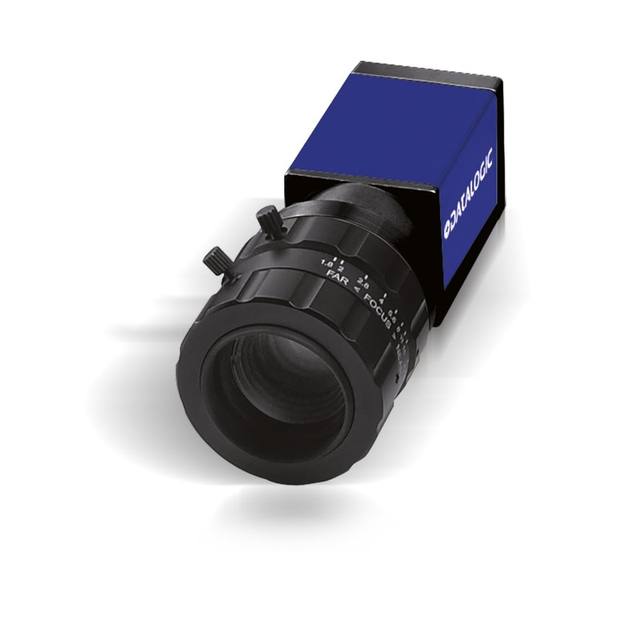
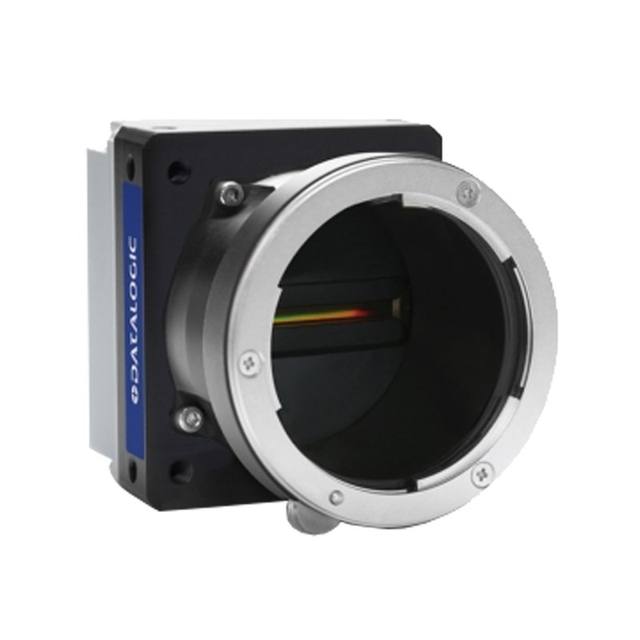
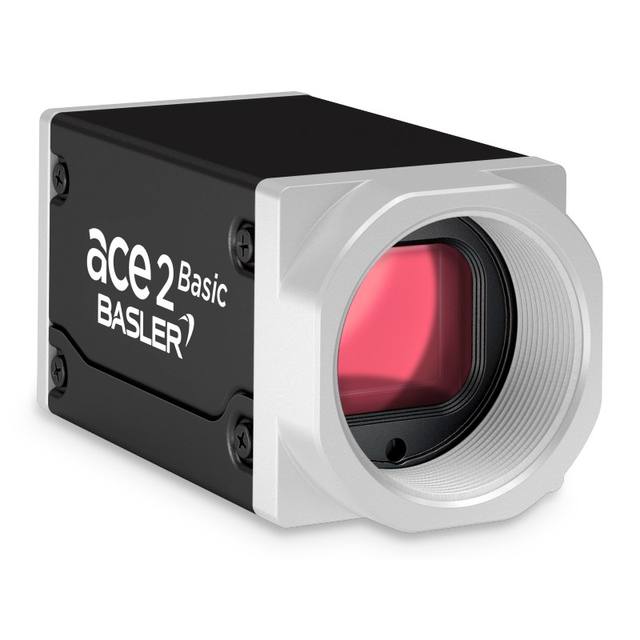
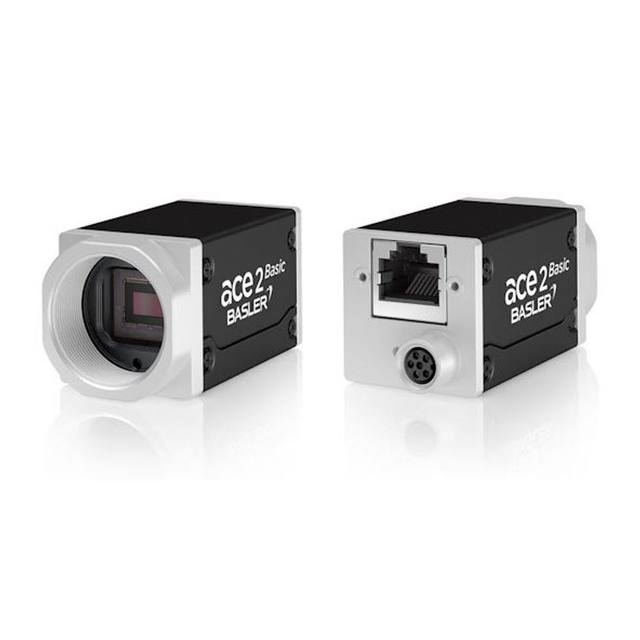
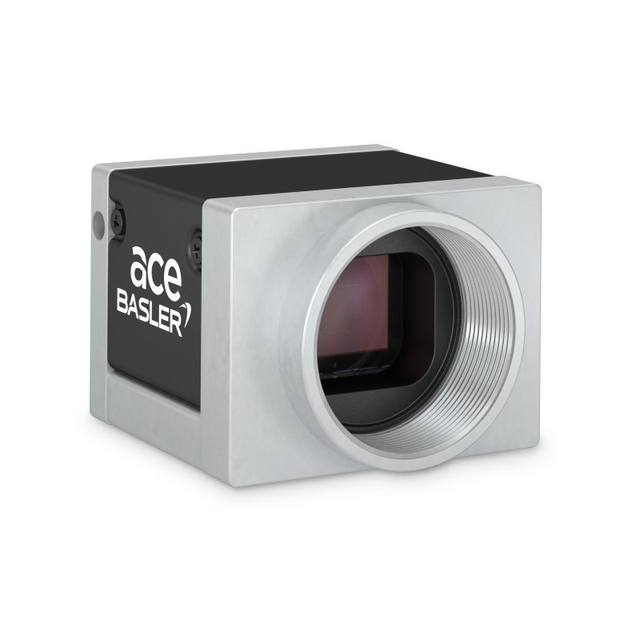
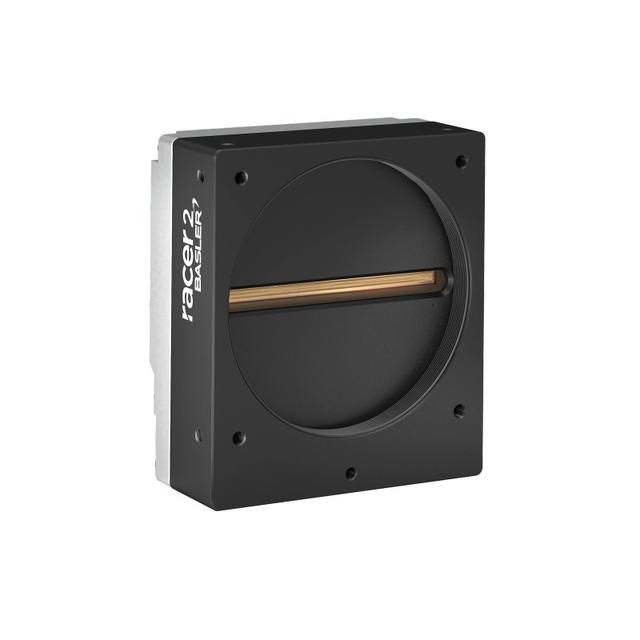
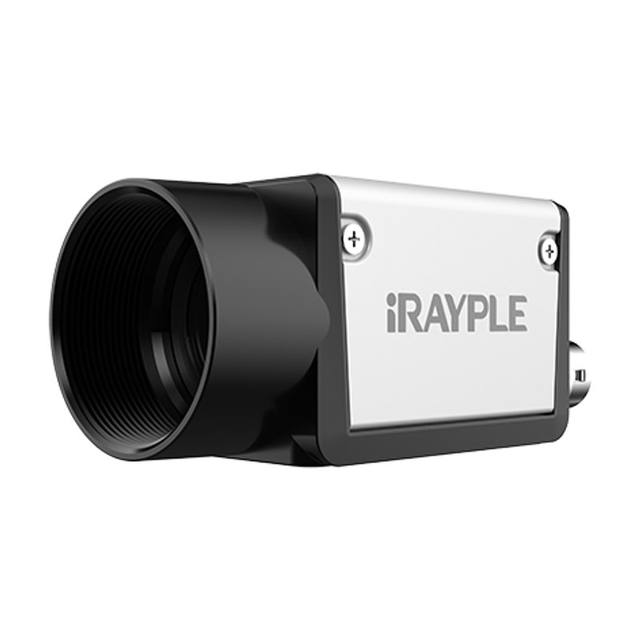
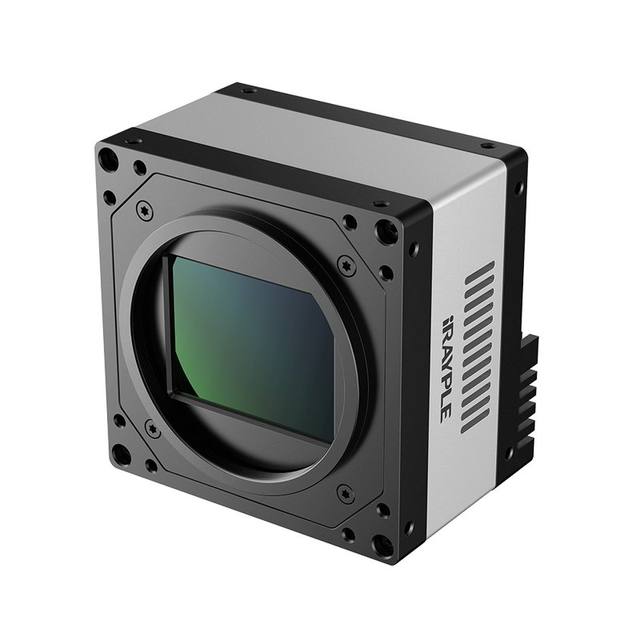
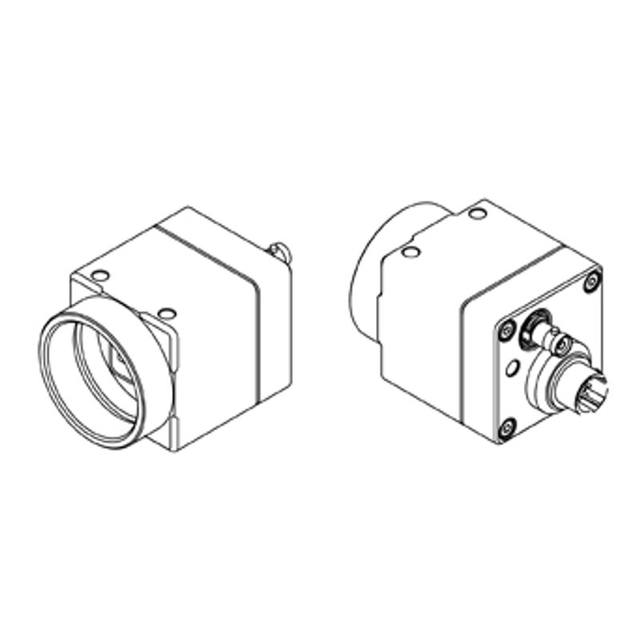
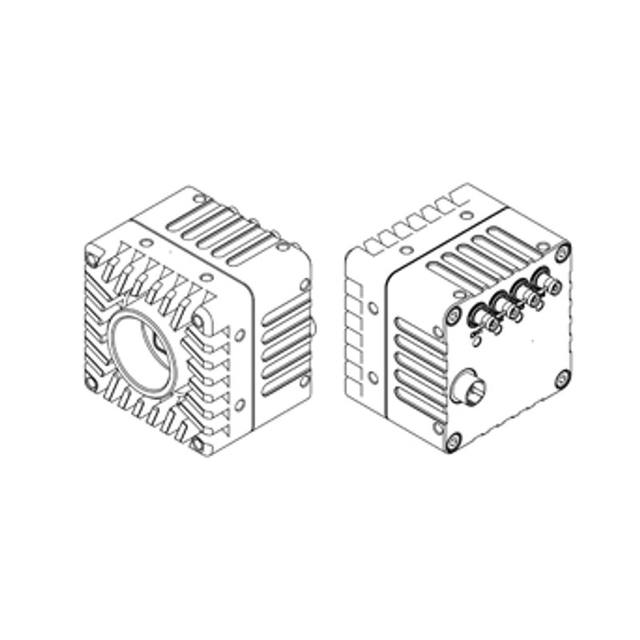
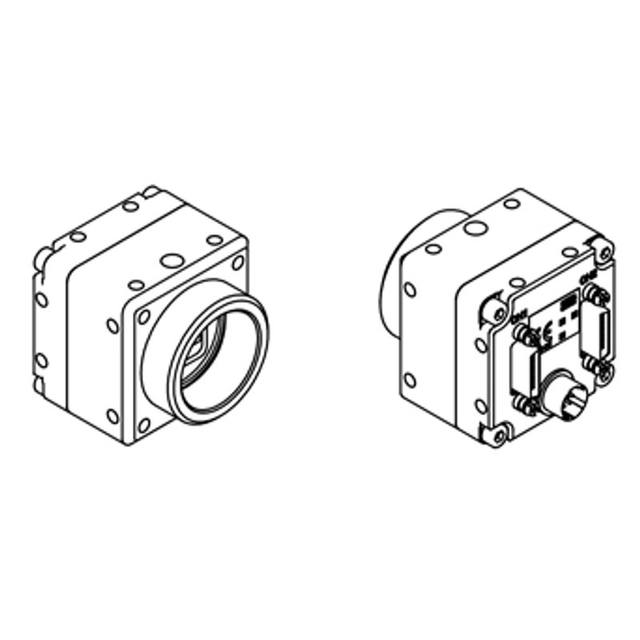
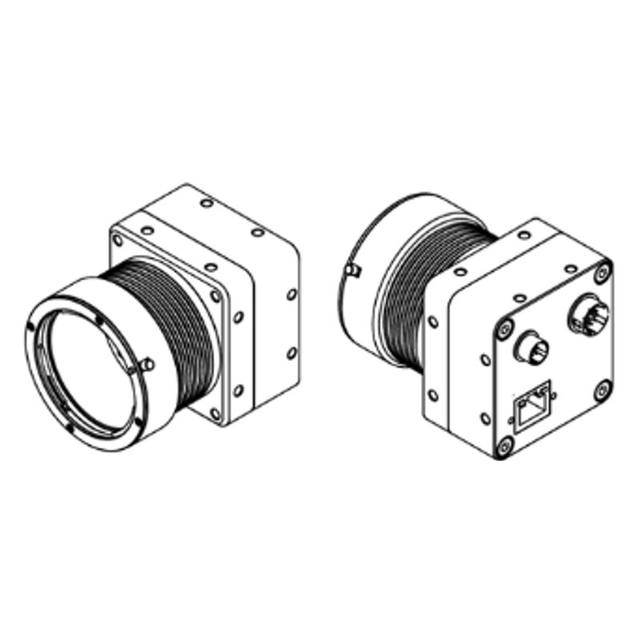
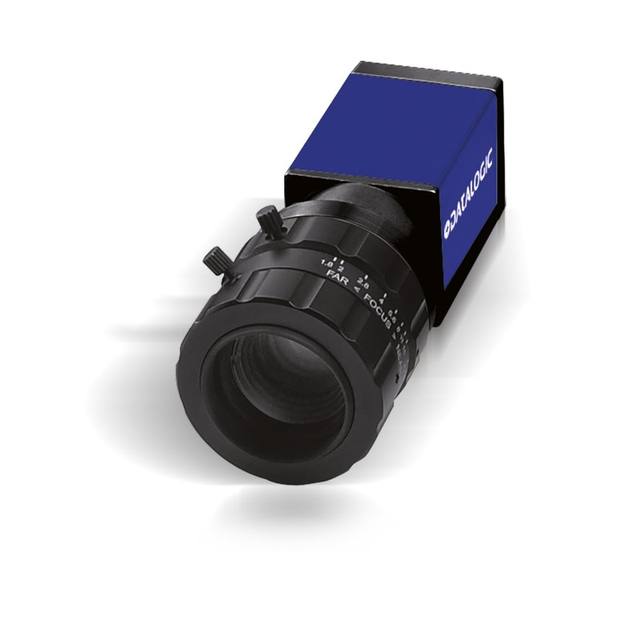
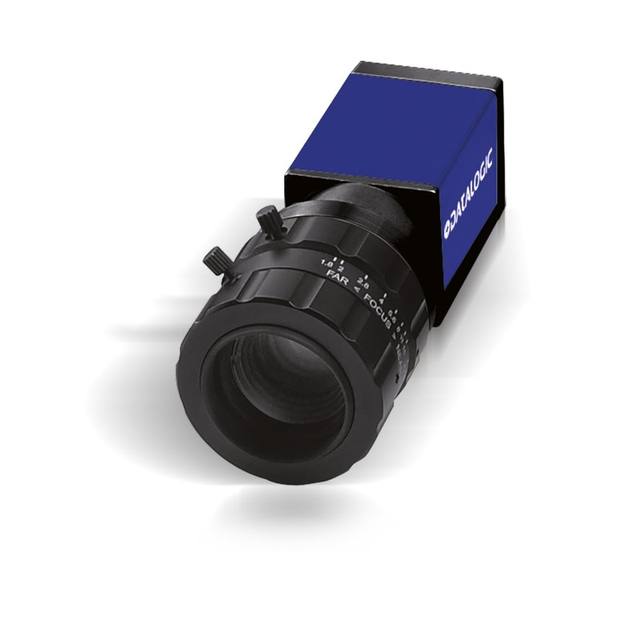
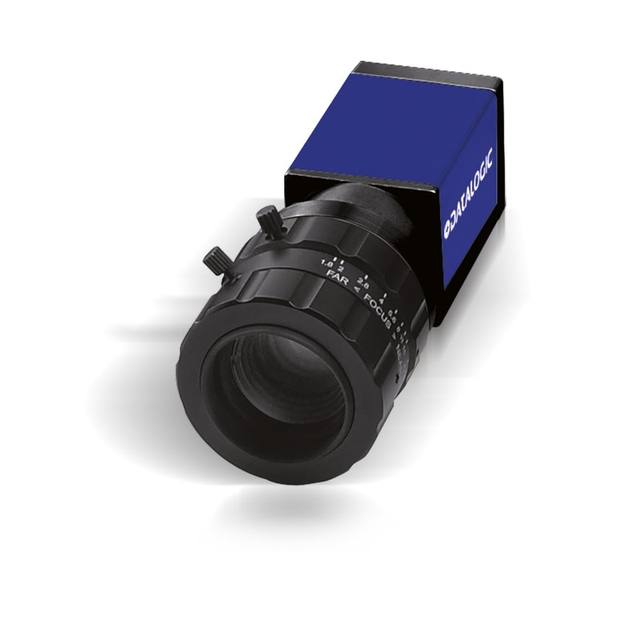
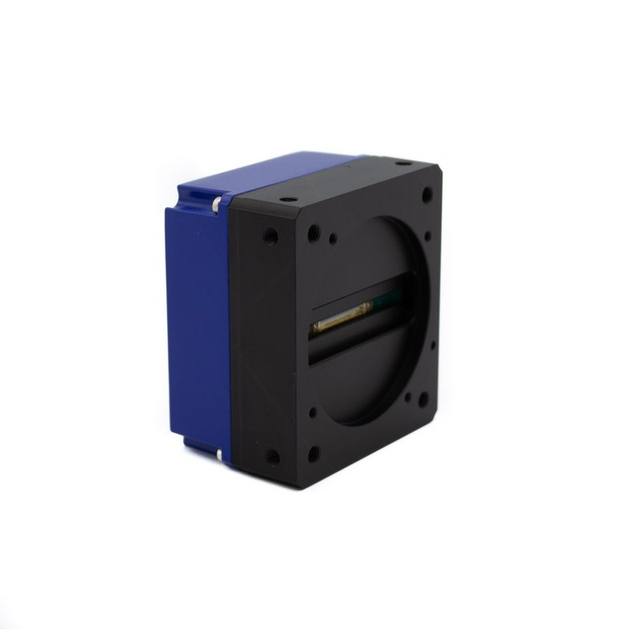
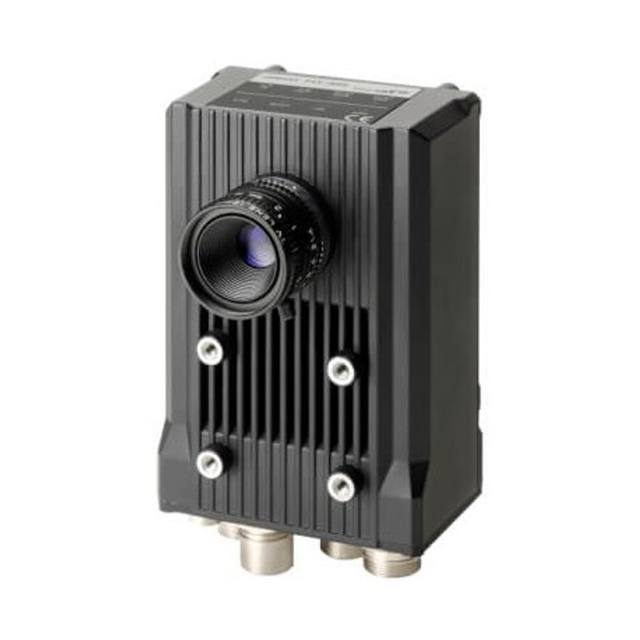
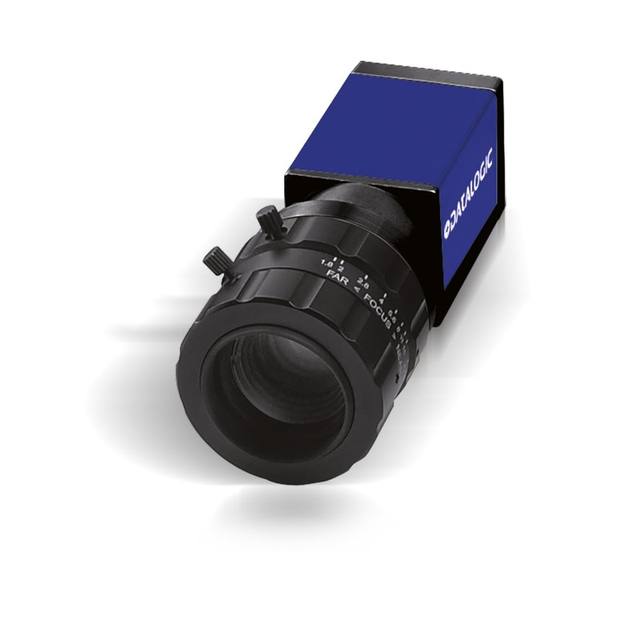
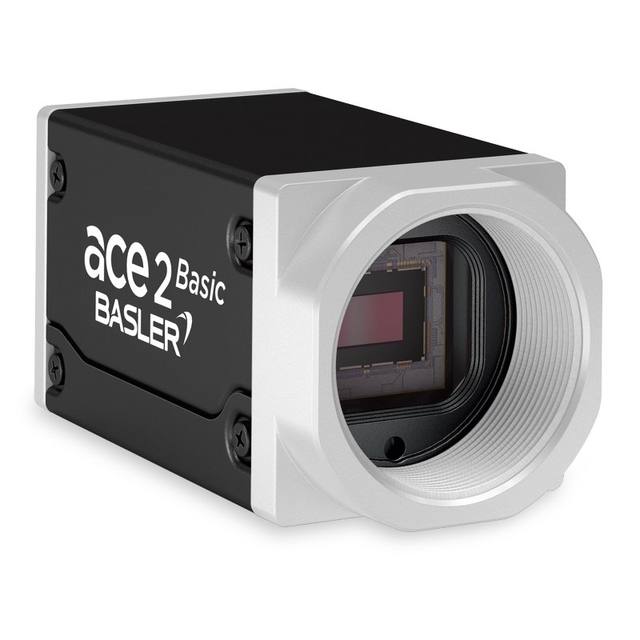
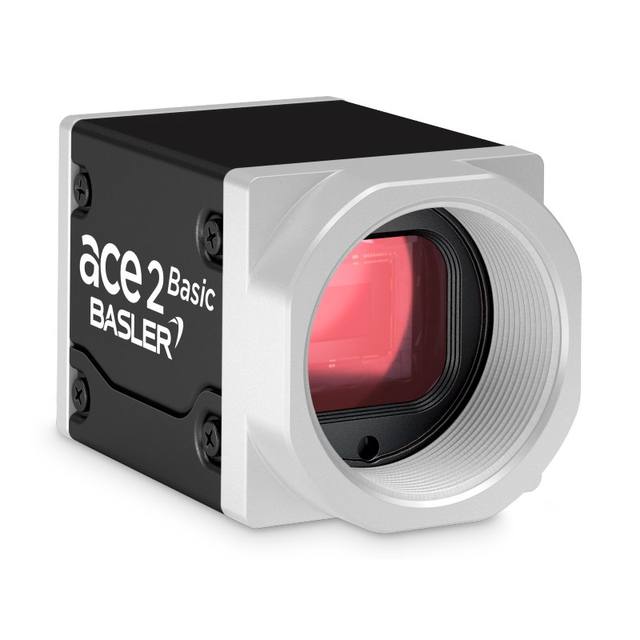
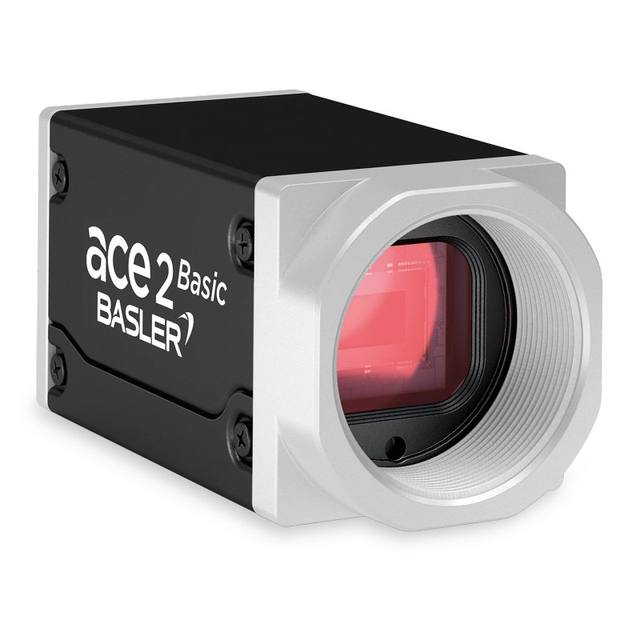
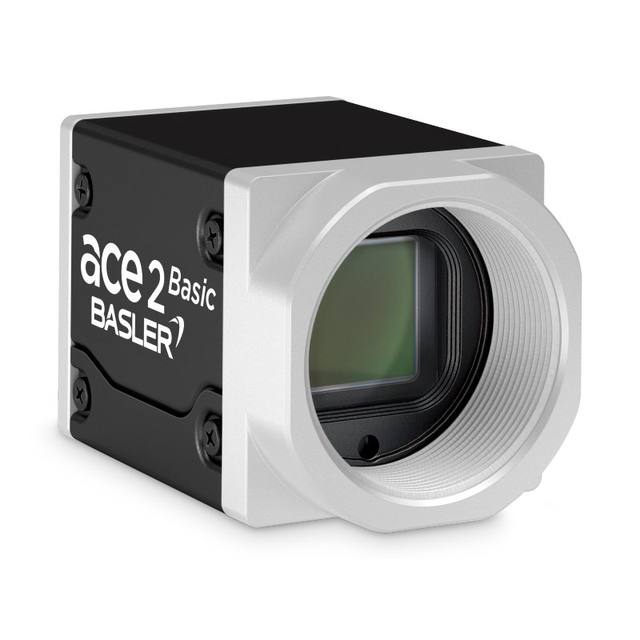
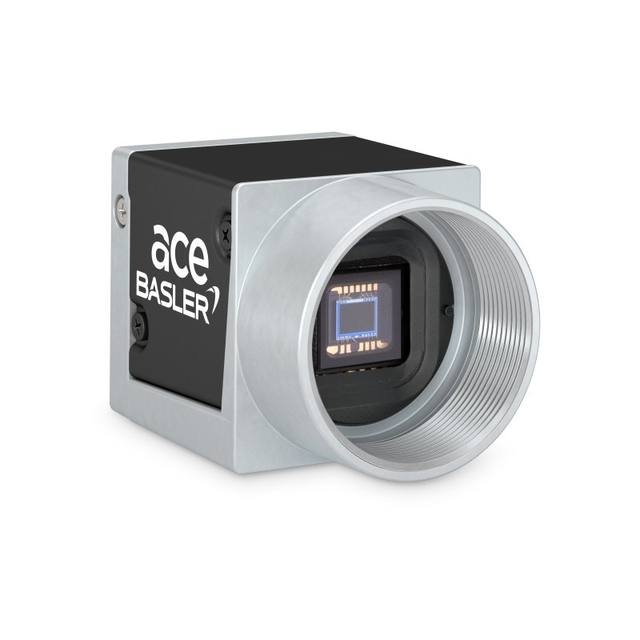
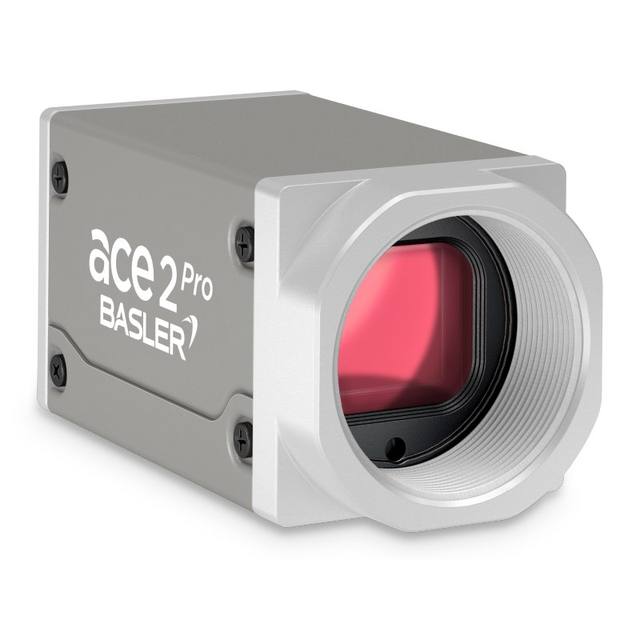
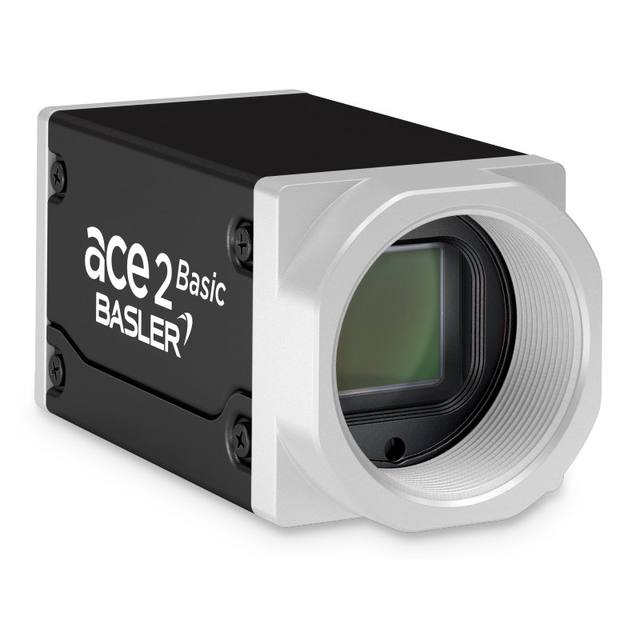
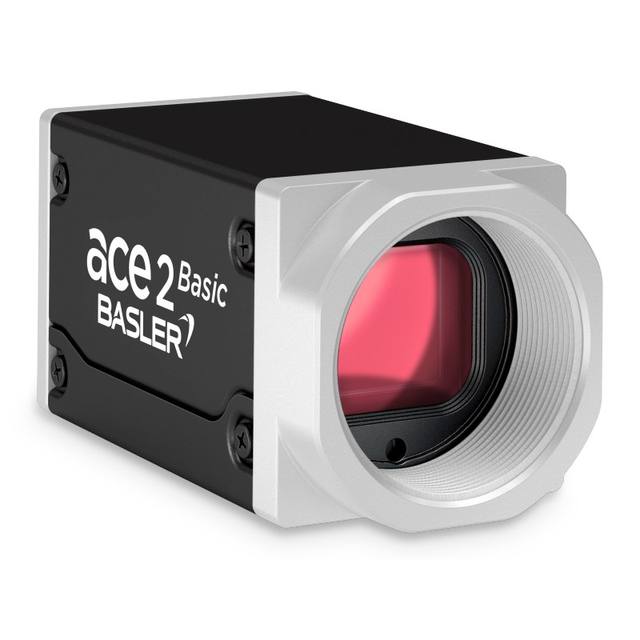
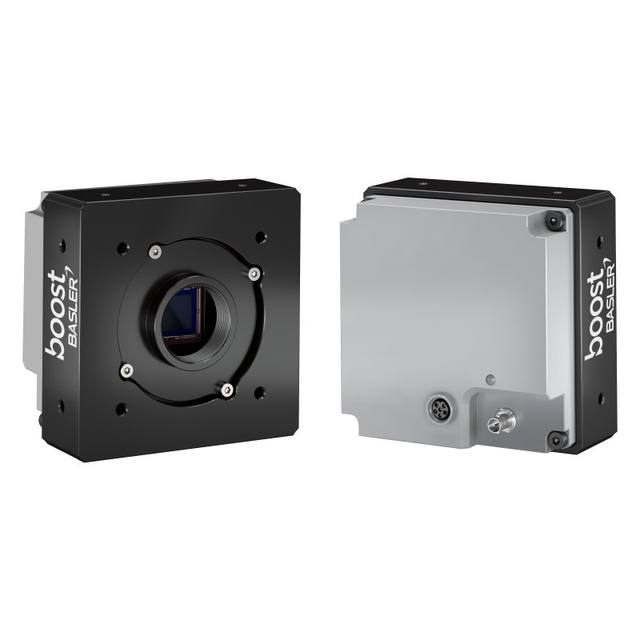
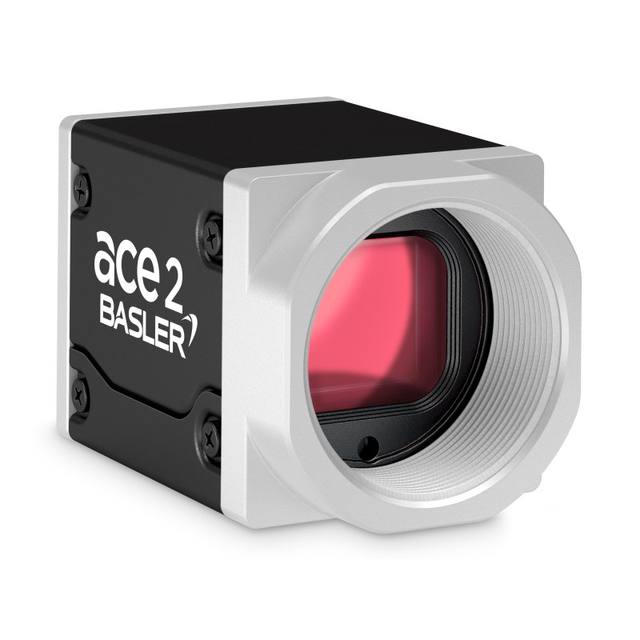
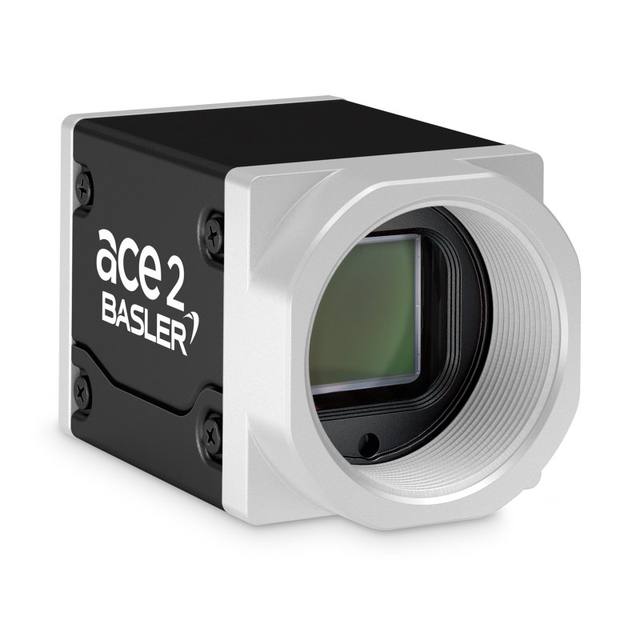
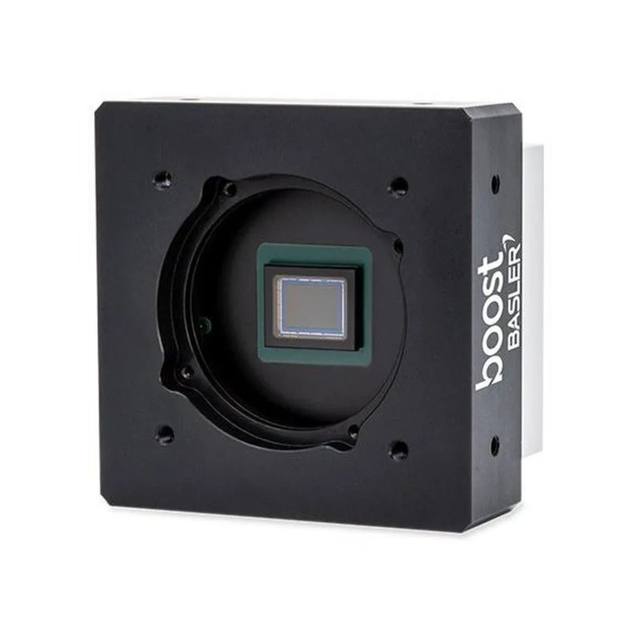
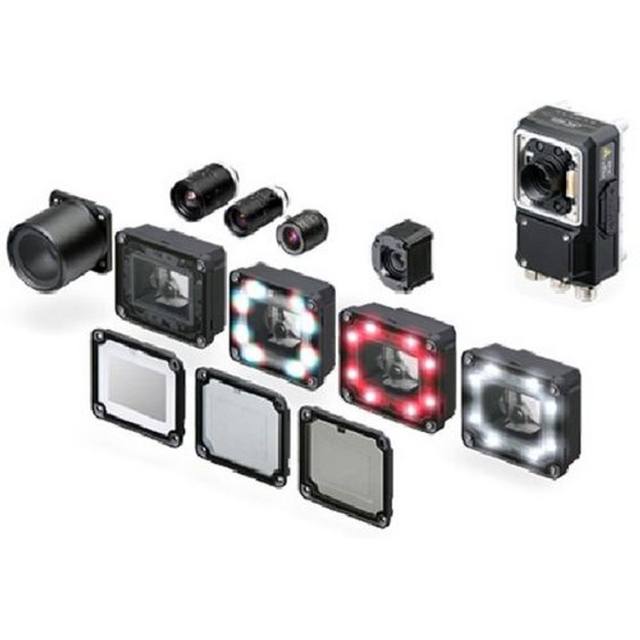
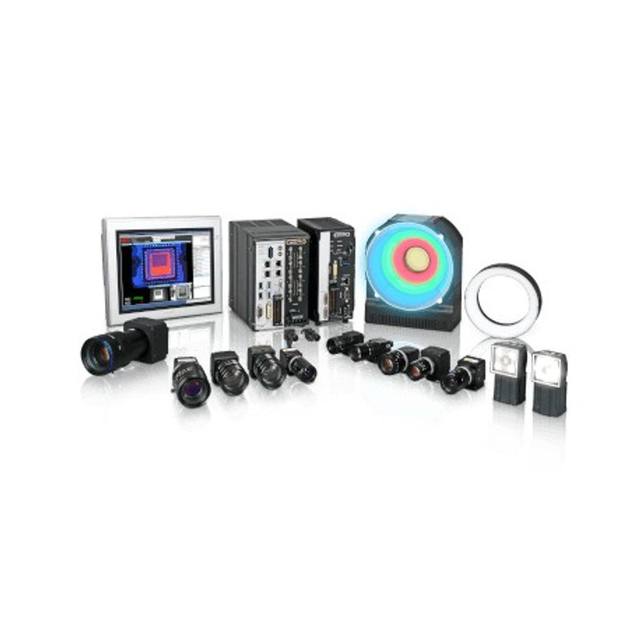
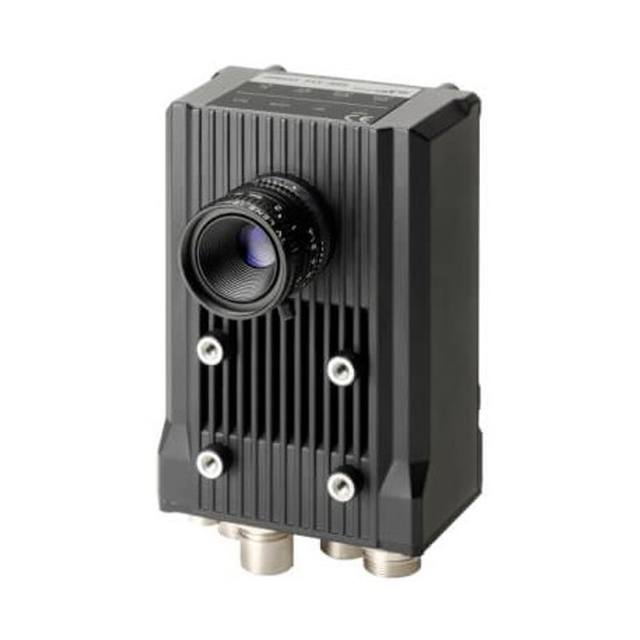
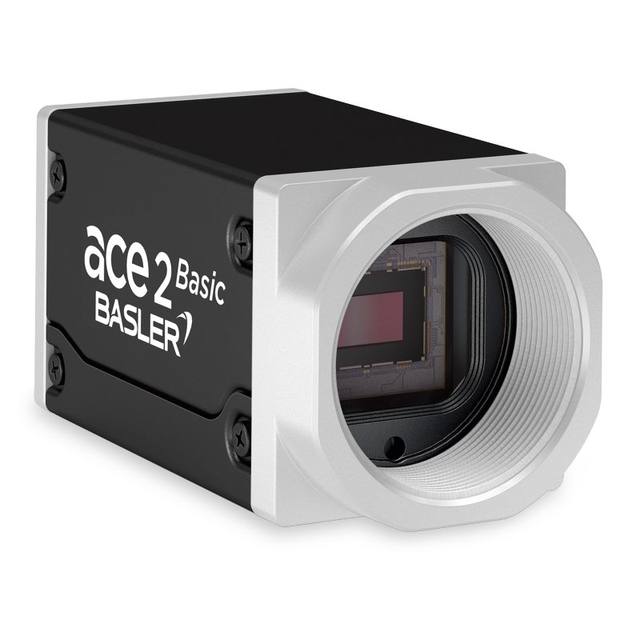
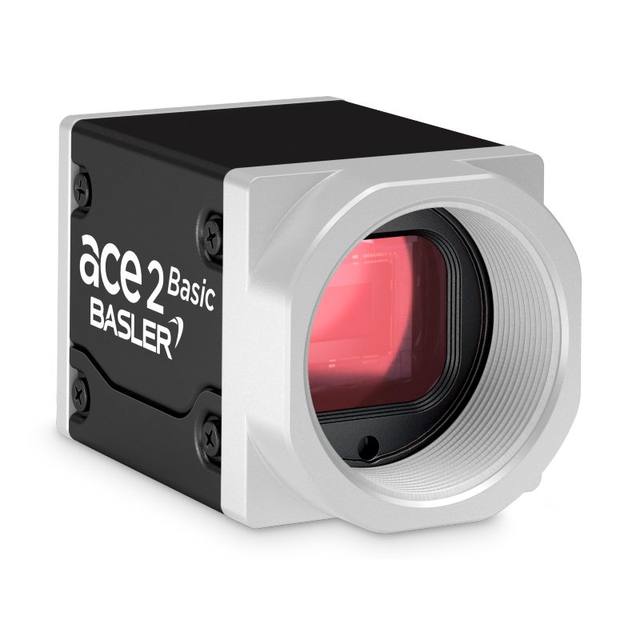
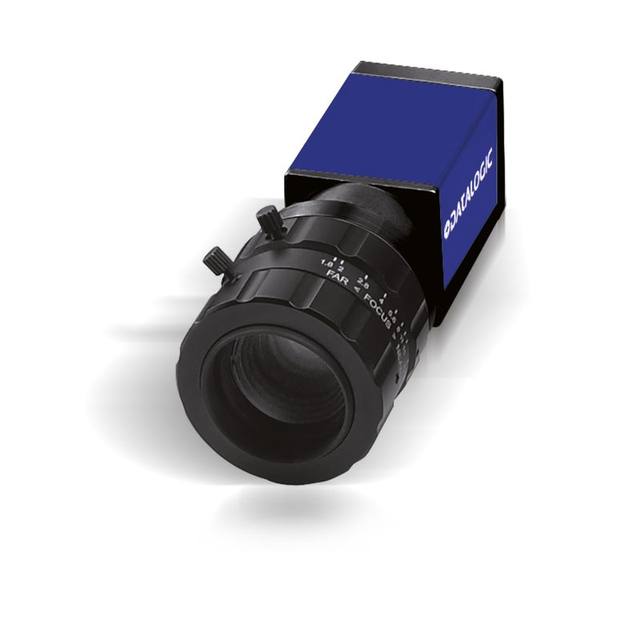
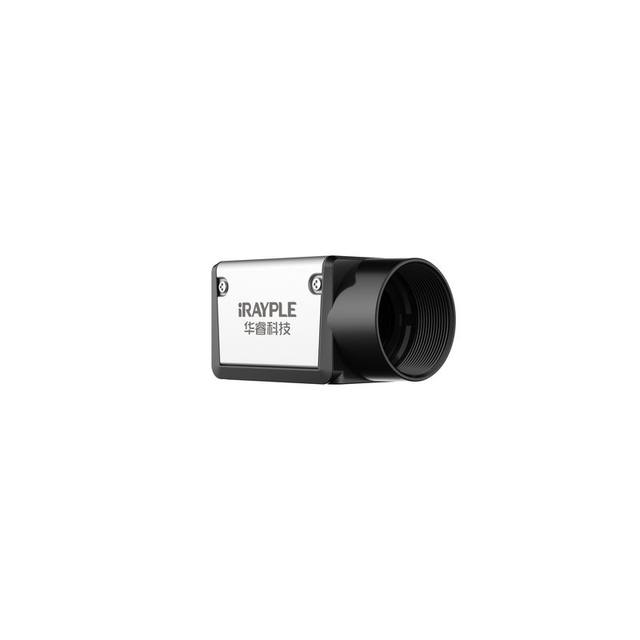
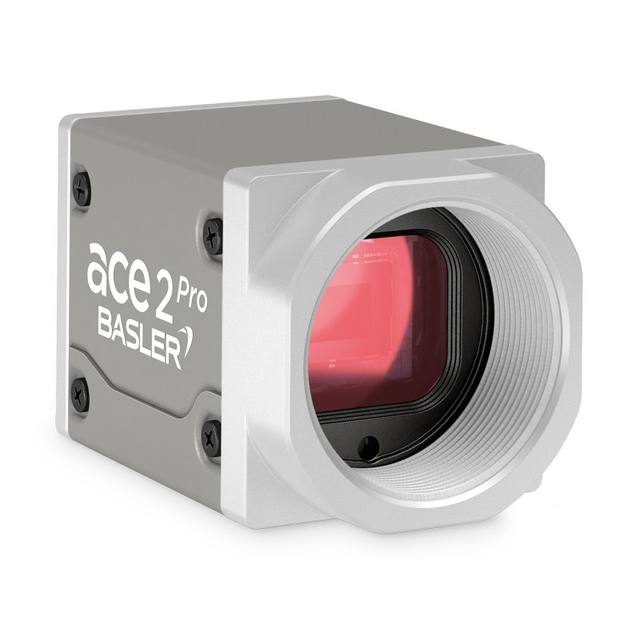
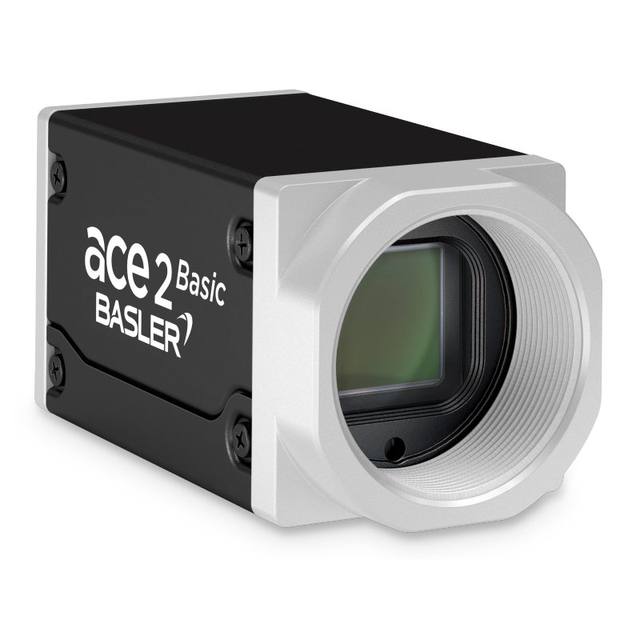
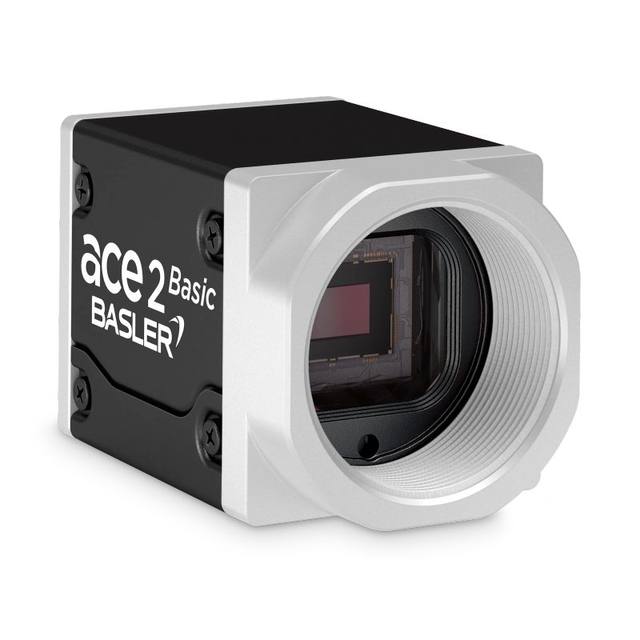
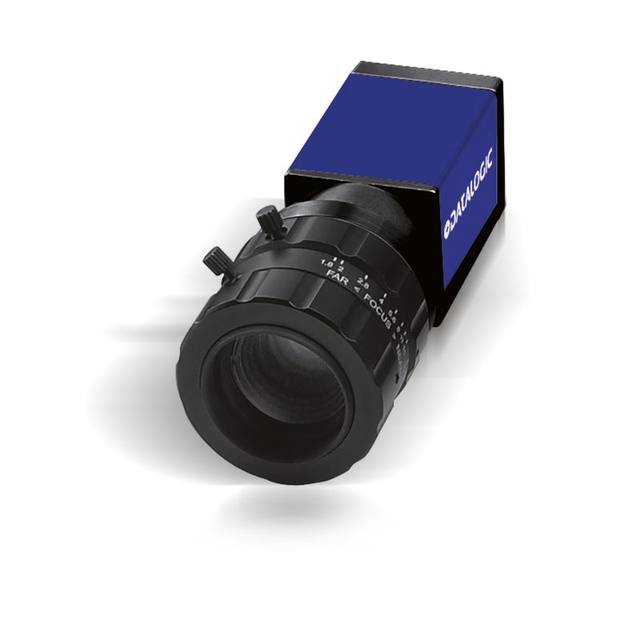
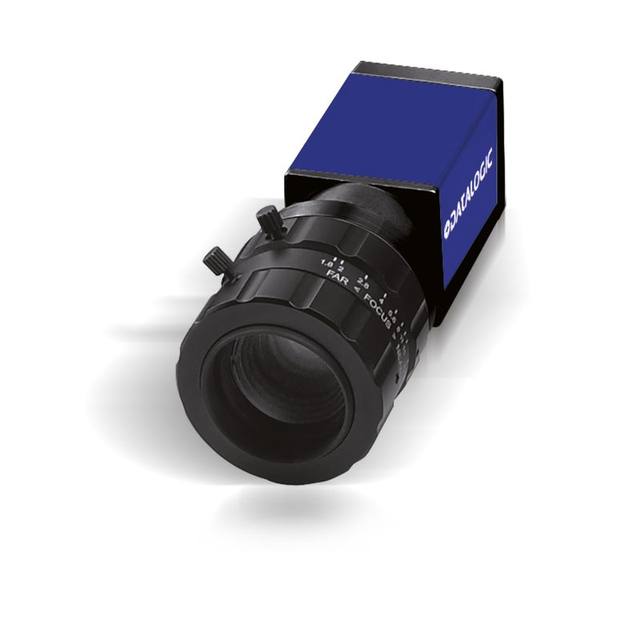
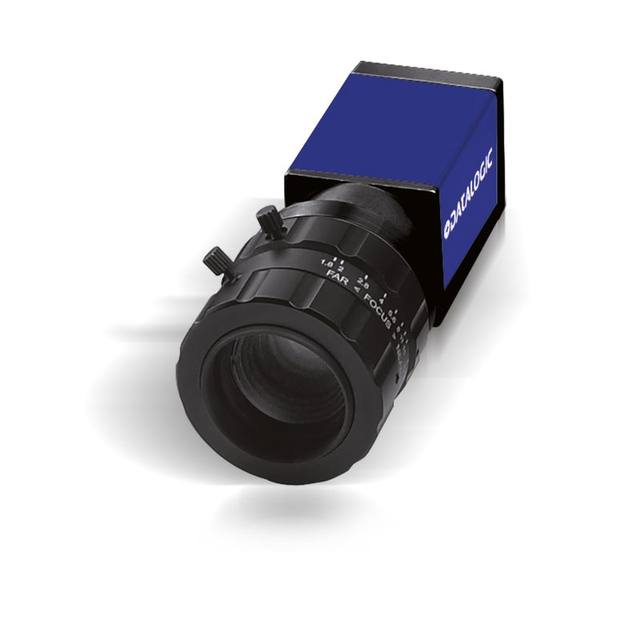
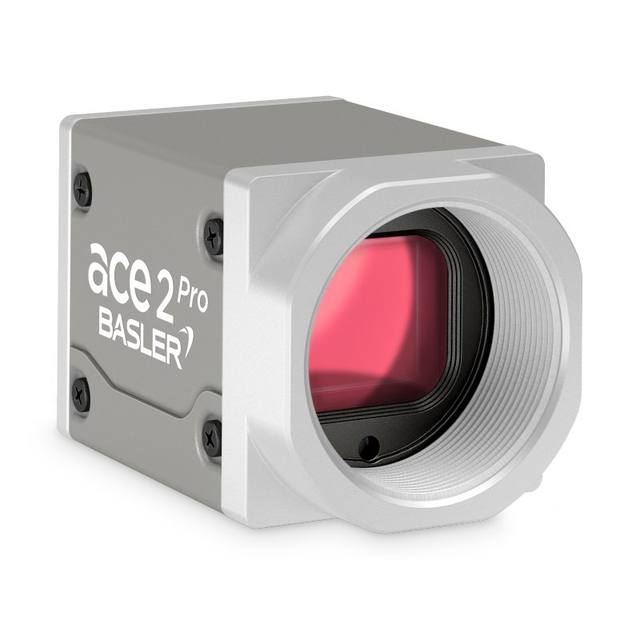
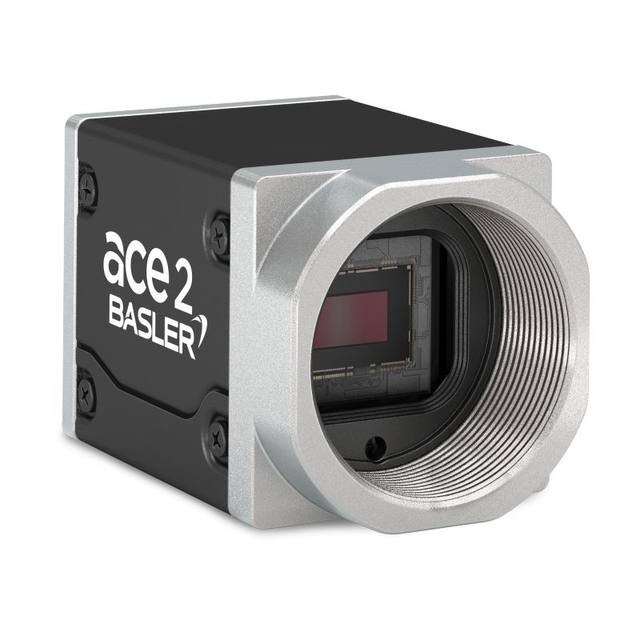
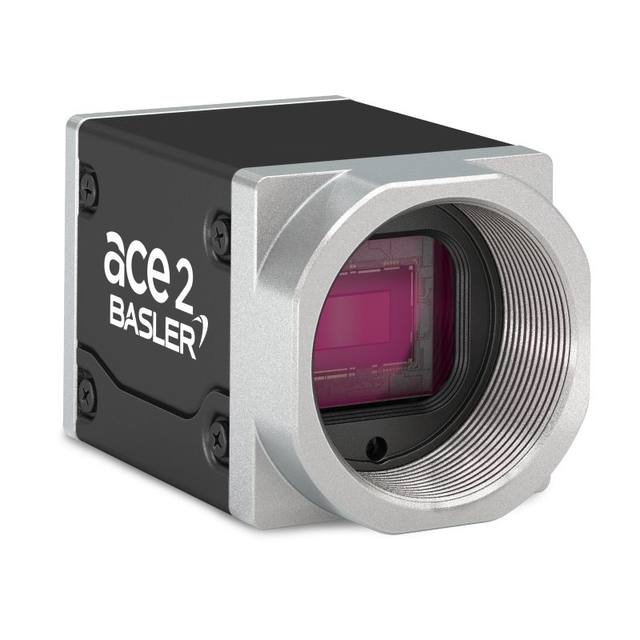
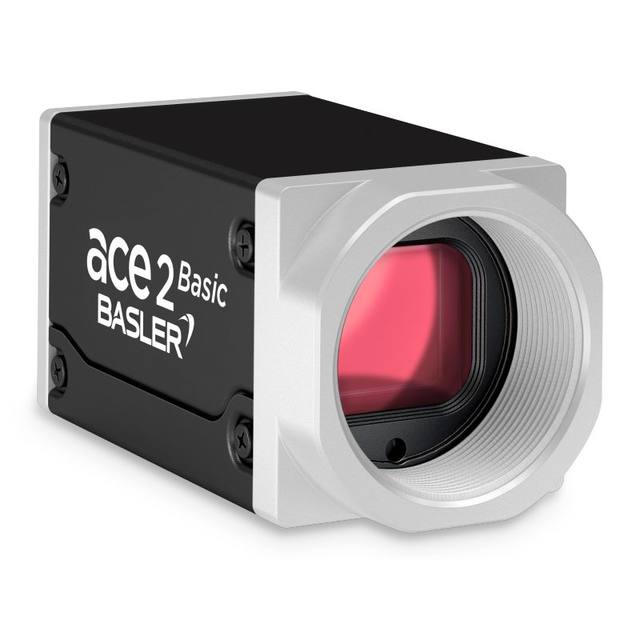
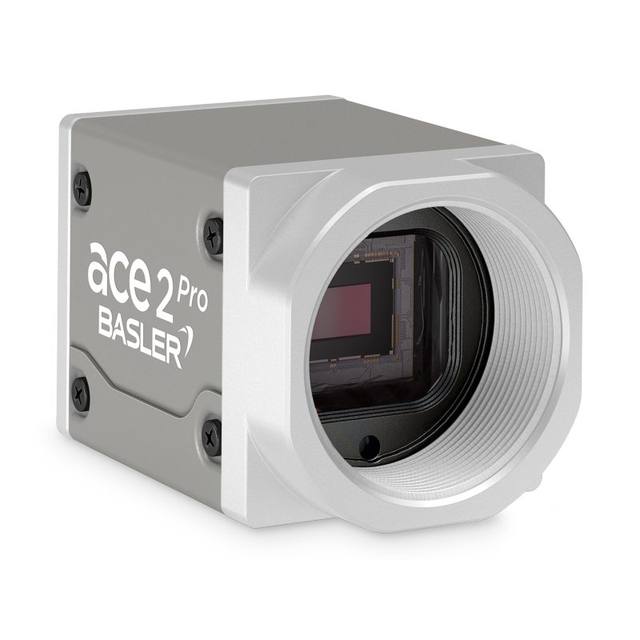
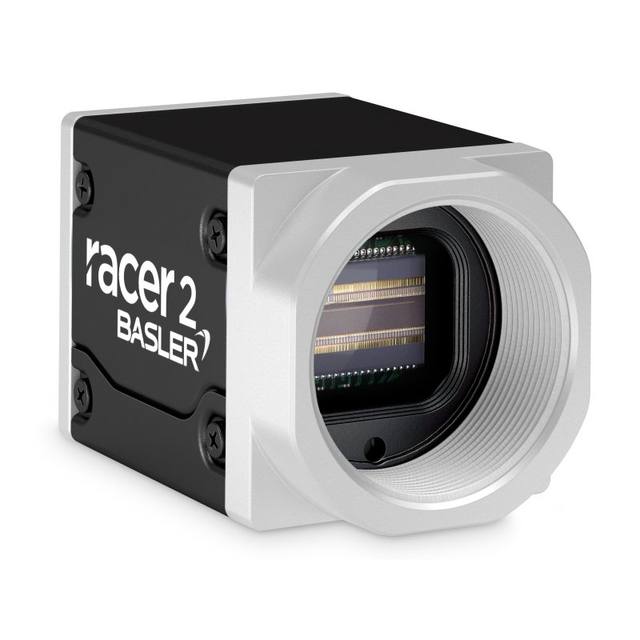
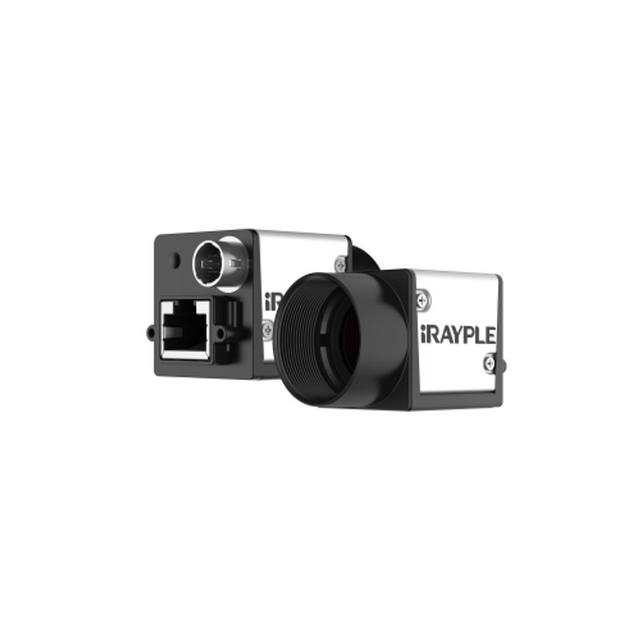
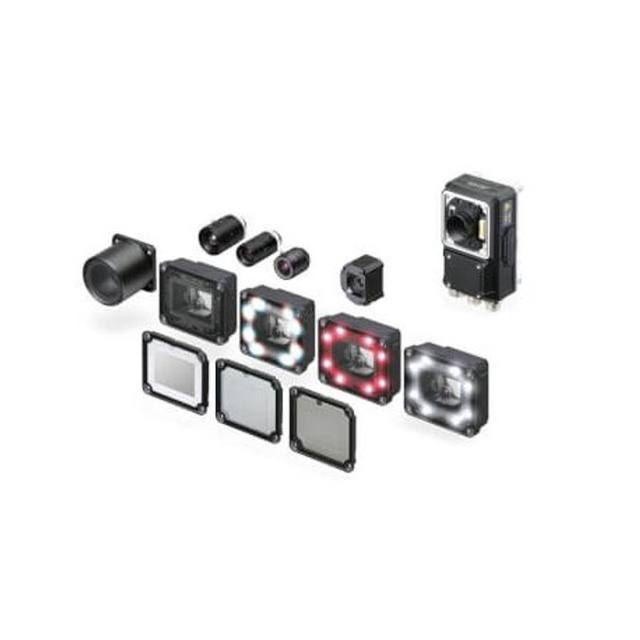
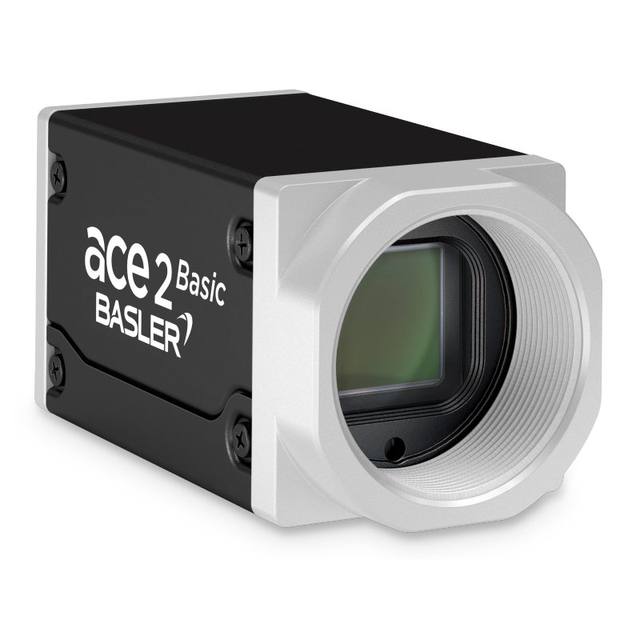
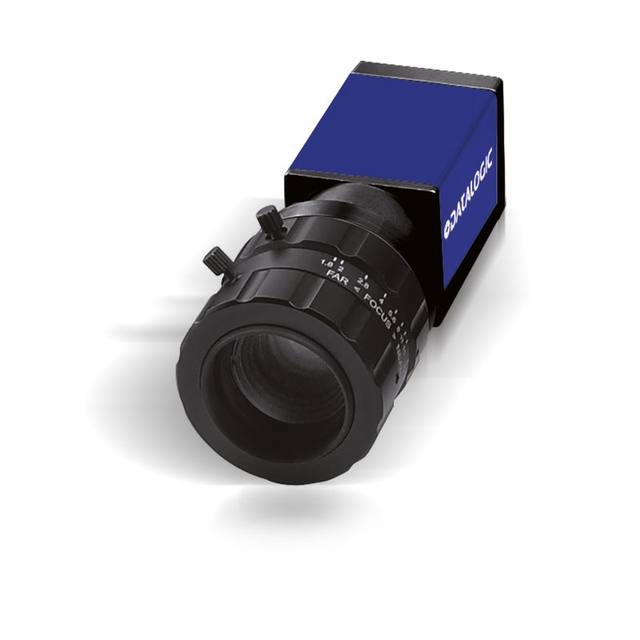
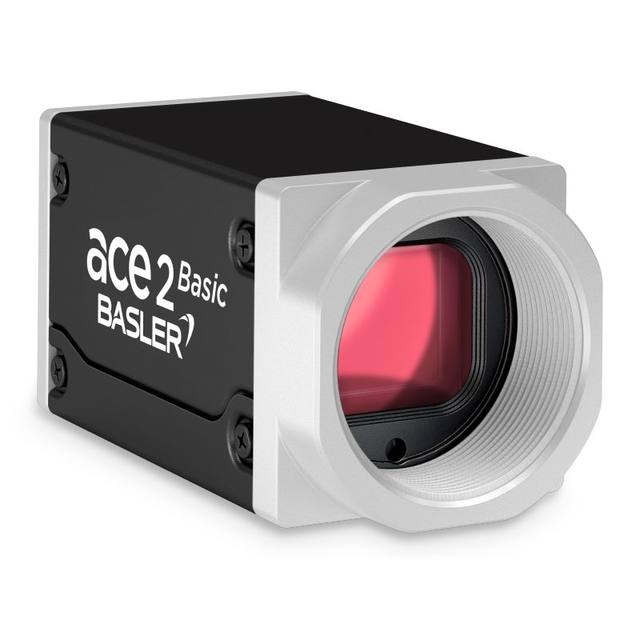
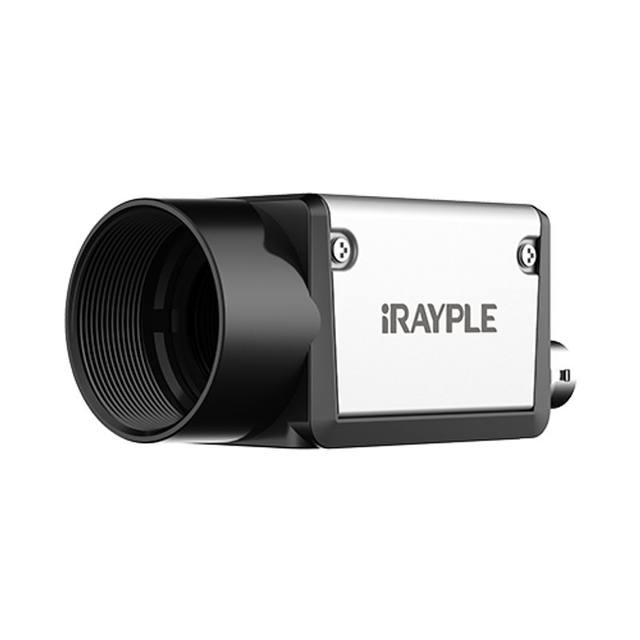
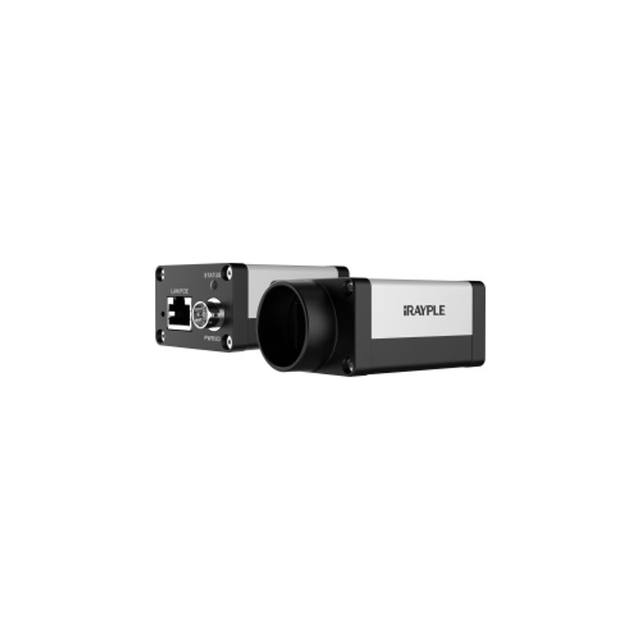
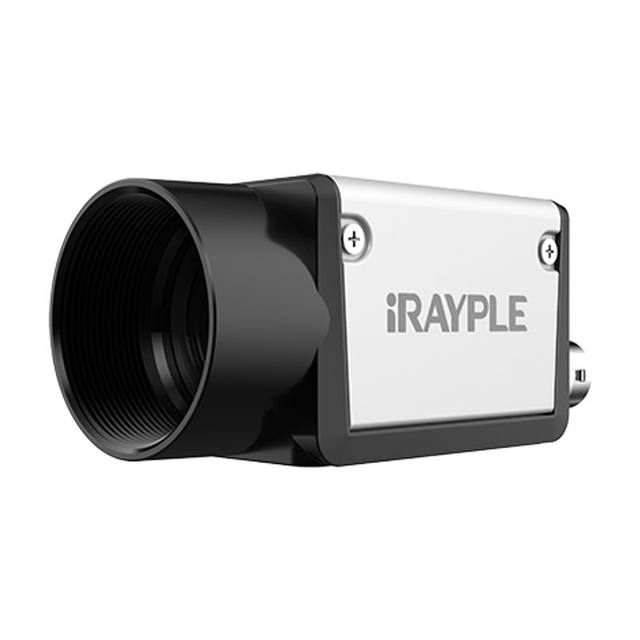
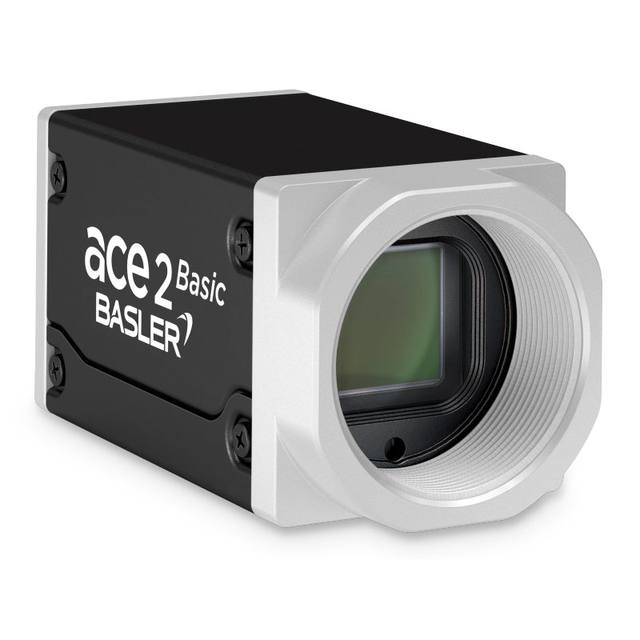
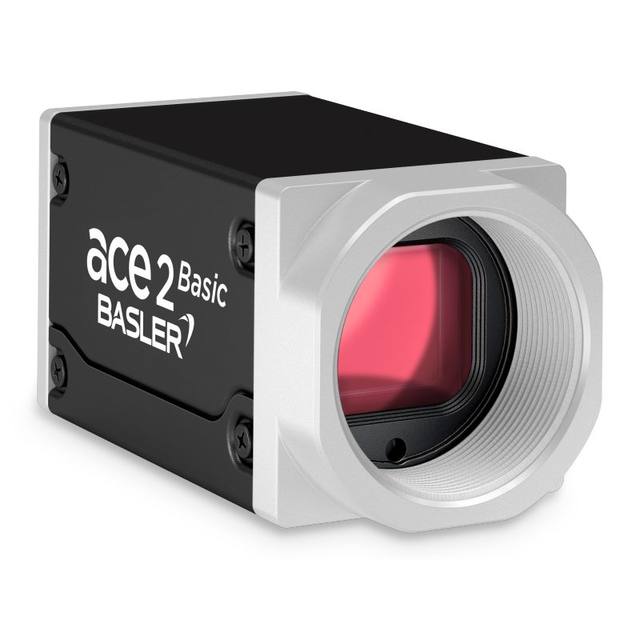
For decoding on the line, an image-based code reader is the right tool in the large majority of cases. Unlike laser scanners, image-based readers handle 1D and 2D symbols, tolerate damaged or low-contrast codes, read in any orientation, and capture an image you can archive for traceability and no-read diagnosis. They package a sensor, optics, integrated lighting and decoding software in one rugged housing with industrial I/O and fieldbus connectivity, so they drop into a PLC-controlled line with minimal integration effort. For higher pixel counts, very high speeds, or multi-camera tunnels, a PC-based setup using an industrial camera and a frame grabber with a software decoding library gives you more headroom — the classic smart-camera-versus-PC-based trade-off applies directly here.
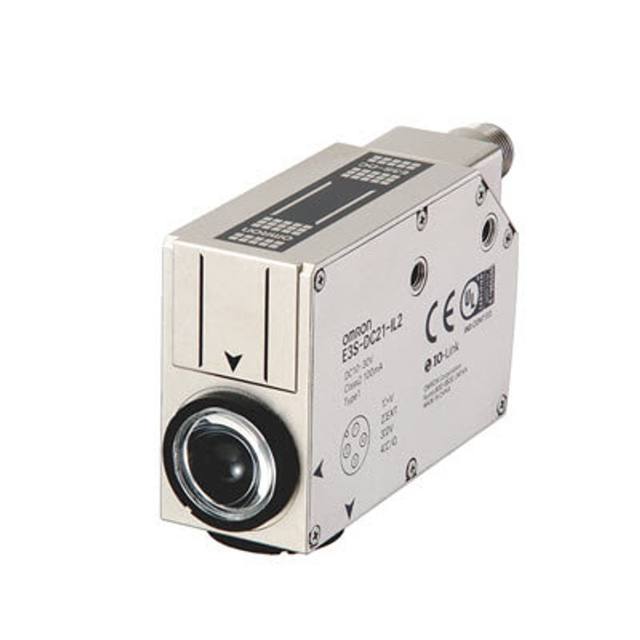
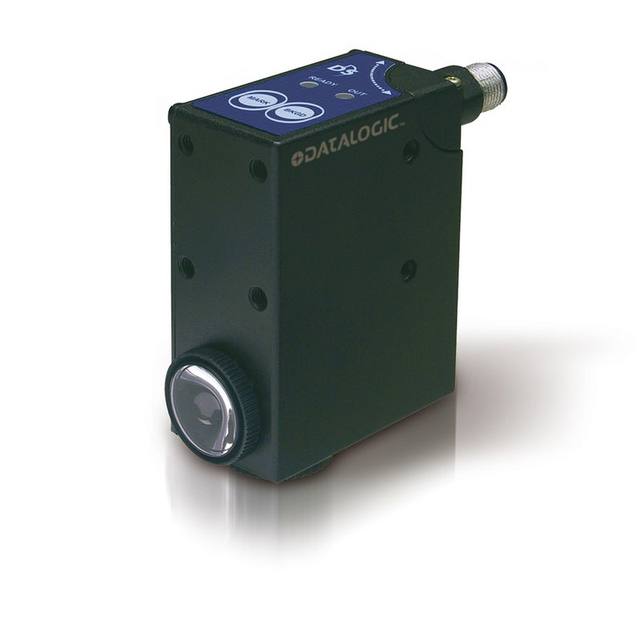
Verification is a separate, more rigorous task. A code verifier measures print quality against the relevant ISO/IEC standard — ISO/IEC 15416 for linear barcodes and ISO/IEC 15415 for 2D symbols — and, where required, against application standards such as GS1 or the pharmaceutical guidelines. Verification depends on controlled, standardised illumination geometry and a calibrated optical setup, which is why a verifier is not simply a 'good reader'. Use a verifier when you must prove and document mark quality, validate a new printer or marking process, or satisfy a customer or regulatory requirement; use a reader for in-line decoding throughput.
Lighting is what decides the read rate
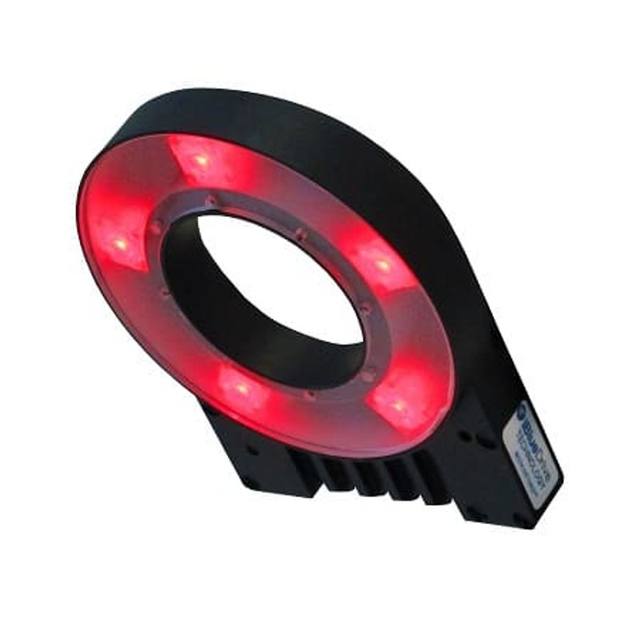
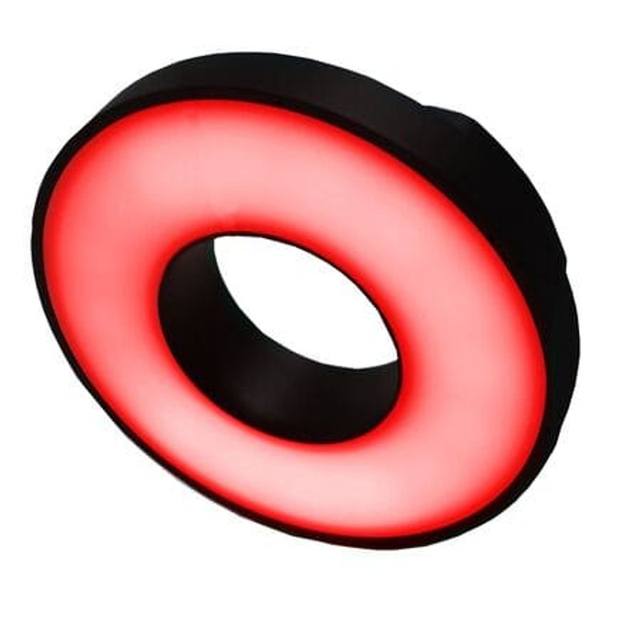
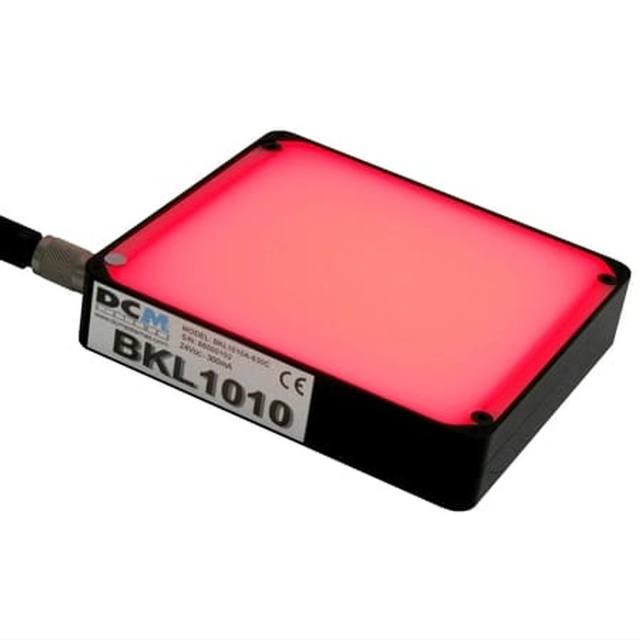
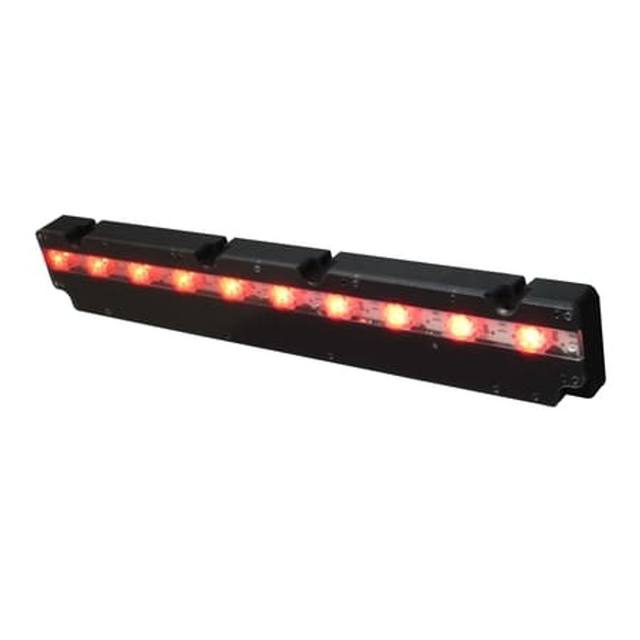
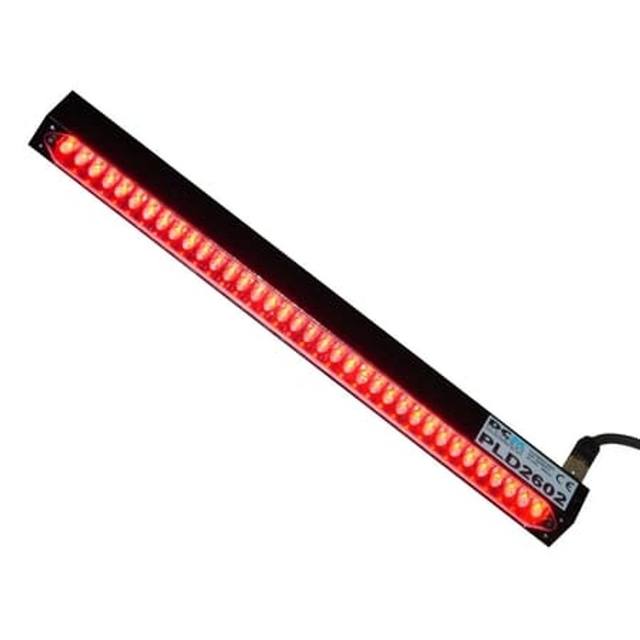
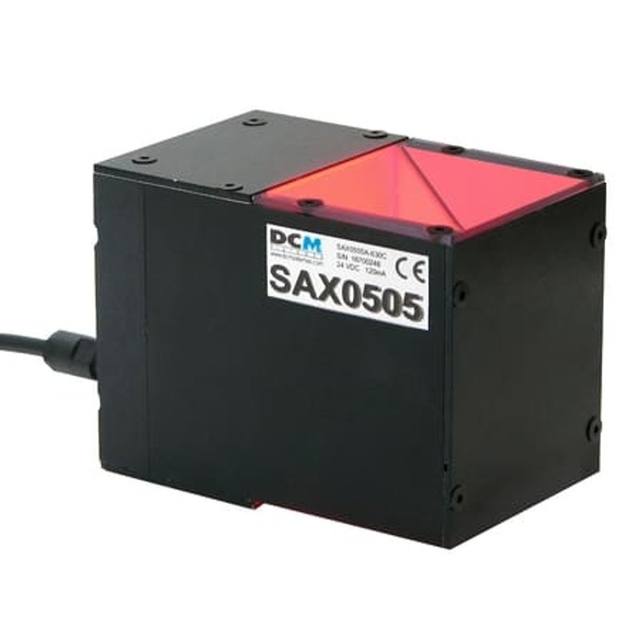
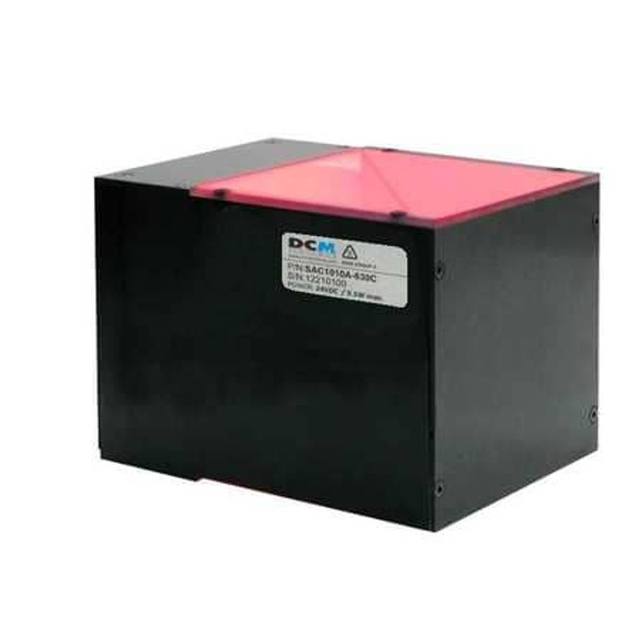
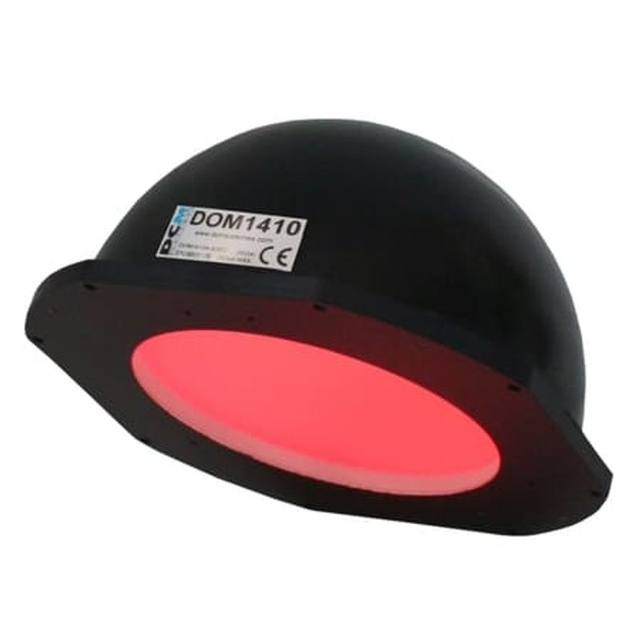
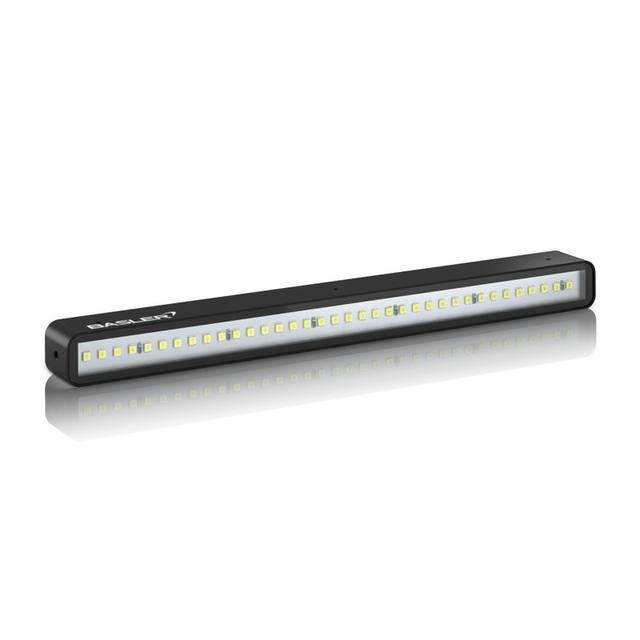
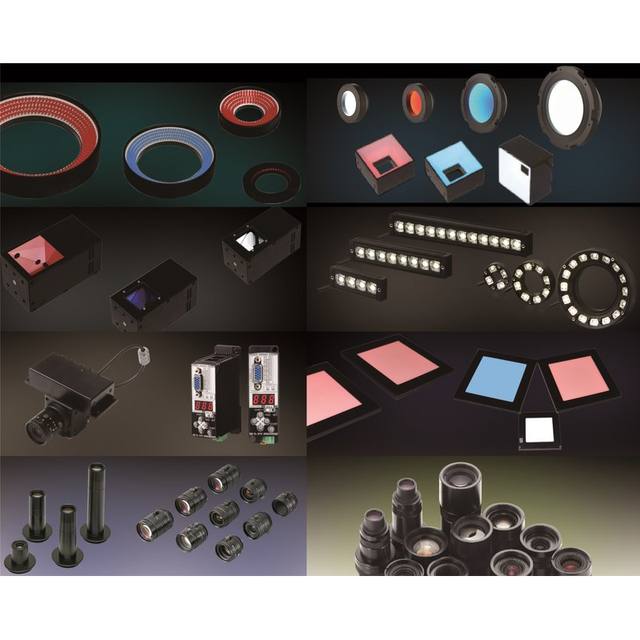
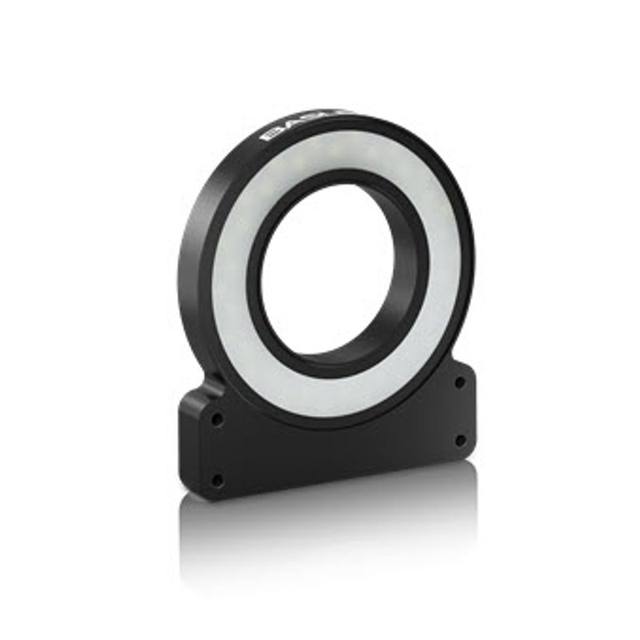
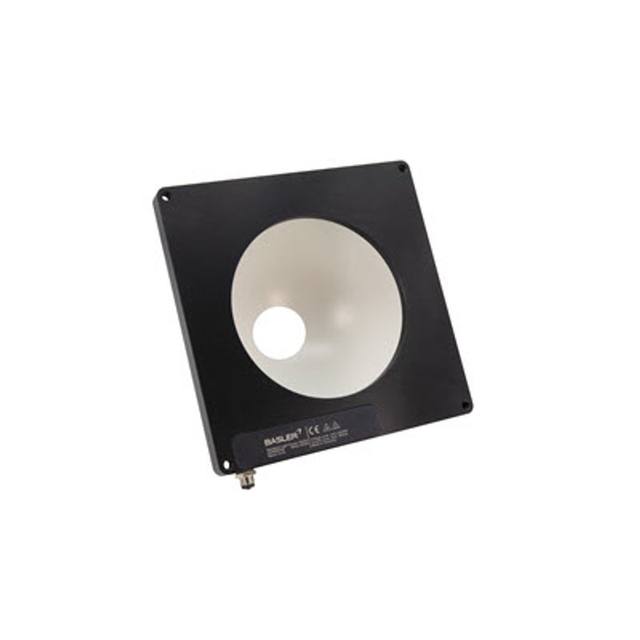
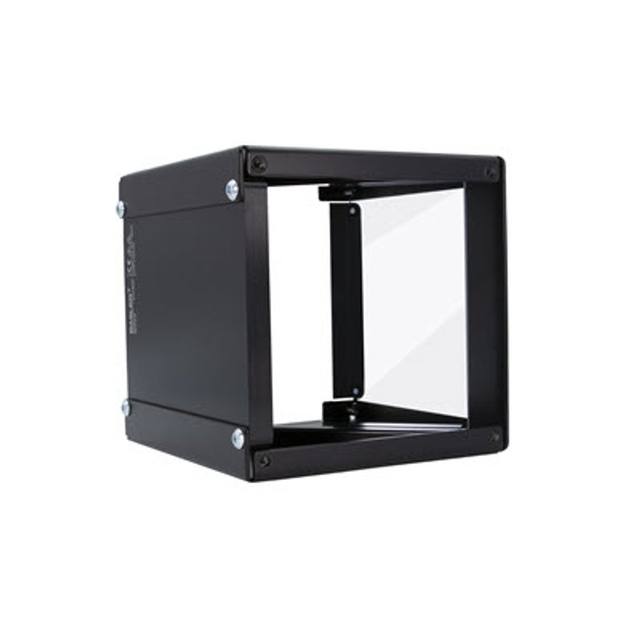
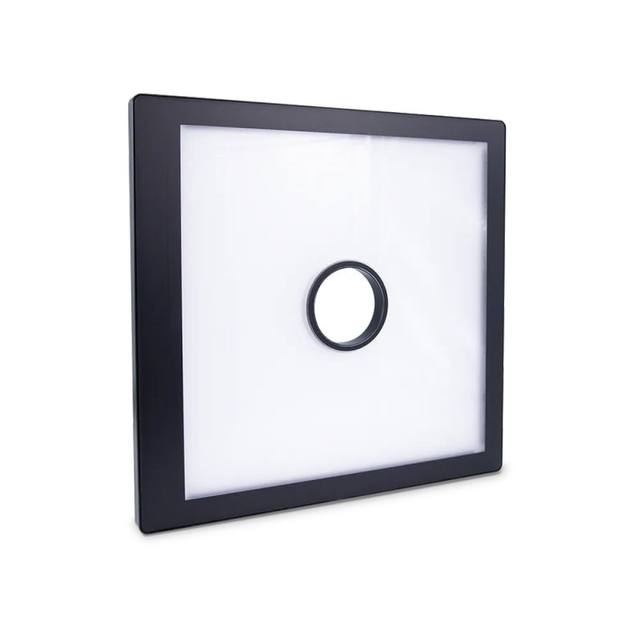
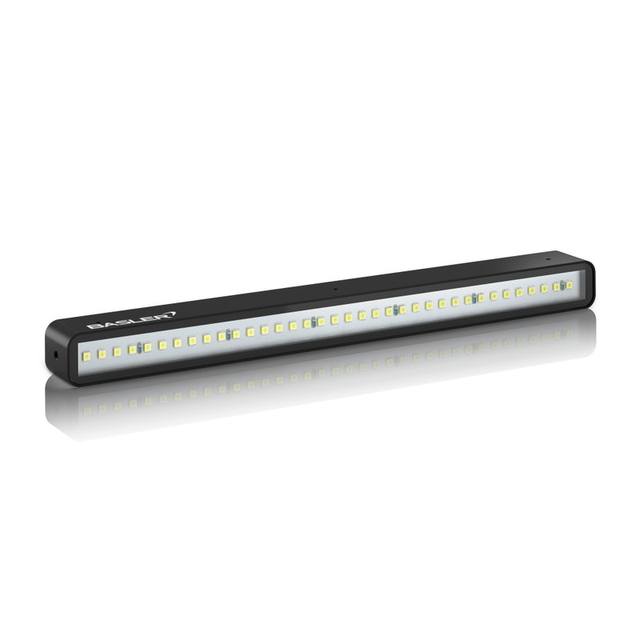
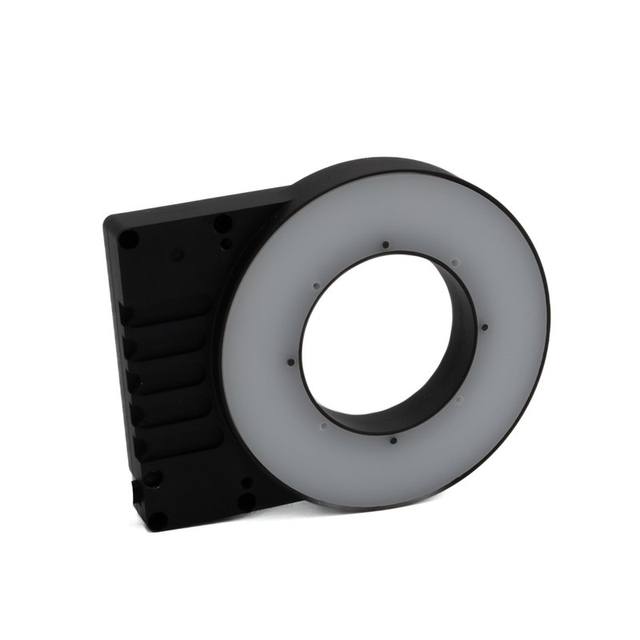
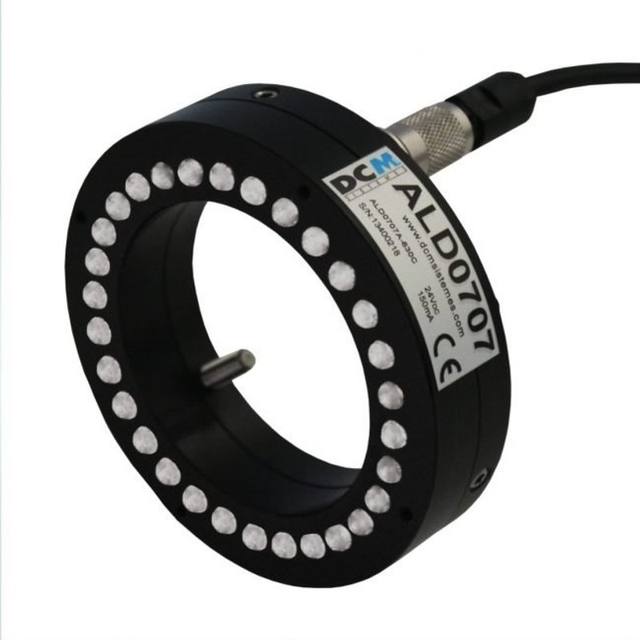
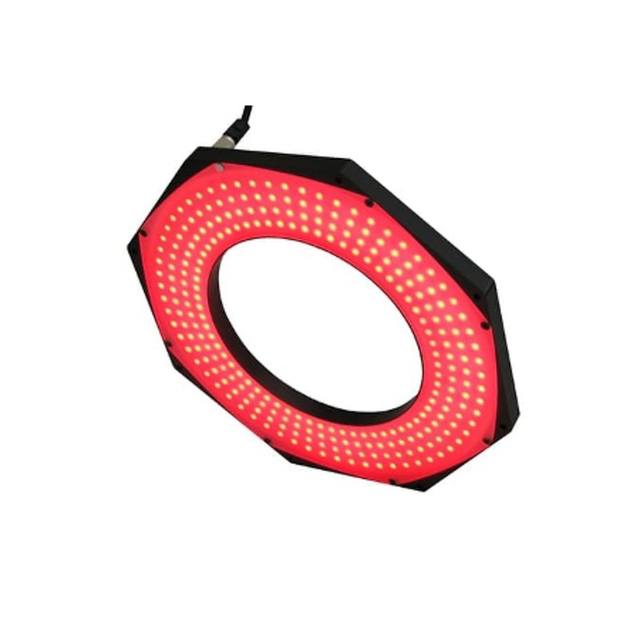
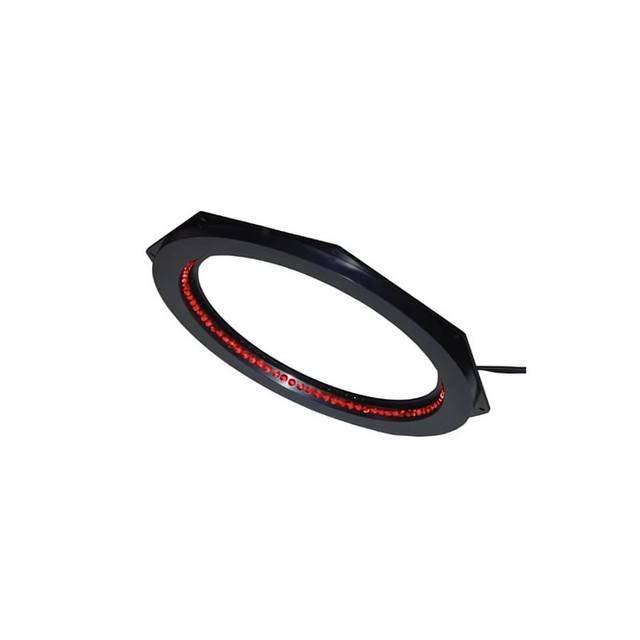
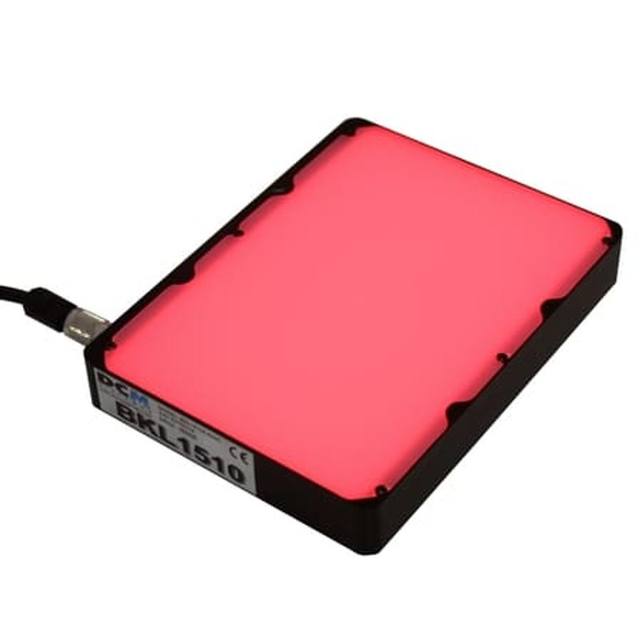
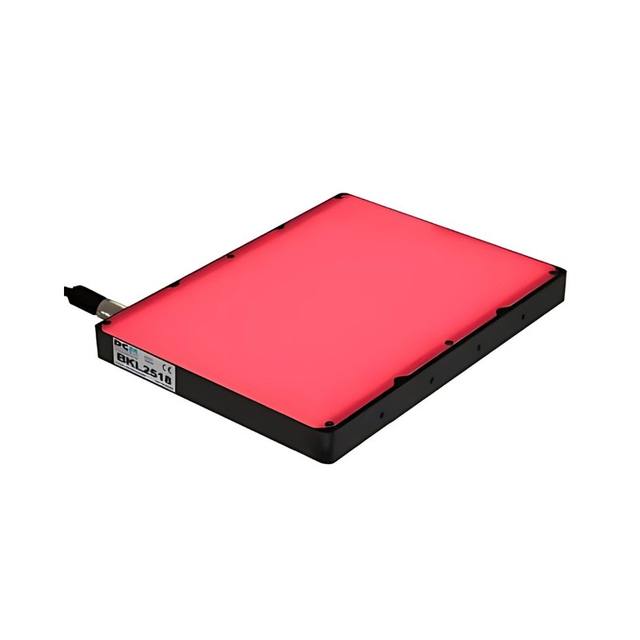
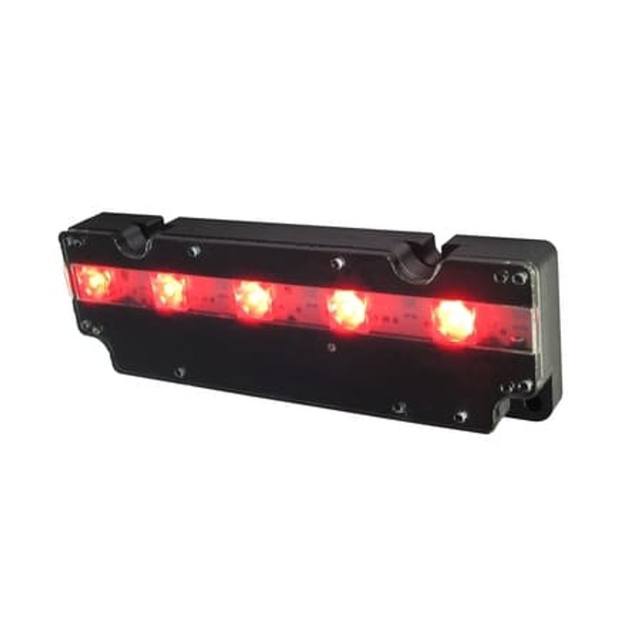
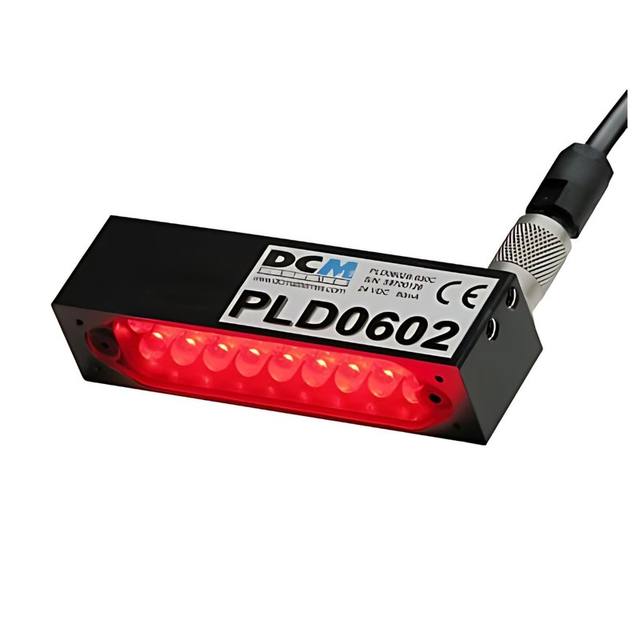
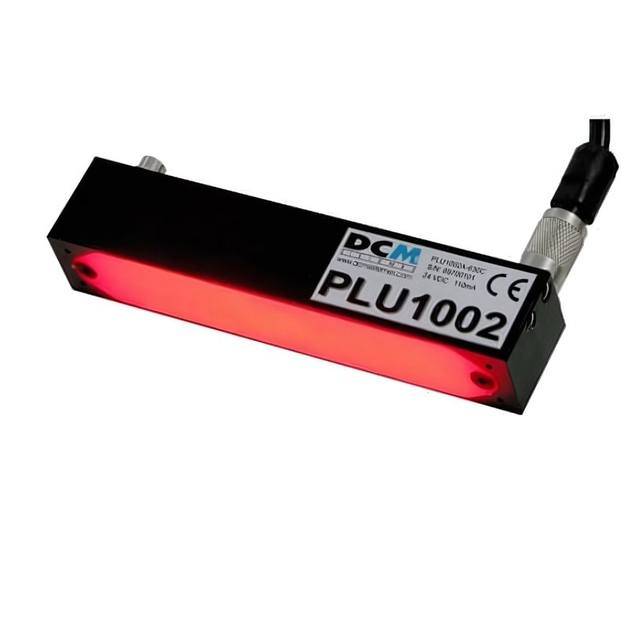
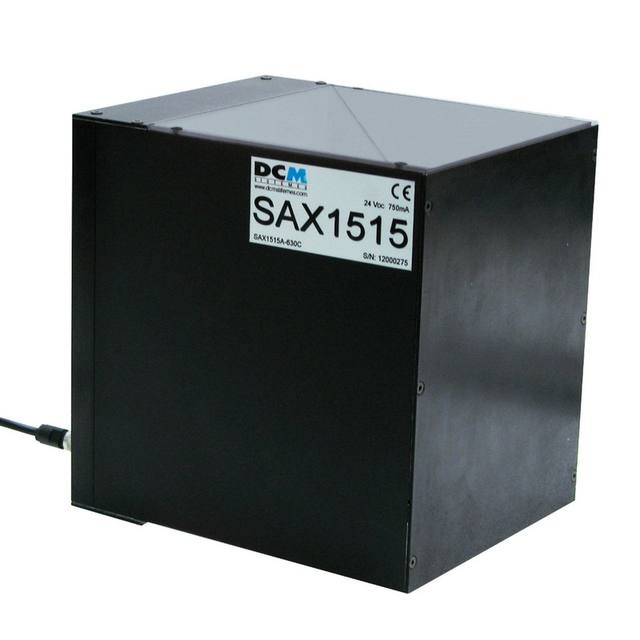
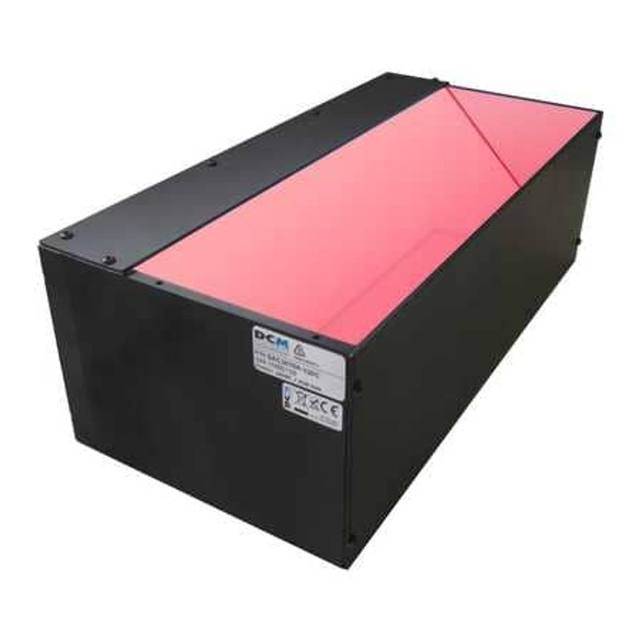
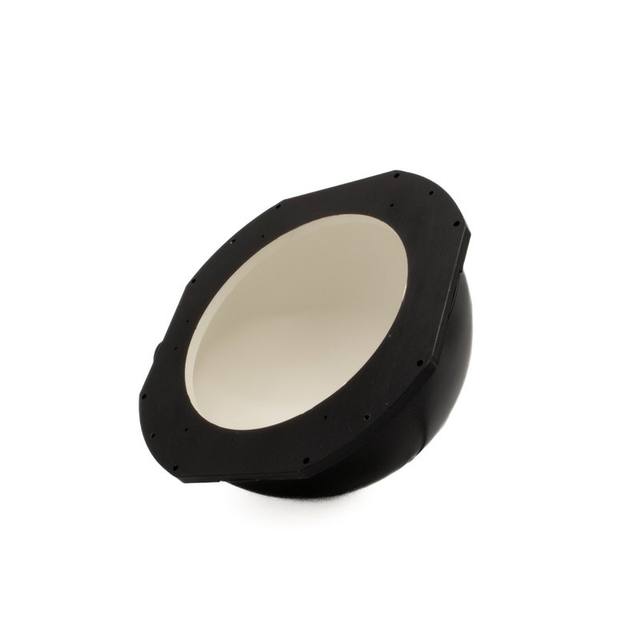
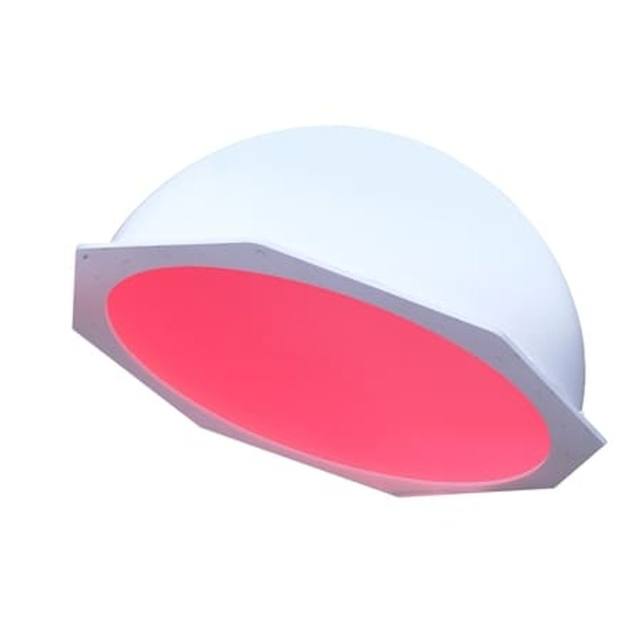
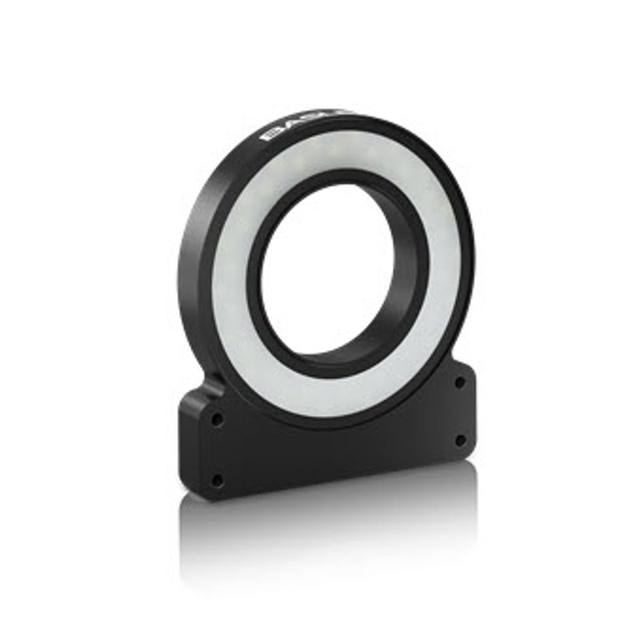
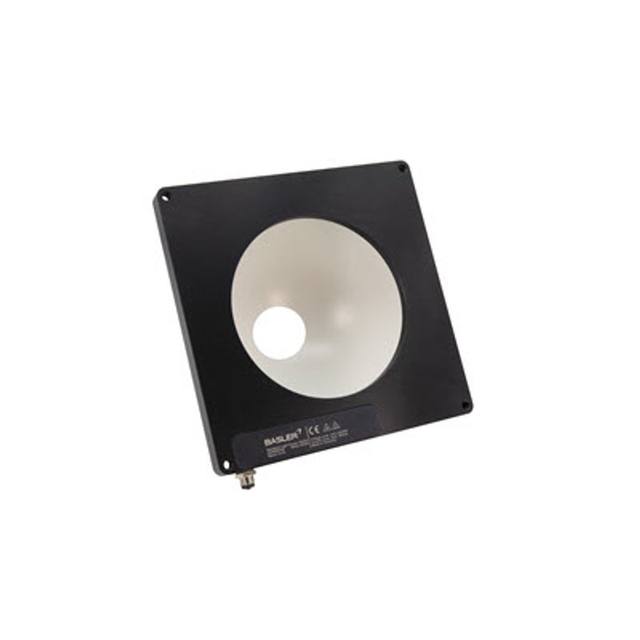
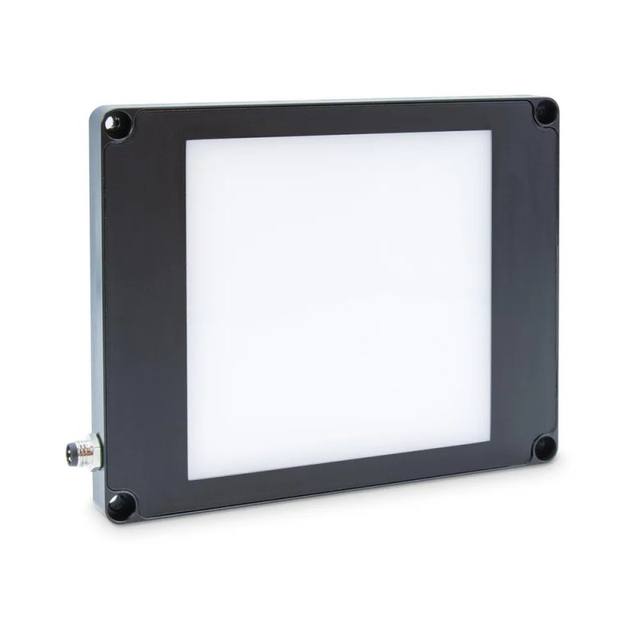
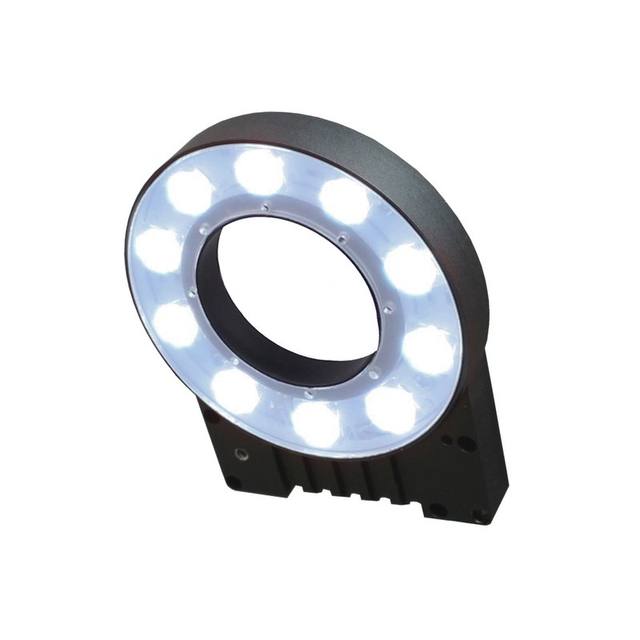
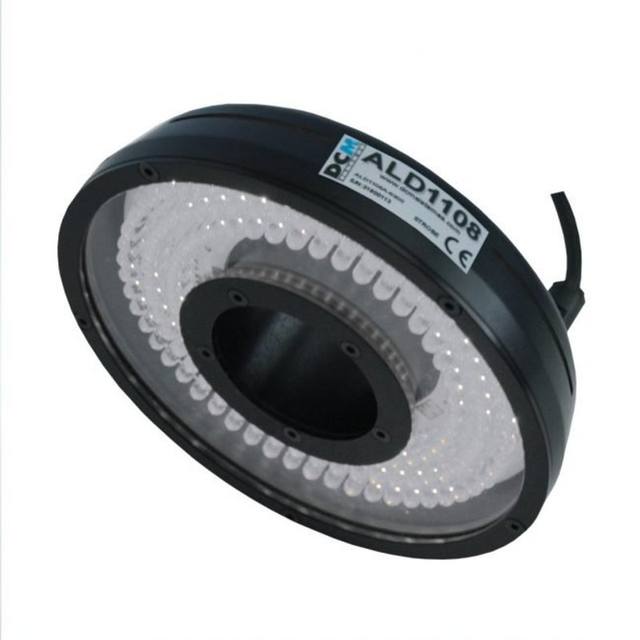
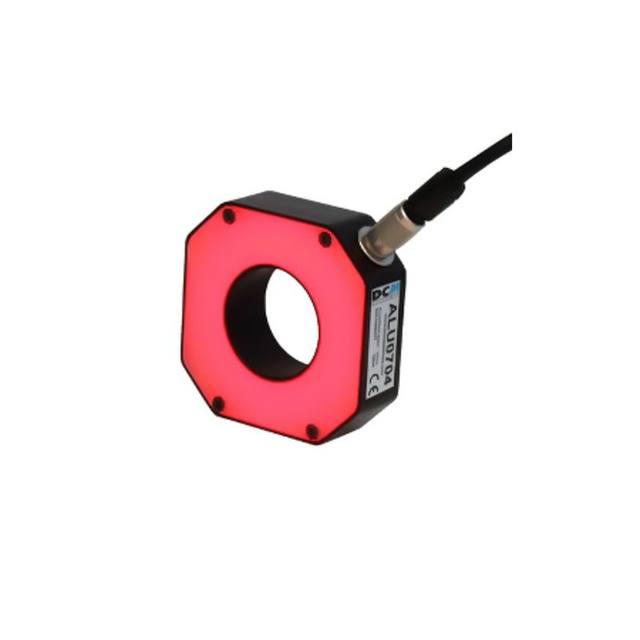
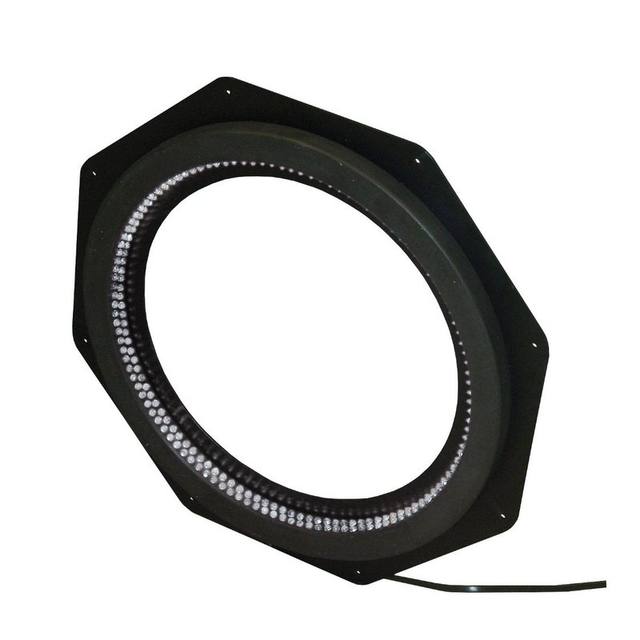
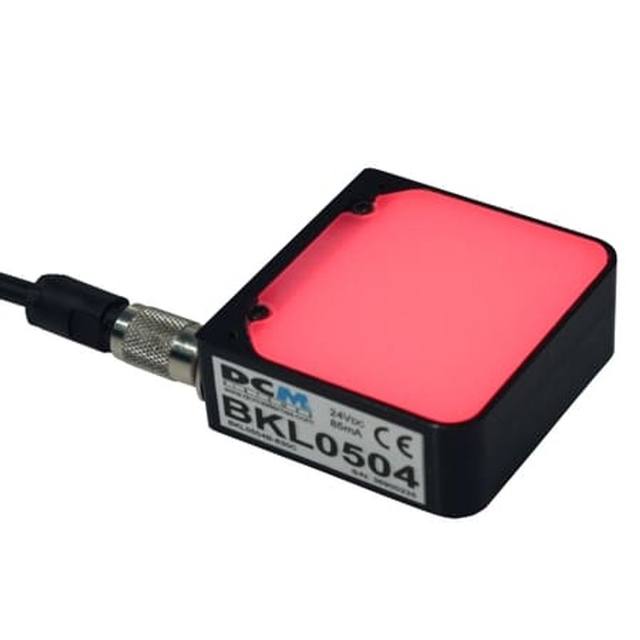
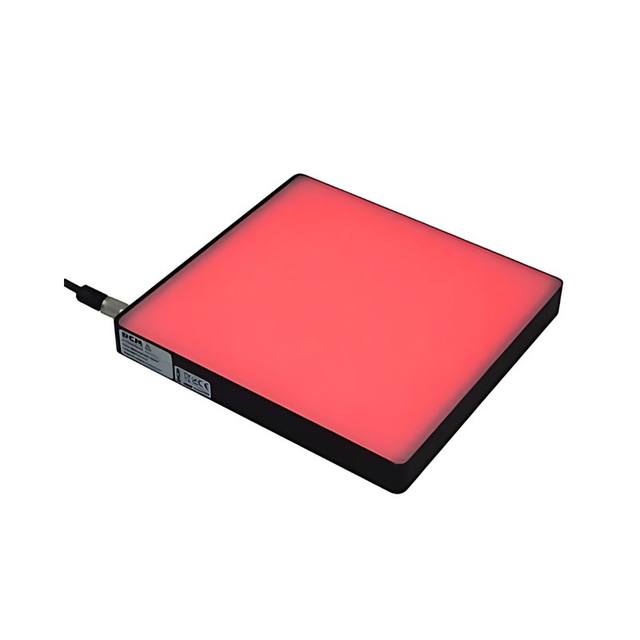
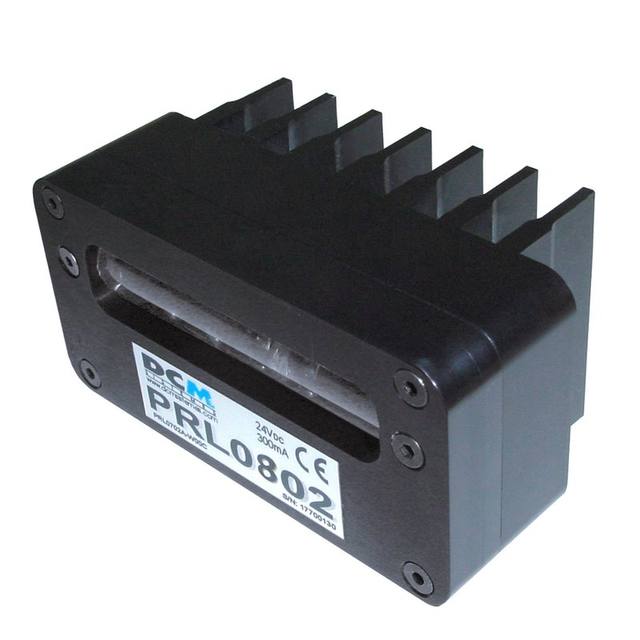
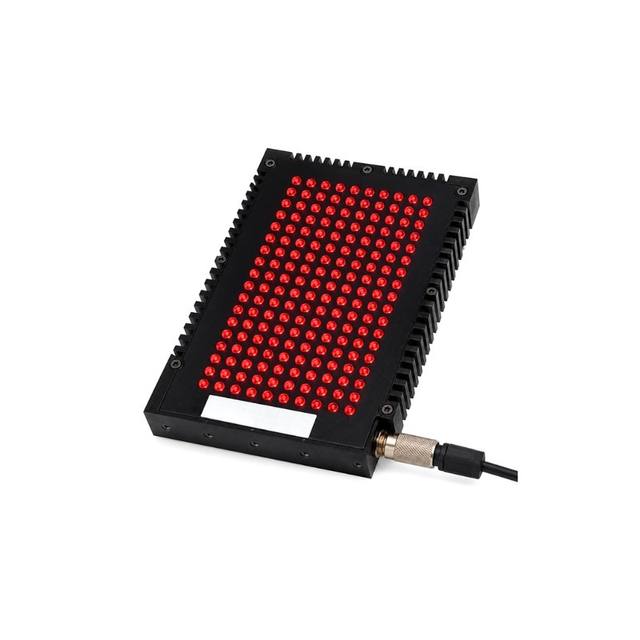
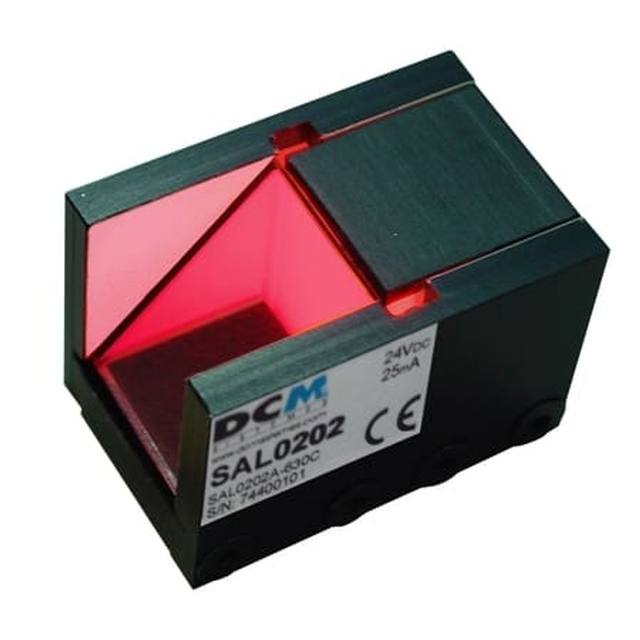
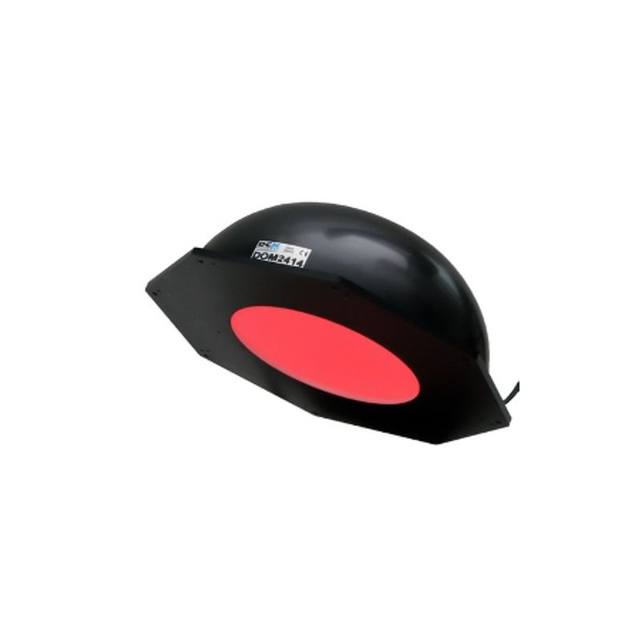
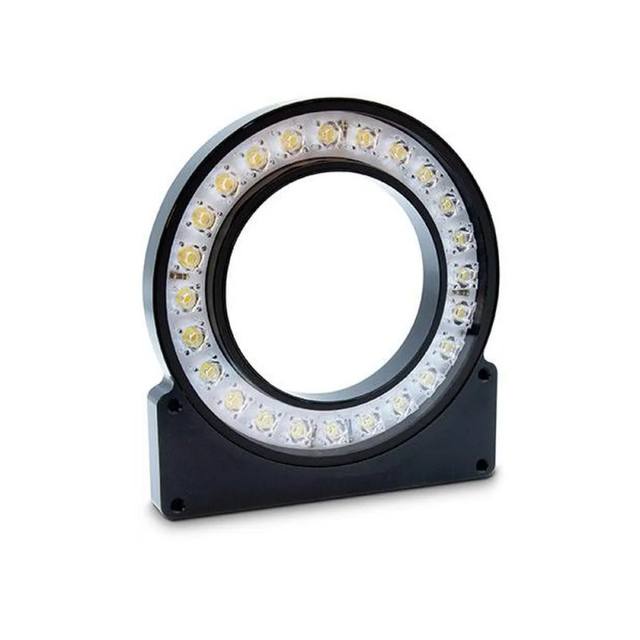
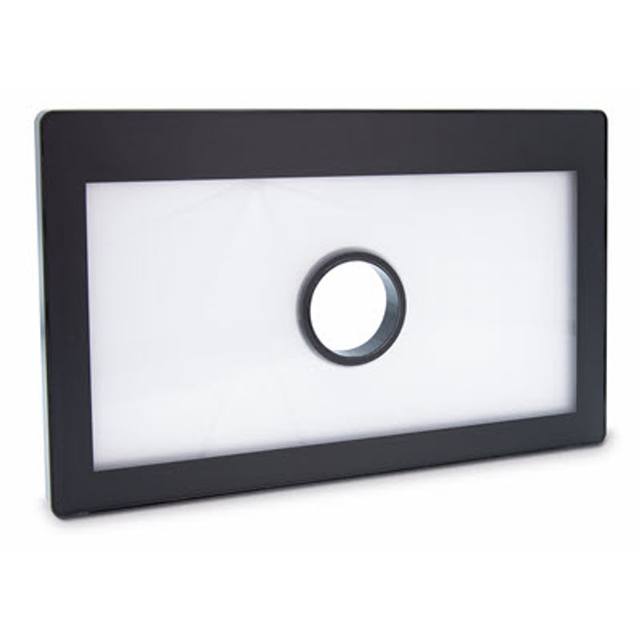
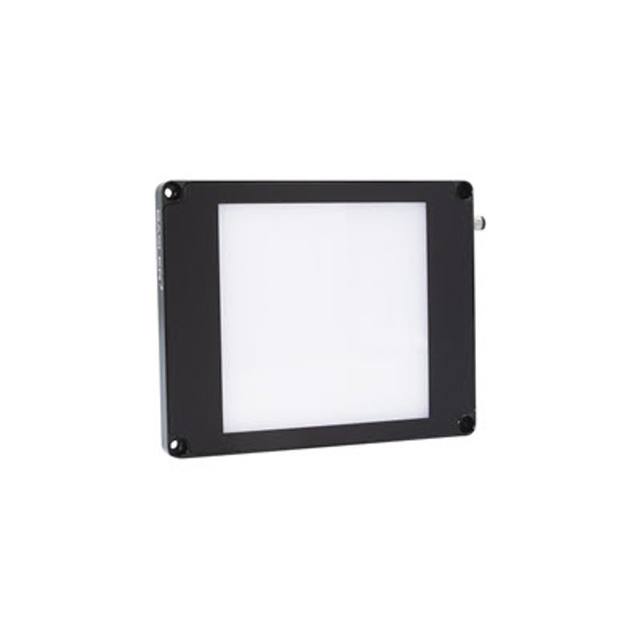
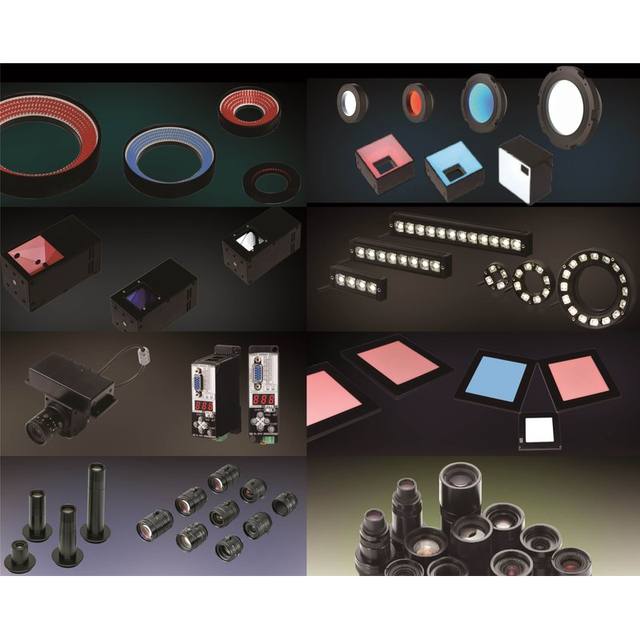
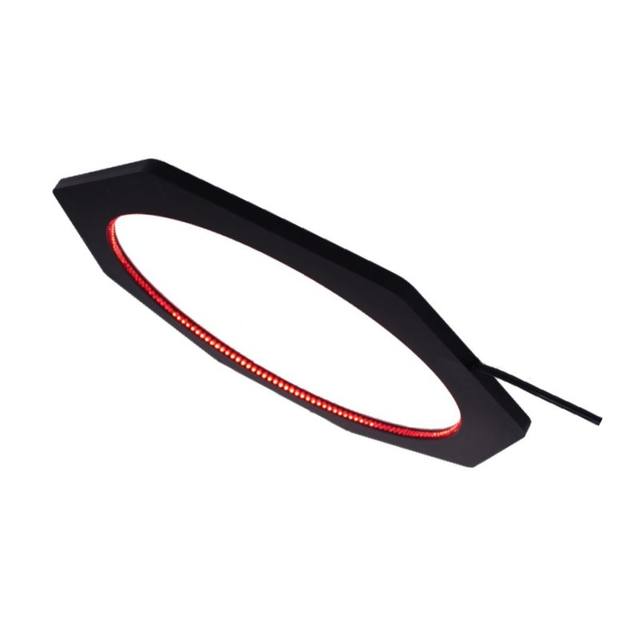
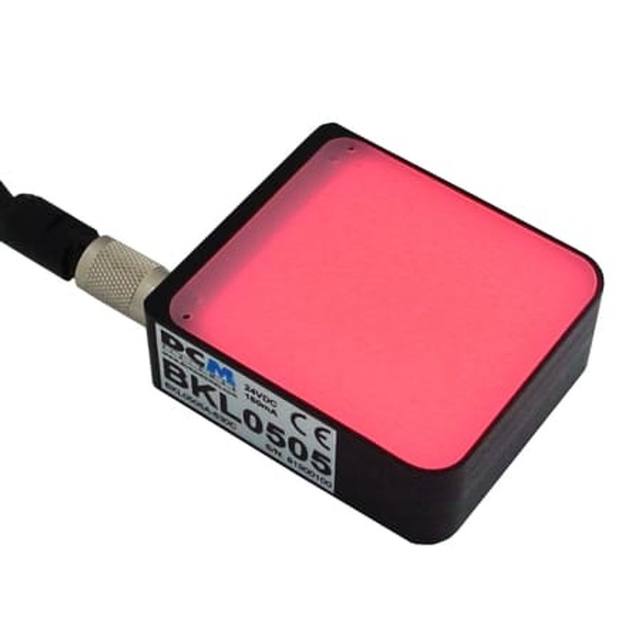
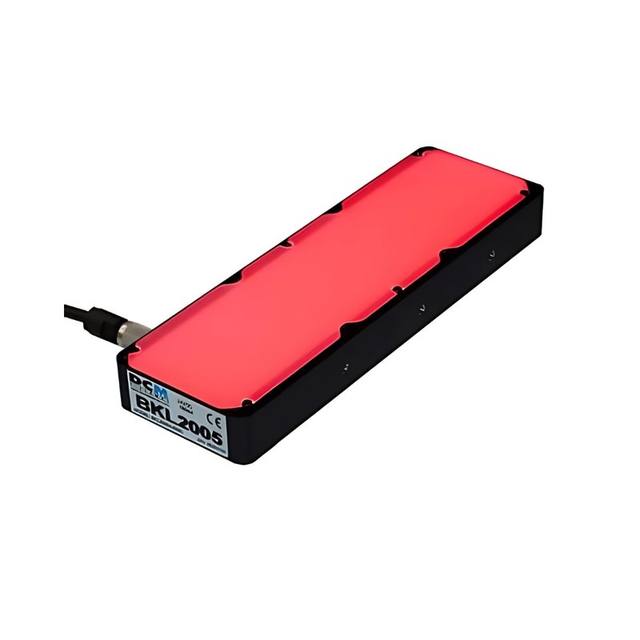
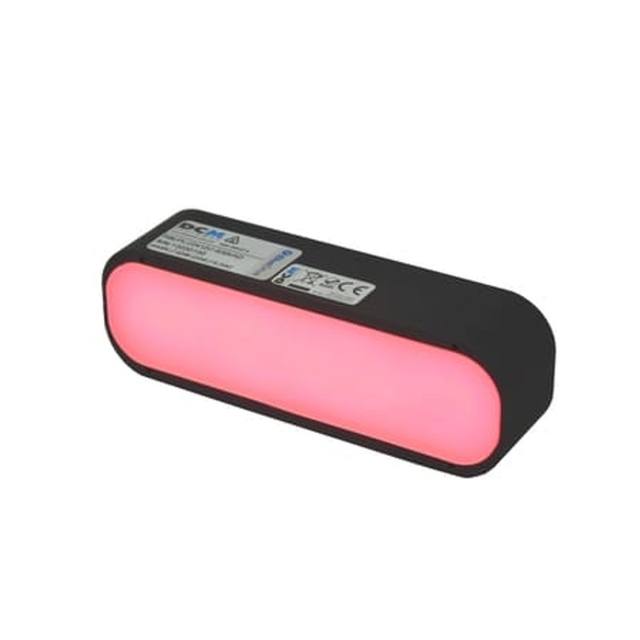
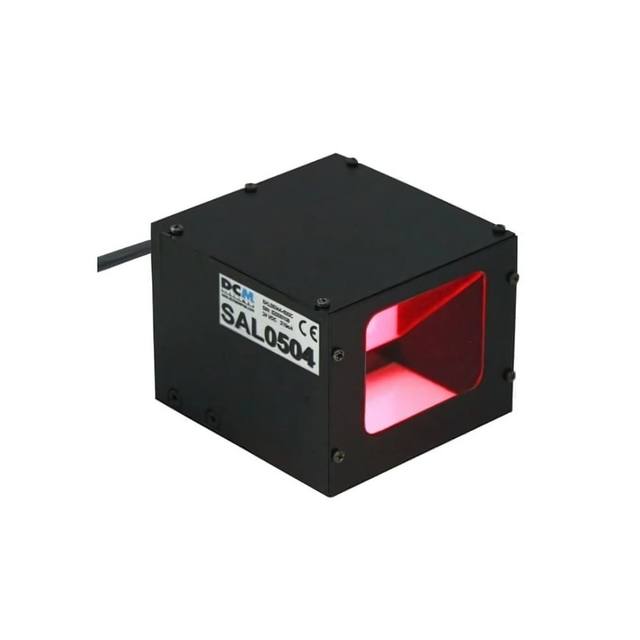
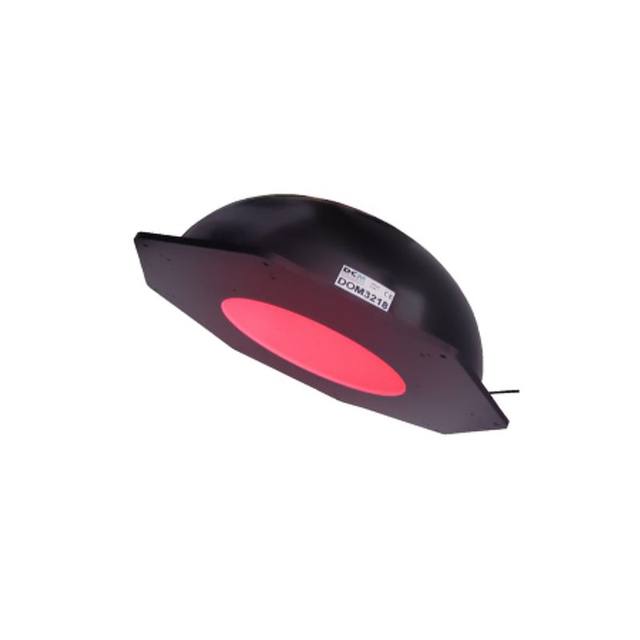
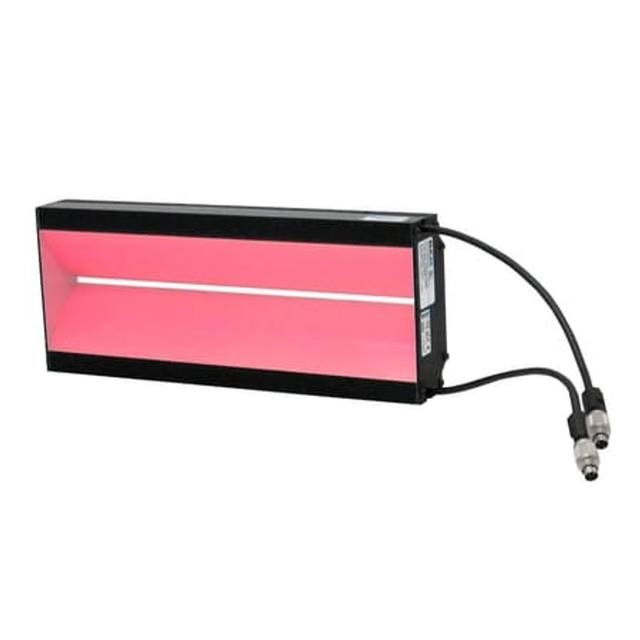
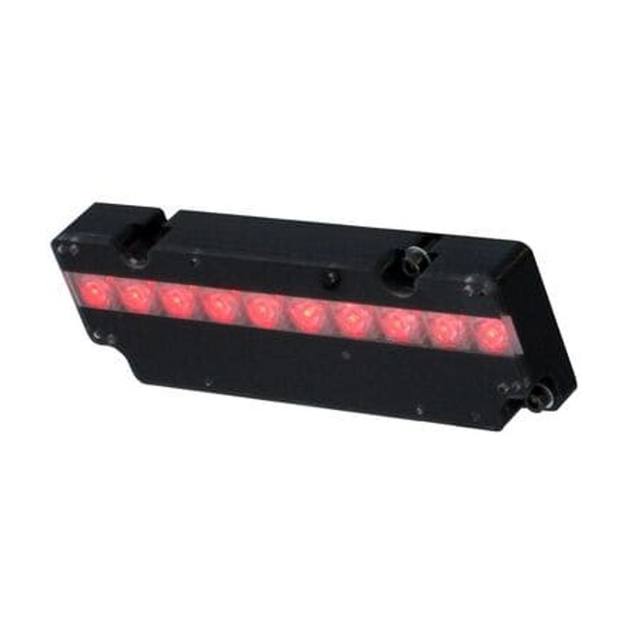
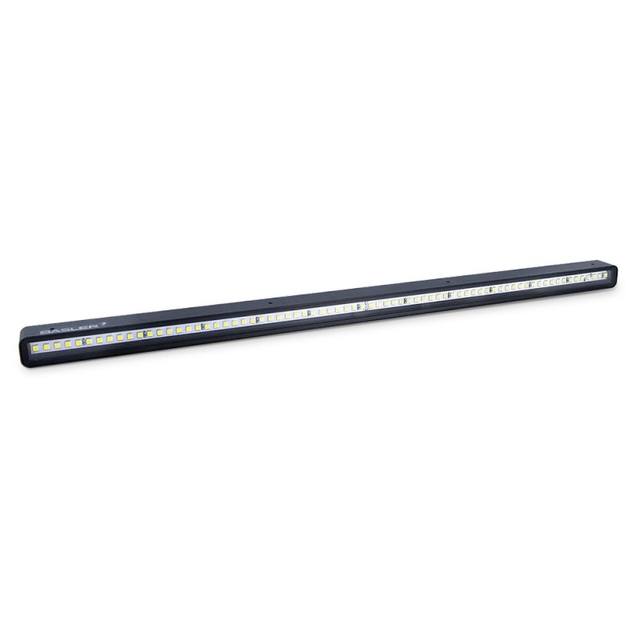
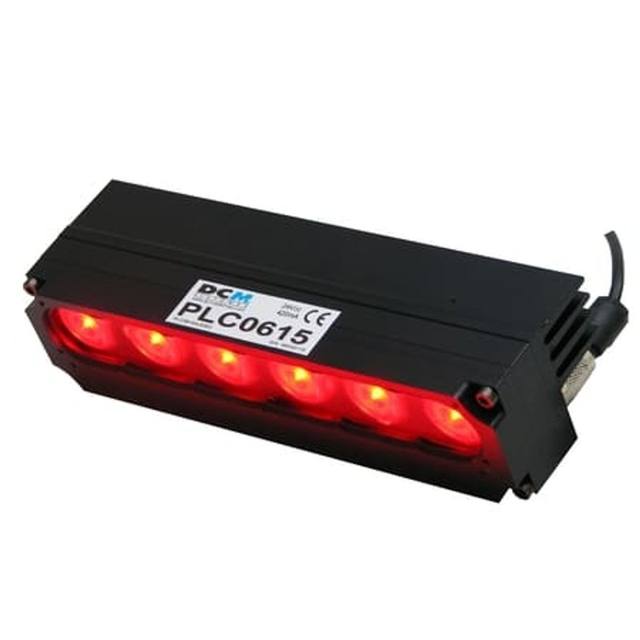
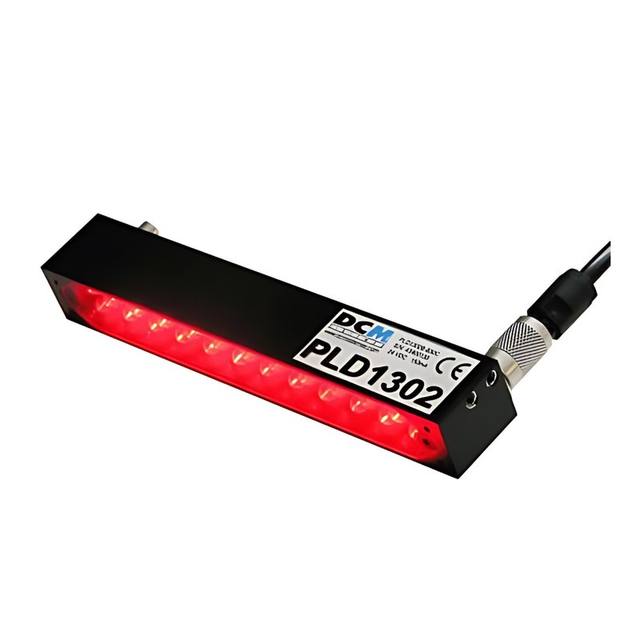
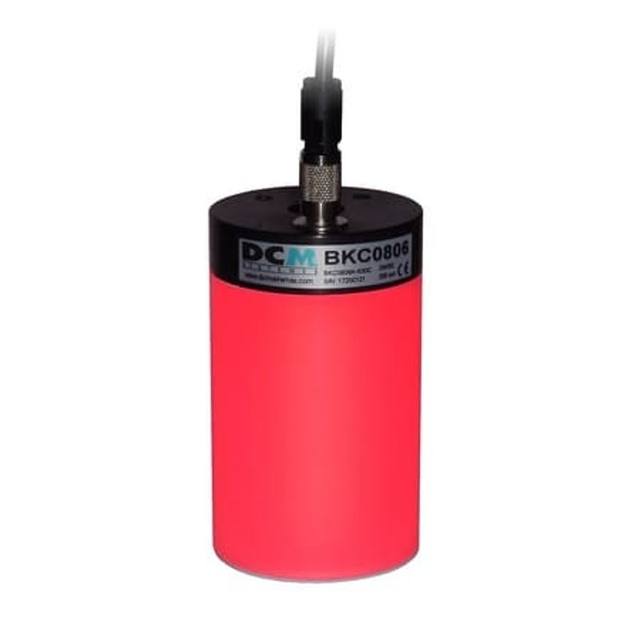
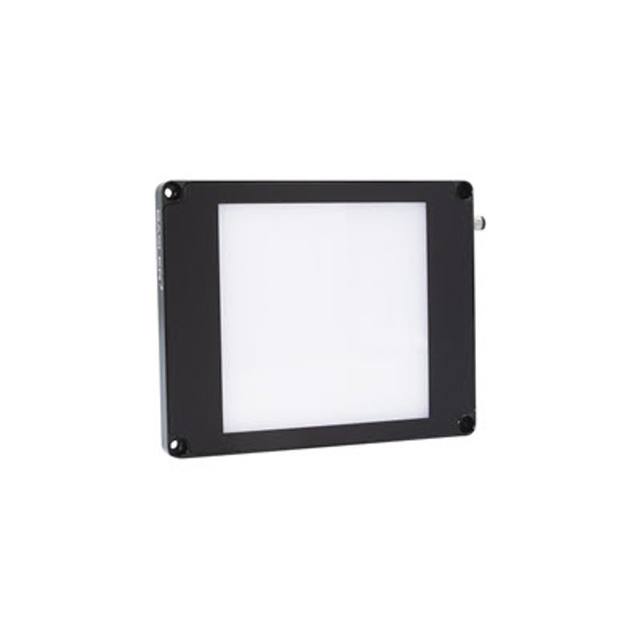
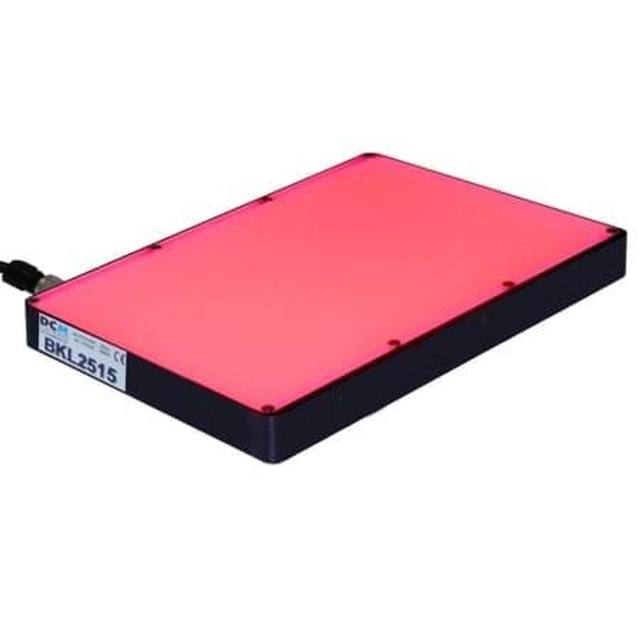
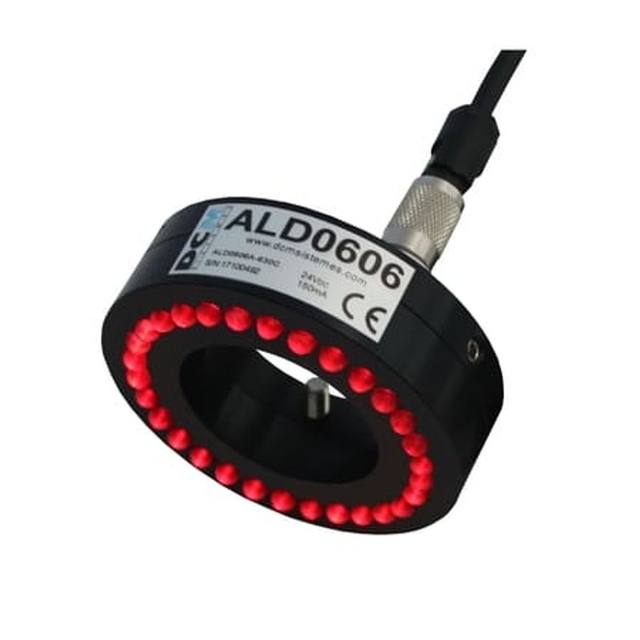
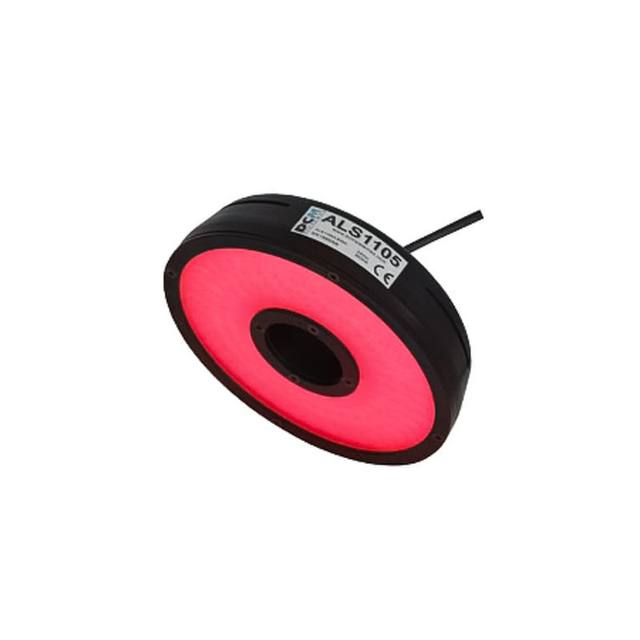
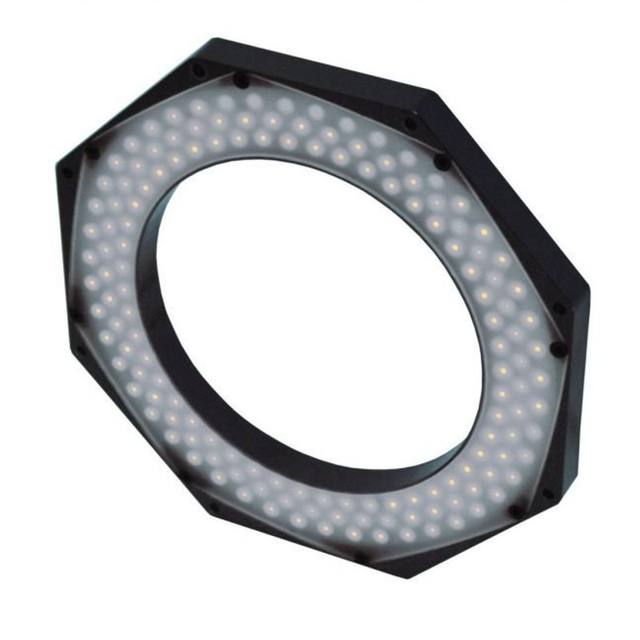
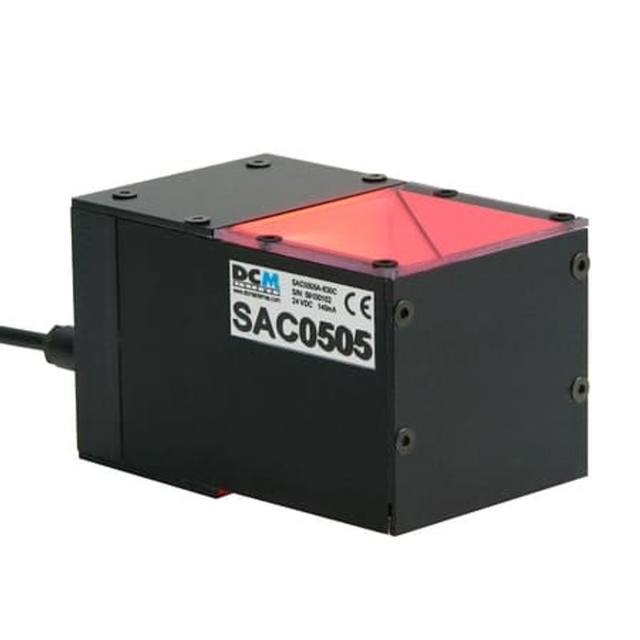
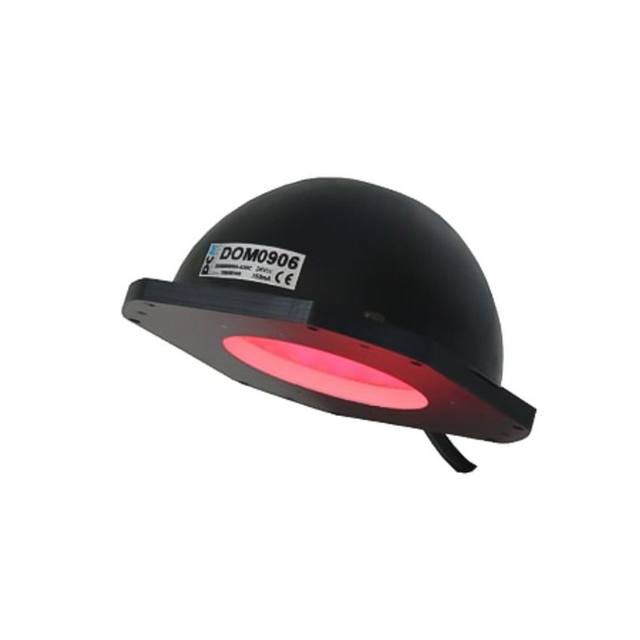
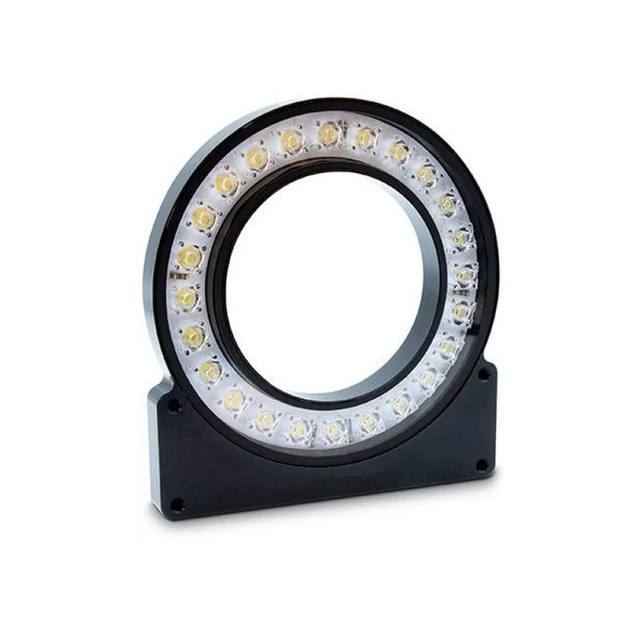
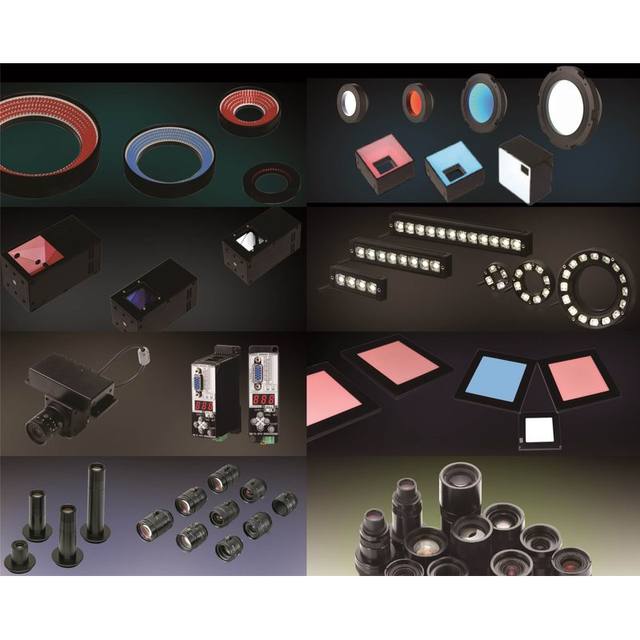
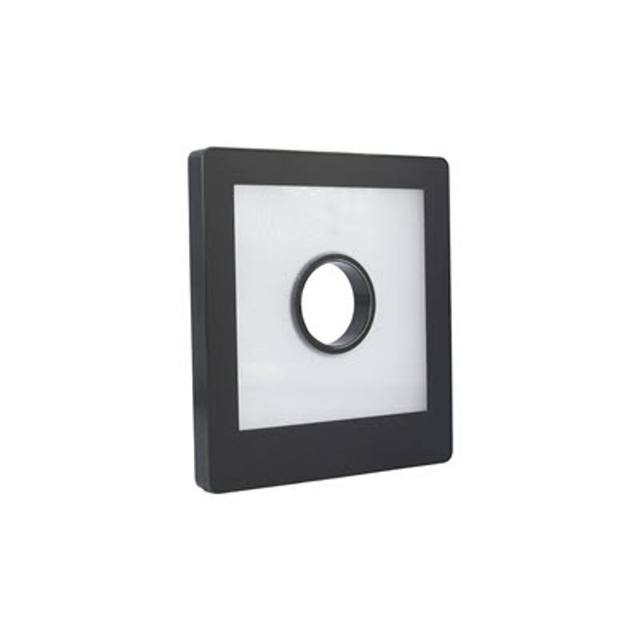
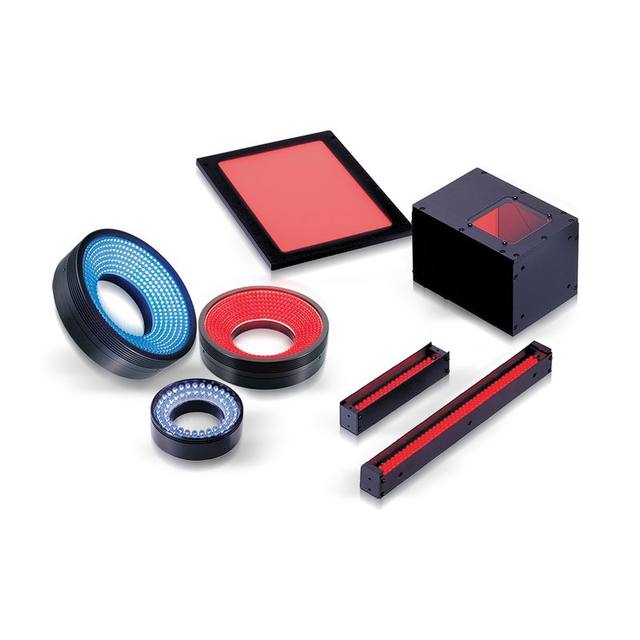
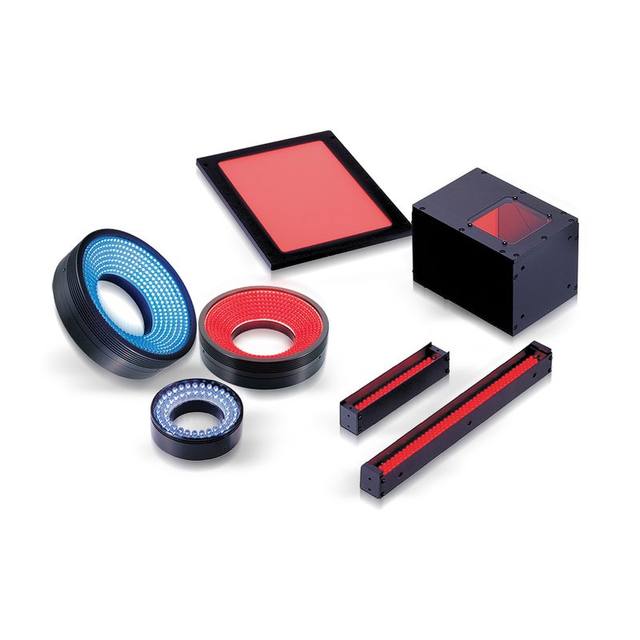
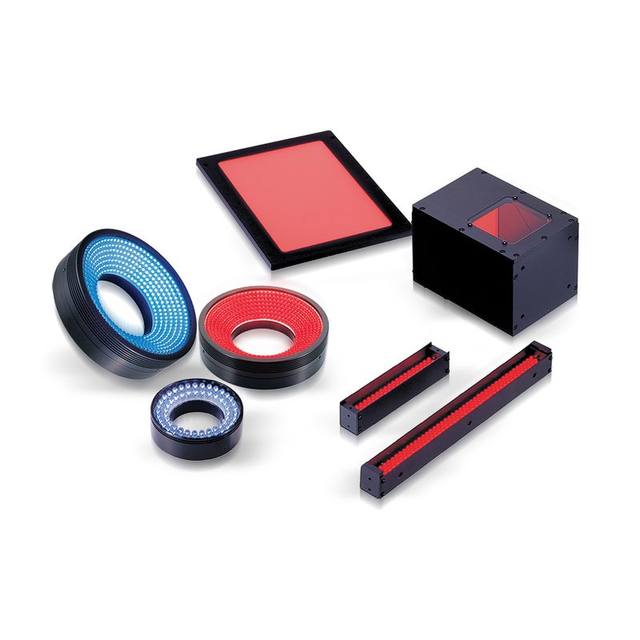
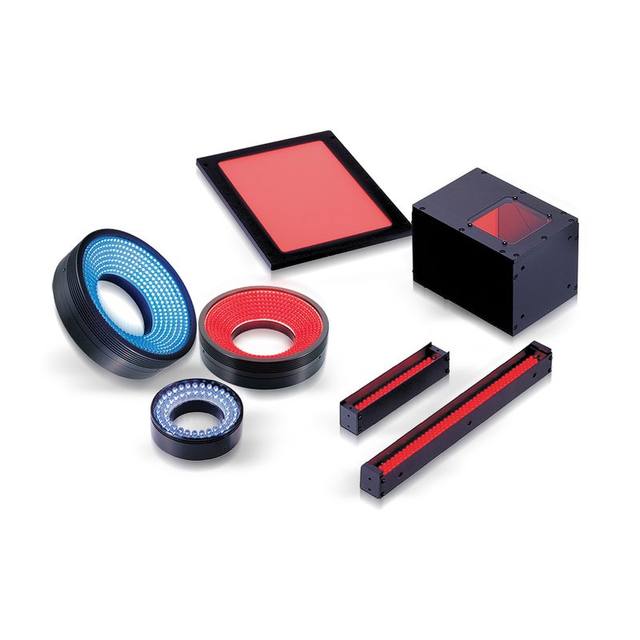
More traceability projects are won or lost on lighting than on any other component. The goal is maximum, repeatable contrast between the code and its background, regardless of substrate. The correct geometry depends entirely on the marking method and surface. Bright-field and diffuse dome lighting suit flat printed labels; low-angle dark-field illumination makes engraved and dot-peen DPM marks pop by catching the relief; diffuse dome or coaxial light tames glare on curved, glossy or specular surfaces such as bottles, blister foil and machined metal. Colour matters too: matching the wavelength to the substrate (for example red light to lift contrast on certain inks, or controlled diffuse light on reflective foils) can turn an unreadable mark into a reliable one.
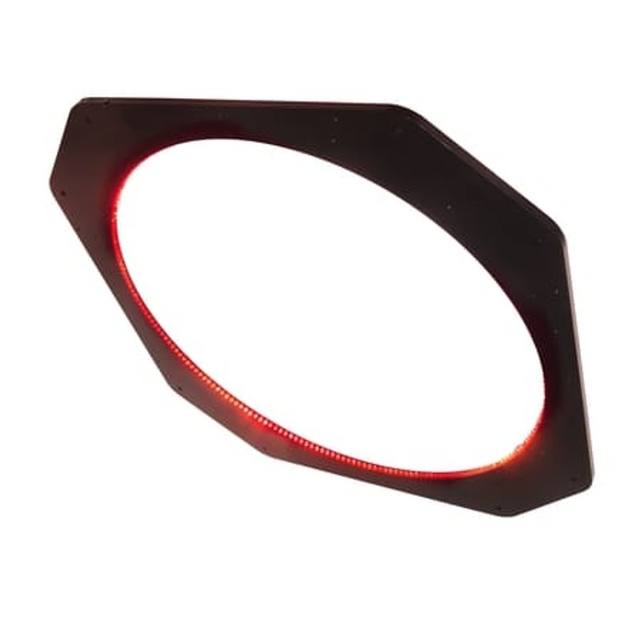
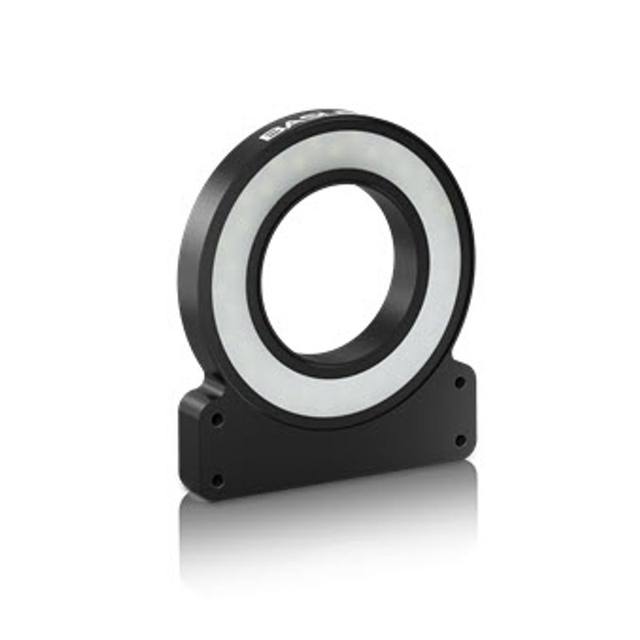
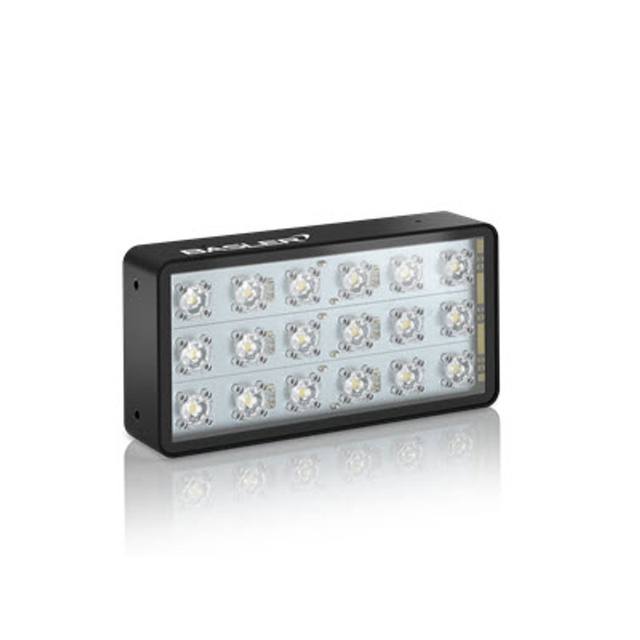
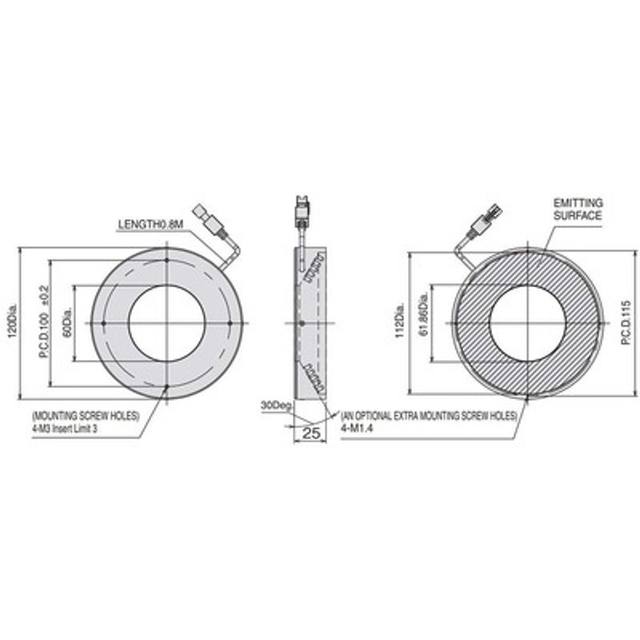
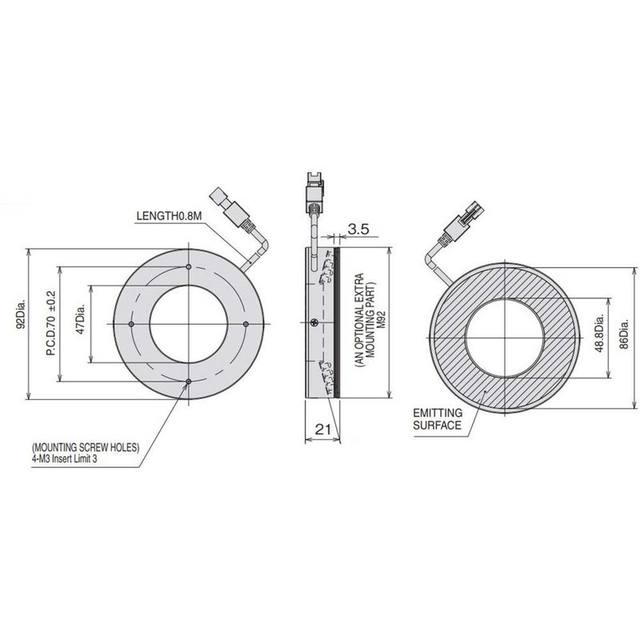
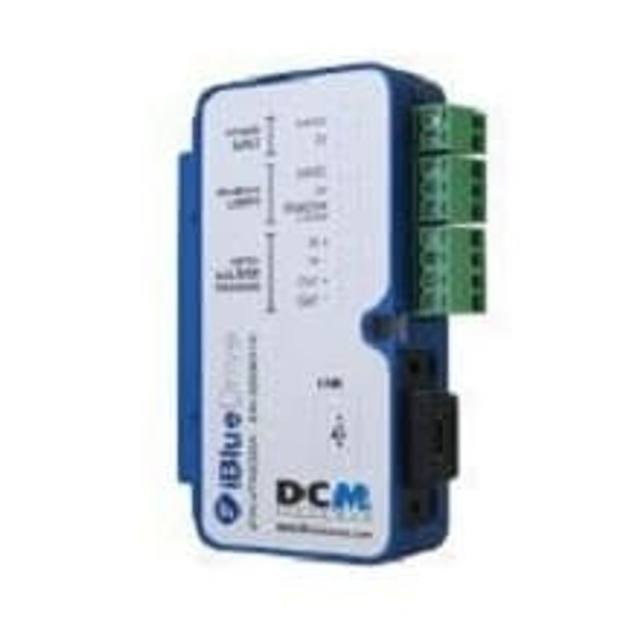
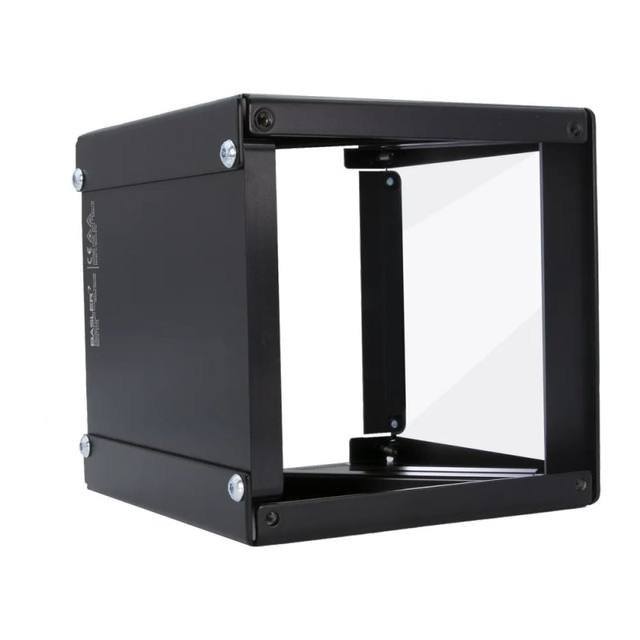
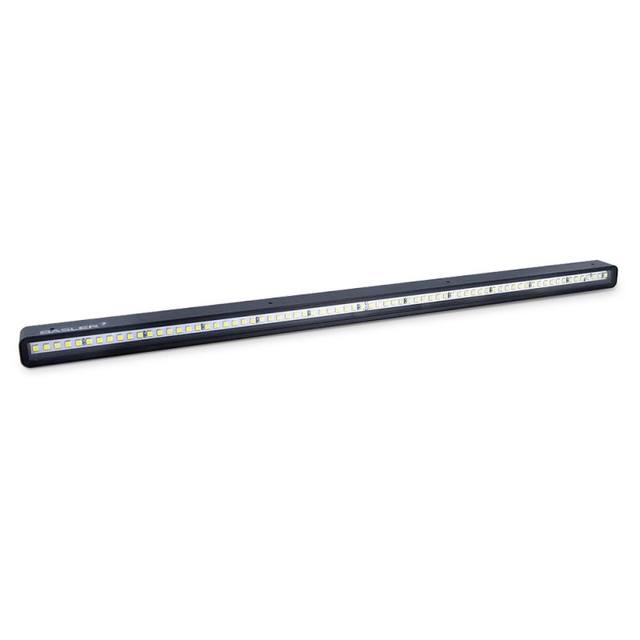
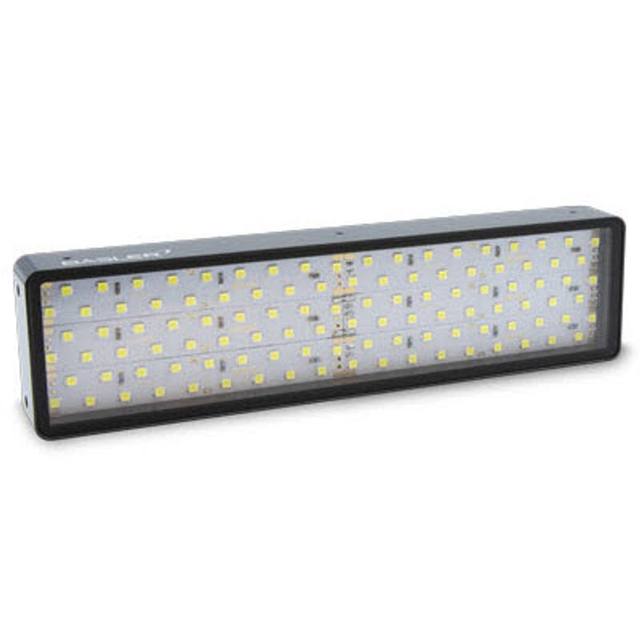
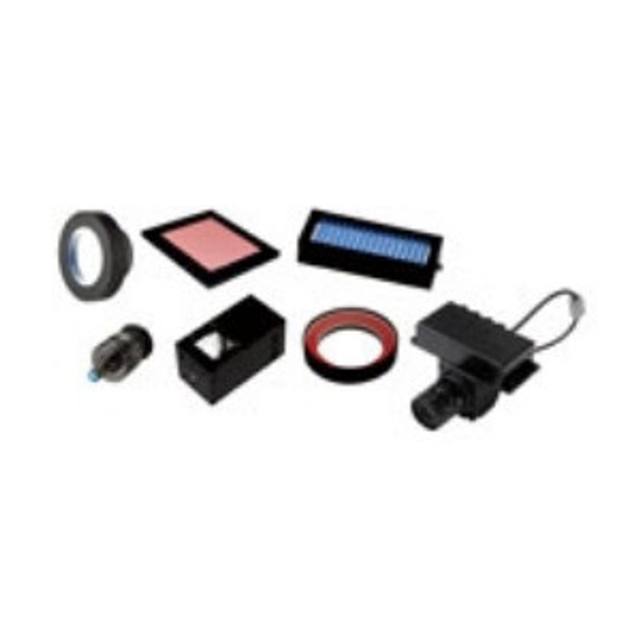
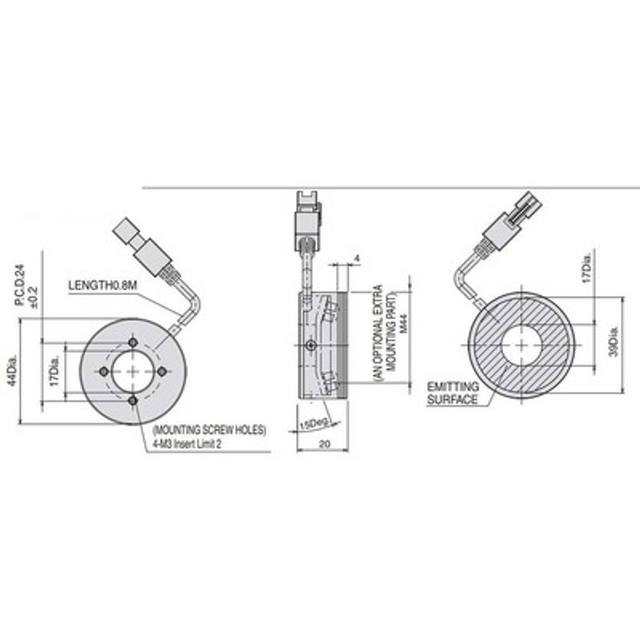
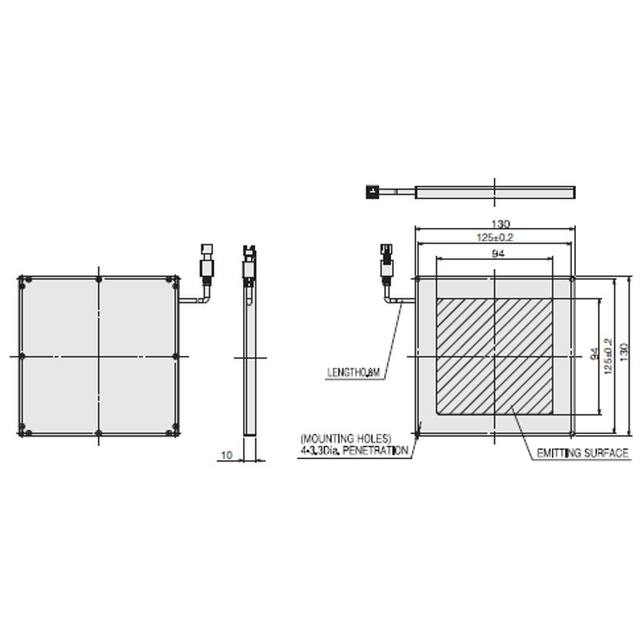
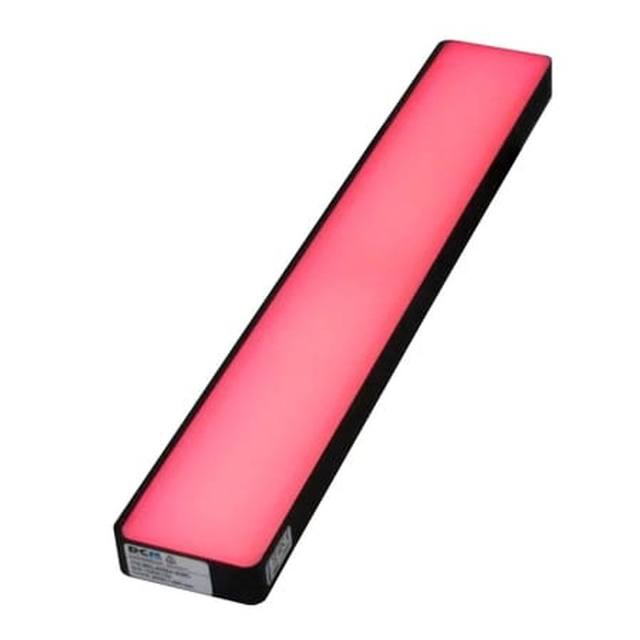
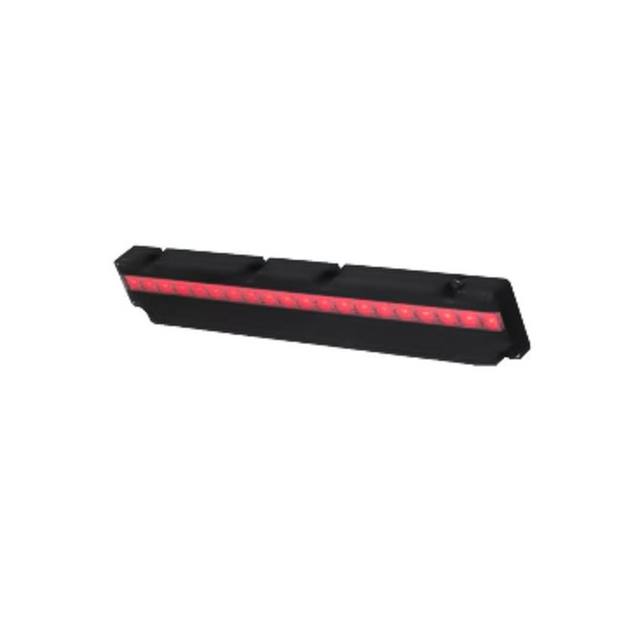
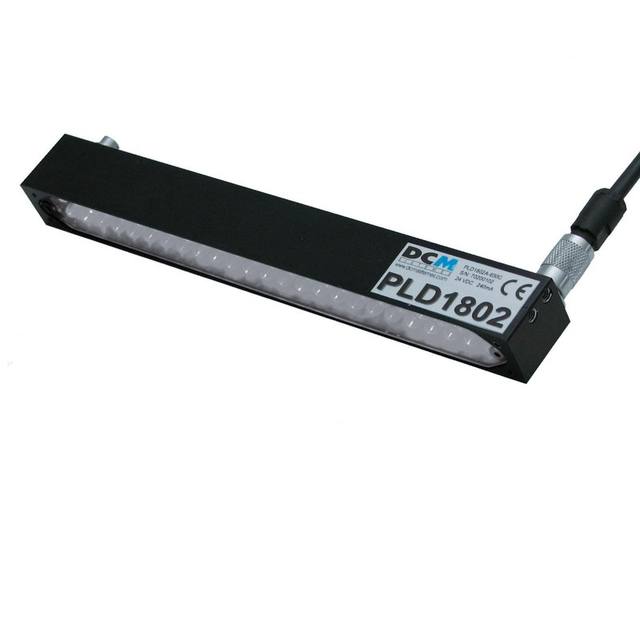
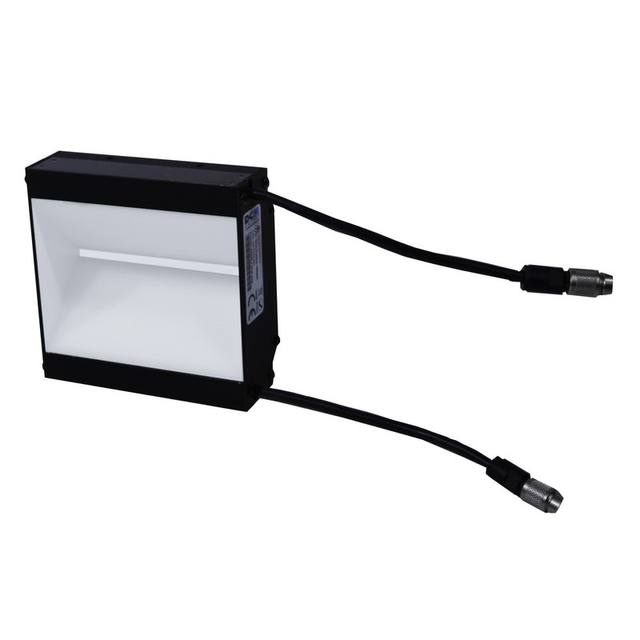
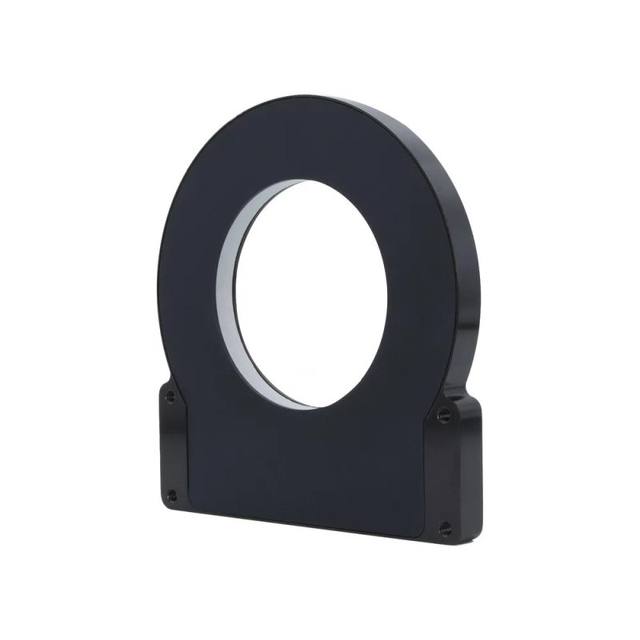
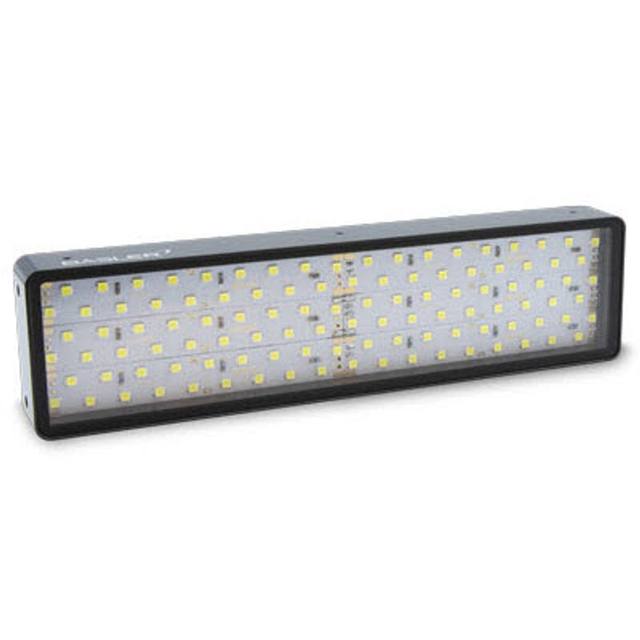
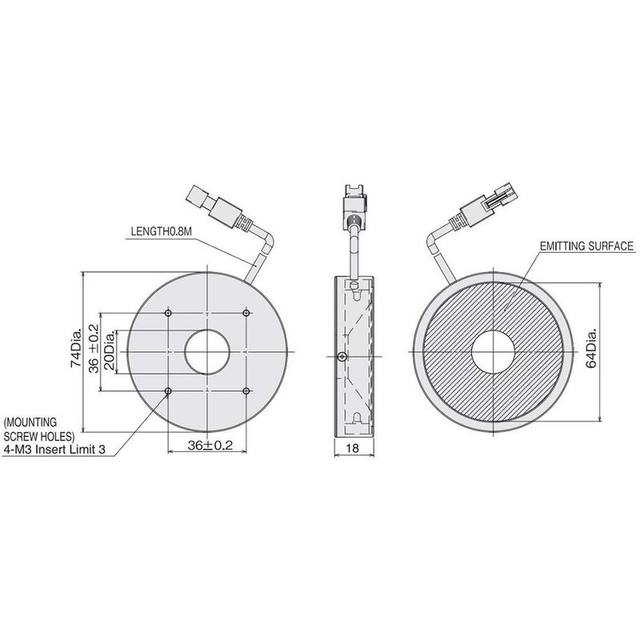
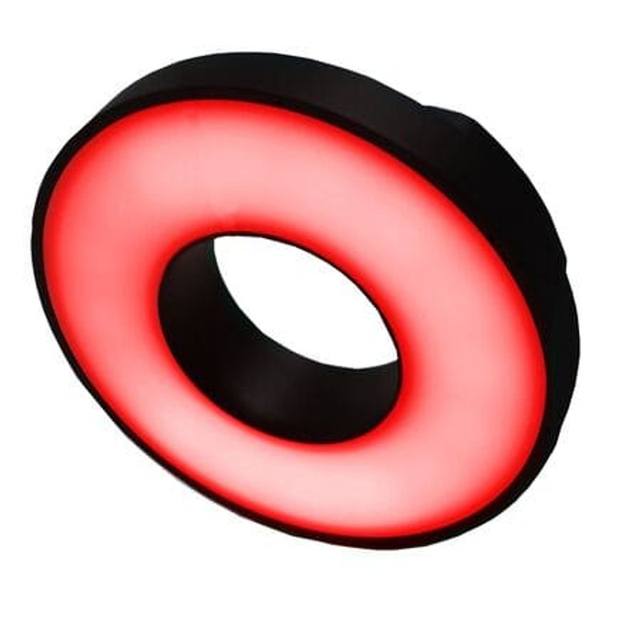
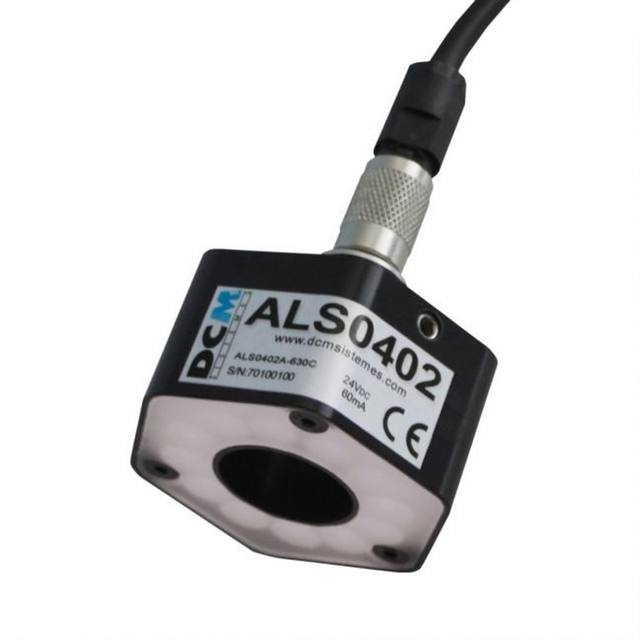
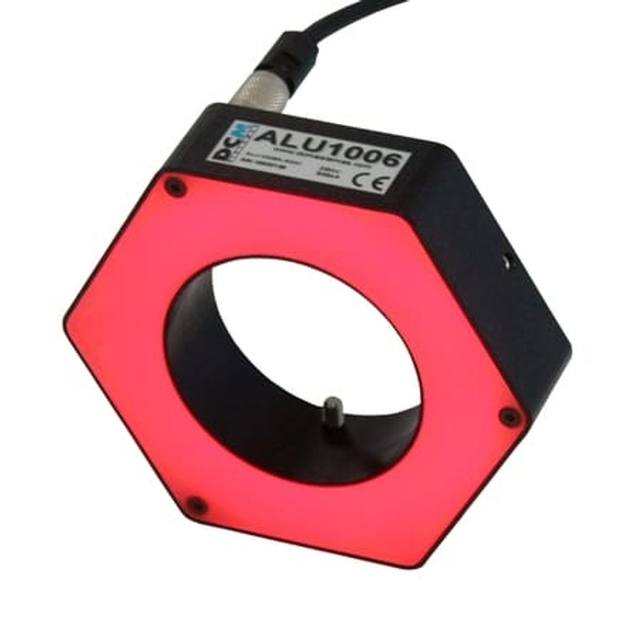
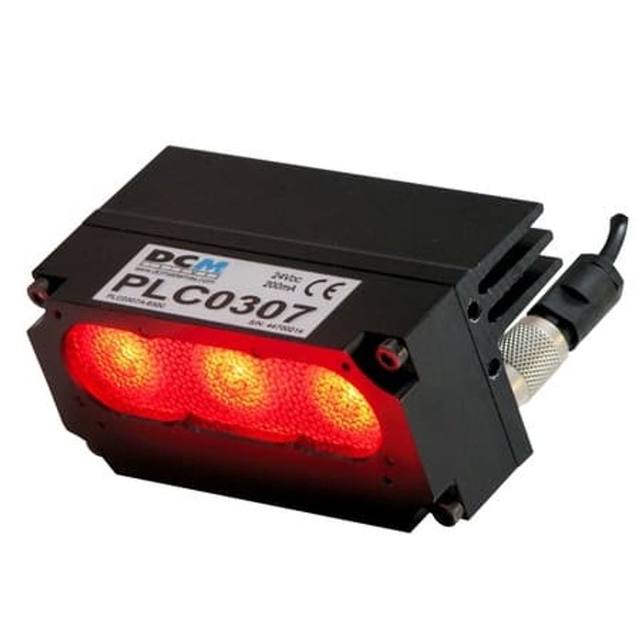
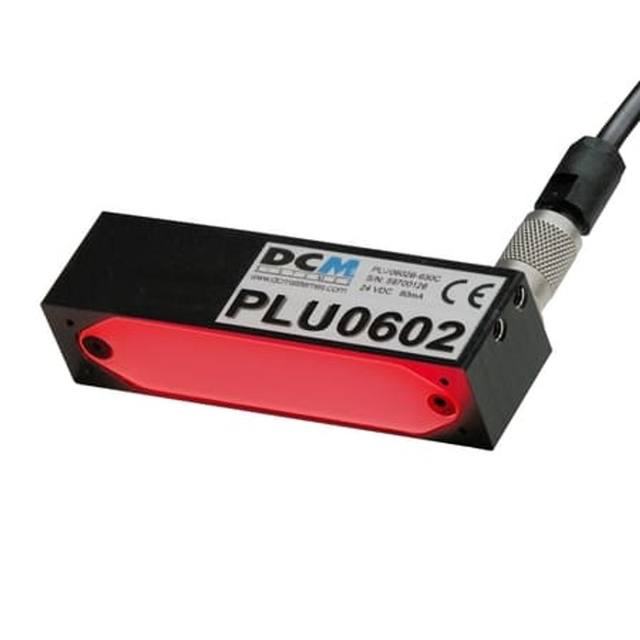
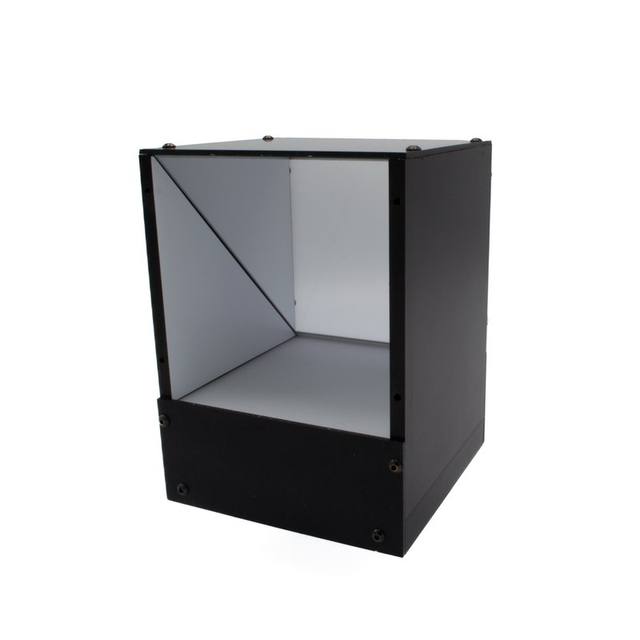
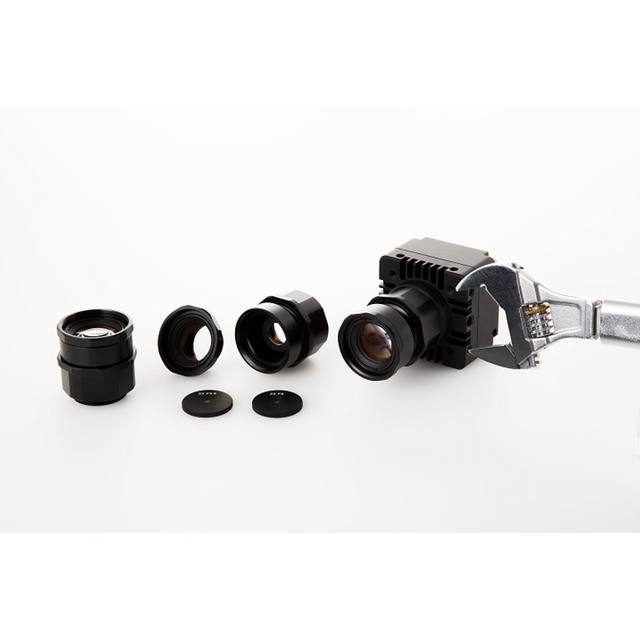
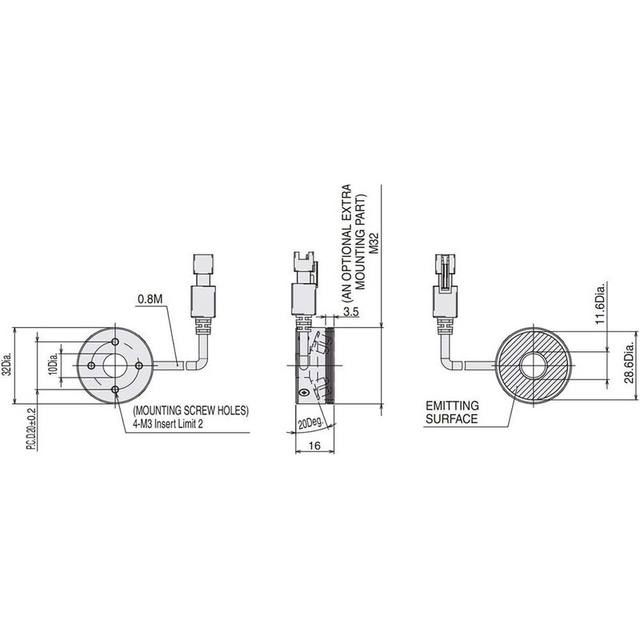
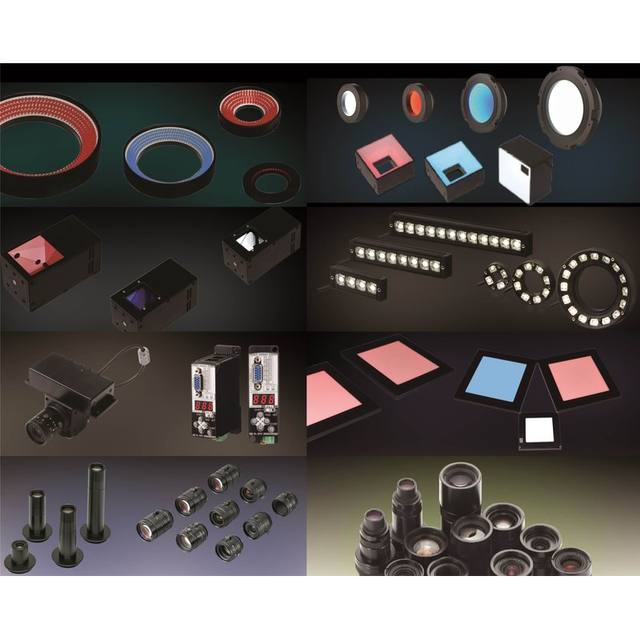
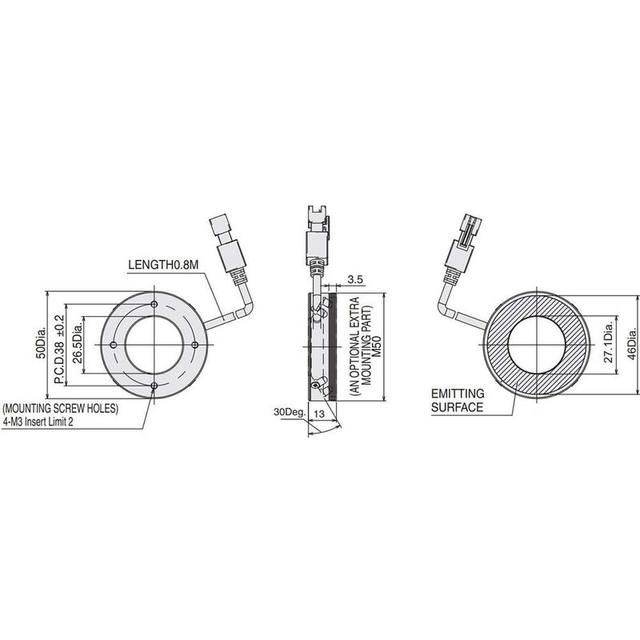
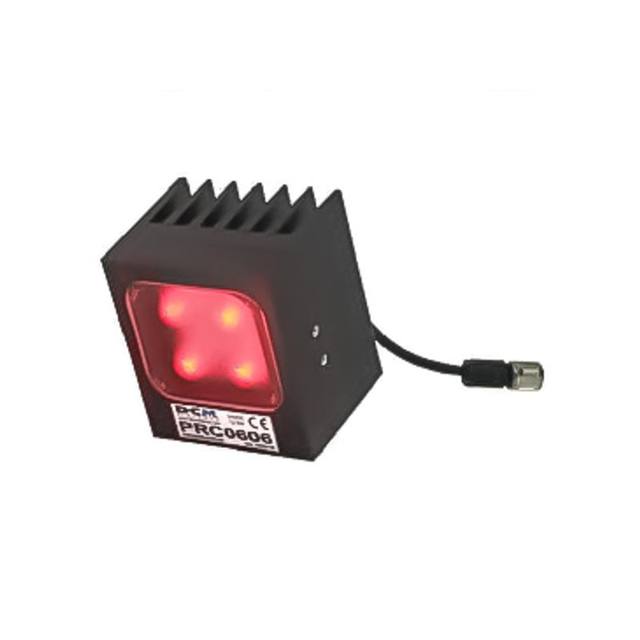
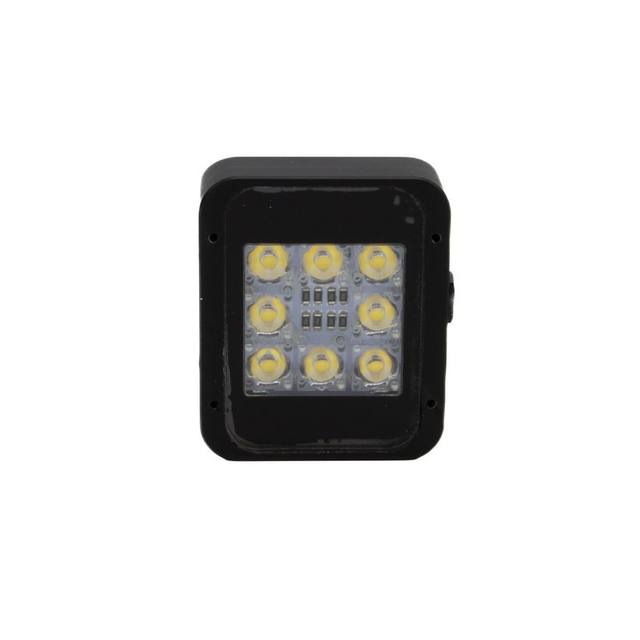
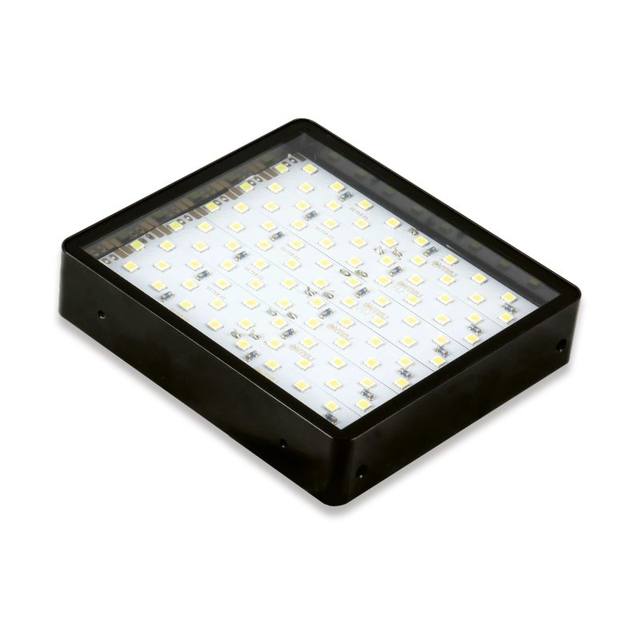
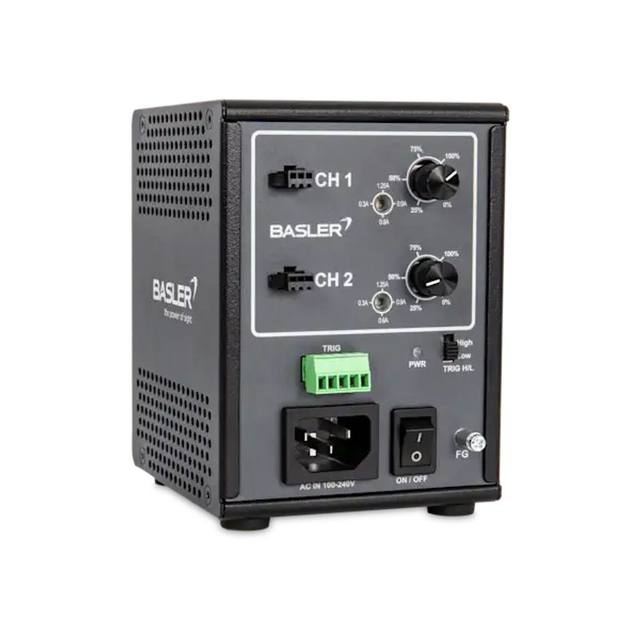
Integrated reader illumination handles a useful share of label and high-contrast cases, but demanding DPM, highly reflective or large field-of-view applications usually need dedicated external lighting selected for the specific part. Pairing the right machine-vision lighting from a specialist such as DCM Sistemes with the reader's optics is where read rates move from 'mostly works' to the 99.x percent reliability that an automated traceability line actually requires. Treat lighting as a first-class design decision, validated on your real parts, not as an afterthought.
Matching the hardware to your application
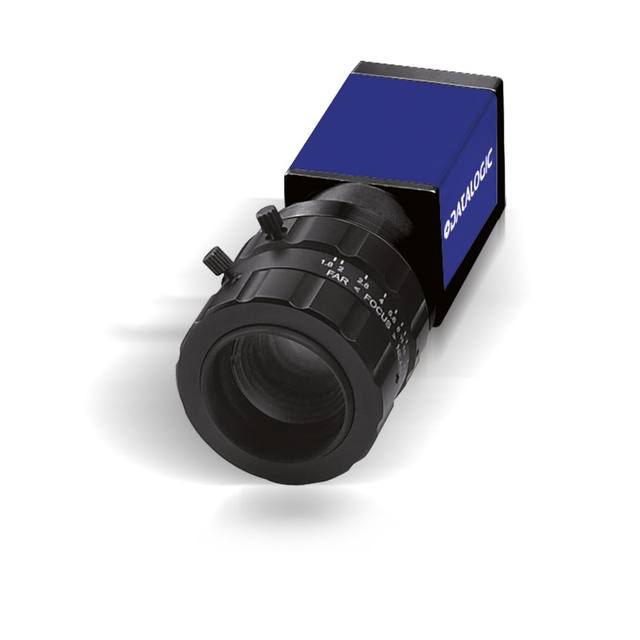
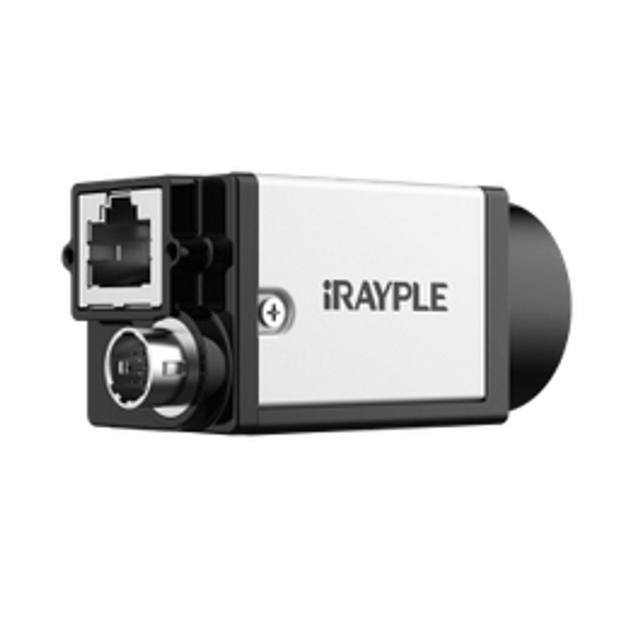
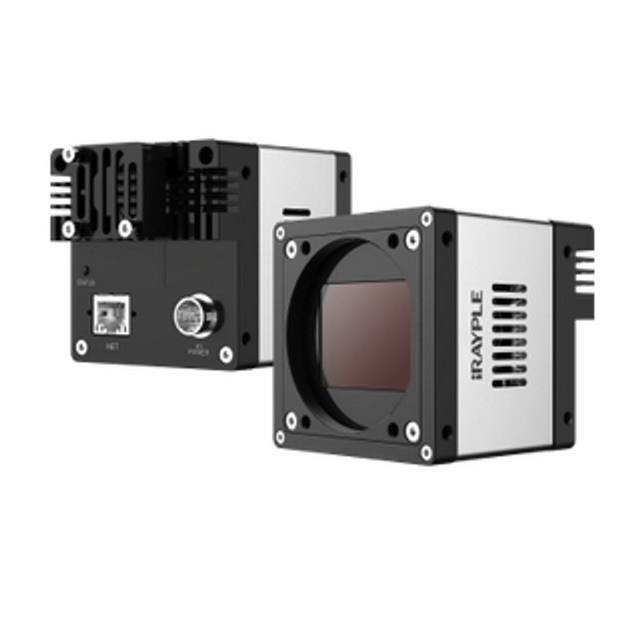
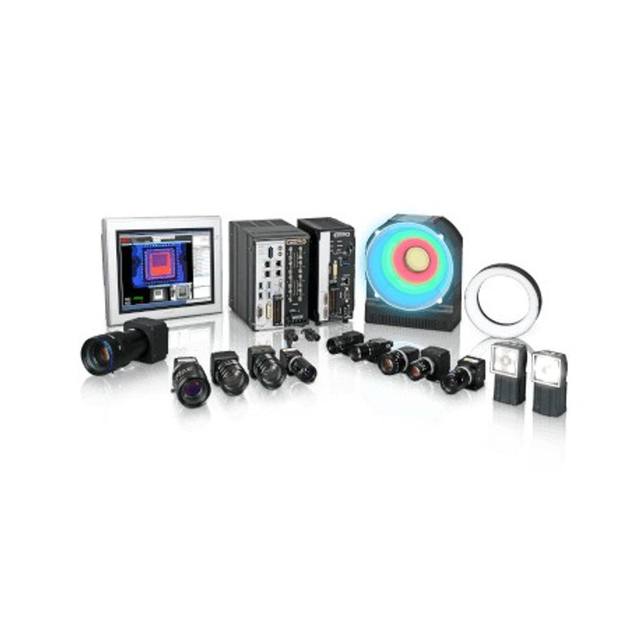
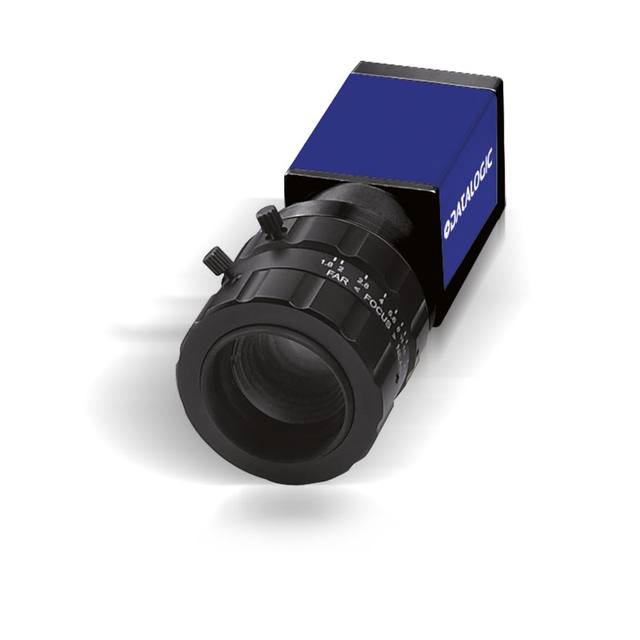
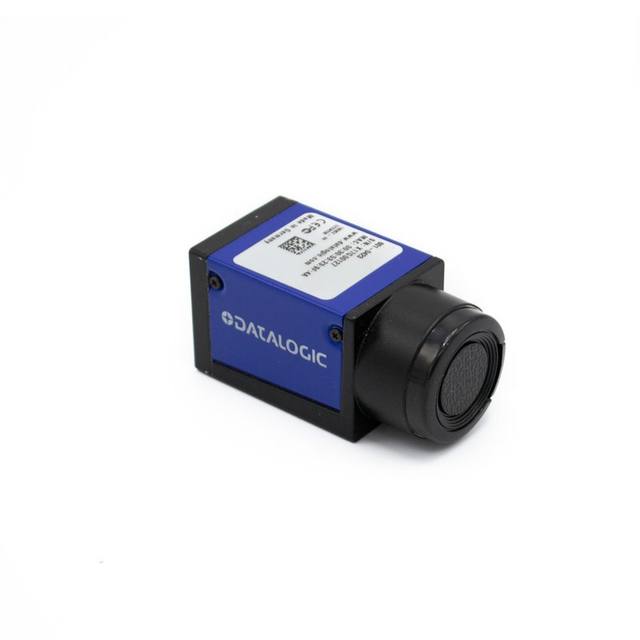
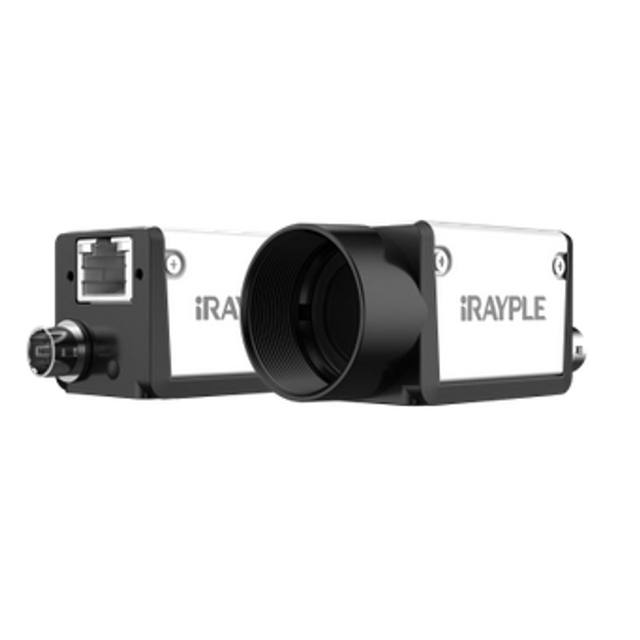
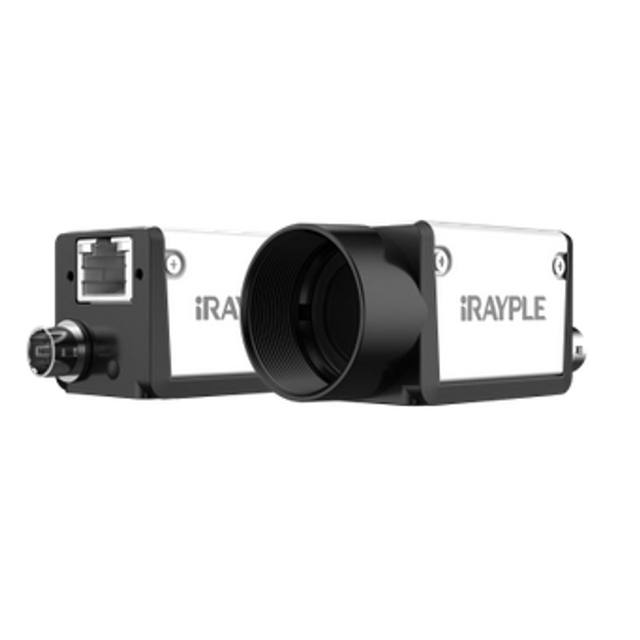
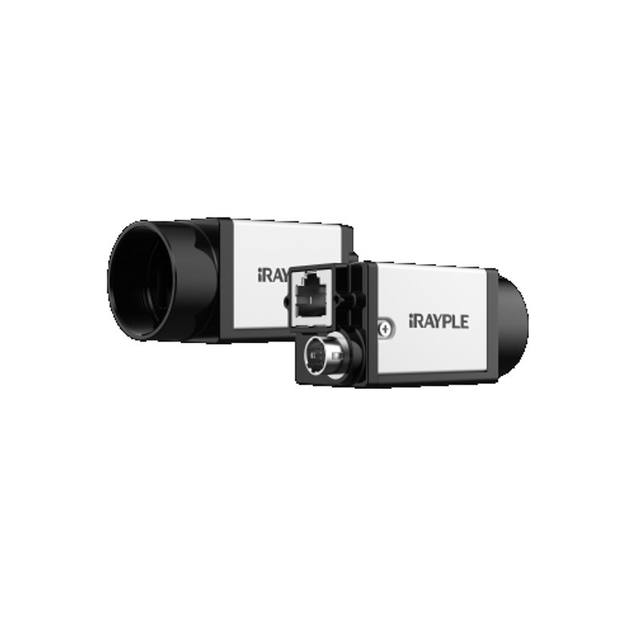
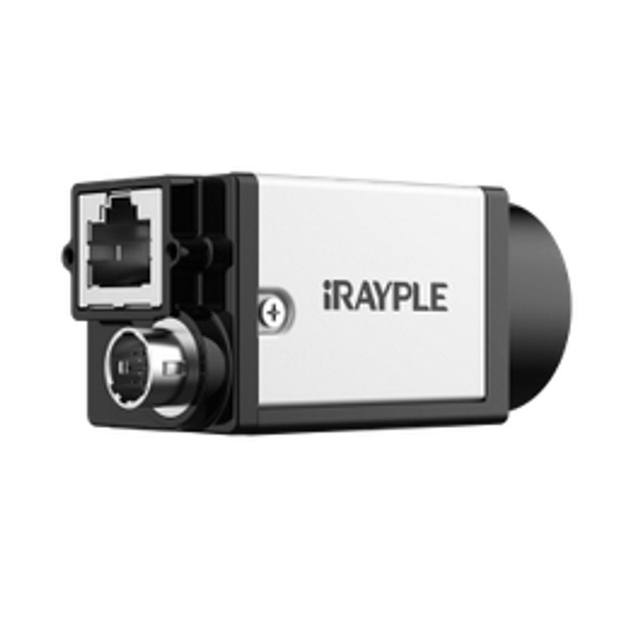
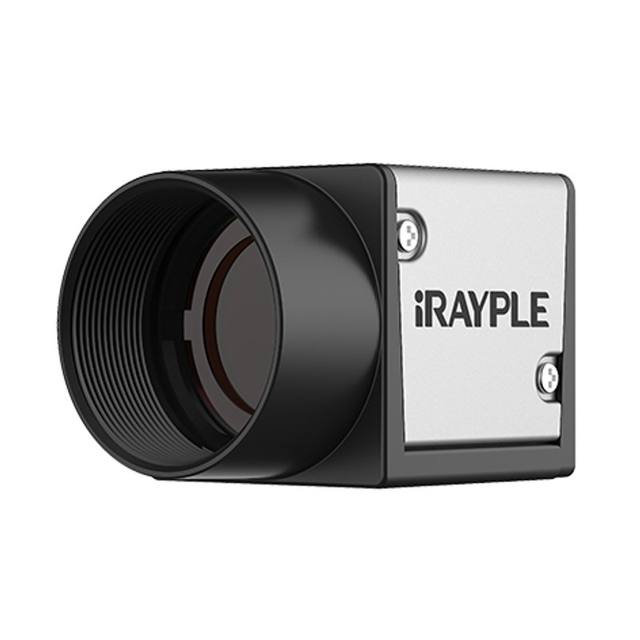
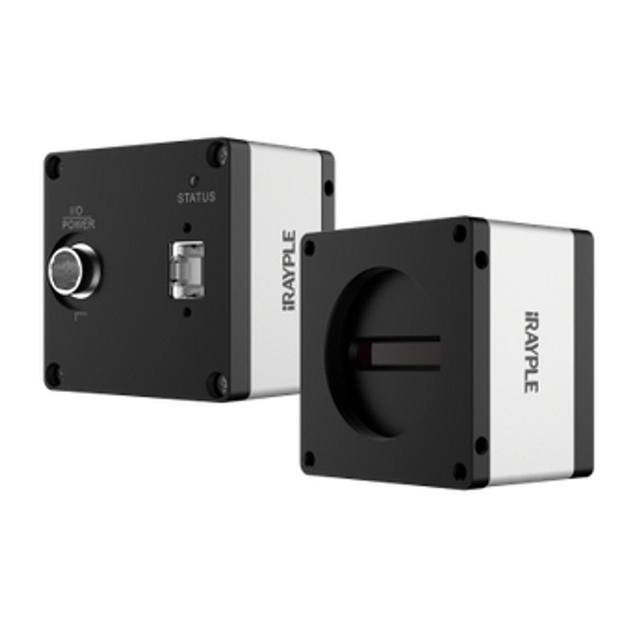
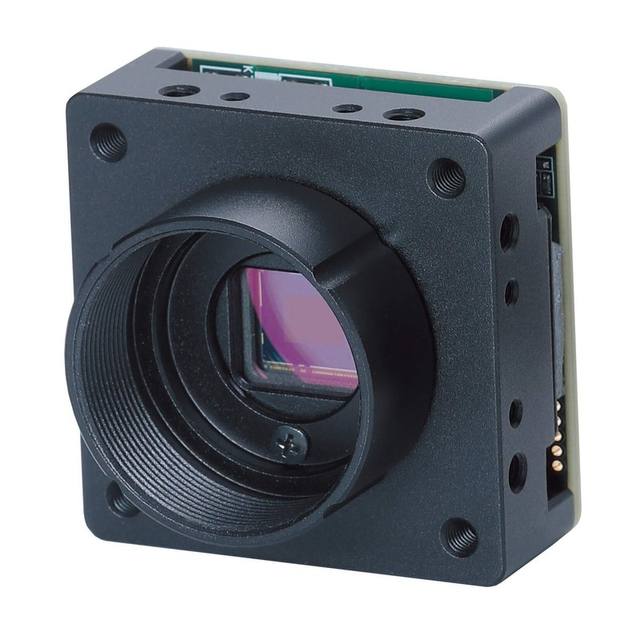
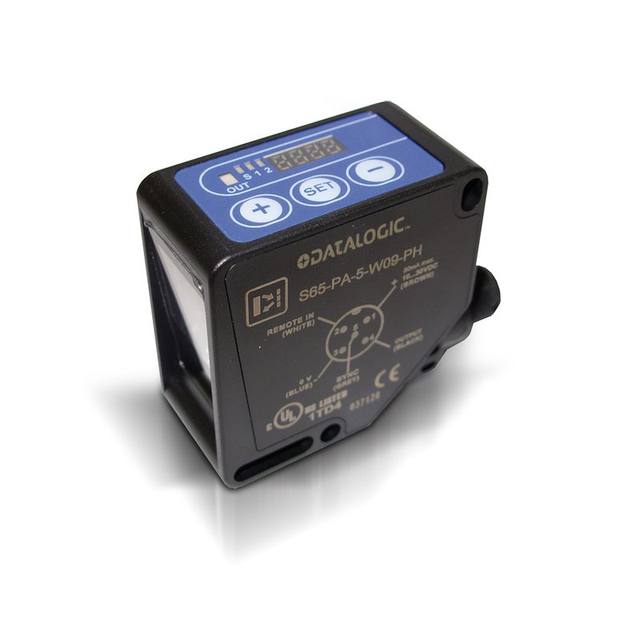
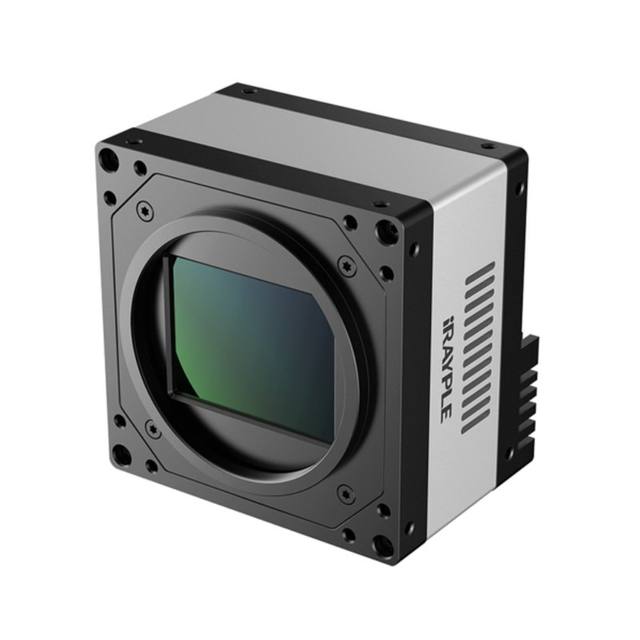
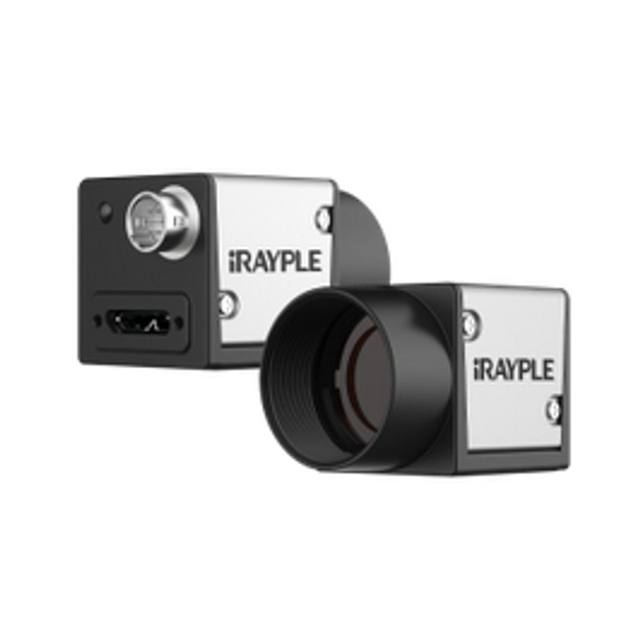
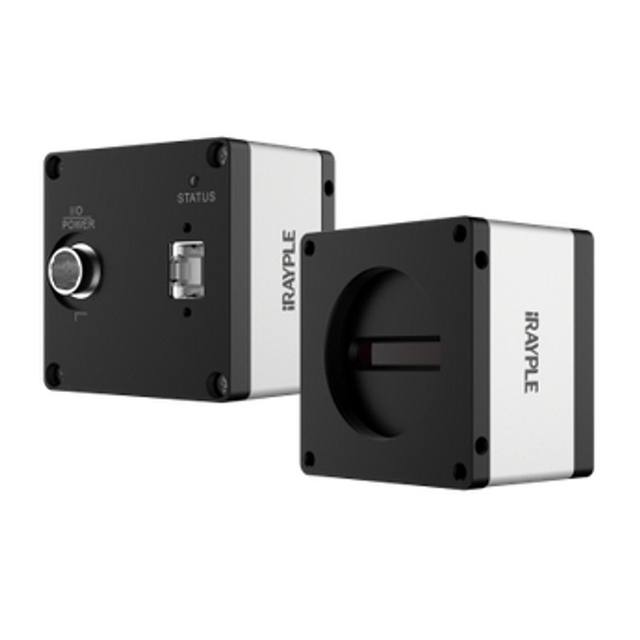
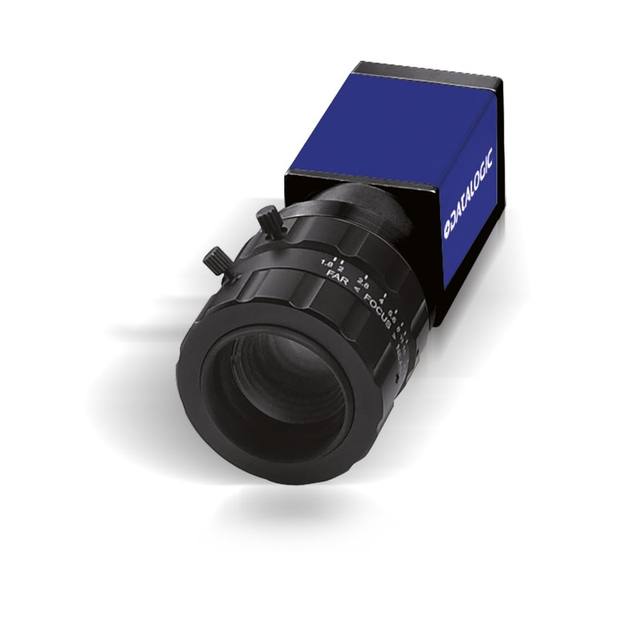
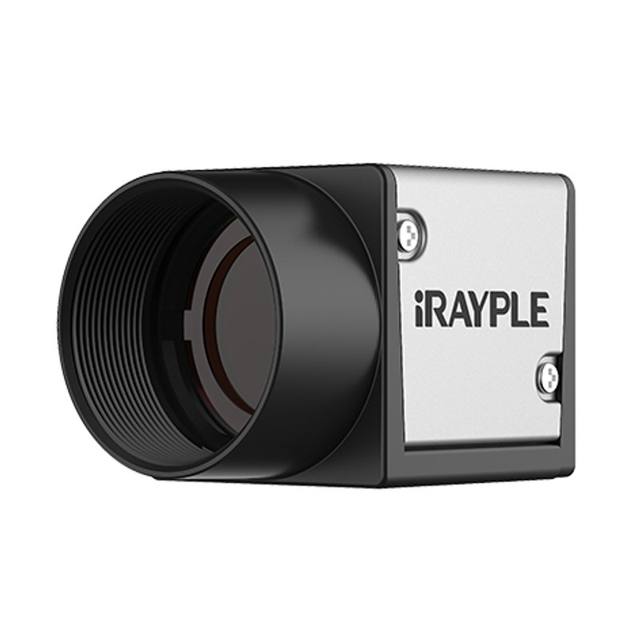
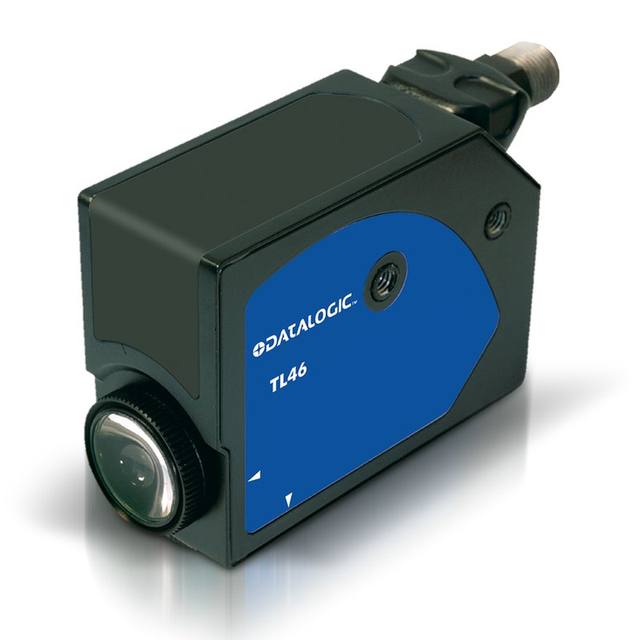
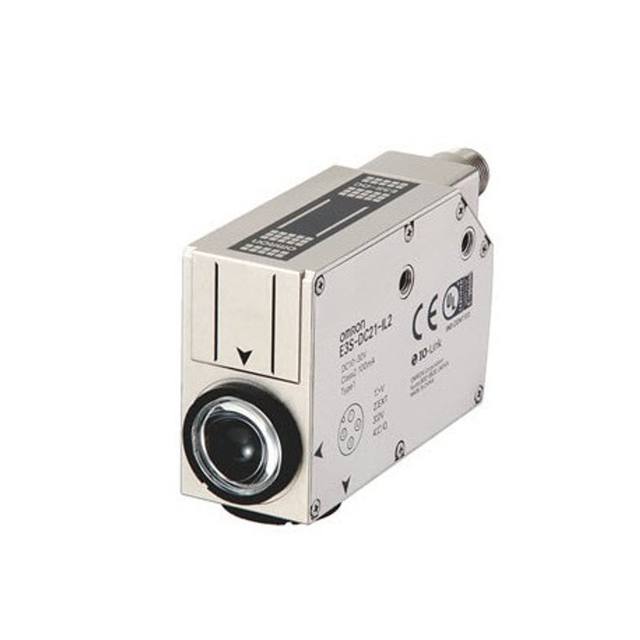
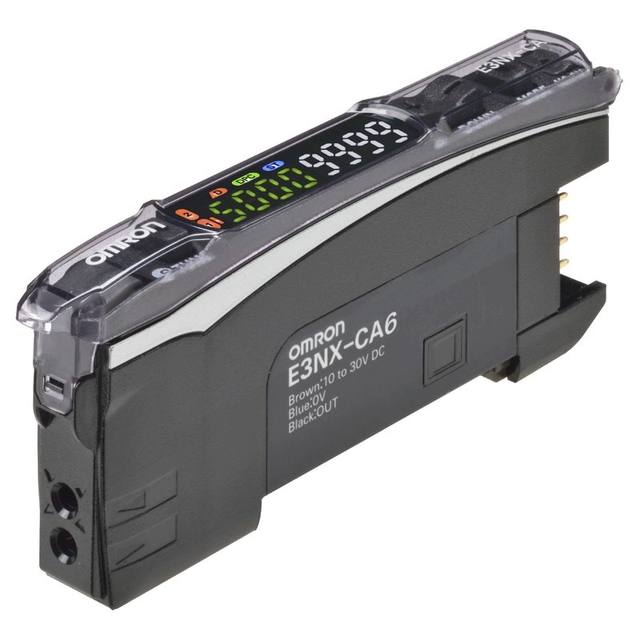
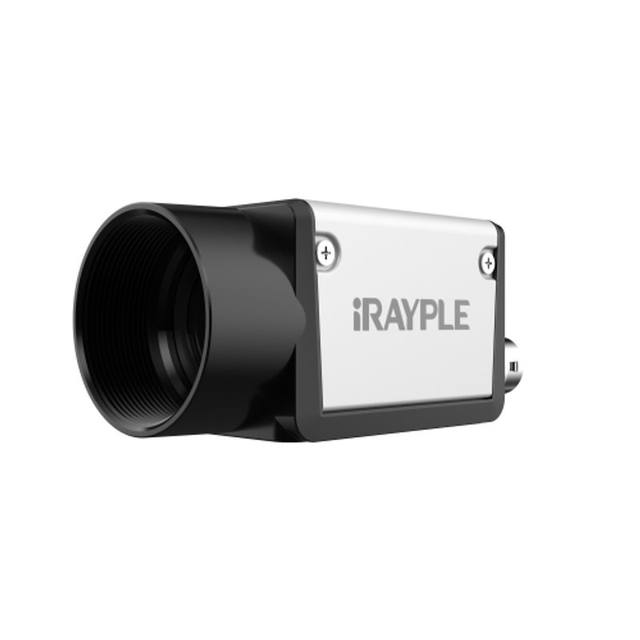
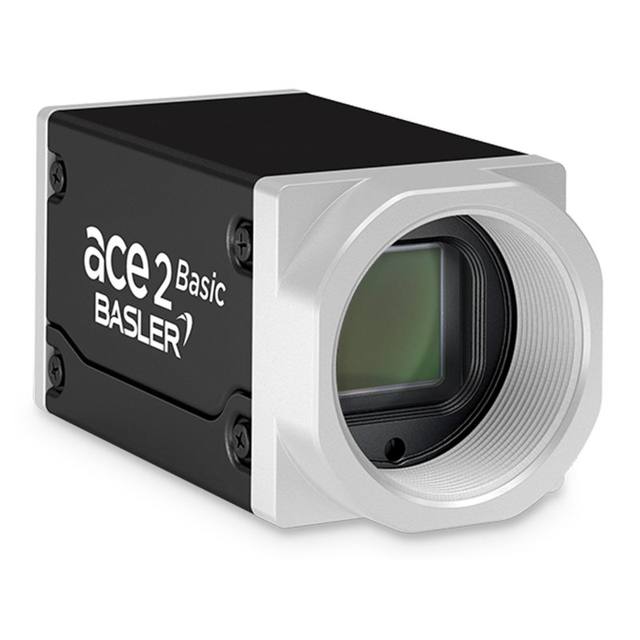
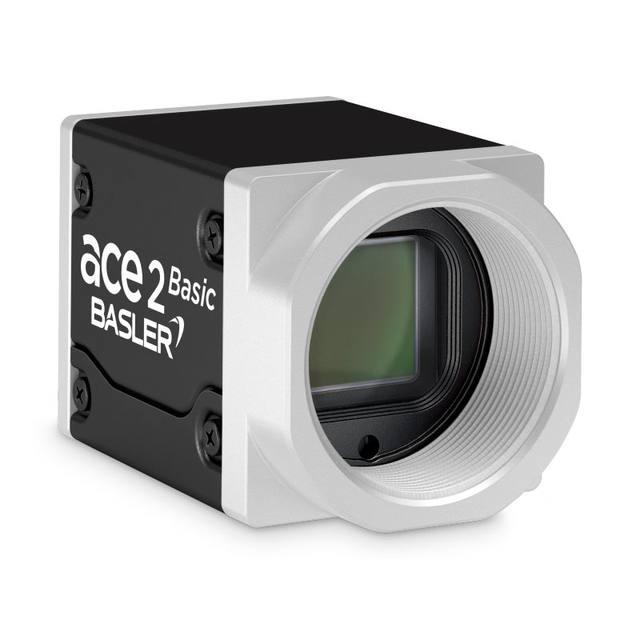
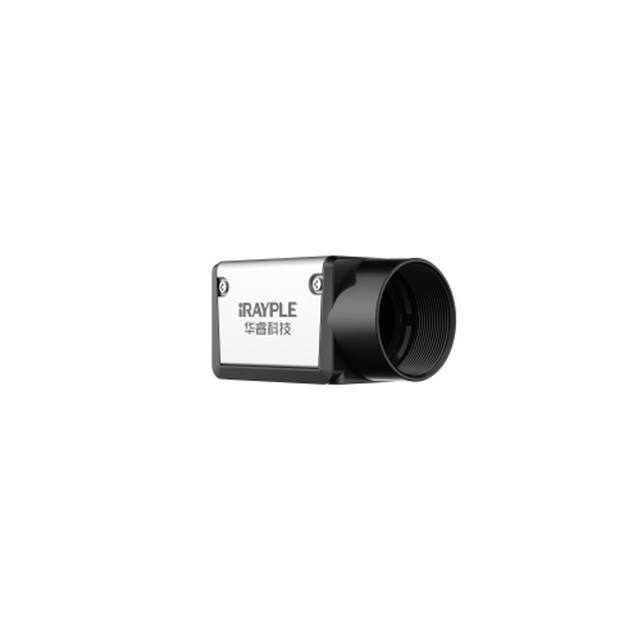
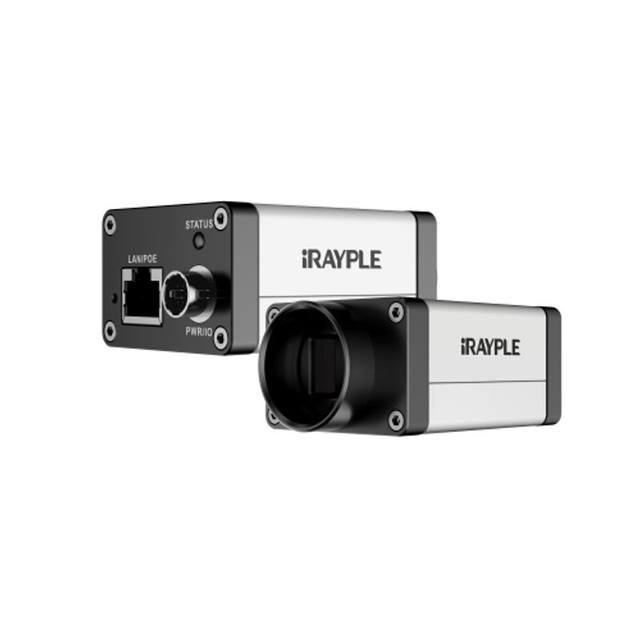
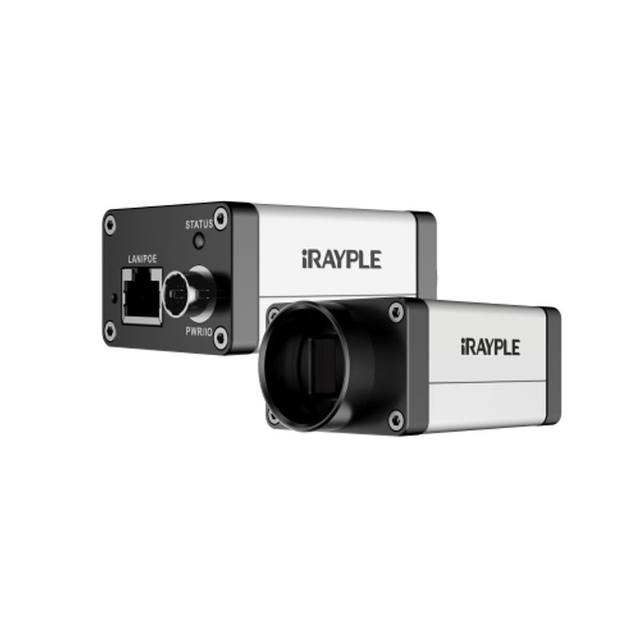
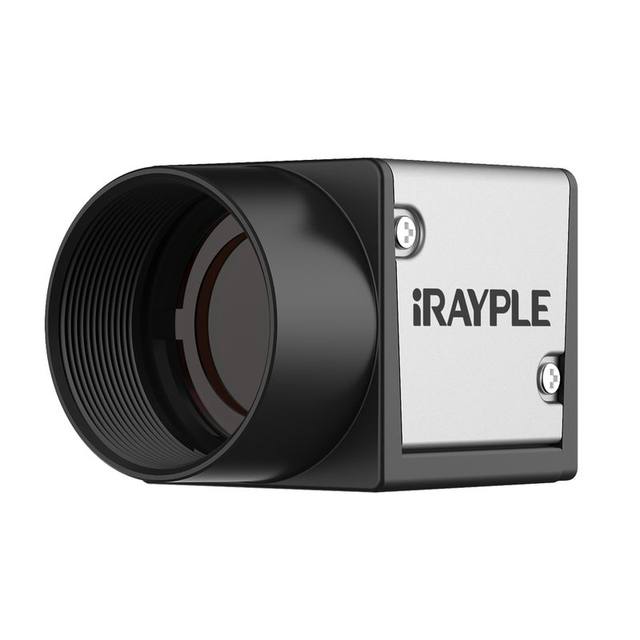
The recommended hardware on this page maps directly onto the read/verify/light structure above. Code readers cover the in-line decoding job: image-based industrial readers from iRAYPLE, Datalogic/Datasensing and Omron span entry-level fixed-mount units for single-symbol label reading through to high-performance models with the resolution and processing for fast-moving lines, omnidirectional reading and difficult DPM. Code verifiers from Datalogic/Datasensing and Omron provide the calibrated, standards-compliant grading you need for ISO/IEC 15415/15416, GS1 and regulated pharma workflows. Machine vision lighting, including dedicated illuminators from DCM Sistemes, supplies the controlled bright-field, dark-field, dome or coaxial geometry that makes both reading and verification dependable on your specific substrate.
Selection comes down to a short, honest specification: the worst-case symbol you must handle, the smallest module size, the field of view and working-distance range, the line speed, the protocols your control system speaks, and whether you have a documented verification or compliance requirement. Get those right and the components above form a robust, maintainable traceability cell. The hardest part is not buying any single device — it is proving the full chain of part, optics, lighting, reader and software holds up across every variant and condition the line will see in a year of production.