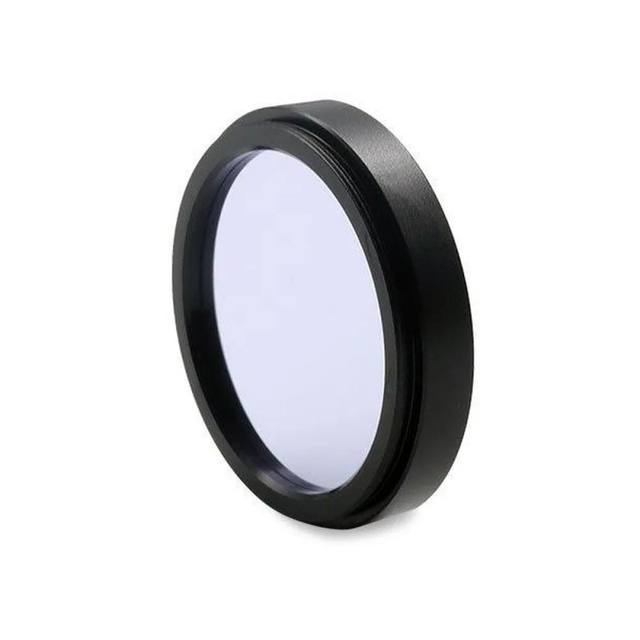
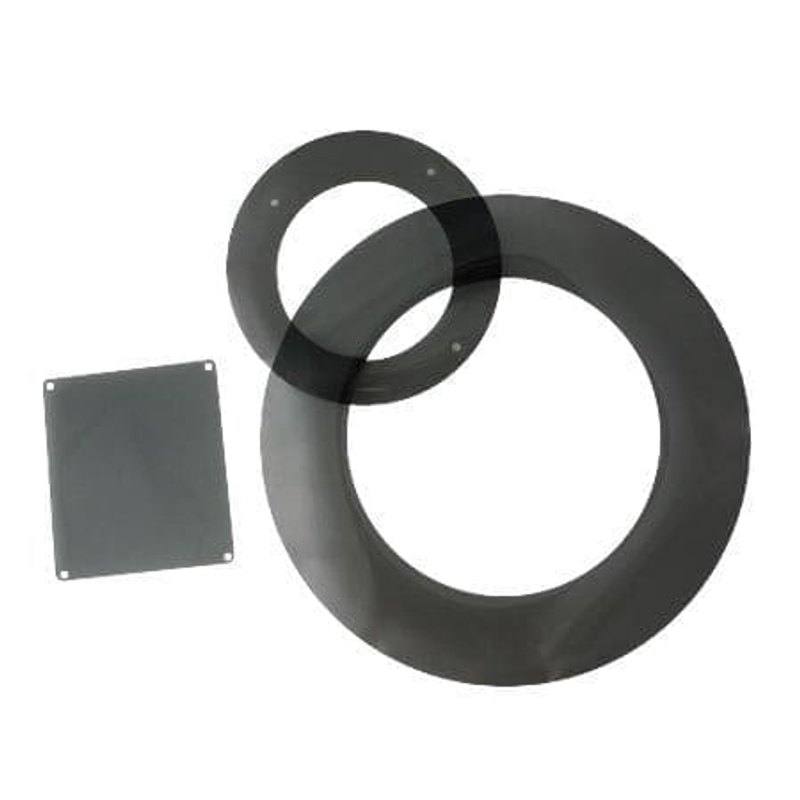
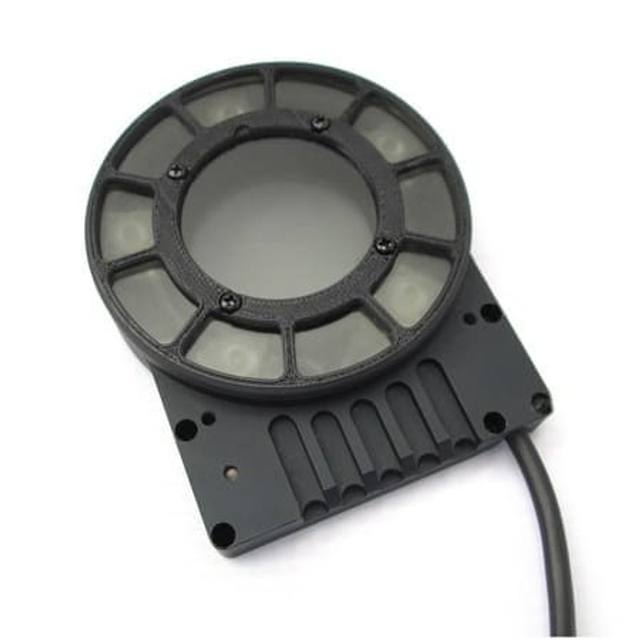
The VPF Series are lighting-mounted linear polarizer filters designed as snap-on accessories for DCM Sistemes direct LED lighting systems including ALB, ALD, BKL, PLA, PLC, PLD, PLU, PRC, and PRH series. Each filter is ordered by specifying VPF + the compatible lighting model (e.g., VPFBKL0707B for a BKL0707B bar light); an integrated factory modifier version is also available using the /FPL suffix on the lighting system order reference. When used in conjunction with a VPLN camera lens polarizer (crossed polarization), the VPF filter eliminates direct specular reflections from shiny surfaces, enabling high-contrast imaging of labels, packaging, and glossy components. Filter outer dimensions match the footprint of the companion lighting unit (ranging from 40×34 mm for BKL0303A up to 307×292 mm for large-format models).
Brand
DCM Sistemes
Filter type
protector
Dimensions
Match companion lighting unit footprint (from approx. 40×34 mm to 307×292 mm depending on model)
The DCM Sistemes VPF Series are lighting-mounted linear polarizer filters designed as snap-on accessories for DCM Sistemes direct LED lighting systems, including the ALB, ALD, BKL, PLA, PLC, PLD, PLU, PRC, and PRH series. Each filter is ordered by prefixing the companion lighting model code with VPF — for example, VPFBKL0707B for a BKL0707B bar light. Alternatively, specifying the /FPL suffix on the lighting system order reference produces a factory-integrated version. Filter outer dimensions match the footprint of the companion lighting unit exactly, ranging from approximately 40×34 mm for the BKL0303A up to 307×292 mm for large-format models, so there is no vignetting or light spillage at the source. Operating temperature range is 0–40°C.
The VPF filter linearly polarizes light emitted by the LED illuminator. When used in conjunction with a VPLN camera lens polarizer oriented in the crossed configuration, the pair eliminates direct specular reflections from shiny surfaces, enabling high-contrast imaging of labels, printed codes, and surface features on glossy or reflective substrates. Neither component achieves glare reduction alone — both the VPF on the light and the VPLN on the lens must be present for the technique to work. The result is that specular glare is suppressed optically without changing the lighting geometry or requiring physical shielding of the scene.
Best for
Reading printed labels, barcodes, and data matrix codes on reflective or glossy packaging where direct specular glare causes washout or contrast loss
Inspecting surface features, scratches, or defects on polished metal, lacquered plastic, or glass components where specular reflections obscure detail
OCR and OCV on shiny or varnished packaging in food, beverage, pharma, and logistics lines where ink and substrate have similar reflectance
Traceability code reading on automotive and electronics components with reflective metallic or anodized surfaces
Any inspection task where the illuminator cannot be repositioned to avoid specular reflection — crossed polarization removes the reflection optically rather than geometrically
Selection notes
The VPF model code must exactly match the companion lighting unit — specify VPF followed by the complete lighting model code (e.g., VPFBKL0707B for a BKL0707B bar light). If a factory-integrated polarizer is preferred over a snap-on accessory, add the /FPL suffix to the lighting system order reference instead. Confirm that your lighting series is among the supported families: ALB, ALD, BKL, PLA, PLC, PLD, PLU, PRC, and PRH.
Crossed polarization requires a paired VPLN camera lens polarizer in addition to the VPF lighting filter. Using only the VPF without the VPLN has no practical glare-reduction effect on the image. Budget for both components when specifying the system.
Polarizer filters reduce total light throughput at the sensor. Compensate by increasing LED drive current where the lighting system permits, using a camera with higher sensitivity, or increasing exposure time if motion blur is acceptable. Factor reduced throughput into camera and lens selection when designing the system.
Filter dimensions scale with the companion lighting unit footprint, from 40×34 mm up to 307×292 mm. For large-format illuminators, confirm the installation envelope accommodates the added depth of the snap-on filter, particularly in compact fixtures or enclosed housings.
If the application uses colored or spectrally selective LED illuminators, verify that the polarizer material has adequate transmission at the LED peak wavelength before finalizing the specification. Consult DCM Sistemes if there is any uncertainty about wavelength compatibility for your specific illuminator model.
Specifications: General
Brand
DCM Sistemes
Specifications: Optical
Filter type
protector
Specifications: Environment
Operating temperature
0–40°C
Specifications: Mechanical
Dimensions
Match companion lighting unit footprint (from approx. 40×34 mm to 307×292 mm depending on model)
Applications this camera is commonly selected for. Open one to see the full recommended hardware and approach.
Yes. The VPF filter polarizes light leaving the illuminator, but it does not block glare at the camera on its own. You must also fit a VPLN linear polarizer to the camera lens and orient it in the crossed configuration relative to the VPF. Only this crossed pair suppresses specular reflections at the sensor. Using just the VPF without the VPLN has no practical glare-reduction effect on the image.
Prefix your DCM Sistemes lighting model code with VPF. For example, a BKL0707B bar light requires a VPFBKL0707B filter. If you prefer the polarizer integrated at the factory rather than fitted as a snap-on accessory, add the /FPL suffix to the lighting order reference instead. The supported lighting series are ALB, ALD, BKL, PLA, PLC, PLD, PLU, PRC, and PRH.
Yes. Each linear polarizer in the crossed pair reduces light throughput, so the effective illumination reaching the sensor will be lower than in an unpolarized setup. You will typically need to increase LED intensity, open the lens aperture, raise camera gain, or extend exposure time to compensate. Factor this into camera and lens selection when designing the system.
The VPF Series is designed and dimensioned exclusively for DCM Sistemes lighting units. The snap-on attachment and outer dimensions are matched to specific DCM Sistemes models from the ALB, ALD, BKL, PLA, PLC, PLD, PLU, PRC, and PRH series. It will not fit third-party lighting products.
Crossed polarization is highly effective against first-surface specular reflections — glare from flat, mirror-like surfaces such as glass, polished metal, lacquered packaging, and glossy labels. Its effectiveness depends on the surface characteristics of each application. For surfaces or materials where crossed polarization does not provide sufficient contrast improvement, alternative lighting approaches such as diffuse domed lighting or backlighting may be more suitable.