Skip to content
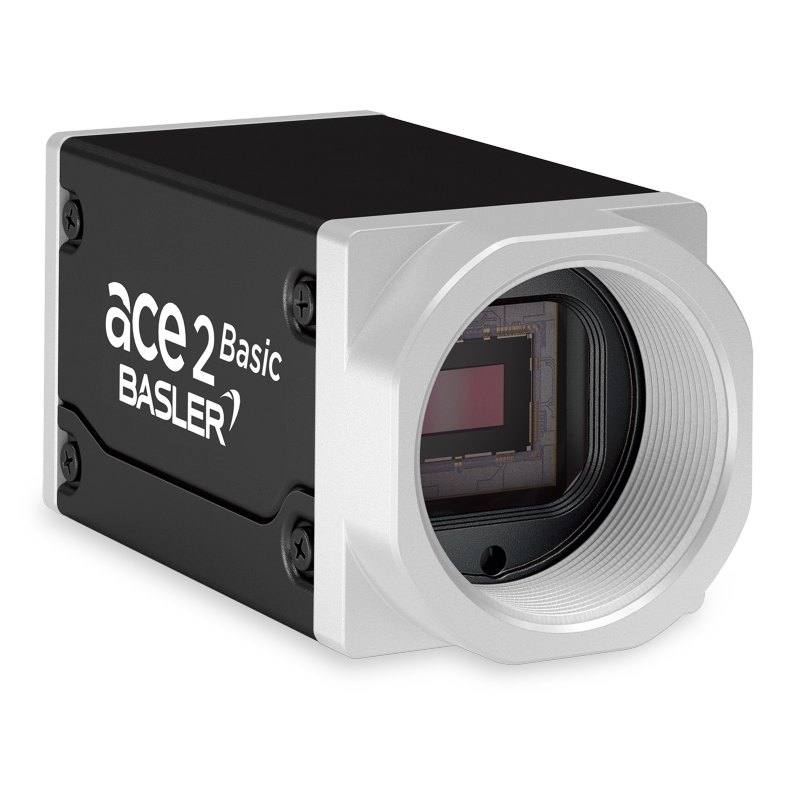
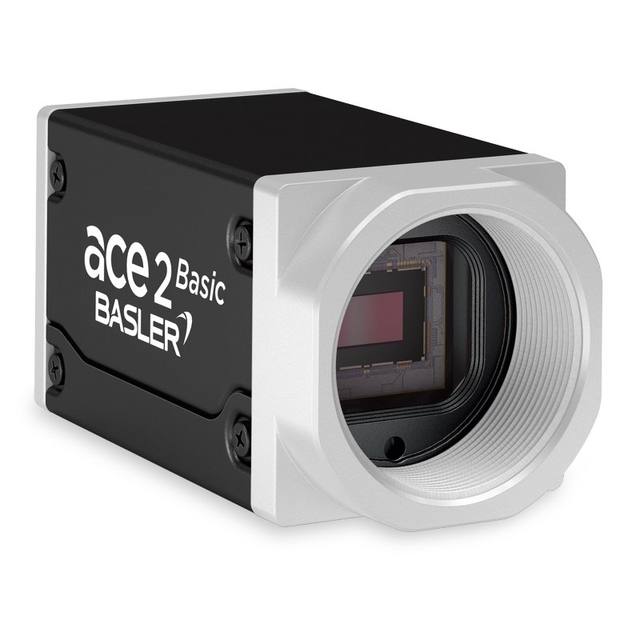
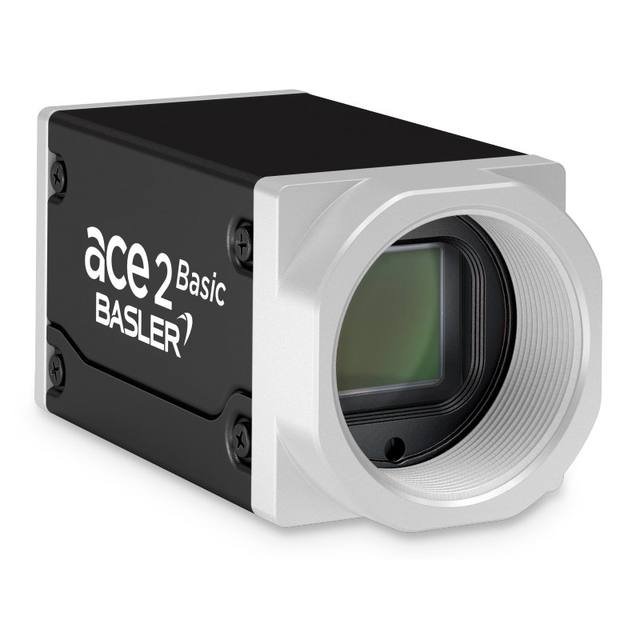
Basler a2A3536-9gm machine vision camera
  • Rosepetal compatible
  • Recommended by AIS Vision

Basler ace 2 a2A3536-9gmBAS

a2A3536-9gmBAS

The a2A3536-9gmBAS is part of Basler's ace 2 Basic GigE family and uses the 1/1.6" Sony IMX676 STARVIS 2 CMOS sensor with 2.0 µm pixels, providing 12.5 MP (3536 x 3536) monochrome output at up to ~9.3 fps over a Gigabit Ethernet interface. The STARVIS 2 sensor offers high quantum efficiency (≈91.7%) and strong sensitivity across the visible and near-infrared (0.4–1.1 µm) range, making it well suited to low-light and NIR applications. It uses a C-mount, supports 10/12-bit pixel formats, and can be powered via PoE (IEEE 802.3af) or 12–24 VDC through the I/O connector. The camera is GigE Vision 2.0 and GenICam compliant with an IP30-rated housing.

Brand
Basler
Camera type
Area scan
Interface
GigE (Gigabit Ethernet 1000 Mbit/s)
Resolution
12.5 MP
Horizontal resolution
3536 x 3536 px
Mono / color
Mono (Visible + NIR)
Sensor manufacturer
Sony (STARVIS 2)
Sensor model
Sony IMX676 (STARVIS 2)
Shutter
Rolling shutter
FPS
9.3 fps
Mount
C-mount
Sensor size
1/1.6" (7.1 x 7.1 mm, 10.0 mm diagonal)

Technical overview

The Basler ace 2 a2A3536-9gmBAS is a 12.5 MP monochrome area-scan camera built on Sony's 1/1.6" IMX676 STARVIS 2 CMOS sensor, delivering a square 3536 x 3536 px frame at up to 9.3 fps over a Gigabit Ethernet (1000 Mbit/s) interface. The square format is unusual and useful: it removes the wasted field of view you get when fitting a rectangular sensor over a round or square part, so for wafers, lids, caps, and disc-shaped electronics you can map the camera's full resolution onto the object instead of cropping. With 2.0 µm pixels on a 7.1 x 7.1 mm active area, the camera resolves very fine spatial detail per frame, which is what makes the 12.5 MP count worth paying for in surface and defect inspection rather than being wasted on a coarse sensor.

The defining trait of this model is the STARVIS 2 generation of the IMX676, which the spec sheet credits with roughly 91.7% peak quantum efficiency and strong response across the 0.4-1.1 µm band, meaning it is sensitive not only across visible light but well into the near-infrared. That is the practical reason to choose this camera over a plain monochrome part: it tolerates low light, lets you shorten exposure or reduce LED power, and can be paired with NIR illumination using the same sensor. Output is 10- or 12-bit mono, giving more tonal gradation than 8-bit for grayscale gradient defects and OCV contrast. The trade-off to plan around is the rolling shutter: rows are exposed sequentially, so fast-moving parts will skew or smear. This is a camera for stationary or indexed inspection, or for line speeds slow enough that motion blur stays within a pixel during exposure, not for parts streaming continuously past at speed.

Integration is deliberately simple. The GigE Vision 2.0 / GenICam interface runs over a standard Gigabit Ethernet cable, and a single cable can carry both data and power because the camera accepts PoE (IEEE 802.3af) as well as 12-24 VDC through the I/O connector. At only 3.4 W draw, 100 g, and a compact 62.2 x 29 x 29 mm body rated to operate from -10 to 60 °C, it drops into tight fixtures and machine frames easily, though the IP30 housing means it expects a clean or enclosed environment rather than direct washdown. The C-mount accepts a broad range of standard lenses, but the small 2.0 µm pixels demand a high-resolution lens that can actually resolve down to that pitch, and the 1/1.6" (10.0 mm diagonal) format sets the image circle the lens must cover. Because 9.3 fps is modest, this is a camera you typically run in triggered single-shot mode synchronized to a part-present sensor and a strobed or steady light, not a high-frame-rate streaming part.

Best for

  • High-resolution surface and defect inspection of flat or disc-shaped parts where the square 3536 x 3536 frame maps cleanly onto the object
  • Low-light or NIR-assisted imaging that exploits the STARVIS 2 sensor's high quantum efficiency and 0.4-1.1 µm sensitivity into the near-infrared
  • OCR/OCV and 2D code reading on electronics, packaging, and pharmaceutical components where 12.5 MP detail and 10/12-bit grayscale aid character and code contrast
  • Dimensional measurement and gauging of stationary or indexed parts that need fine pixel resolution across a wide field
  • Factory installations on semiconductor, food, and packaging lines where a single PoE cable for data and power over Gigabit Ethernet simplifies wiring

Selection notes

  • Confirm motion is stationary or indexed: the rolling shutter will skew or smear continuously moving parts, so plan triggered single-shot capture or keep line speed low enough that motion stays sub-pixel during exposure
  • Budget for a high-resolution C-mount lens covering the 1/1.6" (10.0 mm diagonal) image circle and able to resolve 2.0 µm pixels, otherwise the 12.5 MP advantage is lost to lens blur
  • Verify your throughput tolerates 9.3 fps; this is a detail-oriented, not high-speed, camera, so for fast cycle times confirm the indexed dwell time fits within one frame plus exposure and transfer
  • Provision the network: the GigE Vision 2.0 interface needs a dedicated Gigabit NIC or switch port, and if powering over PoE confirm the switch or injector supplies IEEE 802.3af; otherwise wire 12-24 VDC to the I/O connector
  • Respect the IP30 rating and -10 to 60 °C operating range; in wet, dusty, or washdown areas the camera needs an enclosure, and the low 3.4 W draw means minimal heat to dissipate in tight fixtures

Specifications: General
BrandBasler
Camera typeArea scan

Specifications: Sensor
Resolution12.5 MP
Horizontal resolution3536 x 3536 px
Mono / colorMono (Visible + NIR)
Sensor manufacturerSony (STARVIS 2)
Sensor modelSony IMX676 (STARVIS 2)
ShutterRolling shutter
Sensor size1/1.6" (7.1 x 7.1 mm, 10.0 mm diagonal)
Pixel size2.0 x 2.0 µm

Specifications: Performance
FPS9.3 fps

Specifications: Interface
InterfaceGigE (Gigabit Ethernet 1000 Mbit/s)
ProtocolsGigE Vision 2.0, GenICam

Specifications: Optics
MountC-mount

Specifications: Electrical
PowerPoE (IEEE 802.3af) or 12–24 VDC
Power consumption3.4 W

Specifications: Environment
Operating temperature-10 to 60 °C

Specifications: Mechanical
Dimensions62.2 x 29 x 29 mm
Weight100 g

Frequently asked questions

Related technical guides

Rosepetal · AI

Test this camera with Rosepetal

Validate your visual inspection with AI: send us sample images and we evaluate the case on your hardware.

AIS Vision · Integration

We validate camera + lens + lighting

AIS Vision defines and tests the optimal combination of camera, optics and lighting for your application before you buy.