Skip to content
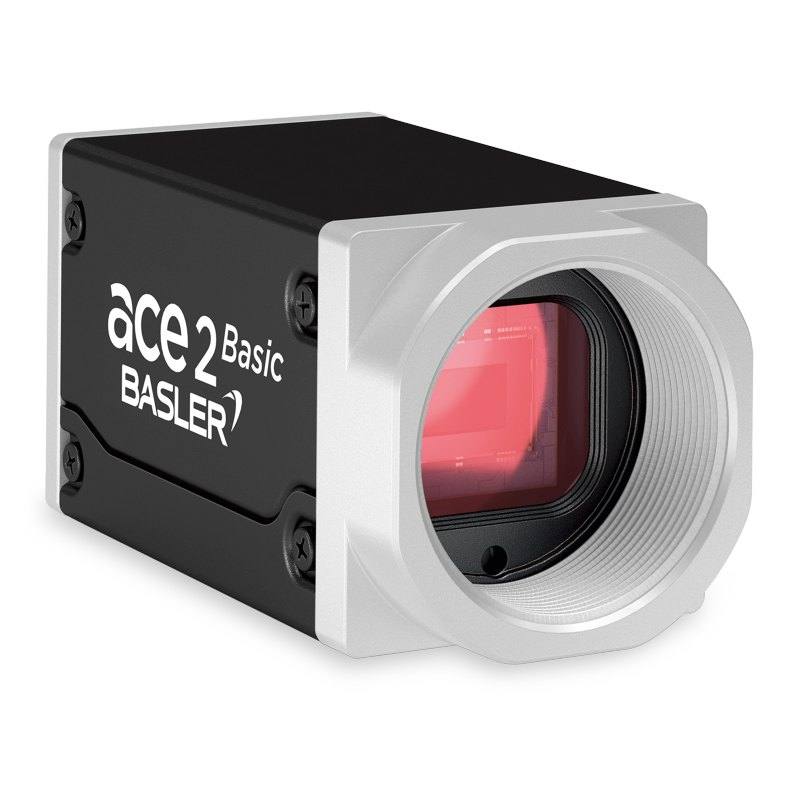
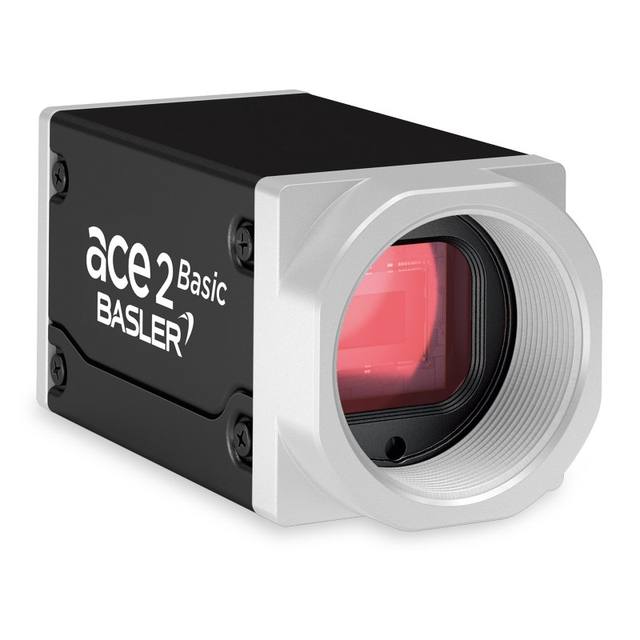
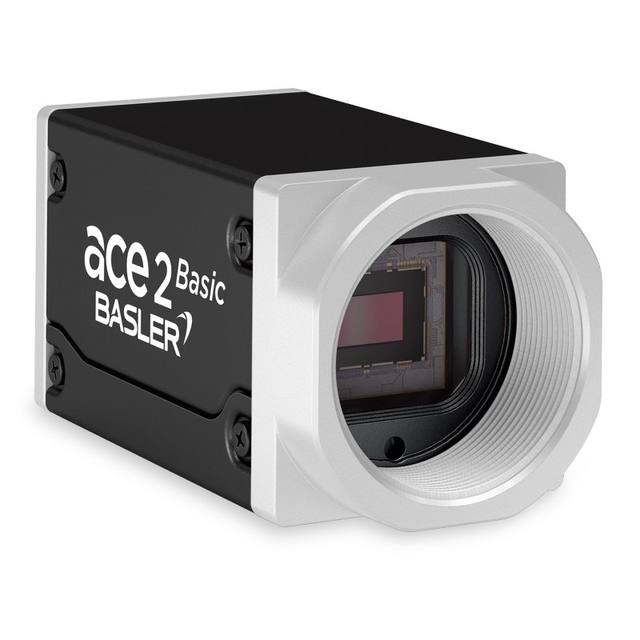
Basler a2A3536-9gc machine vision camera
  • Rosepetal compatible
  • Recommended by AIS Vision

Basler ace 2 a2A3536-9gc

a2A3536-9gc

The Basler ace 2 a2A3536-9gc is an area scan industrial camera with a 1/1.6" Sony IMX676 (STARVIS 2) CMOS color sensor delivering 3536 x 3536 px (12.5 MP) at up to 9 fps over a Gigabit Ethernet interface. It uses a rolling shutter with 2.0 x 2.0 um pixels and supports the GigE Vision 2.0 and GenICam standards. The camera ships in a compact aluminum C-mount box housing, can be powered via PoE or 12-24 VDC, and offers high sensitivity in the visible and NIR range, making it suited to low-light and price-sensitive applications.

Brand
Basler
Camera type
Area scan
Interface
GigE (Gigabit Ethernet, 1000 Mbit/s)
Resolution
12.5 MP
Horizontal resolution
3536 x 3536 px
Mono / color
Color (visible + NIR)
Sensor manufacturer
sony_starvis2 (Sony STARVIS 2)
Sensor model
Sony IMX676 (STARVIS 2)
Shutter
Rolling shutter
FPS
9 fps
Mount
C-mount
Sensor size
7.1 mm x 7.1 mm (1/1.6", 10 mm diagonal)

Technical overview

The Basler ace 2 a2A3536-9gc pairs a 1/1.6" Sony IMX676 STARVIS 2 CMOS sensor with a Gigabit Ethernet interface to deliver a square 3536 x 3536 px frame, or 12.5 MP, at up to 9 fps. The square format is unusual and genuinely useful: it gives you equal resolution on both axes, so it fits round parts, square trays, and free-orientation objects without wasting pixels the way a 4:3 or 16:9 sensor would. With 2.0 x 2.0 um pixels across a 7.1 x 7.1 mm active area (10 mm diagonal), the camera packs a lot of resolution into a small, low-cost optical format - the trade-off is that those small pixels collect less light per photosite, which is exactly why the STARVIS 2 generation matters here: it is engineered for high quantum efficiency in the visible and NIR range, so the sensor recovers much of the low-light performance that small pixels would otherwise cost you.

This is a rolling-shutter camera, and that single fact should drive how you design it in. Rolling shutter reads the sensor line by line rather than capturing the whole frame at one instant, so fast-moving or vibrating parts can show skew or smear. The a2A3536-9gc is therefore at its best on stationary or indexed/stop-motion stations - a part that pauses under the camera - or on slow, steady motion. At 9 fps it is a resolution-first, not a speed-first, camera; pair it with a stable trigger so each frame is captured while the part is still, and use a strobed light synced to that trigger to freeze any residual motion and to flood the small pixels with enough light for a clean, low-noise exposure. The color Bayer sensor (visible + NIR sensitivity) suits any task where color is part of the decision - print verification, color-coded components, produce grading - while still giving you NIR headroom for filtered or IR-assisted setups.

Mechanically and electrically it is built for easy integration. The C-mount lens interface and 1/1.6" format are well supported by standard machine-vision optics; just remember that 2.0 um pixels demand a reasonably high-resolution lens to actually resolve 12.5 MP, so budget for a lens rated for small-pixel sensors. The compact 55.5 x 29 x 29 mm aluminum box housing weighs only 100 g and draws about 3 W, and it can be powered either over PoE (one cable for data and power) or from a 12-24 VDC supply, which simplifies cabinet wiring and robot-mounted installs. It speaks GigE Vision 2.0 and GenICam, so it drops into any standard vision software stack, and the single Gigabit Ethernet cable supports runs up to 100 m - far longer than USB3 - which is convenient when the PC sits away from the line. Note the IP30 rating and -10 to 60 C operating range: this is a clean-environment, in-cabinet or guarded-mount camera, not a washdown-rated unit, so plan an enclosure if the station sees dust, splash, or coolant.

Best for

  • High-resolution surface and defect inspection on stationary or indexed parts, where 12.5 MP across a square frame captures fine detail over a wide field in a single shot
  • Color-dependent inspection such as print/label verification, color-coded component checks, and food and beverage or produce grading, using the color visible + NIR sensor
  • Industrial OCR/OCV and reading of printed text or codes on parts that pause under the camera, where the high pixel count gives ample characters-per-feature margin
  • Dimensional measurement and presence/position checks on indexed conveyor stations, where the equal H and V resolution suits round or free-orientation objects
  • Cost-sensitive, low-light electronics or packaging inspection cells that need long cable runs and single-cable PoE rather than a fast global-shutter camera

Selection notes

  • Confirm your parts are stationary or move slowly: this is a rolling-shutter sensor, so fast continuous motion can cause skew or smear. Use indexed/stop-motion stations or a strobed light synced to a trigger to freeze the image.
  • Budget for a high-resolution C-mount lens. The 2.0 um pixels mean a low-MP lens will bottleneck actual resolved detail well below the nominal 12.5 MP; choose optics rated for the 1/1.6" format and small-pixel sensors.
  • Plan for light. Small 2.0 um pixels collect less light per exposure, so even with STARVIS 2 high sensitivity, provide strong, controlled illumination - strobed where possible - for short exposures and low noise.
  • Size your network and frame rate. At 9 fps over Gigabit Ethernet this is a resolution-first camera, not a high-speed one; if your cycle time needs more frames per second or global shutter, this model is not the right fit.
  • Match the environment to the IP30 rating and -10 to 60 C range. For dusty, wet, or washdown areas, add a protective enclosure; PoE or 12-24 VDC power and the 100 g aluminum box make cabinet or robot mounting straightforward.

Specifications: General
BrandBasler
Camera typeArea scan

Specifications: Sensor
Resolution12.5 MP
Horizontal resolution3536 x 3536 px
Mono / colorColor (visible + NIR)
Sensor manufacturersony_starvis2 (Sony STARVIS 2)
Sensor modelSony IMX676 (STARVIS 2)
ShutterRolling shutter
Sensor size7.1 mm x 7.1 mm (1/1.6", 10 mm diagonal)
Pixel size2.0 x 2.0 um

Specifications: Performance
FPS9 fps

Specifications: Interface
InterfaceGigE (Gigabit Ethernet, 1000 Mbit/s)
ProtocolsGigE Vision 2.0, GenICam

Specifications: Optics
MountC-mount

Specifications: Electrical
PowerPoE or 12-24 VDC
Power consumption3 W

Specifications: Environment
IP ratingIP30
Operating temperature-10 to 60 °C

Specifications: Mechanical
Housing materialBox (aluminum)
Dimensions55.5 x 29 x 29 mm
Weight100 g

Frequently asked questions

Related technical guides

Rosepetal · AI

Test this camera with Rosepetal

Validate your visual inspection with AI: send us sample images and we evaluate the case on your hardware.

AIS Vision · Integration

We validate camera + lens + lighting

AIS Vision defines and tests the optimal combination of camera, optics and lighting for your application before you buy.