Skip to content
Datalogic / Datasensing S3N series machine vision sensor
  • Recommended by AIS Vision

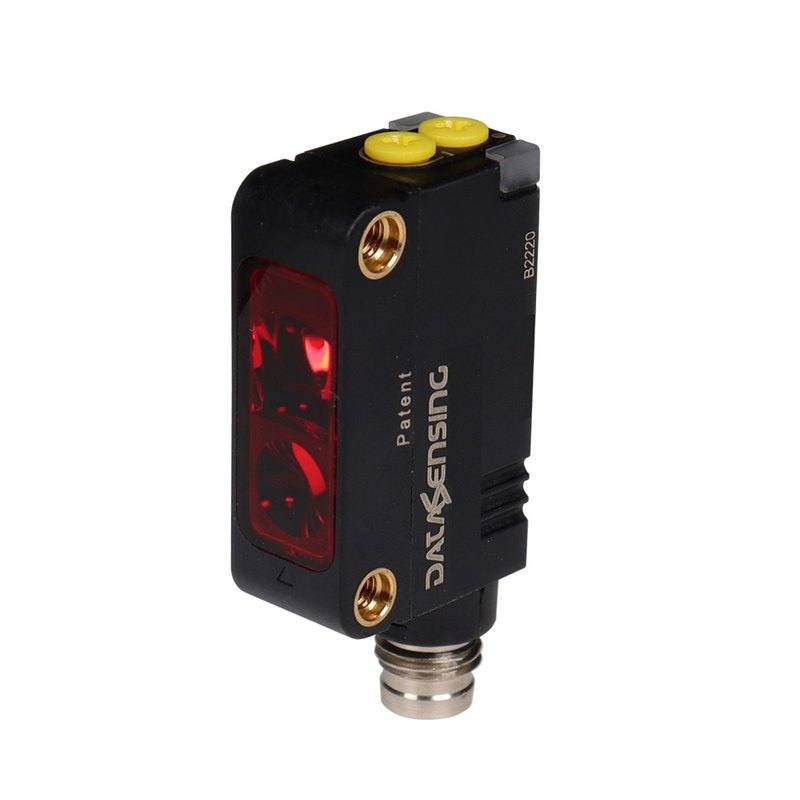
Datasensing S3N Series Miniature Photoelectric Sensor

S3N series

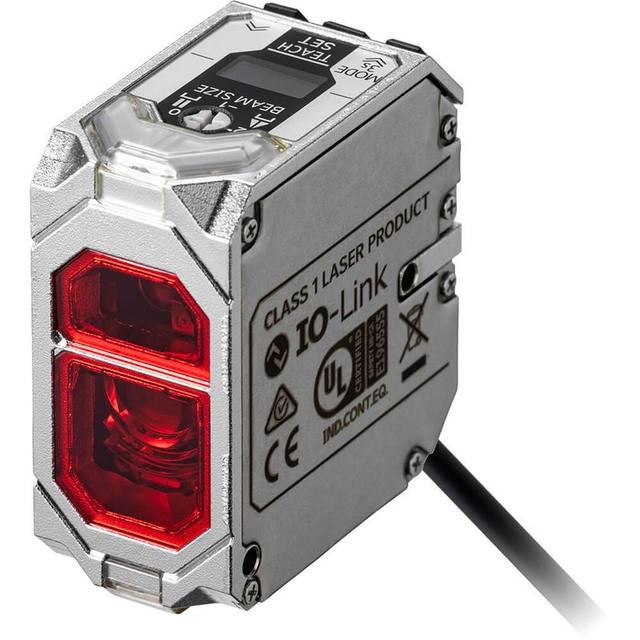
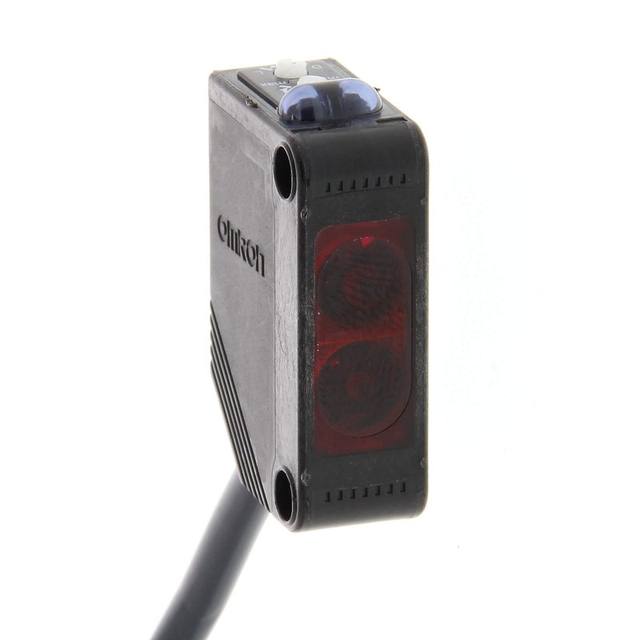
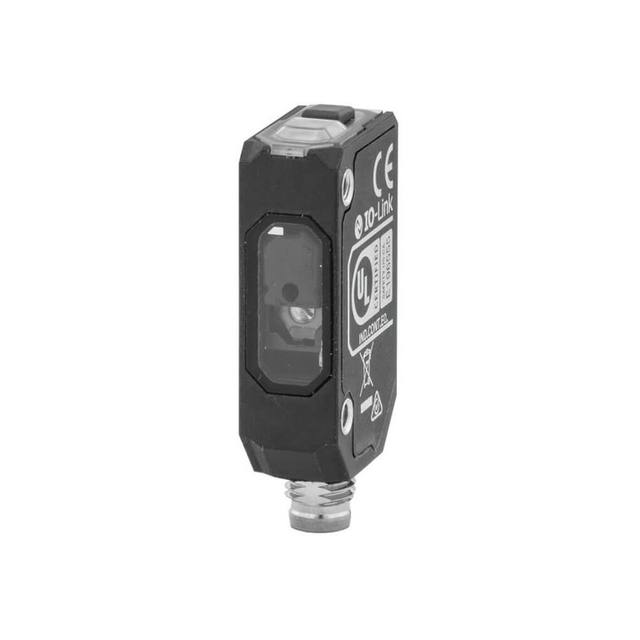
The S3N is a complete line of miniature photoelectric sensors in an IP67 fiberglass-reinforced technopolymer case, offered with visible red LED emission (635 nm, RG0 exempt) or red laser emission (650 nm, Class 1 IEC60825-1). Optical functions include polarized retroreflective (0.05-7 m on R5 with LED, up to 0.1-12 m on R7 with laser), diffuse narrow/long beam (up to 1 m), through-beam (20 m LED / 30 m laser) and multiple background-suppression variants (up to 800 mm LED, 600 mm laser). LED models run at 1 kHz switching frequency with 500 us response time, while laser models reach 2 kHz / 250 us; all operate on 10-30 VDC with 100 mA short-circuit-protected outputs in PNP or NPN, and -OZ models add IO-Link connectivity with configurable static output and Smart Tasks. Connection is by 2 m cable or M8 4-pin connector, with adjustment via single trimmer, double trimmer (Adj.+ L/D) or teach-in push button.

Brand
Datalogic / Datasensing
Sensor type
Photoelectric sensor
Sensing method
Multi-variant: polarized retroreflective, diffuse, through-beam, background suppression
Light source
red_led_635nm or red_laser_650nm (S3N-PH); display already lists both
Range / distance
Up to 7 m polarized retroreflective on R5 (LED); 20 m through-beam (LED), 12 m retro / 30 m through-beam (laser)
Response time
500 us (LED); 250 us (laser)
Switching frequency
1 kHz (LED); 2 kHz (laser)
Output type
PNP or NPN discrete (all models); IO-Link + configurable static output on -OZ models
Communication
IO-Link (S3N...OZ models) with configurable static output and Smart Tasks
Supply voltage
10-30 VDC, ripple <=10% peak-to-peak max.
Connection
M8 4-pin connector or 2 m cable (3 wires, dia. 3.5 mm)
Housing material
Body: fiberglass-reinforced technopolymer; indicators TPE; window PMMA; plug nickel-plated brass

Technical overview

The S3N is not a single sensor but a miniature photoelectric family built around one 11 x 32 x 20 mm fiberglass-reinforced technopolymer body, so the first design decision is which optical function you order rather than which housing fits. All four classic sensing methods are available: polarized retroreflective (0.05-7 m on an R5 reflector with the red LED, extending to 0.1-12 m on an R7 reflector with the laser), diffuse narrow/long beam reaching up to 1 m, through-beam at 20 m with the LED emitter or 30 m with the laser, and several background-suppression variants (up to 800 mm with the LED, 600 mm with the laser). The emitter itself is the second axis of choice: a visible 635 nm red LED (RG0 exempt, no eye-safety paperwork) or a 650 nm Class 1 red laser (IEC 60825-1) when you need a tighter, better-defined spot for small targets or precise edge detection. In practice the laser variants are what you reach for when the part is small, shiny, or positioned close to a busy background; the LED variants are the lower-cost, easier-to-aim default for general presence detection.

Electrically every model is a discrete switch first. All versions output PNP or NPN at up to 100 mA with short-circuit protection and run on a wide 10-30 VDC rail with ripple held to <=10% peak-to-peak, which makes them drop-in compatible with standard PLC input cards and 24 V machine wiring. Speed differs by emitter: LED models switch at 1 kHz with a 500 us response time, while laser models double that to 2 kHz / 250 us. Those numbers define what the S3N can and cannot do as a trigger source: at 2 kHz a laser model can reliably flag features moving past at high line speed and is fast enough to gate a camera or reject station, whereas the 500 us LED is better suited to slower presence and end-of-travel checks. Adjustment is mechanical and tool-light depending on variant: a single trimmer, a double trimmer (Adj. + Light/Dark switching), or a teach-in push button, so commissioning is done at the sensor without software for the discrete-only parts.

The -OZ models add IO-Link on top of the discrete output, and this is the variant to specify if the sensor lives on an IO-Link master rather than a bare PLC input. Over IO-Link you get a configurable static output plus Smart Tasks, meaning thresholds, switching logic and counting/timing behavior can be set and stored digitally, parameters can be cloned to a replacement sensor for fast changeover, and diagnostic/process data can be read back instead of just a hard on/off. Mechanically the whole family shares an IP67 rating, a PMMA optical window, TPE indicators and a nickel-plated brass plug, and is rated -25 to +55 C operating (-40 to +70 C storage). Connection is either a 2 m 3-wire cable (3.5 mm diameter) or an M8 4-pin connector; the 4-pin M8 is the one to choose for the IO-Link and double-output models so all signal lines are available. IP67 plus the sealed technopolymer body suit washdown-adjacent packaging and conveyor environments, though the +55 C ceiling and IP67 (not IP69K) rating should be checked against high-temperature or high-pressure washdown zones.

Best for

  • Part-present / end-of-travel detection on packaging and conveyor lines where the 11 x 32 x 20 mm body has to fit a tight bracket or guard
  • Polarized retroreflective object counting and gap detection up to 7 m (LED) or 12 m (laser) using a corner-cube reflector across a conveyor
  • Through-beam presence sensing across wide openings or pallet lanes, using the 20 m (LED) or 30 m (laser) emitter/receiver pair for opaque or shiny parts
  • Small-target or precise-edge detection with the 650 nm Class 1 laser and background-suppression variant, isolating a part from a close background up to 600 mm away
  • High-speed reject or camera-trigger gating where the laser model's 2 kHz / 250 us response is needed to flag fast-moving features on logistics sortation lines

Selection notes

  • Choose the optical function first: retroreflective and through-beam give the longest, most reliable ranges (up to 12 m and 30 m on laser) but need a reflector or a second unit, while diffuse (up to 1 m) and background suppression (up to 800 mm LED / 600 mm laser) detect directly off the part with no opposing target
  • Pick emitter by target and speed: the 635 nm LED is RG0-exempt and easier to align for general use, but the 650 nm Class 1 laser doubles speed to 2 kHz / 250 us and gives a tighter spot for small or shiny parts and clean edges
  • Specify -OZ only if you need IO-Link: those models add a configurable static output and Smart Tasks (digital parameterization, parameter cloning, diagnostics); discrete-only models are commissioned with a single trimmer, double trimmer (Adj.+ L/D) or teach-in button
  • Match the output to the controller: all models offer PNP or NPN at up to 100 mA short-circuit-protected on 10-30 VDC, so confirm the PLC input is sinking vs. sourcing before ordering the polarity
  • Choose the connection deliberately: M8 4-pin is required to access IO-Link and the second output, whereas the 2 m 3-wire cable variant carries only a single discrete output
  • Verify the environment fits the ratings: IP67 and a fiberglass-reinforced technopolymer body with PMMA window suit dusty/damp packaging lines, but the -25 to +55 C operating range and IP67 (not IP69K) should be checked against hot zones or high-pressure washdown

Specifications: General
BrandDatalogic / Datasensing
Sensor typePhotoelectric sensor

Specifications: Performance
Range / distanceUp to 7 m polarized retroreflective on R5 (LED); 20 m through-beam (LED), 12 m retro / 30 m through-beam (laser)
Response time500 us (LED); 250 us (laser)
Switching frequency1 kHz (LED); 2 kHz (laser)

Specifications: Interface
CommunicationIO-Link (S3N...OZ models) with configurable static output and Smart Tasks
ConnectionM8 4-pin connector or 2 m cable (3 wires, dia. 3.5 mm)

Specifications: Electrical
Supply voltage10-30 VDC, ripple <=10% peak-to-peak max.

Specifications: Environment
Operating temperature-25 ... +55 C (storage -40 ... +70 C)
IP ratingIP67

Specifications: Sensing
Sensing methodMulti-variant: polarized retroreflective, diffuse, through-beam, background suppression
Light sourcered_led_635nm or red_laser_650nm (S3N-PH); display already lists both

Specifications: Output
Output typePNP or NPN discrete (all models); IO-Link + configurable static output on -OZ models

Specifications: Mechanical
Housing materialBody: fiberglass-reinforced technopolymer; indicators TPE; window PMMA; plug nickel-plated brass
Dimensions11 x 32 x 20 mm

Frequently asked questions

Related technical guides

AIS Vision · Integration

We validate camera + lens + lighting

AIS Vision defines and tests the optimal combination of camera, optics and lighting for your application before you buy.