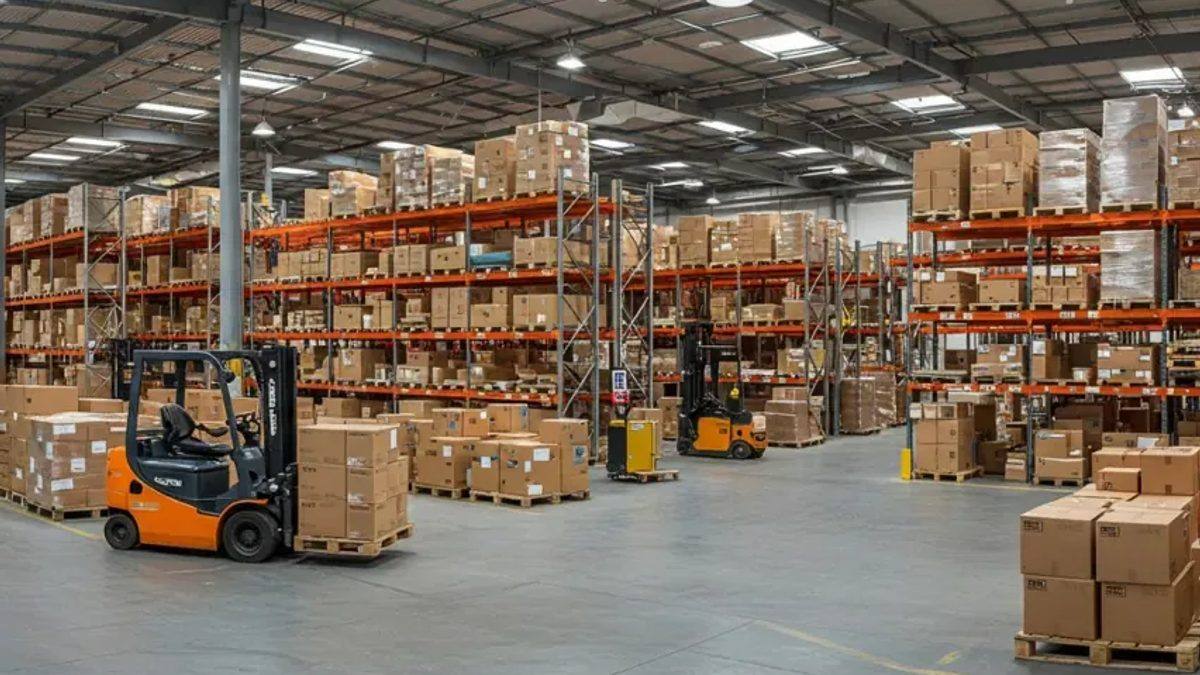
Sortation lines live or die on read rate. Every parcel, tote or case crossing the tunnel has to be identified in a few hundred milliseconds, while it is moving, regardless of how the label happens to be oriented, and a single missed read becomes a no-read divert, a manual recirculation, or a misroute that surfaces as a customer complaint days later. At hundreds or thousands of items per hour, even a 99% first-pass read rate leaves a steady stream of exceptions that erode throughput and demand labour you were trying to remove.
The engineering goal is therefore not simply 'reading a barcode' but guaranteeing capture of every code on every face that might be presented, at line speed, under real-world label conditions: crushed, glossy, low-contrast thermal print, partially obscured by tape, or printed as a damaged 2D matrix. This page frames how omnidirectional reading tunnels, OCR and dimensioning-weighing-scanning (DWS) systems are built, and which hardware classes make the targets achievable in practice.
What makes sortation imaging hard
Three constraints define the problem. First, orientation is unknown: a parcel can present its label on the top, any of four sides, or occasionally the bottom, and the label can be rotated arbitrarily within that face. Second, the item is in motion, typically on a belt or roller conveyor moving anywhere from a fraction of a metre per second up to several metres per second on high-speed parcel lines, so exposures must be short enough to freeze motion and the whole read must complete inside the time the item is within the imaging zone. Third, the codes themselves are uncontrolled: you are reading whatever the shipper, carrier or upstream process produced, which spans crisp laser-printed 1D barcodes, faded thermal labels, dense 2D codes, and increasingly human-readable text that only OCR can resolve.
These constraints compound. A faster belt shrinks the exposure window and the dwell time in the field of view, which raises the lighting and shutter demands, while unknown orientation means no single camera looking at one face can be trusted. The result is that sortation is almost never a single-sensor task; it is a coordinated array of readers and cameras, triggered together, whose combined coverage and decode logic deliver one reliable identity per item.
Designing the reading tunnel for full coverage
Omnidirectional reading is achieved by surrounding the conveyor with an array of imagers positioned to cover every face an item might present, commonly a five- or six-sided tunnel: top, two sides, leading and trailing angles, and where required a bottom read through a belt gap. Each station is aimed and focused so that, between them, no label position falls into a blind spot, and the fields of view overlap deliberately so a code straddling two cameras is still captured whole by at least one. Because the codes are small relative to the conveyor width, resolution and working distance are sized so the narrowest bar or finest 2D module spans enough pixels to decode reliably, with margin for the largest and smallest parcels in the box-size envelope.
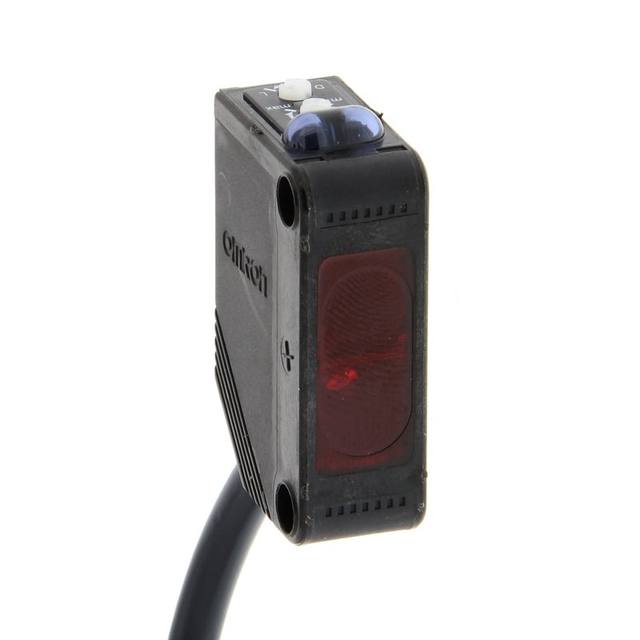
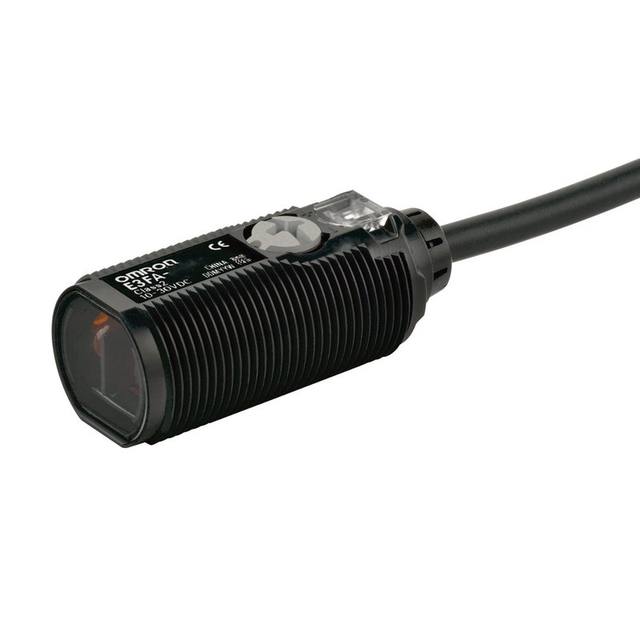
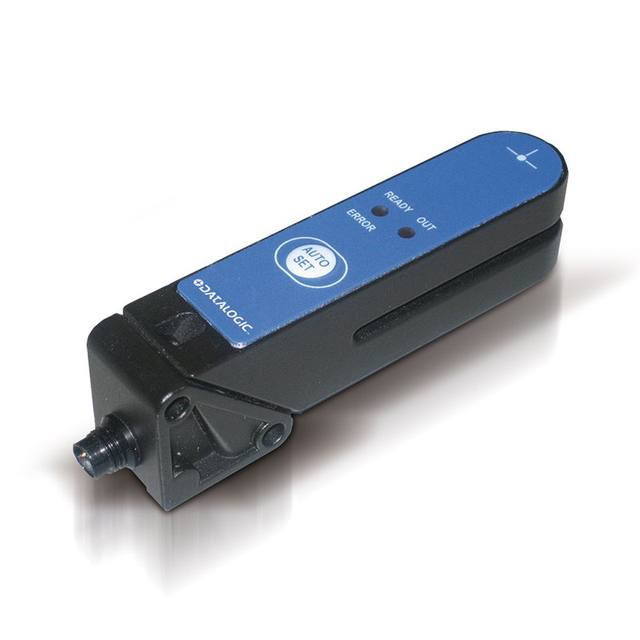
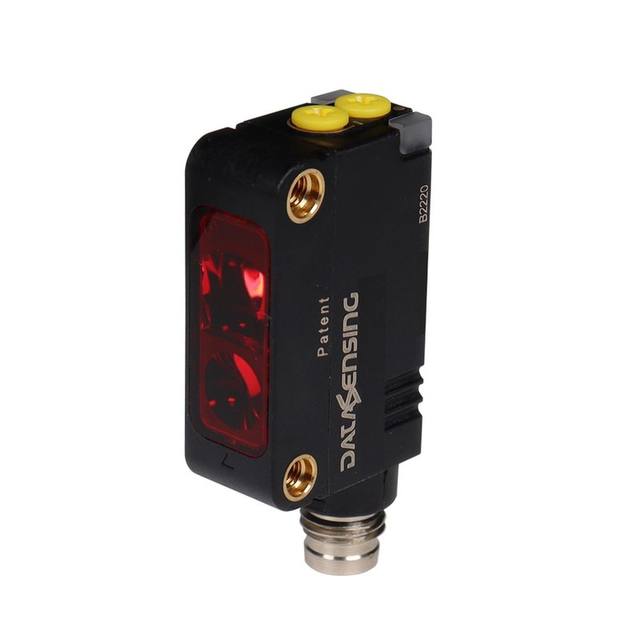
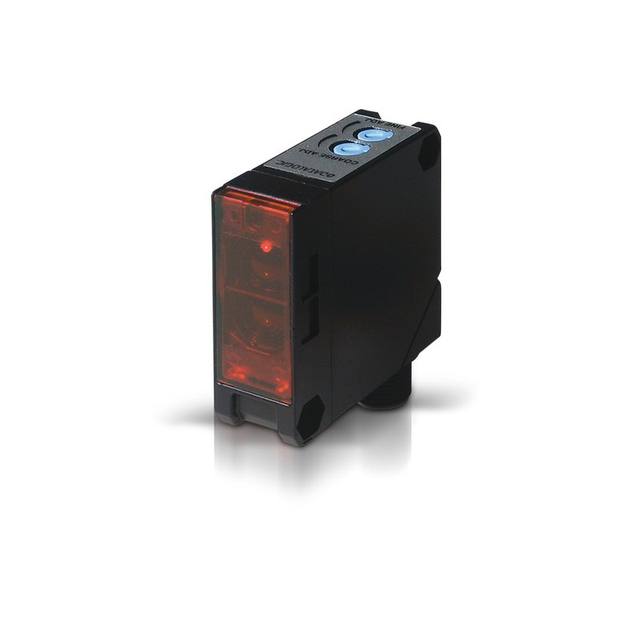
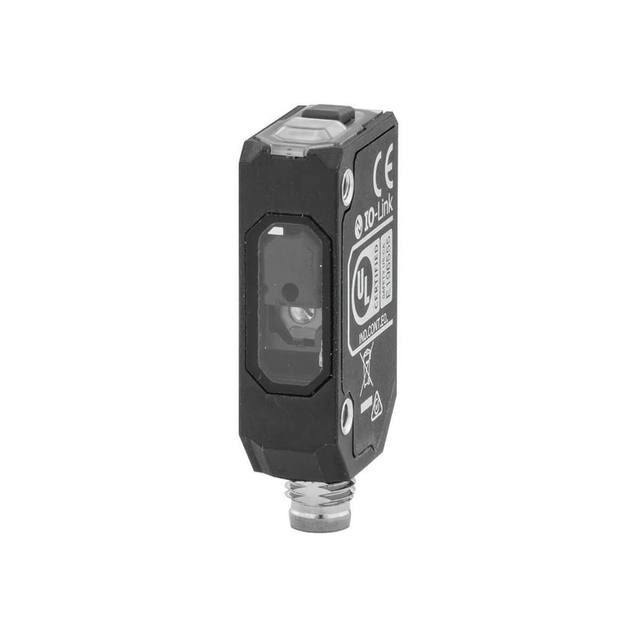
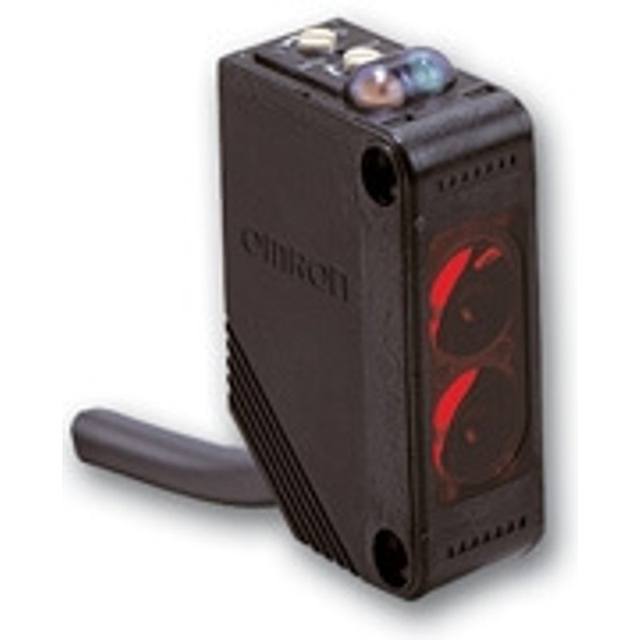
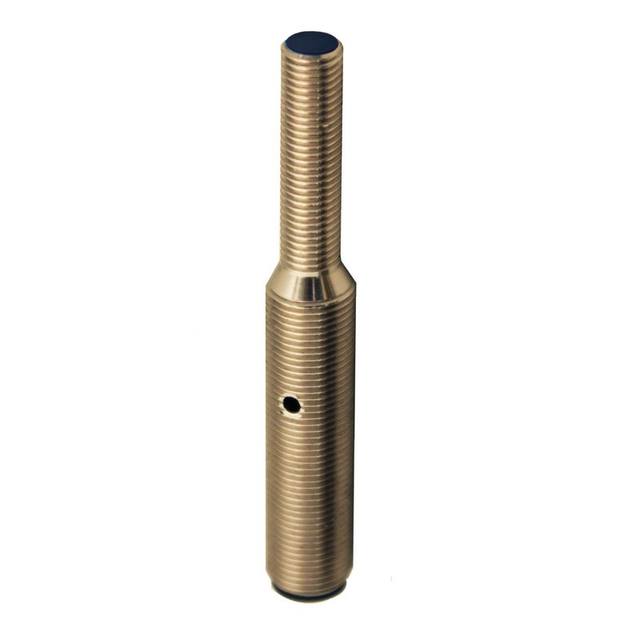
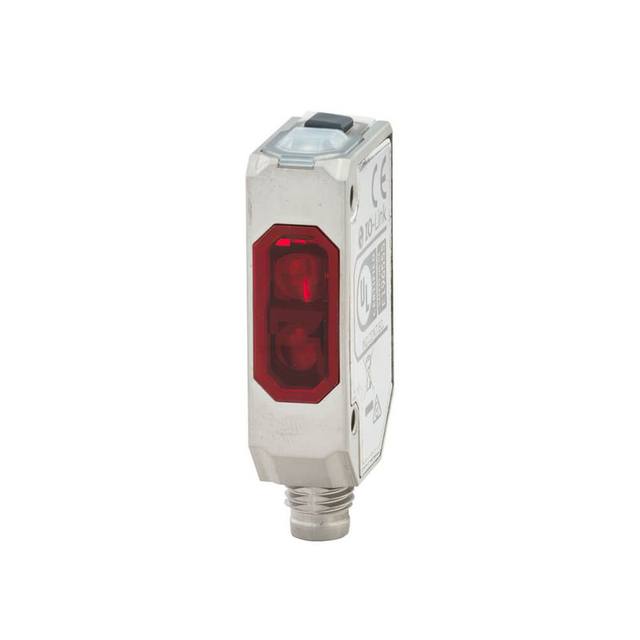
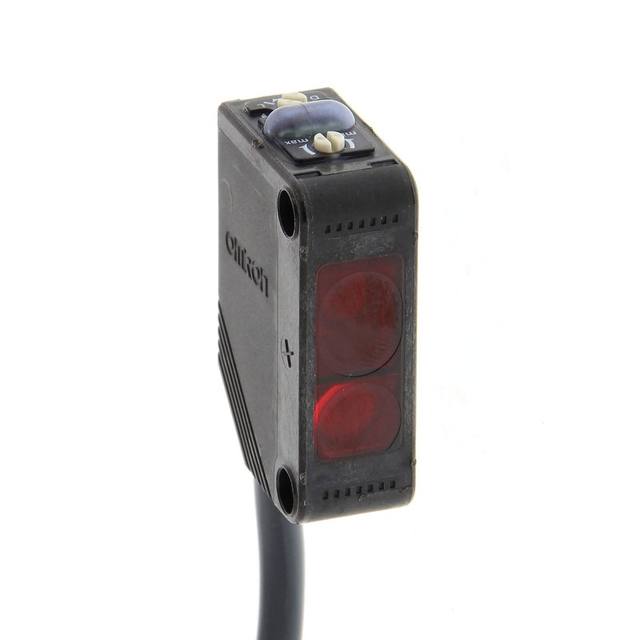
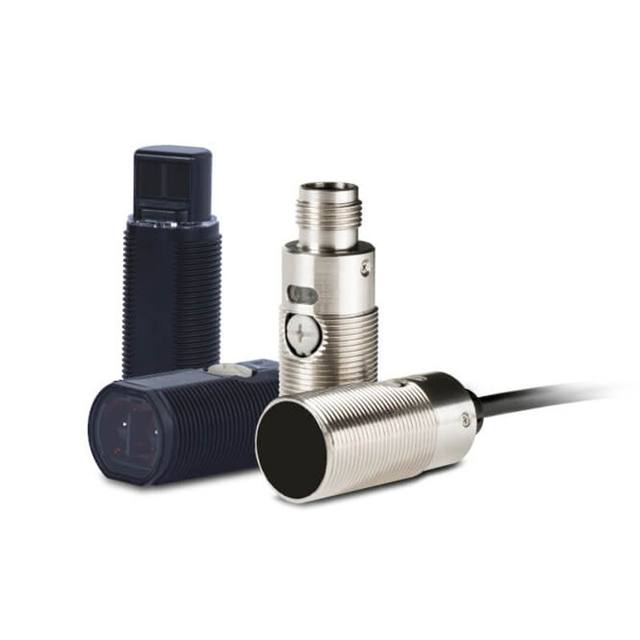
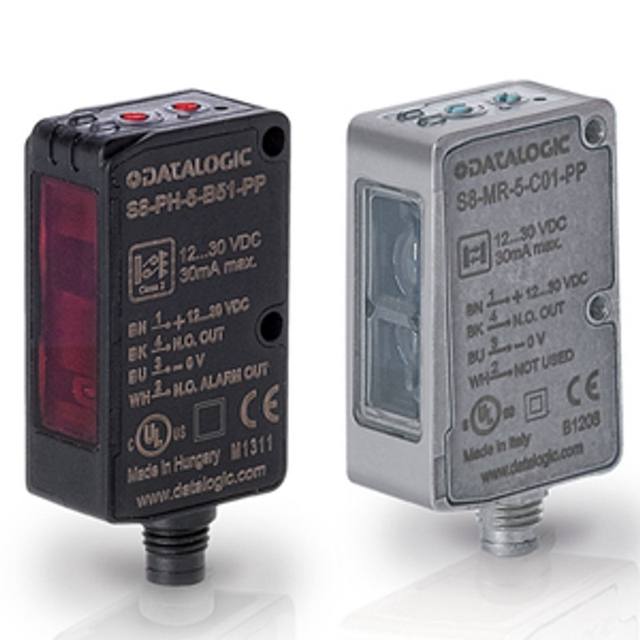
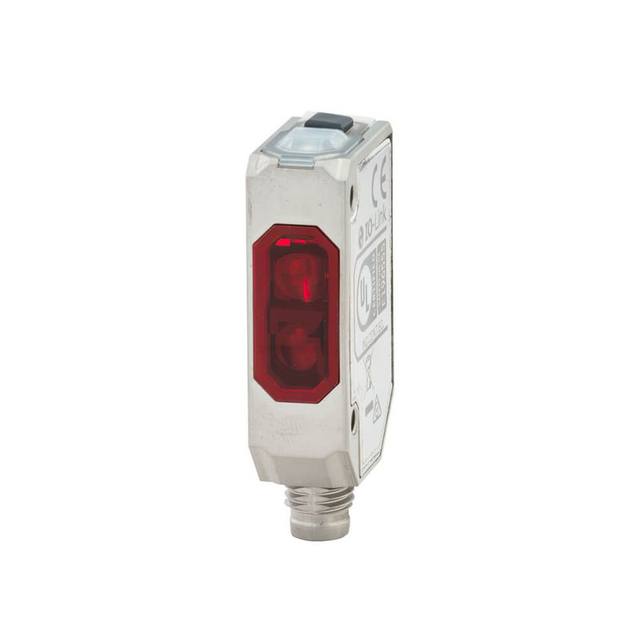
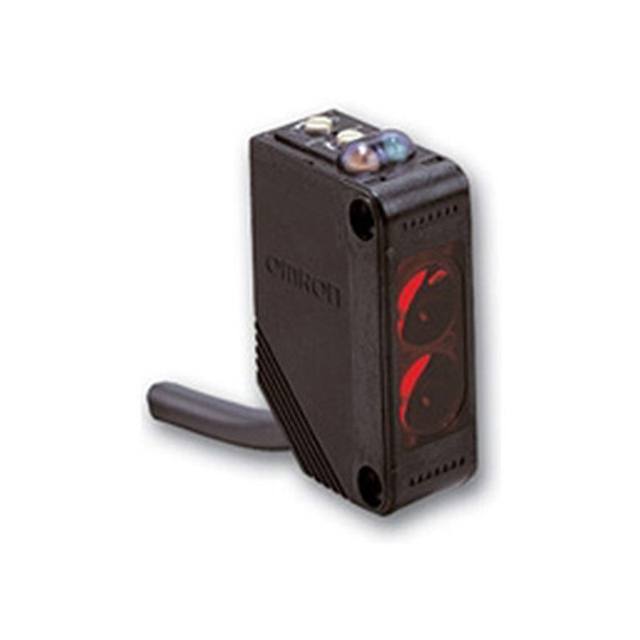
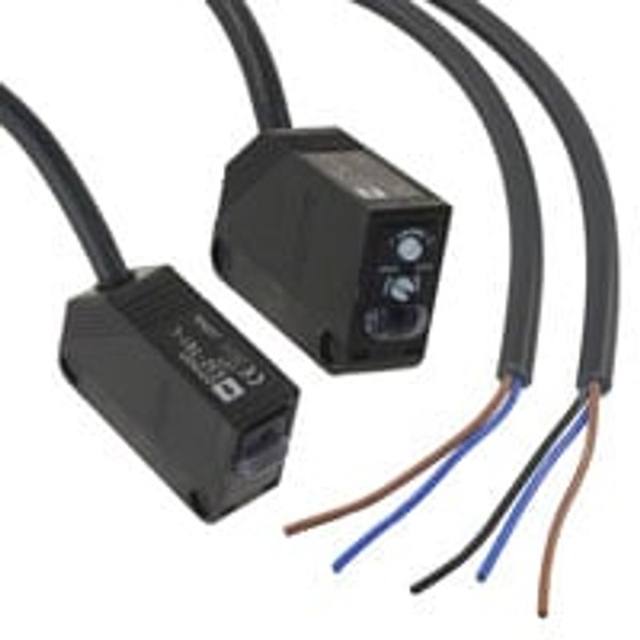
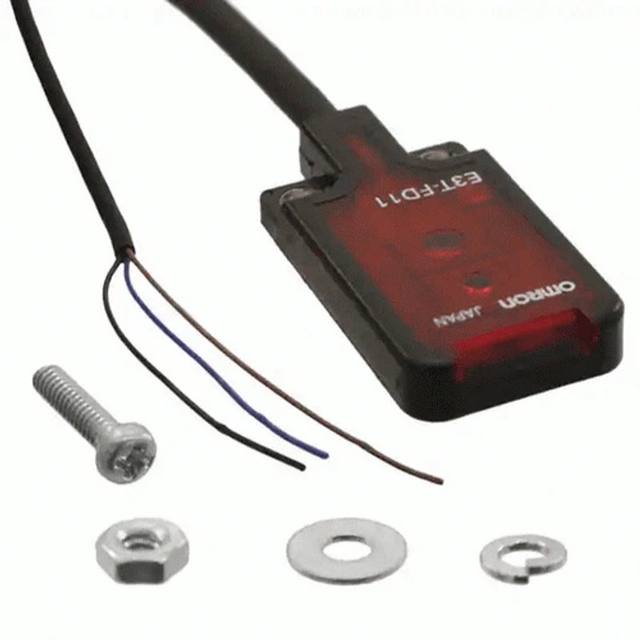
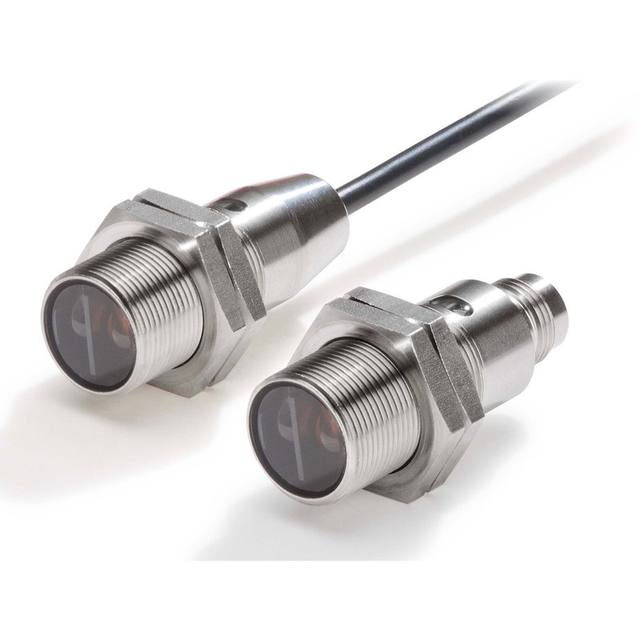
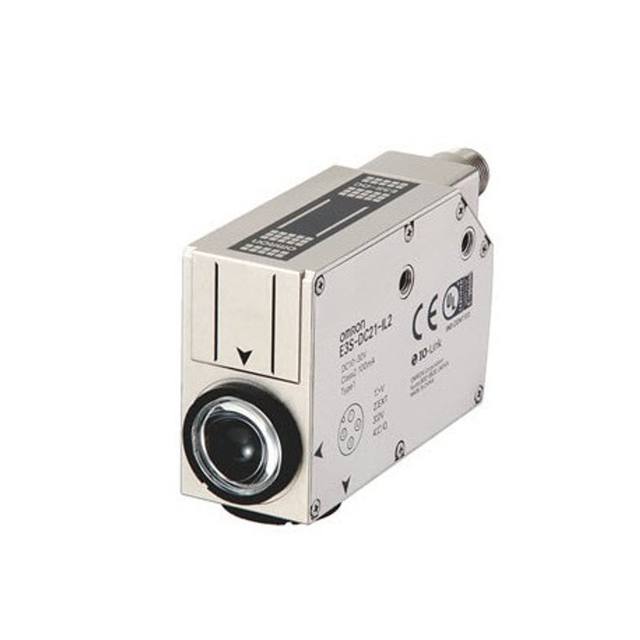
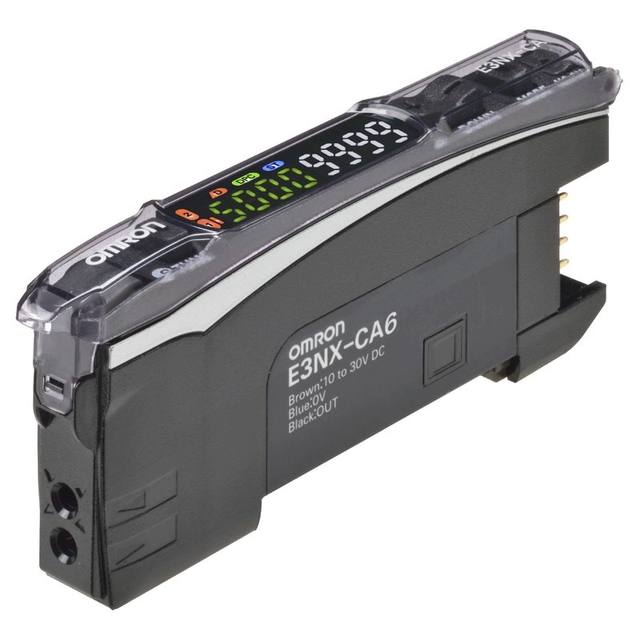
The tunnel is event-driven. A presence sensor or photo-eye, often combined with an encoder tracking belt position, triggers the array as each item enters and tells the system where the item is along the belt. This lets the controller associate every decode with the correct physical parcel, resolve the multiple reads of one item into a single identity, and hand the routing decision to the sorter at the right moment. Getting the trigger, encoder and field-of-view geometry right is usually more decisive for read rate than any single camera spec.
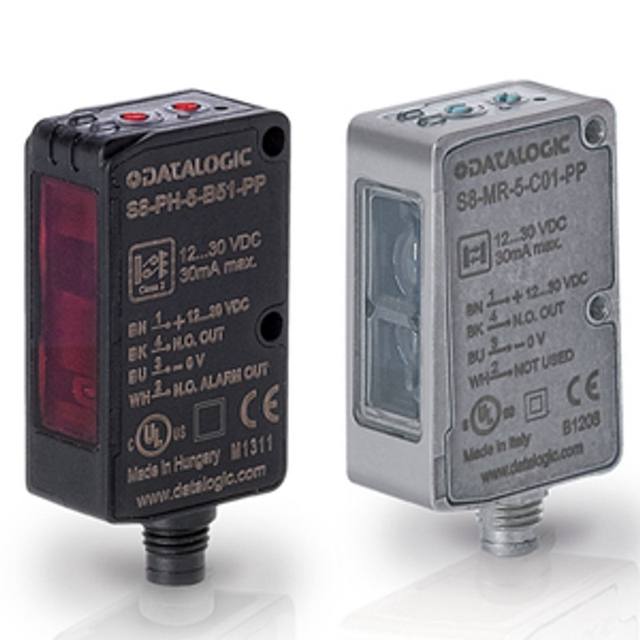
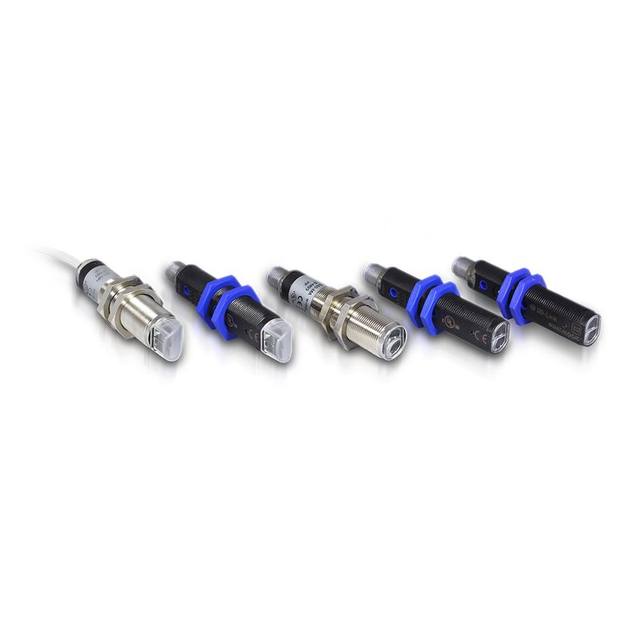
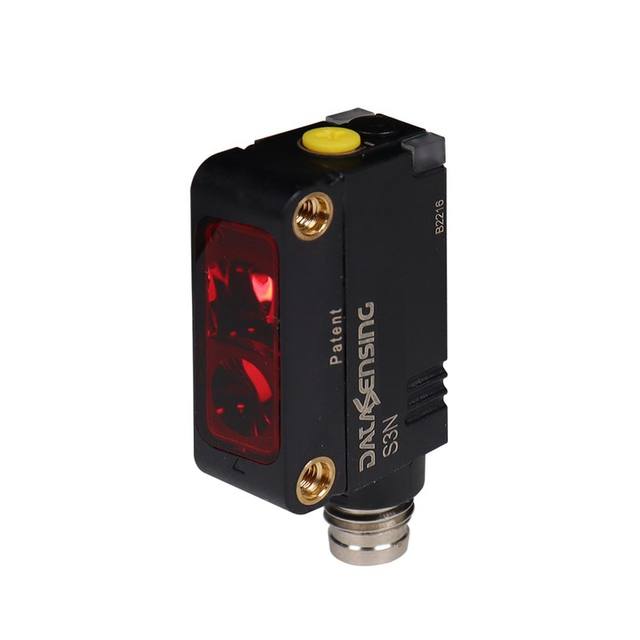
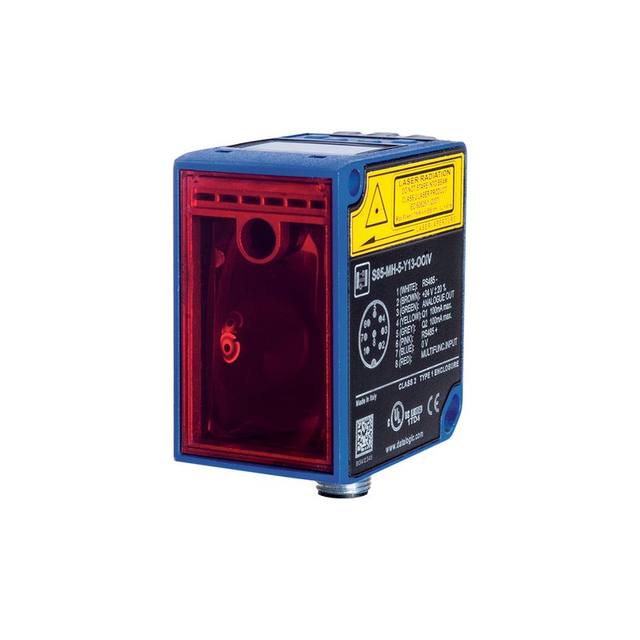
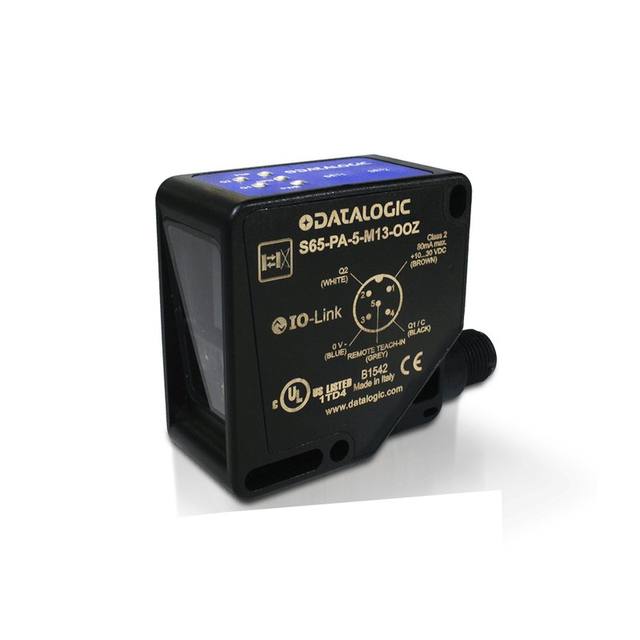
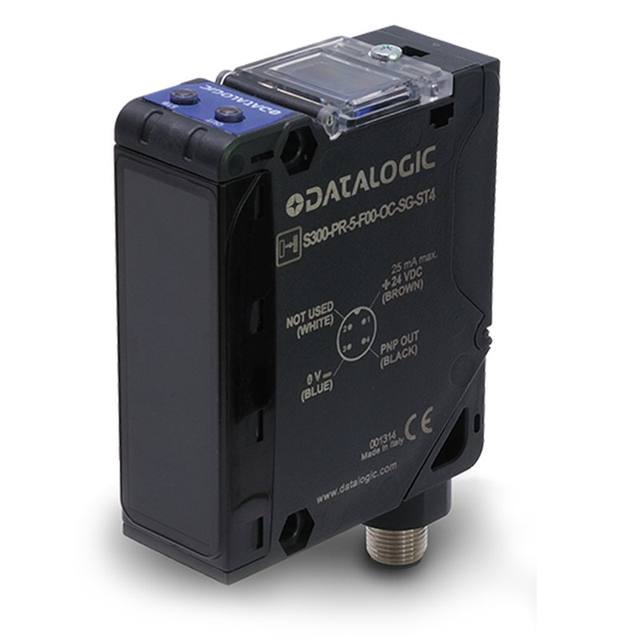
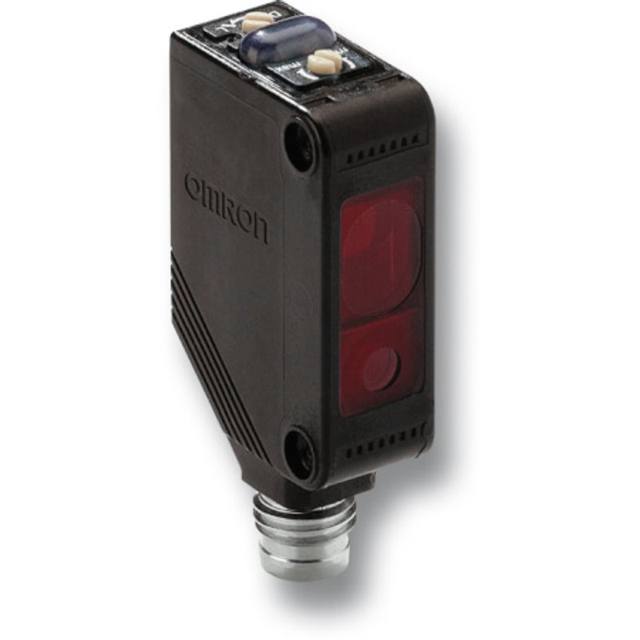
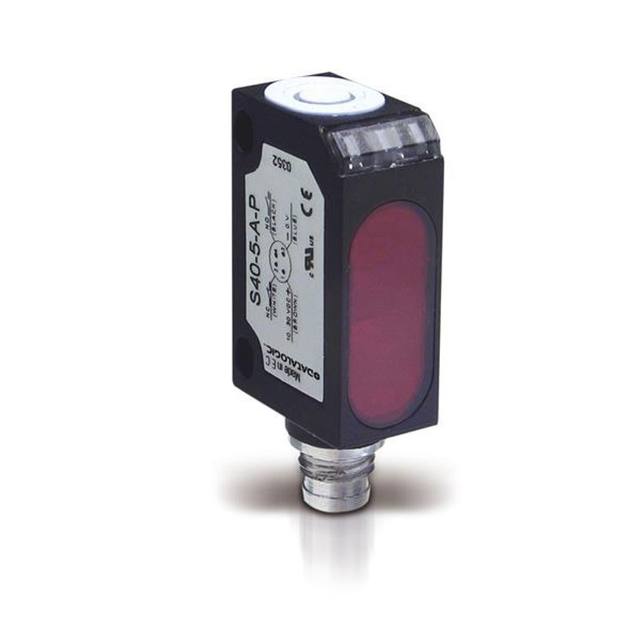
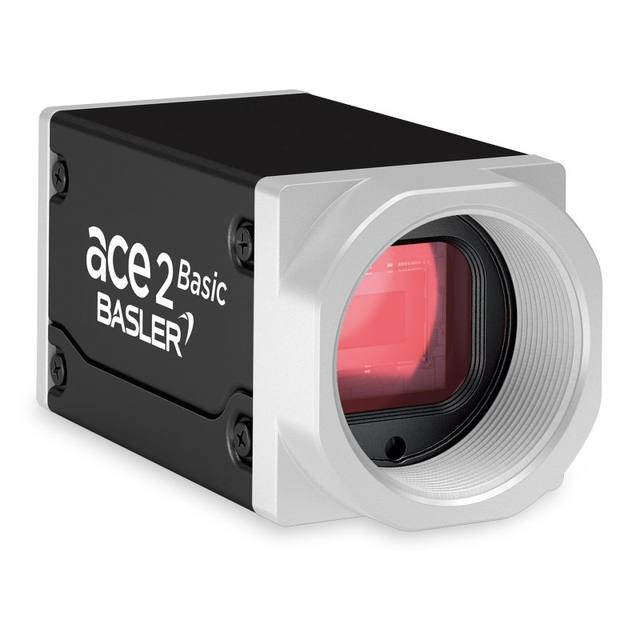
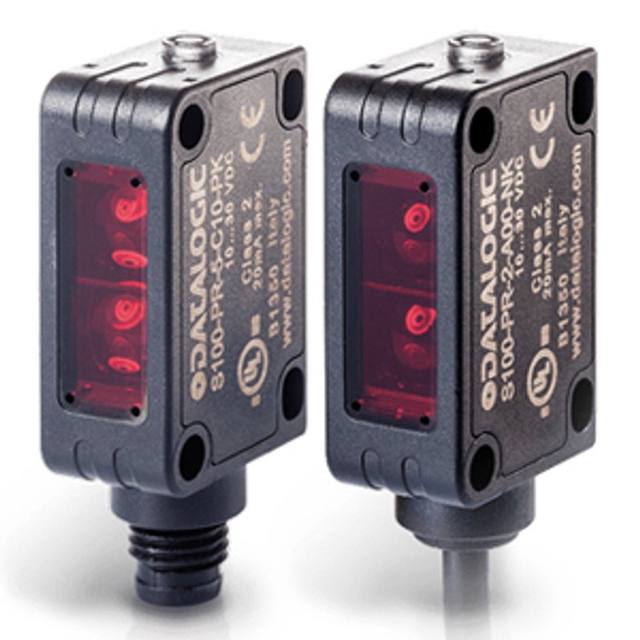
Industrial logistics readers are purpose-built for exactly this role: they integrate the sensor, optics, decode engine, lighting and industrial I/O in a ruggedised package designed to be arrayed around a conveyor and networked together. Datalogic/Datasensing is a long-established source for these tunnel and conveyor reading systems, and they are the natural backbone of an omnidirectional station.
- Five- or six-sided imager array so every possible label face is covered, with overlapping fields of view to eliminate blind spots.
- Presence sensor plus encoder for triggering and item tracking, so multiple reads resolve to one parcel and one routing decision.
- Working distance and resolution sized across the full box-size envelope, from the smallest polybag to the largest carton.
- Networked industrial I/O to hand sort decisions to the conveyor controller within the available dwell time.
Where line scan earns its place
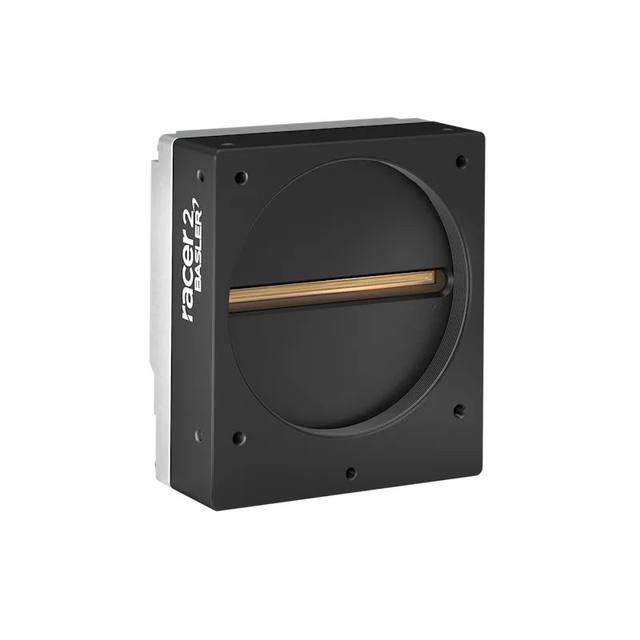
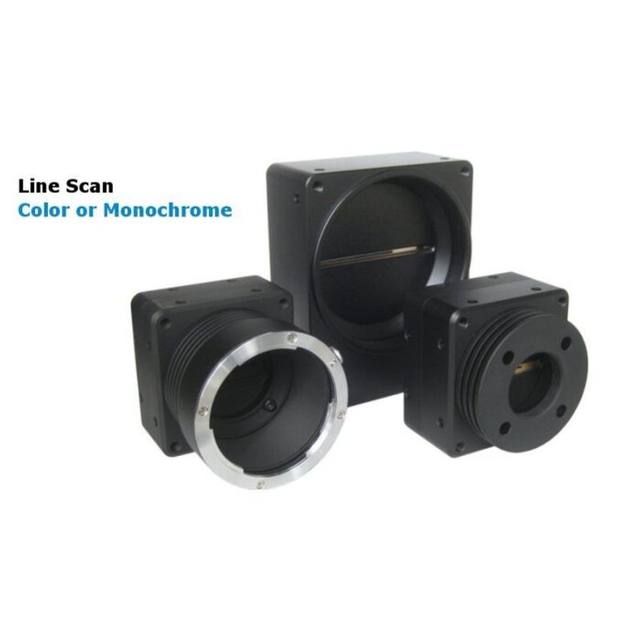
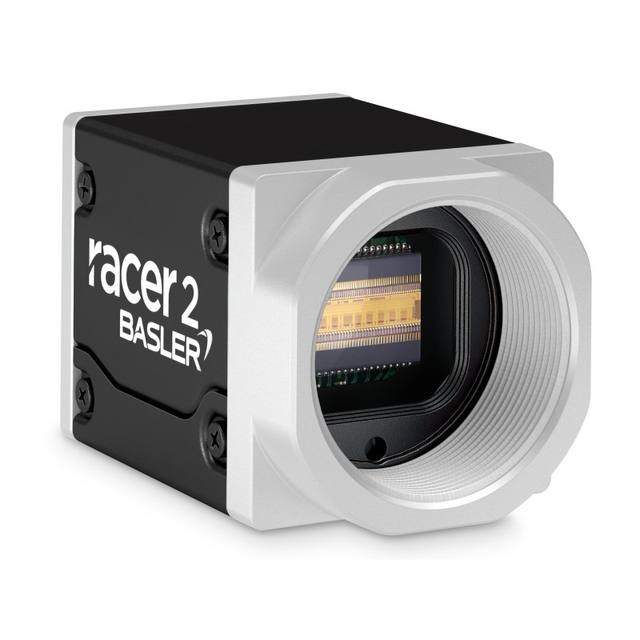
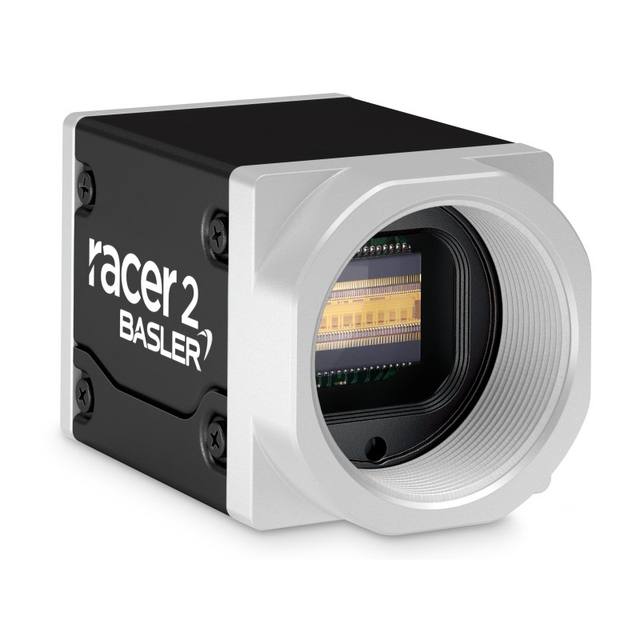
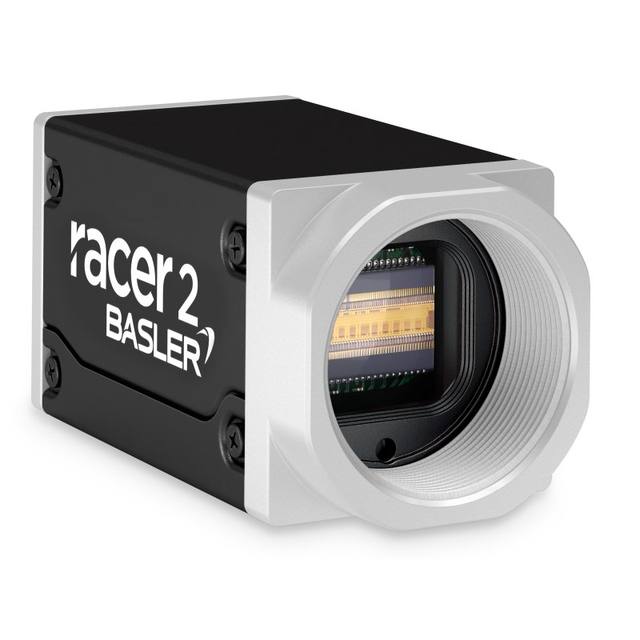
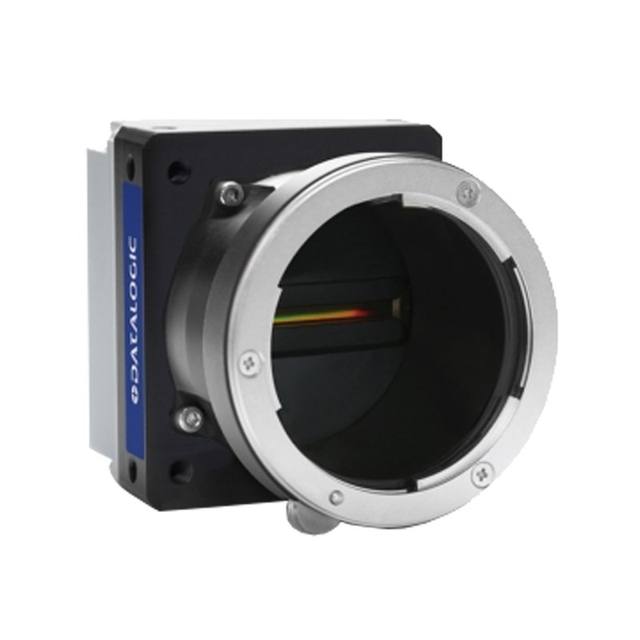
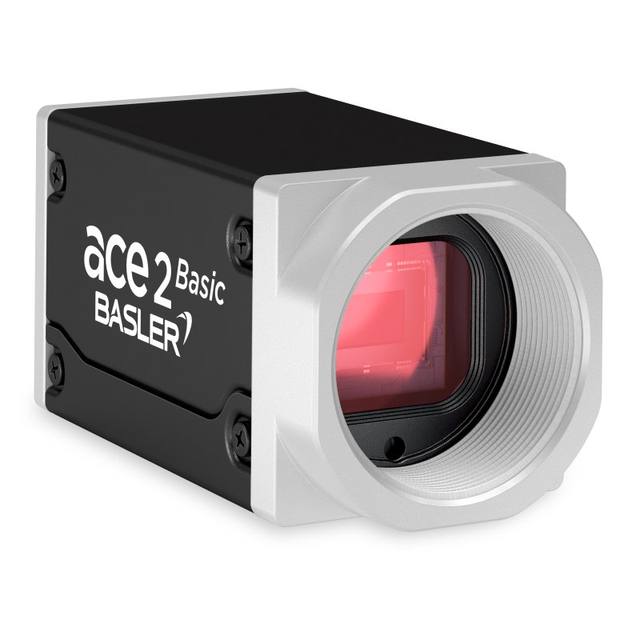
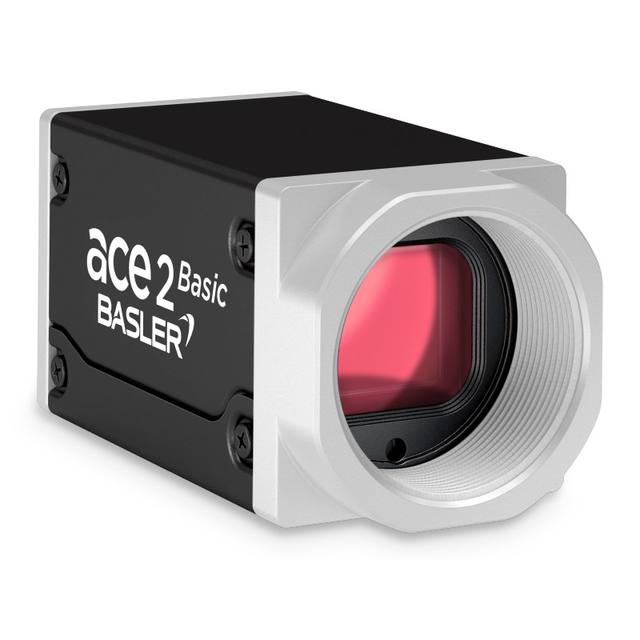
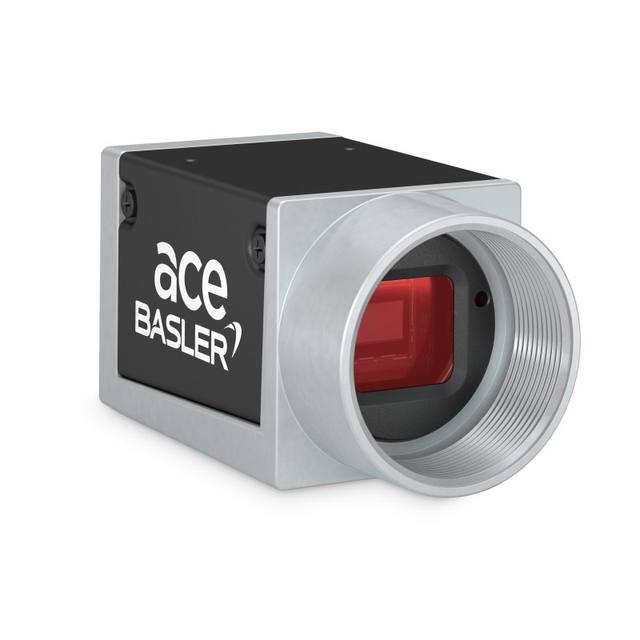
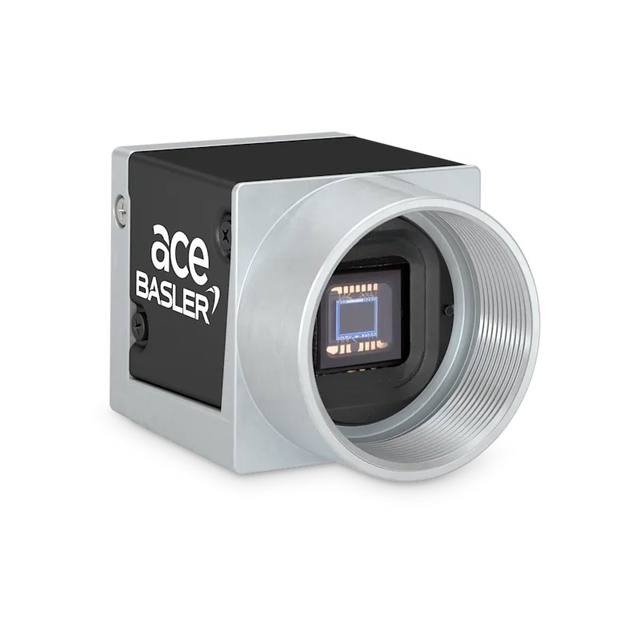
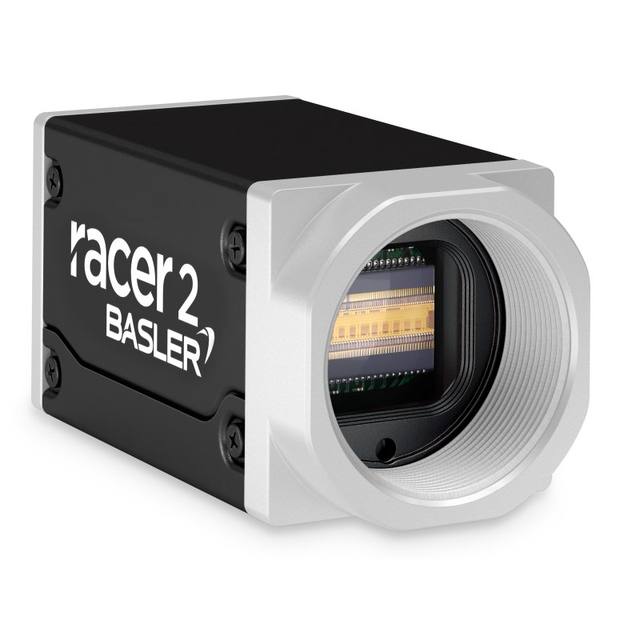
Dedicated logistics readers solve most parcel tunnels, but two situations push the design toward line-scan cameras. The first is a wide, fast conveyor where a single area-scan field of view cannot deliver enough resolution across the full belt width without an impractical number of cameras; a line-scan camera, synchronised to a conveyor encoder, images one line per encoder step and assembles a seamless, high-resolution strip of the entire belt regardless of belt speed, so every item that passes is captured at uniform resolution. The second is when the application needs more than a decode: full-belt image capture for OCR of addresses and shipping marks, archival 'image of every parcel' records for dispute resolution, or wide-area inspection.
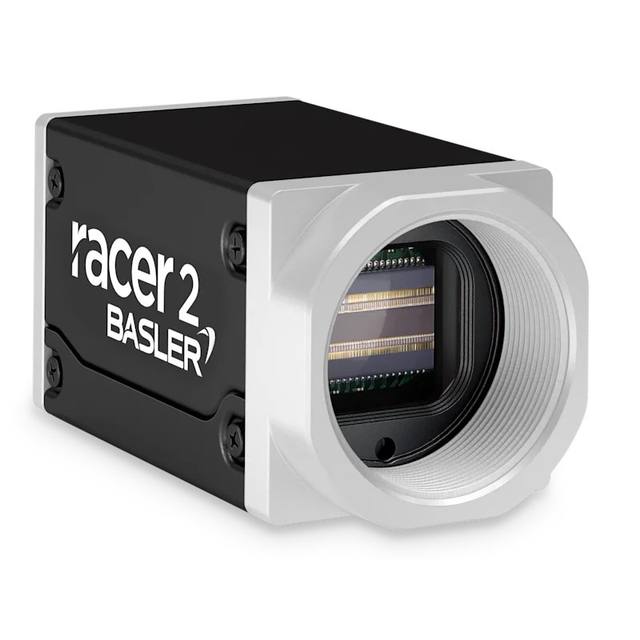
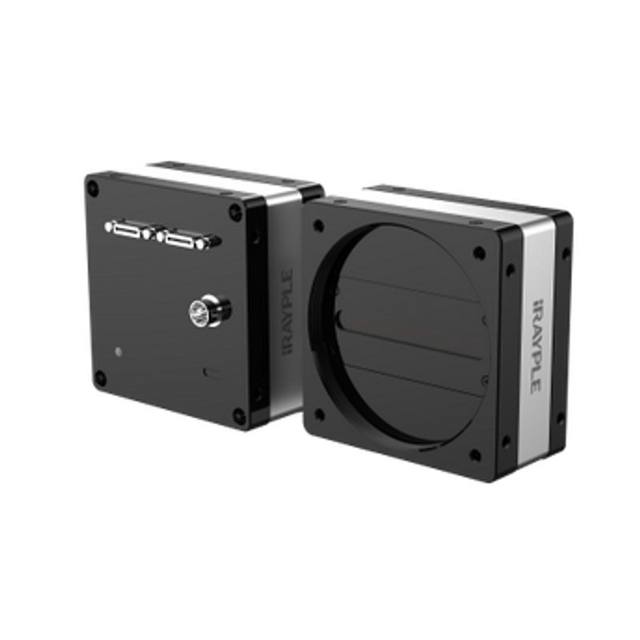
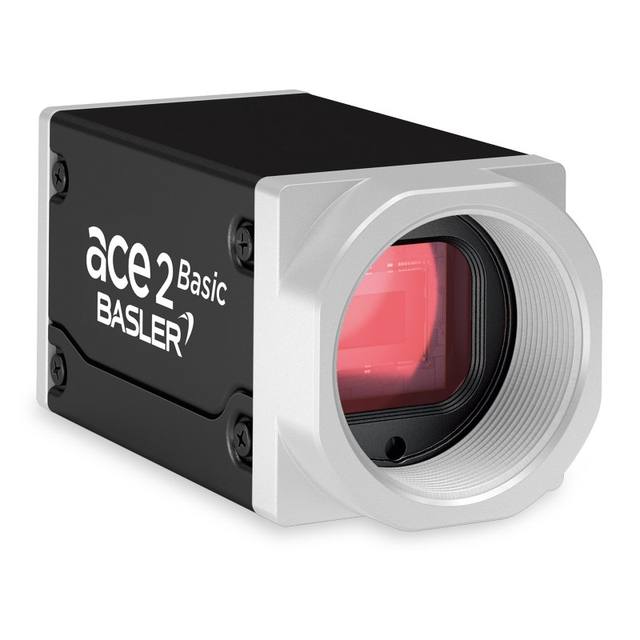
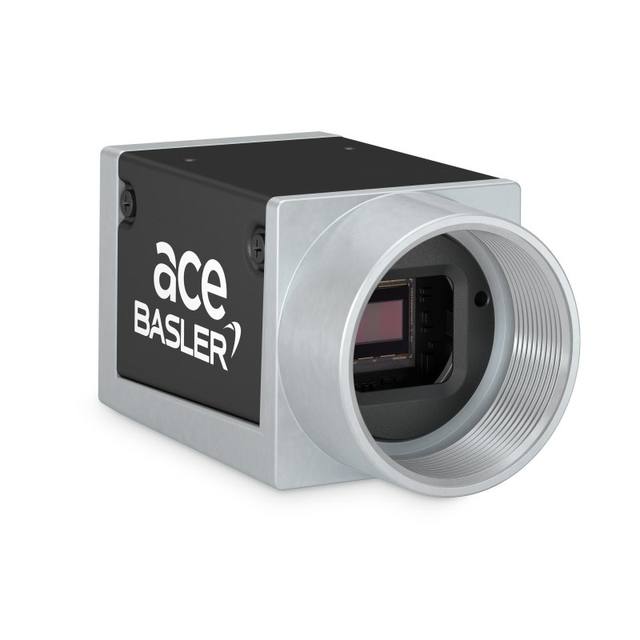
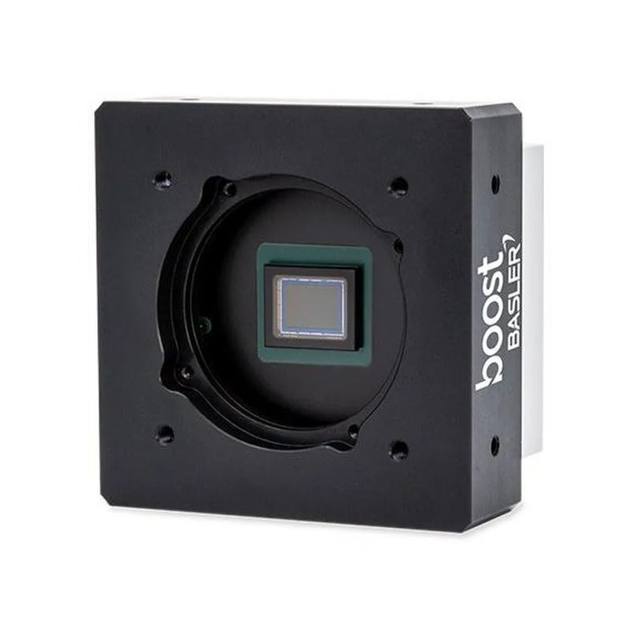
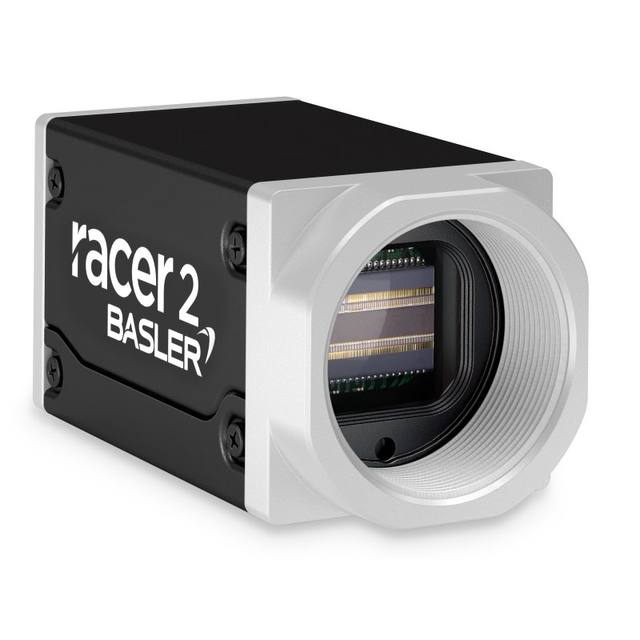
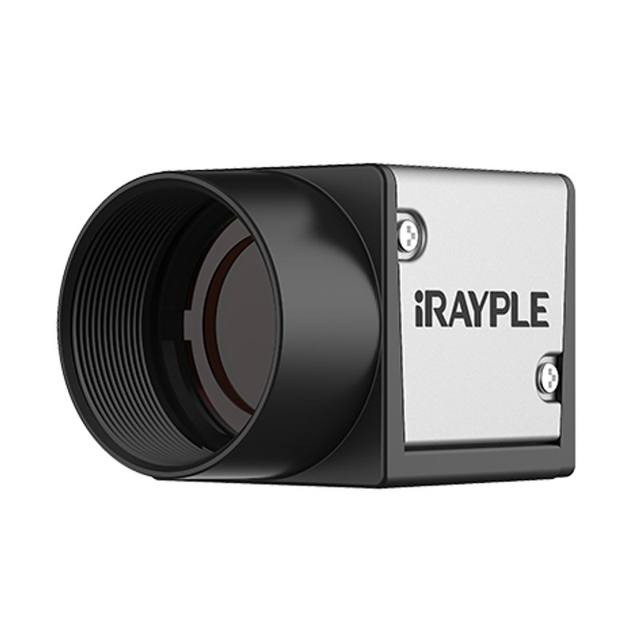
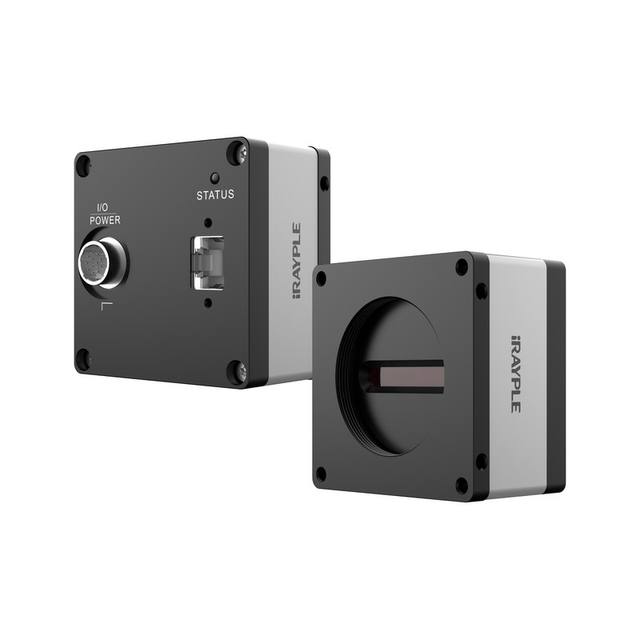
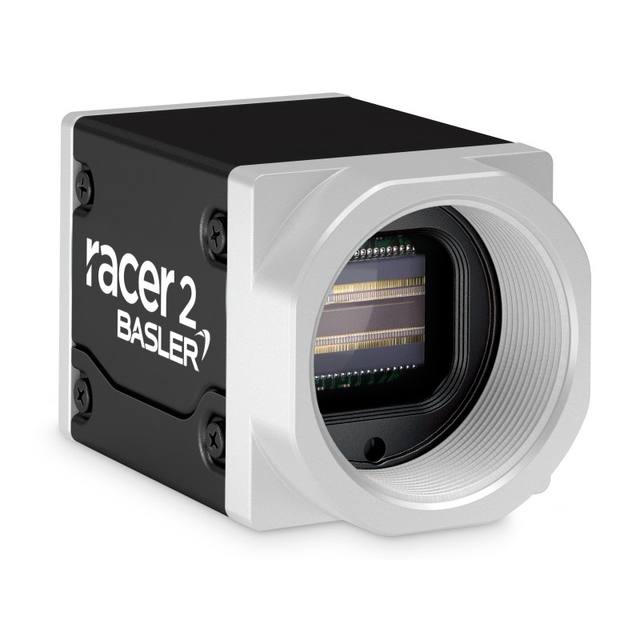
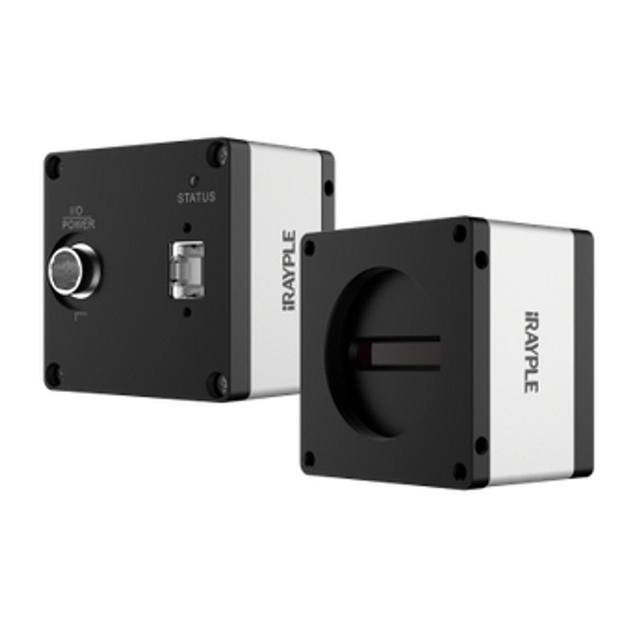
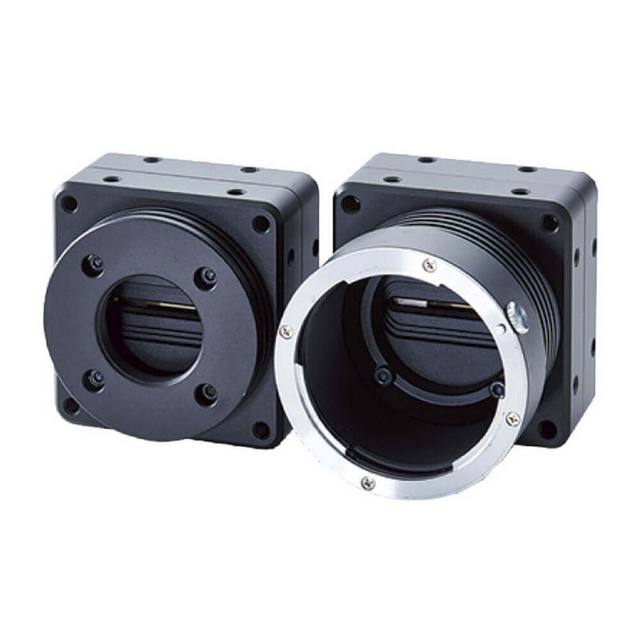
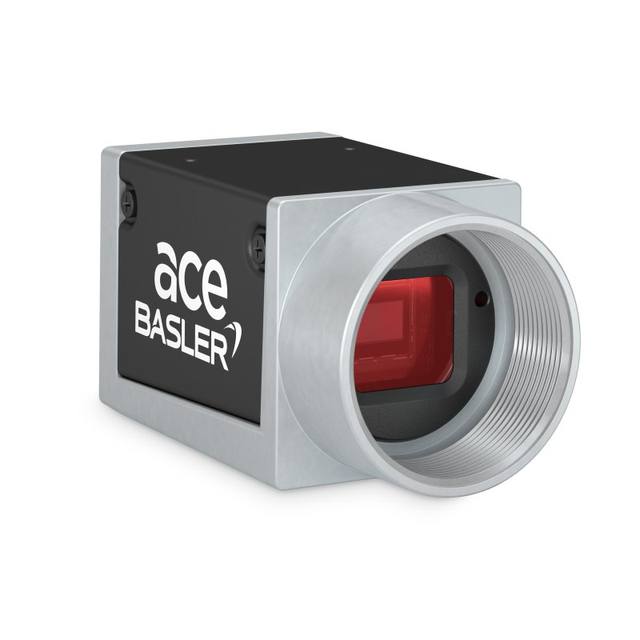
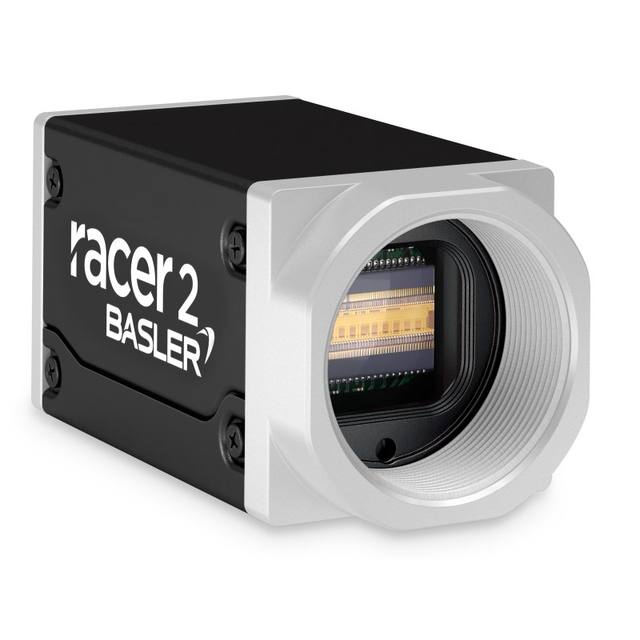
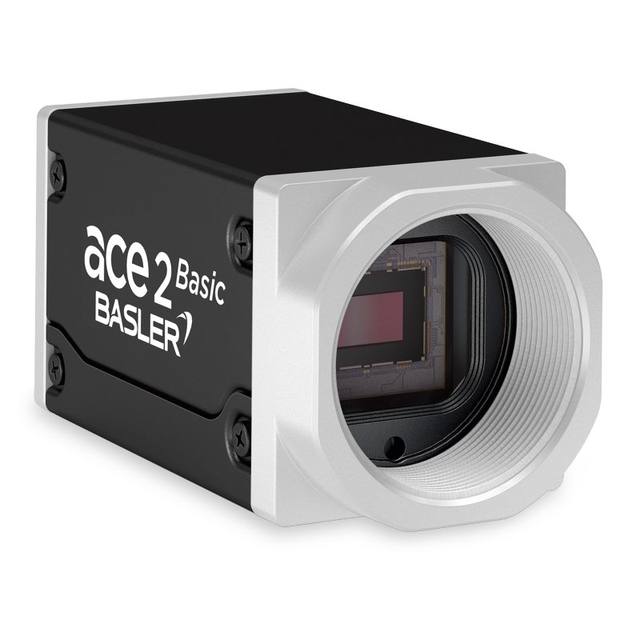
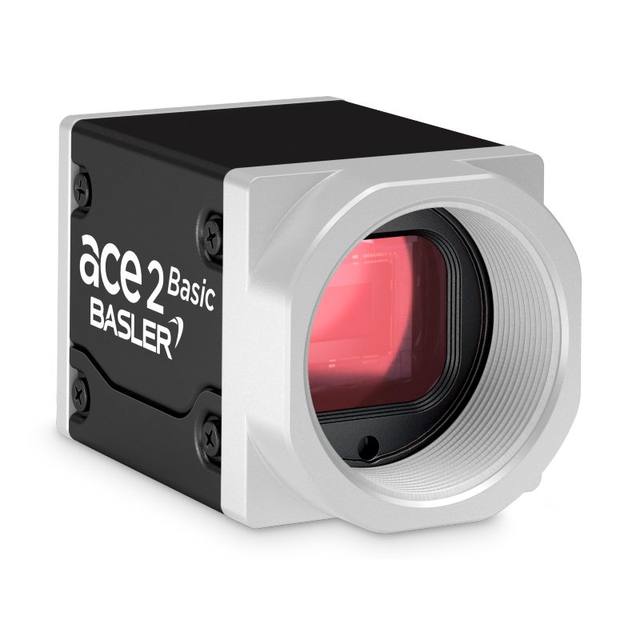
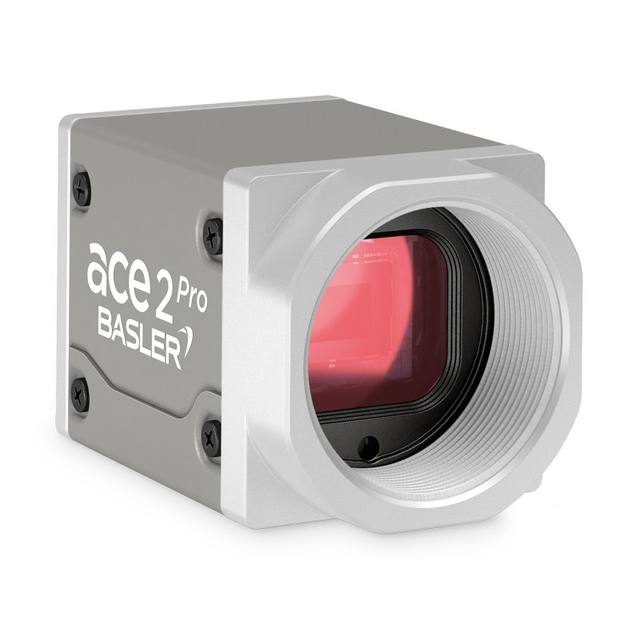
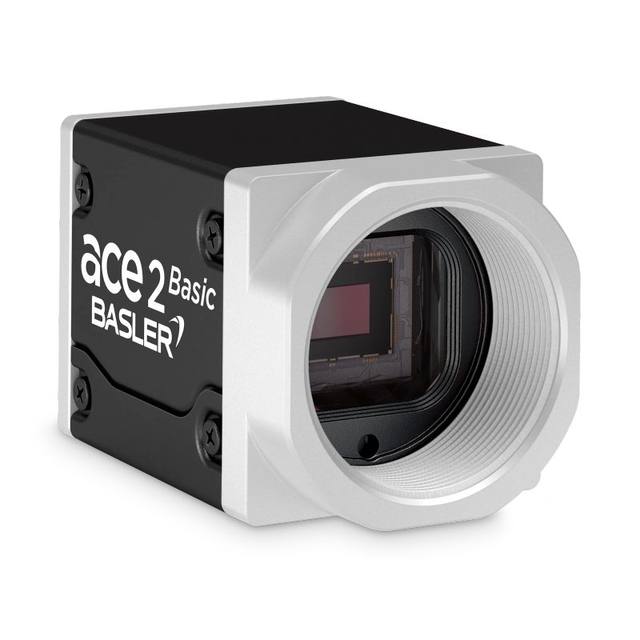
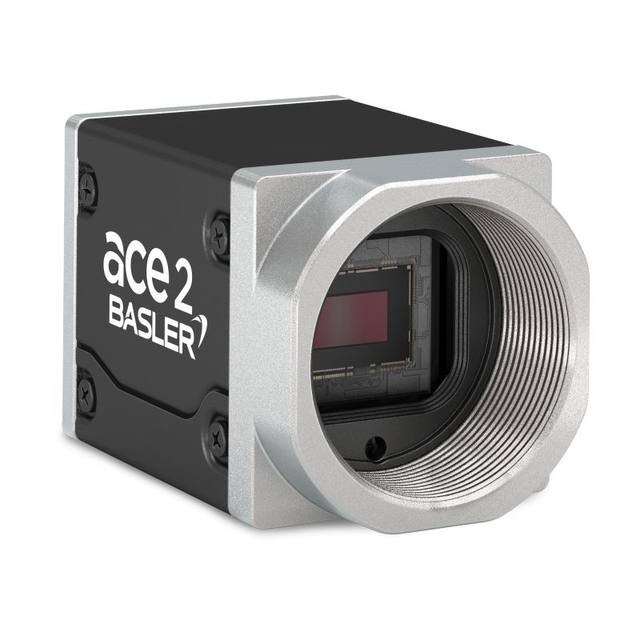
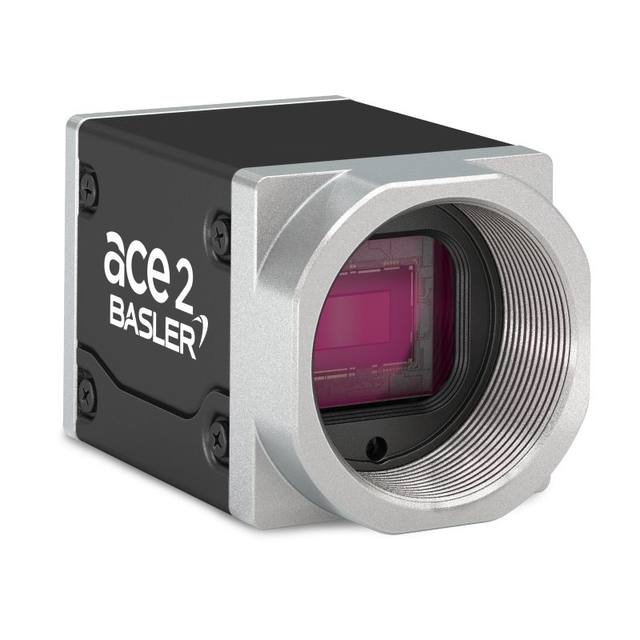
Line scan removes the dwell-time constraint that limits area-scan systems, because the image grows continuously with the belt rather than being captured in discrete frames, which is why it suits the highest-throughput and widest lines. It does, however, demand disciplined engineering: an encoder locked to true belt motion so the image is not stretched or compressed, uniform high-intensity line lighting across the full width, and a high-bandwidth interface, typically CoaXPress with a frame grabber or high-speed GigE, to sustain the continuous data rate. Basler, iRAYPLE and Omron/Sentech (STC) supply line-scan cameras across these interfaces, and DCM Sistemes provides the line and bar lighting geometries that keep illumination even at speed.
OCR, DWS and turning images into routing data
Not every item carries a usable code. Damaged or missing barcodes, hand-written or printed destination text, and carrier-specific shipping marks all require optical character recognition to recover the destination when the barcode path fails, and a well-designed tunnel captures the imagery for OCR as a fallback that materially lifts the overall read rate above what code reading alone achieves. OCR works best when the same disciplined imaging applies: sufficient resolution on the text, even lighting to maximise contrast against varied label stock, and motion frozen by a short exposure.
Dimensioning, weighing and scanning (DWS) extends the station from identification to data capture. Combining the reading tunnel with a dimensioning system, which may be light-curtain or 3D-camera based, and an in-motion checkweigher lets the line capture barcode, dimensions and weight in a single pass. That bundle feeds billing reconciliation, cubing and load planning, dimensional-weight charging, and verification that the scanned item matches its manifest. The vision hardware is the front end of that data pipeline, and its read rate caps how much of the throughput can be processed touch-free.
Where labels are genuinely degraded, contrast is poor, or destination text is unstructured and varied, classical decode and template OCR hit a ceiling. This is where deep-learning text and code recognition such as Rosepetal can lift no-read rates further by tolerating the distortions that defeat rule-based engines, layered on top of correctly specified tunnel hardware rather than as a substitute for it.
Specifying a system around guaranteed read rate
The number that matters to operations is first-pass read rate at line speed, and it is set by the weakest link in the chain, not by any single component. To specify a sortation system that actually meets its target, fix the real operating envelope first: maximum belt speed, the full range of box sizes and weights, peak items per hour, the worst label conditions you are obliged to handle, and your tolerance for no-reads and the cost of each manual exception. Those numbers size the camera count, resolution, lighting intensity, trigger and encoder scheme, and decode strategy together.
Because read rate emerges from the whole tunnel rather than a datasheet, sortation is a strong candidate for application validation before commitment: imaging representative parcels, including the difficult ones, through a configured tunnel and measuring actual decode and OCR performance against the throughput target. AIS Vision can run that validation and integrate the full system, from logistics readers and line-scan stations to lighting, triggering and the software that resolves reads into sort decisions. Send the belt speed, box-size envelope, throughput target and a sample of your worst labels, and we will size the tunnel to a read rate you can stand behind.