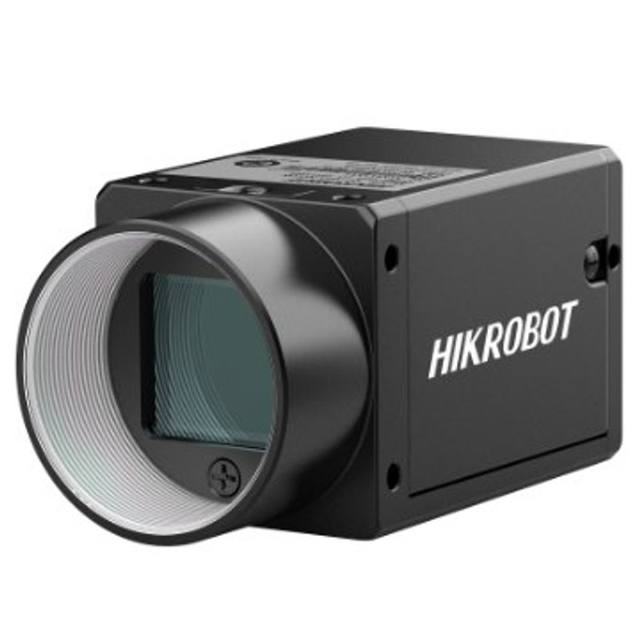
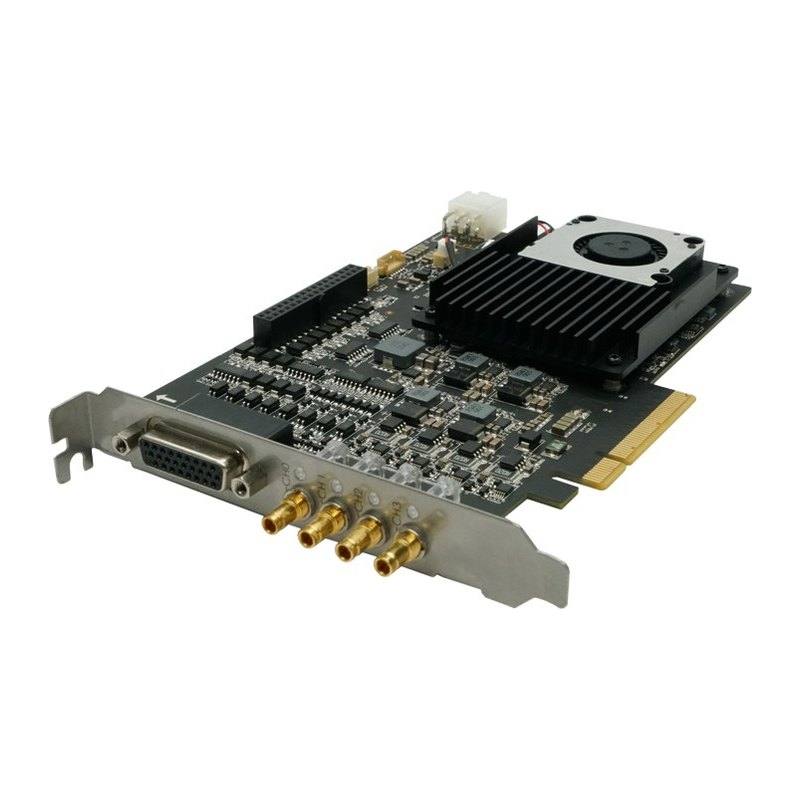
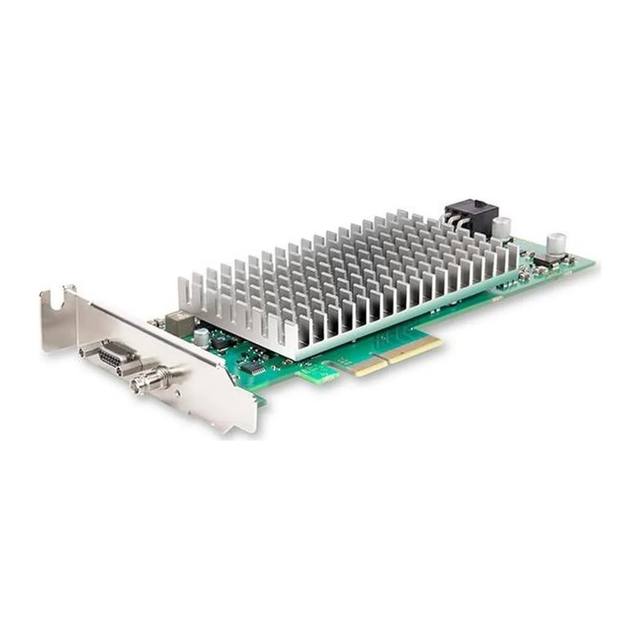
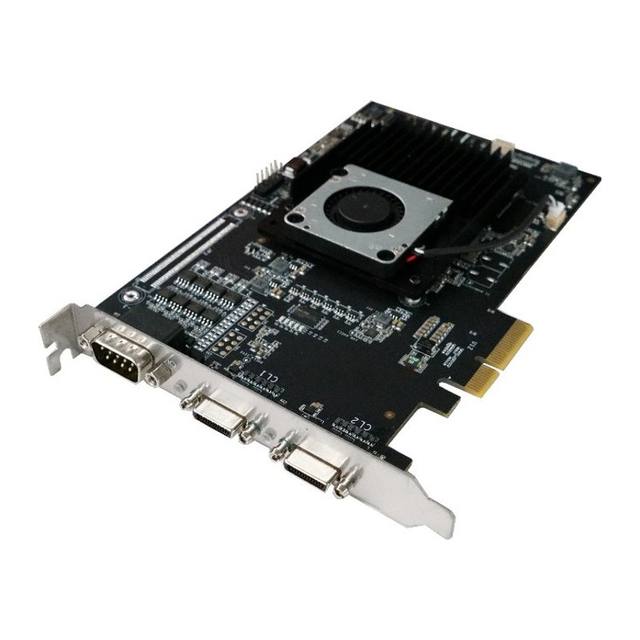
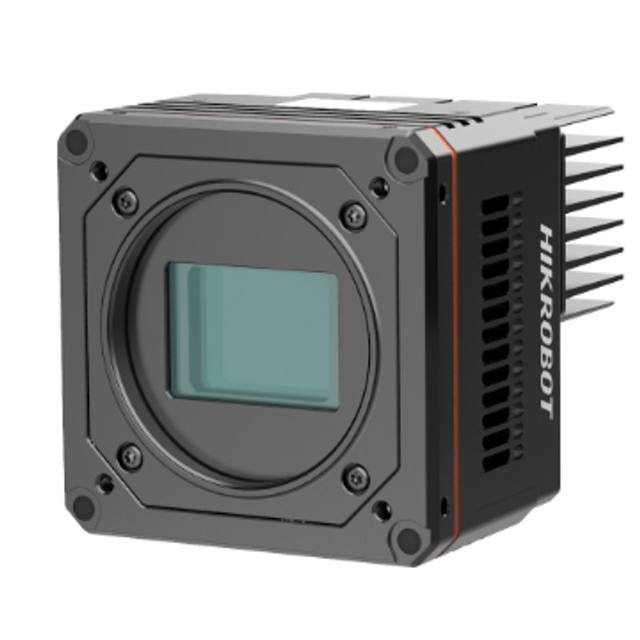
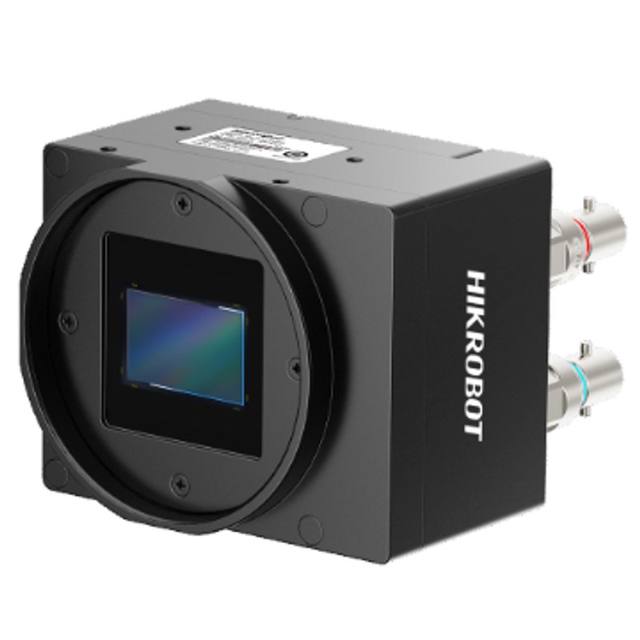
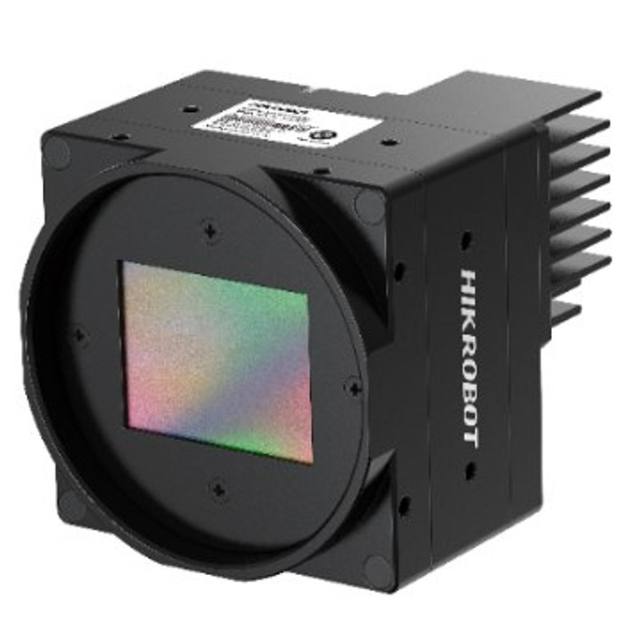
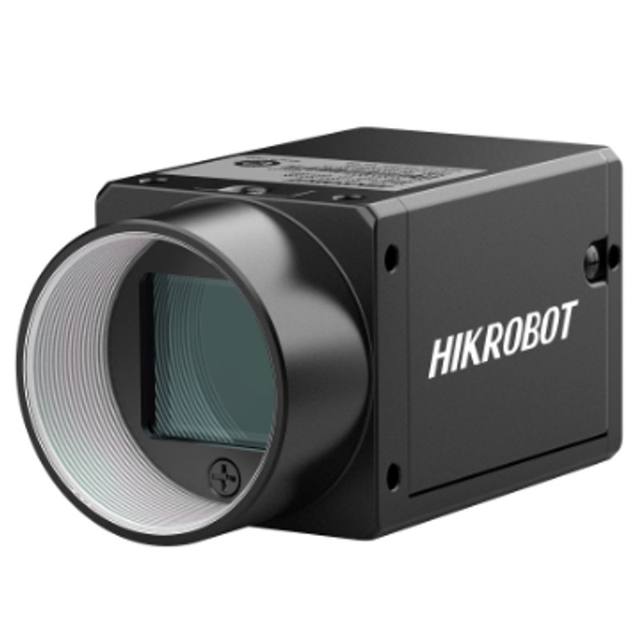
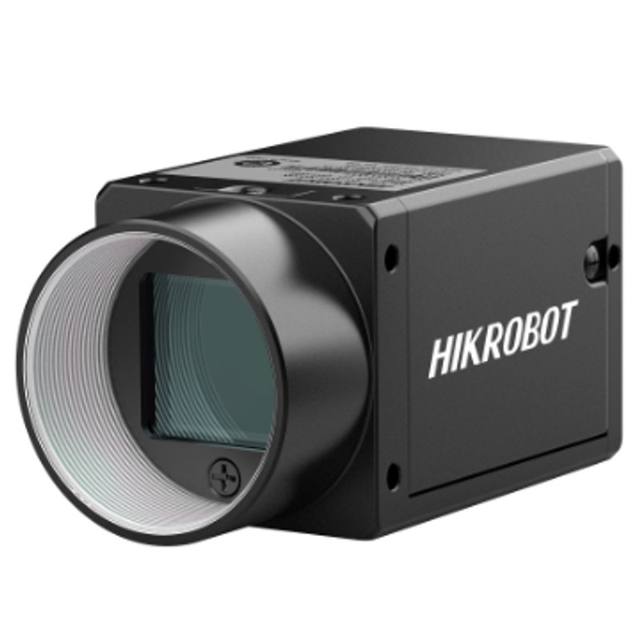
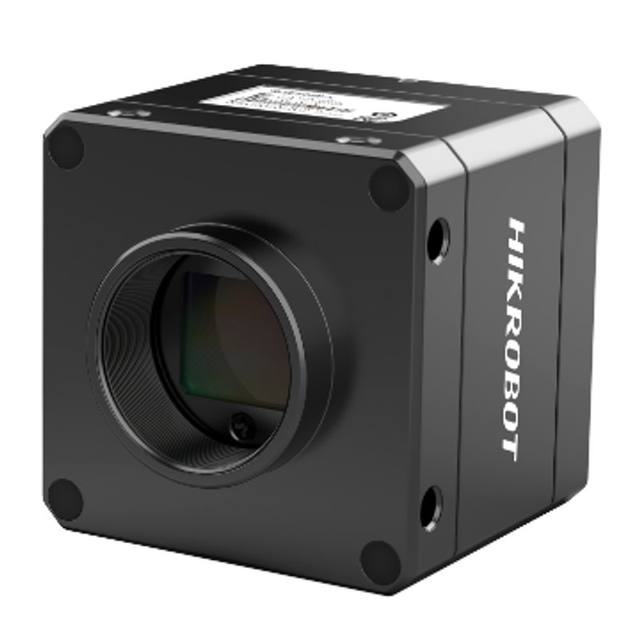
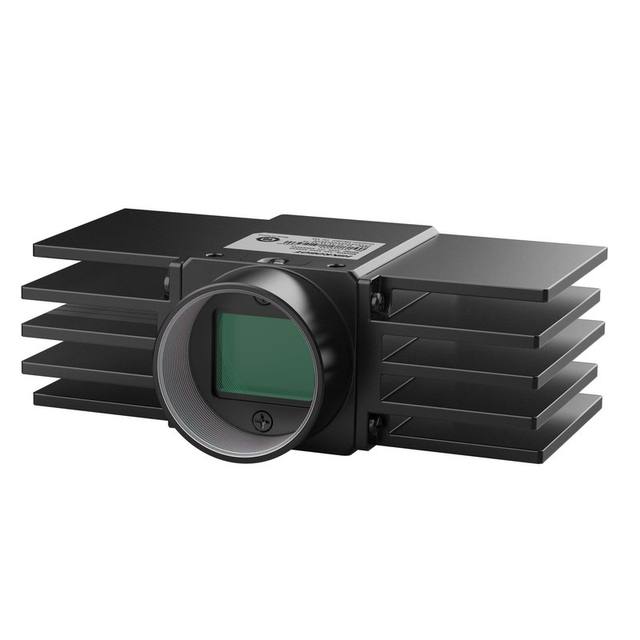
Hikrobot MV-GX1002 — frame grabber, CoaXPress + CXP-6, 2 camera ports, host bus PCIe gen2 × 8, up to 12.5 Gbit/s total bandwidth, power over cable: PoCXP, each channel provides 13 W @ 24 VDC at most, on-board memory 2 GB DDR3-RAM.
Brand
Hikrobot
Card type
Frame grabber
Interface
CoaXPress 1.0/1.1, DIN 1.0/2.3 × 2
Camera ports
2 at most
PC bus
PCIe gen2 × 8
Total bandwidth
2 × 6.25 Gbit/s
Power over cable (PoE / PoCXP / PoCL)
PoCXP, each channel provides 13 W @ 24 VDC at most
On-board memory
2 GB DDR3-RAM
Trigger / GPIO
Provides 24 I/O connectors, including opto-isolated input × 4 (4.5 VDC to 28 VDC), opto-isolated output × 4 (4.5 VDC to 28 VDC), RX422 input × 4, TX422 output × 4, TTL input × 4, and TTL output × 4
The Hikrobot MV-GX1002 is a dual CXP-6 frame grabber (card type: Frame grabber) with a CoaXPress 1.0/1.1 interface, DIN 1.0/2.3 × 2 connectors and 2 camera ports at most. Bandwidth is 2 × 6.25 Gbit/s (up to 12.5 Gbit/s in total), and the card connects to the PC over a PCIe gen2 × 8 host bus. It carries 2 GB DDR3-RAM of on-board memory.
PoCXP is supported, with each channel providing 13 W @ 24 VDC at most, so CoaXPress cameras within that limit can be powered through the coax cable; the card's own typical consumption is 13.7 W (without PoCXP). It provides 24 I/O connectors, including opto-isolated input × 4 (4.5 VDC to 28 VDC), opto-isolated output × 4 (4.5 VDC to 28 VDC), RX422 input × 4, TX422 output × 4, TTL input × 4 and TTL output × 4.
Software support is the MVS SDK, with Windows 7/10/11 and Ubuntu16.04 to 20.04 on Linux as supported operating systems. The card measures 181 mm × 126.3 mm × 21.6 mm and operates from 0 °C to 55 °C.
Best for
CoaXPress camera stations that need up to 2 CXP-6 links at 2 × 6.25 Gbit/s into one PC
Cameras powered over coax with PoCXP, up to 13 W @ 24 VDC per channel
Systems that need a mix of opto-isolated, RX422/TX422 and TTL inputs and outputs on the frame grabber
Applications developed with the MVS SDK on Windows 7/10/11 or Ubuntu16.04 to 20.04
Selection notes
Match your camera's CoaXPress speed to the card: the interface is CoaXPress 1.0/1.1 and the bandwidth is 2 × 6.25 Gbit/s.
A PCIe gen2 × 8 slot is required; the card measures 181 mm × 126.3 mm × 21.6 mm.
Check each camera's power need against PoCXP at 13 W @ 24 VDC at most per channel; the 13.7 W typical consumption excludes PoCXP.
Choose I/O by signal type: opto-isolated input and output cover 4.5 VDC to 28 VDC, and separate RX422 input, TX422 output and TTL lines are provided.
Linux support is Ubuntu16.04 to 20.04, so confirm that your operating system version is within this range.
Specifications: General
Brand
Hikrobot
Card type
Frame grabber
Specifications: Performance
Total bandwidth
2 × 6.25 Gbit/s
On-board memory
2 GB DDR3-RAM
Specifications: Interface
Interface
CoaXPress 1.0/1.1, DIN 1.0/2.3 × 2
Camera ports
2 at most
PC bus
PCIe gen2 × 8
Trigger / GPIO
Provides 24 I/O connectors, including opto-isolated input × 4 (4.5 VDC to 28 VDC), opto-isolated output × 4 (4.5 VDC to 28 VDC), RX422 input × 4, TX422 output × 4, TTL input × 4, and TTL output × 4
Specifications: Electrical
Power over cable (PoE / PoCXP / PoCL)
PoCXP, each channel provides 13 W @ 24 VDC at most
Power consumption
Typ. 13.7 W (without PoCXP)
Specifications: Environment
Operating temperature
0 °C to 55 °C
Specifications: Software
Operating systems
Windows 7/10/11, Ubuntu16.04 to 20.04 on Linux
Software / API
MVS
Specifications: Mechanical
Dimensions
181 mm × 126.3 mm × 21.6 mm
Applications this product is commonly selected for. Open one to see the full recommended hardware and approach.
Matched automatically by: camera interface matches the card (coaxpress) · card link speed is at least the camera link speed (cxp-6 / cxp-12, 1–10 gige) — this card: CoaXPress 1.0/1.1, DIN 1.0/2.3 × 2 · 2 at most camera ports.