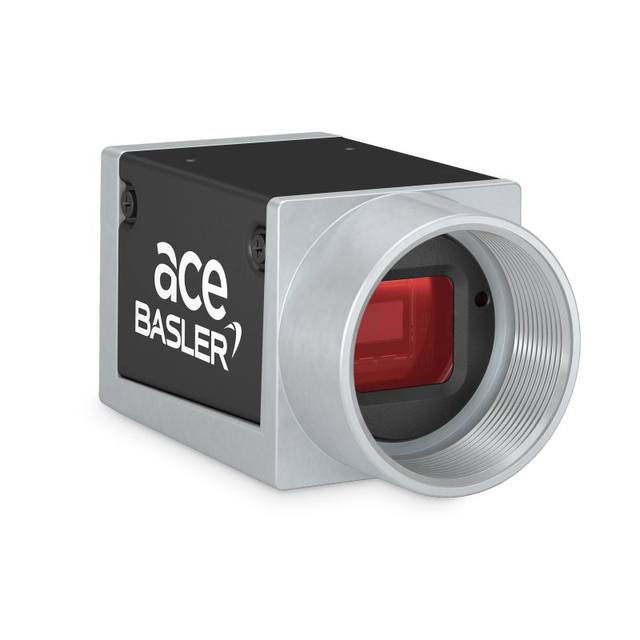
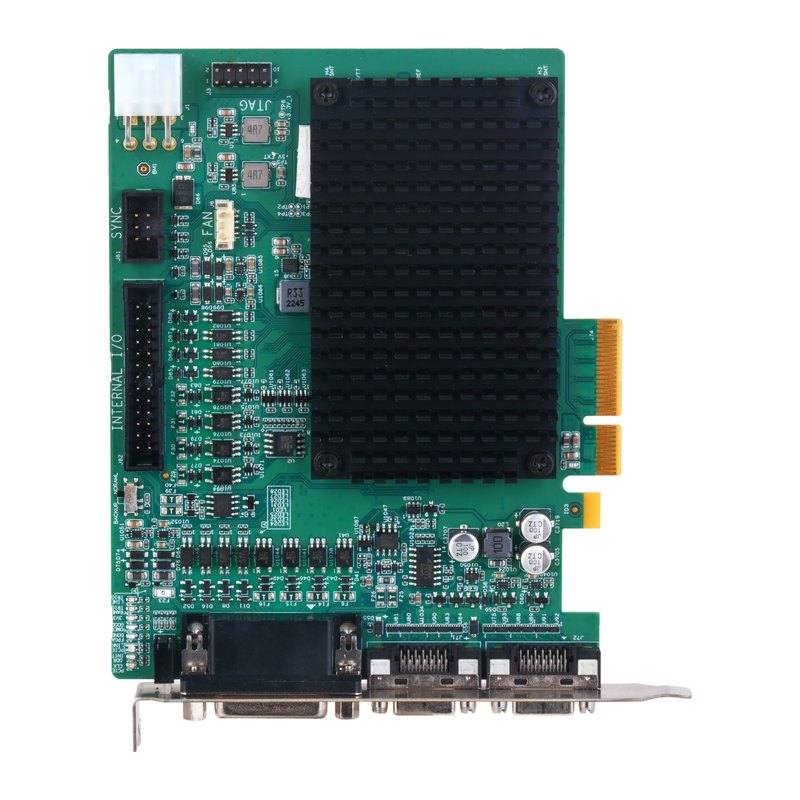
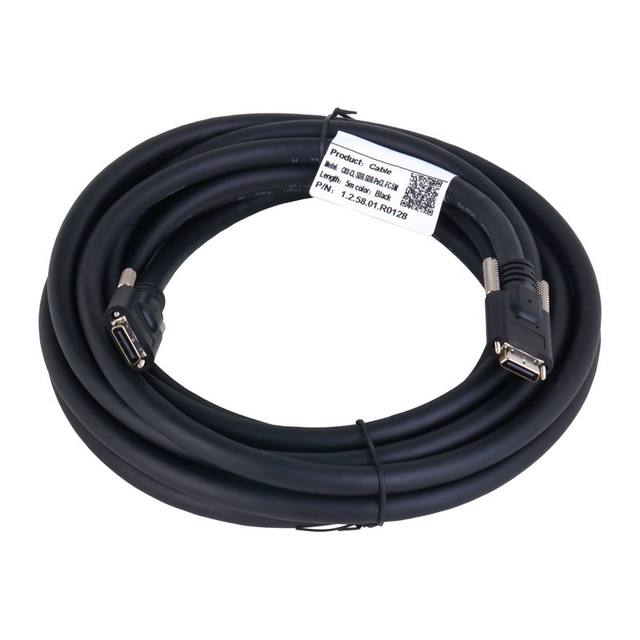
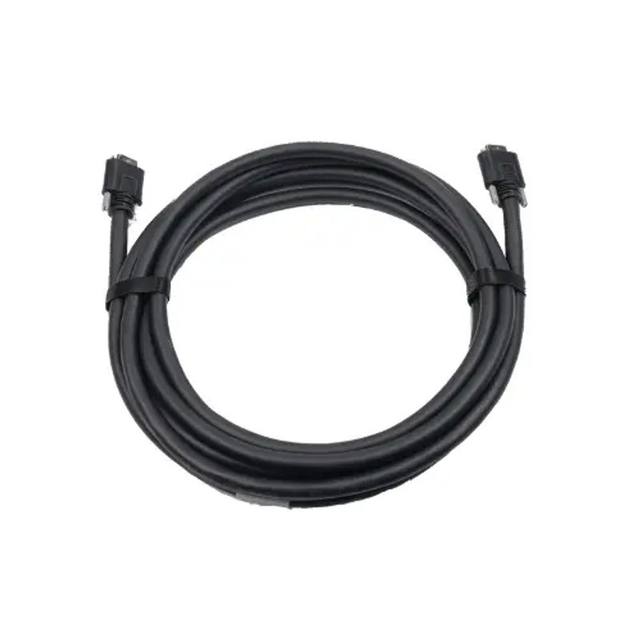
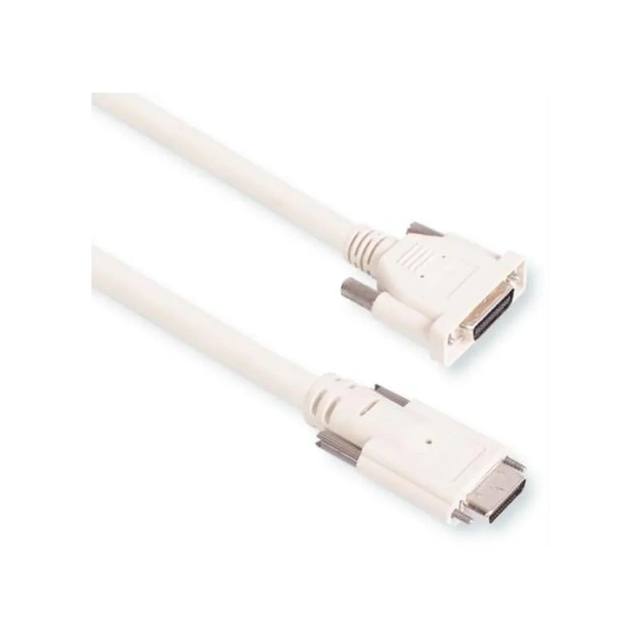
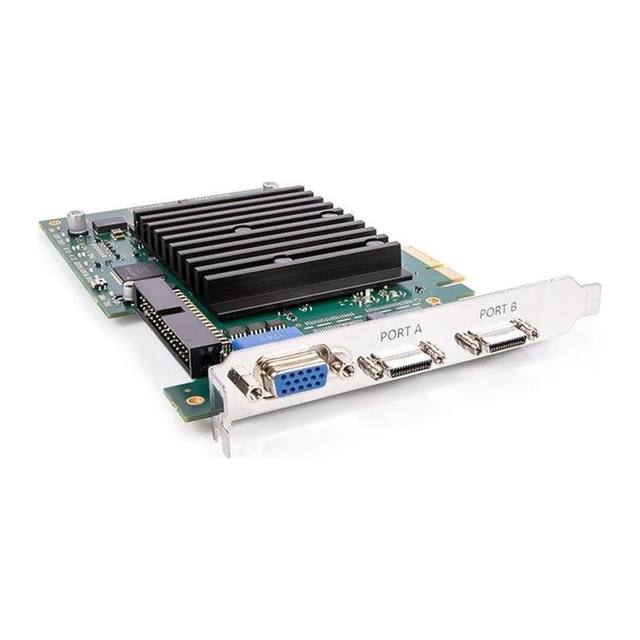
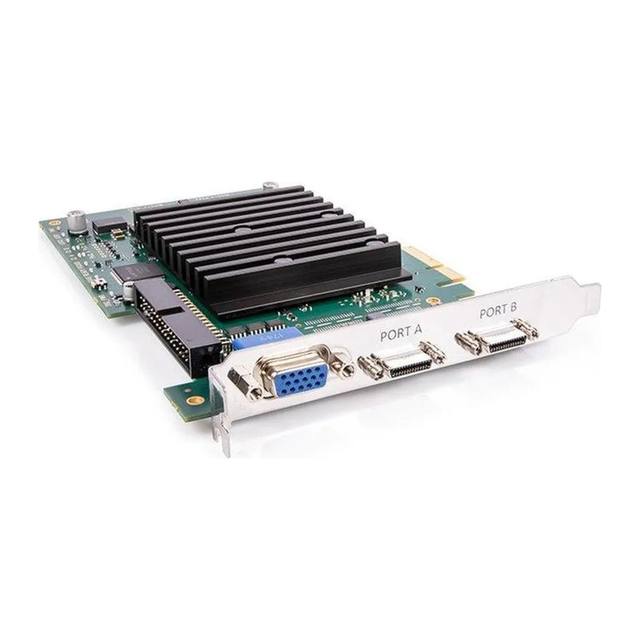
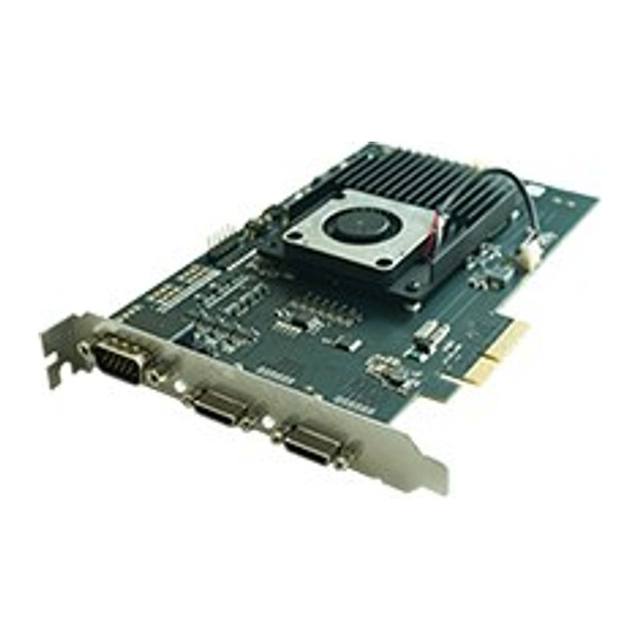
The iRAYPLE GCL-5F21E is a Camera Link frame grabber (card type: Frame grabber) with 2 camera ports. The interface is Camera Link 2.0 with 2 × SDR connectors. Bandwidth is 6.8 Gbit/s, and the host bus is PCIe Gen2 X4. The card carries 1GB of on-board memory.
It has 10 I/O lines: 2X differential input (Single-end Supported), 4X Opto-isolated Input (DIN) and 4X Opto-isolated Output (DOUT). Power consumption is 8W (without PoCL).
Software support is Mvviewer on Windows 7/8/10 64 bit. The card measures 151.6 mm × 126.3 mm × 21.6 mm, weighs 175.1g and operates from 0 °C to +50 °C.
Best for
Camera Link 2.0 stations with up to 2 camera connections on a single card
Systems that need differential and opto-isolated inputs plus opto-isolated outputs
Applications that use the 1GB of on-board memory of the capture card
Windows 7/8/10 64 bit vision PCs with a PCIe Gen2 X4 slot
Selection notes
The card uses a PCIe Gen2 X4 host bus and measures 151.6 mm × 126.3 mm × 21.6 mm; confirm slot availability in the PC.
Compare the 6.8 Gbit/s bandwidth with the data rate of the Camera Link cameras connected to the 2 × SDR connectors.
Check your signals against the I/O: 2X differential input (Single-end Supported), 4X Opto-isolated Input (DIN) and 4X Opto-isolated Output (DOUT).
Operating system support is Windows 7/8/10 64 bit, with Mvviewer as the software.
Power consumption is 8W (without PoCL) and the operating temperature is 0 °C to +50 °C.
Matched automatically by: camera interface matches the card (camera link) · card link speed is at least the camera link speed (cxp-6 / cxp-12, 1–10 gige) — this card: Camera Link 2.0; SDR×2 · 2 × SDR connectors camera ports.
Follow these steps to bring up your iRAYPLE camera, capture a first image, and move from the viewer to your own application. The flow is the same across the A, AE, AX and L series; only the physical interface differs.
Download and install the iRAYPLE machine-vision SDK together with its viewer client for your operating system. The installer provides the camera drivers, the GenTL producer, and the viewer you will use for first light. For GigE Vision models, also install or enable the bundled filter/performance driver on the network adapter to maximize throughput.
2. Connect the camera to the correct interface
Wire the camera to its matching host interface: a dedicated Gigabit (or 10 GigE) NIC for GigE Vision models, a USB3 Vision port with a quality cable for USB3 models, or a frame grabber for CoaXPress models. Power the camera (PoE, USB bus power, or PoCXP / external supply as applicable). For GigE Vision, put the NIC and camera on the same subnet and, where supported, enable jumbo frames.
3. Detect and open the camera in the viewer
Launch the iRAYPLE viewer, run device enumeration, and select your camera from the discovered list. Open it to load the device feature tree (GenICam node map). If a GigE camera is found but cannot be opened, correct the IP configuration so the camera and NIC are in the same address range.
4. Set exposure, gain and trigger, then grab a first image
Start with continuous (free-run) acquisition under stable lighting. Adjust exposure time and gain for a well-exposed, low-noise image, set the pixel format (e.g. Mono8 or a Bayer/RGB format), and tune white balance on color models. Once the live image looks correct, switch trigger mode to hardware or software trigger to synchronize capture with your process, and verify a single triggered frame.
5. Move from the viewer to the SDK or a GenICam library
With imaging confirmed, reproduce the same settings in code using the SDK's C/C++ or Python API: enumerate, open, configure the relevant GenICam features, register a frame callback or grab loop, and convert frames to your pipeline's buffer format. Since the cameras are GenICam/GenTL-compliant, you can alternatively drive them from a third-party GenICam vision library. From here a stable image stream can feed a deep-learning inspection step such as Rosepetal for automated quality control.
Frequently asked questions
It has 2 camera ports, as 2 × SDR connectors, for Camera Link 2.0.