Skip to content
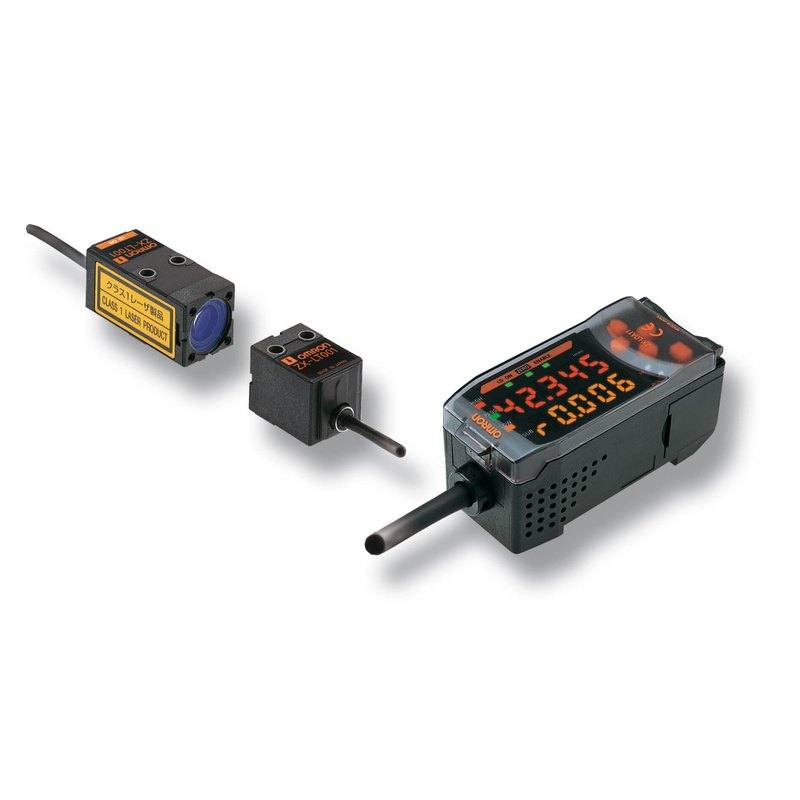
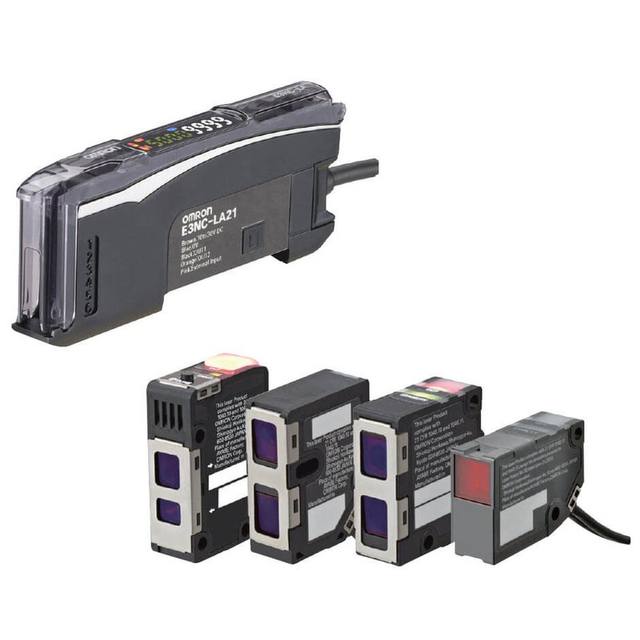
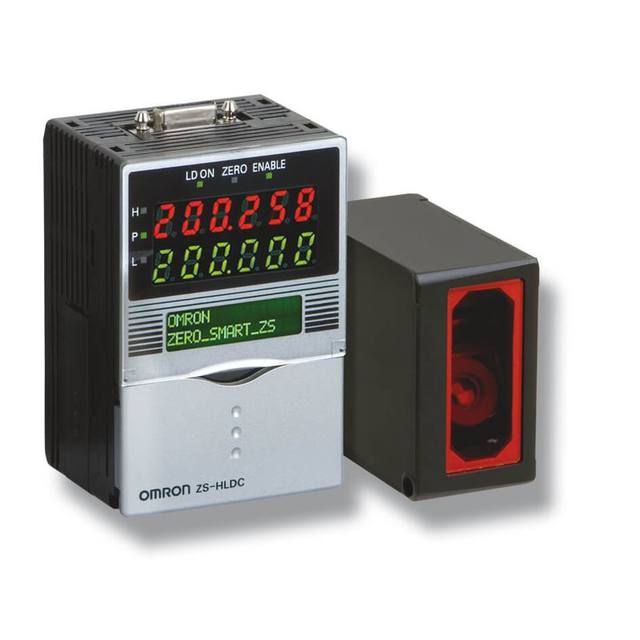
Omron / Sentech ZX-LDA11-N / ZX-LDA41-N (amplifier units) machine vision sensor
  • Recommended by AIS Vision

Omron / Sentech ZX-LDA11-N / ZX-LDA41-N Smart Sensor Amplifier Unit

ZX-LDA11-N

The ZX-LDA11-N (NPN) and ZX-LDA41-N (PNP) are DC amplifier units that drive Omron ZX-L-N laser displacement/measurement sensor heads, which use a 650 nm red semiconductor laser (laser triangulation for reflective heads, through-beam for opposed heads). They have a 150 microsecond measurement period with selectable averaging from 1 to 4,096, and provide a switchable linear analog output (4 to 20 mA into 300 ohm max, or 0 to plus/minus 4 V at 100 ohm output impedance) plus three open-collector HIGH/PASS/LOW judgement outputs rated 30 VDC, 50 mA. The unit runs on 12 to 24 VDC (140 mA max), operates from 0 to 50 deg C at 35 to 85 percent humidity, connects via a 2 m prewired cable, and weighs approximately 350 g in a PBT case with polycarbonate cover.

Brand
Omron / Sentech
Sensor type
Distance (laser displacement / measurement)
Sensing method
Laser triangulation (reflective heads) / through-beam (opposed heads)
Light source
Red semiconductor laser, 650 nm, Class 1 (IEC/EN), Class II (FDA)
Response time
Measurement period 150 us (0.15 ms); response time = period x (average count + 1)
Output type
NPN open-collector (ZX-LDA11-N) / PNP open-collector (ZX-LDA41-N), 30 VDC, 50 mA max
Communication
RS-232C via ZX-SF11 Communications Interface Unit (CompoWay/F), 38,400 bps
Resolution
Resolution depends on connected sensor head: 0.25 um to 300 um (reflective), ~4 um (through-beam)
Linearity
Linearity depends on head: +/-0.2% FS (most reflective heads) to +/-2% FS (ZX-LD300)
Supply voltage
12 to 24 VDC +/-10%, ripple (p-p) 10% max
Connection
Prewired (standard cable length 2 m)
Housing material
Case: PBT (polybutylene terephthalate); Cover: polycarbonate

Technical overview

The ZX-LDA11-N and ZX-LDA41-N are amplifier (controller) units for Omron's ZX-L-N smart laser measurement family - they are not sensor heads themselves but the signal-processing and output stage that a separate ZX-L-N head plugs into. The connected head emits a 650 nm red semiconductor laser (Class 1 under IEC/EN, Class II under FDA) and measures distance by laser triangulation on reflective heads or through-beam on opposed heads. That means this is a measurement device first and a switch second: the amplifier continuously computes a distance or displacement value and can both stream it as an analog reading and assert discrete pass/fail outputs. The only difference between the two part numbers is output polarity - ZX-LDA11-N is NPN open-collector and ZX-LDA41-N is PNP - so the choice between them is dictated entirely by the sinking/sourcing convention of your PLC inputs, not by performance.

For the integrator, the timing and resolution behavior is the key design parameter. The amplifier runs a fixed 150 microsecond (0.15 ms) measurement period and applies a selectable averaging count from 1 to 4,096; the effective response time is the period multiplied by (average count + 1). This is the classic speed-versus-resolution trade: averaging at 1 gives you the fastest response for catching fast-moving or vibrating targets, while averaging up toward 4,096 drives down noise to reach the finest resolution the head can deliver. Because resolution and linearity are head-dependent, the same amplifier can serve a sub-micron job or a coarse one - roughly 0.25 um resolution with a ZX-LD30V head up to about 300 um with a ZX-LD300, and around 4 um on through-beam heads, with linearity from +/-0.2% FS on most reflective heads out to +/-2% FS on the ZX-LD300. You spec the head for the range and resolution you need, then this unit drives it.

On the output side the amplifier gives you both worlds. There is a switchable linear analog output - current mode at 4 to 20 mA into 300 ohm max, or voltage mode at 0 to plus/minus 4 V at 100 ohm output impedance - for feeding a continuous distance value to a PLC analog card, a data logger, or a closed-loop position system. Alongside that, three open-collector judgement outputs (HIGH / PASS / LOW), rated 30 VDC at 50 mA, let the unit act as a hard go/no-go gauge directly against thresholds you teach. RS-232C is available, but only through the separate ZX-SF11 Communications Interface Unit using CompoWay/F at 38,400 bps - it is not native to the amplifier. Electrically and mechanically the unit is straightforward to design in: 12 to 24 VDC +/-10% supply at 140 mA max, a 2 m prewired cable (no connector), a PBT case with polycarbonate cover weighing about 350 g, and an operating range of 0 to 50 deg C at 35 to 85% humidity with no icing or condensation.

Best for

  • Inline dimensional measurement - height, thickness, step, or displacement - where a ZX-L-N reflective head reports a continuous distance value to a PLC via the 4 to 20 mA or 0 to plus/minus 4 V analog output
  • Go/no-go gauging on a line, using the HIGH/PASS/LOW judgement outputs to sort parts against taught tolerance bands without any host computation
  • High-resolution positioning or surface profiling where heavy averaging (up to 4,096) on the fixed 150 us period pushes resolution down toward the sub-micron capability of heads like the ZX-LD30V
  • Fast in-process checks on moving or vibrating targets, running low averaging counts to keep response time near the 0.15 ms measurement period
  • Automotive, electronics, and metal-fabrication measurement cells needing a compact amplifier driving a triangulation or through-beam laser head

Selection notes

  • Pick the part number by PLC input convention: ZX-LDA11-N for NPN (sinking) inputs, ZX-LDA41-N for PNP (sourcing) inputs - the units are otherwise functionally identical.
  • This is an amplifier only; you must pair it with a compatible ZX-L-N sensor head. Range, resolution (0.25 um to ~300 um) and linearity (+/-0.2% to +/-2% FS) are all set by the head, so spec the head to the measurement task first.
  • Budget your averaging deliberately: response time = 150 us x (average count + 1), so reaching the finest resolution at average 4,096 slows response substantially - balance it against target speed.
  • Confirm analog wiring early - current mode needs a load of 300 ohm max, voltage mode presents 100 ohm output impedance - and choose current vs voltage based on cable length and the receiving analog card.
  • RS-232C / CompoWay/F at 38,400 bps requires the separate ZX-SF11 Communications Interface Unit; if you need serial data, account for that add-on in the BOM.
  • The unit is prewired with a fixed 2 m cable, runs on 12 to 24 VDC at 140 mA max, and is rated 0 to 50 deg C with no condensation - verify panel temperature and cable reach since there is no connectorized option.

Specifications: General
BrandOmron / Sentech
Sensor typeDistance (laser displacement / measurement)

Specifications: Performance
Response timeMeasurement period 150 us (0.15 ms); response time = period x (average count + 1)
ResolutionResolution depends on connected sensor head: 0.25 um to 300 um (reflective), ~4 um (through-beam)
LinearityLinearity depends on head: +/-0.2% FS (most reflective heads) to +/-2% FS (ZX-LD300)

Specifications: Interface
CommunicationRS-232C via ZX-SF11 Communications Interface Unit (CompoWay/F), 38,400 bps
ConnectionPrewired (standard cable length 2 m)

Specifications: Electrical
Supply voltage12 to 24 VDC +/-10%, ripple (p-p) 10% max

Specifications: Environment
Operating temperatureOperating and storage: 0 to 50 deg C (no icing or condensation)

Specifications: Sensing
Sensing methodLaser triangulation (reflective heads) / through-beam (opposed heads)
Light sourceRed semiconductor laser, 650 nm, Class 1 (IEC/EN), Class II (FDA)

Specifications: Output
Output typeNPN open-collector (ZX-LDA11-N) / PNP open-collector (ZX-LDA41-N), 30 VDC, 50 mA max

Specifications: Mechanical
Housing materialCase: PBT (polybutylene terephthalate); Cover: polycarbonate
WeightApprox. 350 g (packed state)

Frequently asked questions

Related technical guides

AIS Vision · Integration

We validate camera + lens + lighting

AIS Vision defines and tests the optimal combination of camera, optics and lighting for your application before you buy.