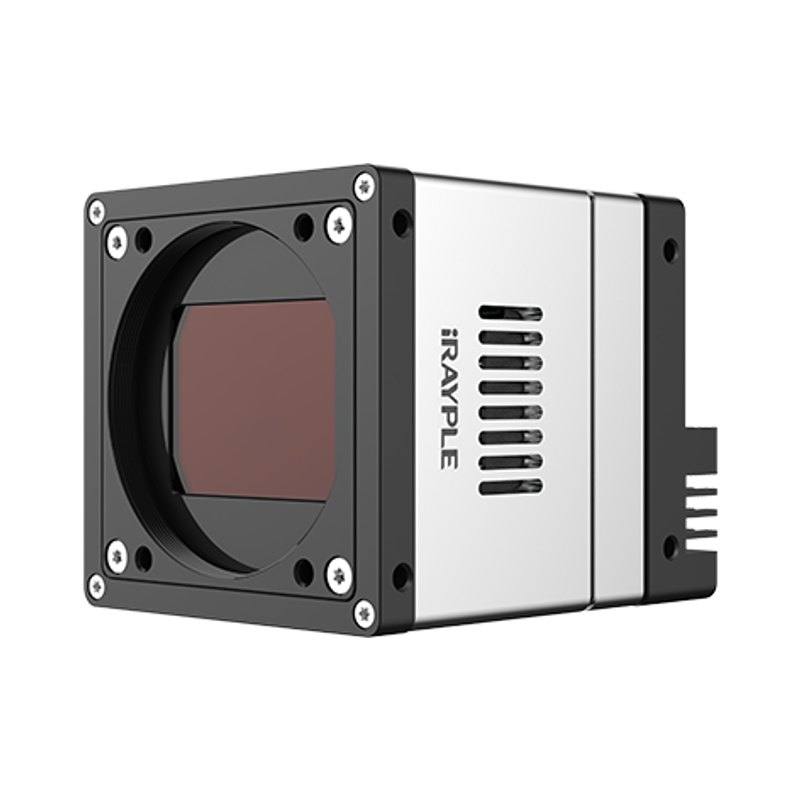
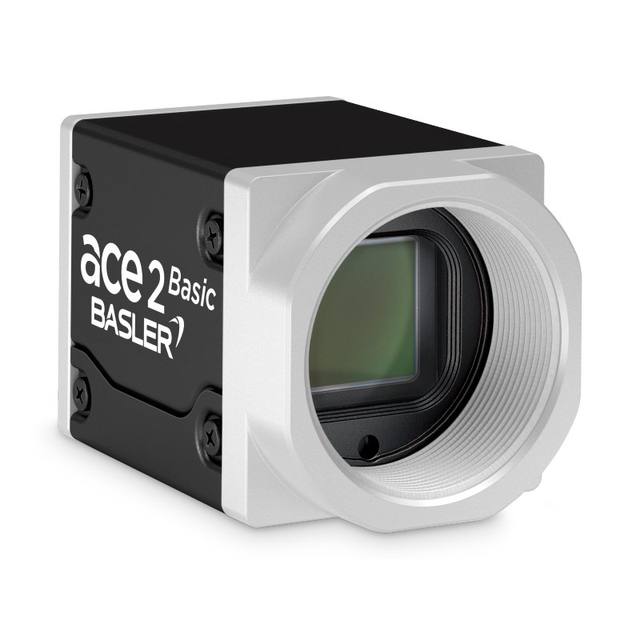
The iRAYPLE AX5B51MT250E (mono) / AX5B51CT250E (color) is a large-format area scan industrial camera built on a 23.04 x 23.04 mm Onsemi PYTHON25K global-shutter CMOS sensor with 5120 x 5120 resolution and 4.5 µm pixels. It delivers 43 fps at full resolution over a 10GigE interface (backward-compatible with GigE, up to 100 m cable run) using the M58 x 0.75 lens mount. The sensor offers 58 dB dynamic range and 41 dB SNR with 10-bit output, and the camera includes a 1 GB image buffer plus built-in ISP functions. It is powered by 24 VDC (about 21.6 W) and supports GigE Vision and GenICam standards with software and hardware trigger modes.
Brand
iRAYPLE
Camera type
Area scan
Interface
10GigE (RJ45) — 100 m / GigE backward-compatibility not confirmed by sources
Resolution
26 (26.2 MP, 5120 x 5120); 25 MP is rounded marketing figure
The iRAYPLE AX5B51MT250E (mono) and AX5B51CT250E (color) are large-format area scan cameras built on the Onsemi PYTHON25K global-shutter CMOS, a 23.04 x 23.04 mm square sensor delivering 5120 x 5120 pixels (26.2 MP, marketed as 25 MP) on a 4.5 um pixel pitch. The square format is the defining trait here: an even 5120 x 5120 grid maps cleanly onto square parts, wafers, panels and print sheets, so you do not waste resolution on an aspect ratio that does not match the scene. With 4.5 um pixels you can resolve very fine features when paired with a suitable lens, while the global shutter freezes motion across the whole frame at once, so parts moving on a conveyor or indexing table image without the skew and smear that a rolling shutter would introduce. The sensor quotes 58 dB dynamic range and 41 dB SNR with 10-bit output, giving headroom to hold both bright specular highlights and shadowed detail in a single capture, which matters on metal, glass and other reflective surfaces.
Throughput is the second half of the story. At full 26 MP resolution the camera runs 43 fps, a substantial pixel rate that only the 10GigE (RJ45) interface can sustain. The single-cable RJ45 connection carries both data and supports cable runs up to 100 m, letting you place the camera far from the controller or PC without repeaters or fiber, while the listed GigE backward-compatibility lets the same camera drop onto slower infrastructure during bring-up (note the spec text flags both the 100 m run and backward-compatibility as not confirmed by sources, so validate against the datasheet for your run length). An onboard 1 GB image buffer absorbs bursts when the host or network momentarily cannot keep pace, preventing dropped frames during high-rate acquisition, and built-in ISP functions plus 10-bit output offload some preprocessing from the host. The camera speaks GigE Vision and GenICam, so it integrates with standard machine-vision software stacks rather than a proprietary SDK only.
Mechanically and electrically the camera is built for the demands of a 26 MP sensor. The M58 x 0.75 lens mount is required because the ~23 mm square sensor has a far larger image circle than C-mount lenses can cover; you must specify a large-format M58 lens rated for this sensor size and 4.5 um pixels, not a standard C-mount optic. Power is 24 VDC at about 21.6 W, the body measures 72 x 72 x 78.5 mm and weighs 583 g, and it operates from 0 to 50 C. Both software and hardware trigger modes are supported, so the camera can free-run for continuous monitoring or take a hardware trigger from an encoder or PLC for precise, position-synchronized single-shot capture. At 43 fps the exposure window per frame is short, so plan for bright, well-controlled illumination; strobed lighting fired in sync with the hardware trigger is the natural pairing to freeze motion and stabilize exposure across captures.
Best for
High-resolution surface and defect inspection of large flat parts such as panels, glass, sheet metal and printed material, where the 5120 x 5120 square grid covers the part in a single frame
Semiconductor and electronics inspection where 4.5 um pixels and global shutter resolve fine features on wafers, PCBs and components without motion skew
Dimensional measurement and metrology of square or near-square parts, using the matched 5120 x 5120 format to maximize usable resolution across the field of view
Industrial OCR/OCV on labels, print and marking where high resolution and 10-bit dynamic range improve character legibility on varied substrates
High-rate single-camera coverage of a large field at 43 fps, replacing multiple lower-resolution cameras on a conveyor or indexing line
Selection notes
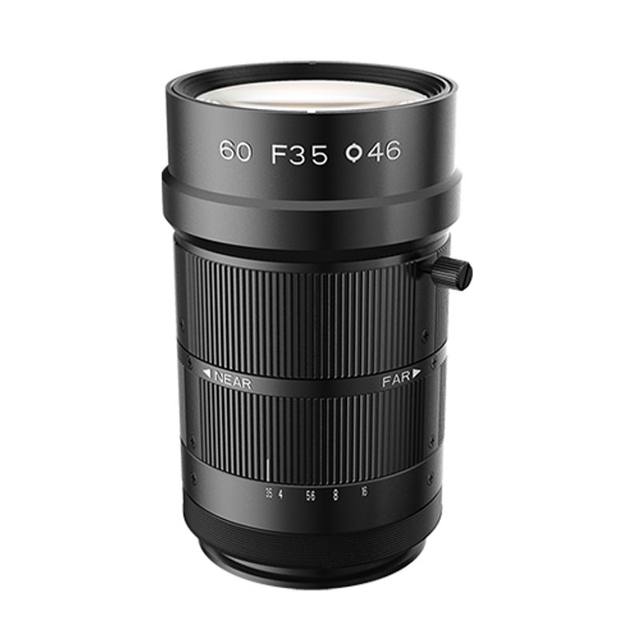
Lens is the critical design-in: the ~23.04 x 23.04 mm sensor needs a large-format M58 x 0.75 lens that covers the full image circle and resolves 4.5 um pixels; a C-mount optic will not work and an under-spec lens will limit real resolution below the sensor's potential
Choose mono (AX5B51MT250E) or color (AX5B51CT250E) per task: mono gives full per-pixel resolution and sensitivity for measurement and surface defects, color is for tasks that depend on hue, but color loses effective resolution to the filter array
Budget the network and host: sustaining 43 fps at 26 MP requires a genuine 10GigE NIC, appropriate cabling and a host that can ingest the pixel stream; the 1 GB onboard buffer covers transient stalls but not a chronically undersized link
Light for a short exposure window: at 43 fps the per-frame exposure is brief, so plan bright, controlled illumination and use the hardware trigger to fire strobed lighting in sync with each capture
Confirm cable run and interface fallback against the datasheet: the spec text marks the 100 m run and GigE backward-compatibility as not confirmed by sources, so verify the maximum length and any fallback mode for your installation
Plan the mechanical and power envelope: 72 x 72 x 78.5 mm, 583 g, 24 VDC at ~21.6 W and a 0 to 50 C operating range all need to fit the mount, harness and thermal conditions of the cell
Specifications: General
Brand
iRAYPLE
Camera type
Area scan
Specifications: Sensor
Resolution
26 (26.2 MP, 5120 x 5120); 25 MP is rounded marketing figure
Horizontal resolution
5120 x 5120 px
Mono / color
Mono (AX5B51MT250E) / Color (AX5B51CT250E)
Sensor manufacturer
Onsemi
Sensor model
Onsemi PYTHON25K CMOS
Shutter
Global shutter
Sensor size
~1.1" (APS-H, 23.04 x 23.04 mm)
Pixel size
4.5 x 4.5 µm
Specifications: Performance
FPS
43 fps at full resolution
Specifications: Interface
Interface
10GigE (RJ45) — 100 m / GigE backward-compatibility not confirmed by sources
Protocols
GigE Vision, GenICam
Specifications: Optics
Mount
M58 x 0.75
Specifications: Electrical
Power
DC 24V
Power consumption
21.6 W
Specifications: Environment
Operating temperature
0 ~ 50 °C
Specifications: Mechanical
Dimensions
72 x 72 x 78.5 mm
Weight
583 g
Applications this camera is commonly selected for. Open one to see the full recommended hardware and approach.
Matched automatically by: lens mount fits the camera mount · lens image circle covers the camera sensor — this camera: M58 x 0.75 · ~1.1" (APS-H, 23.04 x 23.04 mm) sensor.
Follow these steps to bring up your iRAYPLE camera, capture a first image, and move from the viewer to your own application. The flow is the same across the A, AE, AX and L series; only the physical interface differs.
Download and install the iRAYPLE machine-vision SDK together with its viewer client for your operating system. The installer provides the camera drivers, the GenTL producer, and the viewer you will use for first light. For GigE Vision models, also install or enable the bundled filter/performance driver on the network adapter to maximize throughput.
2. Connect the camera to the correct interface
Wire the camera to its matching host interface: a dedicated Gigabit (or 10 GigE) NIC for GigE Vision models, a USB3 Vision port with a quality cable for USB3 models, or a frame grabber for CoaXPress models. Power the camera (PoE, USB bus power, or PoCXP / external supply as applicable). For GigE Vision, put the NIC and camera on the same subnet and, where supported, enable jumbo frames.
3. Detect and open the camera in the viewer
Launch the iRAYPLE viewer, run device enumeration, and select your camera from the discovered list. Open it to load the device feature tree (GenICam node map). If a GigE camera is found but cannot be opened, correct the IP configuration so the camera and NIC are in the same address range.
4. Set exposure, gain and trigger, then grab a first image
Start with continuous (free-run) acquisition under stable lighting. Adjust exposure time and gain for a well-exposed, low-noise image, set the pixel format (e.g. Mono8 or a Bayer/RGB format), and tune white balance on color models. Once the live image looks correct, switch trigger mode to hardware or software trigger to synchronize capture with your process, and verify a single triggered frame.
5. Move from the viewer to the SDK or a GenICam library
With imaging confirmed, reproduce the same settings in code using the SDK's C/C++ or Python API: enumerate, open, configure the relevant GenICam features, register a frame callback or grab loop, and convert frames to your pipeline's buffer format. Since the cameras are GenICam/GenTL-compliant, you can alternatively drive them from a third-party GenICam vision library. From here a stable image stream can feed a deep-learning inspection step such as Rosepetal for automated quality control.
Frequently asked questions
It captures 5120 x 5120 pixels (26.2 MP, marketed as 25 MP) at 43 fps at full resolution, using the Onsemi PYTHON25K CMOS sensor.
It uses a global shutter, so the entire frame is exposed at once. That freezes moving parts without the skew or smear a rolling shutter would produce, making it suitable for parts on conveyors or indexing tables.
It connects over 10GigE via a single RJ45 cable. The spec lists a 100 m cable run and GigE backward-compatibility, but flags both as not confirmed by sources, so verify against the datasheet for your installation.
It uses an M58 x 0.75 mount. Because the sensor is a ~23.04 x 23.04 mm large-format chip, you need a large-format M58 lens that covers the full image circle and resolves the 4.5 um pixels; a standard C-mount lens will not cover this sensor.
Yes. The AX5B51MT250E is monochrome and the AX5B51CT250E is color. Both share the 5120 x 5120 PYTHON25K sensor, 43 fps and 10GigE interface.
It runs on 24 VDC at about 21.6 W, measures 72 x 72 x 78.5 mm, weighs 583 g and operates from 0 to 50 C. It supports GigE Vision and GenICam with both software and hardware trigger modes.