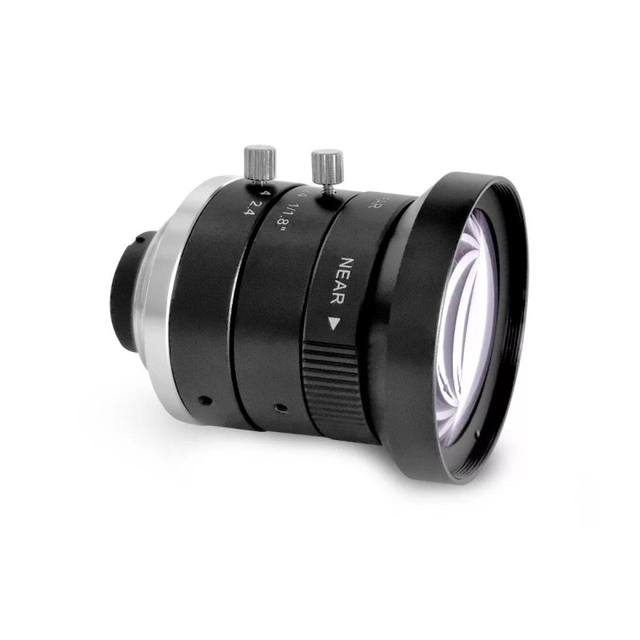
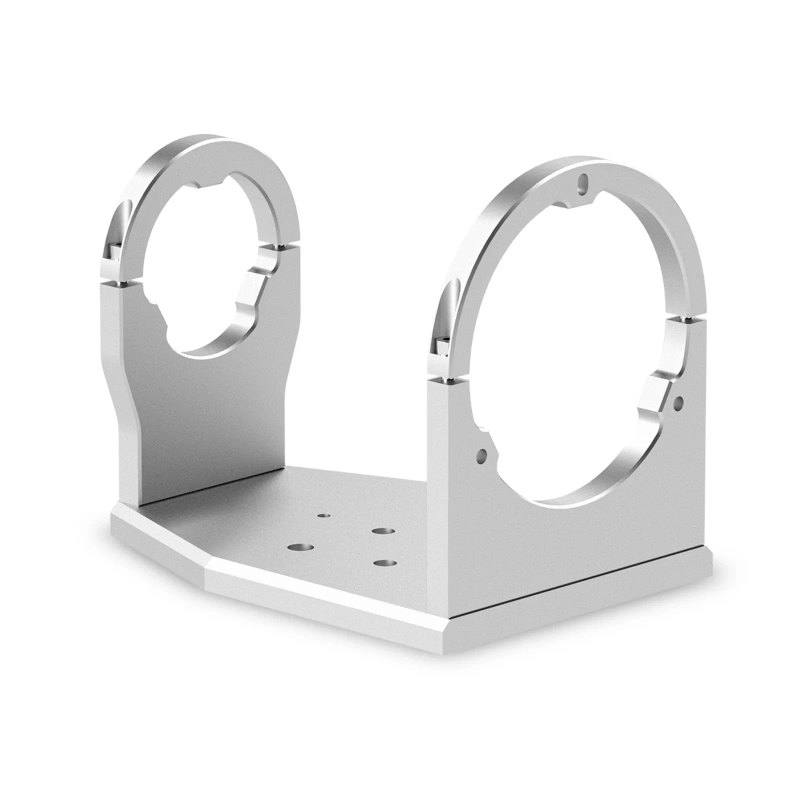
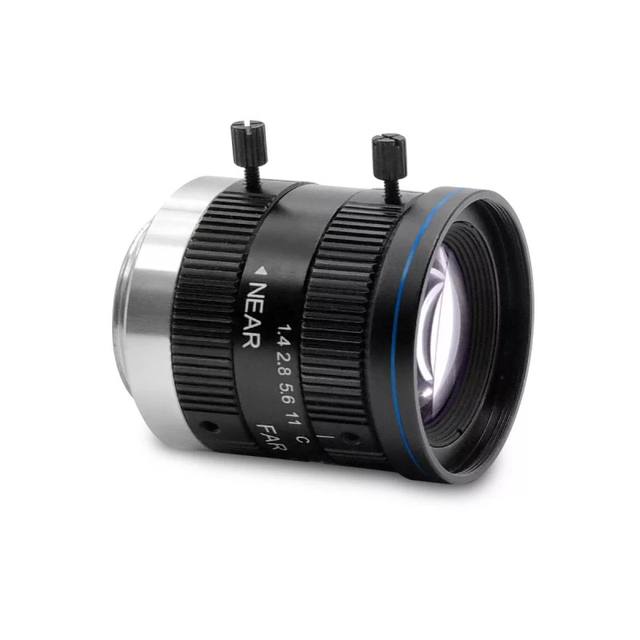
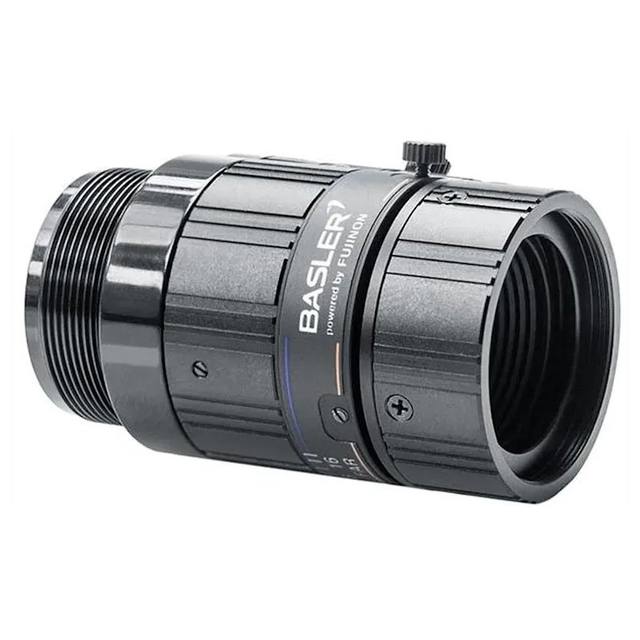
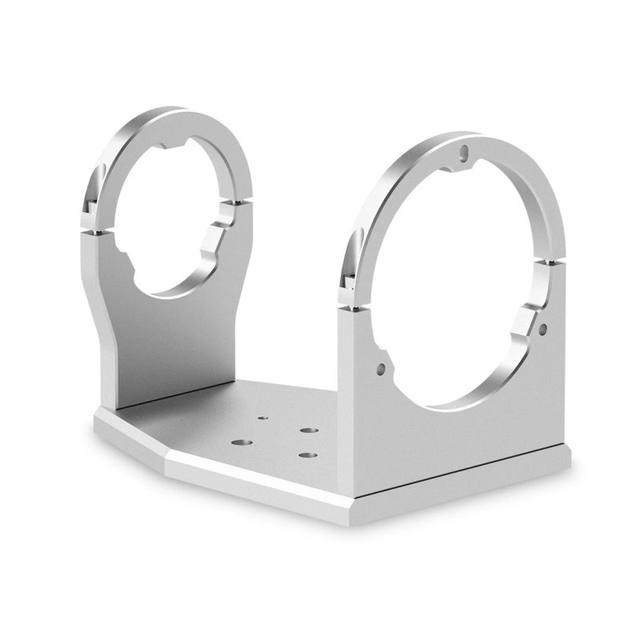
Opto Engineering CMHOHCBI — Clamping mechanics for HCBI lenses: length 162.0 mm, width 116.0 mm, height 135.0 mm, optical axis height 80.0 mm, mass 747 g.
The Opto Engineering CMHOHCBI is a clamping mechanic from the CMHO series, which covers clamping mechanics for lenses. It is listed for HCBI lenses and holds an HCBI lens in a fixed position. Its listed envelope is 162.0 mm long, 116.0 mm wide and 135.0 mm high, with an optical axis height of 80.0 mm and a mass of 747 g. The optical axis height sets where the lens sits in the layout, the length, width and height define how much room the clamp takes up, and the 747 g mass sets the load the support has to carry.
Start the layout from the 80.0 mm optical axis height and reference the camera and target to that line. The 162.0 mm length, 116.0 mm width and 135.0 mm height describe the volume the clamp occupies, so the machine layout needs to reserve that volume and the clearance around it before the frame is designed. Dimension the surrounding structure from the full envelope so the lens can be fitted without interference.
Use the CMHOHCBI for a fixed lens holder where an HCBI lens needs a defined position and a known envelope. Confirm the lens family against the HCBI compatibility before ordering, and plan the support around the 747 g clamp mass together with the lens. The frame design can then concentrate on the lens axis at 80.0 mm and on the envelope.
Best for
Holding an HCBI lens in a fixed position in a machine frame
Layouts that must reserve a 162.0 mm long, 116.0 mm wide and 135.0 mm high envelope
Setups where the lens axis needs to sit at an 80.0 mm optical axis height
Designs that carry a 747 g clamp as part of the structural load case
Selection notes
Confirm the lens is an HCBI model before ordering, since the clamp is listed for HCBI lenses.
Reserve the 162.0 mm length, 116.0 mm width and 135.0 mm height envelope in the layout.
Align the lens axis and the camera to the 80.0 mm optical axis height from the start of the design.
Include the 747 g clamp mass in the support design.