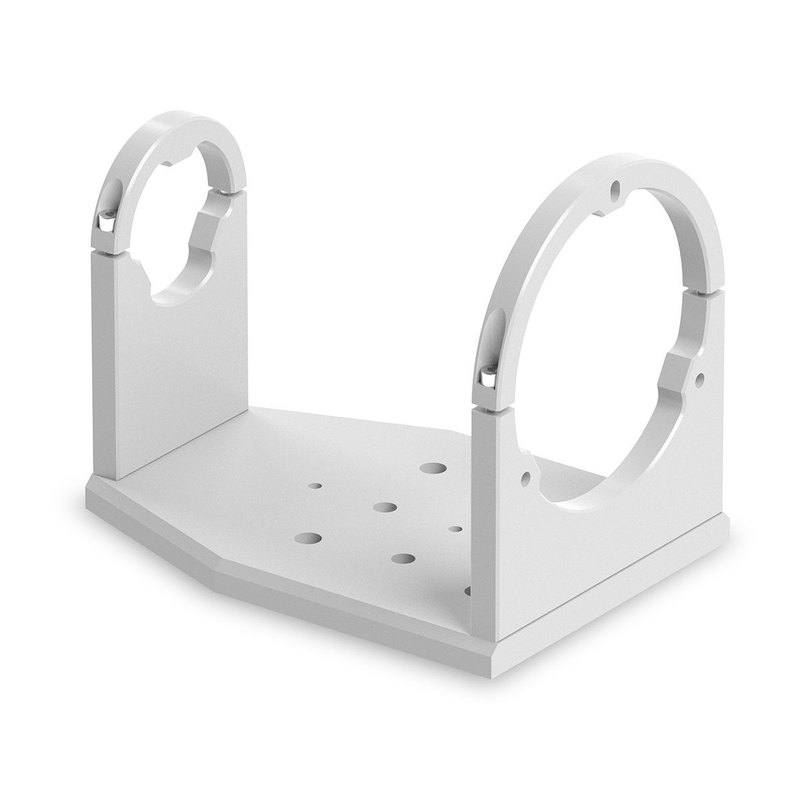
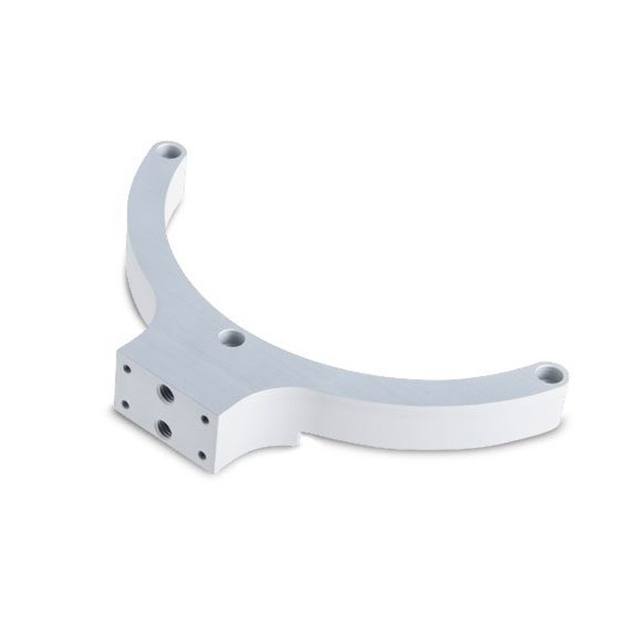
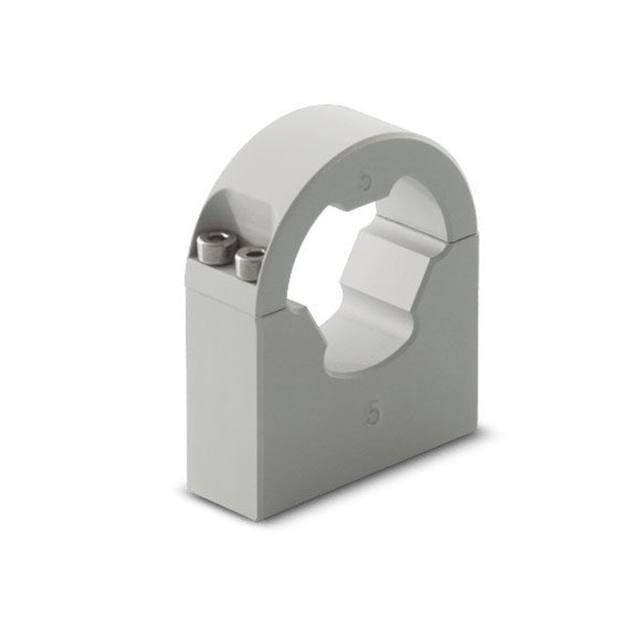
Opto Engineering CMHOPCXC — Clamping mechanics for PCXC lenses: length 162.0 mm, width 116.0 mm, height 135.0 mm, optical axis height 80.0 mm, mass 733 g.
The CMHOPCXC is a clamping mechanic from Opto Engineering's CMHO series, built for PCXC lenses. Its role is mechanical: it holds the lens in a fixed position with the optical axis at the listed height of 80.0 mm. The body measures 162.0 mm long, 116.0 mm wide and 135.0 mm high and weighs 733 g, so these figures set the footprint, the vertical envelope and the load an installer has to allow for once the lens is fitted.
For a vision setup, the 80.0 mm optical axis height is the figure that drives the rest of the layout. The camera and any illumination on the same line of sight need to be set to that axis, so the clamping mechanics can serve as the reference point for the assembly rather than a part positioned by eye. The 135.0 mm height should be checked against the vertical clearance above and around the lens before the enclosure or frame is finalized.
The 162.0 mm length and the 116.0 mm width should be confirmed against the space available in the frame before the lens position is fixed. At 733 g, the mechanics are part of the carried load, so they belong in the mass figure for any frame, positioning stage or bracket that supports the lens, not only the weight of the lens itself.
Best for
Holding a PCXC lens in a fixed position inside a custom machine-vision assembly
Setting a shared optical axis height of 80.0 mm for the camera and illumination in a station
Fitting the lens holder into a frame that has room for a 162.0 x 116.0 x 135.0 mm envelope
Carrying a 733 g clamping mechanic on a bracket, stage or frame sized for that load
Selection notes
Fix the 80.0 mm optical axis height first, then align the camera, illumination and any other optics to that line.
Check the 135.0 mm height against the vertical clearance around the lens and any enclosure above it.
Include the 733 g mass in the load rating of the frame, bracket or stage that carries the mechanics.
Confirm that the lens you clamp is a PCXC lens, since the mechanics are designed for PCXC lenses.