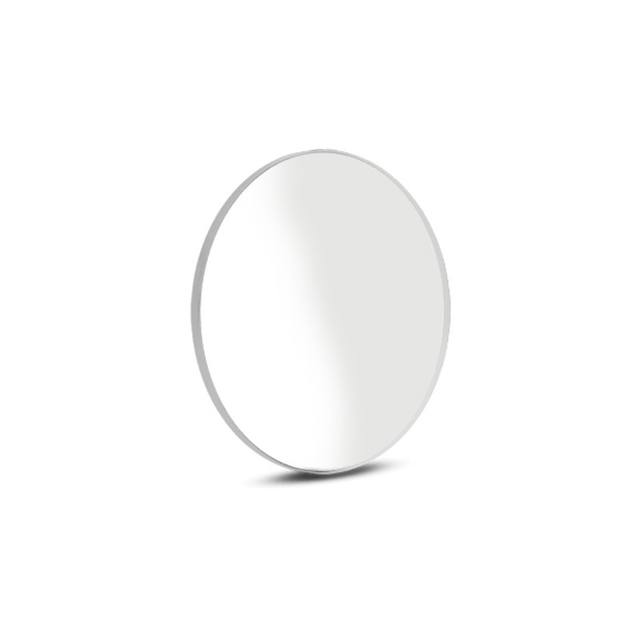
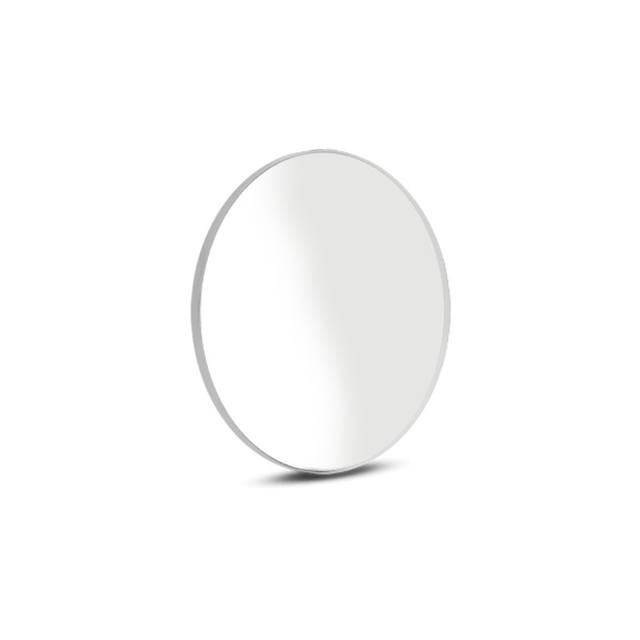
Opto Engineering WI036 — Protective window for 61 mm clamping diameter optics: transmittance band 430-670 nm, substrate Borofloat, diameter 61 mm, thickness 3 mm, mass 22 g.
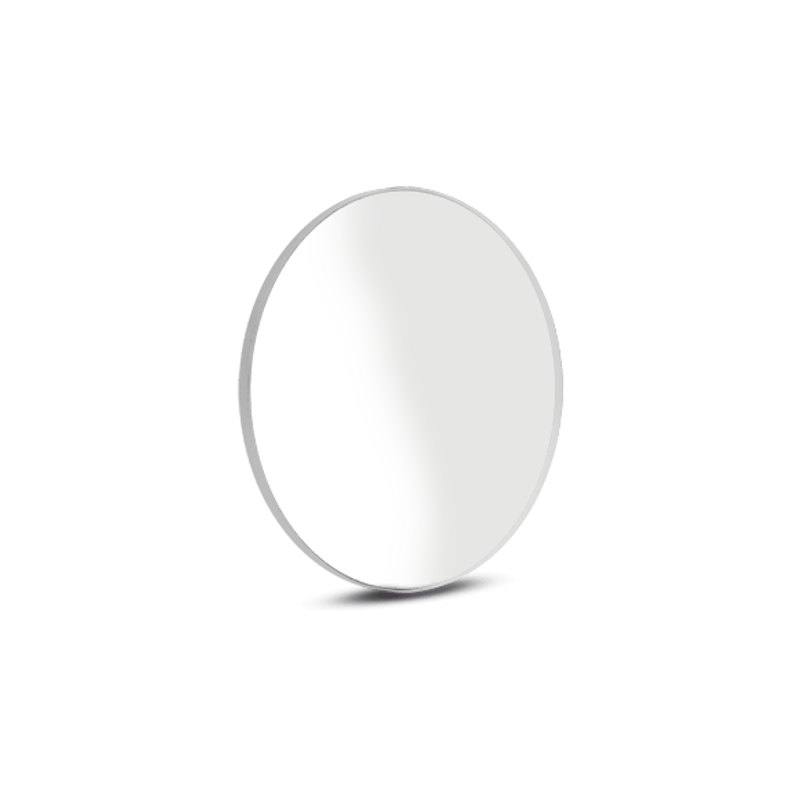
The Opto Engineering WI036 is a protective window from the WI series, made for optics with a 61 mm clamping diameter. The window itself measures 61 mm in diameter and 3 mm in thickness, uses a Borofloat substrate and weighs 22 g. Its transmittance band is 430-670 nm, which is the wavelength range the window is specified to transmit and the range to check your illumination and any filters against.
Fitting starts with the optic. The 61 mm window diameter matches the 61 mm clamping diameter the WI036 is made for, so confirm that the lens being protected uses the same size before ordering. Once the size is confirmed, plan the mechanical space in front of the lens around the 61 mm diameter and 3 mm thickness, since those two dimensions define the footprint the window occupies.
In service, the WI036 serves a protective role: it sits in front of the lens to shield the front of the optic. Keeping the illumination and any filters in the imaging path inside the 430-670 nm transmittance band keeps the setup consistent with the window's specification. At 22 g, the added mass is light, which matters for lens assemblies that move on an axis.
Best for
Shielding the front of a lens with a 61 mm clamping diameter on an inspection station.
Adding a Borofloat protective window to an imaging set-up that works within the 430-670 nm transmittance band.
Lens assemblies on a moving axis, where the window's 22 g adds only a small load.
Retrofitting protection onto an existing lens with a 61 mm clamping diameter.
Selection notes
Confirm that the lens clamping diameter is 61 mm before ordering, since the window is sized for optics of that diameter.
Keep the illumination and any filters in the imaging path inside the 430-670 nm transmittance band.
Plan the mounting space in front of the optic around the 61 mm diameter and 3 mm thickness.
Include the 22 g mass in the moving load when the lens sits on an axis.