
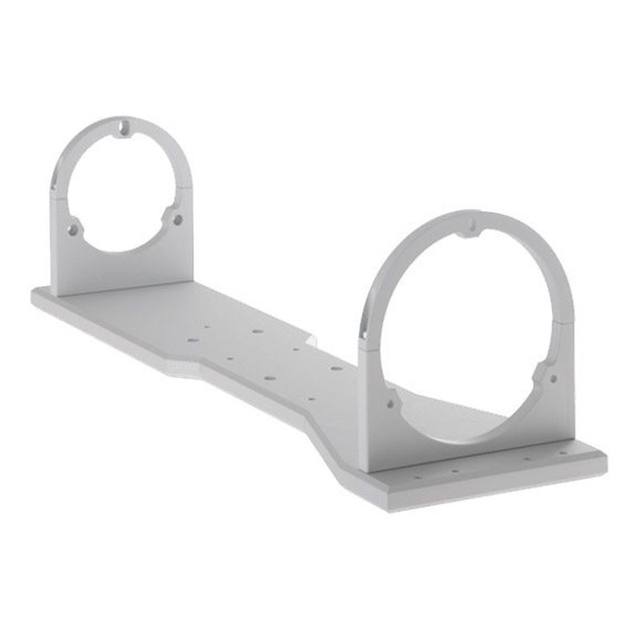
Opto Engineering CMHOTC12K080 — Clamping mechanics for TC12K080 (CMHO series: Clamping mechanics for lenses).
- Length 486.0 mm, width 152.0 mm, height 185.0 mm
- 2473 g
- Recommended by AIS Vision
On request
Mirrors, prisms, beam splitters, extension and step rings, filter holders, protective windows and precision clamps for vision optics.
Optical accessories solve the problems that arise around the lens: there is no room for a straight optical path, the lens needs protection, the filter does not fit, or a long telecentric assembly has to be held in line. They are small parts, but most sit directly in the imaging path or hold something that does, so their quality and stability feed straight into the image.
Opto Engineering, DCM Sistemes and MidOpt supply this range. Check the clamping diameter or thread against your lens or camera before anything else. AIS Vision can check the complete optical chain, adapters included, on your real part.
135 results
Opto Engineering CMHOTC12K080 — Clamping mechanics for TC12K080 (CMHO series: Clamping mechanics for lenses).
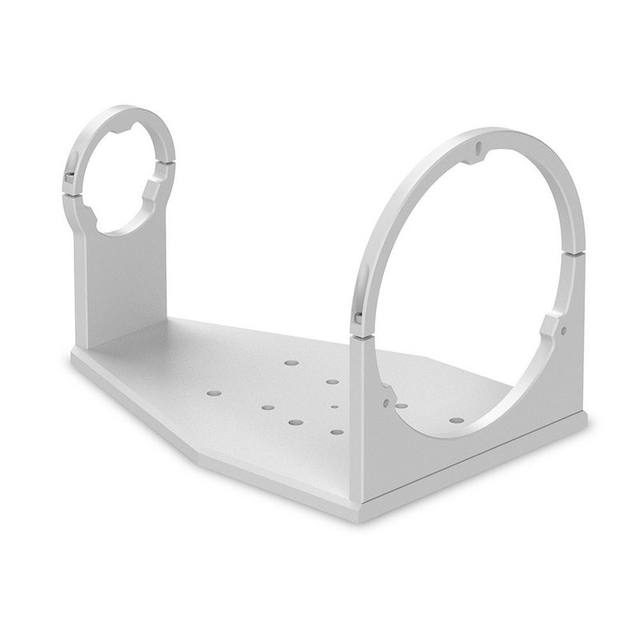
Opto Engineering CMHOTC12M096 — Clamping mechanics for TC12M096 (CMHO series: Clamping mechanics for lenses).
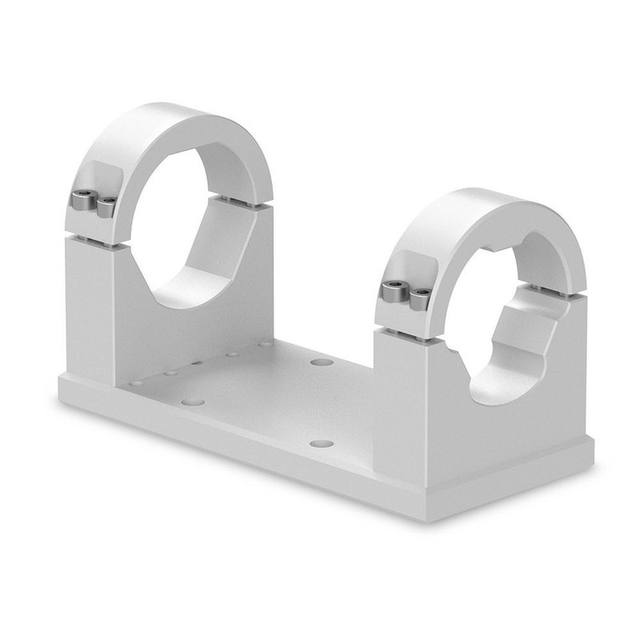
Opto Engineering CMHOTC16M012 — Clamping mechanics for TC16M012 (CMHO series: Clamping mechanics for lenses).
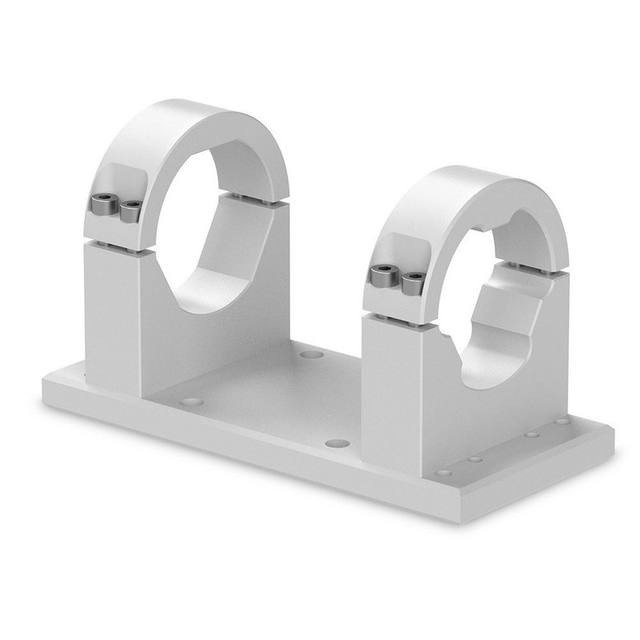
Opto Engineering CMHOTC16M018 — Clamping mechanics for TC16M018 (CMHO series: Clamping mechanics for lenses).
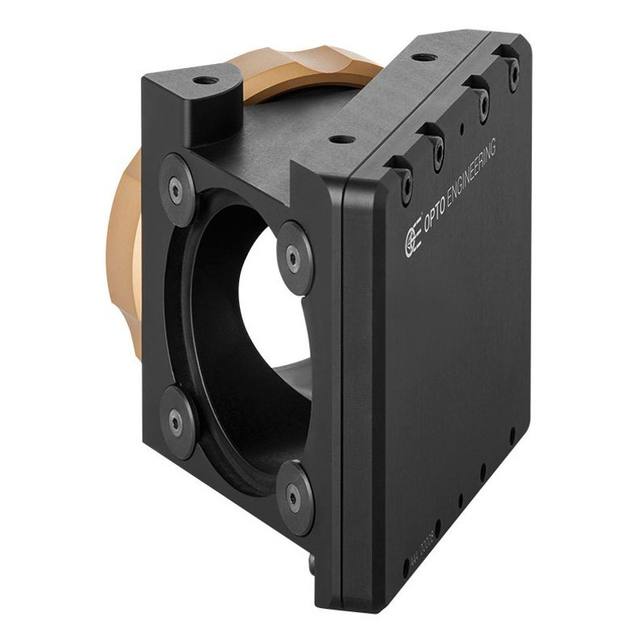
Opto Engineering CMMR036 — 45° first surface mirror for 61.0 mm clamping diameter optics (CMMR series: 45° first surface mirrors).
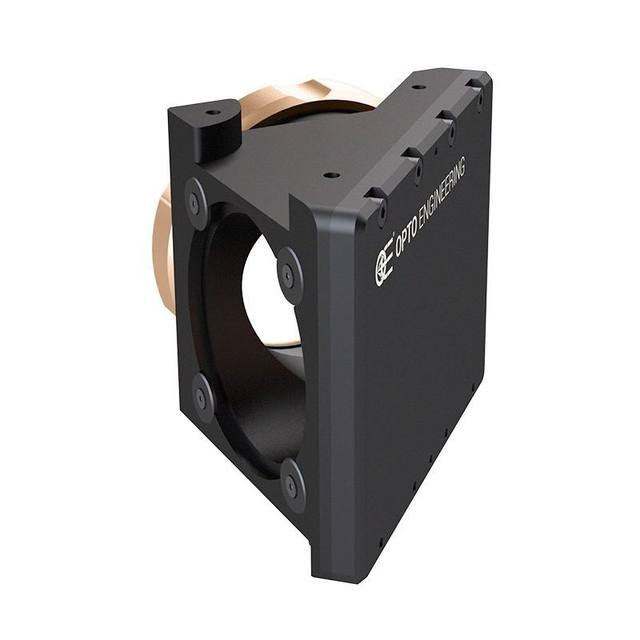
Opto Engineering CMMR048 — 45° first surface mirror for 75.0 mm clamping diameter optics (CMMR series: 45° first surface mirrors).
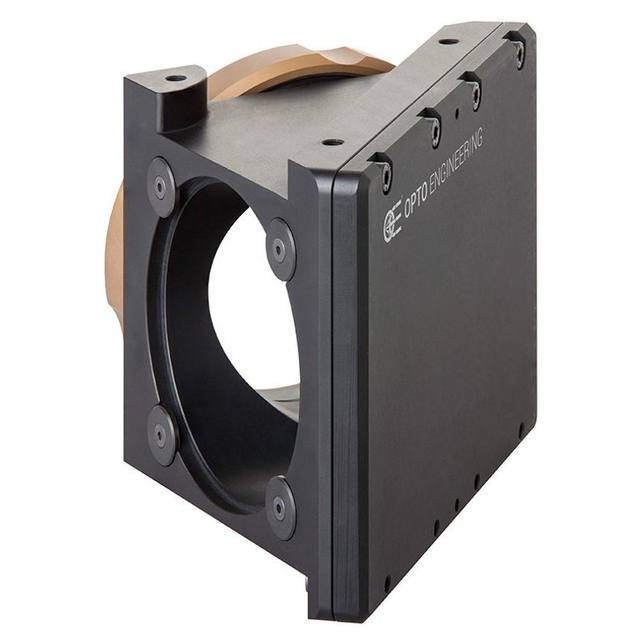
Opto Engineering CMMR056 — 45° first surface mirror for 80.0 mm clamping diameter optics (CMMR series: 45° first surface mirrors).
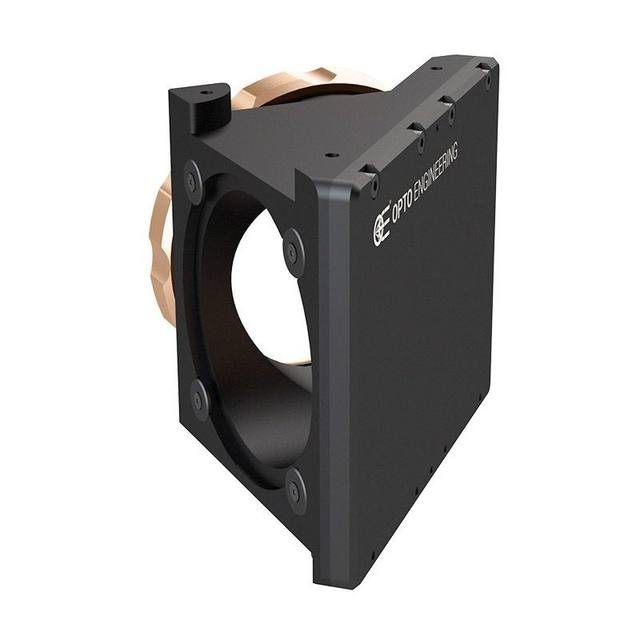
Opto Engineering CMMR064 — 45° first surface mirror for 100.0 mm clamping diameter optics (CMMR series: 45° first surface mirrors).
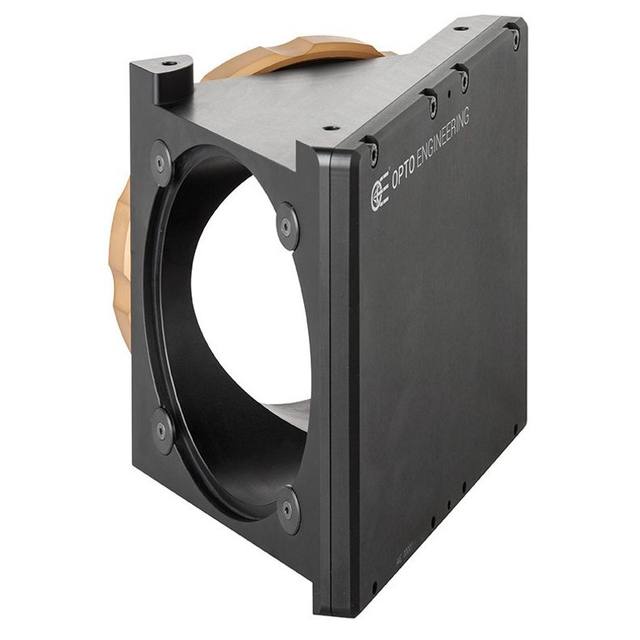
Opto Engineering CMMR080 — 45° first surface mirror for 116.0 mm clamping diameter optics (CMMR series: 45° first surface mirrors).
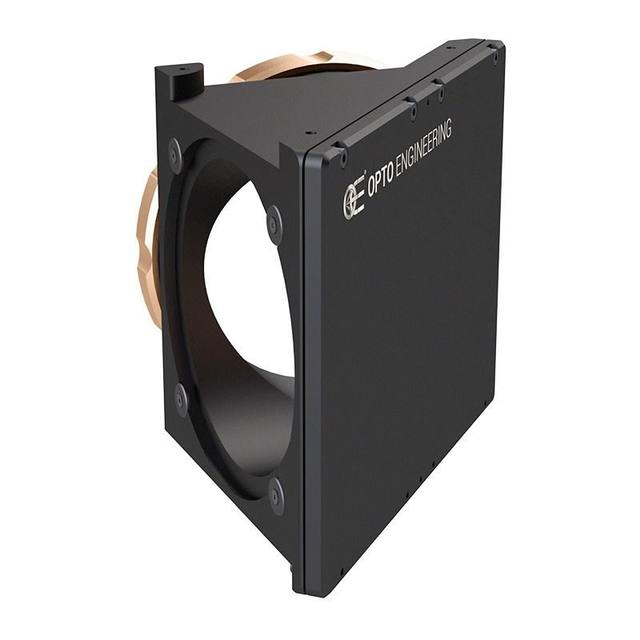
Opto Engineering CMMR096 — 45° first surface mirror for 143.0 mm clamping diameter optics (CMMR series: 45° first surface mirrors).
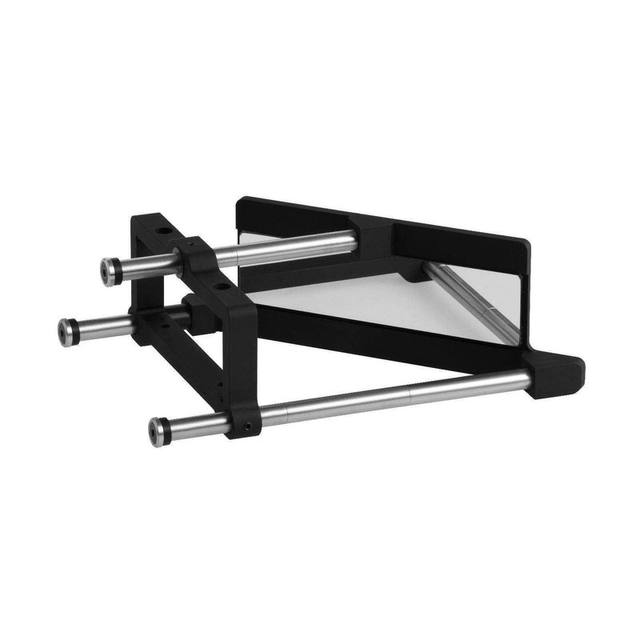
Opto Engineering CMMR4K060-L — 45° adjustable first surface mirror, clamping size 83.0 x 38.5 mm, right angle lateral bend (CMMR series: 45° first surface mirrors).
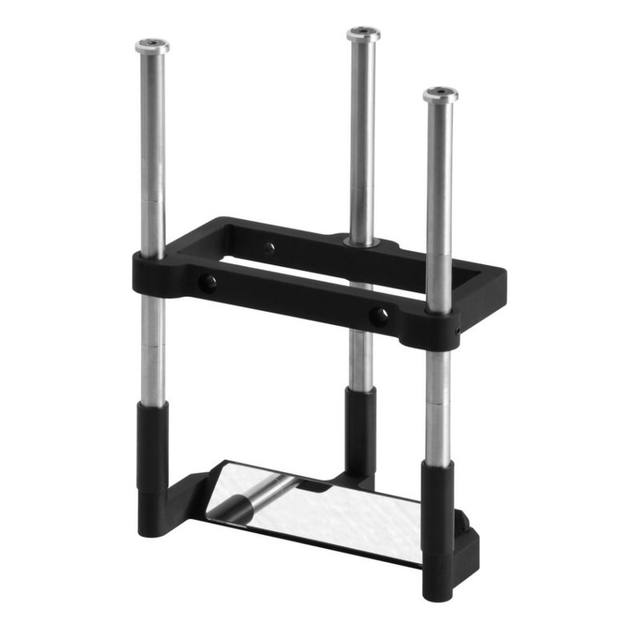
Opto Engineering CMMR4K060-V — 45° adjustable first surface mirror, clamping size 83.0 x 38.5 mm, right angle vertical bend (CMMR series: 45° first surface mirrors).
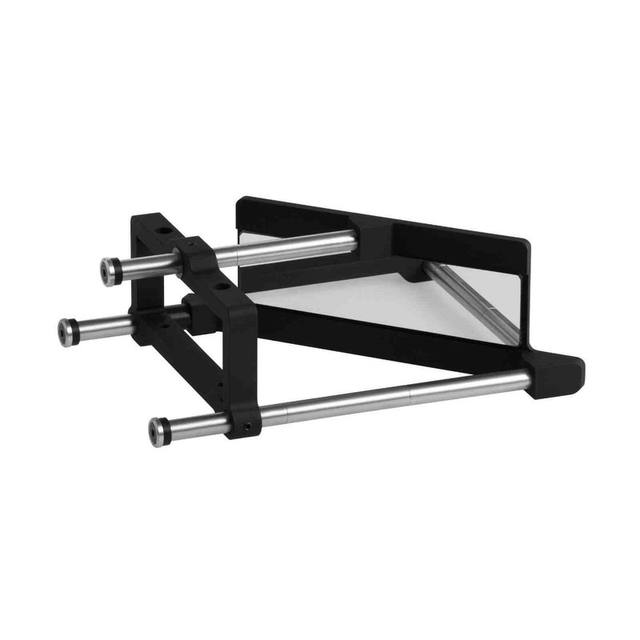
Opto Engineering CMMR4K090-L — 45° adjustable first surface mirror, clamping size 114.0 x 38.5 mm, right angle lateral bend (CMMR series: 45° first surface mirrors).
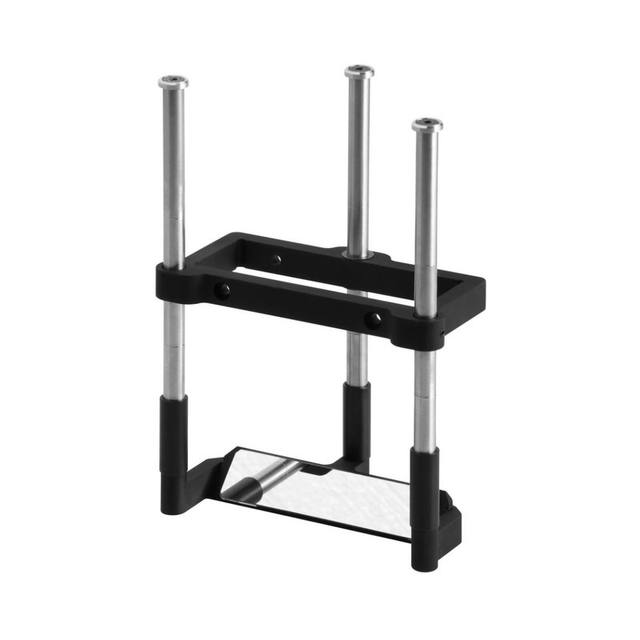
Opto Engineering CMMR4K090-V — 45° adjustable first surface mirror, clamping size 114.0 x 38.5 mm, right angle vertical bend (CMMR series: 45° first surface mirrors).
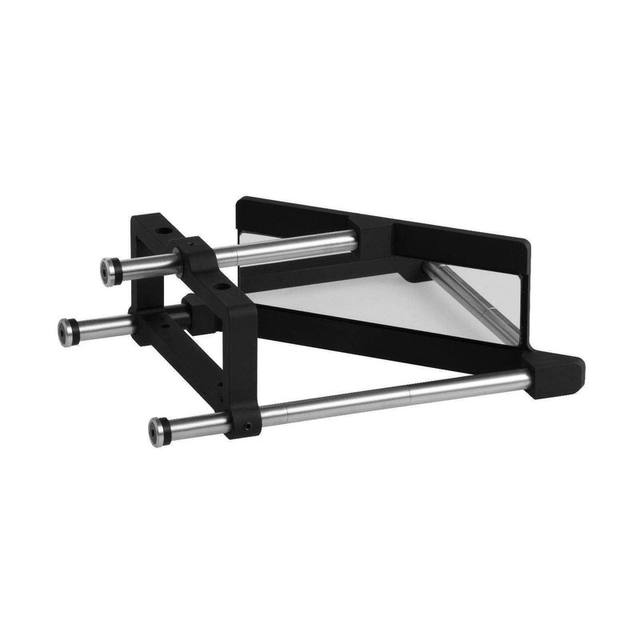
Opto Engineering CMMR4K120-L — 45° adjustable first surface mirror, clamping size 144.0 x 38.5 mm, right angle lateral bend (CMMR series: 45° first surface mirrors).
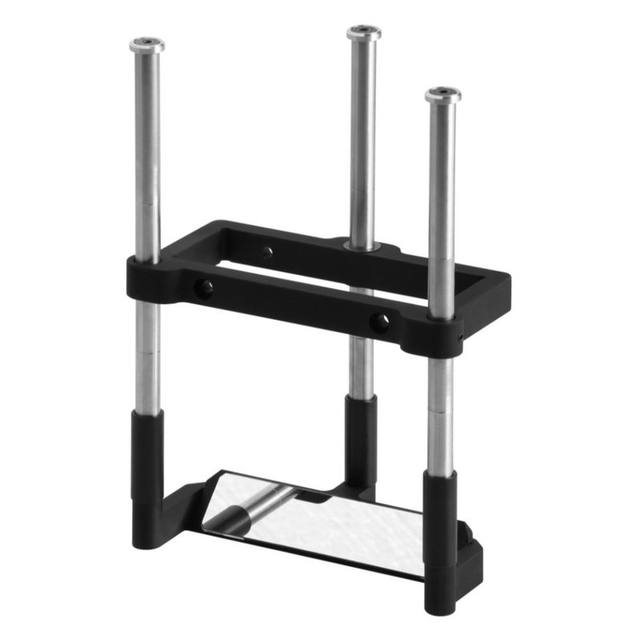
Opto Engineering CMMR4K120-V — 45° adjustable first surface mirror, clamping size 144.0 x 38.5 mm, right angle vertical bend (CMMR series: 45° first surface mirrors).
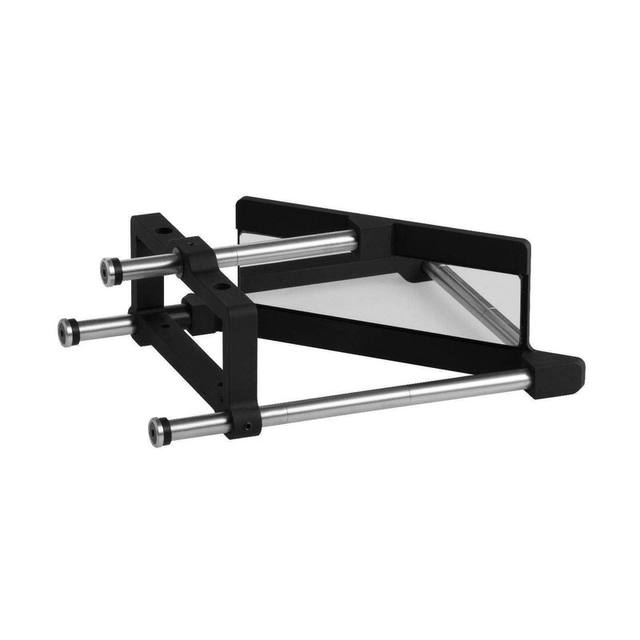
Opto Engineering CMMR4K180-L — 45° adjustable first surface mirror, clamping size 208.0 x 38.5 mm, right angle lateral bend (CMMR series: 45° first surface mirrors).
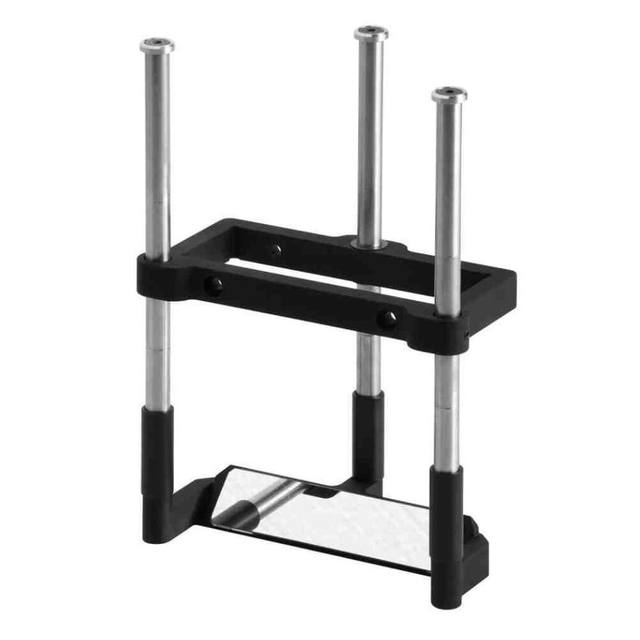
Opto Engineering CMMR4K180-V — 45° adjustable first surface mirror, clamping size 208.0 x 38.5 mm, right angle vertical bend (CMMR series: 45° first surface mirrors).
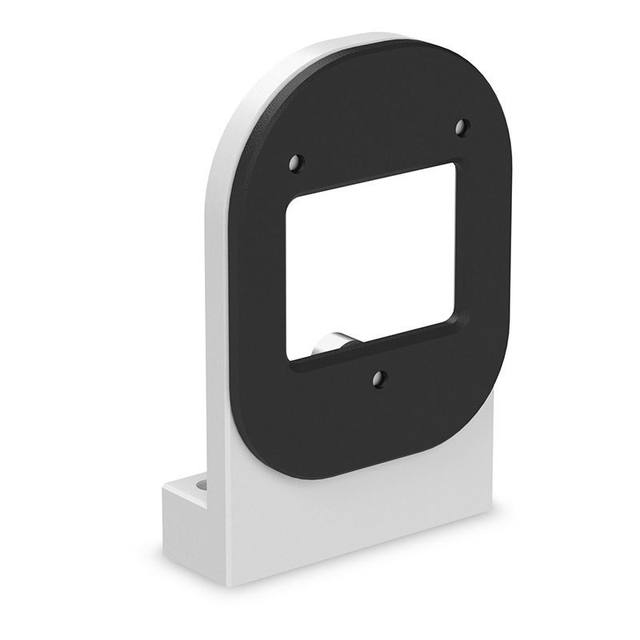
Opto Engineering CMPH004-024 — Pattern holder (CMPH series: Holders for calibration patterns).
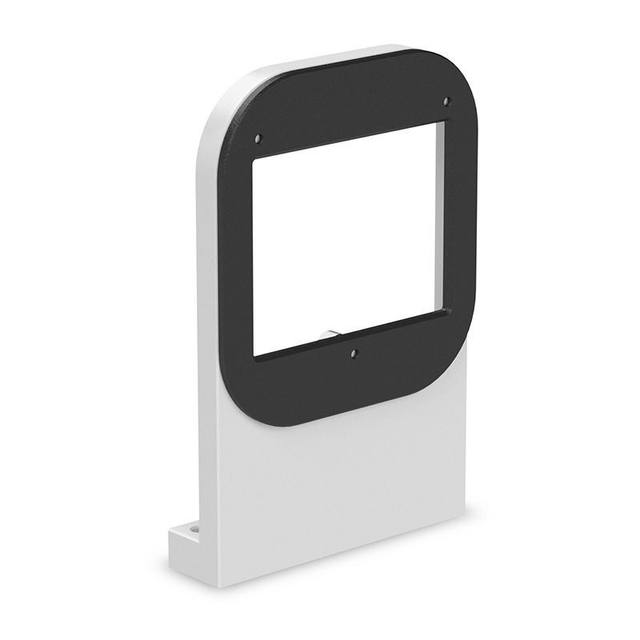
Opto Engineering CMPH036-056 — Pattern holder (CMPH series: Holders for calibration patterns).
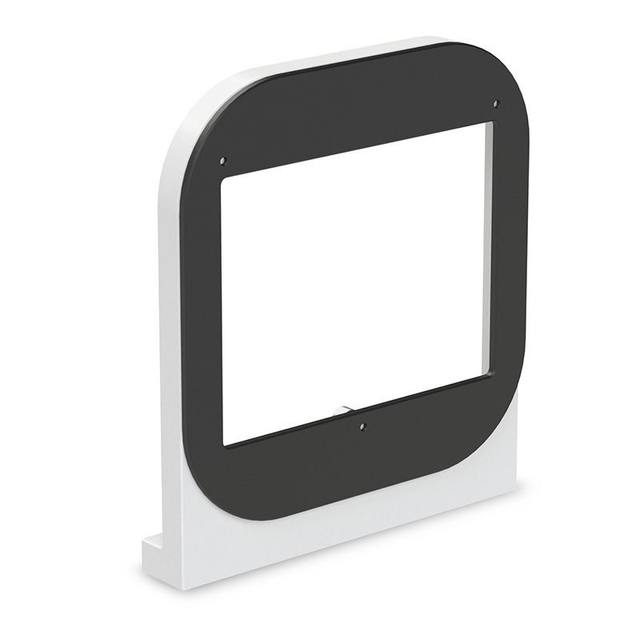
Opto Engineering CMPH064-096 — Pattern holder (CMPH series: Holders for calibration patterns).
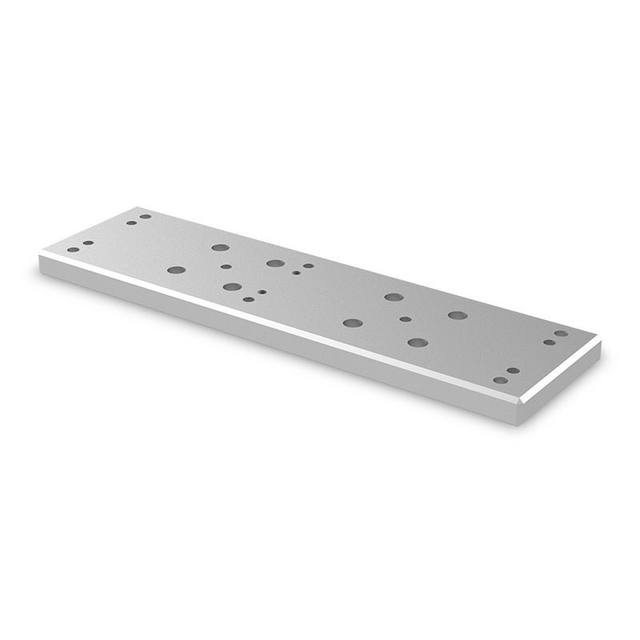
Opto Engineering CMPT004-009 — Mounting plate (CMPT series: Mounting plates for optical benches).
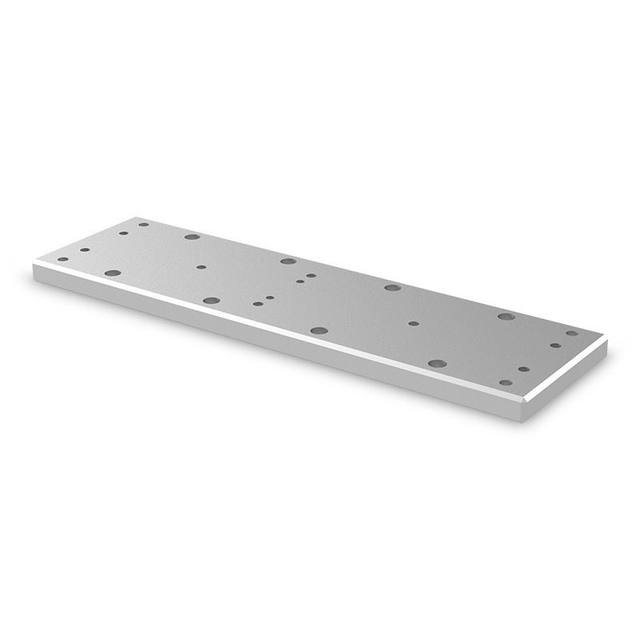
Opto Engineering CMPT016-024 — Mounting plate (CMPT series: Mounting plates for optical benches).
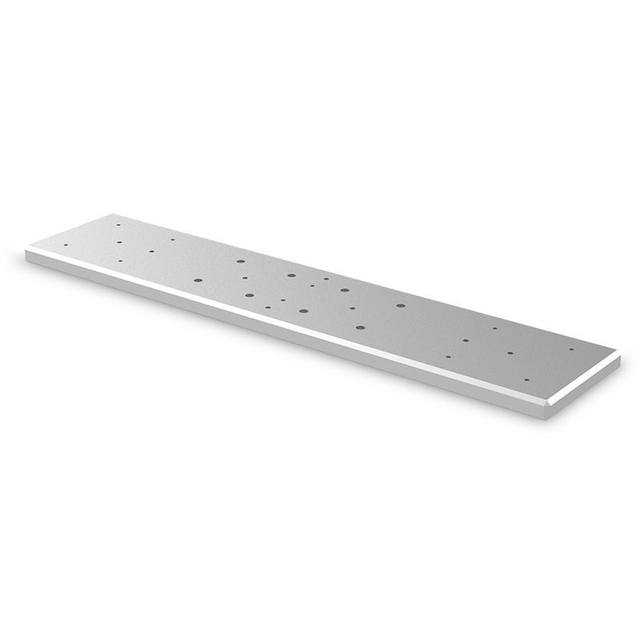
Opto Engineering CMPT036 — Mounting plate (CMPT series: Mounting plates for optical benches).
This is a mixed category, so begin from the problem you need to solve in the optical path.
Every added component has a cost. A back-silvered mirror creates a ghost image from its glass surface, which is why first-surface mirrors are preferred, although their exposed coating scratches easily. A mirror also reverses the image, which matters for OCR and code reading unless it is corrected in software.
Extension rings let a lens focus closer, but they raise the effective f-number and can soften the corners. Extenders multiply focal length at the expense of light and often resolution. A protective window adds surfaces where dust, scratches and reflections from nearby lights can appear.
Check Compatible with and Lens mount first, then dimensions and weight, because a mirror or splitter adds length and a lever arm that the camera mount was not designed to carry. On telecentric lens and collimated illuminator pairs, dedicated alignment mechanics are worth specifying, since small tilts have a visible effect.
Match C, CS, S, F, TFL, M42, M58 and M72 mounts to your sensor, then size image circle, extension tubes, adapters and filter threads correctly.
Learn how telecentric lenses hold magnification constant, what limits field and depth, when collimated lighting helps and when the cost is justified.
IP codes define narrow tests, so learn what IP65, IP67 and IP69K cover and how to seal, cool and mount vision hardware for washdown and vibration.
We help you choose optical accessories based on your application, FOV, working distance and environment.