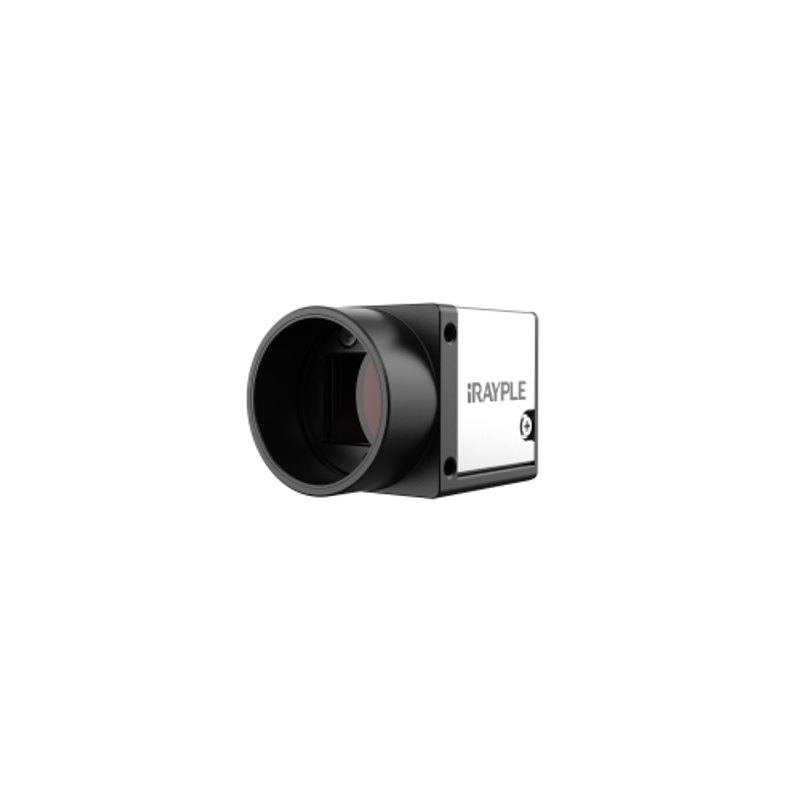
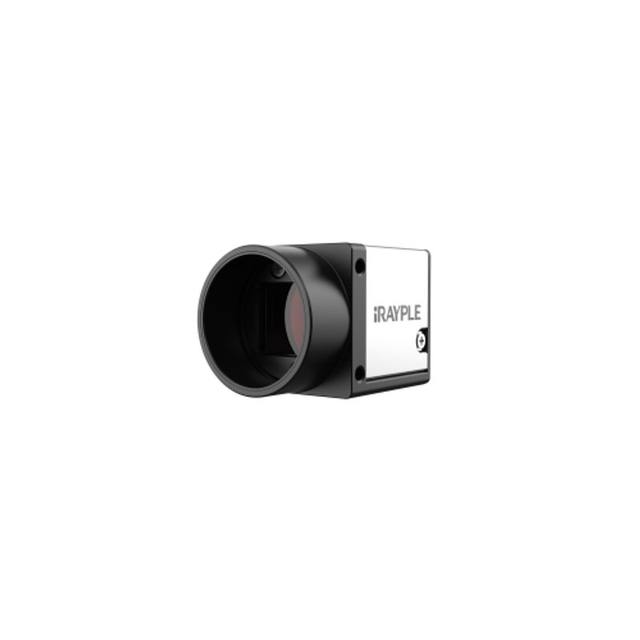
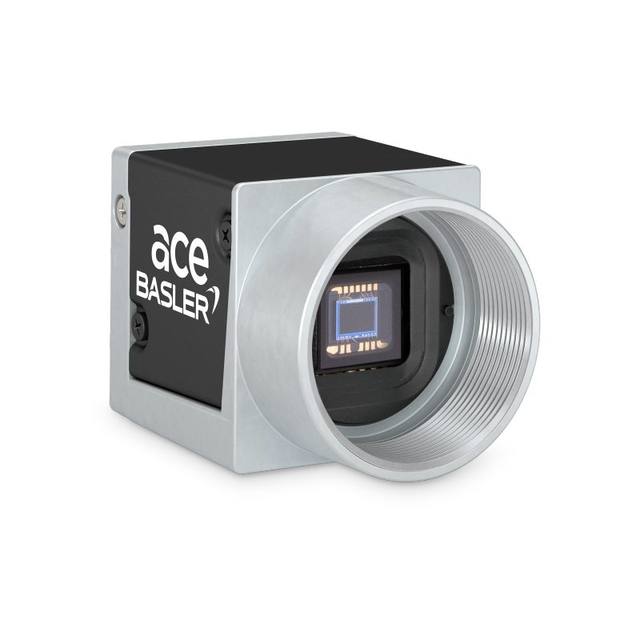
The iRAYPLE AH5209MU000E is a 2 MP monochrome camera with an HR sensor in a 1/2.53 inch format and a global shutter. Its listed resolution is 1624 × 1240 px, and the listed rate is up to 180 fps at that resolution in Mono 8. The global shutter matters most for moving parts: every pixel is exposed at the same moment, so fast-moving objects are not skewed by a row-by-row exposure. The 3.45 μm pixel pitch is a practical size for inline checks where throughput and sharpness both matter.
The USB 3.0 interface connects to a PC without a frame grabber, and power comes either from the USB connection or from a DC supply of 9 V to 24 V through a Hirose connector. The listed draw is 2.4 W. The body measures 29 mm × 29 mm × 30 mm (excluding lens mount and rear case connector), weighs 85 g, and is specified for -30 °C to +50 °C operation.
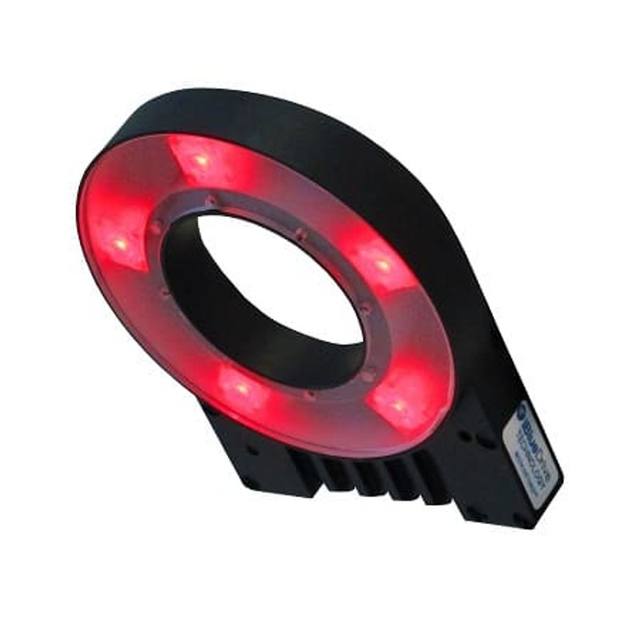
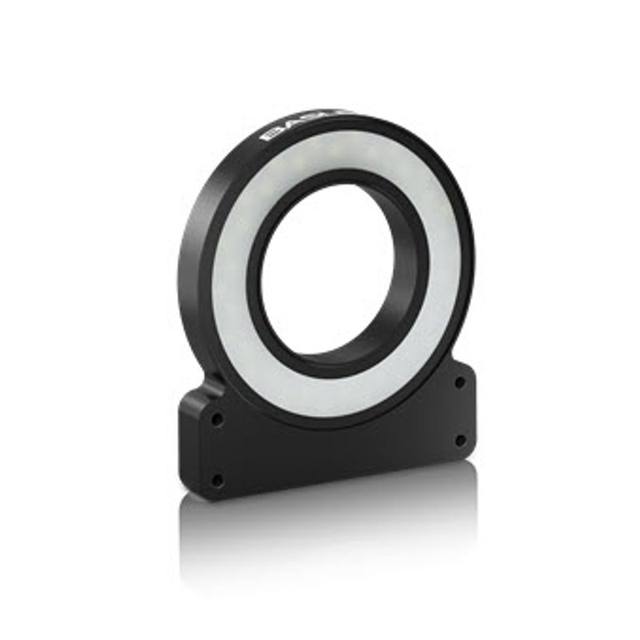
Optically, the C-mount flange accepts standard C-mount lenses, and the lens must cover the 1/2.53 inch format. This camera is a good fit for inline monochrome inspection of fast-moving parts at 2 MP, where the USB 3.0 link keeps the setup simple. Pair it with lighting timed to the exposure.
Best for
Fast inline monochrome inspection at 2 MP and up to 180 fps
Capture of moving parts where a global shutter avoids row-by-row distortion
USB 3.0 PC-based systems that avoid a frame grabber
Compact installations (29 mm × 29 mm × 30 mm) across a -30 °C to +50 °C range
Selection notes
Validate the frame rate at your settings: the 180 fps figure is tied to 1624 × 1240 px in Mono 8, so confirm the rate for any other resolution or region of interest.
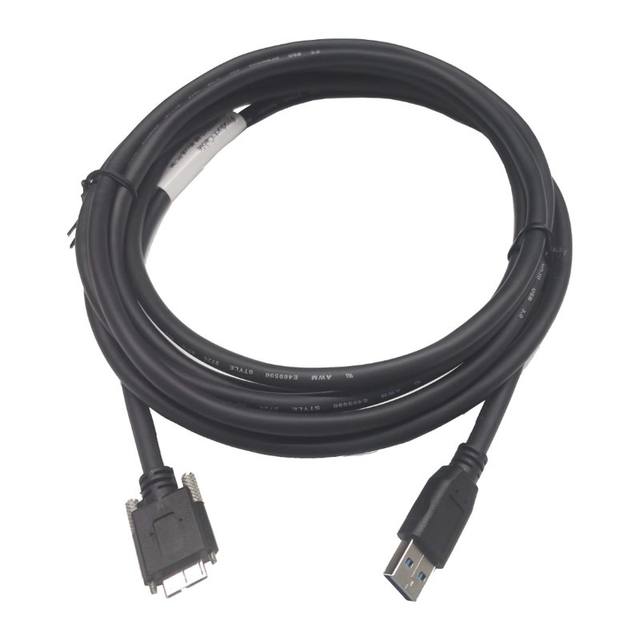
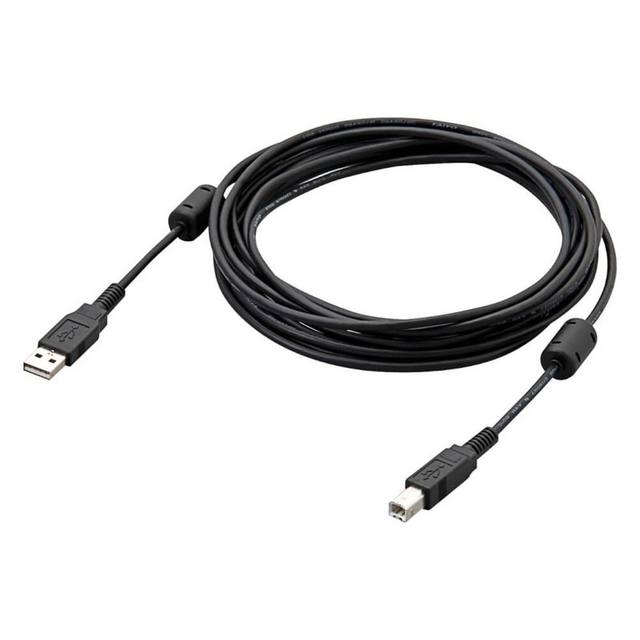
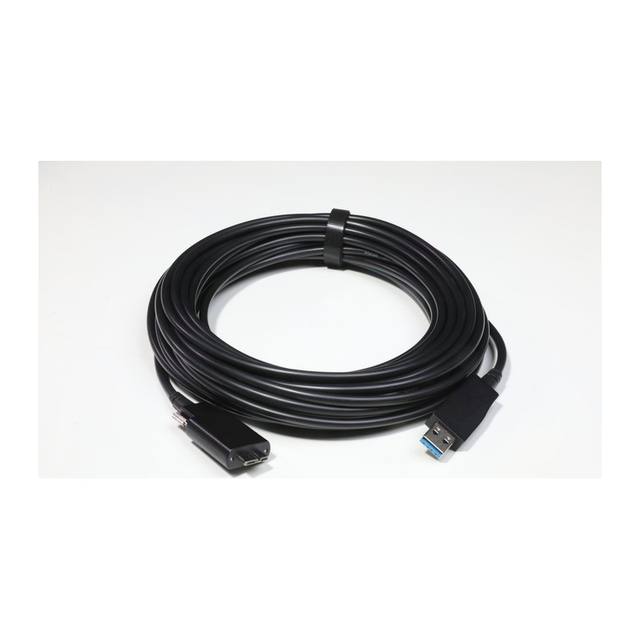
Check host and cable bandwidth: running at 180 fps over USB 3.0 needs a host and cable that sustain the data rate.
Choose the lens by format: the 1/2.53 inch sensor and 3.45 μm pixels define the image circle and the resolving requirement.
Plan triggering and lighting: confirm trigger I/O in the manufacturer datasheet before designing a synchronized strobe setup.
Specifications: General
Brand
iRAYPLE
Camera type
Area Scan
Specifications: Sensor
Sensor model
HR
Sensor size
1/2.53
Shutter
Global
Mono / color
Mono
Resolution
2 MP
Horizontal resolution
1624 × 1240 px
Pixel size
3.45 μm × 3.45 μm
Specifications: Performance
FPS
180 fps @1624 × 1240 Mono 8
Specifications: Interface
Interface
USB 3.0
Specifications: Optics
Mount
C-mount
Specifications: Electrical
Supply voltage
Power supply via USB connector /DC power supply by Hirose connector, with voltage range from 9V to 24V
Power consumption
2.4 W
Specifications: Environment
Operating temperature
-30℃~+50℃
Specifications: Mechanical
Dimensions
29 mm×29 mm×30 mm (not including lens mount and rear case connector)
Weight
85 g
Applications this product is commonly selected for. Open one to see the full recommended hardware and approach.
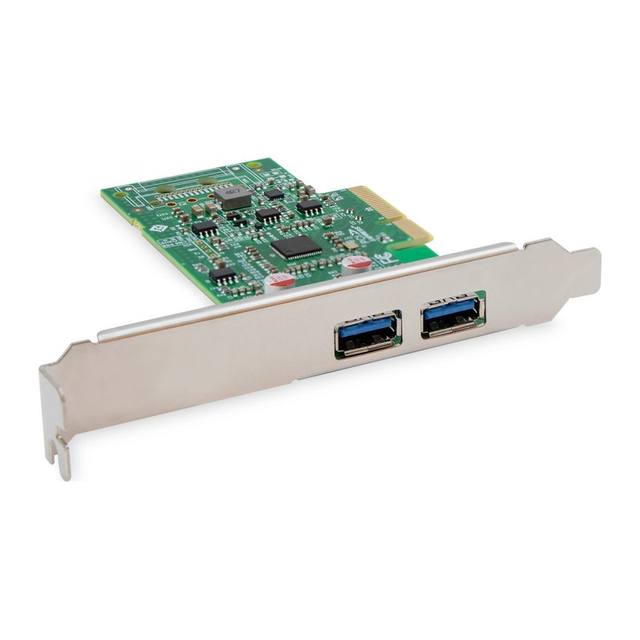
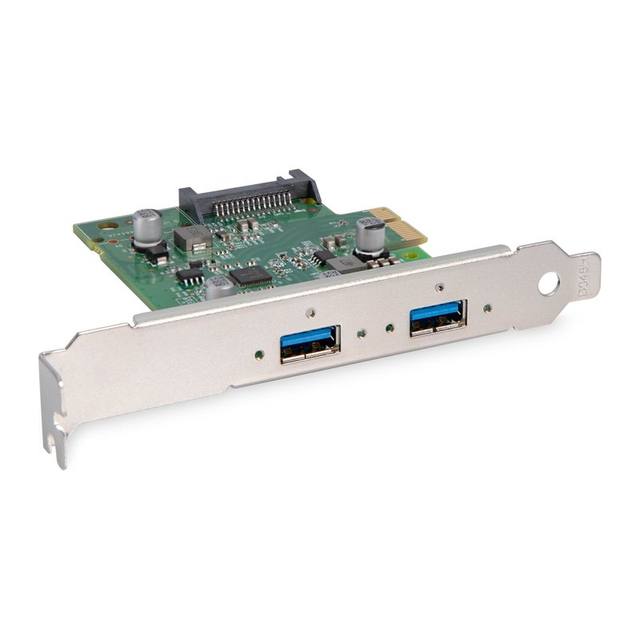
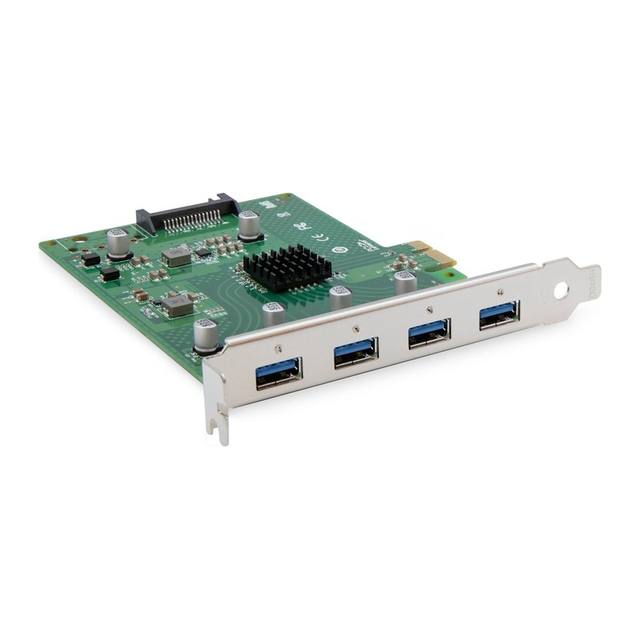
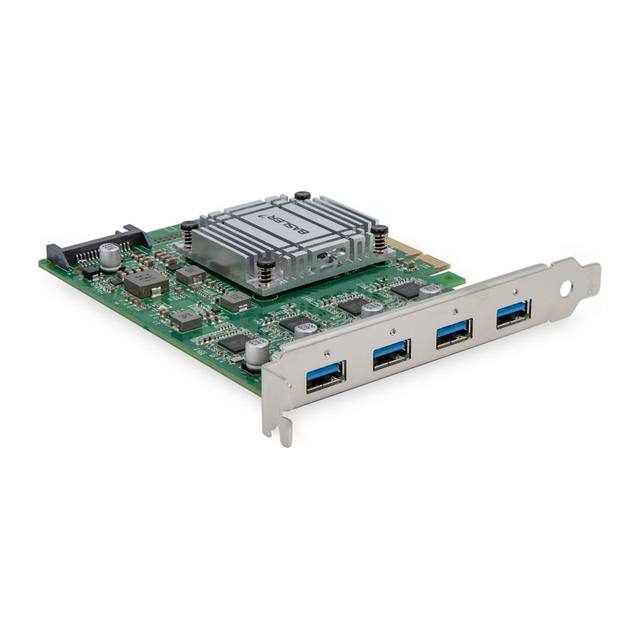
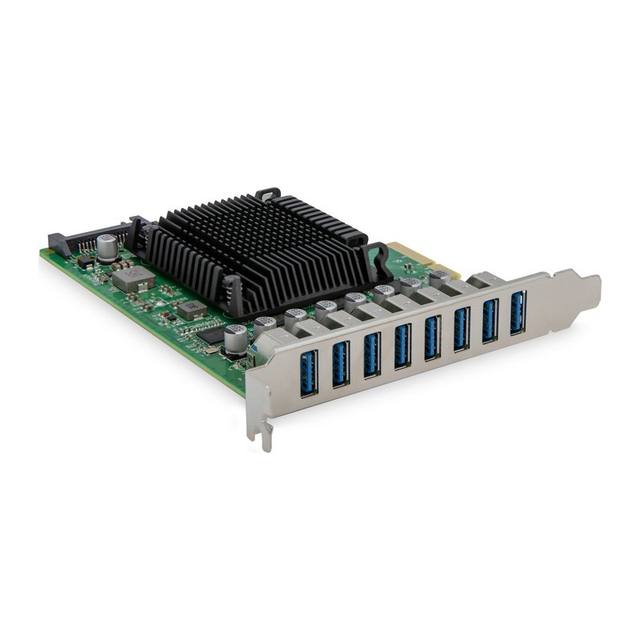
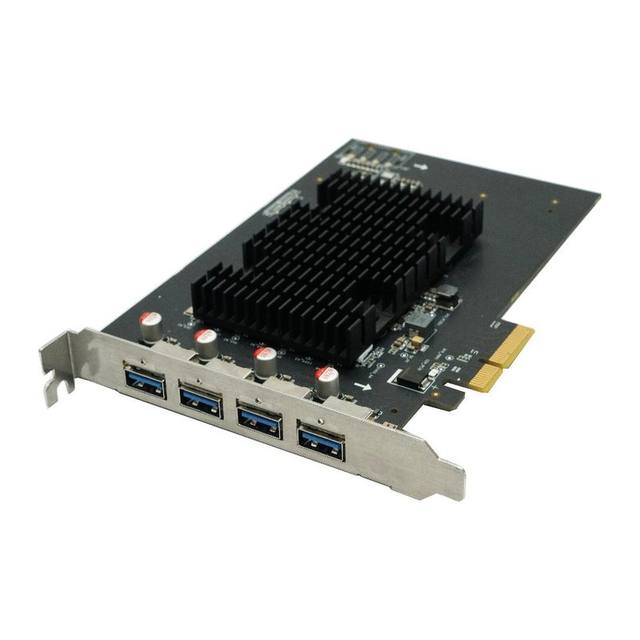
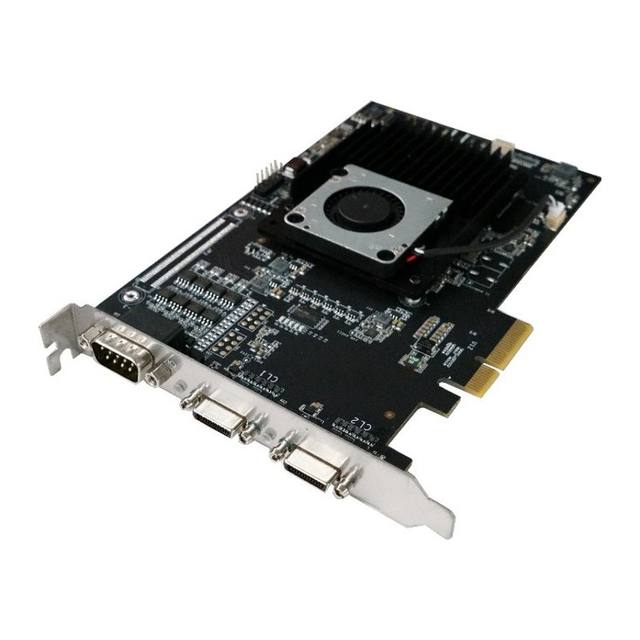
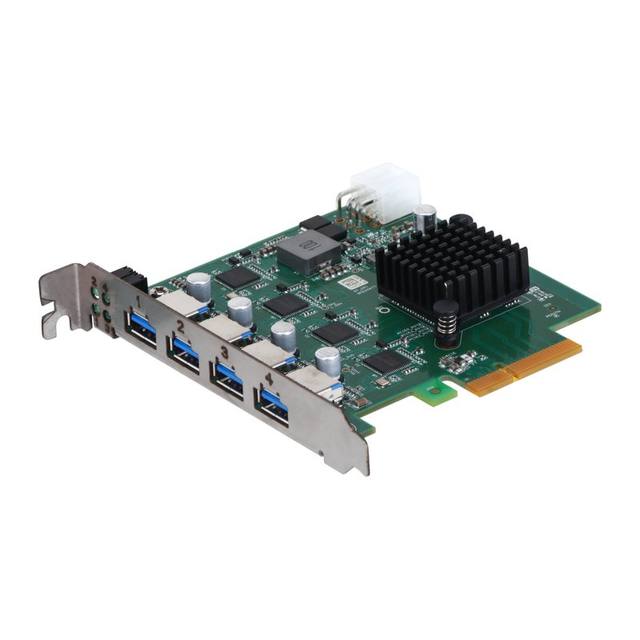
9 frame grabbers / interface cards are compatible with this camera.
Matched automatically by: card supports the camera interface (usb3 vision) · card link speed is at least the camera link speed (cxp-6 / cxp-12, 1–10 gige) — this camera: USB 3.0.
Follow these steps to bring up your iRAYPLE camera, capture a first image, and move from the viewer to your own application. The flow is the same across the A, AE, AX and L series; only the physical interface differs.
Download and install the iRAYPLE machine-vision SDK together with its viewer client for your operating system. The installer provides the camera drivers, the GenTL producer, and the viewer you will use for first light. For GigE Vision models, also install or enable the bundled filter/performance driver on the network adapter to maximize throughput.
2. Connect the camera to the correct interface
Wire the camera to its matching host interface: a dedicated Gigabit (or 10 GigE) NIC for GigE Vision models, a USB3 Vision port with a quality cable for USB3 models, or a frame grabber for CoaXPress models. Power the camera (PoE, USB bus power, or PoCXP / external supply as applicable). For GigE Vision, put the NIC and camera on the same subnet and, where supported, enable jumbo frames.
3. Detect and open the camera in the viewer
Launch the iRAYPLE viewer, run device enumeration, and select your camera from the discovered list. Open it to load the device feature tree (GenICam node map). If a GigE camera is found but cannot be opened, correct the IP configuration so the camera and NIC are in the same address range.
4. Set exposure, gain and trigger, then grab a first image
Start with continuous (free-run) acquisition under stable lighting. Adjust exposure time and gain for a well-exposed, low-noise image, set the pixel format (e.g. Mono8 or a Bayer/RGB format), and tune white balance on color models. Once the live image looks correct, switch trigger mode to hardware or software trigger to synchronize capture with your process, and verify a single triggered frame.
5. Move from the viewer to the SDK or a GenICam library
With imaging confirmed, reproduce the same settings in code using the SDK's C/C++ or Python API: enumerate, open, configure the relevant GenICam features, register a frame callback or grab loop, and convert frames to your pipeline's buffer format. Since the cameras are GenICam/GenTL-compliant, you can alternatively drive them from a third-party GenICam vision library. From here a stable image stream can feed a deep-learning inspection step such as Rosepetal for automated quality control.
Frequently asked questions
1624 × 1240 px (2 MP) at up to 180 fps in Mono 8.
No. It is monochrome, with Mono 8 output.
No. The listed interface is USB 3.0.
2.4 W, from the USB connection or a DC supply of 9 V to 24 V through a Hirose connector.