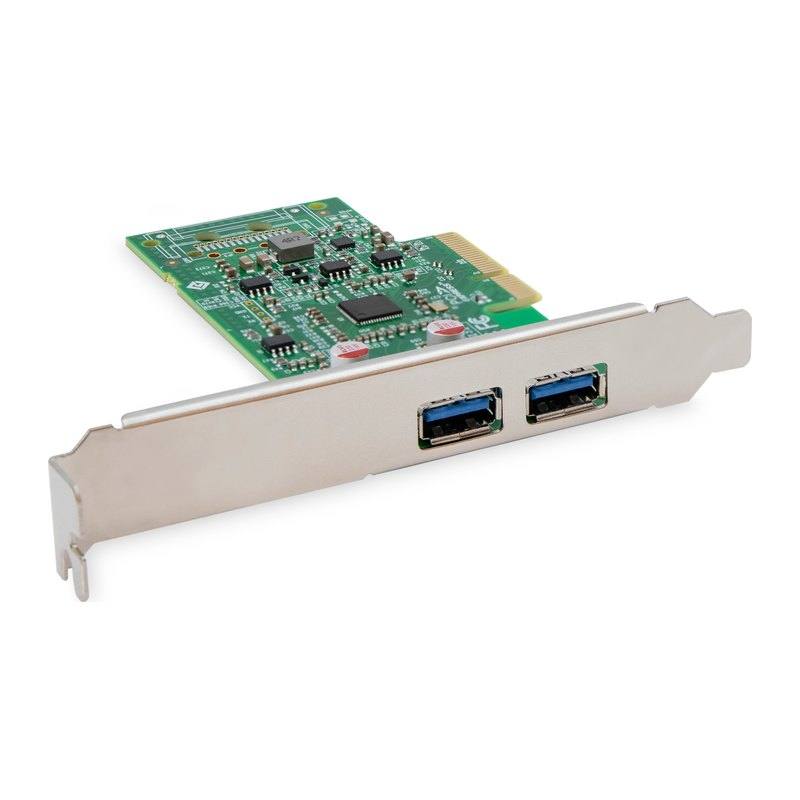
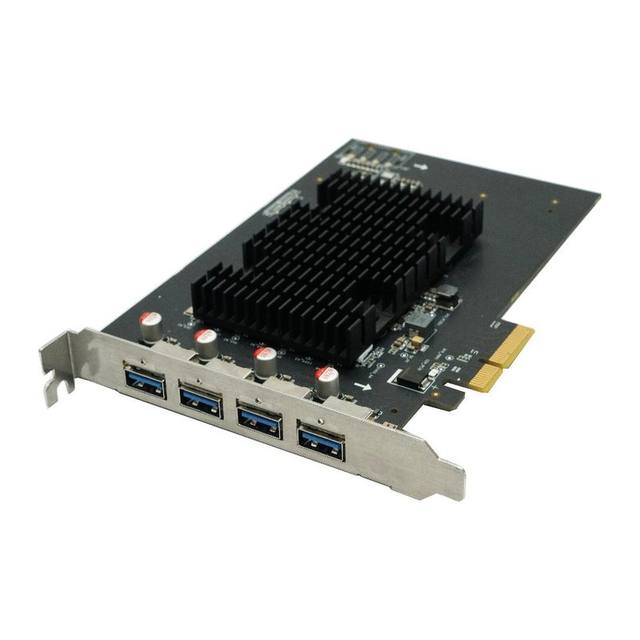
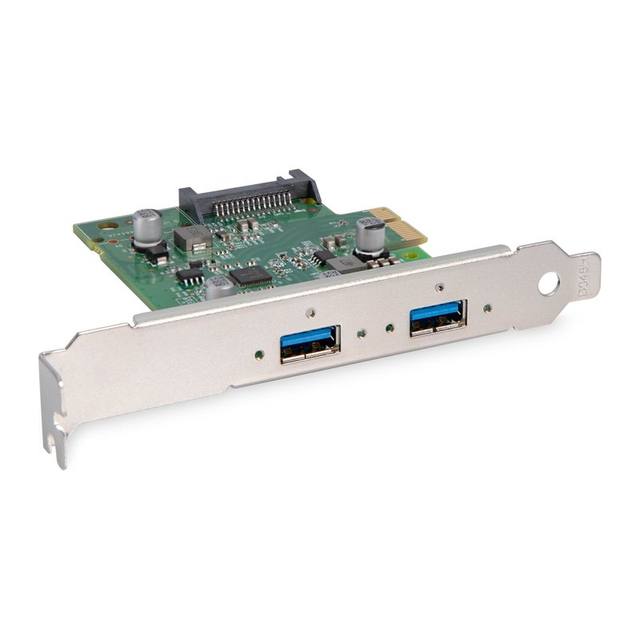
The Basler USB Interface Card, 1HC, 10G, 2Port is an interface card for USB 3.0 cameras, with 2 camera ports. Its card type is listed as Interface card (GigE / USB), so it is a camera interface card rather than a frame grabber. It connects to the host PC over PCIe 3.0 x4 and the bandwidth is listed as 10 Gbit/s.
For an installer the key figures are the host bus and the bandwidth. The card needs a PCIe 3.0 x4 connection in the host, and the data rate of the USB 3.0 cameras you plan to attach should be checked against the listed 10 Gbit/s. Camera choice, cabling, lens and lighting decisions are made on the camera side; the card defines the interface (USB 3.0), the number of camera ports (2) and the link to the host.
The listed operating temperature is 0 - 60 °C. With 2 camera ports on a PCIe 3.0 x4 link, the card is a way to add USB 3.0 camera connections to a vision PC for two-camera stations.
Best for
Vision PCs that need two USB 3.0 camera ports on a PCIe 3.0 x4 connection
Two-camera stations whose cameras' data rates stay within the listed 10 Gbit/s
PC-based systems that use USB 3.0 cameras and a PCIe 3.0 x4 host bus
Installations where the PC enclosure stays within the 0 - 60 °C operating range
Selection notes
The card needs a PCIe 3.0 x4 connection in the host PC.
Compare the data rates of your cameras against the listed 10 Gbit/s before committing to a two-camera layout.
The card's interface is USB 3.0, so the connected cameras need USB 3.0 interfaces.
The operating temperature is 0 - 60 °C; check that the PC enclosure stays within it.
Confirm the card's physical dimensions and driver support in the manufacturer datasheet.
Specifications: General
Brand
Basler
Card type
Interface card (GigE / USB)
Specifications: Performance
Total bandwidth
10 Gbit/s
Specifications: Interface
Interface
USB 3.0
Camera ports
2
PC bus
PCIe 3.0 x4
Specifications: Environment
Operating temperature
0 - 60 °C
723 cameras are compatible with this card.
Matched automatically by: camera interface matches the card (usb3 vision) · card link speed is at least the camera link speed (cxp-6 / cxp-12, 1–10 gige) — this card: USB 3.0 · 2 camera ports.
Get a first image quickly with the pylon Viewer, then move into the pylon SDK for your application. These cameras are GenICam/GenTL-compliant, so any compliant vision software can drive them as well.
Download and install the pylon Camera Software Suite for your OS from Basler. This provides the pylon Viewer, the GenTL transport-layer producers and the pylon SDK (C/C++/.NET/Python). On Windows the installer adds the needed drivers; on Linux follow the included setup notes for USB and network permissions.
2. Connect the camera and check the link
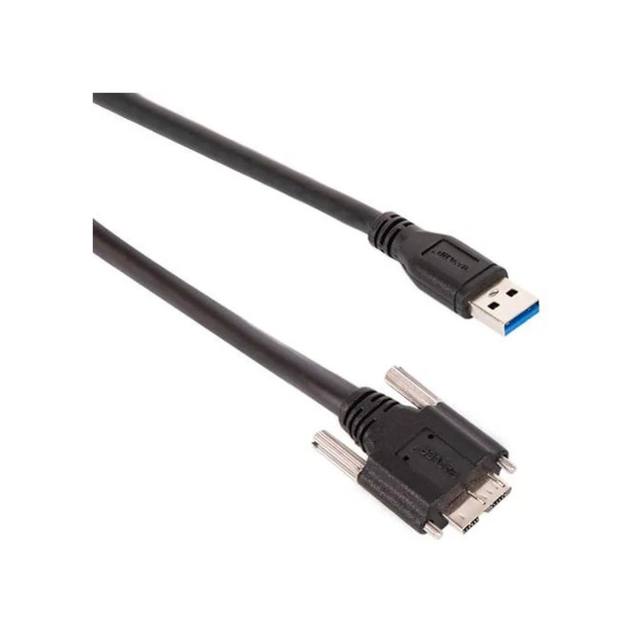
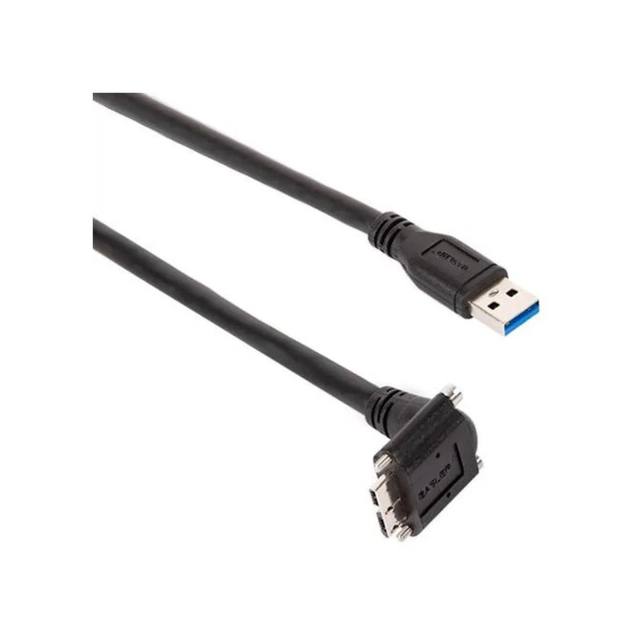
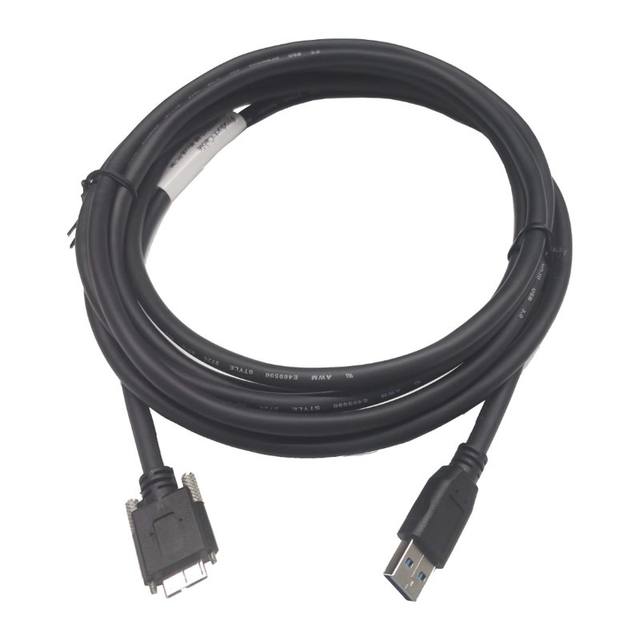
Cable the camera to its matching interface: GigE Vision to a GigE port (use a quality cable and, ideally, a dedicated NIC with jumbo frames enabled), USB3 Vision to a USB 3.x port with the supplied cable, or CoaXPress to the frame grabber. Provide power where required (PoE, USB bus power, or PoCXP). Open the pylon Viewer and confirm the camera appears in the device list; for GigE, make sure the camera and NIC are on the same subnet.
3. Grab a first image and set exposure, gain and pixel format
Select the camera in the pylon Viewer and start a continuous grab. Adjust exposure time and gain until the image is well exposed (avoid clipped highlights), set the pixel format (e.g. Mono8 or a Bayer/RGB format), and focus the lens. Use a test pattern if the lens or scene is not ready yet.
4. Configure triggering and acquisition
Decide between free-run and triggered acquisition. For synchronized capture, set the trigger source (software or a hardware line on the I/O connector), trigger mode and any debounce or exposure mode, then verify timing. Note the parameter names you change in the Viewer feature tree, as you will reuse them in code.
5. Move to the SDK or a GenICam-compliant library
Recreate your settings in code with the pylon SDK (C, C++, .NET or Python) to open the device, apply the same features and pull frames into your pipeline; pylon vTools and pylon AI can add processing blocks. Because the cameras are GenICam/GenTL standard, third-party vision libraries work too. Once the image stream is stable, you can route frames to a deep-learning inspection such as Rosepetal for automated defect detection.
Frequently asked questions
It has 2 camera ports for USB 3.0 cameras.
The bandwidth is listed as 10 Gbit/s, over a PCIe 3.0 x4 host bus.
Its card type is listed as Interface card (GigE / USB), so it is a camera interface card with USB 3.0 ports rather than a frame grabber.