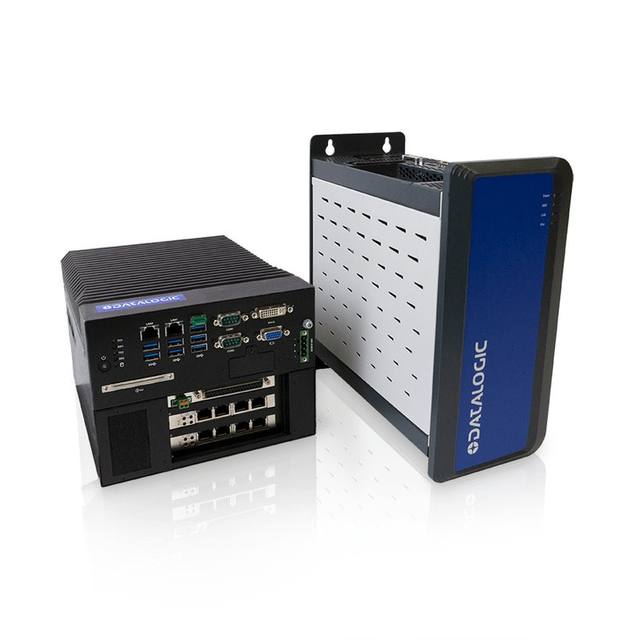
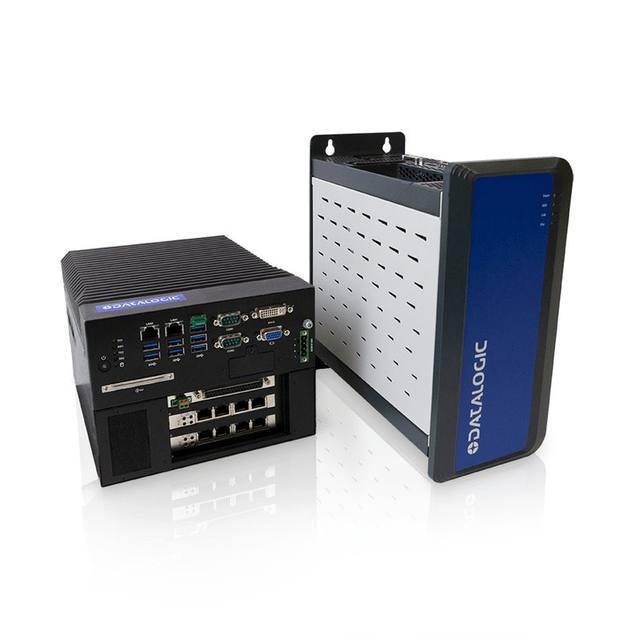
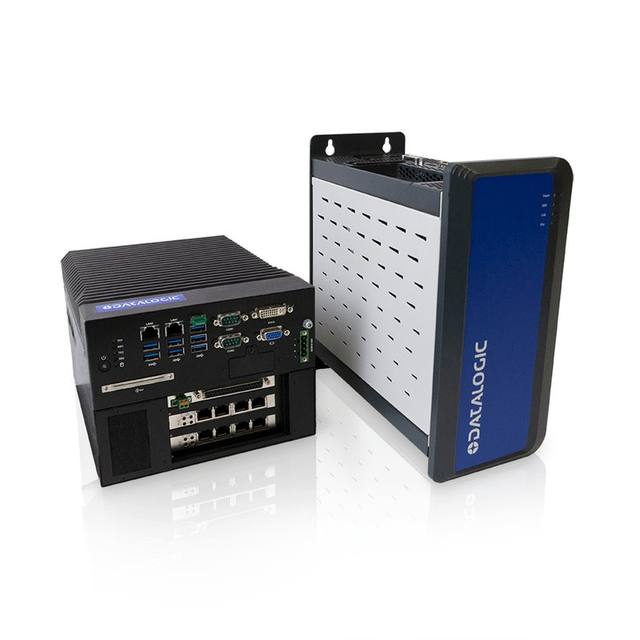
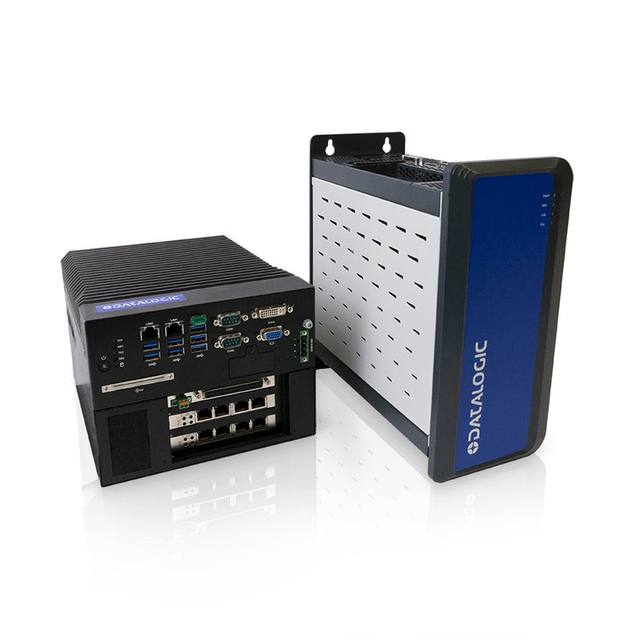
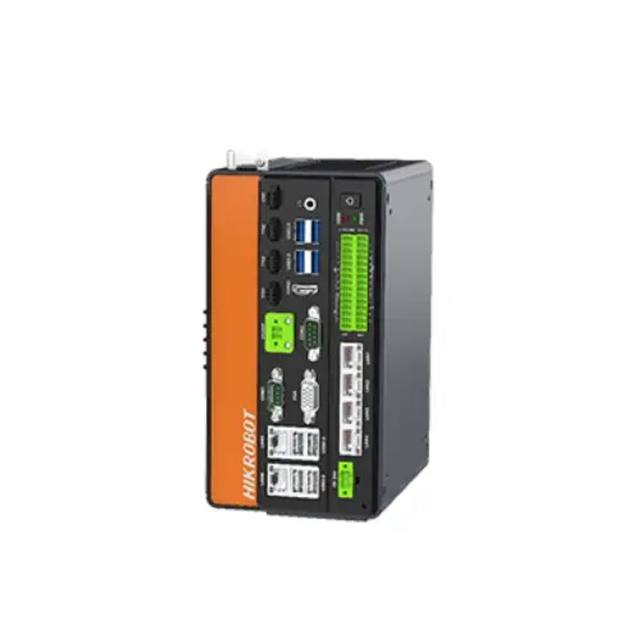
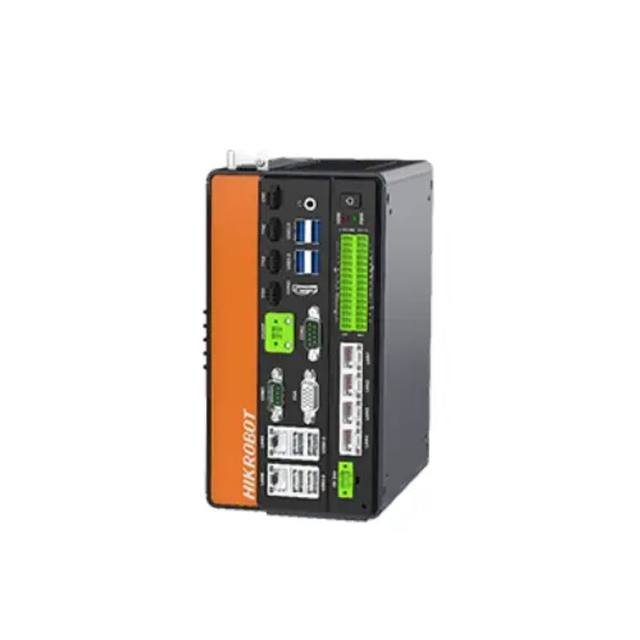
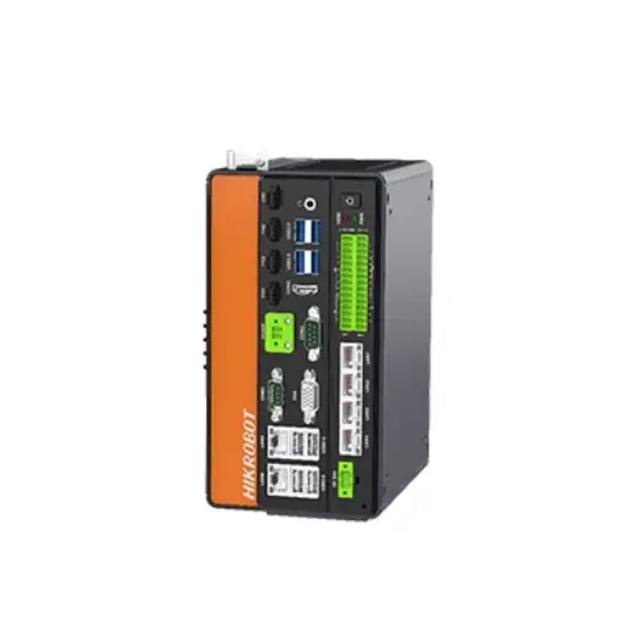
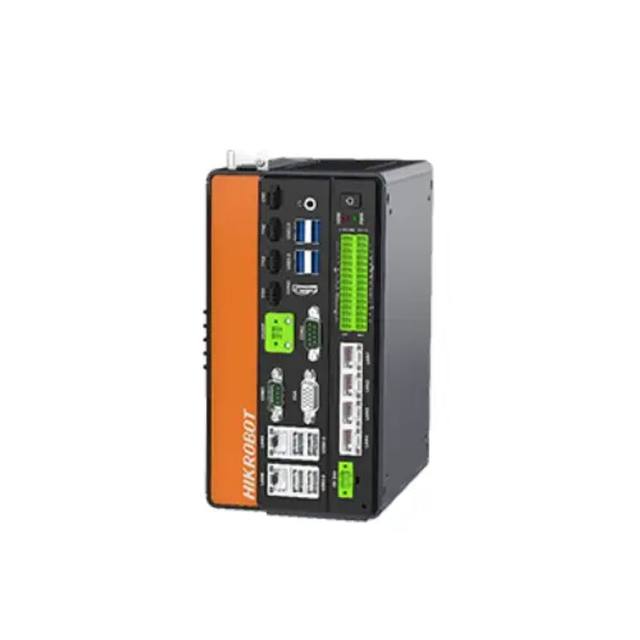
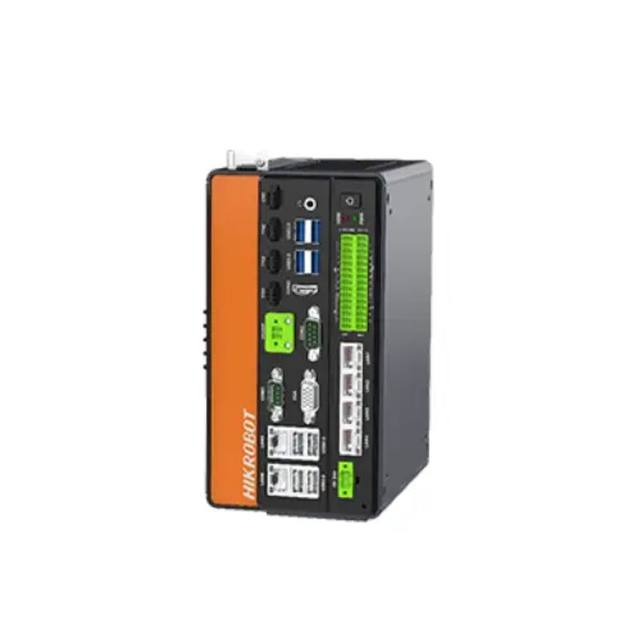
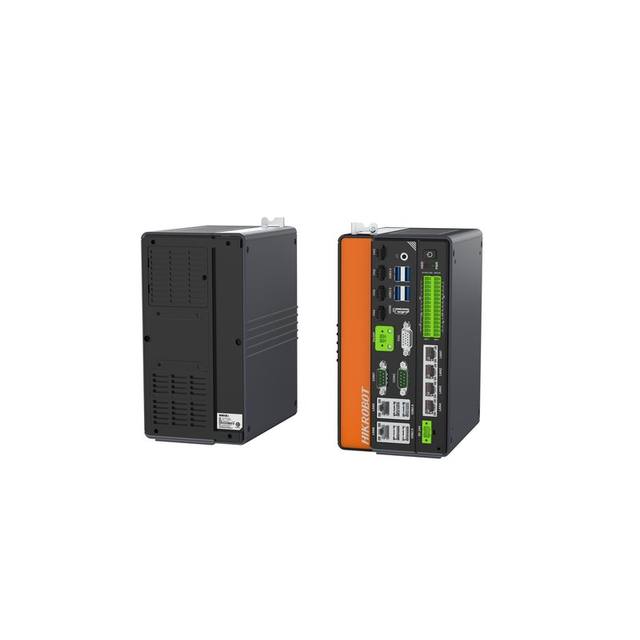
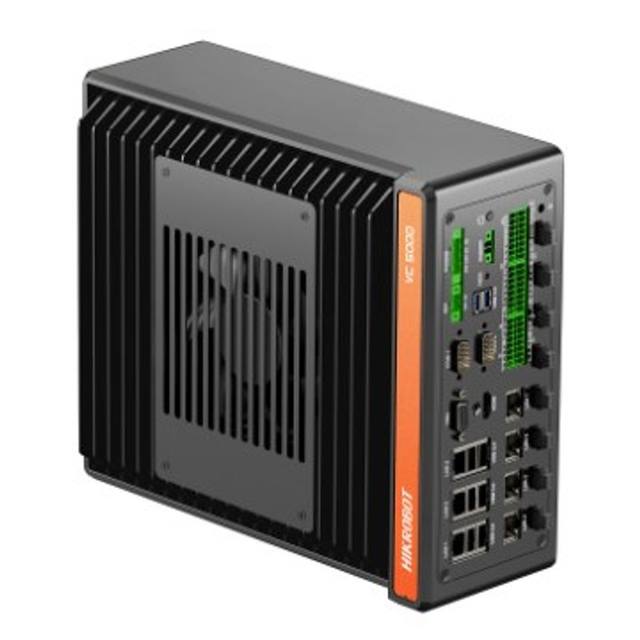
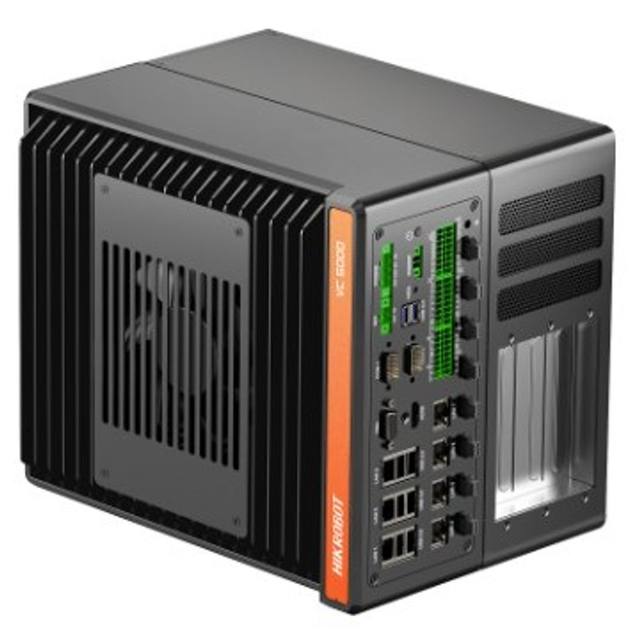
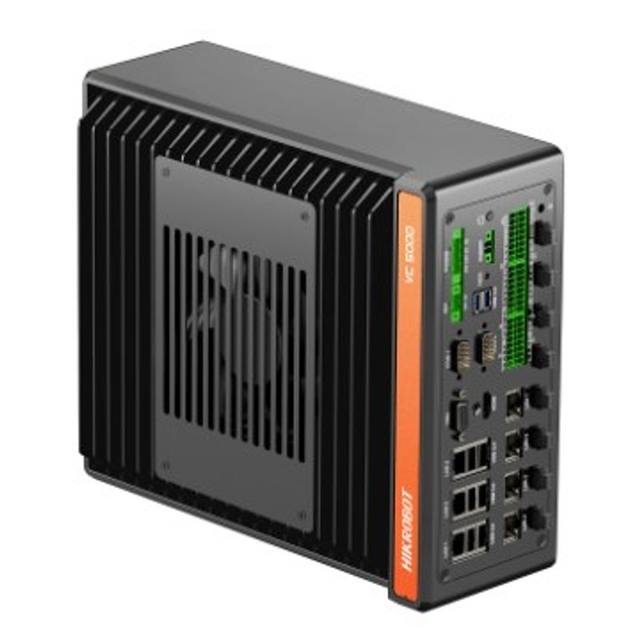
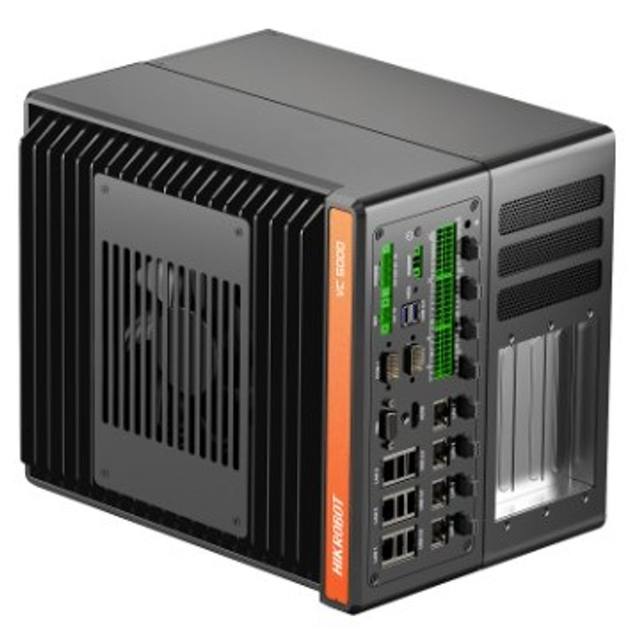
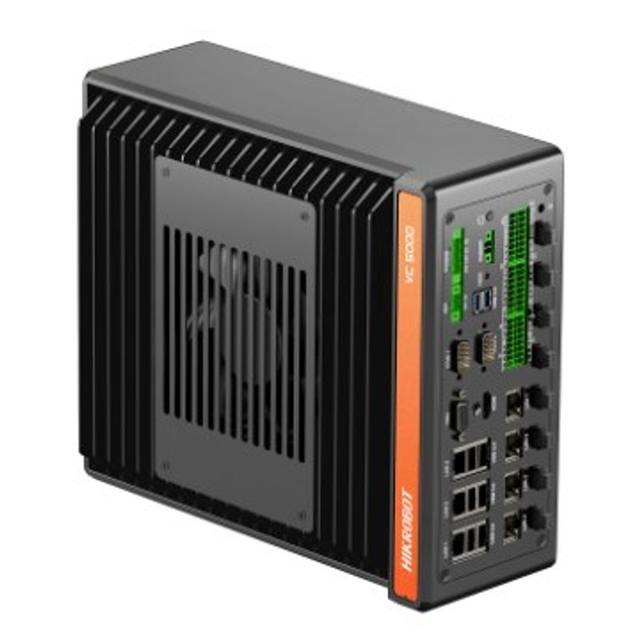
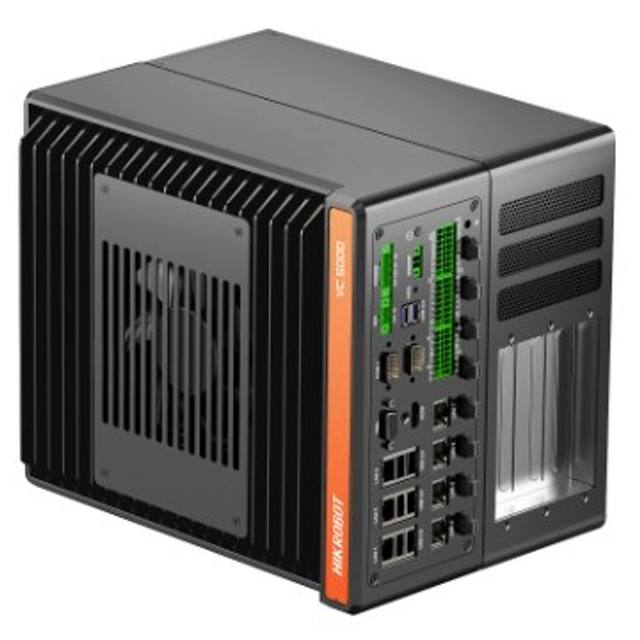
Industrial vision controllers and AI inference PCs that run the maker's vision software for several cameras: CPU / GPU, camera ports, I/O and fieldbus.
Related searches: vision controller, machine vision PC, AI inference box
A vision controller is a purpose-built industrial computer for running inspection: camera ports, trigger I/O and factory communication in a rugged box, usually tied to the maker's vision software. It sits between a smart camera and a self-built PC. Compared with a smart camera it handles several cameras and more compute; compared with a PC it removes much of the integration work.
Datalogic, Omron and Hikrobot controllers are listed here. Since the software largely comes with the hardware, begin by checking that its tools cover your inspection, then size the compute and the ports. If the controller will run deep learning, Rosepetal and the AIS Vision team can help size it against a real model.
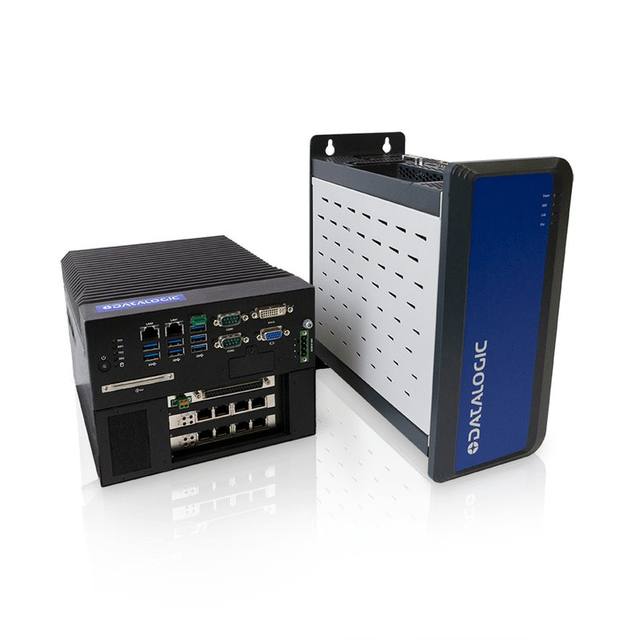
Datalogic MX-E25 entry-level industrial vision processor with 2 PoE GigE camera ports, 16 IN / 16 OUT I/O and IMPACT software on Windows 10 IoT. 2 order codes.
Datalogic MX-E45 mid-range industrial vision processor with 2 PoE GigE camera ports, 16 IN / 16 OUT I/O and IMPACT software on Windows 10 IoT. 2 order codes.
Datalogic MX-E45 mid-range industrial vision processor with 4 PoE GigE camera ports, 16 IN / 16 OUT I/O and IMPACT software on Windows 10 IoT. 2 order codes.
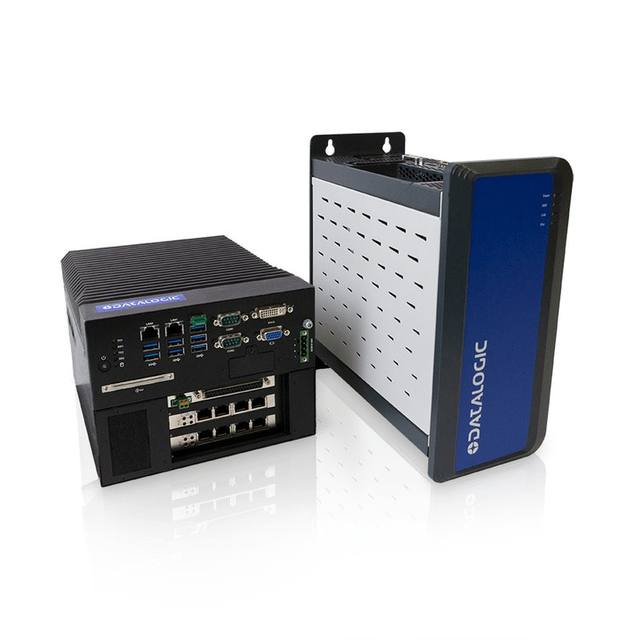
Datalogic MX-E90 high-end industrial vision processor with 2 PoE GigE camera ports, 16 IN / 16 OUT I/O and IMPACT software on Windows 10 IoT. 1 order code.
Datalogic MX-E90 high-end industrial vision processor with 4 PoE GigE camera ports, 16 IN / 16 OUT I/O and IMPACT software on Windows 10 IoT. 1 order code.
Datalogic MX-E90 high-end industrial vision processor with 8 PoE GigE camera ports, 16 IN / 16 OUT I/O and IMPACT software on Windows 10 IoT. 1 order code.
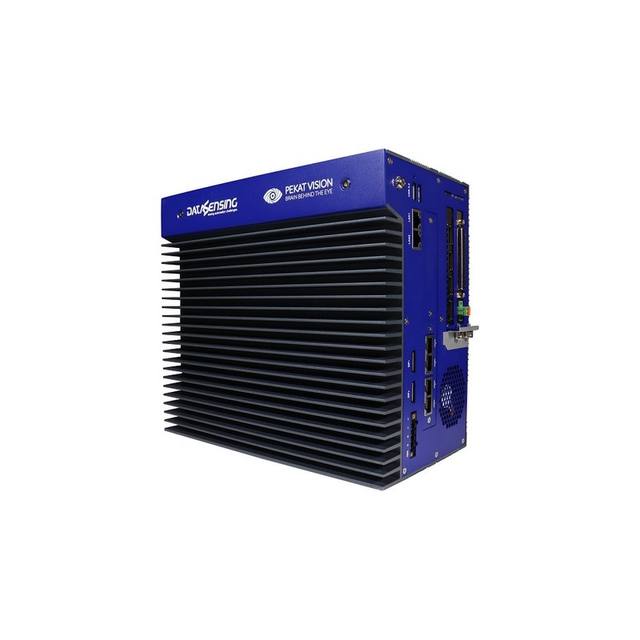
Datalogic MX-G2000 rugged GPU-powered vision processor running PEKAT VISION deep learning and IMPACT, with 4 PoE GigE camera ports and 16 IN / 16 OUT I/O. 1 order code.
Intel Core i5-12500TE - 6-core
GPU-powered vision processor (Datalogic; GPU model not stated) — runs PEKAT VISION deep learning, training and inference on the edge
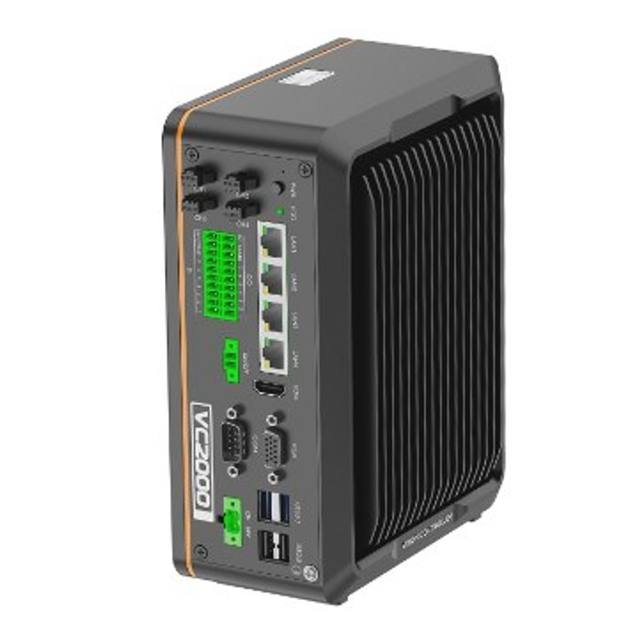
GigE interface × 6; USB: USB 2.0 × 4; USB 3.0 × 4; Built-in USB 2.0 × 1 | GigE interface × 6, including GigE interface with PoE × 4 between I/O interface and power supply interface*; USB: USB 2.0 × 4; USB 3.0 × 4; Built-in USB 2.0 × 1
GigE interface × 6; USB: USB 2.0 × 4; USB 3.0 × 4; Built-in USB 2.0 × 1 | GigE interface × 6, including GigE interface with PoE × 4 between I/O interface and power supply interface*; USB: USB 2.0 × 4; USB 3.0 × 4; Built-in USB 2.0 × 1
GigE interface × 6; USB: USB 2.0 × 4; USB 3.0 × 4; Built-in USB 2.0 × 1 | GigE interface × 6, including GigE interface with PoE × 4 between I/O interface and power supply interface*; USB: USB 2.0 × 4; USB 3.0 × 4; Built-in USB 2.0 × 1
Because a controller typically runs the maker's own environment, you are choosing a software platform as much as a piece of hardware. Run your hardest inspection on real images before deciding. Check whether deep-learning tools need a GPU or accelerator, whether your preferred cameras are supported or the platform is limited to the maker's own, and how recipes are changed, logged and backed up.
Size compute and ports for the worst case
A single camera running one tool always looks fast. Four cameras at full resolution, with image saving and result reporting, is a different load. Measure the total cycle with all cameras triggered together, on worst-case image content and with logging on, then leave headroom, because compact and fanless units can throttle at high cabinet temperatures. A port count is also not the same as dedicated bandwidth per port, so check the interface against each camera's data rate.
On-board processing: CPU class, plus any GPU or accelerator your tools can actually use.
On-board memory and storage: enough for image buffers, recipes and the retention period you must keep.
Trigger / GPIO: count of inputs and outputs, and whether reject outputs can be timed precisely.
Communication: the fieldbus or Ethernet protocol your PLC uses, such as PROFINET or EtherNet/IP.
Typical mistakes
Teams often forget that image logging wears out storage and fills disks, and only discover this months into production, so plan rotation and retention. Another common error is buying for today's station with no spare ports, then facing a platform change when one more camera is added. Keep a tested backup image too, so a failed unit can be replaced during a shift.
Frequently asked questions
A smart camera is a tidy answer for one view with moderate processing. A controller makes sense for several cameras, higher resolutions, heavier tools or deep learning, since compute is centralised and cameras can be changed independently.
A controller reduces integration work and gives one supported package, while a PC gives you free choice of software, cards and cameras.
Rule-based tools mostly run on the CPU. Deep-learning inference often benefits from a GPU or accelerator, particularly at high resolution or short cycle times. Benchmark your own model on the candidate hardware.