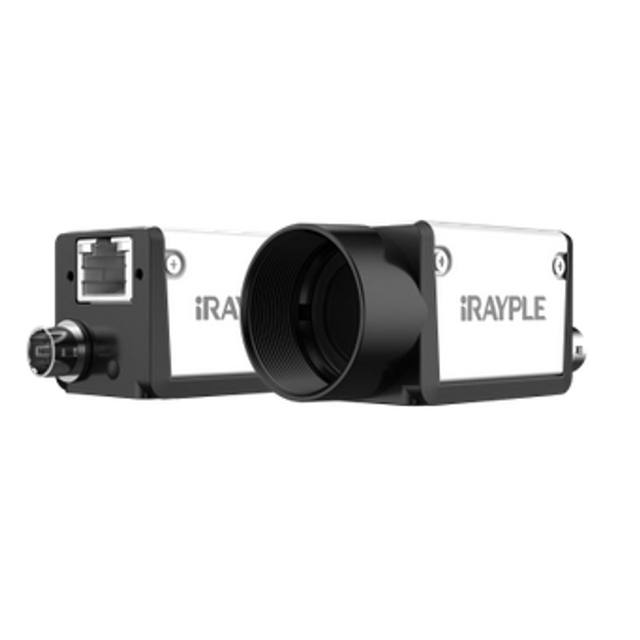
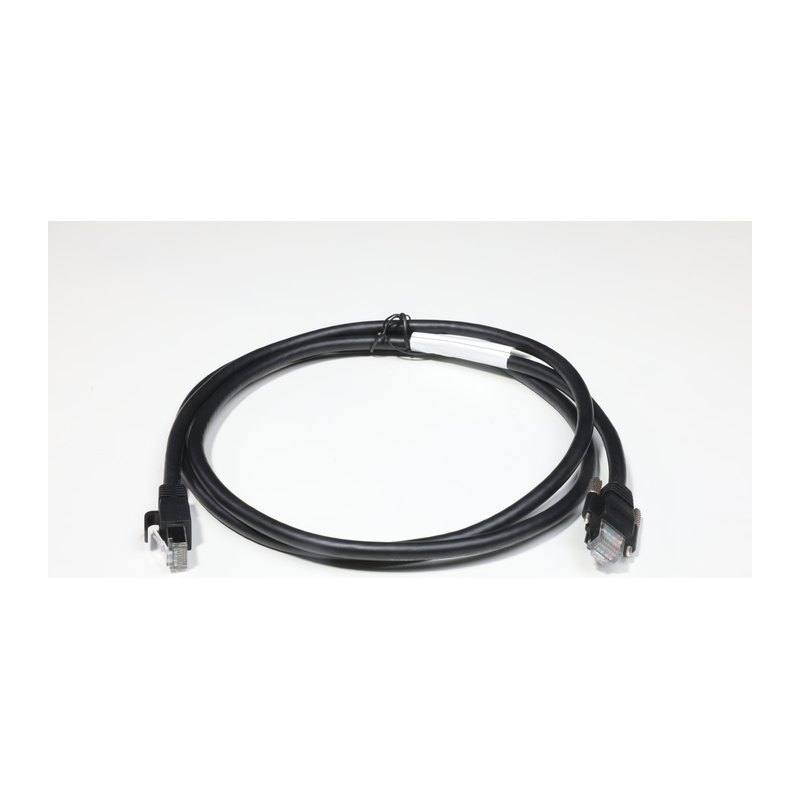
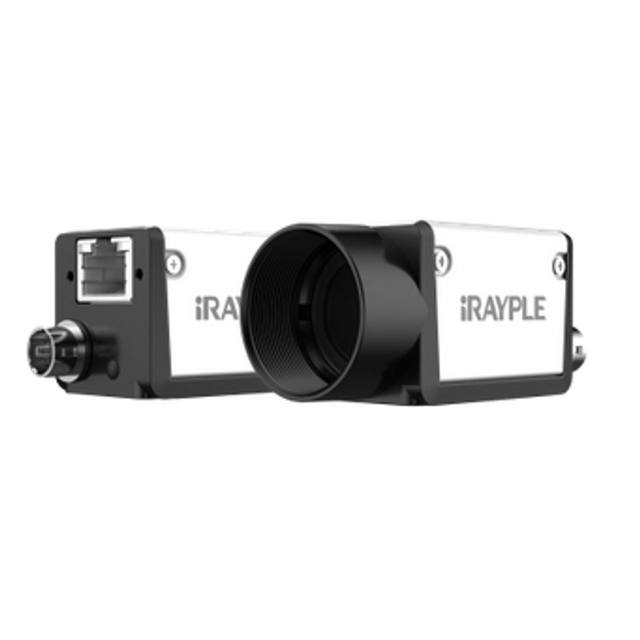
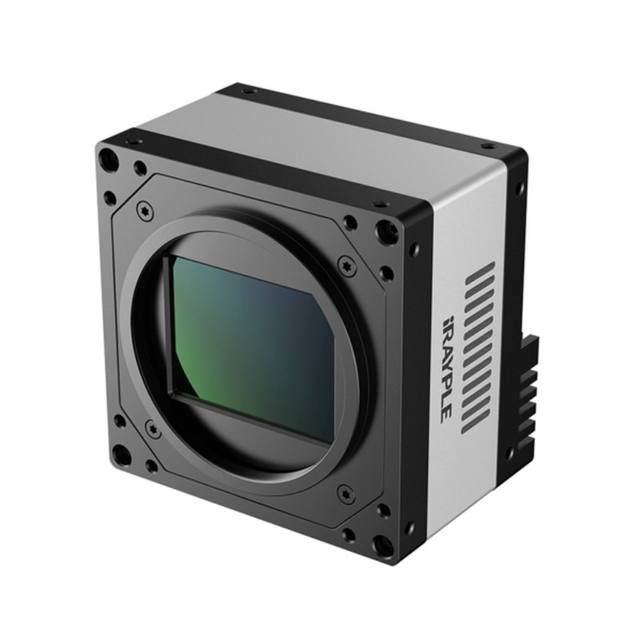
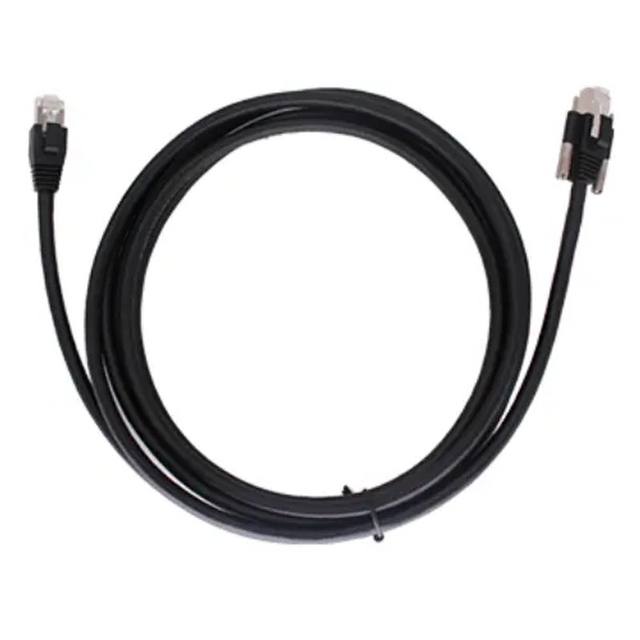
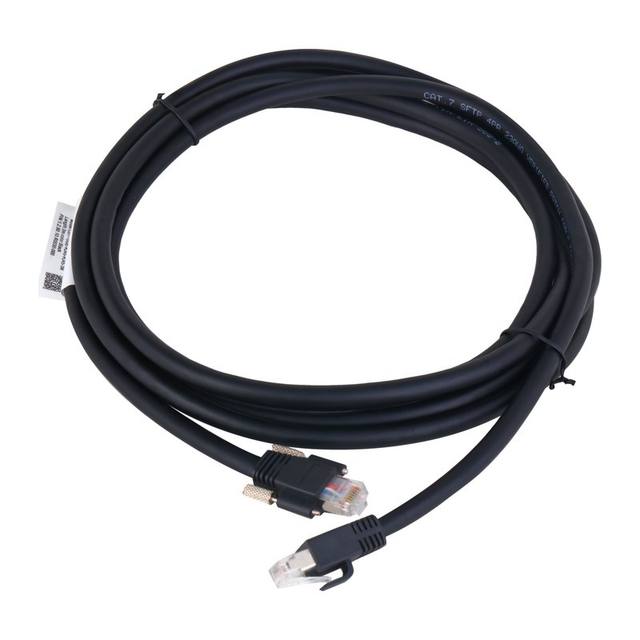
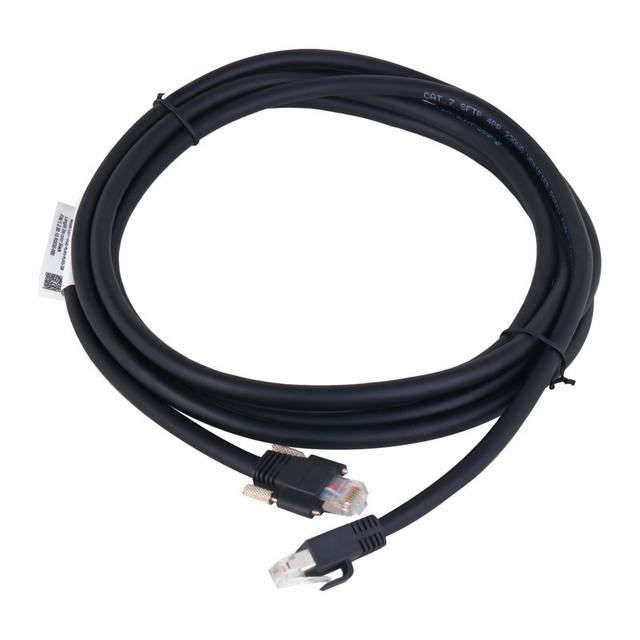
iRAYPLE GigE cable, RJ45 to RJ45, static — C01/C03-GE-RJ45-RJ45
C01/C03-GE-RJ45-RJ45
iRAYPLE C01/C03-GE-RJ45-RJ45 — Gigabit Ethernet cable (RJ45 to RJ45); End A RJ45 (with locking stud), End B RJ45; lengths 5–70 m (5, 7, 10, 15, 20, 30, 50, 70 m); structure 26AWG*4P+MY+AL+D+B; Ø 6.3 mm; PVC jacket; min. bending radius 70 mm; static installation; operating -20 °C to +80 °C.
Brand
iRAYPLE
Cable type
Gigabit Ethernet cable (RJ45 to RJ45)
Cable length
5–70 m (5, 7, 10, 15, 20, 30, 50, 70 m)
Connector A
RJ45 (with locking stud)
Connector B
RJ45
High-flex / drag chain
No — static scenes
Compatible with
GigE industrial cameras (RJ45 with locking screws)
Reach is what this GigE cable offers: static lengths of 5, 7, 10, 15, 20, 30, 50 and 70 m, against a 30 m maximum for the drag-chain C03-GE-RJ45-RJ45-FC. Copper GigE links typically allow 100 m for the whole channel, patch cords and couplers included, so a 70 m cable leaves about 100 − 70 = 30 m for everything else in the path.
Construction is four 26 AWG pairs in a 6.3 mm PVC jacket with a 70 mm minimum bending radius; UL is among its certifications alongside RoHS2.0. At 1 Gbit/s it carries an example 2448 × 2048 px, 8-bit camera at 20 fps (2448 × 2048 × 8 × 20 ≈ 0.80 Gbit/s) with modest headroom after protocol overhead, and when several cameras share one switch, the uplink to the PC must carry their combined stream.
Best for
Cameras at the far end of a line, such as along a long conveyor, where one 30 to 70 m cable avoids adding a switch.
Fixed GigE installations with the host in a control room and the camera on the shop floor, where one continuous run keeps the path simple.
Projects whose approval needs UL among the cable's certifications; this cable carries UL as well as RoHS2.0.
Selection notes
Static installation only. For motion use C03-GE-RJ45-RJ45-FC (3–30 m, 10 million cycles); for a moving camera farther than 30 m, run the long section static to a switch near the axis and the last stretch in drag-chain cable.
The shortest length is 5 m; a 3 m hop is only available in the drag-chain cable.
Count the whole channel: patch cords at each end add to this cable, and the total must stay inside the typical 100 m of copper GigE.
The maximum operating voltage is 30 VDC, below the roughly 48 V used for PoE, so confirm with us before powering a camera over this cable.
Specifications: General
Brand
iRAYPLE
Cable type
Gigabit Ethernet cable (RJ45 to RJ45)
Compatible with
GigE industrial cameras (RJ45 with locking screws)
Specifications: Interface
Connector A
RJ45 (with locking stud)
Connector B
RJ45
Specifications: Electrical
Supply voltage
30 VDC
Specifications: Environment
Operating temperature
-20 °C to +80 °C
Specifications: Mechanical
Cable length
5–70 m (5, 7, 10, 15, 20, 30, 50, 70 m)
High-flex / drag chain
No — static scenes
This product groups every purchasable order code that shares the same sensing method, range and output. Cable length, connector type and operation mode (Light-ON/Dark-ON, NO/NC) vary by order code below.
Follow these steps to bring up your iRAYPLE camera, capture a first image, and move from the viewer to your own application. The flow is the same across the A, AE, AX and L series; only the physical interface differs.
Download and install the iRAYPLE machine-vision SDK together with its viewer client for your operating system. The installer provides the camera drivers, the GenTL producer, and the viewer you will use for first light. For GigE Vision models, also install or enable the bundled filter/performance driver on the network adapter to maximize throughput.
2. Connect the camera to the correct interface
Wire the camera to its matching host interface: a dedicated Gigabit (or 10 GigE) NIC for GigE Vision models, a USB3 Vision port with a quality cable for USB3 models, or a frame grabber for CoaXPress models. Power the camera (PoE, USB bus power, or PoCXP / external supply as applicable). For GigE Vision, put the NIC and camera on the same subnet and, where supported, enable jumbo frames.
3. Detect and open the camera in the viewer
Launch the iRAYPLE viewer, run device enumeration, and select your camera from the discovered list. Open it to load the device feature tree (GenICam node map). If a GigE camera is found but cannot be opened, correct the IP configuration so the camera and NIC are in the same address range.
4. Set exposure, gain and trigger, then grab a first image
Start with continuous (free-run) acquisition under stable lighting. Adjust exposure time and gain for a well-exposed, low-noise image, set the pixel format (e.g. Mono8 or a Bayer/RGB format), and tune white balance on color models. Once the live image looks correct, switch trigger mode to hardware or software trigger to synchronize capture with your process, and verify a single triggered frame.
5. Move from the viewer to the SDK or a GenICam library
With imaging confirmed, reproduce the same settings in code using the SDK's C/C++ or Python API: enumerate, open, configure the relevant GenICam features, register a frame callback or grab loop, and convert frames to your pipeline's buffer format. Since the cameras are GenICam/GenTL-compliant, you can alternatively drive them from a third-party GenICam vision library. From here a stable image stream can feed a deep-learning inspection step such as Rosepetal for automated quality control.
Frequently asked questions
Up to 70 m with the longest length, inside the typical 100 m copper channel limit. Anything else in the path, such as patch cords, takes a share of that.
No, it is for static installation. The drag-chain GigE cable is C03-GE-RJ45-RJ45-FC.