Skip to content
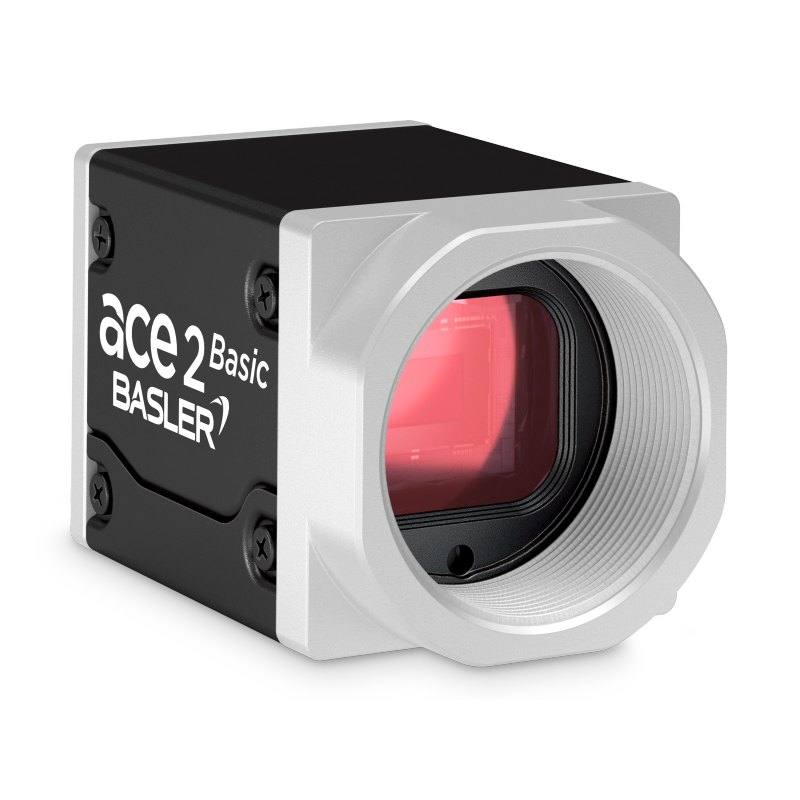
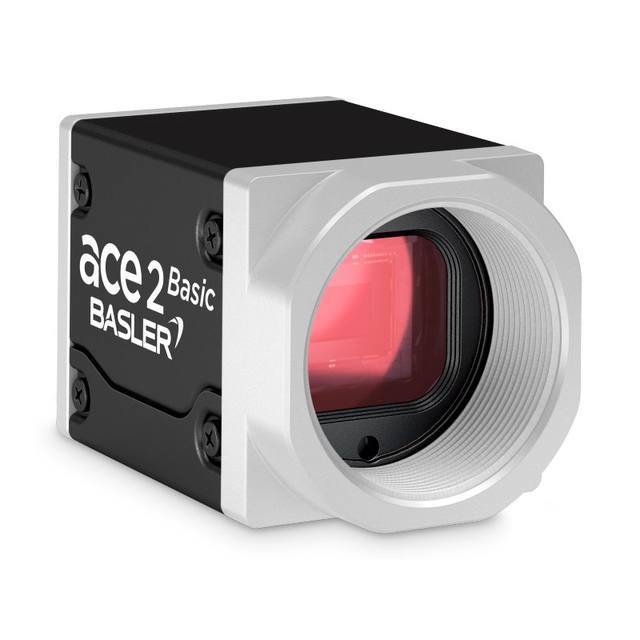
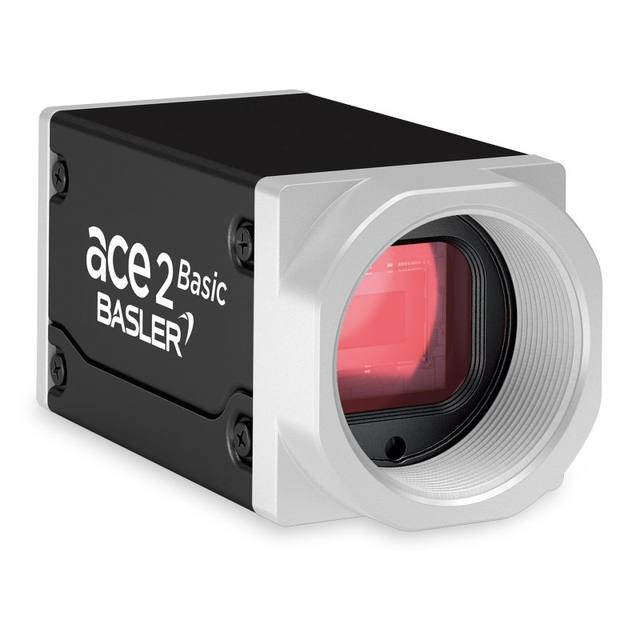
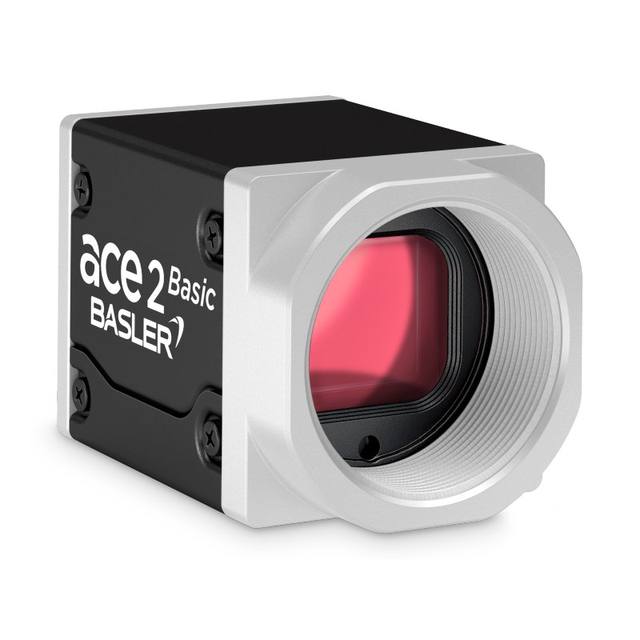
Basler a2A3536-31uc machine vision camera
  • Rosepetal compatible
  • Recommended by AIS Vision

Basler ace 2 R a2A3536-31uc

a2A3536-31uc

The Basler a2A3536-31uc is a USB 3.0 (USB3 Vision) industrial area scan camera from the ace 2 R Basic/Pro family, built around Sony's 1/1.6" IMX676 STARVIS 2 rolling-shutter CMOS sensor with 3536 x 3536 effective pixels (12.5 MP) at a 2.0 x 2.0 um pixel pitch. It delivers up to roughly 31 fps at full resolution in color with 10/12-bit depth and high sensitivity into the near-infrared. The camera uses a C-mount, a USB 3.0 Micro-B data connector plus an M8 6-pin I/O connector (1 opto-coupled input, 2 GPIO), is bus-powered at about 3.2 W typical, and ships in a compact 42.8 x 29 x 29 mm box housing rated IP30.

Brand
Basler
Camera type
Area scan
Interface
USB 3.0 (5 Gbit/s SuperSpeed)
Resolution
12.5 MP
Horizontal resolution
3536 x 3536 px
Mono / color
Color (Visible)
Sensor manufacturer
sony_starvis2 (display: Sony STARVIS 2)
Sensor model
Sony IMX676 (IMX676-AACR1-C)
Shutter
Rolling shutter
FPS
Up to ~31 fps (28.8 fps default)
Mount
C-mount
Sensor size
1/1.6" (7.1 x 7.1 mm, 10 mm diagonal)

Technical overview

The Basler ace 2 R a2A3536-31uc is a 12.5 MP color area scan camera built around Sony's 1/1.6" IMX676 STARVIS 2 CMOS sensor, delivering a square 3536 x 3536 px frame at a 2.0 x 2.0 um pixel pitch across a 7.1 x 7.1 mm active area (10 mm diagonal). That combination matters at design-in: the square format means horizontal and vertical fields of view are identical, which simplifies layout over plates, wafers, panels and trays, while the high pixel count concentrated on a sub-1/1.6" sensor gives fine spatial detail for surface and defect work. Because the sensor is small and the pixels are tiny, you will want a lens that resolves at that 2.0 um pitch and covers the 10 mm diagonal image circle; the C-mount lets you choose from a broad ecosystem of fixed-focal-length optics matched to your working distance and required field of view.

This is a rolling-shutter sensor, not global shutter, so the installer's biggest decision is around motion. At up to roughly 31 fps full-frame (28.8 fps default), the camera is well suited to stationary or slow-indexing inspection where the part is held still during exposure, or to continuous scenes where rolling readout artifacts are acceptable. For fast-moving or stop-and-go lines, pair the camera with bright, controlled lighting and freeze motion with a short exposure, or strobe illumination synchronized to the trigger so each frame is captured in a brief light pulse rather than relying on a mechanical shutter. The IMX676 STARVIS 2 sensor brings strong sensitivity including into the near-infrared and 10/12-bit output, giving headroom for low-contrast surface defects and for tuning gain/exposure without crushing tonal detail.

On the integration side this is a compact, bus-powered USB 3.0 device. The interface is USB3 Vision over a 5 Gbit/s SuperSpeed link with GenICam compliance, so it drops into standard machine-vision software stacks. It draws only about 2.7-3.2 W typical at 5 VDC straight from the USB bus, with no separate power supply or PoE budget to manage, which keeps single-camera benchtop and in-machine cells simple. Data runs over a USB 3.0 Micro-B connector, while I/O is handled through an M8 6-pin connector providing one opto-coupled input plus two GPIO, enough to accept a hardware trigger from a PLC or sensor and to drive a strobe or status output. The box housing measures 42.8 x 29 x 29 mm (with mount and connectors), weighs 85 g and is rated IP30, so it fits tight enclosures and protects against incidental contact and larger debris, but it is not sealed against dust or washdown and should sit inside a protective enclosure in dirty environments. Rated operating temperature is -10 to 60 C.

Best for

  • High-resolution surface inspection of electronics, panels and printed media where the square 12.5 MP frame and 2.0 um pixels resolve fine defects
  • AI-based defect detection on stationary or slow-indexing parts where rolling-shutter readout is acceptable
  • Industrial OCR/OCV reading of printed or marked text on packaging and labels under controlled, even lighting
  • Dimensional measurement and gauging of static parts that fill the square field of view, leveraging the high pixel count for sub-pixel edge precision
  • Compact single-camera benchtop or in-machine vision cells where USB 3.0 bus power keeps wiring minimal

Selection notes

  • Confirm this is the right shutter choice: it is rolling shutter, so for fast line motion plan to freeze movement with short exposures and synchronized strobe lighting via the opto-coupled input, or select a global-shutter model if smear-free capture of moving parts is mandatory
  • Budget the lens around a 10 mm image circle and 2.0 um pixel pitch on the 1/1.6" sensor; a low-resolving lens will waste the 12.5 MP, so pick C-mount optics rated to match the sensor and your working distance
  • USB 3.0 limits cable length and works best as a single, well-supported camera per host port; verify host controller bandwidth and use a quality USB3 Vision certified cable for stable 5 Gbit/s throughput
  • Plan I/O around the M8 6-pin connector: one opto-coupled input plus two GPIO is enough for a single hardware trigger and a strobe/status line, so confirm your trigger and lighting control scheme fits within those pins
  • Check environment fit: IP30 and a non-sealed box housing mean it needs a protective enclosure in dusty or wet areas, and keep ambient within the -10 to 60 C rating
  • It is a color (visible) camera; if your task is monochrome contrast or you need maximum resolution and light efficiency, evaluate whether a mono variant or color is the better match before committing

Specifications: General
BrandBasler
Camera typeArea scan

Specifications: Sensor
Resolution12.5 MP
Horizontal resolution3536 x 3536 px
Mono / colorColor (Visible)
Sensor manufacturersony_starvis2 (display: Sony STARVIS 2)
Sensor modelSony IMX676 (IMX676-AACR1-C)
ShutterRolling shutter
Sensor size1/1.6" (7.1 x 7.1 mm, 10 mm diagonal)
Pixel size2.0 x 2.0 um

Specifications: Performance
FPSUp to ~31 fps (28.8 fps default)

Specifications: Interface
InterfaceUSB 3.0 (5 Gbit/s SuperSpeed)
ProtocolsUSB3 Vision, GenICam

Specifications: Optics
MountC-mount

Specifications: Electrical
Power~2.7 W typ. @ 5 VDC (BAS)
Supply voltage5 VDC
Power consumption3.2 W

Specifications: Environment
IP ratingIP30
Operating temperature-10 to 60 °C

Specifications: Mechanical
Housing materialBox
Dimensions42.8 x 29 x 29 (with mount/connectors) mm
Weight85 g

Frequently asked questions

Related technical guides

Rosepetal · AI

Test this camera with Rosepetal

Validate your visual inspection with AI: send us sample images and we evaluate the case on your hardware.

AIS Vision · Integration

We validate camera + lens + lighting

AIS Vision defines and tests the optimal combination of camera, optics and lighting for your application before you buy.