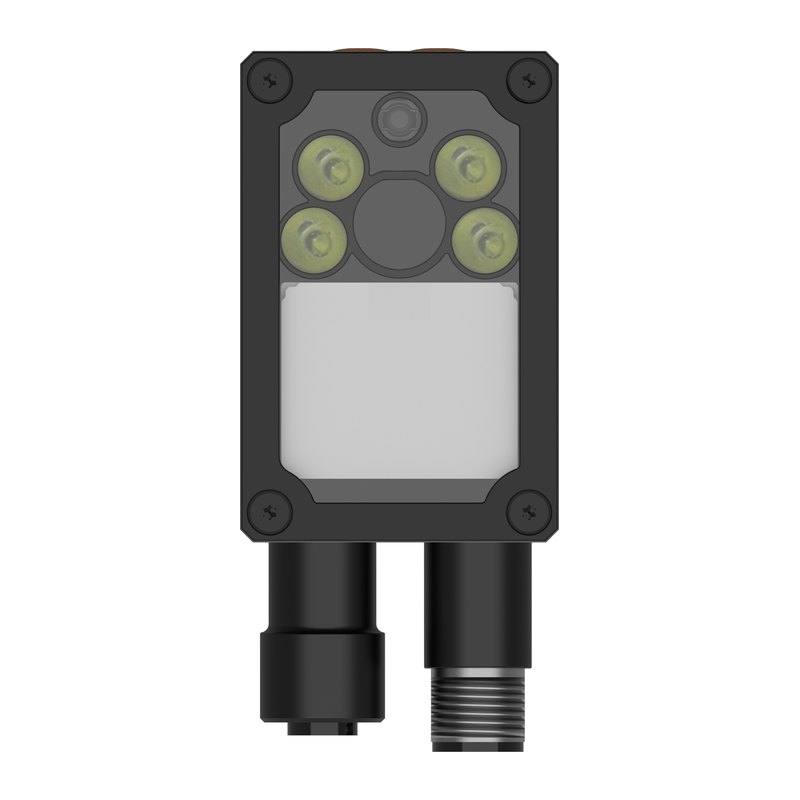
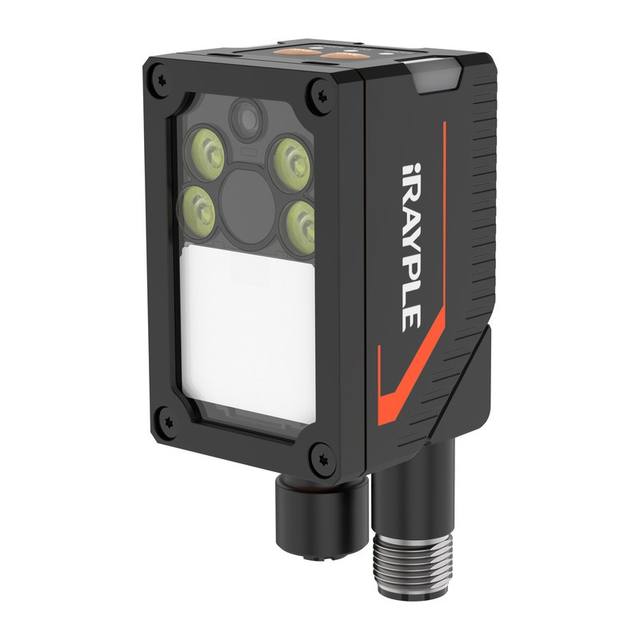
The 5 mm lens stretches this compact camera over an unusually wide range: working distance 25 mm to 2000 mm and a field from 17 mm × 13 mm to 1198 mm × 898 mm. On 1440 px that is 17 mm ÷ 1440 ≈ 12 µm per pixel at the close end and 1198 mm ÷ 1440 ≈ 0.83 mm per pixel at the far end. Reach is not resolution: at 0.83 mm per pixel a 5 mm feature covers only 6 px (5 mm ÷ 0.83 mm), enough to find or count objects but not to inspect fine surface detail.
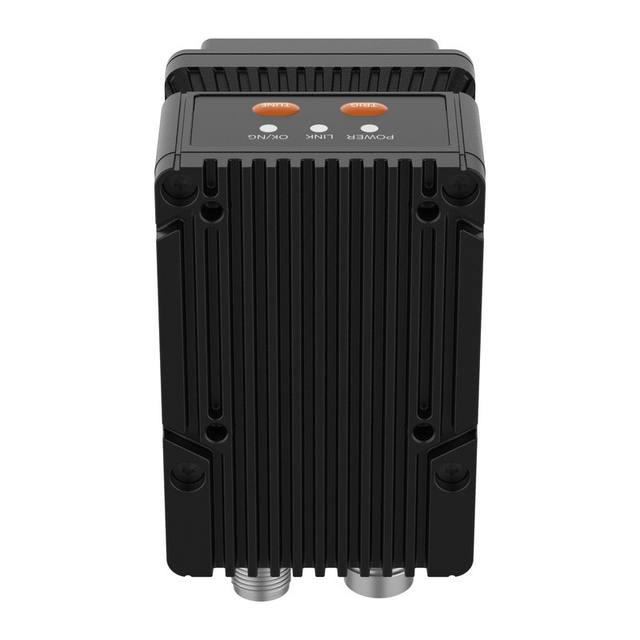
Size and sealing are the other argument: a 57 mm × 37 mm × 39 mm body (without the connector) under 160 g, IP67 and a draw under 6 W with the light included, against 82 mm × 55 mm × 53 mm, under 350 g, IP65 and under 18 W for SS5016MG/CG-08M. The built-in M10 lens focuses by motor, the mono global-shutter sensor runs at 60 fps, and an AI processing chip runs AI classification, which sorts images into classes such as OK or NG, next to the presence, pattern, measurement, counting, OCR/OCV, code reading and defect/surface tools.
Best for
Presence and counting over a large area, such as trays or pallet layers viewed from above, where the 1198 mm × 898 mm field covers the whole scene.
Close-up checks of small components at the near end of the range, where sampling reaches about 12 µm per pixel.
Dusty or splash-exposed machines and moving axes, where IP67 sealing and a 57 mm × 37 mm × 39 mm body under 160 g matter.
Selection notes
Check the supply first: it needs 16 V to 26 V DC at 1 A, so a 12 V rail cannot power it.
The light depends on the order code: red polarized/non-polarized plus a white diffuse light, or white polarized/non-polarized/diffuse. Both are mono versions.
For a wider field at the same pixel size, SS5050PMG/CG-05M uses the same 5 mm optics on 2592 px and shows 2157 mm × 1617 mm at the far end, about 0.83 mm per pixel in both cameras, with a colour option.
For finer sampling at distance, SS5016PMG-12M has a far field of 516 mm × 387 mm (about 0.36 mm per pixel), but its minimum working distance is 50 mm instead of 25 mm.
Specifications: General
Brand
iRAYPLE
Inspection tools
Presence / absence, Pattern matching / position, Measurement / dimension, Counting, OCR / OCV, Code reading, Defect / surface, AI classification (iRAYPLE tool list; defect inspection per the feature list)
AI / deep learning
On-device AI classification ("AI Tools: AI classification"); feature list: "Built-in ultra-high-performance AI processing chip, taking into account ease of use and flexibility while further improving processing efficiency"
Specifications: Sensor
Resolution
1.6 MP (1440 × 1080)
Horizontal resolution
1440 px
Mono / color
Mono
Shutter
Global shutter
Specifications: Performance
FPS
60 fps
AI accelerator (GPU / NPU)
Built-in ultra-high-performance AI processing chip, taking into account ease of use and flexibility while further improving processing efficiency (chip model not published)
RS232, 2 Opto-isolated inputs and 3 Opto-isolated outputs
Connection
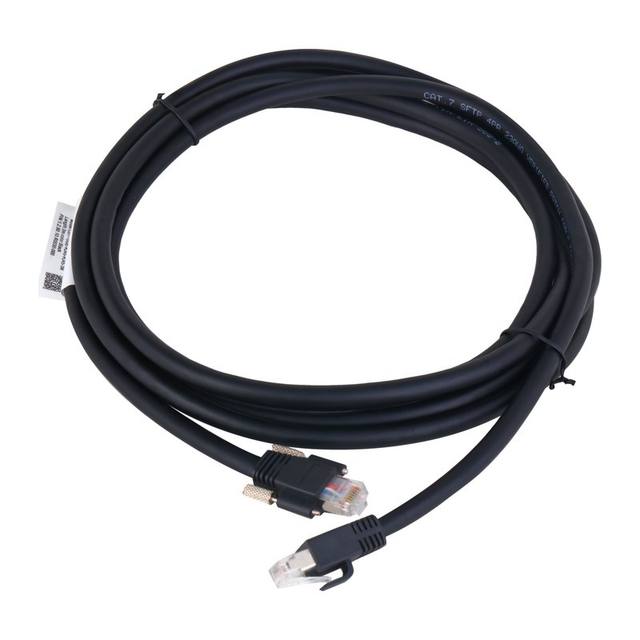
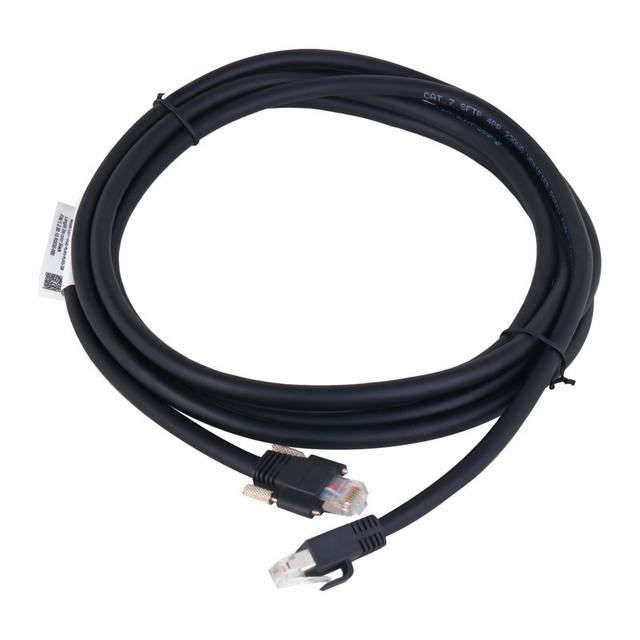
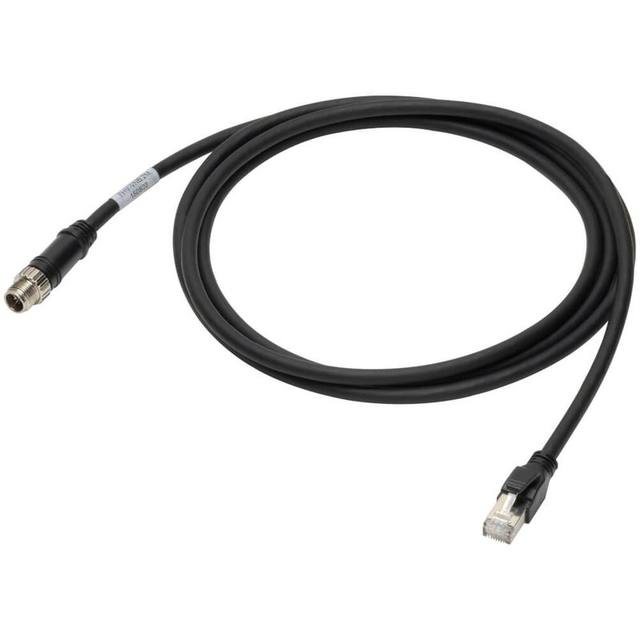
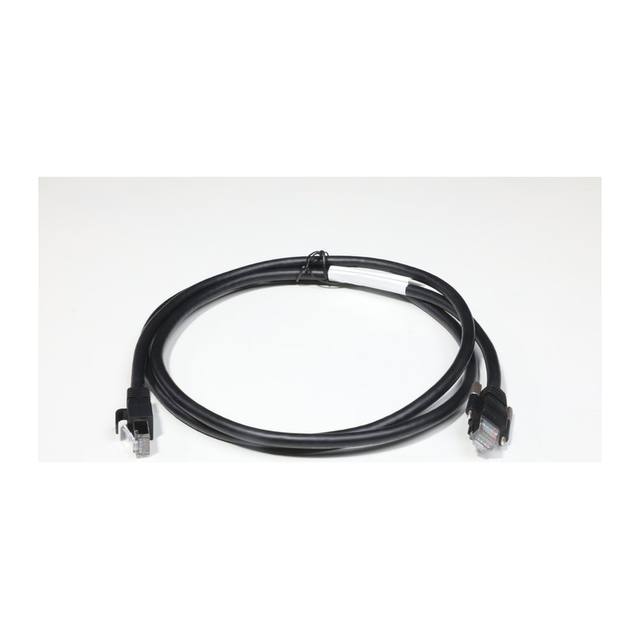
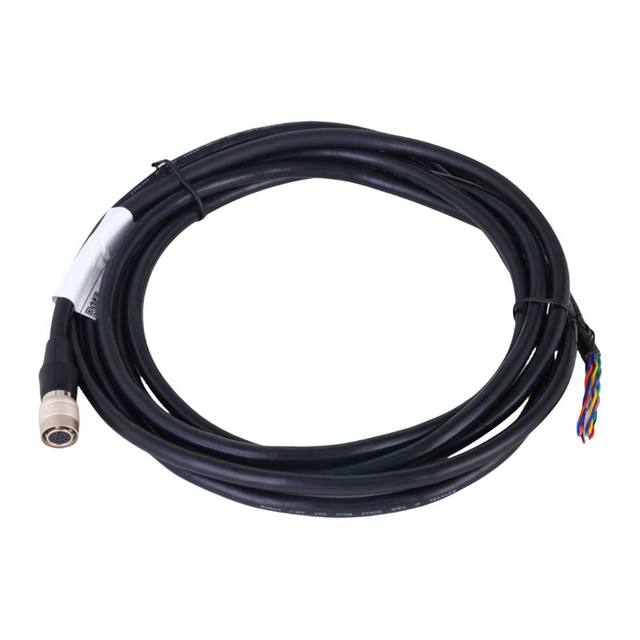
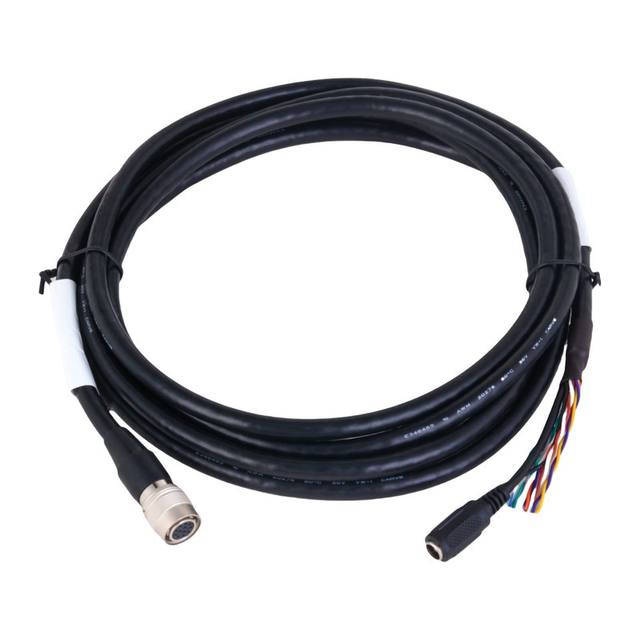
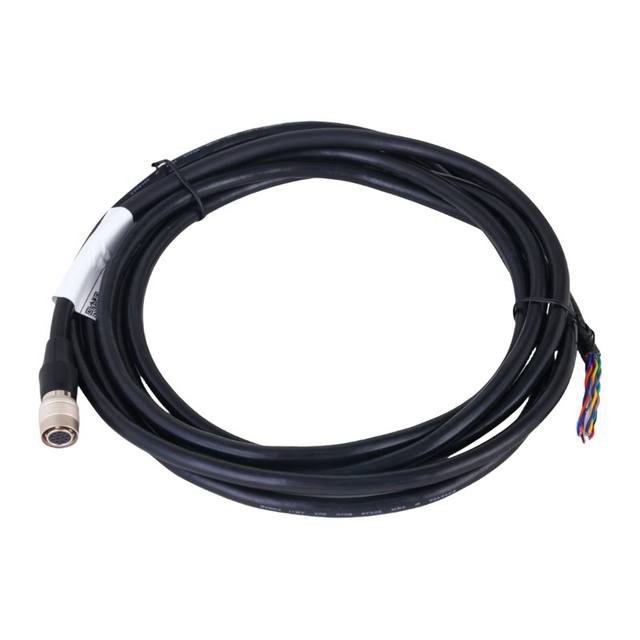
2 Industrial M12 connectors support GigE and GPIO
Specifications: Optical
Focus
Motorised auto focus (built-in M10 lens)
Focal length
5 mm
Field of view
17 mm × 13 mm – 1198 mm × 898 mm
Working distance
25–2000 mm
Integrated lighting
Red, Polarized/Non-polarized; White, diffuse light · White, Polarized/Non-polarized/diffuse light — depending on order code
Illumination colour
Red or white illumination, depending on order code (see variants)
Specifications: Electrical
Supply voltage
16–26 VDC, 1 A input
Power consumption
< 6 W (light included)
Specifications: Environment
IP rating
IP67
Operating temperature
-20 °C to +50 °C
Specifications: Reading
Supported codes
Recognition tools: DataCode; BarCode; OCR (BarCode = 1D, DataCode = 2D; iRAYPLE does not itemise symbologies)
Specifications: Software
Software / API
EasyVS + web configuration interface
Specifications: Mechanical
Dimensions
57 mm × 37 mm × 39 mm (not including connector)
Weight
< 160 g
Housing material
Aluminum alloy + Front cover
This product groups every purchasable order code that shares the same sensing method, range and output. Cable length, connector type and operation mode (Light-ON/Dark-ON, NO/NC) vary by order code below.
Family variants with highlighted differences
Model
Integrated lighting ●
Illumination colour ●
Availability
Mono, red, Polarized/Non-polarized; White, diffuse Base
Follow these steps to bring up your iRAYPLE camera, capture a first image, and move from the viewer to your own application. The flow is the same across the A, AE, AX and L series; only the physical interface differs.
Download and install the iRAYPLE machine-vision SDK together with its viewer client for your operating system. The installer provides the camera drivers, the GenTL producer, and the viewer you will use for first light. For GigE Vision models, also install or enable the bundled filter/performance driver on the network adapter to maximize throughput.
2. Connect the camera to the correct interface
Wire the camera to its matching host interface: a dedicated Gigabit (or 10 GigE) NIC for GigE Vision models, a USB3 Vision port with a quality cable for USB3 models, or a frame grabber for CoaXPress models. Power the camera (PoE, USB bus power, or PoCXP / external supply as applicable). For GigE Vision, put the NIC and camera on the same subnet and, where supported, enable jumbo frames.
3. Detect and open the camera in the viewer
Launch the iRAYPLE viewer, run device enumeration, and select your camera from the discovered list. Open it to load the device feature tree (GenICam node map). If a GigE camera is found but cannot be opened, correct the IP configuration so the camera and NIC are in the same address range.
4. Set exposure, gain and trigger, then grab a first image
Start with continuous (free-run) acquisition under stable lighting. Adjust exposure time and gain for a well-exposed, low-noise image, set the pixel format (e.g. Mono8 or a Bayer/RGB format), and tune white balance on color models. Once the live image looks correct, switch trigger mode to hardware or software trigger to synchronize capture with your process, and verify a single triggered frame.
5. Move from the viewer to the SDK or a GenICam library
With imaging confirmed, reproduce the same settings in code using the SDK's C/C++ or Python API: enumerate, open, configure the relevant GenICam features, register a frame callback or grab loop, and convert frames to your pipeline's buffer format. Since the cameras are GenICam/GenTL-compliant, you can alternatively drive them from a third-party GenICam vision library. From here a stable image stream can feed a deep-learning inspection step such as Rosepetal for automated quality control.
Frequently asked questions
17 mm × 13 mm at the close end of the range, about 12 µm per pixel.
TCP client and server, UDP, FTP, RS-232, PROFINET, Modbus TCP and EtherNet/IP.
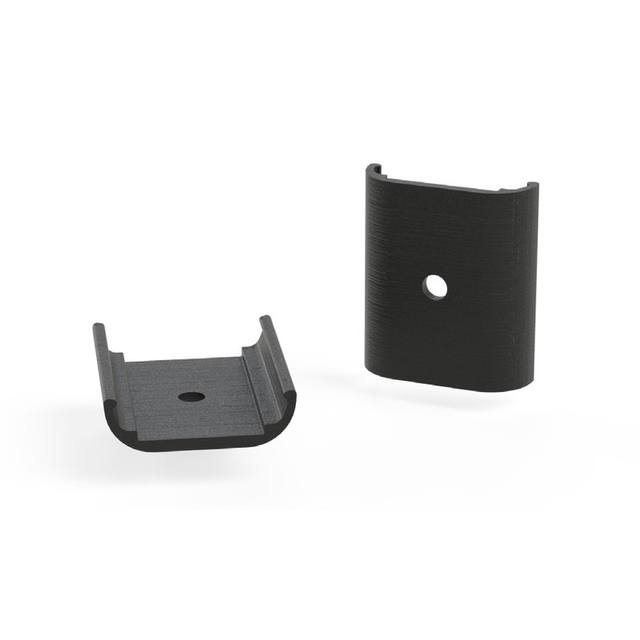
Camera Housing: Basler Camera housing ace 2 GigE, Basler Camera housing ace 2 USB / CXP / GMSL, Basler Camera housing ace USB, Basler Camera housing ace GigE
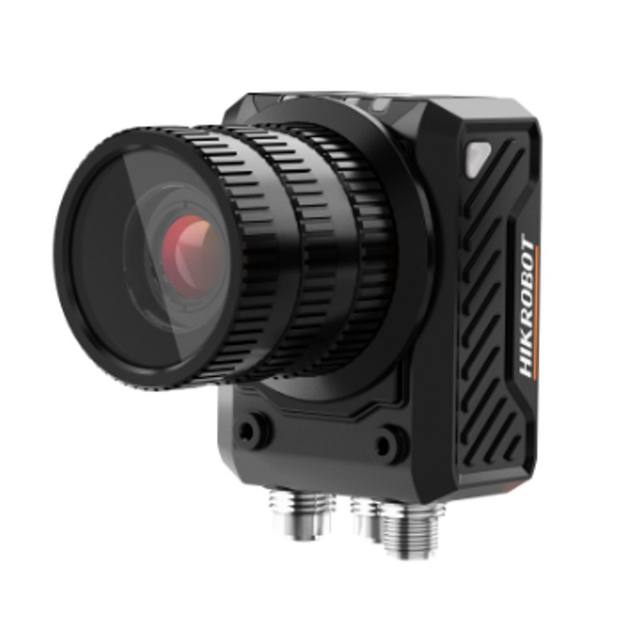
Hikrobot: "Adopts AI deep learning algorithm to achieve OCR, object recognition, defect detection, etc."
Adopts AI deep learning algorithm to achieve OCR, object recognition, defect detection, etc.; function module: Vision Master Platform (include deep learning module)
Presence / absence, Pattern matching / position, Measurement / dimension, Counting, OCR / OCV, Code reading, Defect / surface, AI classification (iRAYPLE tool list; defect inspection per the feature list)
On-device AI classification ("AI Tools: AI classification"); feature list: "Built-in ultra-high-performance AI processing chip, taking into account ease of use and flexibility while further improving processing efficiency"
On-device AI classification ("AI Tools: AI classification"); feature list: "Built-in ultra-high-performance AI processing chip, taking into account ease of use and flexibility while further improving processing efficiency"