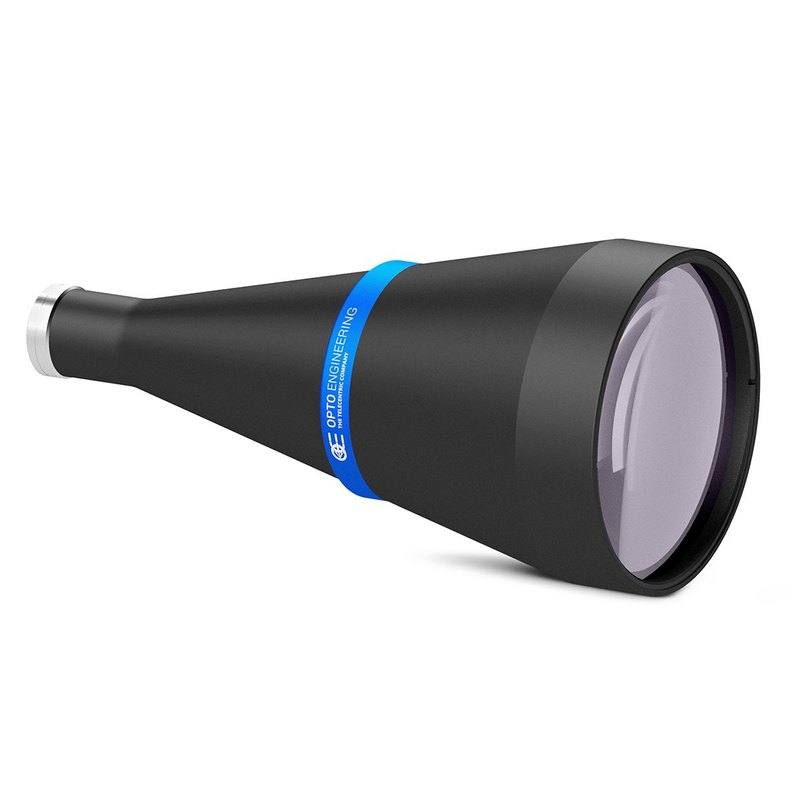
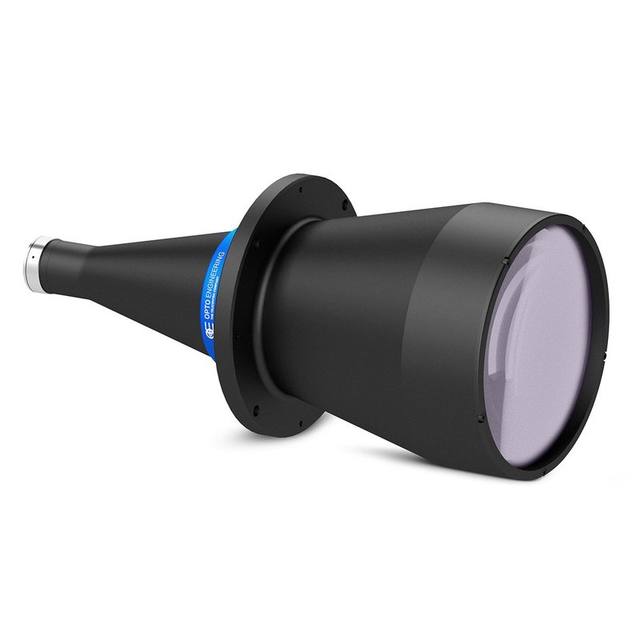
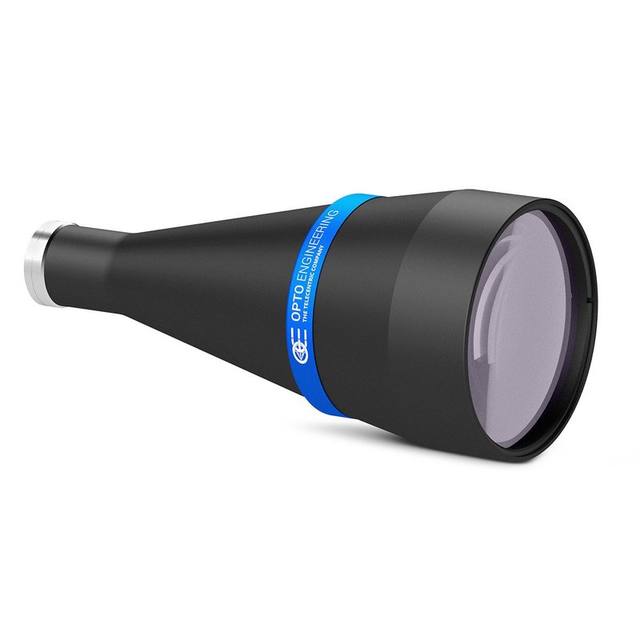
The Opto Engineering TC13096 is a bi-telecentric lens with a C-mount, a 0.050× magnification and a working distance of 278.6 mm. It is designed for 1/3″ sensors with an Ø 6.0 mm image circle, and its working f-number is wF/# 8. A 0.050× magnification means the 1/3″ sensor records a wide area of the object, which suits larger parts or wider inspection areas. The 278.6 mm working distance places the lens well back from the object, which helps when the camera has to stand clear of the work zone.
Telecentricity is specified below 0.06° typical (0.08° maximum), so the image scale stays close to constant when the object moves toward or away from the lens. Distortion is below 0.04 % typical and 0.10 % maximum. For a measurement system, the 0.10 % maximum is the worst-case figure to design against, while the typical 0.04 % describes expected performance. Together these values support dimensional checks across a wide field, provided the object is presented at the focus distance.
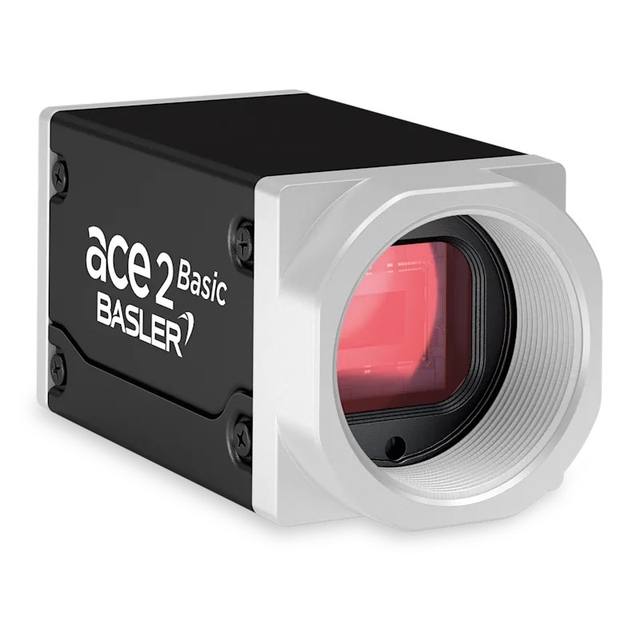
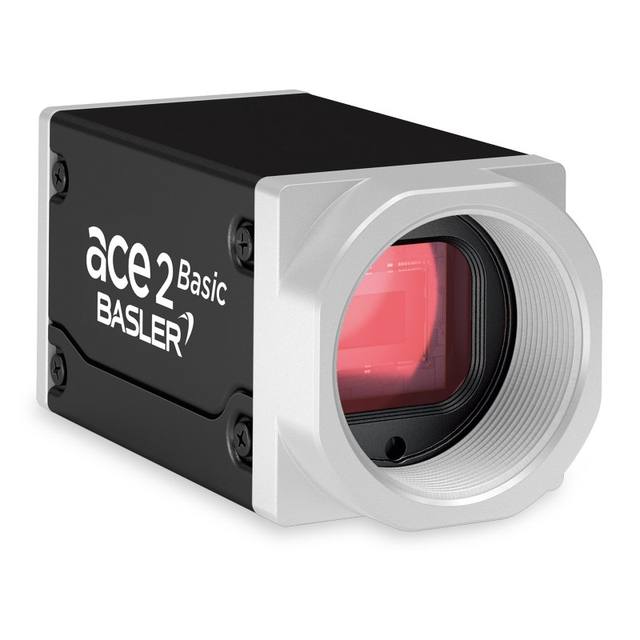
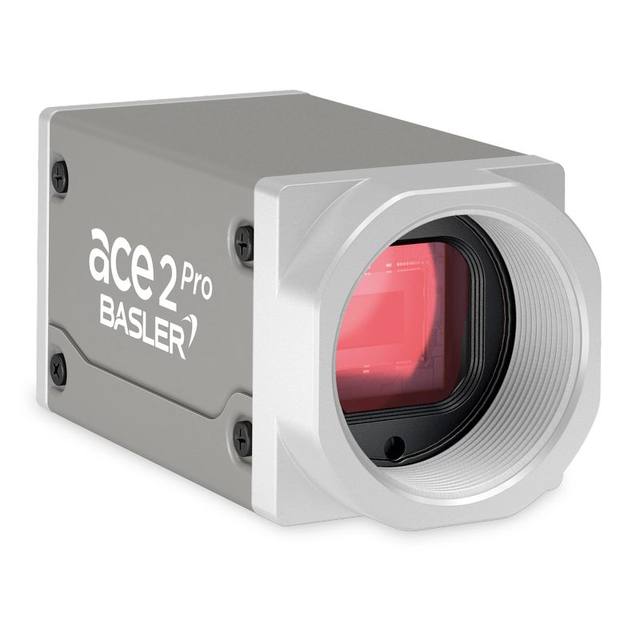
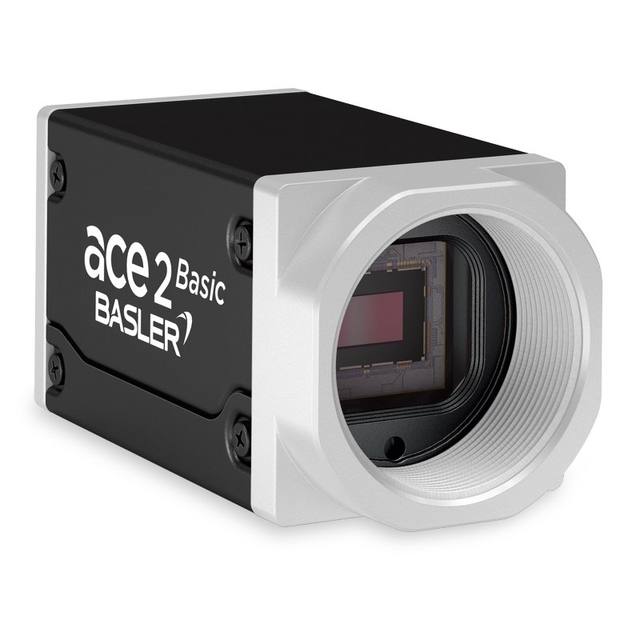
Choose a C-mount camera with a 1/3″ or smaller sensor. The lens is focused at 278.6 mm, so the fixture must hold the part at that position. Plan the illumination around the wF/# 8 aperture; for silhouette or edge measurement, backlighting is commonly used with telecentric lenses.
Best for
Dimensional inspection of larger parts across a 1/3″ field at a 0.050× magnification.
Gauging setups where the camera must sit 278.6 mm back from the object to keep clearance.
Edge and silhouette measurement with a backlight, using telecentric optics.
Measurement of parts with height variation, where telecentricity below 0.06° typical keeps readings consistent.
Selection notes
Confirm the sensor is 1/3″ or smaller. The Ø 6.0 mm image circle is the coverage limit.
Fix the object plane at 278.6 mm so the part is in focus. Fixture placement determines how accurately the part sits at that distance.
Plan illumination around wF/# 8, since the aperture limits the light reaching the sensor.
Use the maximum figures, 0.10 % distortion and 0.08° telecentricity, as worst-case inputs for the accuracy budget.
Specifications: General
Brand
Opto Engineering
Specifications: Optical
Lens mount
C-mount
Image circle / max sensor
Ø 6.0 mm (max sensor 1/3″)
Magnification
0.050×
Working distance
278.6 mm
Telecentric
Yes
Applications this product is commonly selected for. Open one to see the full recommended hardware and approach.
Matched automatically by: camera mount fits the lens mount · camera sensor is covered by the lens image circle — this lens: C-mount · Ø 6.0 mm (max sensor 1/3″) image circle.