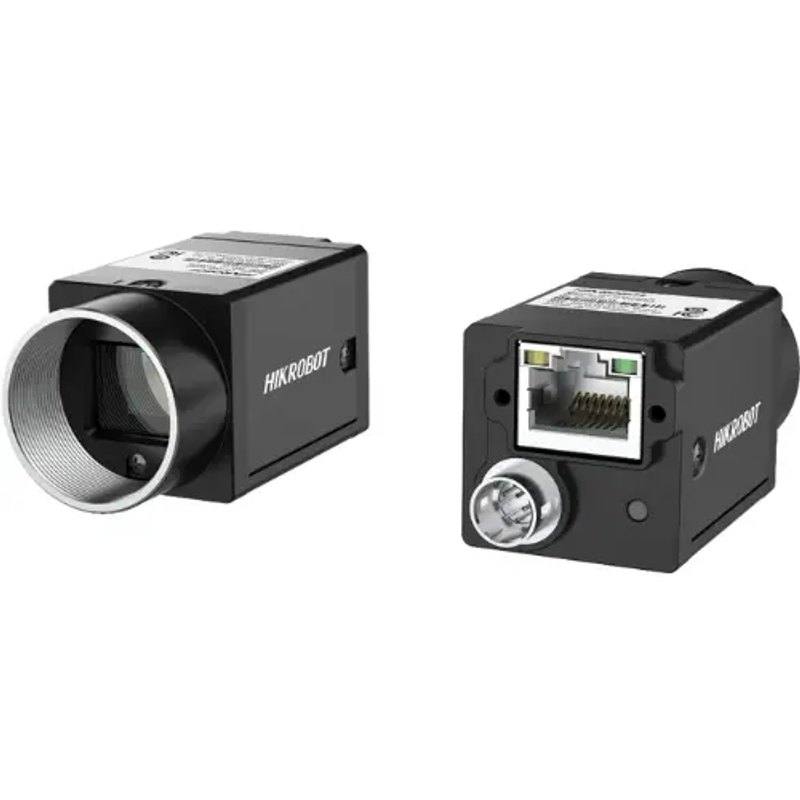
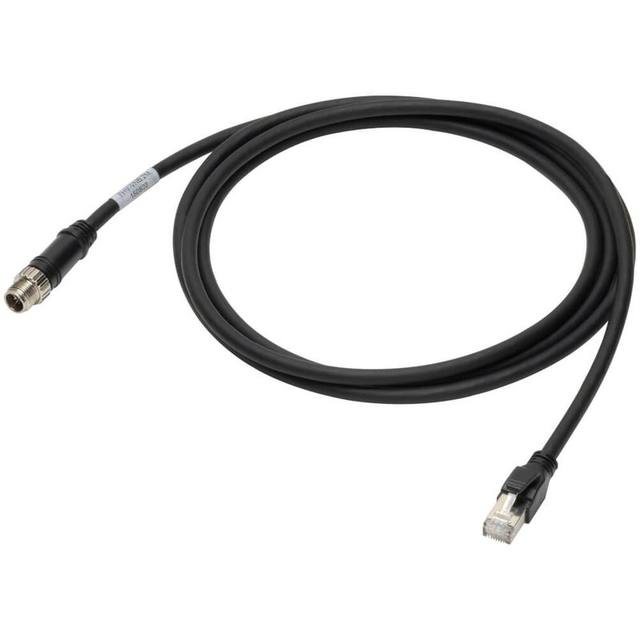
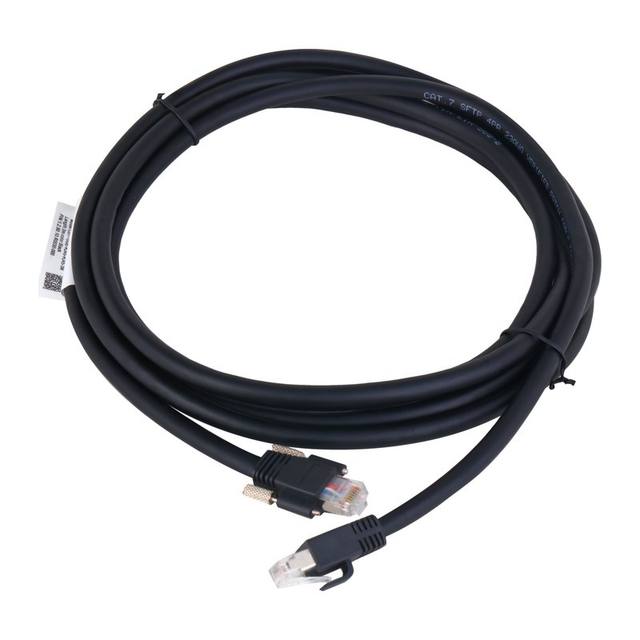
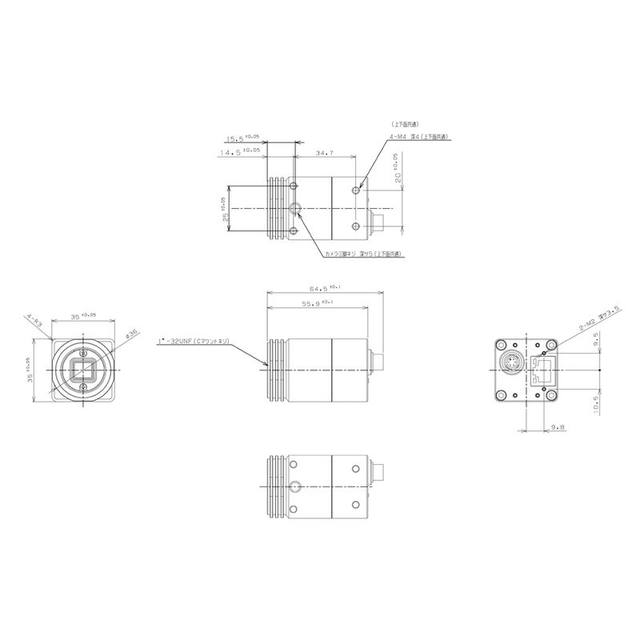
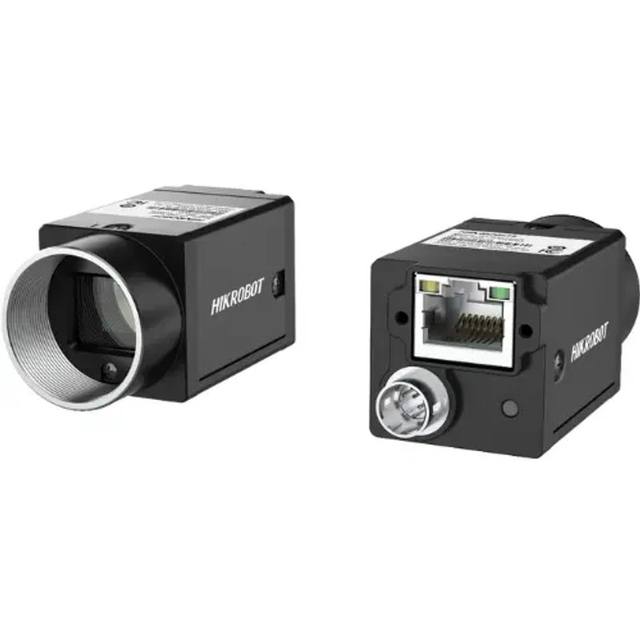
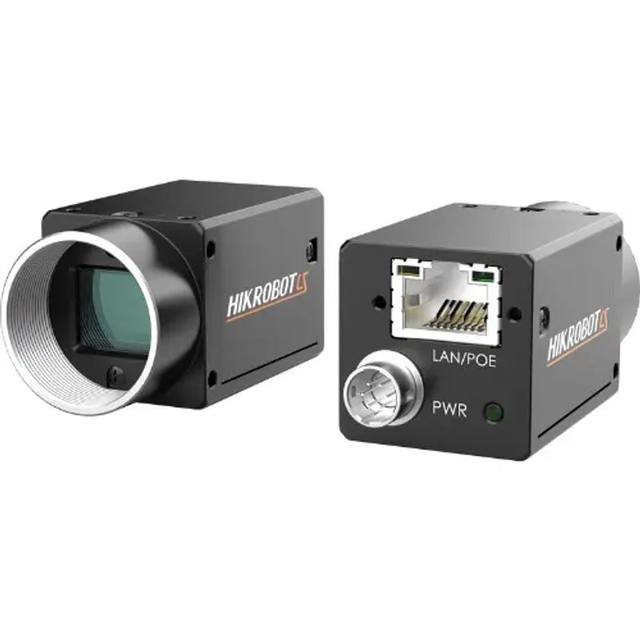
The Hikrobot MV-CU004-10GC is a color area scan camera built around a Sony IMX297 CMOS sensor with a global shutter. The sensor is listed in 1/2.9-inch format with 6.9 μm × 6.9 μm pixels, and the camera outputs 720 × 540 px, which is 0.4 MP. A global shutter exposes every pixel at the same moment, so objects moving through the field of view are imaged without the skew a rolling shutter produces, which suits conveyor and indexing applications.
The stated maximum is 126.5 fps at 720 × 540 px with Bayer RG 8 output. That figure places the camera in the high-cadence, small-field category: it suits presence, position and orientation checks on small parts where the number of frames per second matters more than the number of pixels. Because the output is a Bayer mosaic, the host or vision software converts it to color, so the frame rate should be validated with the exact pixel format and resolution you plan to run.
Connectivity is a GigE interface, and the camera exposes its features through GigE Vision V2.0 and GenICam, which keeps it within standard GigE Vision and GenICam software workflows. It accepts 9 VDC to 24 VDC, with PoE as an optional supply, and draws 2 W. The C-mount thread takes C-mount lenses, so the lens choice should follow the 1/2.9-inch format. The IP30 rating, stated under proper lens installation and wiring, covers solid objects only and gives no water protection, so the body belongs in dry, enclosed mounting. At 100 g the body is light for compact mounts.
Best for
Presence and position checks on small parts at up to 126.5 fps
Conveyor inspection of moving objects, where global shutter keeps edges undistorted
Color-based inspection on a compact 0.4 MP GigE camera using Bayer RG 8 output
Installations where space and power are limited, with a 100 g body and 2 W draw
GigE Vision and GenICam inspection systems built around C-mount optics
Selection notes
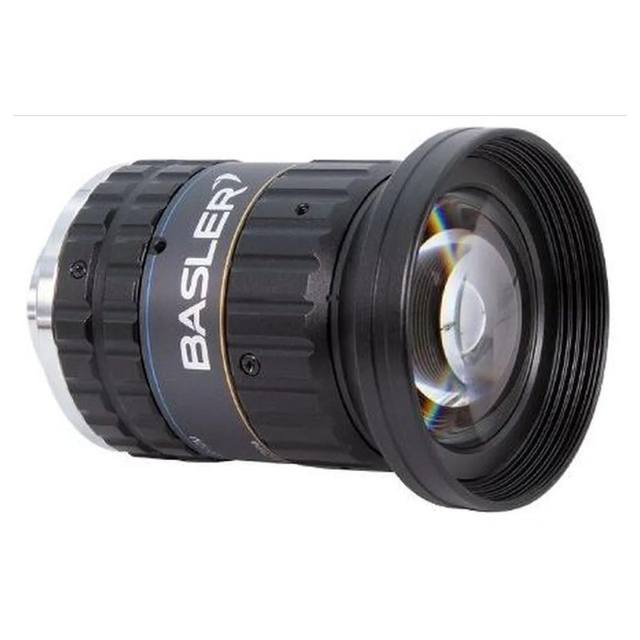
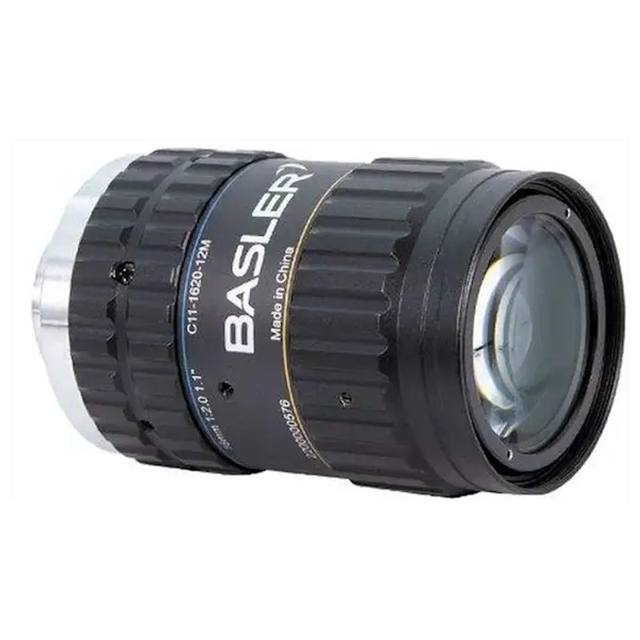
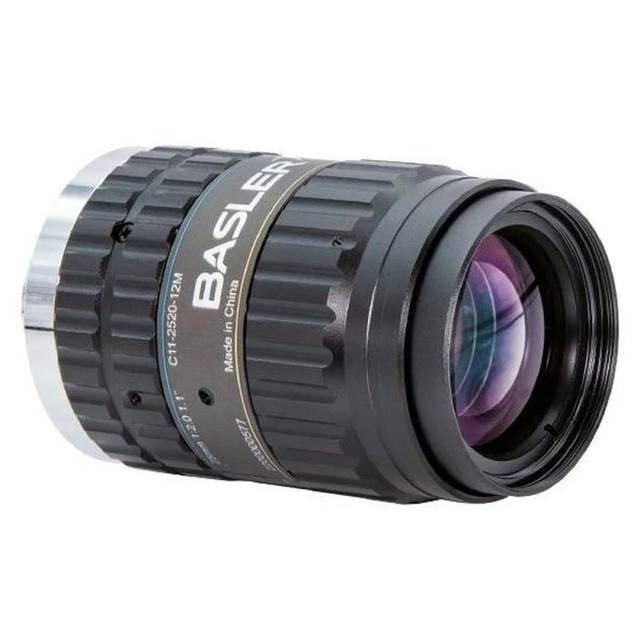
Choose a C-mount lens whose image circle covers the 1/2.9-inch sensor format, and set working distance so the 6.9 μm pixels and 720 × 540 px readout sample your smallest feature with enough detail.
Validate the 126.5 fps figure with your own pixel format and resolution settings, since it is quoted for 720 × 540 px with Bayer RG 8.
Decide the power source early: the camera accepts 9 VDC to 24 VDC, and PoE is an optional supply, so the cabling and switch choice should follow from that.
Use an enclosure in wet or splash-prone areas, because IP30 applies only under proper lens installation and wiring and offers no water protection.
Confirm the trigger and I/O wiring in the manufacturer datasheet before designing lighting synchronization.
Specifications: General
Brand
Hikrobot
Camera type
Area scan
Specifications: Sensor
Shutter
CMOS, global shutter
Sensor model
Sony IMX297
Sensor manufacturer
Sony IMX297
Sensor size
1/2.9"
Pixel size
6.9 μm × 6.9 μm
Resolution
0.4 MP
Horizontal resolution
720 × 540 px
Mono / color
Color
Specifications: Performance
FPS
126.5 fps @720 × 540 Bayer RG 8
Specifications: Interface
Interface
GigE
Protocols
GigE Vision V2.0, GenICam
Specifications: Optics
Mount
C-mount
Specifications: Electrical
Power
9 VDC to 24 VDC, PoE is optional
Power consumption
2 W
Specifications: Environment
IP rating
IP30 (under proper lens installation and wiring)
Specifications: Mechanical
Weight
100 g
Applications this product is commonly selected for. Open one to see the full recommended hardware and approach.
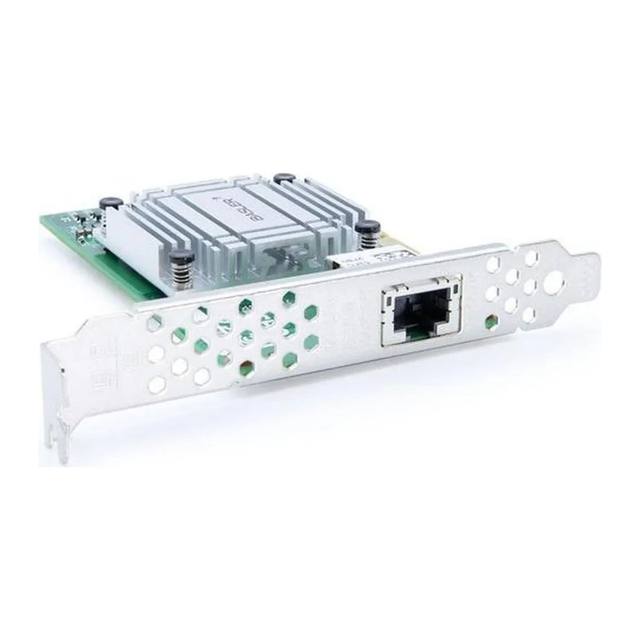
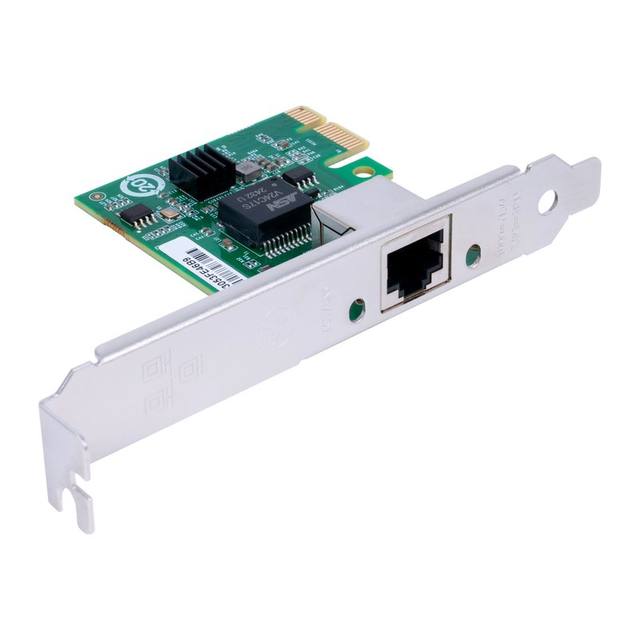
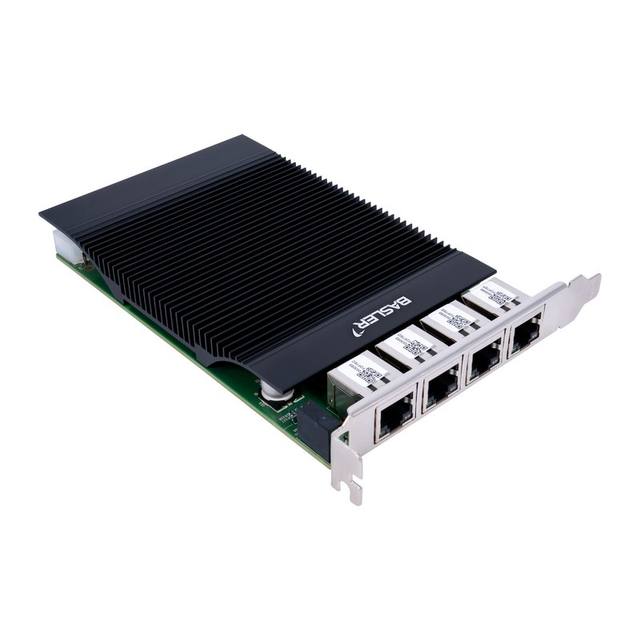
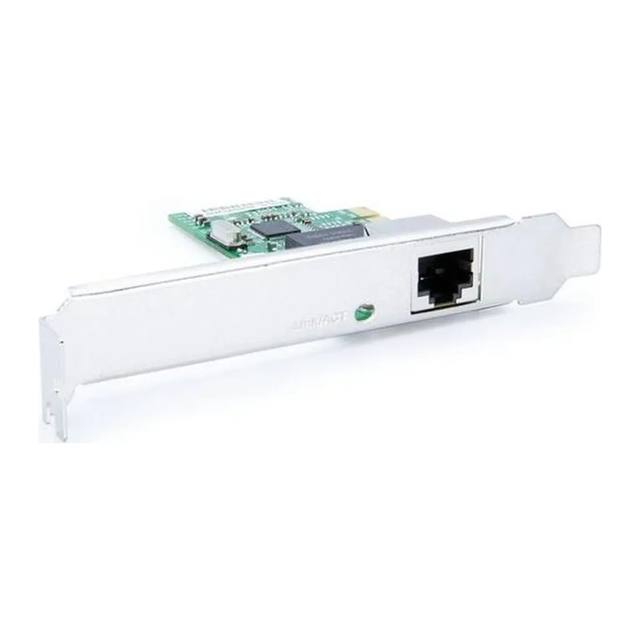
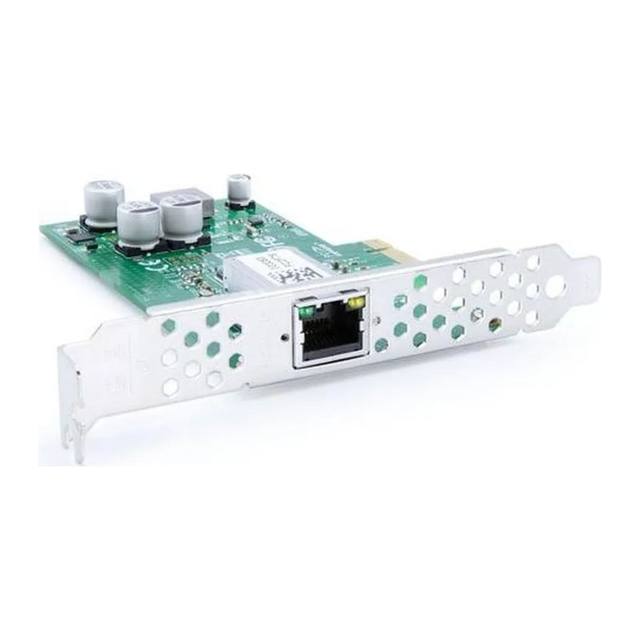
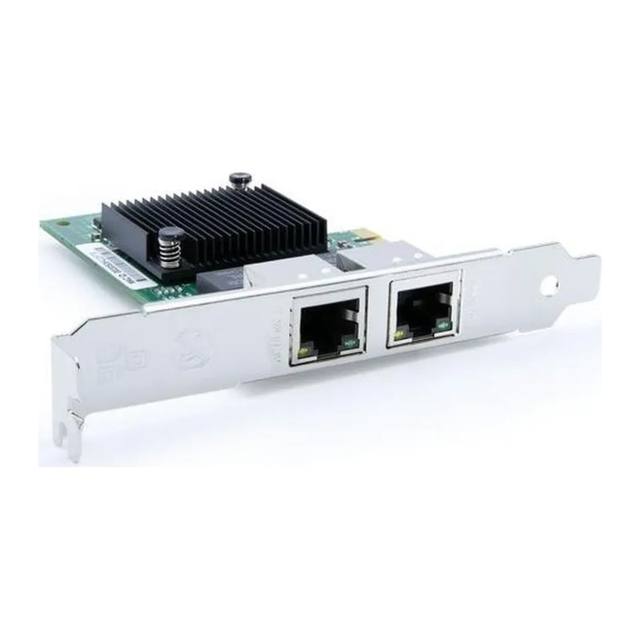
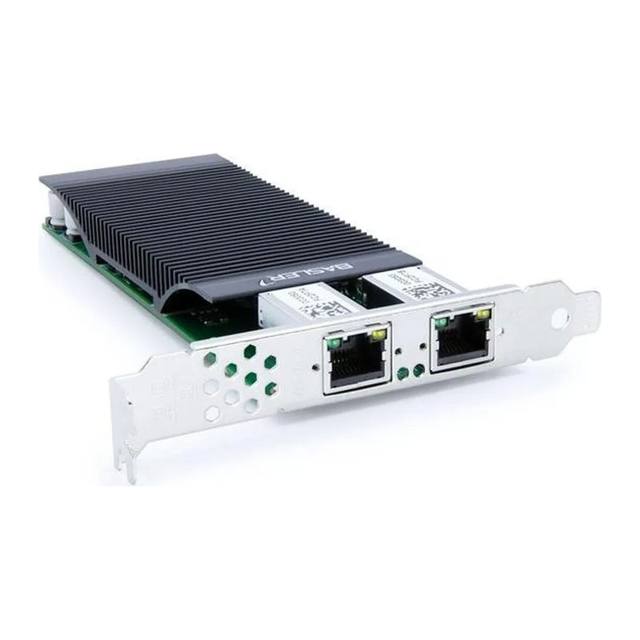
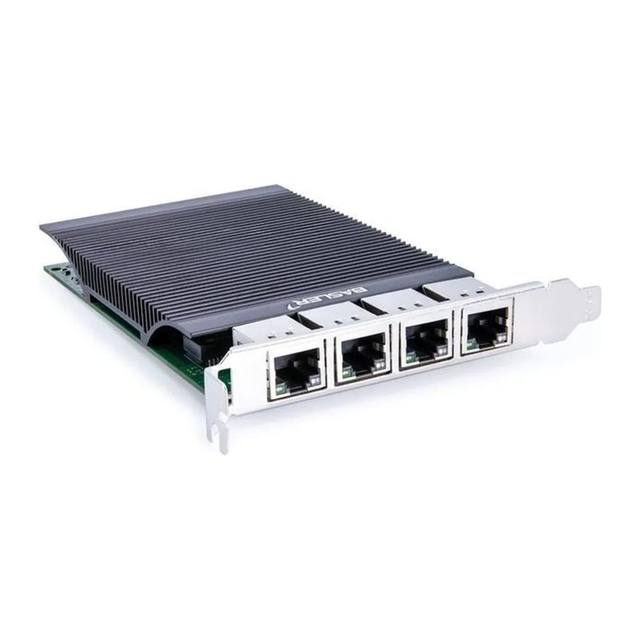
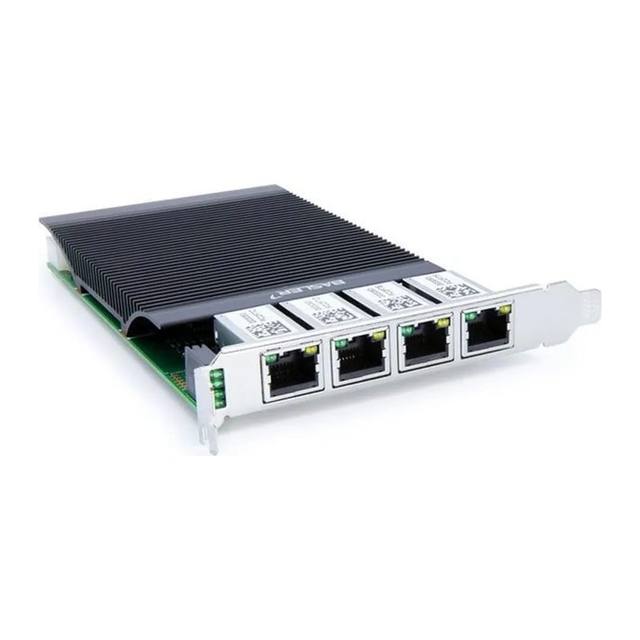
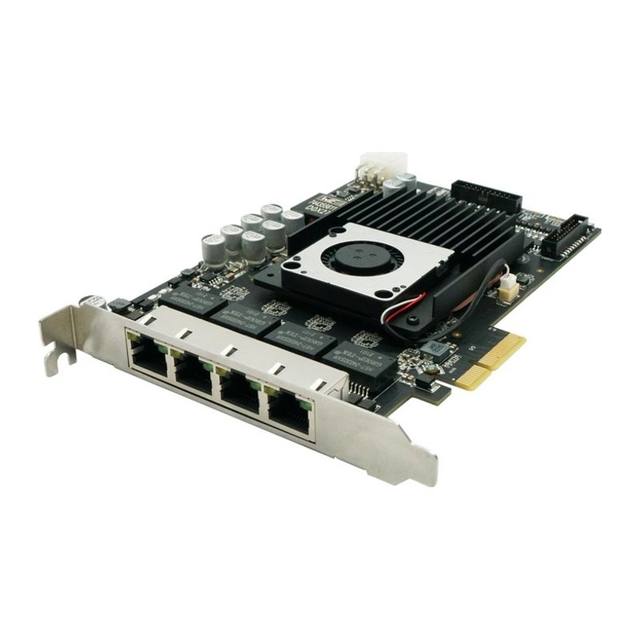
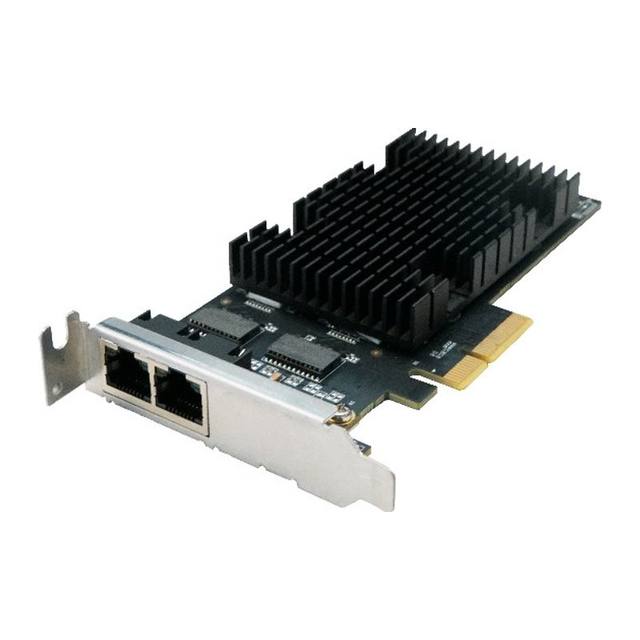
30 frame grabbers / interface cards are compatible with this camera.
Matched automatically by: card supports the camera interface (gige vision) · card link speed is at least the camera link speed (cxp-6 / cxp-12, 1–10 gige) — this camera: GigE.
By brand
All 30Hikrobot 15Basler 9iRAYPLE 4Opto Engineering 2
It uses a Sony IMX297 CMOS sensor in 1/2.9-inch format with 6.9 μm × 6.9 μm pixels and a global shutter.
The listed maximum is 126.5 fps at 720 × 540 px with Bayer RG 8 output.
The power specification is 9 VDC to 24 VDC, with PoE as an optional supply, and power consumption is 2 W.
IP30 is stated under proper lens installation and wiring. The first digit, 3, covers protection against solid objects, and the second digit, 0, indicates no protection against water.