
5MP monochrome GigE Vision area scan camera built on the Sony IMX264 global shutter sensor, delivering 2448 x 2048 resolution at 20 fps.
- Rosepetal compatible
- Recommended by AIS Vision
On request
Machine vision cameras: area scan, line scan, high resolution, high speed, 3D, SWIR/UV and embedded.
Related searches: industrial camera, machine vision camera, vision inspection camera
An industrial camera is the front end of every machine-vision system, the component that converts a physical scene into the pixels your software has to work with. Get it right and inspection, gauging and code reading become tractable; get it wrong and no amount of clever software fully recovers. This category spans the full range of machine-vision cameras, from everyday area-scan models through line-scan, high-resolution and high-speed sensors to 3D, SWIR/UV and board-level embedded modules.
This page is an orientation map rather than a single recommendation. The decisive question is rarely the brand on the housing; it is which sub-type of camera fits your part, motion, detail and environment. Below we explain how the sub-types differ and give you a short, repeatable method for navigating to the right one before you start comparing specifications.
190 results
5MP monochrome GigE Vision area scan camera built on the Sony IMX264 global shutter sensor, delivering 2448 x 2048 resolution at 20 fps.
5 MP (2592x2048) global-shutter GigE Vision area-scan camera built on the onsemi XGS5000 2/3" CMOS sensor, available in monochrome (A7501MG010E) and color (A7501CG010E) versions.
7.1 MP (3208x2200) GigE Vision area scan camera built on the Sony Pregius IMX428 1.1" global shutter CMOS sensor, available in monochrome (A7710MG200E) and color (A7710CG200E).
12MP monochrome GigE Vision area-scan camera built on the onsemi XGS8000 global-shutter CMOS sensor at 4096x2160 resolution and 13 fps.
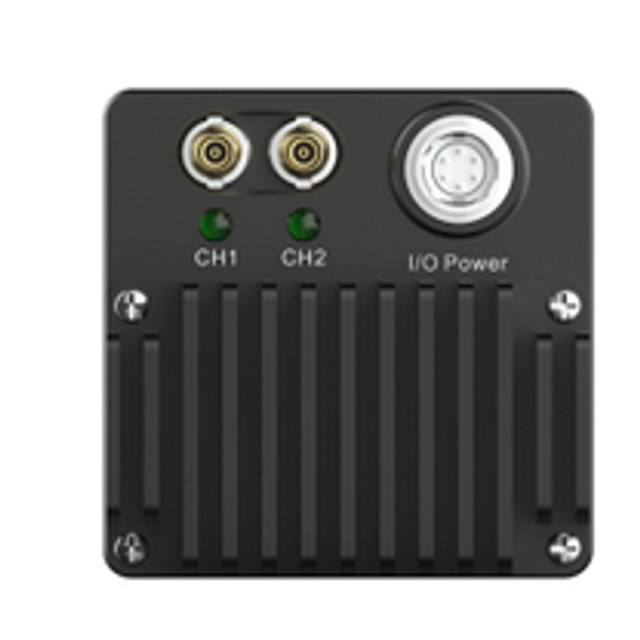
5 MP (2592x2160) monochrome CoaXPress-6 large-format area scan camera built on the Gpixel GMAX2505 global-shutter CMOS sensor running up to 210 fps.
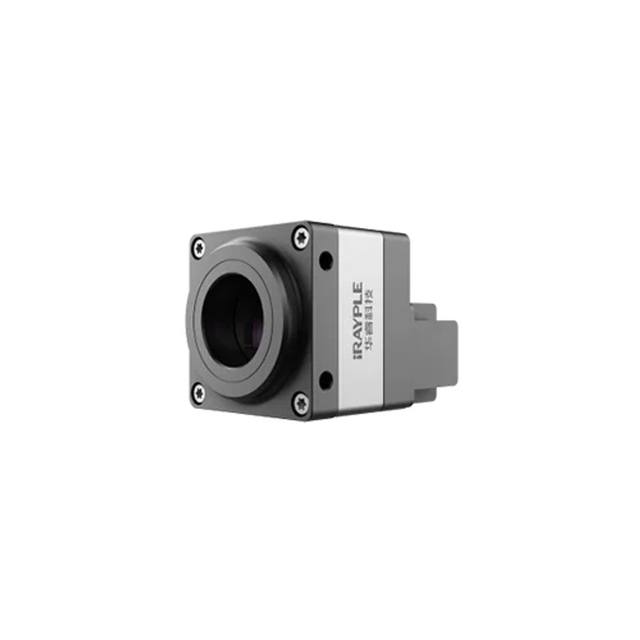
9 MP monochrome global-shutter CoaXPress (CXP-6) area-scan industrial camera with the Gpixel GMAX2509 sensor running 4192x2160 at 120 fps.
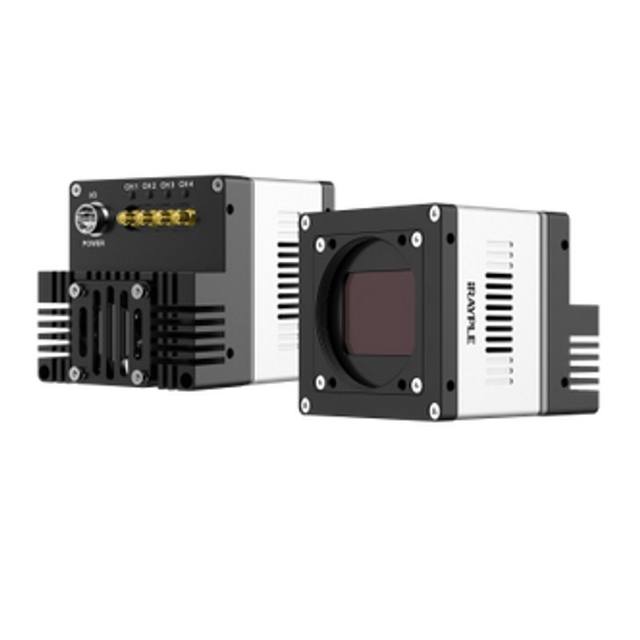
26.2MP monochrome CoaXPress (CXP-12) high-resolution area scan camera on the Gpixel GMAX0505 sensor, delivering 5120 x 5120 at 150 fps.
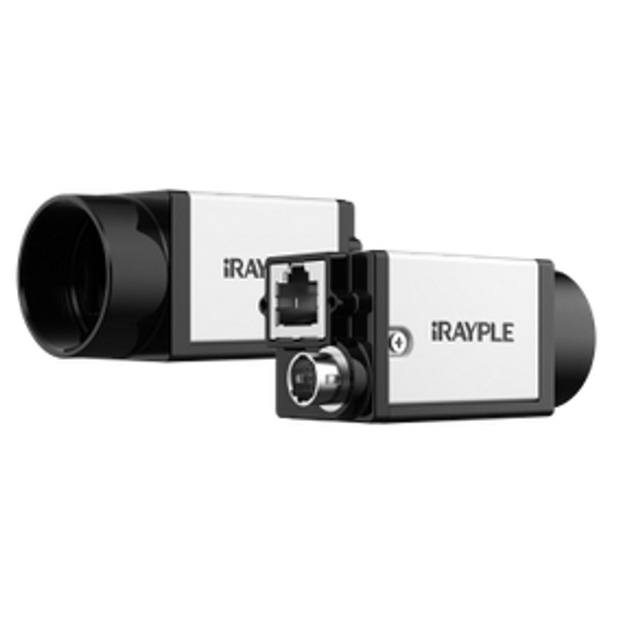
1.3 MP (1280x1024) GigE Vision area scan camera with a 1/2.7" global-shutter CMOS sensor, available in monochrome (AE3138MG010E) and colour (AE3138CG010E) at up to 92 fps.
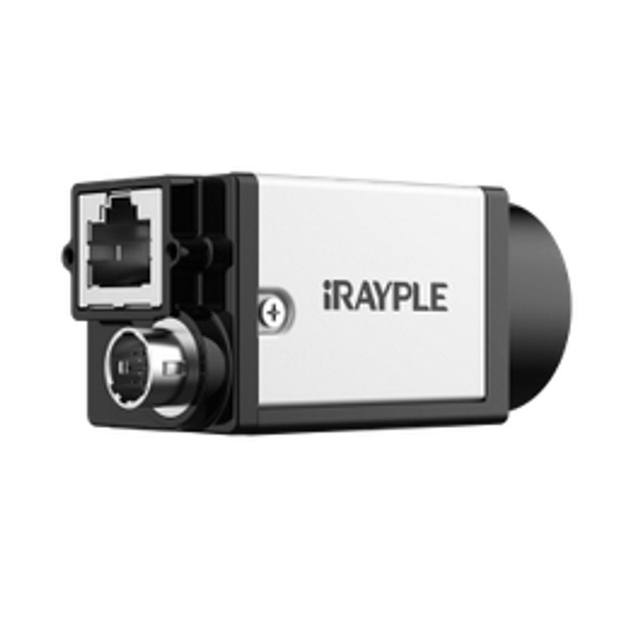
12MP (4000x3000) GigE / PoE area scan industrial camera built on the Sony IMX226 1/1.7" rolling-shutter CMOS sensor, available in monochrome (MG) and color (CG) variants at 10 fps.
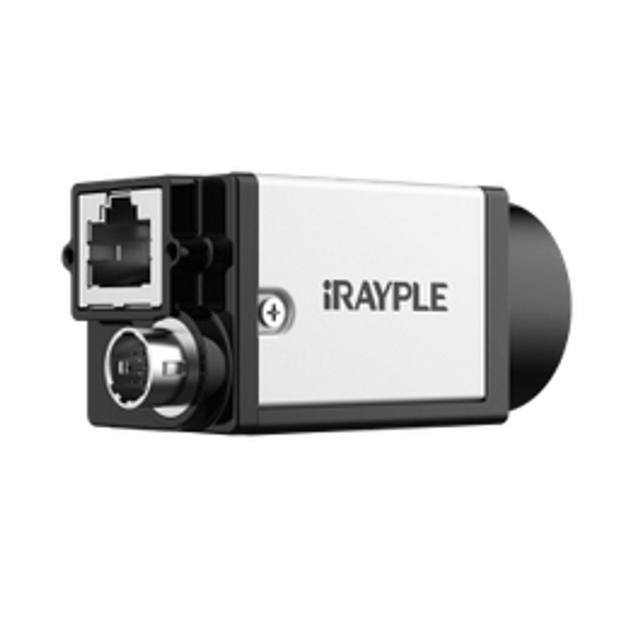
The iRAYPLE AE5137MG010E is a 1.3 MP (1280 x 1024) monochrome GigE Vision area scan camera running at 90 fps with a 4.0 µm pixel CMOS sensor and C-mount.
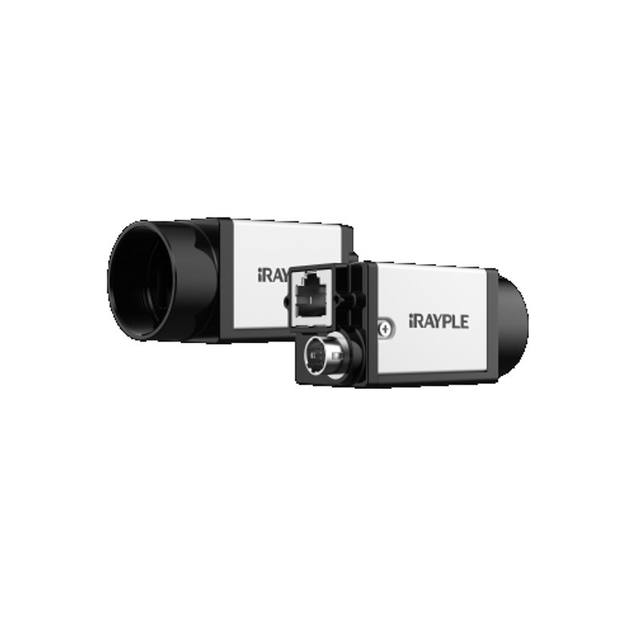
2 MP (1624x1240) GigE area scan camera built on the Sony Pregius IMX430 1/1.7" global-shutter CMOS sensor, running 60 fps with PoE, available in monochrome (AE5200MG010E) and color (AE5200CG010E).
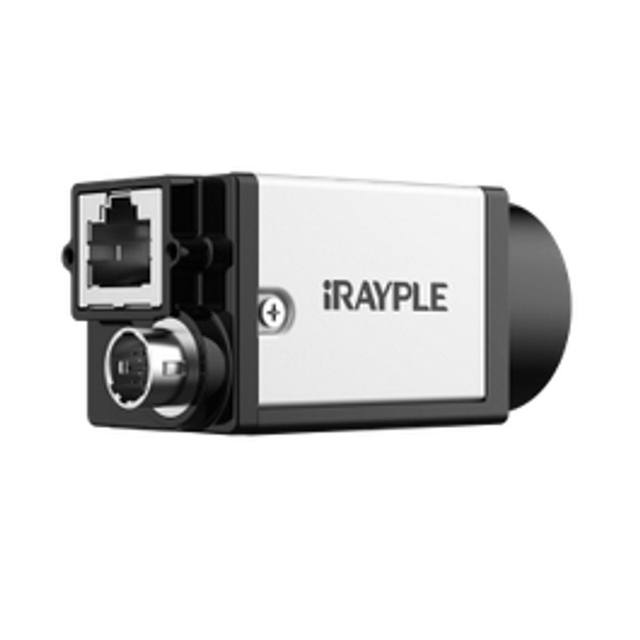
5MP (2592x2048) GigE Vision area scan camera with a 2/3" Onsemi XGS5000 global-shutter CMOS sensor, available in mono (AE7501MG010E) and color (AE7501CG010E).
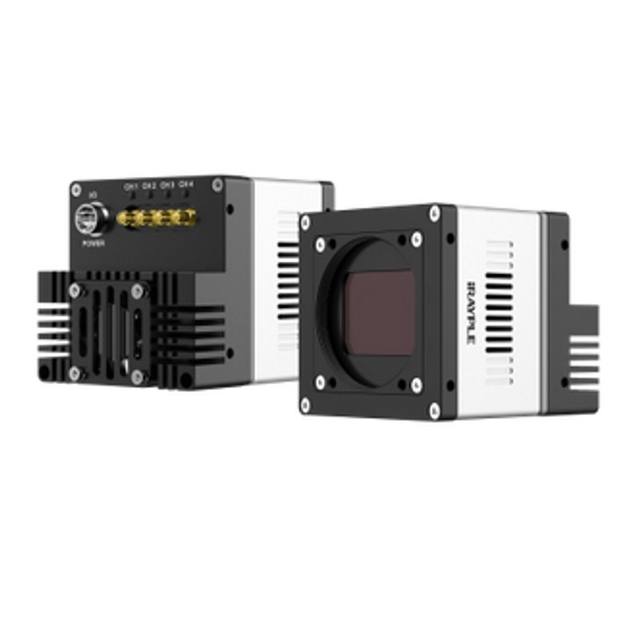
12.6MP monochrome CoaXPress (CXP-6) high-speed area scan camera on the CMOSIS CMV12000 global shutter sensor, reaching 188 fps at 4096 x 3072.
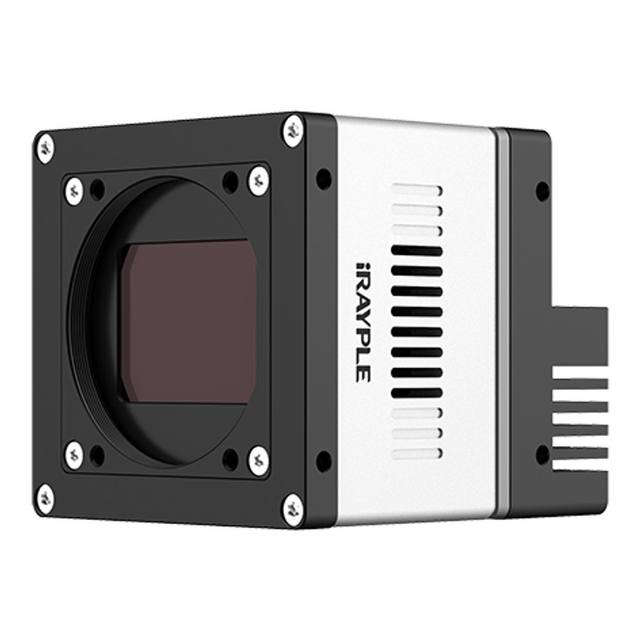
The iRAYPLE AX5B17MP050E is a 21 MP (5120x4096) monochrome global-shutter CoaXPress CXP-12 area-scan camera running at 219 fps on a Gpixel GSPRINT4521 sensor.
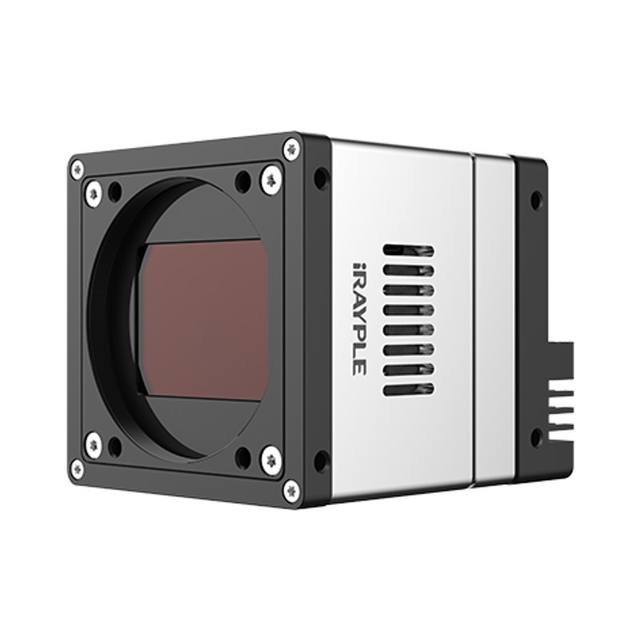
25 MP (5120x5120) 10GigE global-shutter area scan camera with an Onsemi PYTHON25K CMOS sensor running at 43 fps.
iRAYPLE AX-series 25MP (5120x5120) 10GigE area-scan camera built on the 1.1" Gpixel GMAX0505 global-shutter CMOS sensor, running up to 41 fps at full resolution in monochrome (MT) or colour (CT).
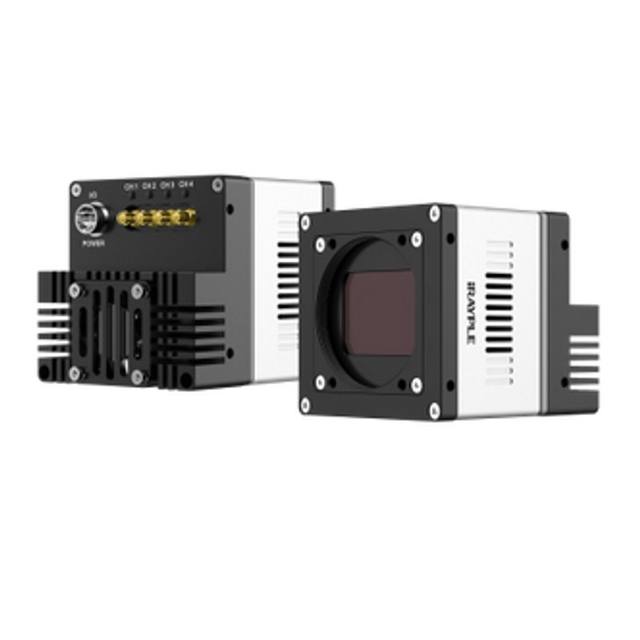
47.6MP monochrome CoaXPress (CXP-6) large-format area scan camera on the CMOSIS CMV50000 sensor, delivering 7920 x 6004 at 30 fps.
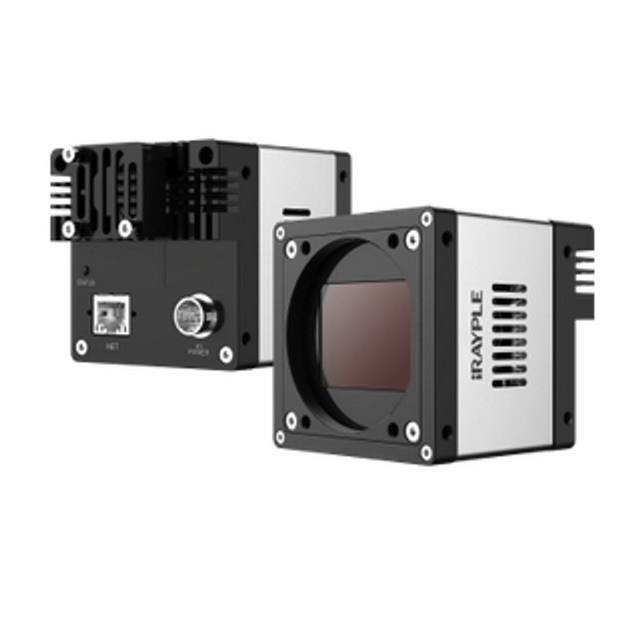
iRAYPLE AX-series 50MP (9344x5000) GigE Vision area-scan industrial camera running at 2.6 fps, available in monochrome (MG) and colour (CG) versions on a customized Gpixel global-shutter CMOS sensor.
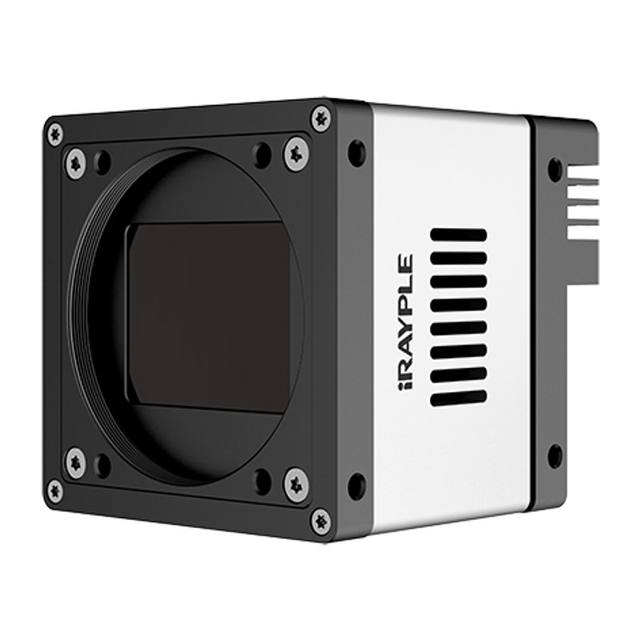
46 MP (9280x4992) Camera Link global-shutter large-area-scan industrial camera available in monochrome (MK) and colour (CK) at 17.5 fps.
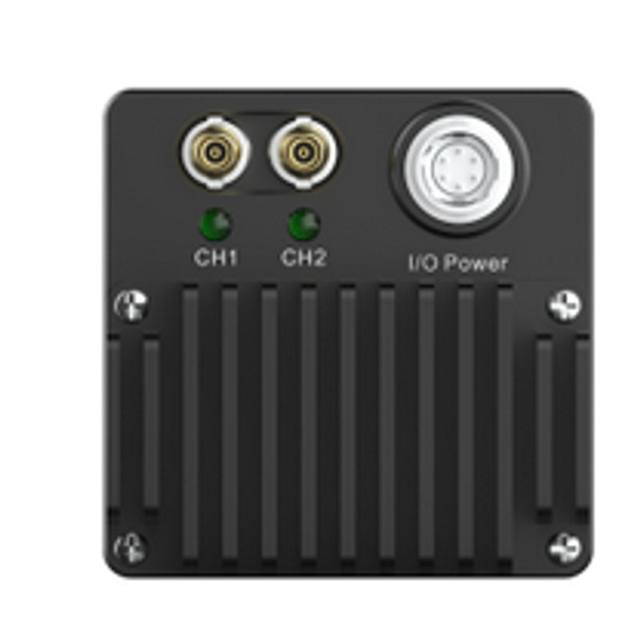
iRAYPLE AX Large Area Scan 65MP (9344x7000) CoaXPress CXP-6 global-shutter area scan camera built on the Gpixel GMAX3265 sensor, available in monochrome (MX250E) and colour (CX250E) at 31 fps.
151MP CoaXPress CXP-6 industrial area-scan camera with a 14192x10640 Sony IMX411 sensor running at ~6 fps, available in monochrome (MX) and colour (CX) readout variants.
2K (2048 px) GigE CMOS line scan camera with a 49 kHz line rate and 14 µm pixels, available in monochrome (L5022MG141E) and colour (L5022CG141E) versions.
iRAYPLE 5000-series 2K (2048 px) GigE line scan cameras available in mono (L5027MG140E, L5027MG400E) and colour (L5027CG140E) variants with line rates of 49-59 kHz.
8192-pixel monochrome CMOS Camera Link line scan camera with an ams OSRAM DR-8K-7 sensor, 7 µm pixels, 80 kHz line rate and M72 mount.
Industrial machine-vision cameras are built around a different set of priorities than consumer or broadcast cameras. They expose raw, uncompressed image data; they accept hardware triggers so a capture can be locked to a sensor, encoder or PLC signal; and they speak standardised protocols (GenICam over GigE Vision, USB3 Vision, CoaXPress or Camera Link) so any compliant software can drive them. The housing, connectors and mounting are designed for fixed installation on a machine, often with industrial temperature ratings and lockable cabling, rather than for handheld use.
Just as important is what they leave out. There is usually no autofocus, no auto-exposure guessing and no in-camera image "enhancement", because a vision system needs deterministic, repeatable images, not pretty ones. The lens is a separate, deliberately chosen optic; the lighting is engineered for contrast; and exposure and gain are set and locked. Treat the camera as one link in an imaging chain (lens, lighting, interface, processing) rather than a self-contained device, and the selection process becomes far clearer.
Across this catalogue the camera brands are Basler, iRAYPLE and Omron/Sentech (STC), with Datalogic/Datasensing strongest in code readers and vision sensors. All of them offer multiple sensor formats and interfaces, so the right starting point is the requirement, not the badge: define what the system must see and how fast, then let that shortlist the models.
The most fundamental split is area scan versus line scan. An area-scan (matrix) camera captures a complete 2D frame in one exposure and suits discrete parts that can be presented and triggered one at a time; it is the default for the large majority of inspections. A line-scan camera images one pixel-row at a time and builds the picture as the material moves past, which is the right tool for continuous web, strip and foil, for rotating or cylindrical surfaces that must be unwrapped, and for very wide products that need uniform high resolution across the full width.
Within the area-scan world, two further families are called out because they push specific axes. High-resolution cameras prioritise pixel count and fine pixel pitch to resolve small features over a large field of view; they demand matching optics and a high-bandwidth interface, and they are sized from the field of view and the smallest defect rather than chosen for headline megapixels. High-speed cameras prioritise frame rate, freezing fast motion and keeping up with rapid sorting or production lines; they typically pair a global shutter with strobed lighting and a fast interface such as CoaXPress.
Beyond conventional 2D imaging sit the specialist families. 3D cameras capture height or shape (via laser triangulation, stereo or time-of-flight) for volume, flatness, bead and assembly checks that a flat image cannot make. SWIR and UV cameras image outside the visible band to reveal what visible light hides, moisture and fill levels under packaging, sub-surface features, or coatings and contamination that only fluoresce or absorb in the UV. Embedded and board-level cameras are stripped-down modules for OEMs and engineering teams building vision directly into their own machines, where size, cost and integration matter more than a finished enclosure.
Whichever sub-type you land on, the camera alone does not determine image quality. The lens must cover the chosen sensor format, hit the working distance and magnification your field of view requires, and resolve detail finer than the pixel pitch, otherwise extra megapixels are simply wasted. For dimensional gauging, a telecentric lens removes the perspective error a standard entocentric lens introduces. Lighting frequently decides whether a defect is visible at all: the geometry (ring, dome, backlight, coaxial, dark-field or line) is chosen to maximise contrast on the specific feature, and it must be bright and stable enough for the short exposures that speed and motion demand.
The interface and processing close the loop. Resolution multiplied by frame rate and bit depth sets the data rate, which selects GigE Vision (moderate rate, long reach, PoE), USB3 Vision (higher rate, short cable, single camera) or CoaXPress (multi-GB/s with a frame grabber for high-speed and line-scan work). Size the link above your peak rate, not at it, and confirm the host has the CPU or GPU headroom to process every frame within the cycle time. Where the inspection itself is hard, subtle cosmetic defects or decisions that resist rule-based logic, a deep-learning layer such as Rosepetal can sit on top of correctly specified hardware, and AIS Vision can validate or integrate the complete chain when you want the whole station signed off rather than just a camera shipped.
A practical, application-first method for selecting an industrial camera: derive resolution from field of view and smallest detail, then match shutter, speed, interface, lens and lighting.
How to size camera resolution from field of view and the smallest defect using the 3-5 px rule, plus why optics, lighting and bandwidth cap usable resolution.
A practical decision guide to the three dominant machine-vision interfaces: bandwidth, cable length, multi-camera support, PoE, latency, frame grabber needs and cost.
We help you choose industrial cameras based on your application, FOV, working distance and environment.