Food and beverage production lines are among the harshest environments machine vision has to survive. Equipment is sprayed daily with high-pressure hot water, foaming detergents and caustic or acidic sanitisers, then subjected to thermal swings as a hot wash meets a chilled product zone. A camera or code reader that performs perfectly on a clean benchtop can fail within weeks on a line if its sealing, materials and thermal design were not specified for washdown from the outset.
The vision task itself is usually familiar: checking fill level and cap presence, verifying labels, reading lot and best-before codes, confirming seal integrity or detecting foreign objects. What changes is everything around the sensor. The right approach is to treat ingress protection, hygienic design and chemical compatibility as primary selection criteria rather than afterthoughts, and to validate the whole installation, including enclosures, cabling and lighting, against the plant's actual cleaning regime.
What washdown really demands: IP65, IP67 and IP69K
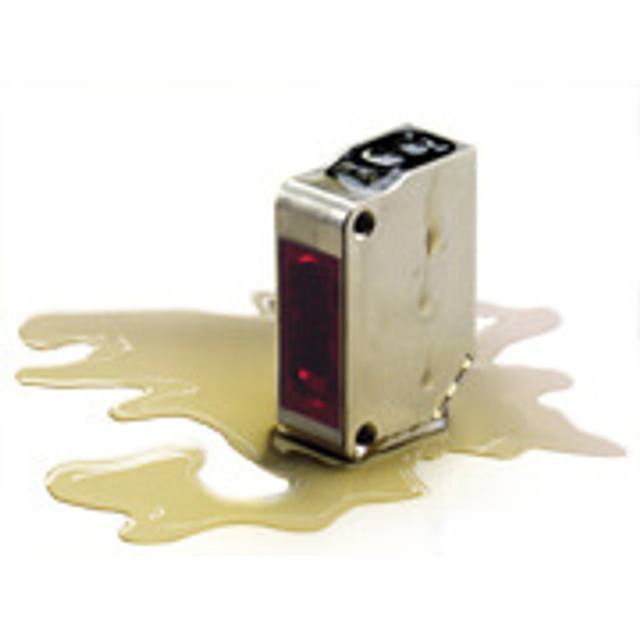
Ingress protection ratings are the first filter, but they are frequently misread. IP65 means protection against low-pressure water jets from any direction; IP67 adds protection against temporary immersion; IP69K is the rating that actually matters on a sanitation line, because it certifies resistance to close-range, high-pressure (around 80 to 100 bar) hot-water jets at temperatures up to roughly 80 C. A device rated only IP65 or IP67 can still be driven to failure by an IP69K-class cleaning lance.
Crucially, the rating applies to the device as a sealed assembly, which means it is only valid if the connectors are mated with matching rated cables and the housing is intact. A camera body rated IP67 connected through an unsealed M12 connector or an ordinary RJ45 is no longer protected. When you specify hardware, specify the full chain: body, connector standard, cable jacket and any lens tube or front window, because the weakest sealed joint defines the real protection level.
- IP65: protection against water jets, suitable for splash zones away from direct cleaning
- IP67: adds temporary immersion, useful where flooding or pooling can occur
- IP69K: high-pressure, high-temperature jet cleaning, the benchmark for direct washdown zones
- The rating is only valid for the fully mated assembly: matching connectors and rated cabling are mandatory
Hygienic design and chemical compatibility
Ratings describe water ingress; hygienic design addresses what happens to the surfaces themselves. In open product zones, EHEDG-style principles call for AISI 316L stainless steel housings, smooth radiused surfaces with no flat ledges where water or product can collect, and minimal crevices or exposed threads that can harbour bacteria. Even where the camera sits in a splash zone rather than directly over open product, stainless or hygienically finished enclosures sharply reduce cleaning time and the risk of harbourage.
Chemical compatibility is the failure mode that surprises integrators most often. Caustic (high-pH) and peracetic or chlorinated (oxidising) sanitisers attack the wrong polymers and degrade gasket elastomers; a seal that resists water will not necessarily resist daily caustic foam. Plastic camera bodies, polycarbonate windows and standard cable jackets can craze, swell or yellow under repeated chemical exposure, and a clouded front window quietly destroys image contrast long before the device stops working. Specify materials and window coatings against the specific sanitiser chemistry and concentration used on that line, not against water alone.
Thermal cycling is the third stressor. Repeated hot-wash followed by cold-product or chilled-room exposure pumps moisture through any micro-leak by thermal breathing, and condensation on a cold optical window in a warm cleaning cycle can fog imaging at exactly the wrong moment. Hardware intended for washdown should carry a stated operating and storage temperature range that covers both extremes, and the installation should manage condensation rather than assume the rating eliminates it.
Recommended hardware: IP-rated cameras, lighting and code readers
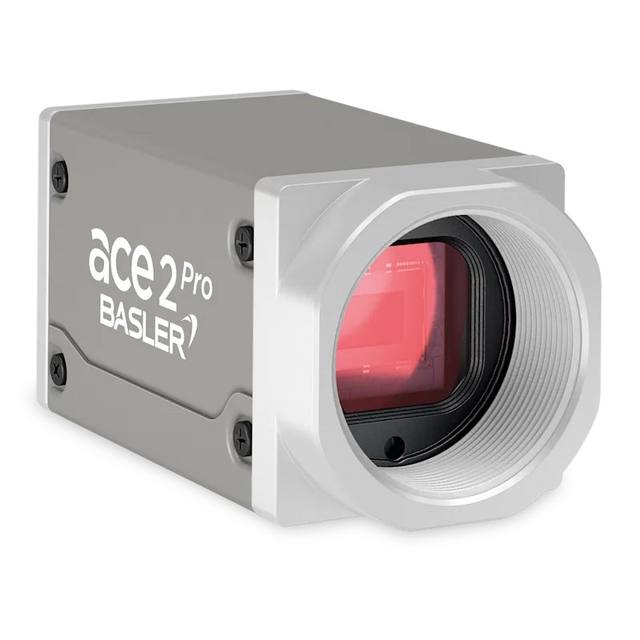
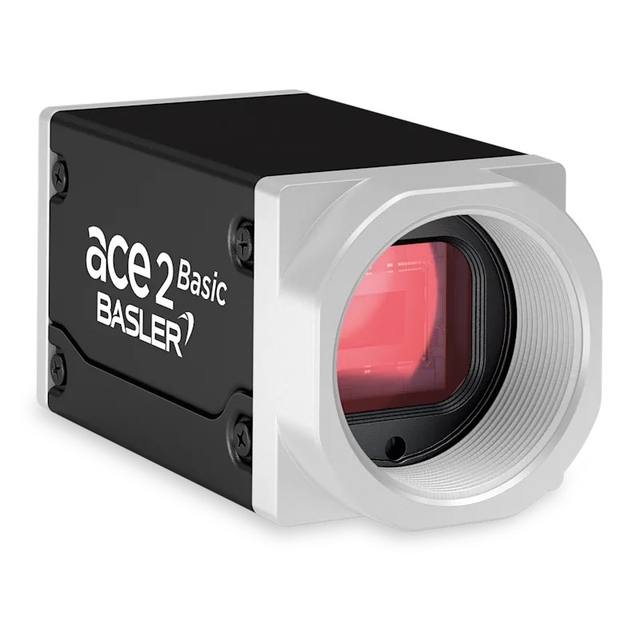
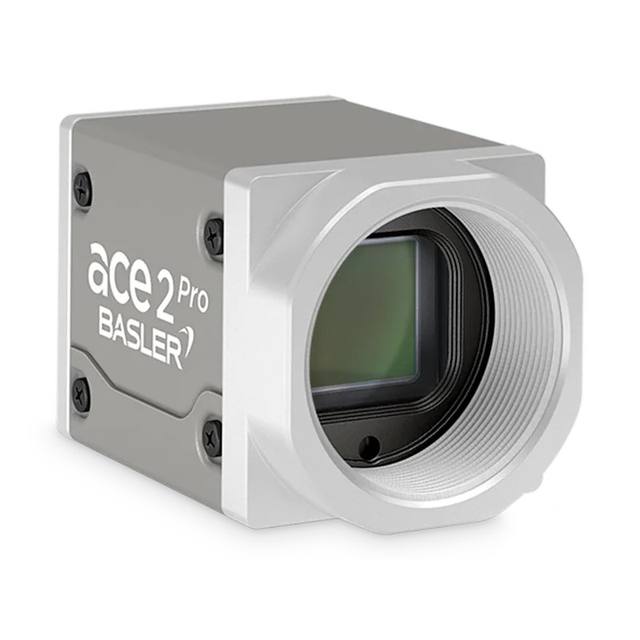
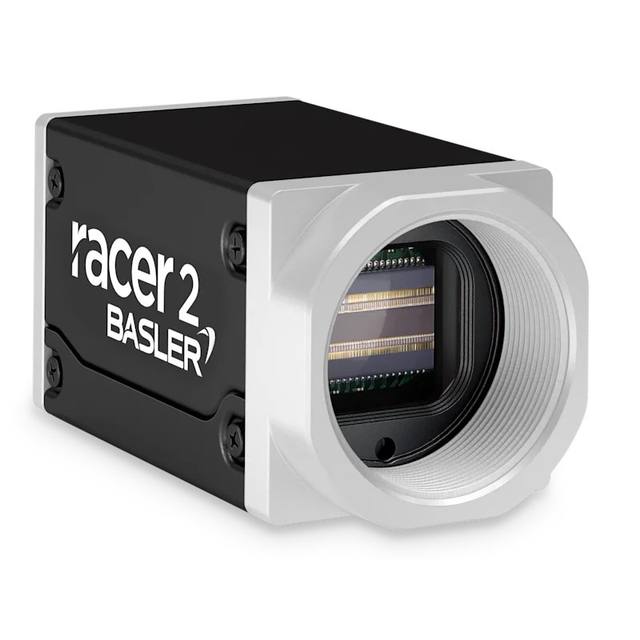
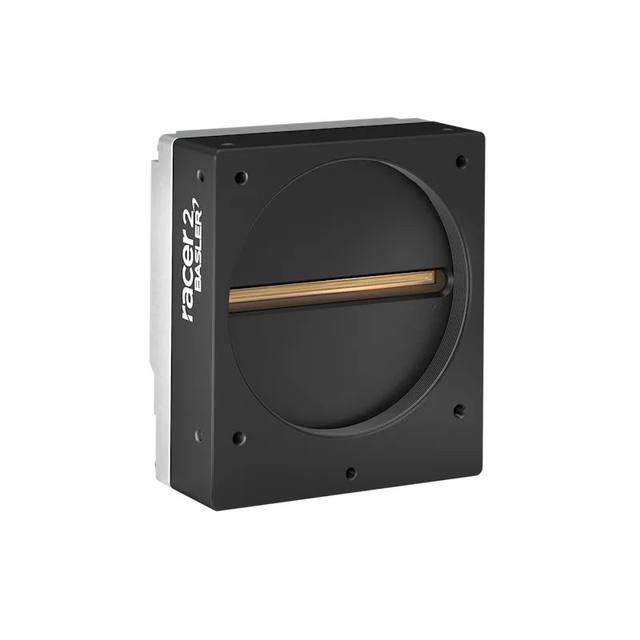
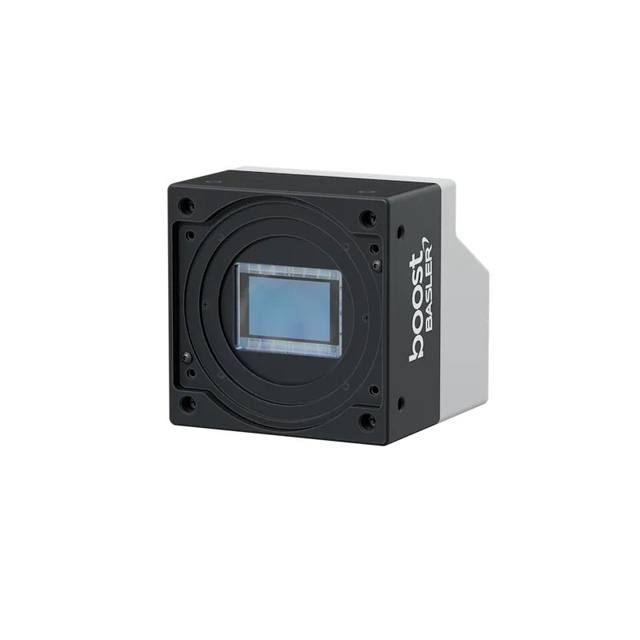
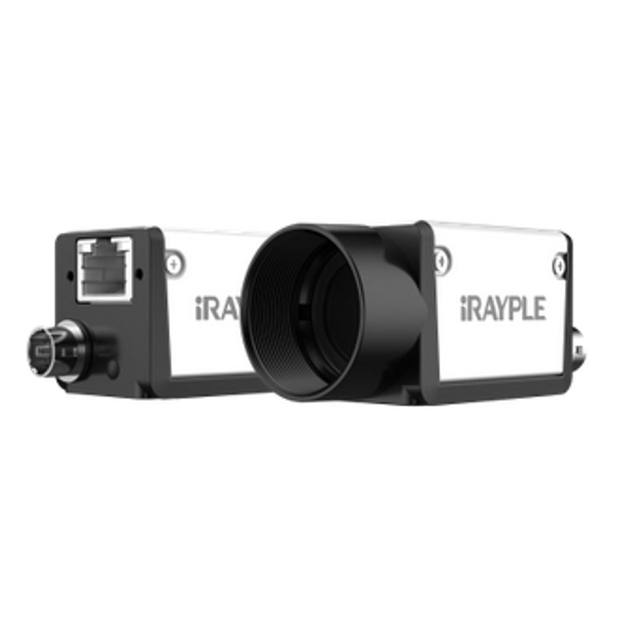
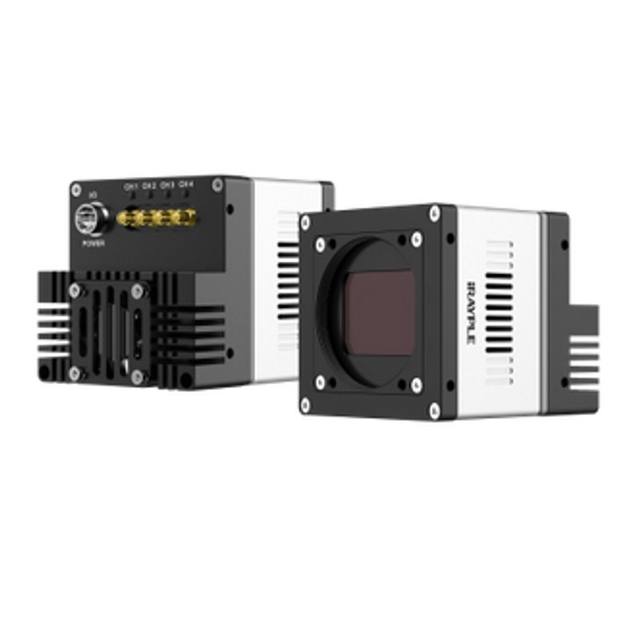
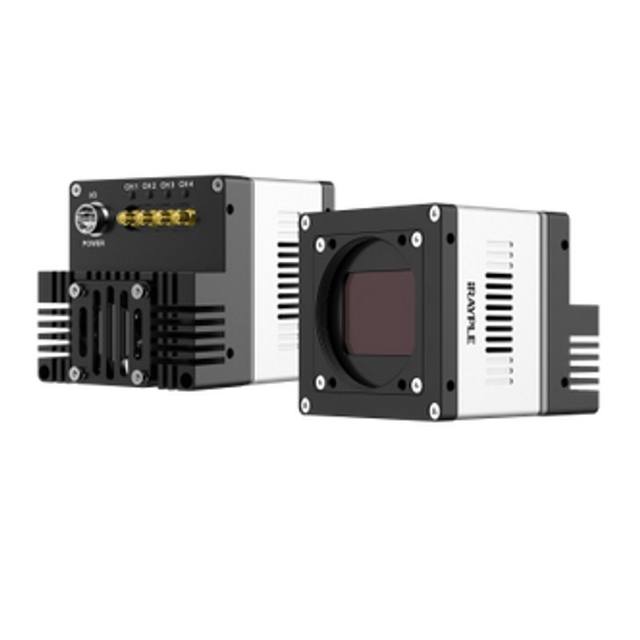
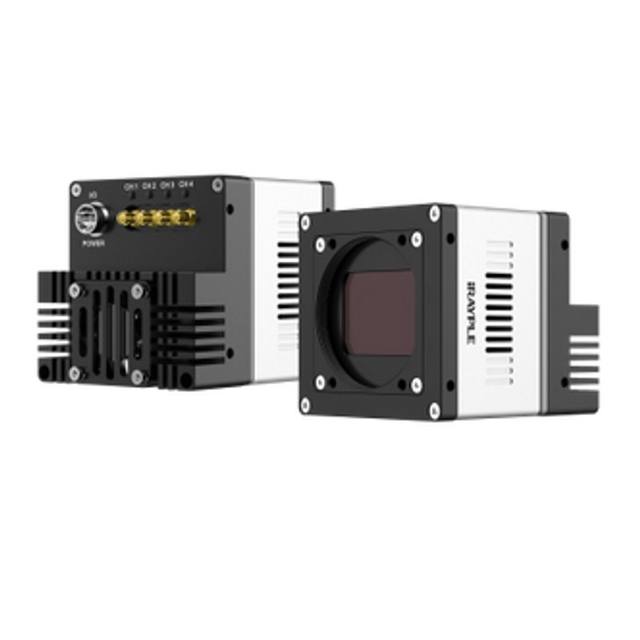
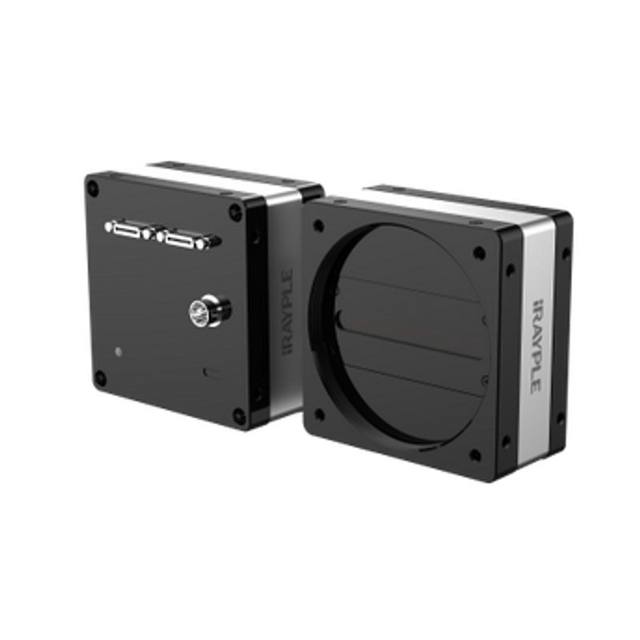
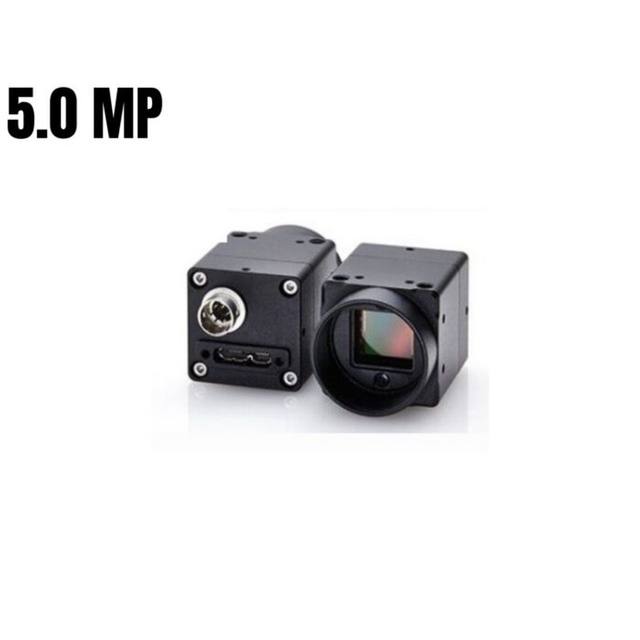
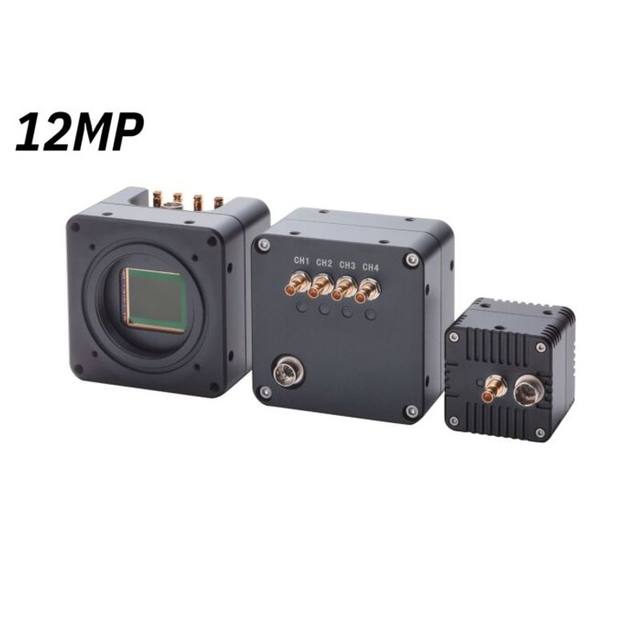
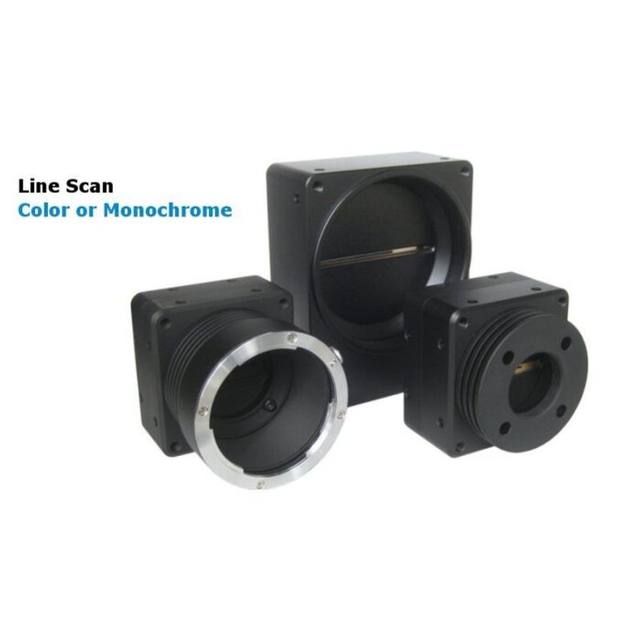
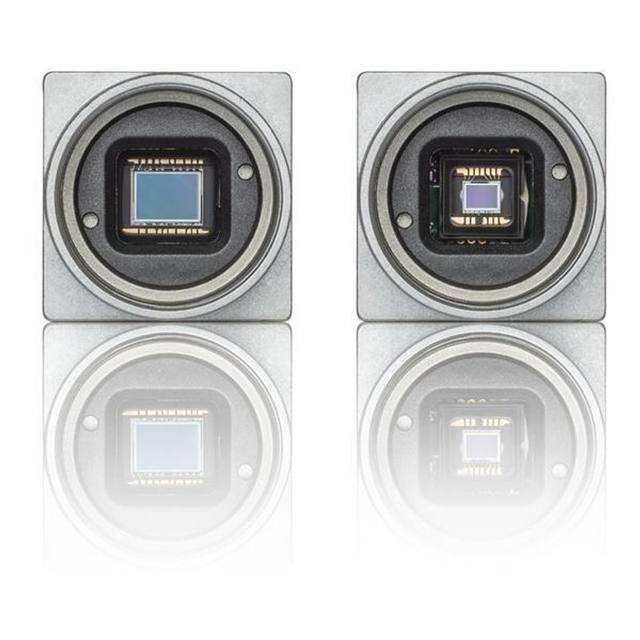
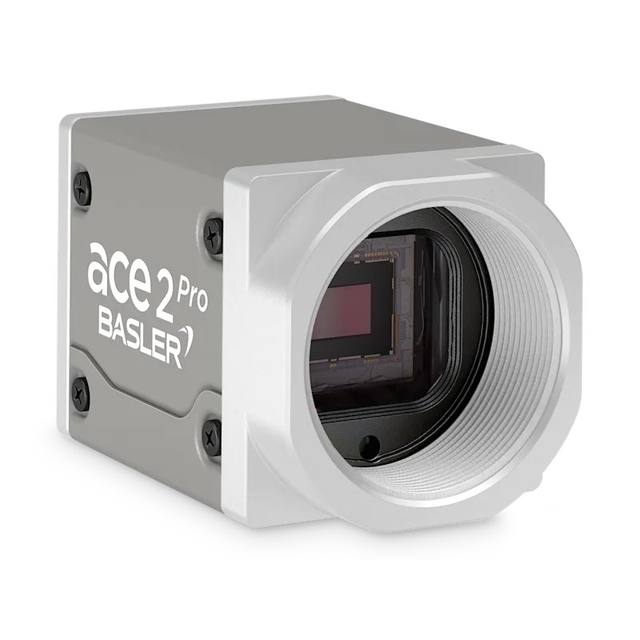
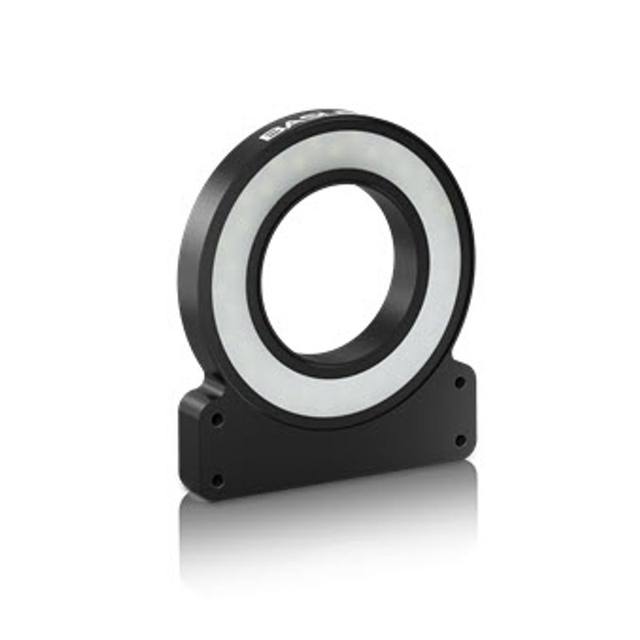
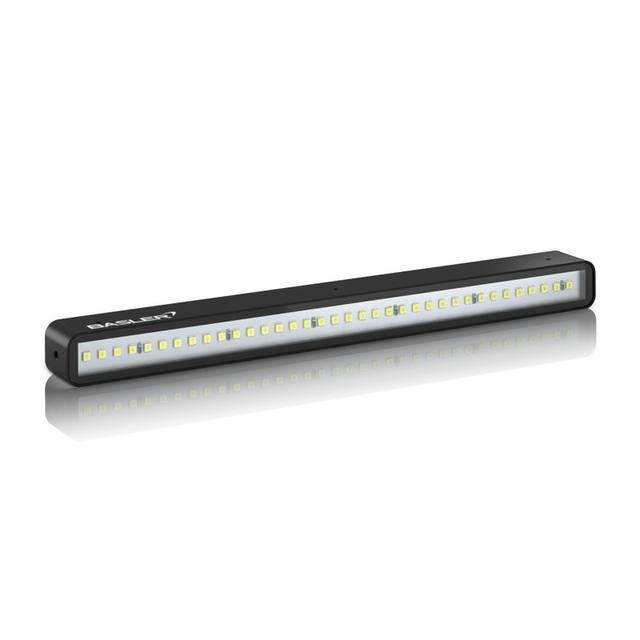
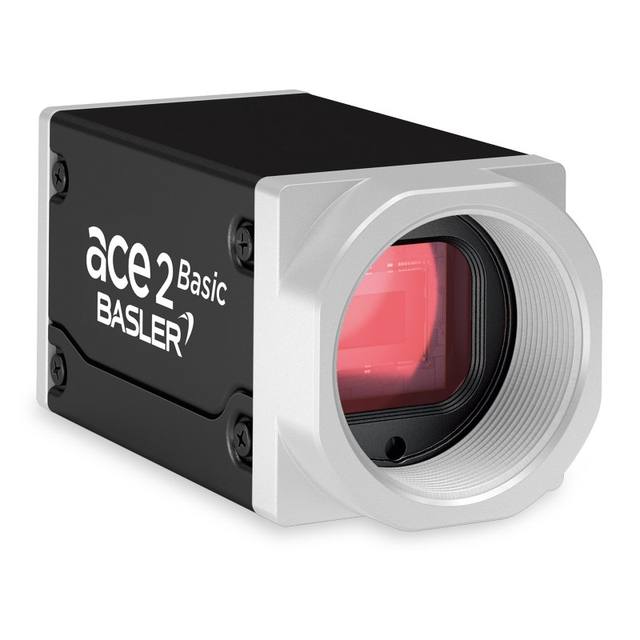
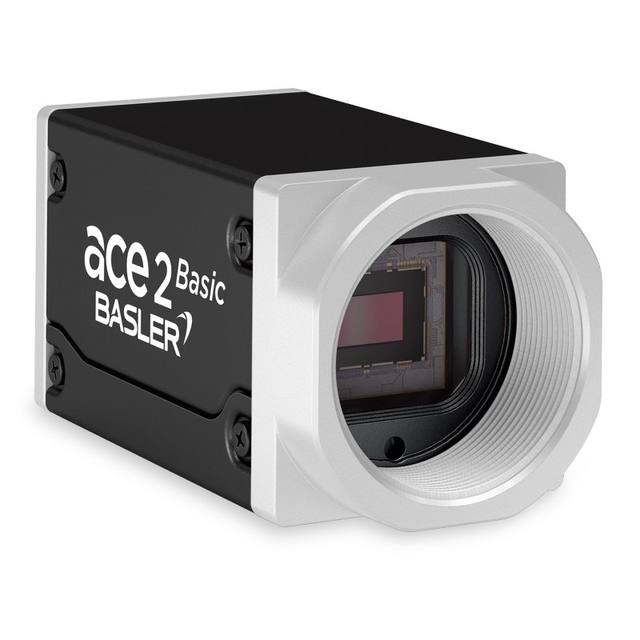
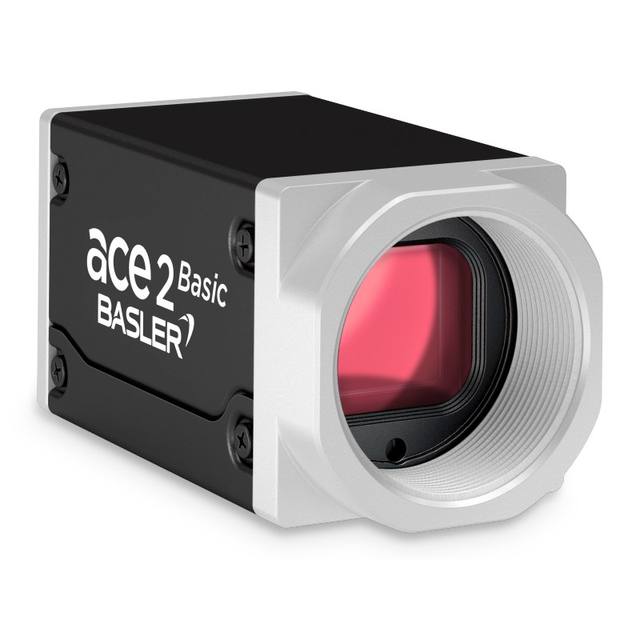
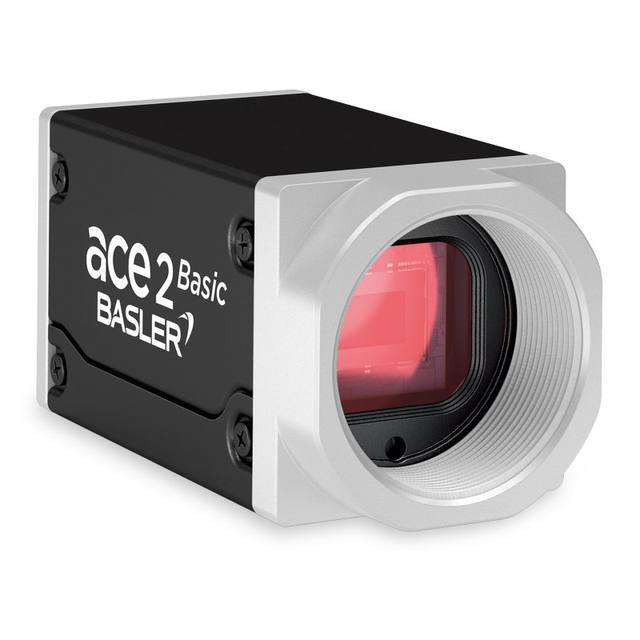
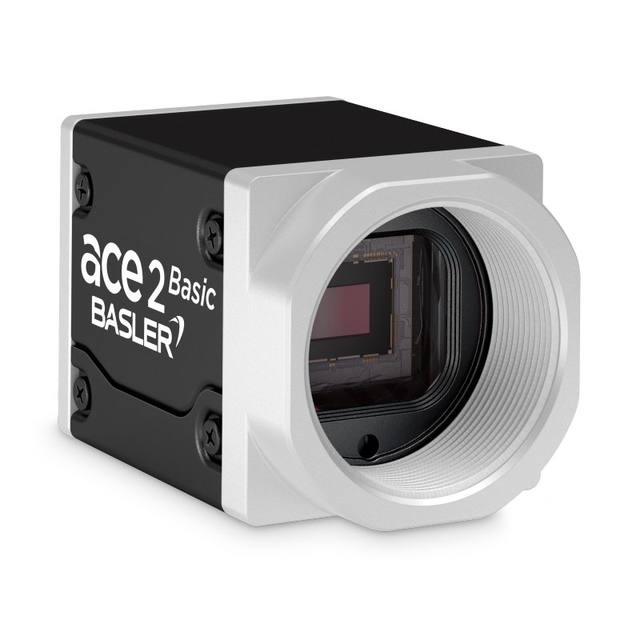
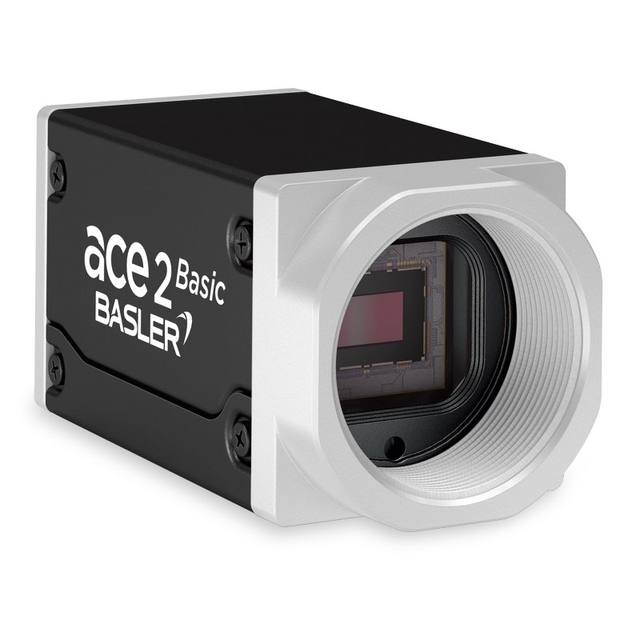
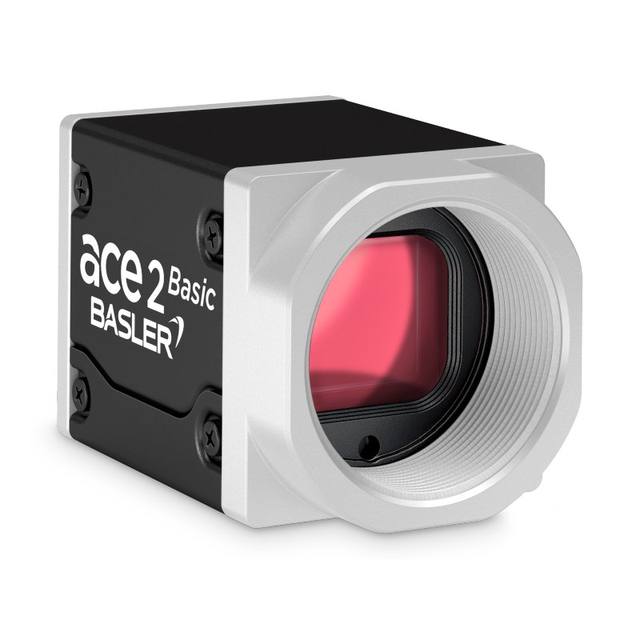
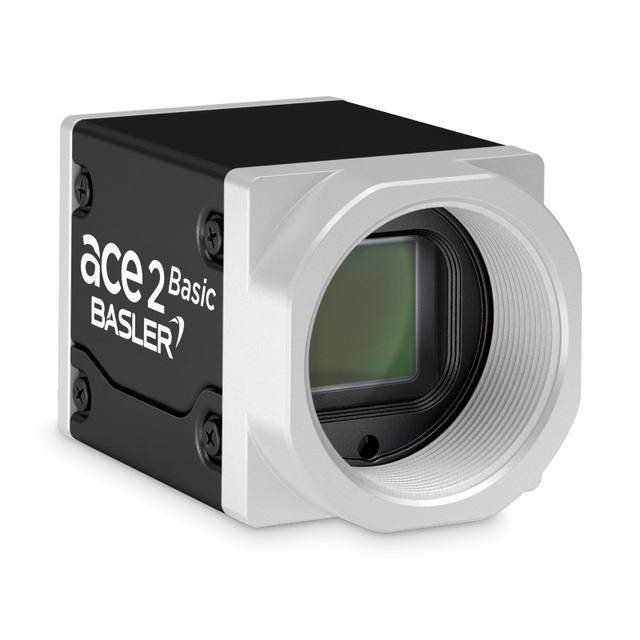
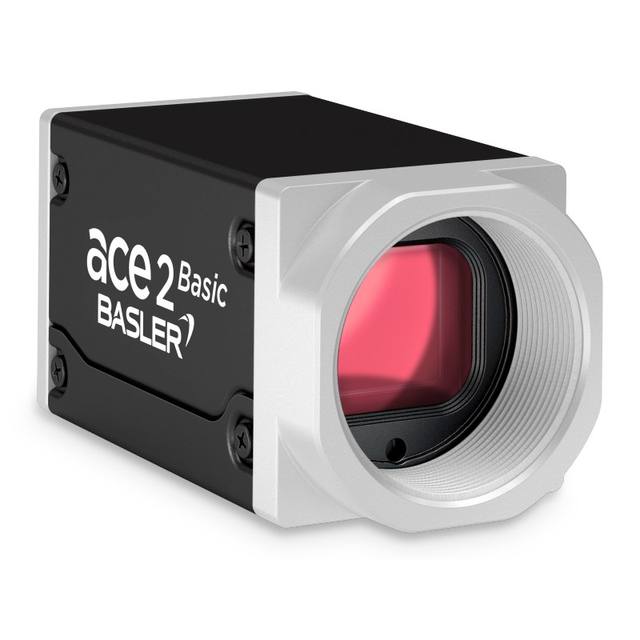
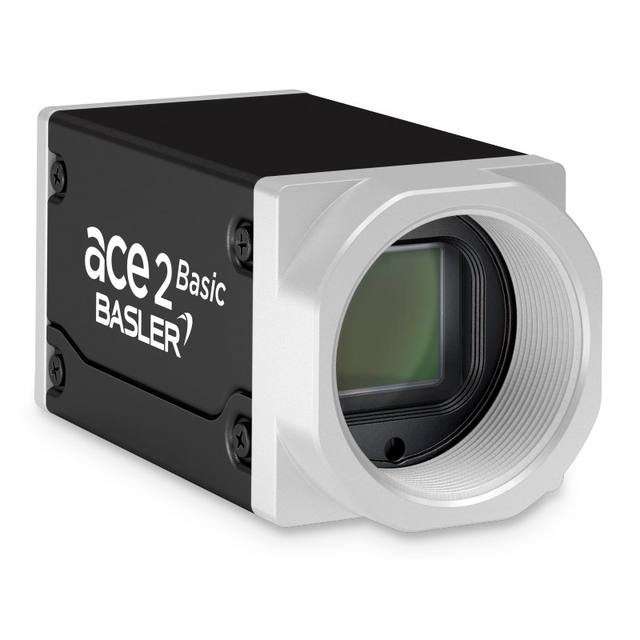
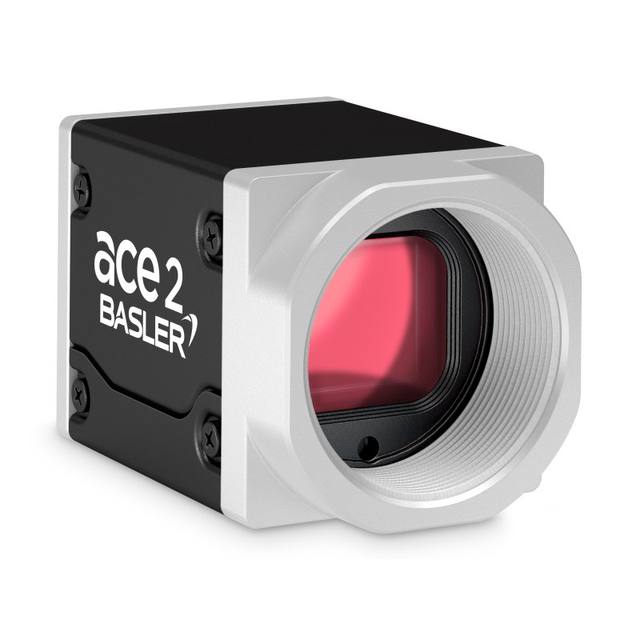
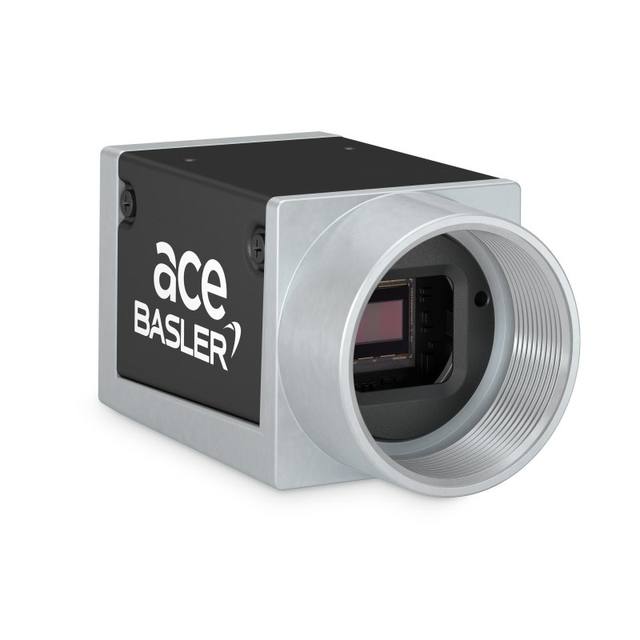
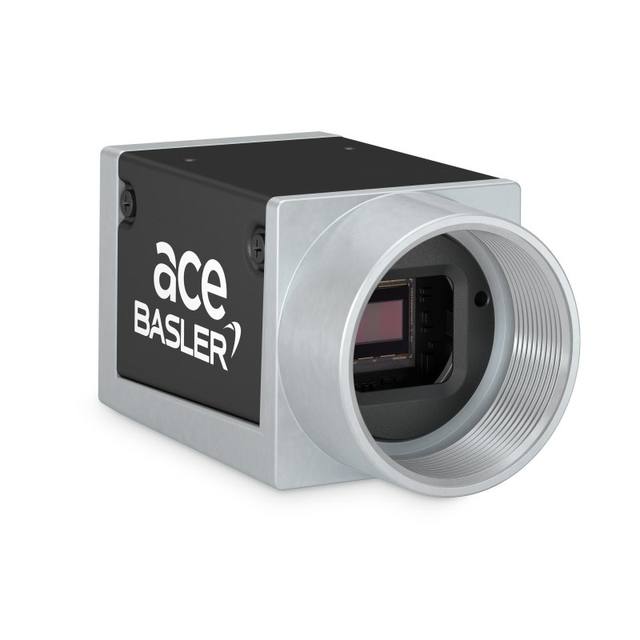
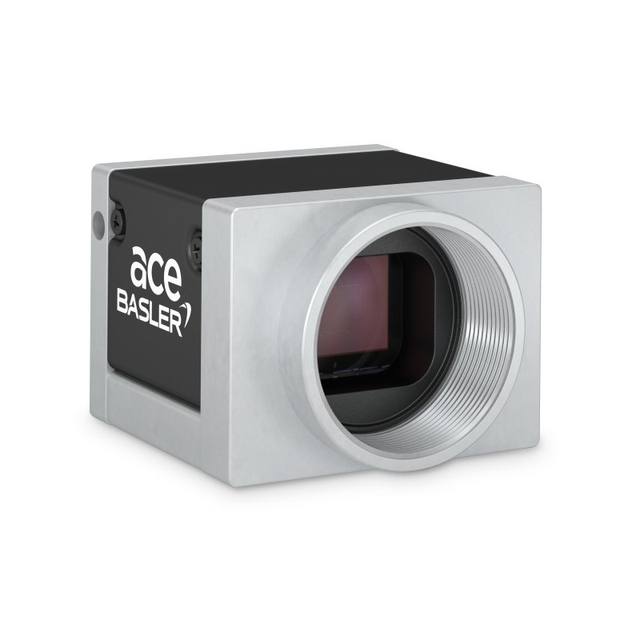
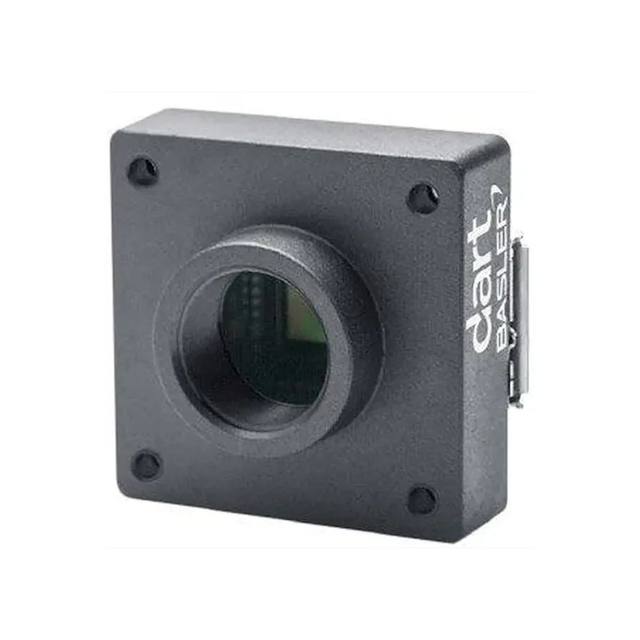
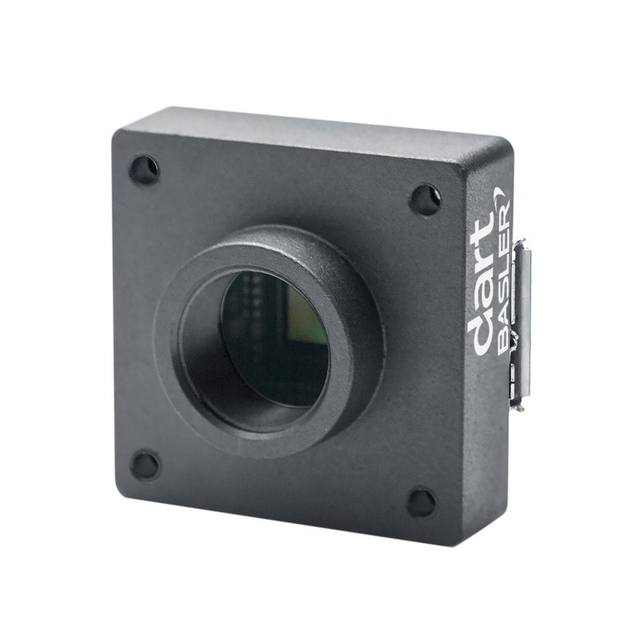
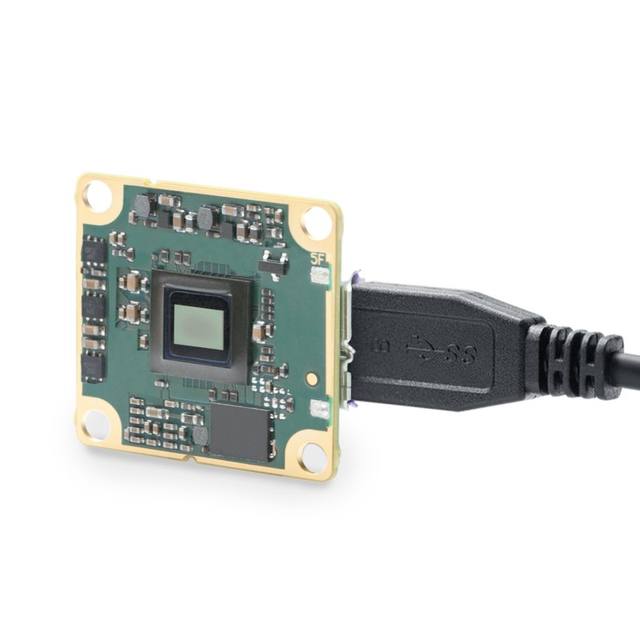
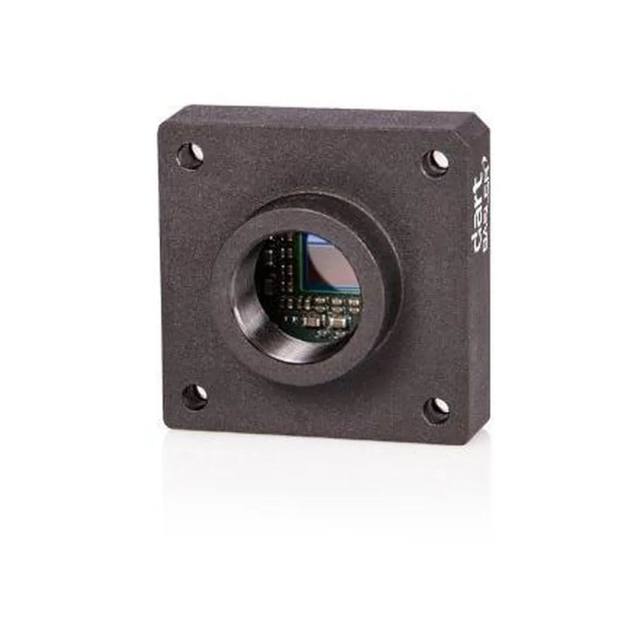
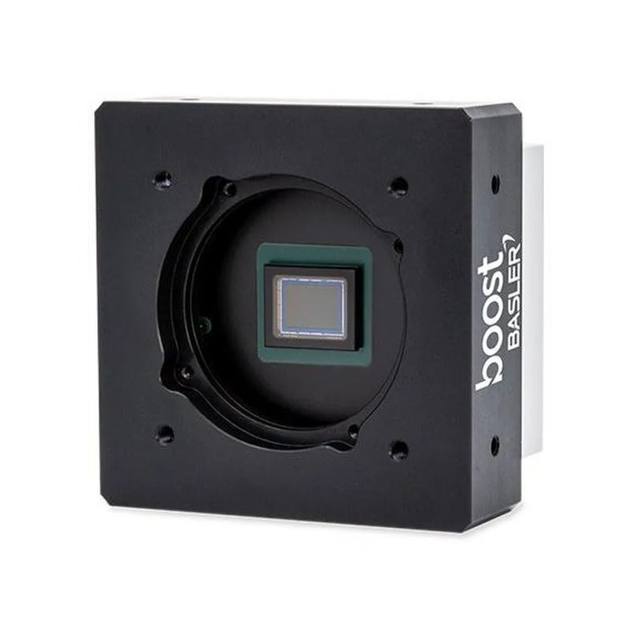
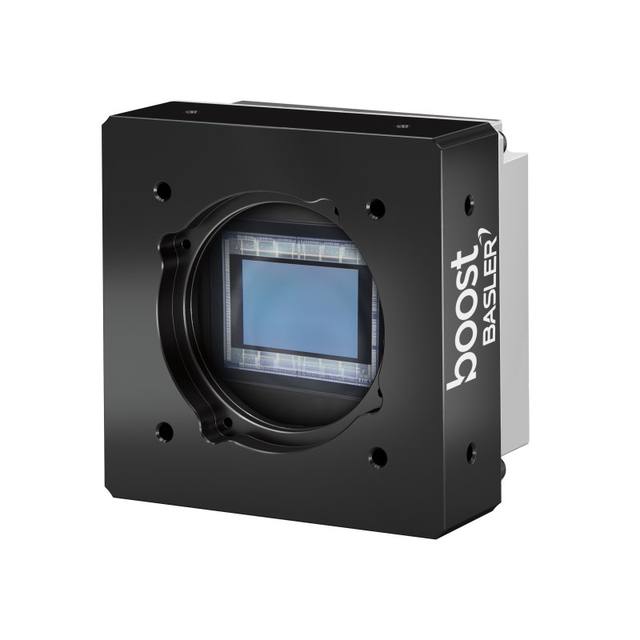
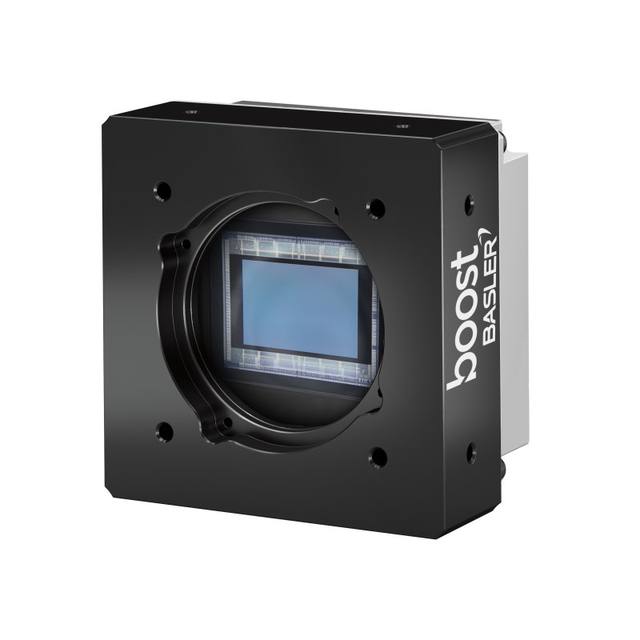
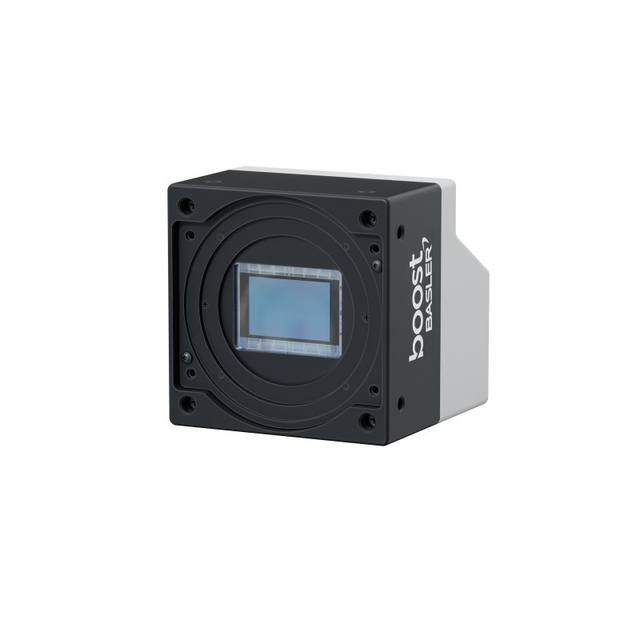
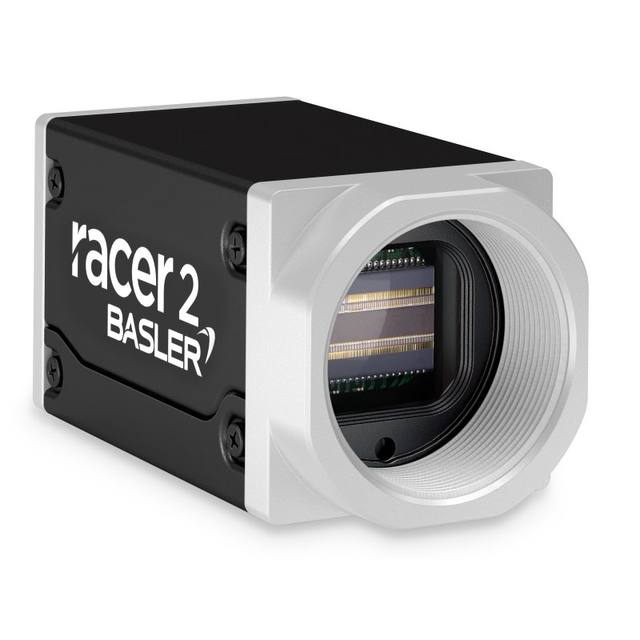
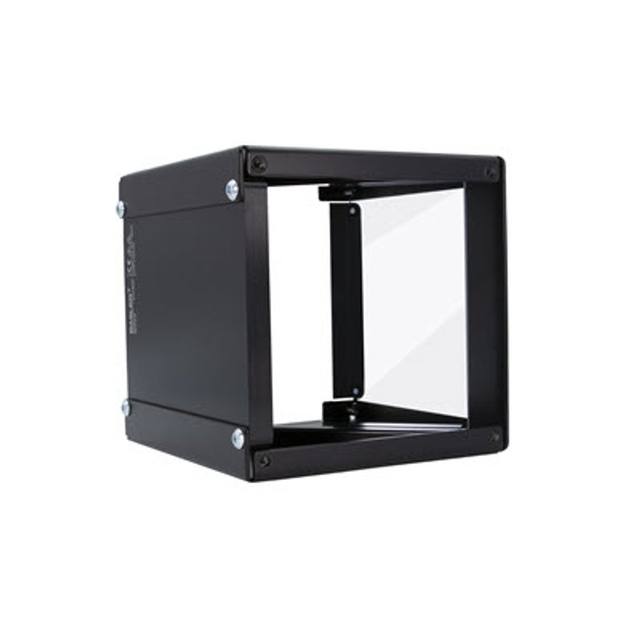
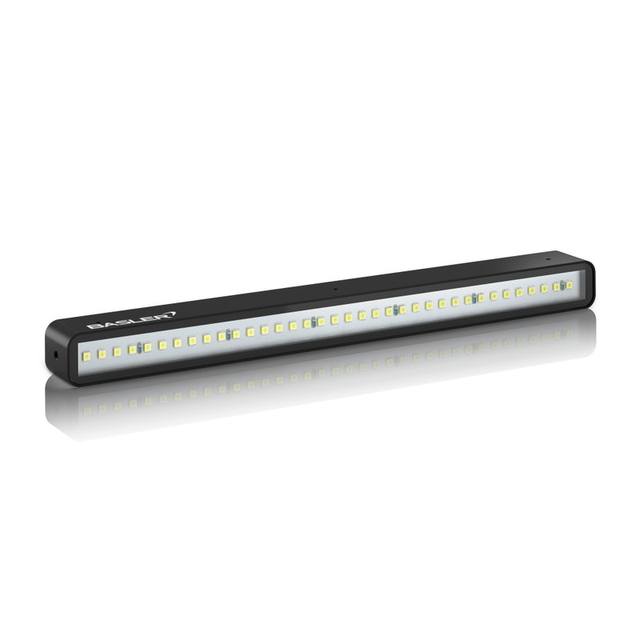
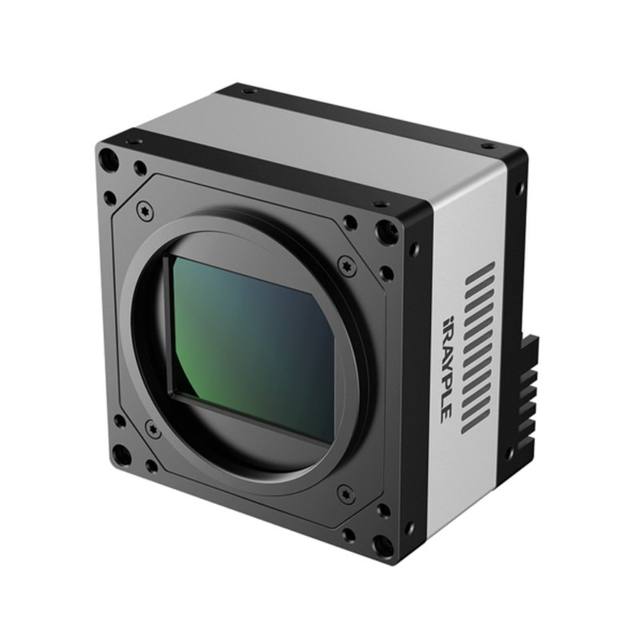
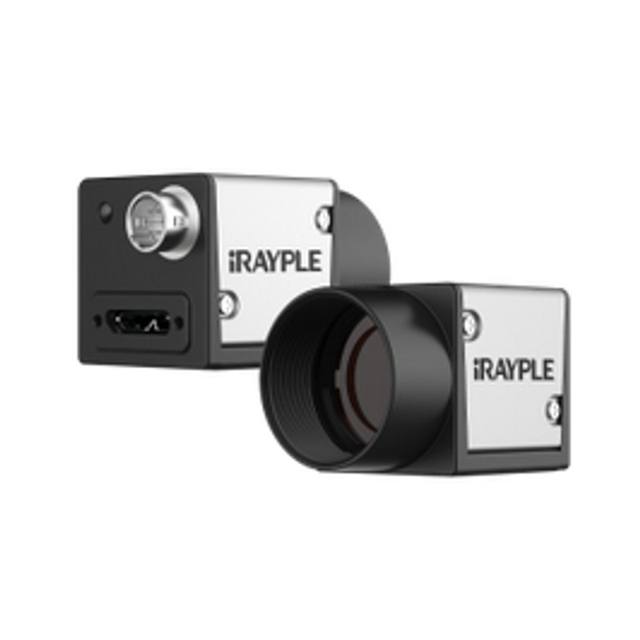
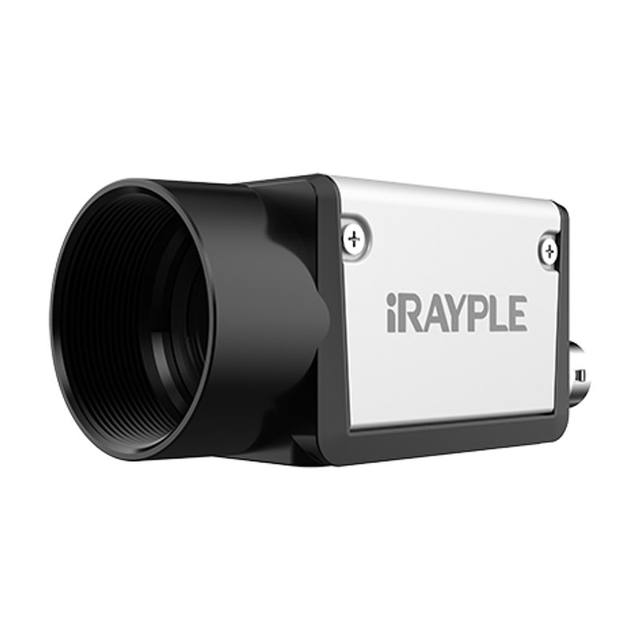
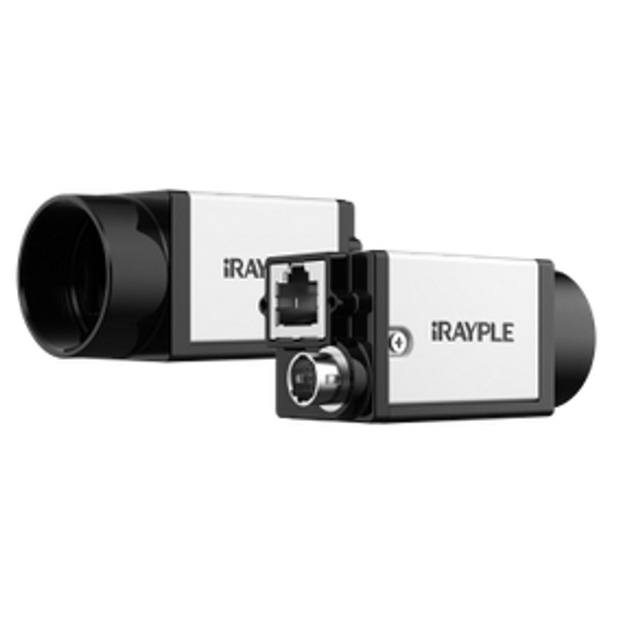
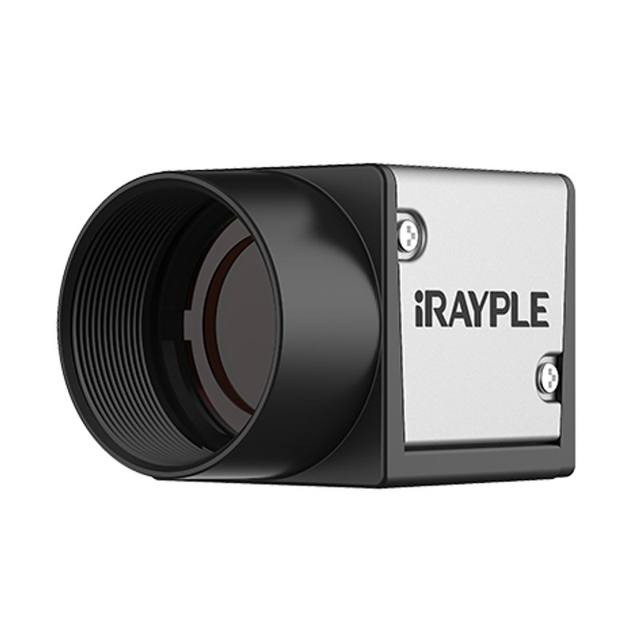
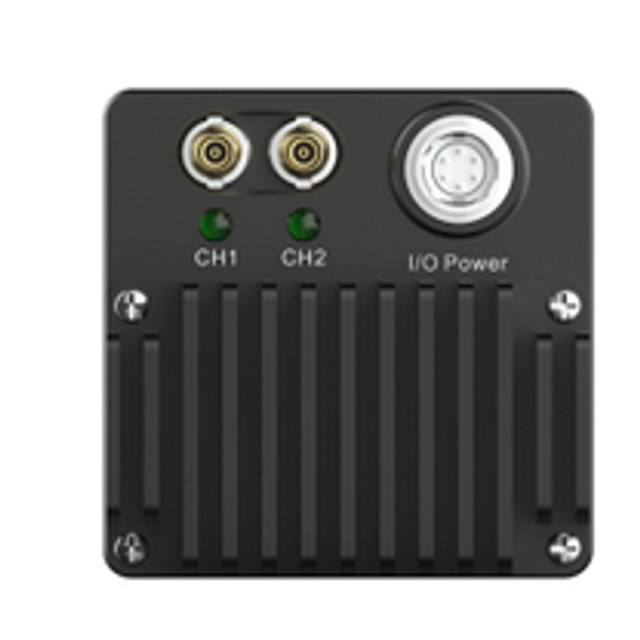
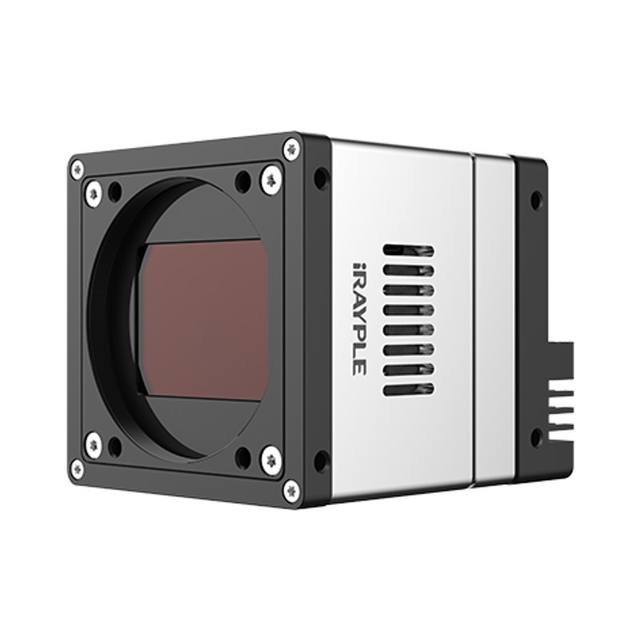
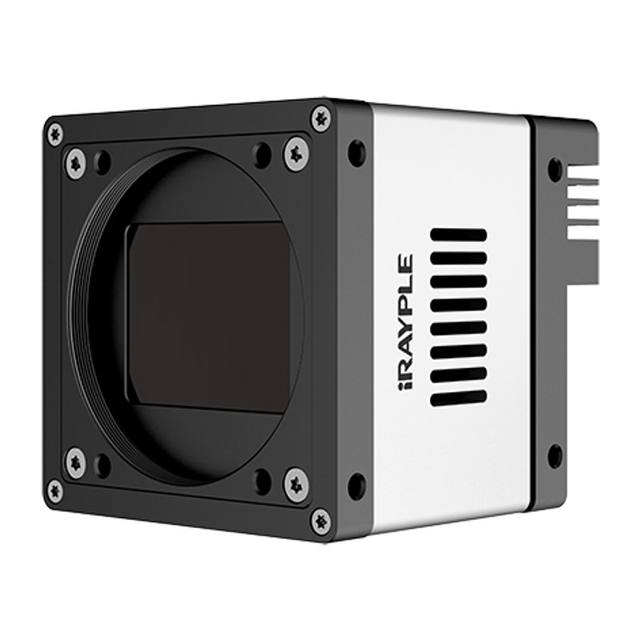
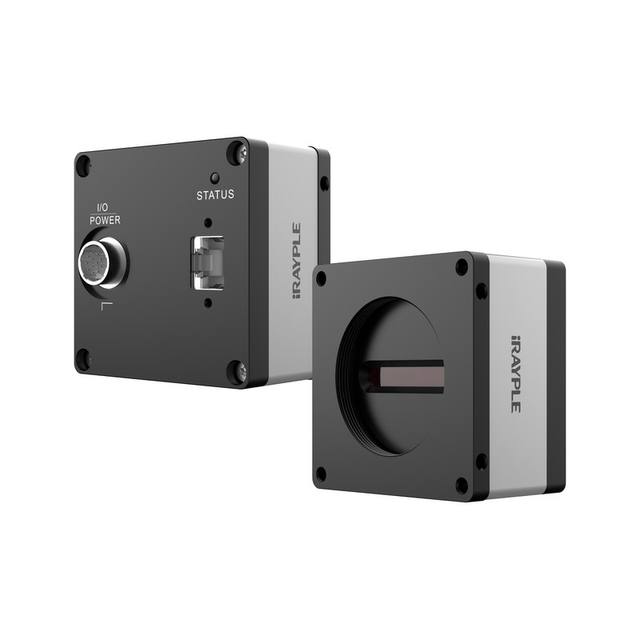
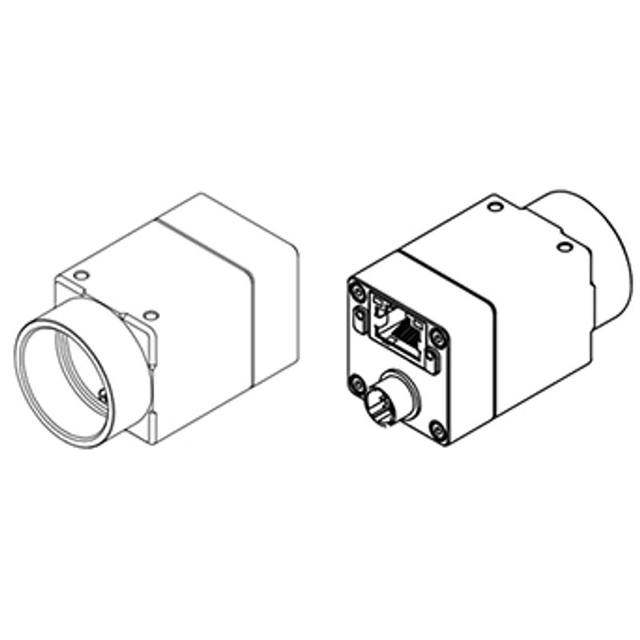
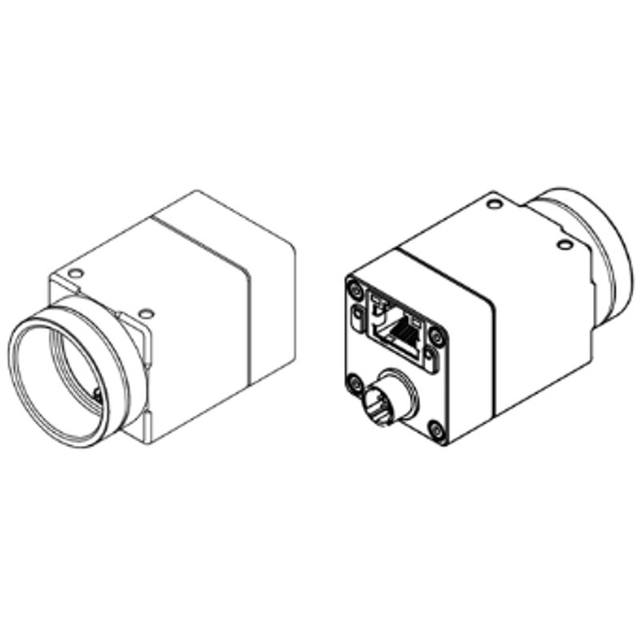
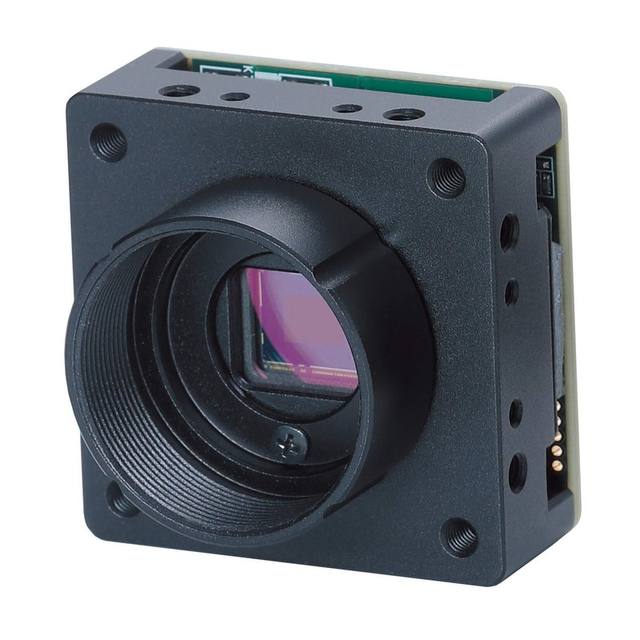
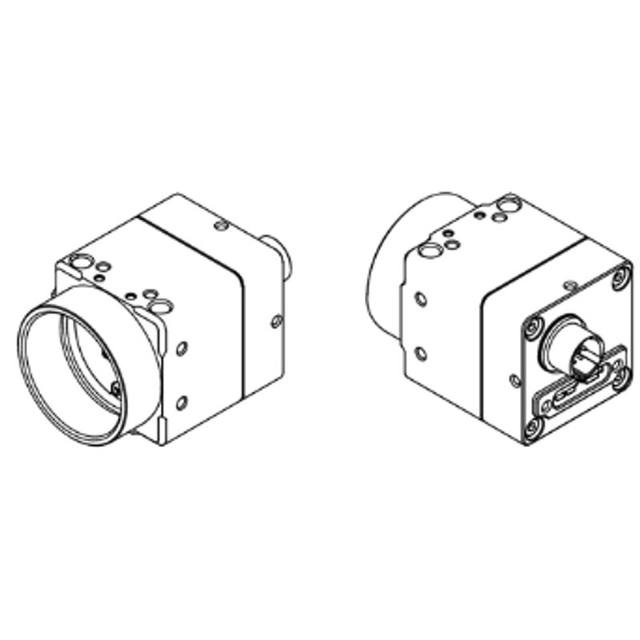
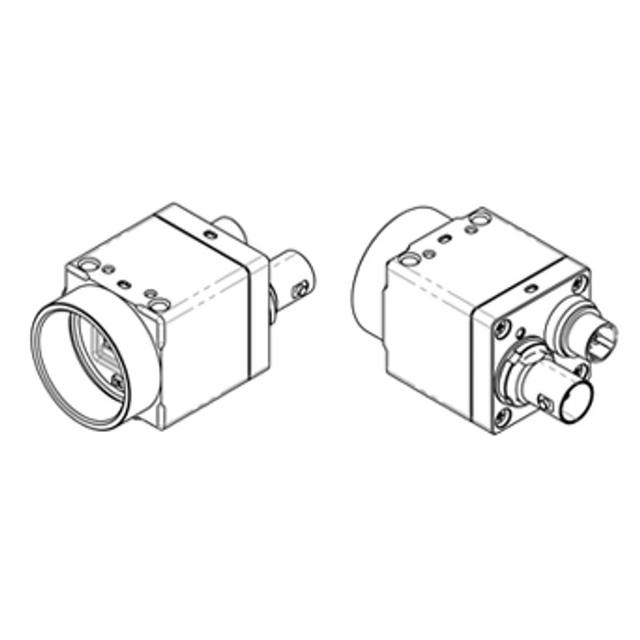
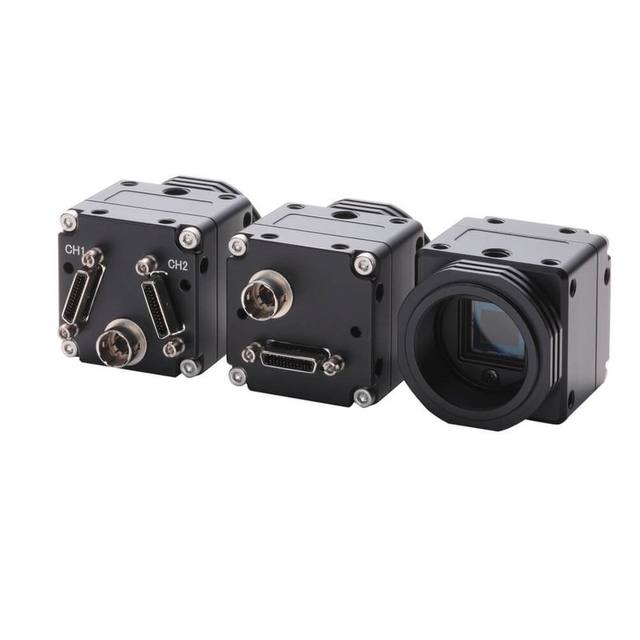
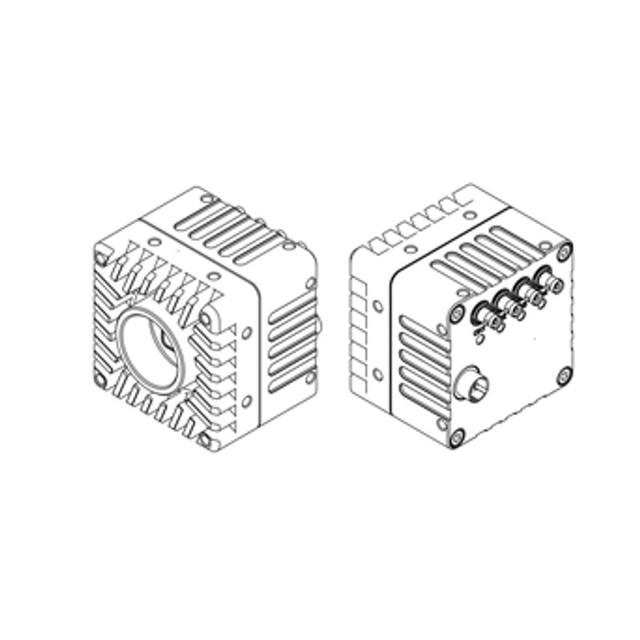
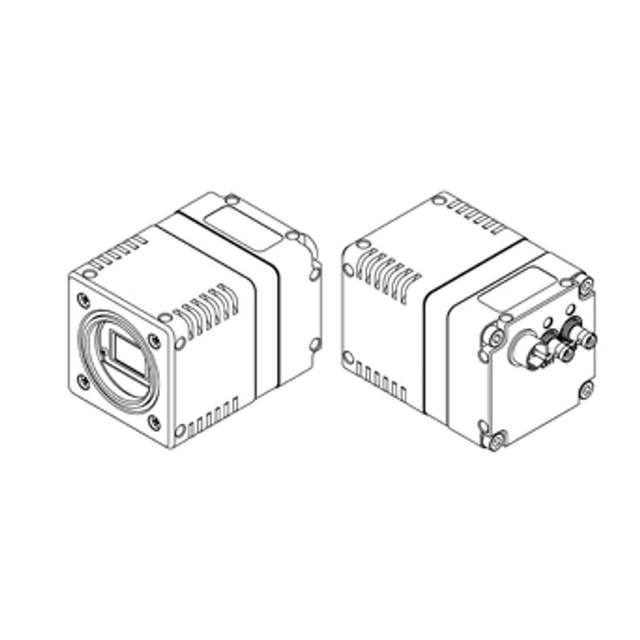
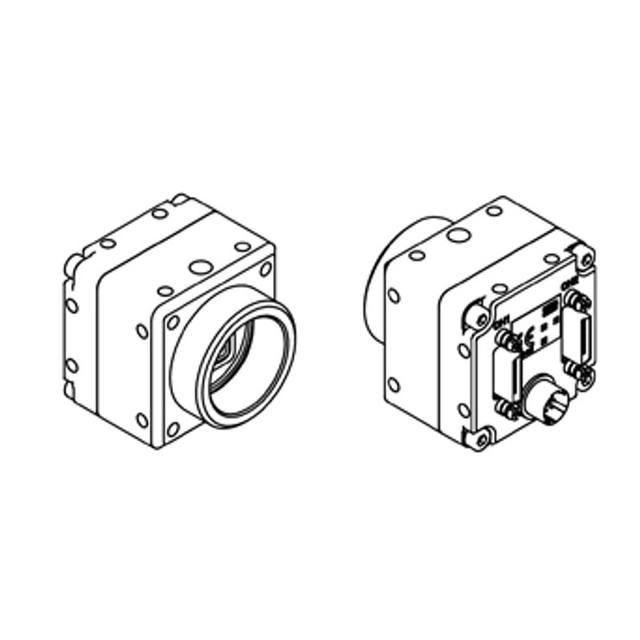
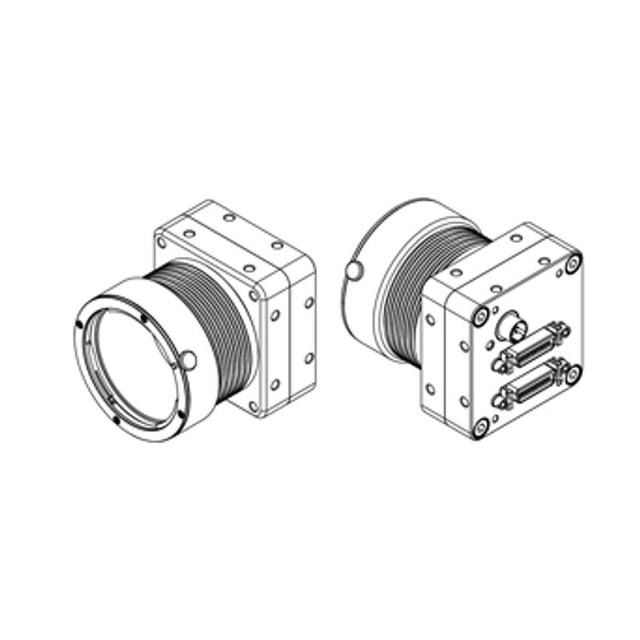
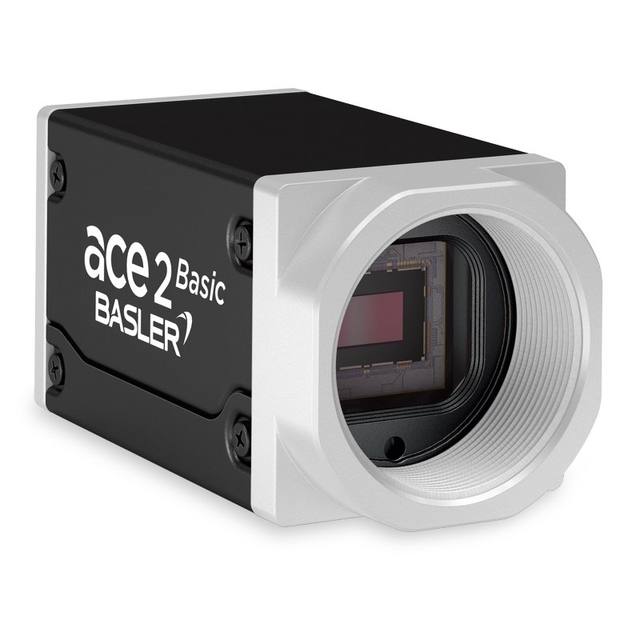
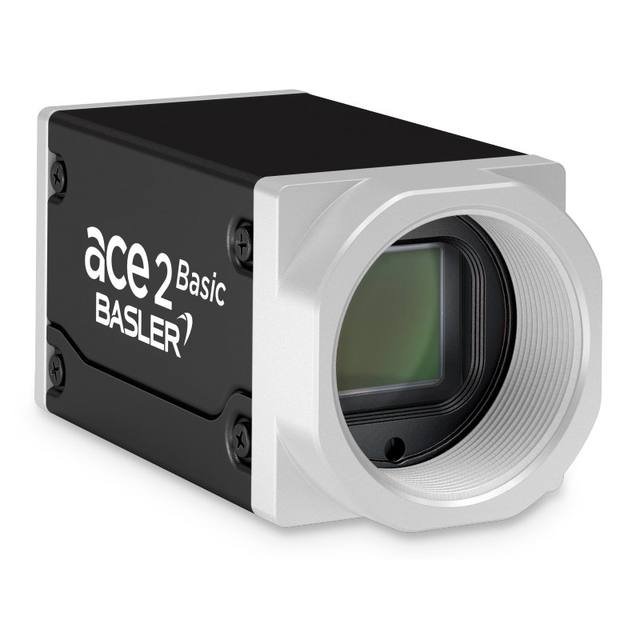
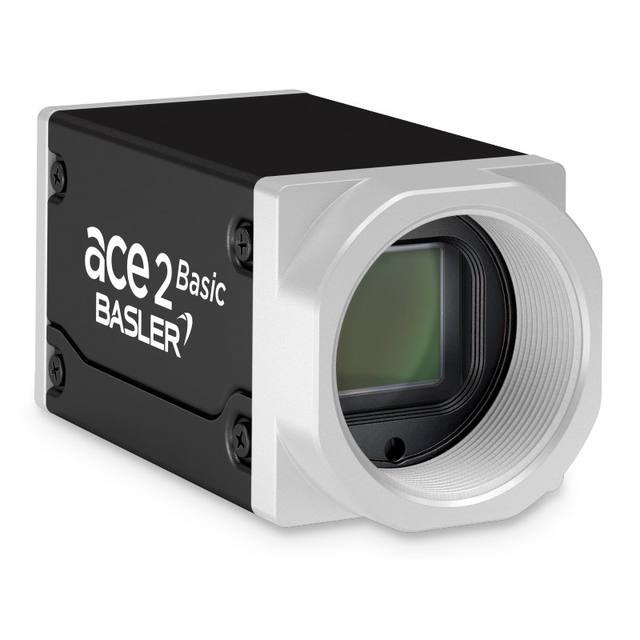
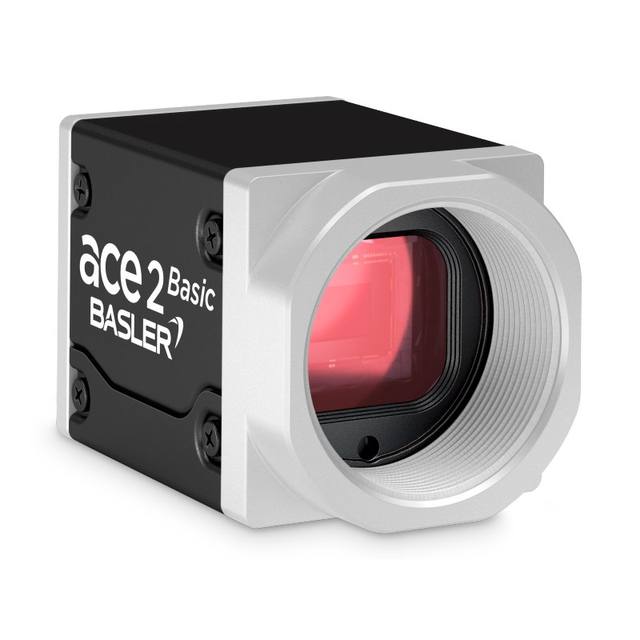
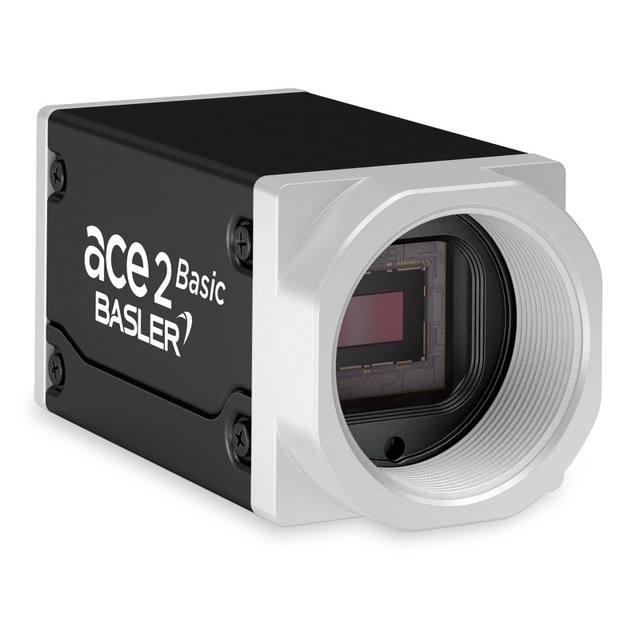
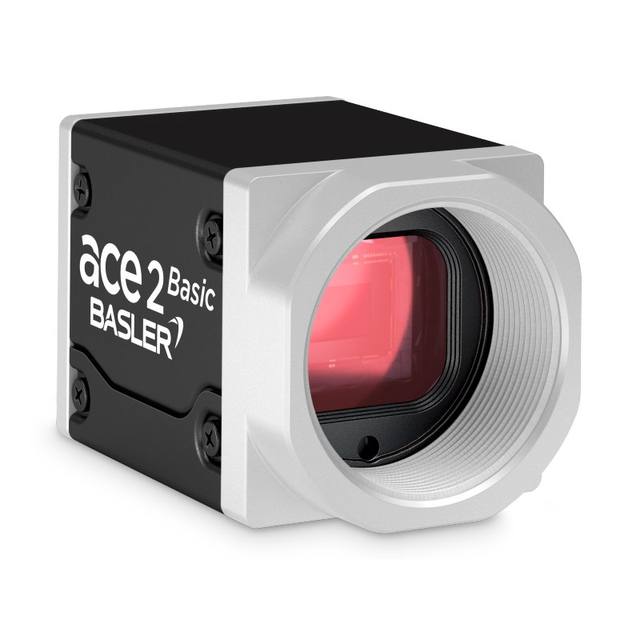
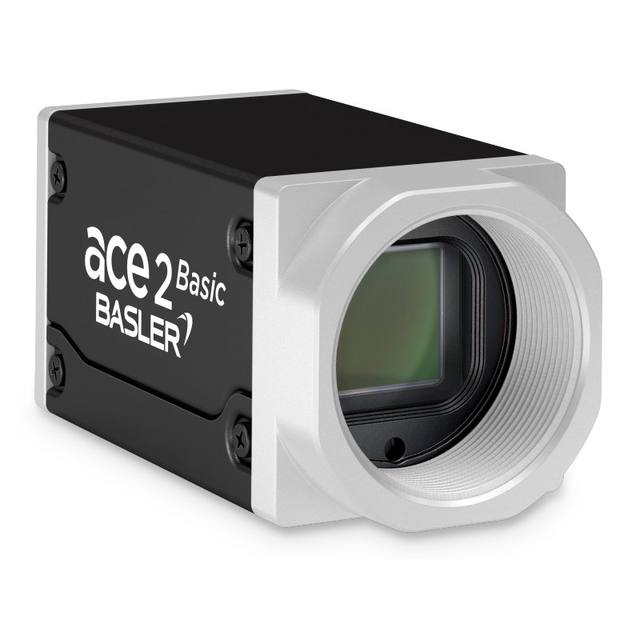
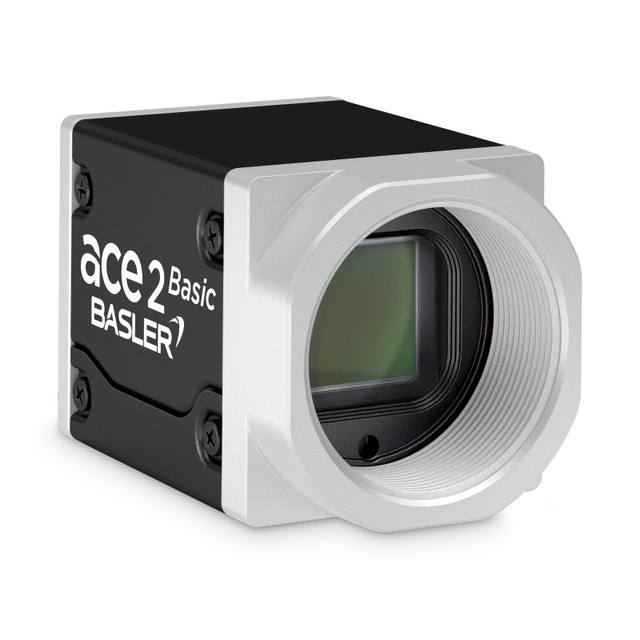
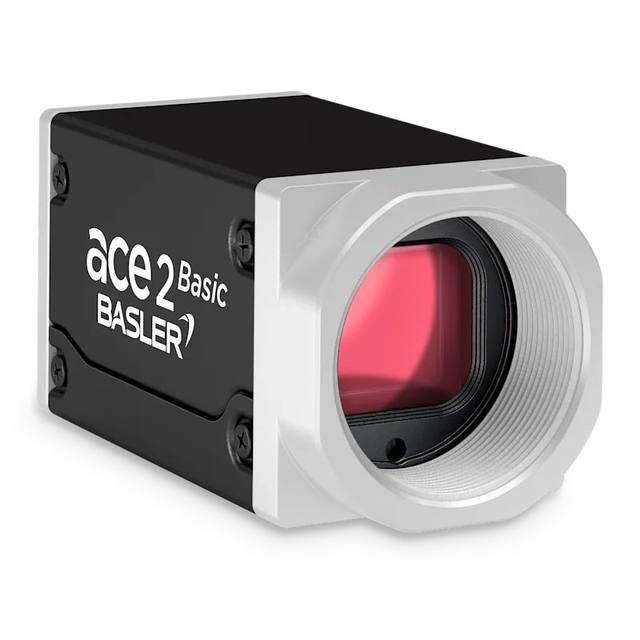
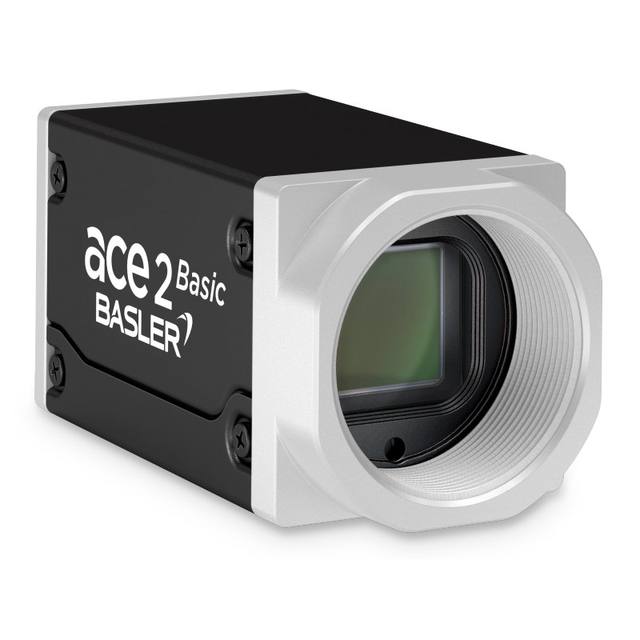
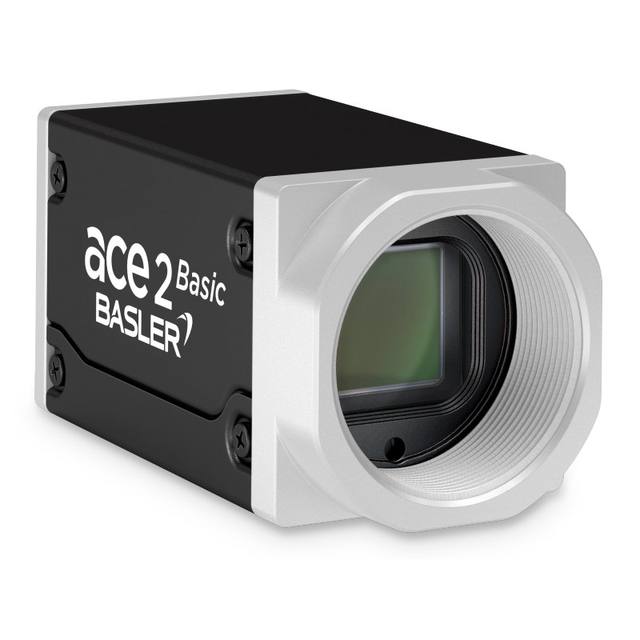
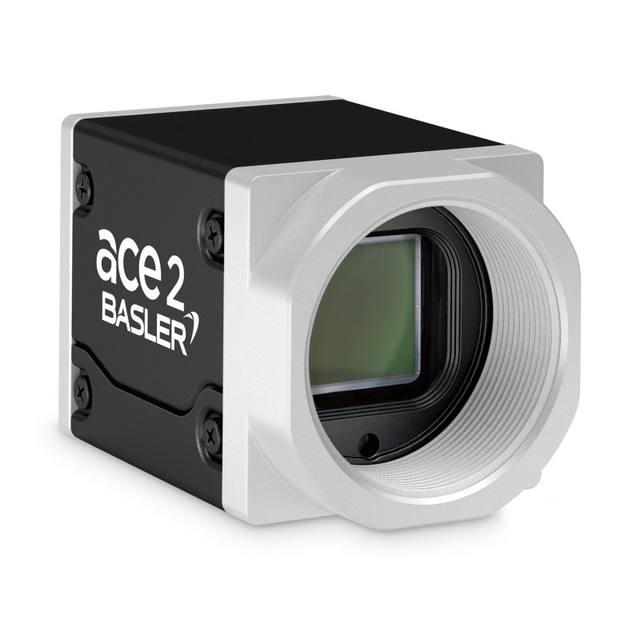
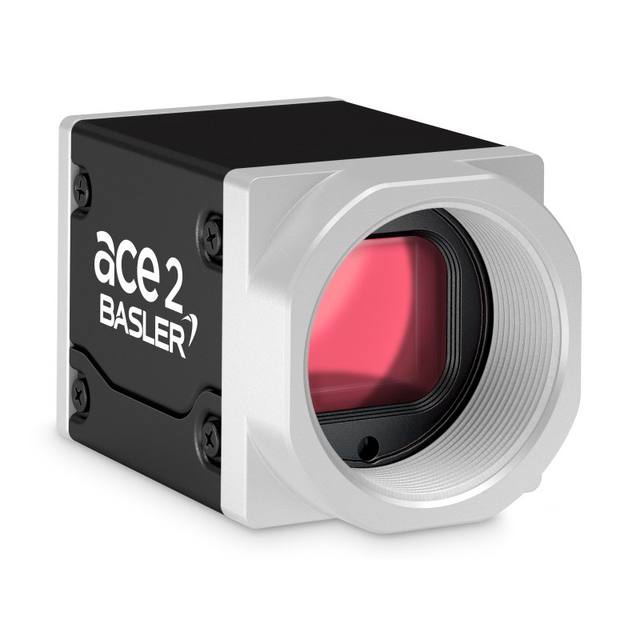
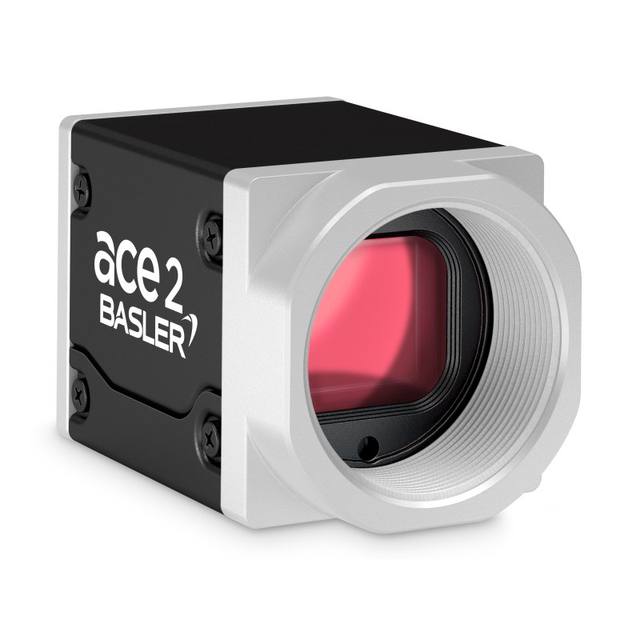
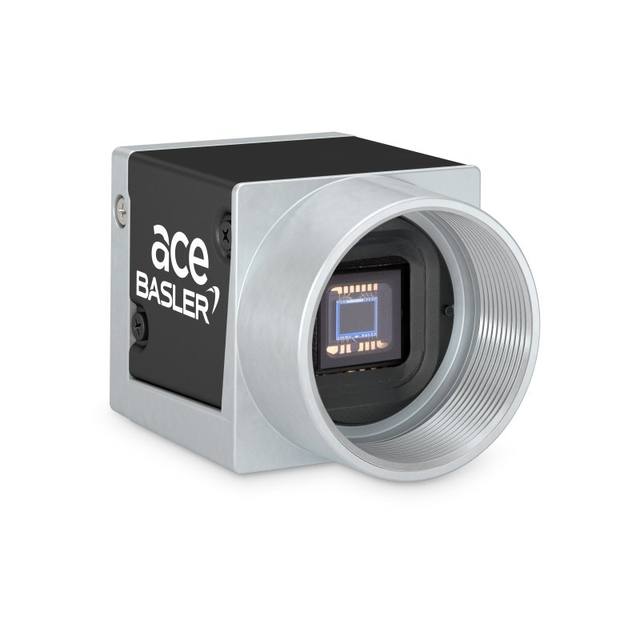
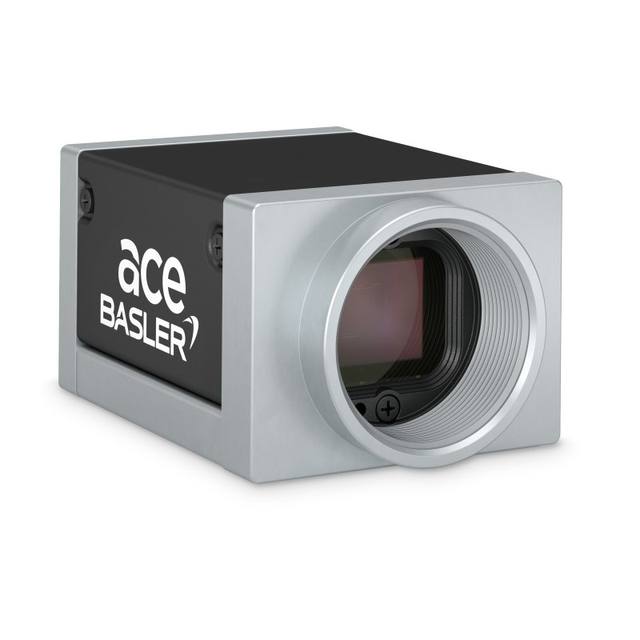
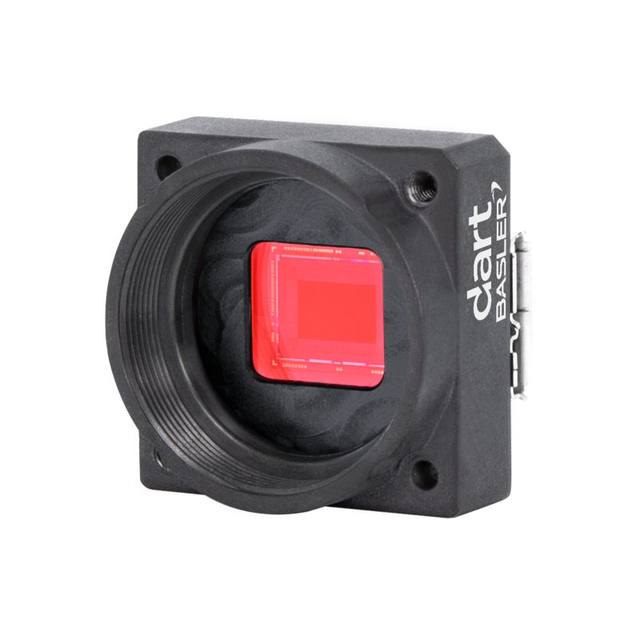
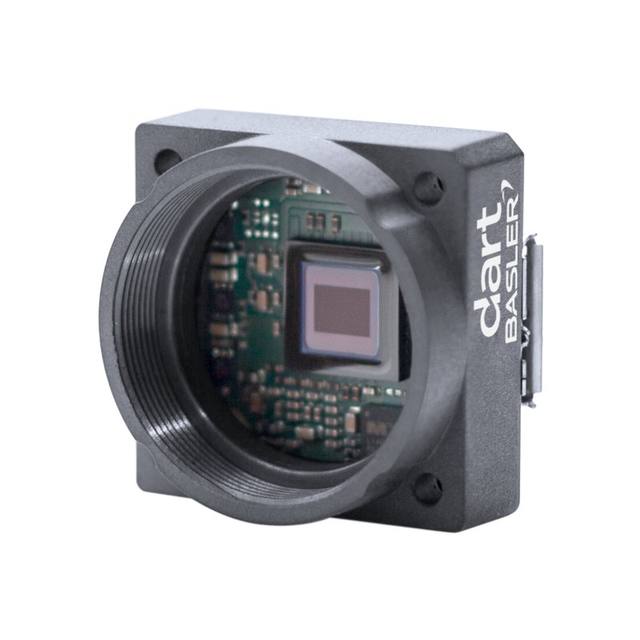
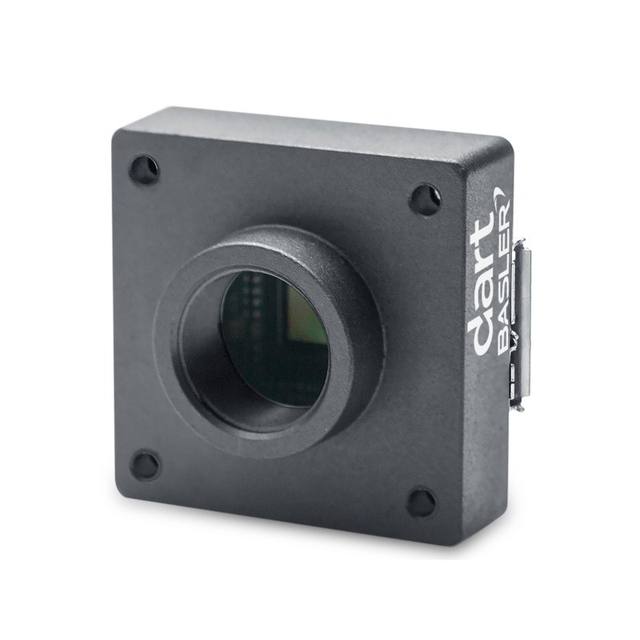
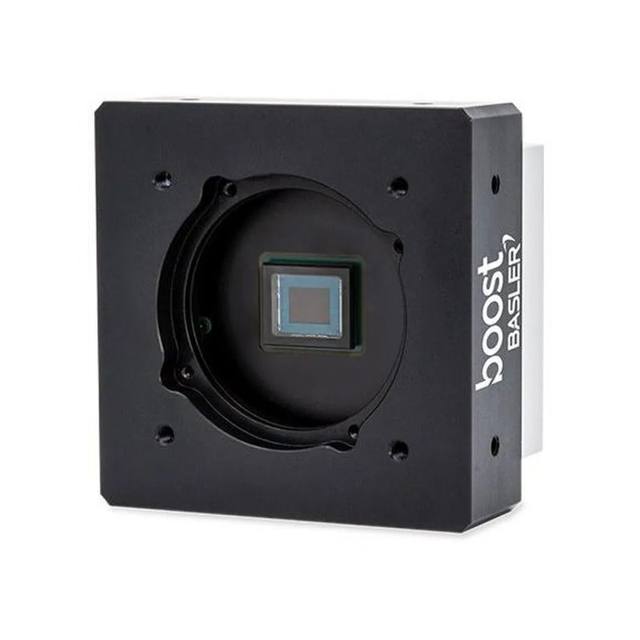
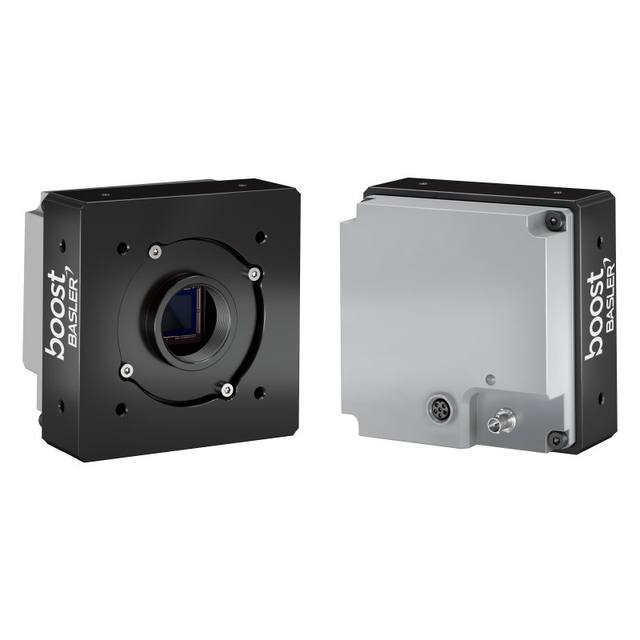
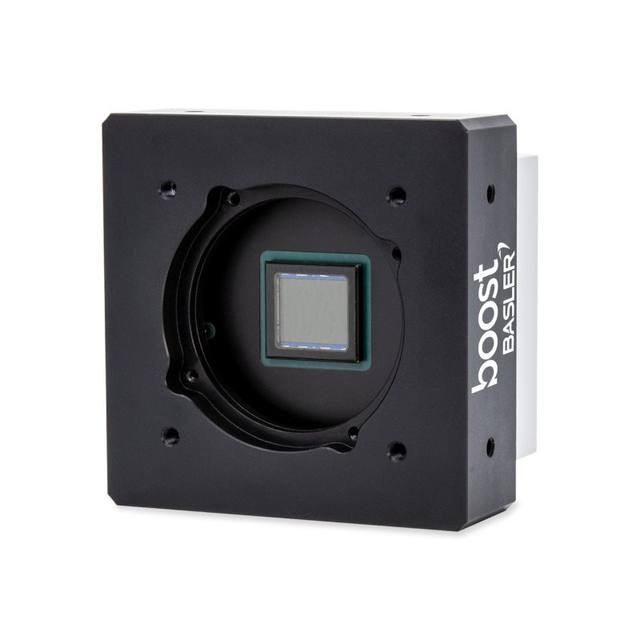
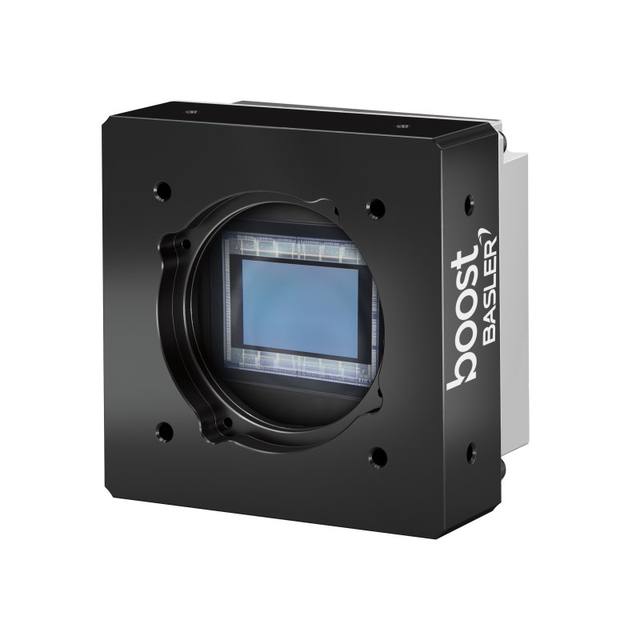
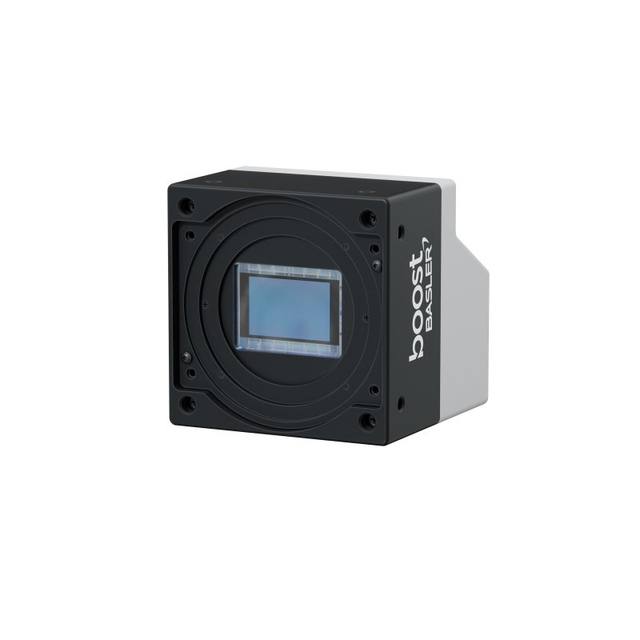
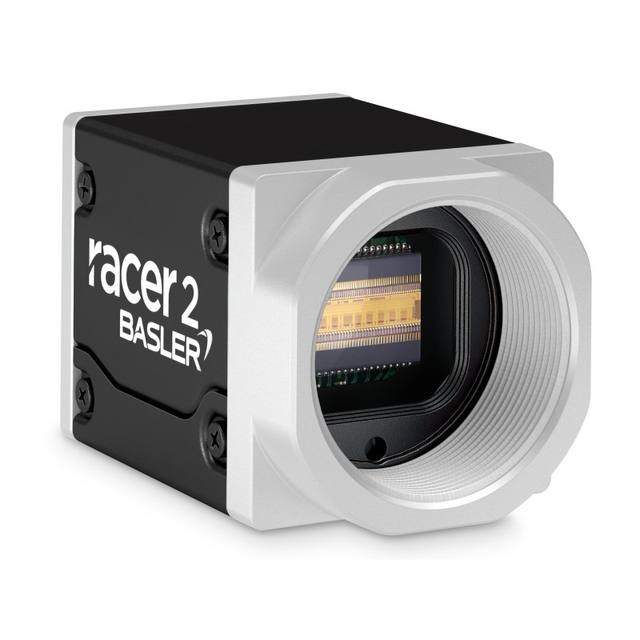
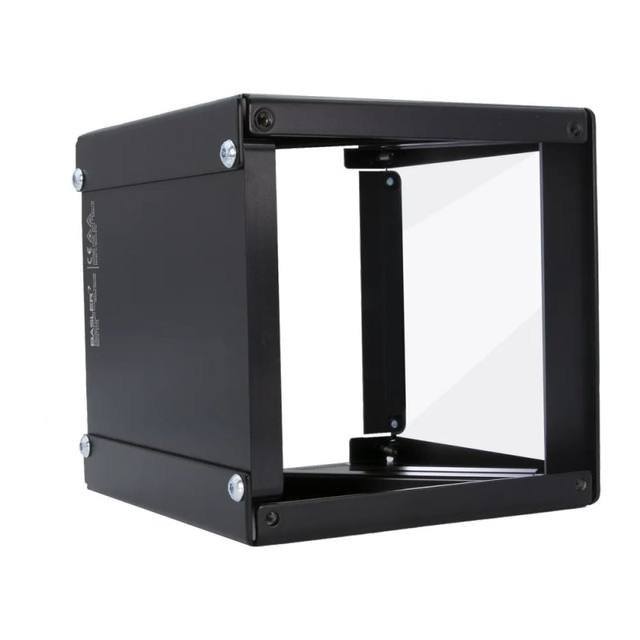
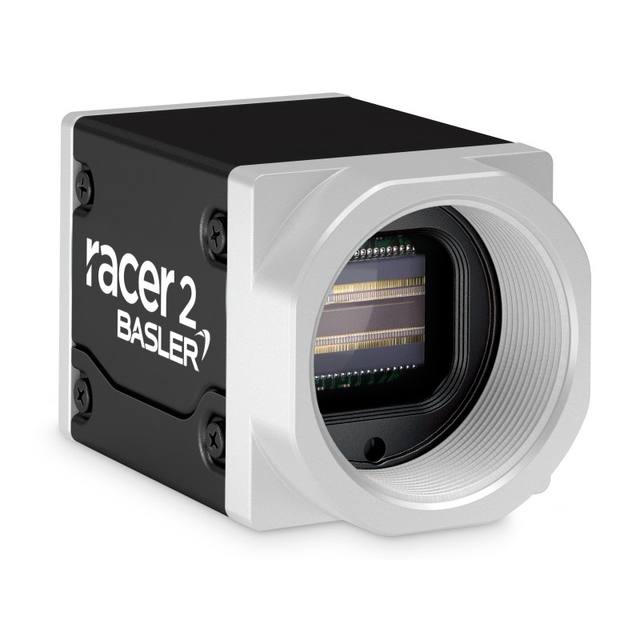
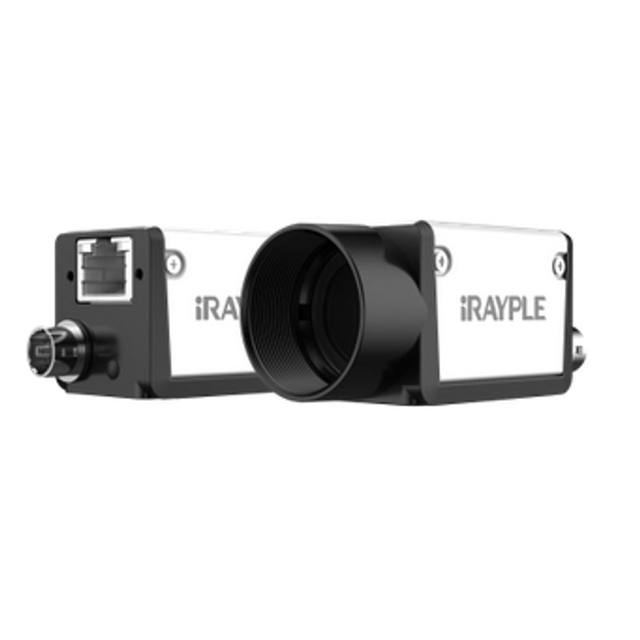
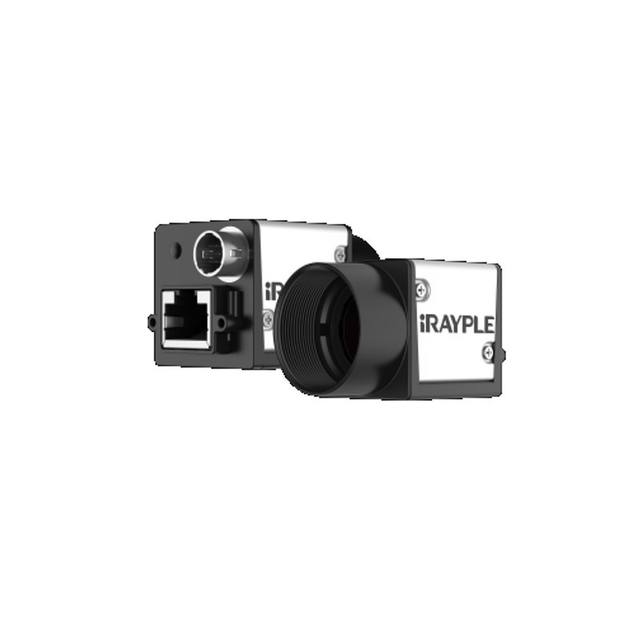
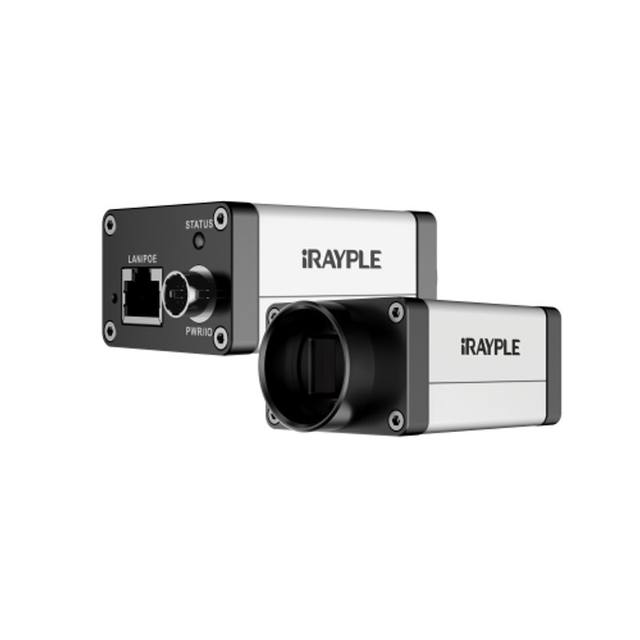
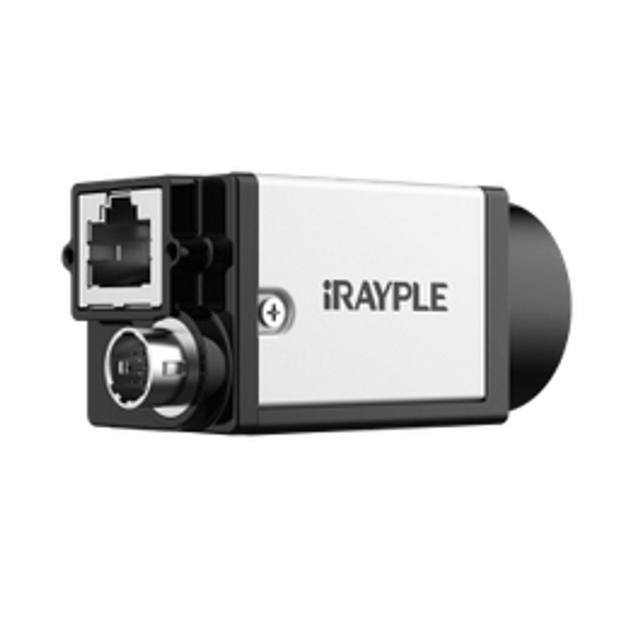
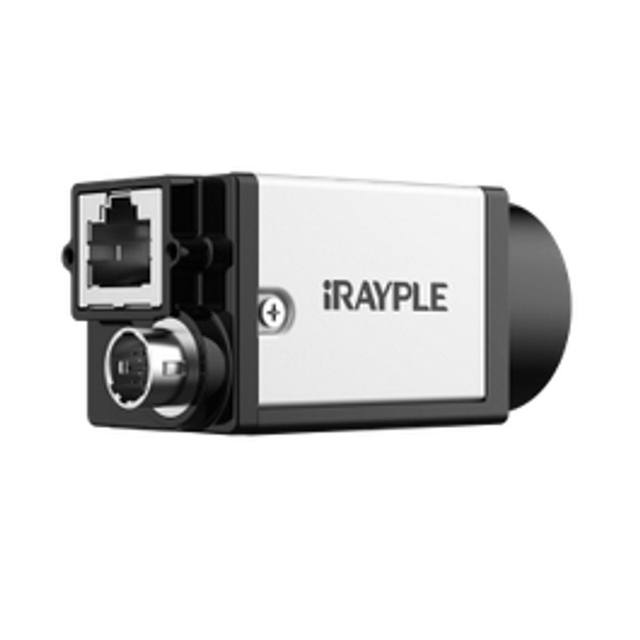
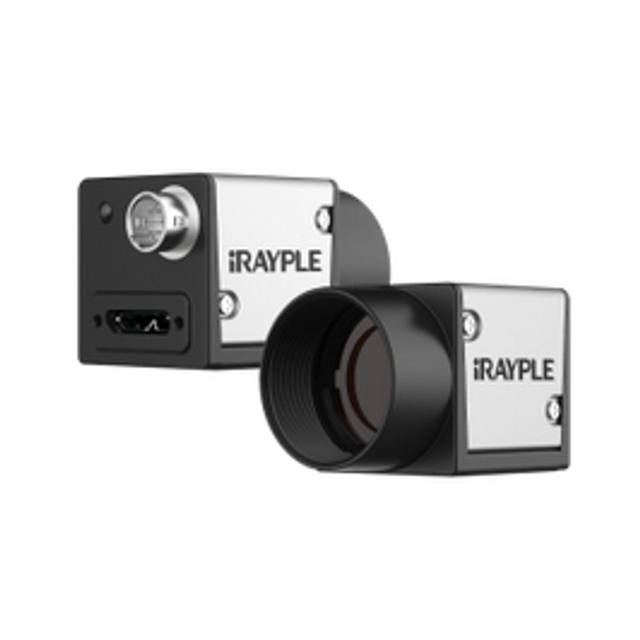
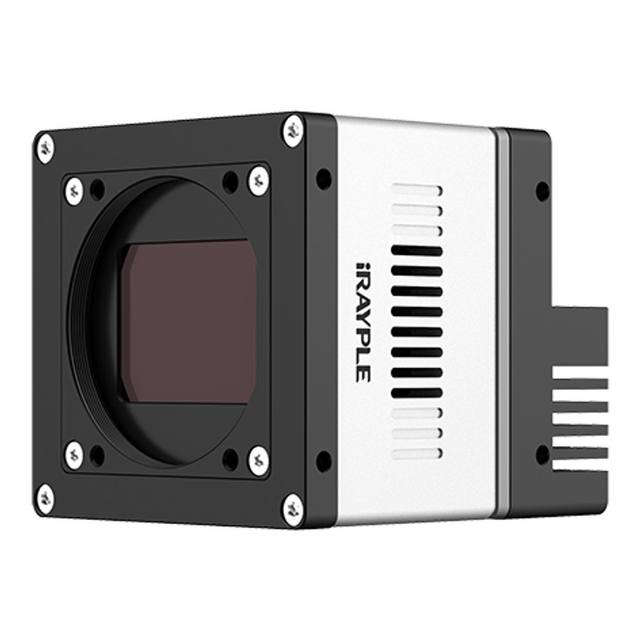
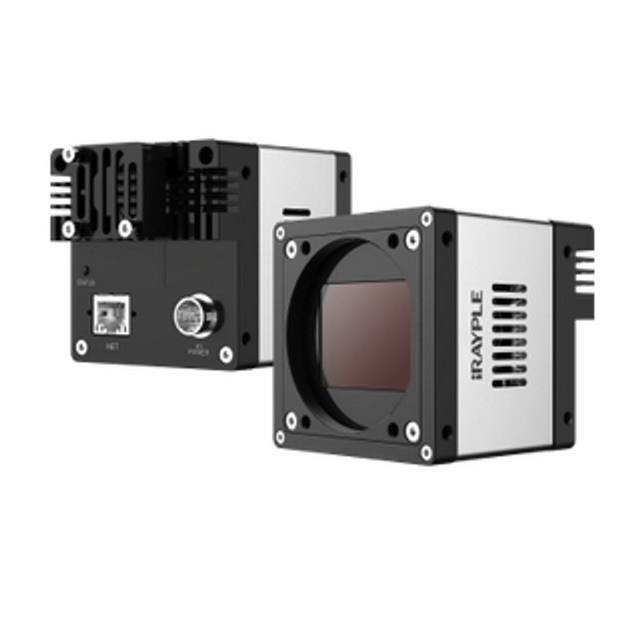
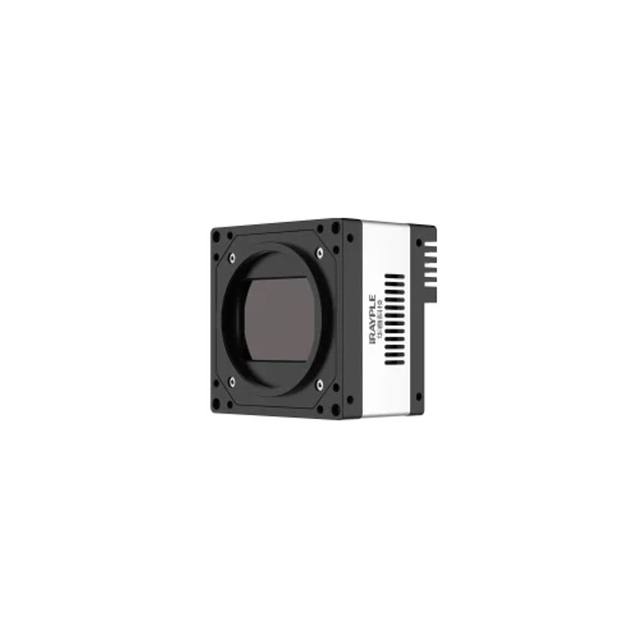
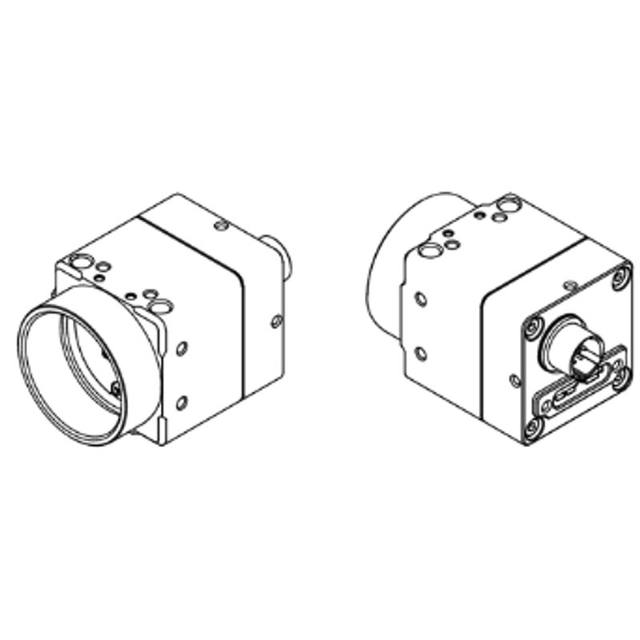
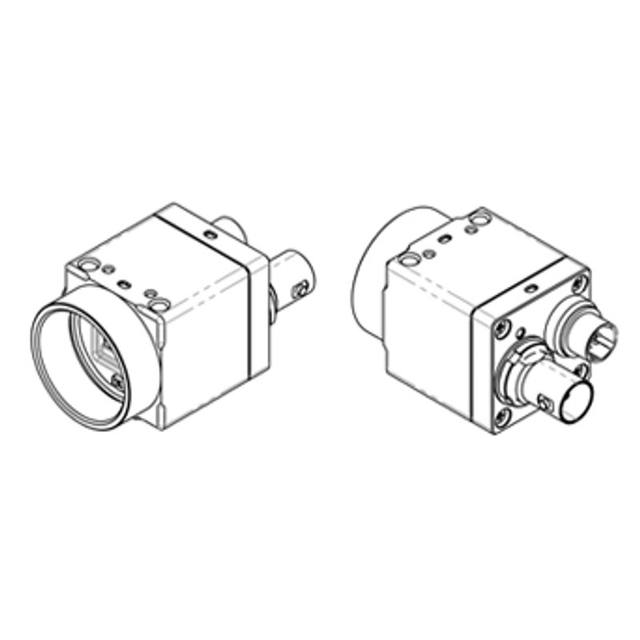
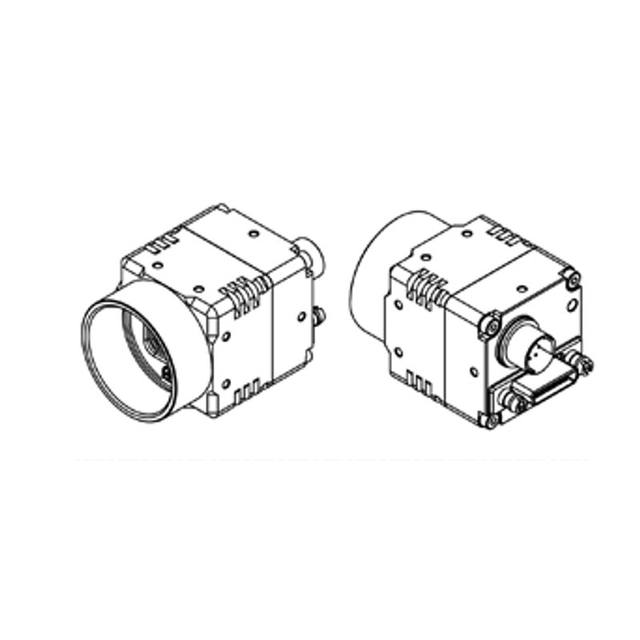
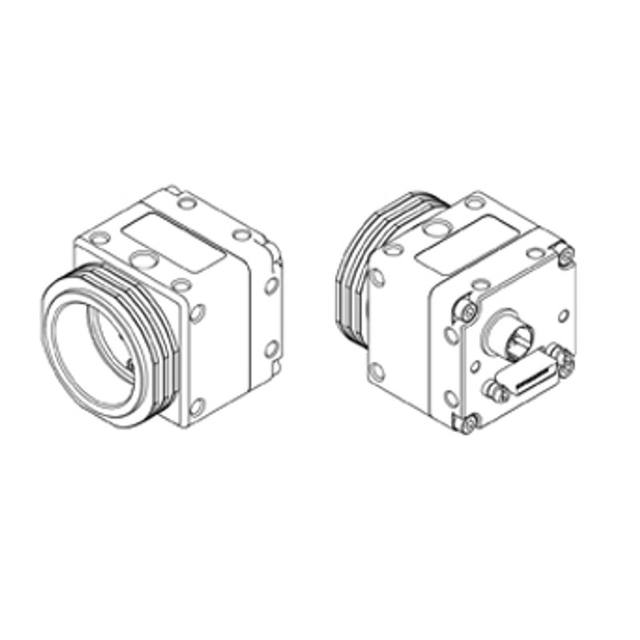
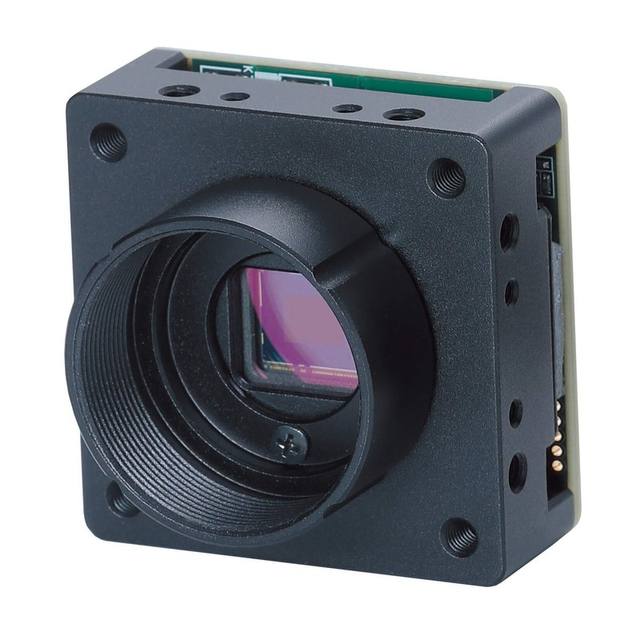
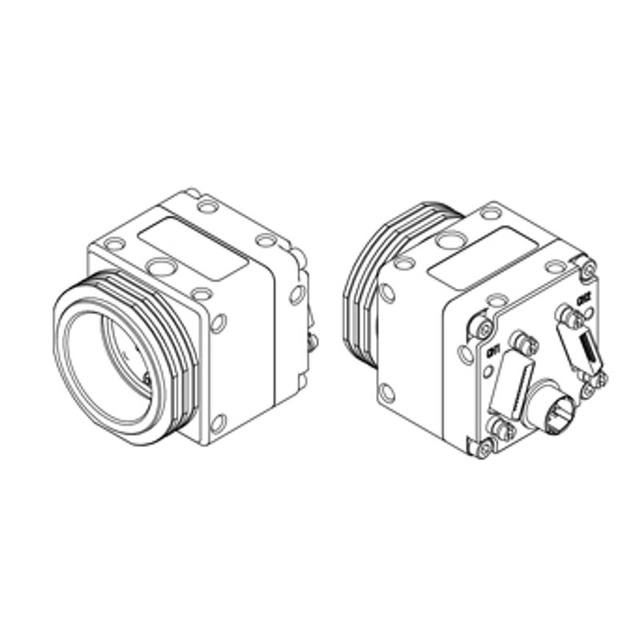
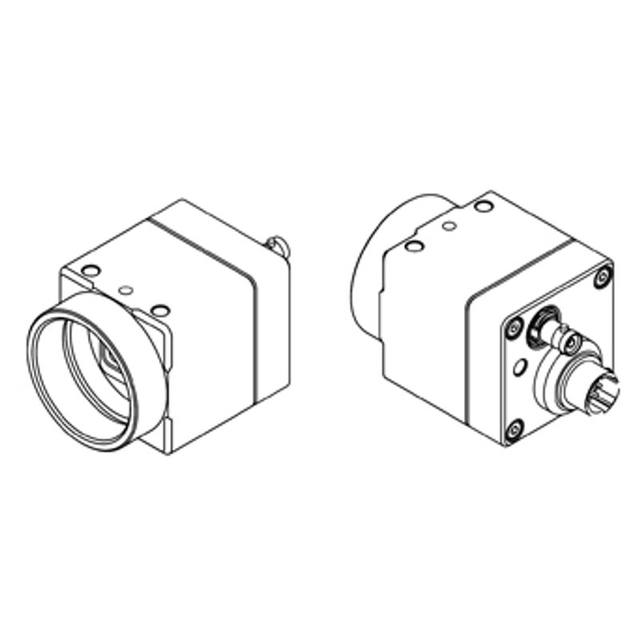
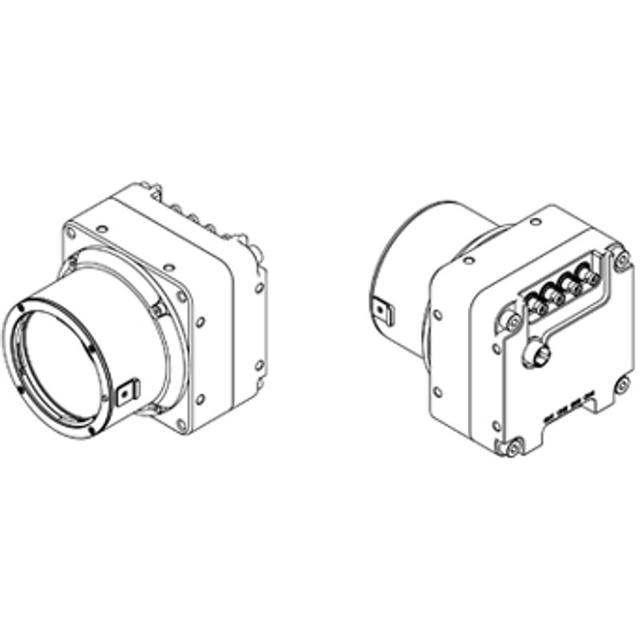
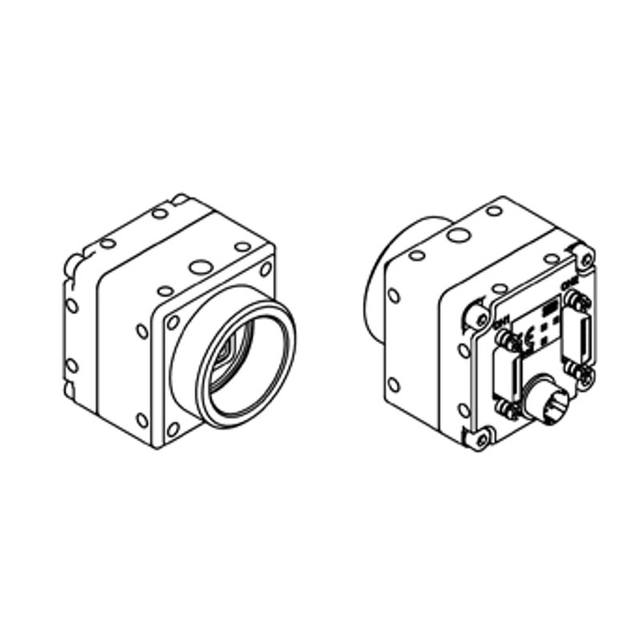
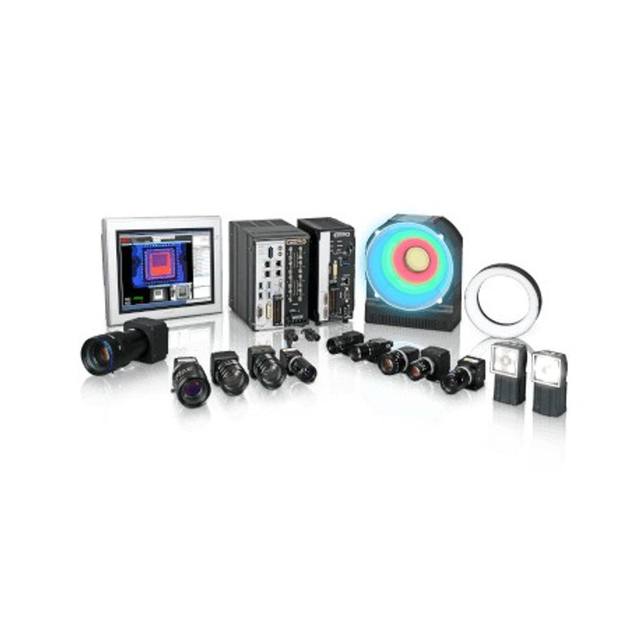
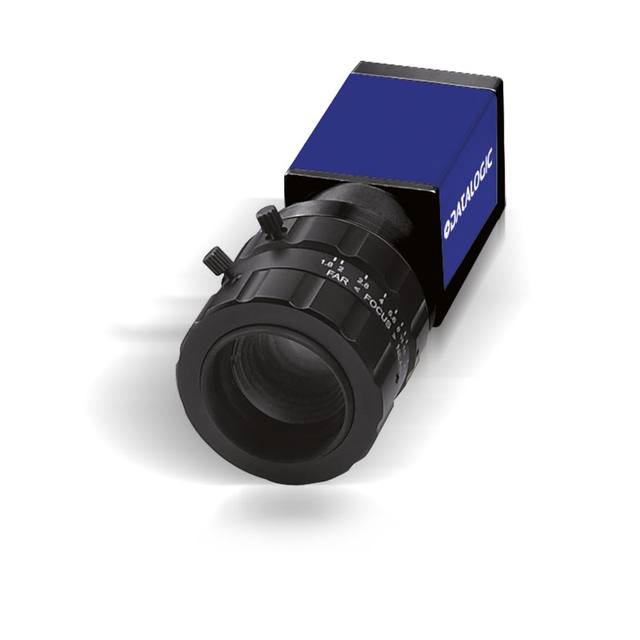
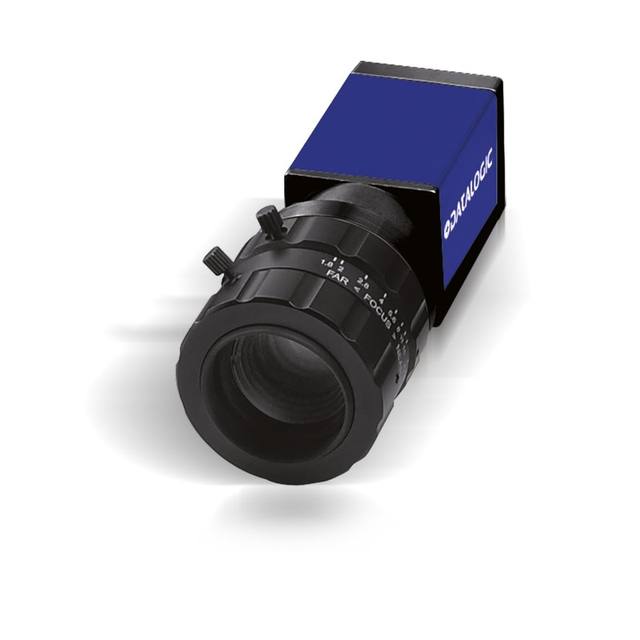
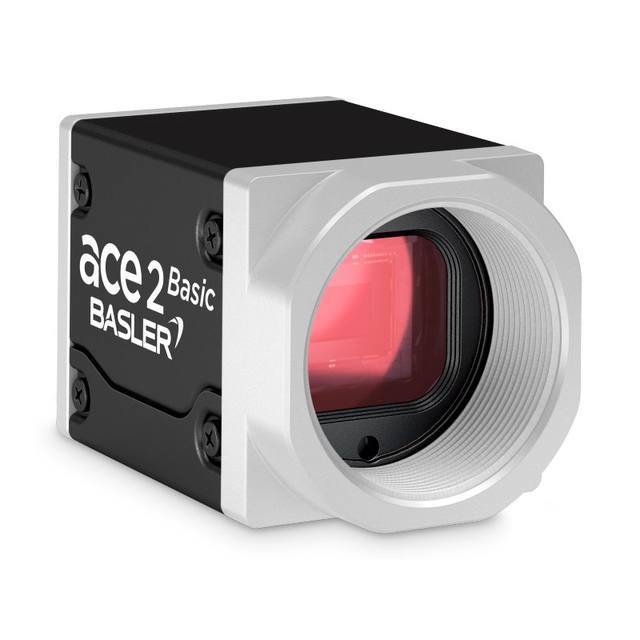
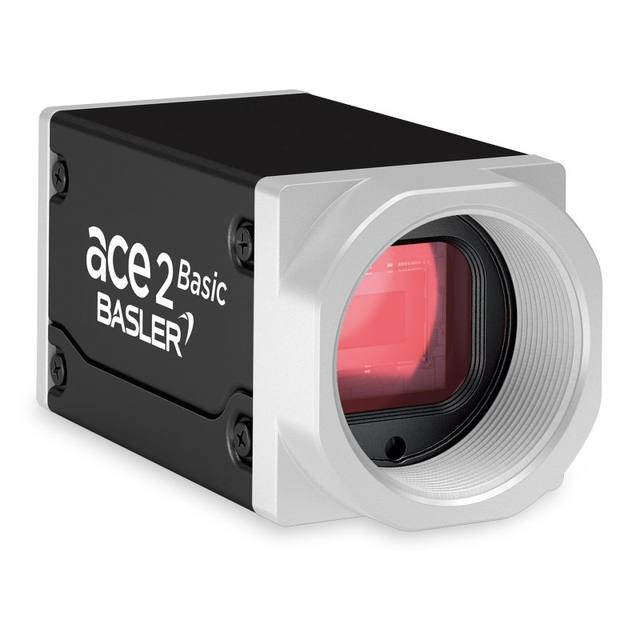
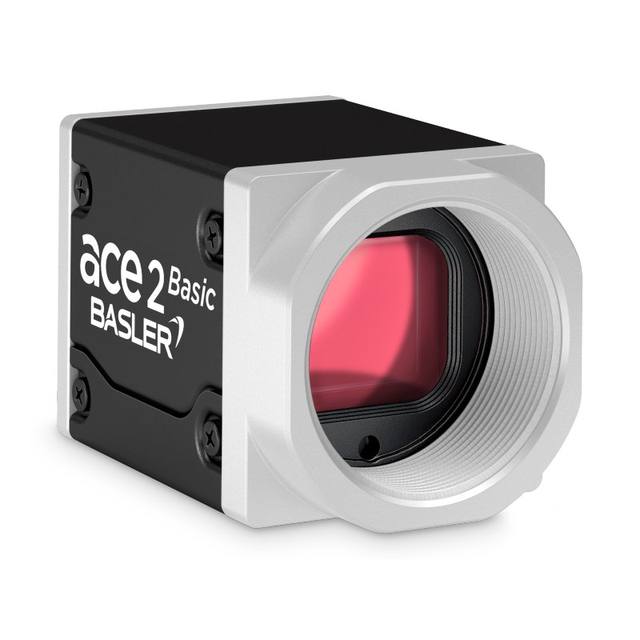
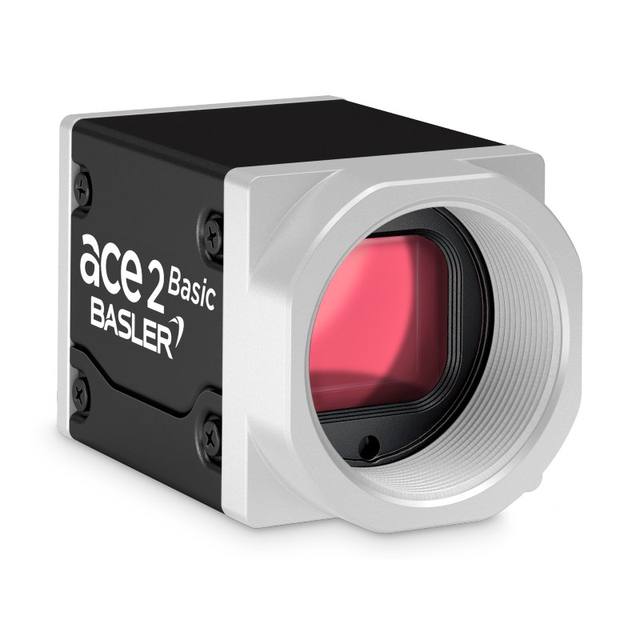
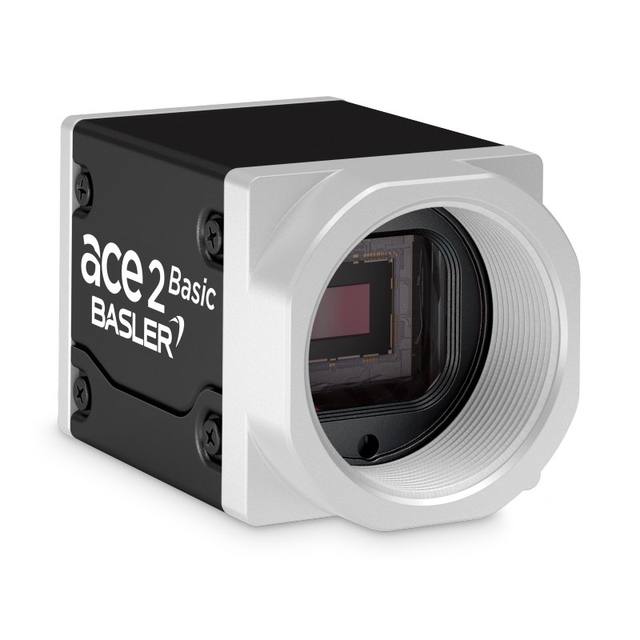
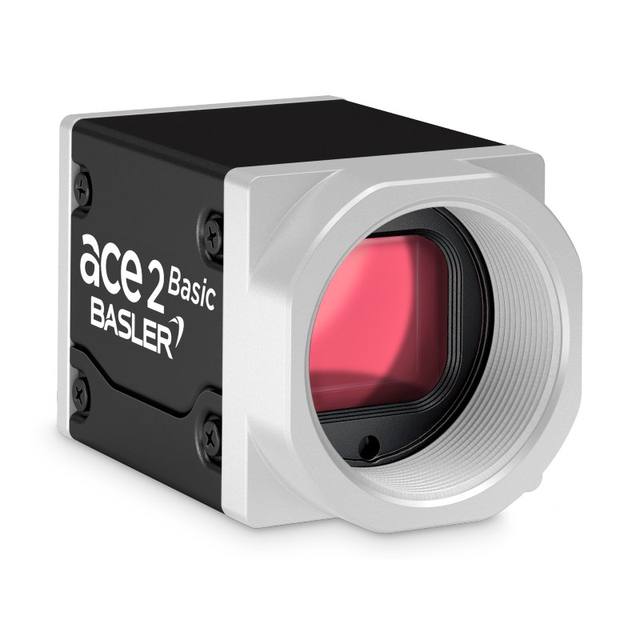
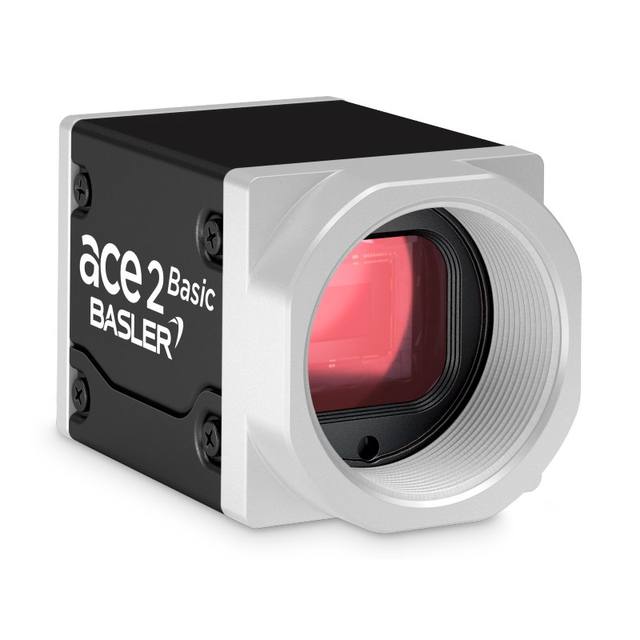
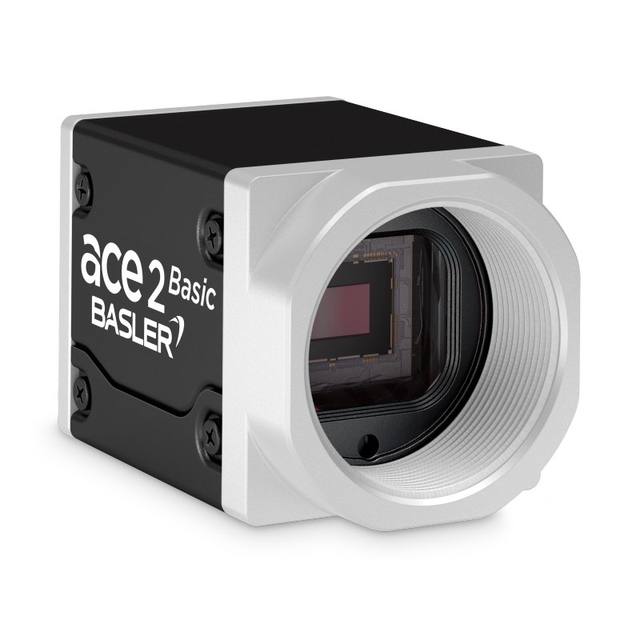
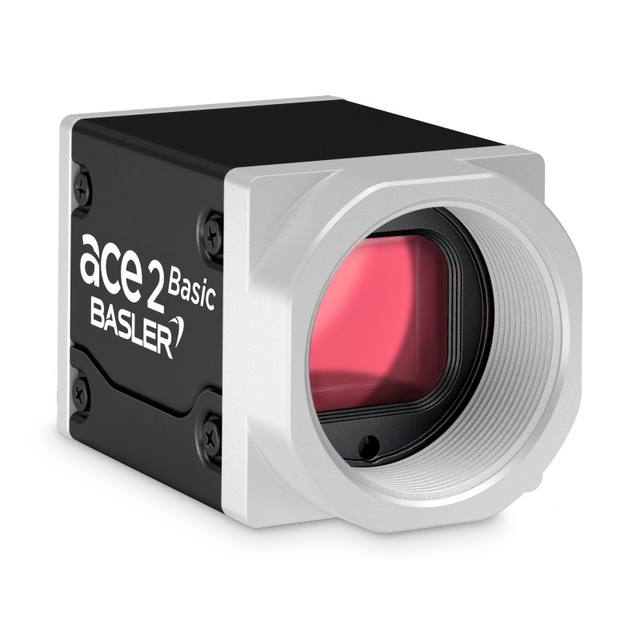
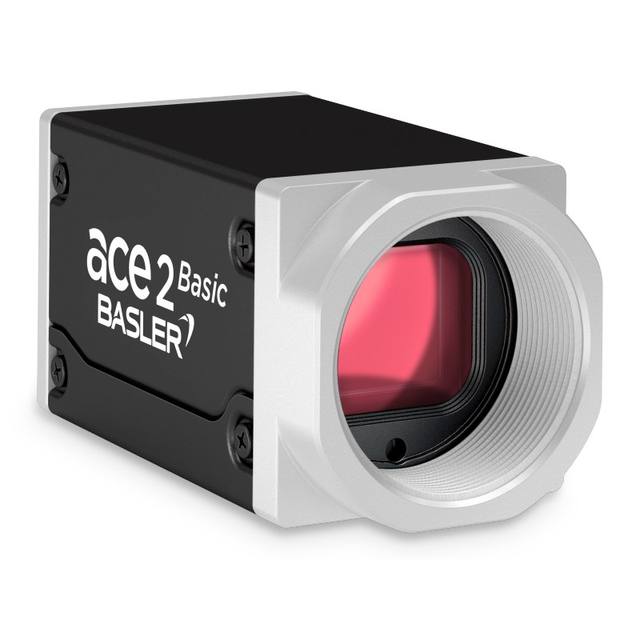
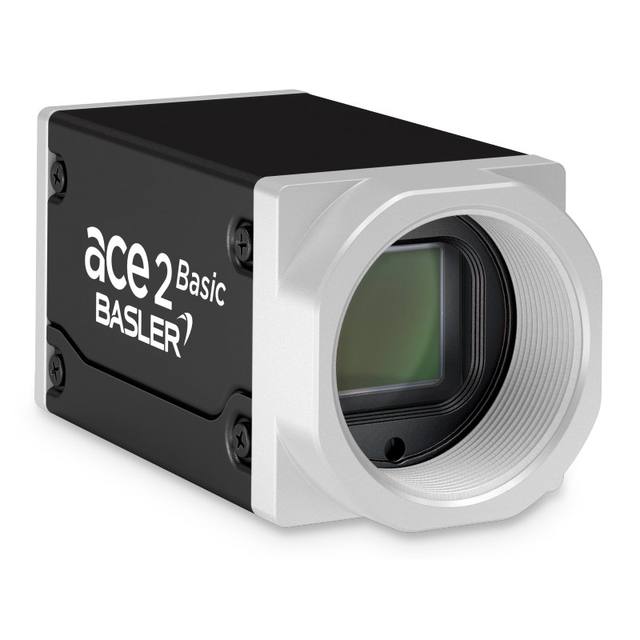
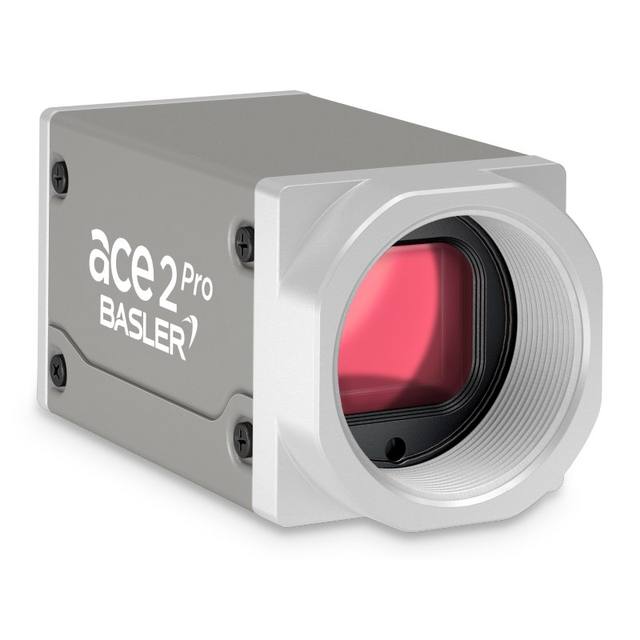
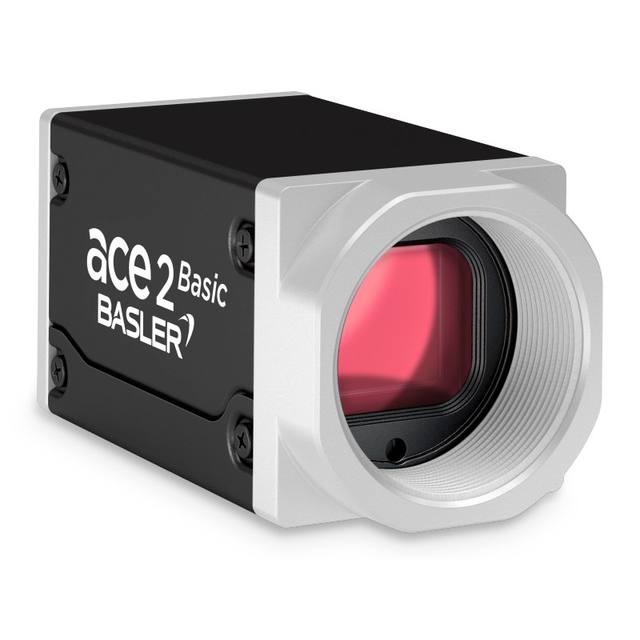
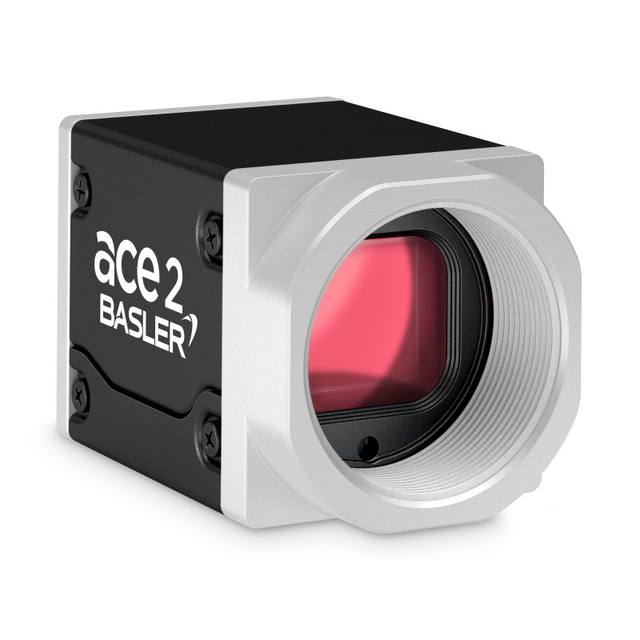
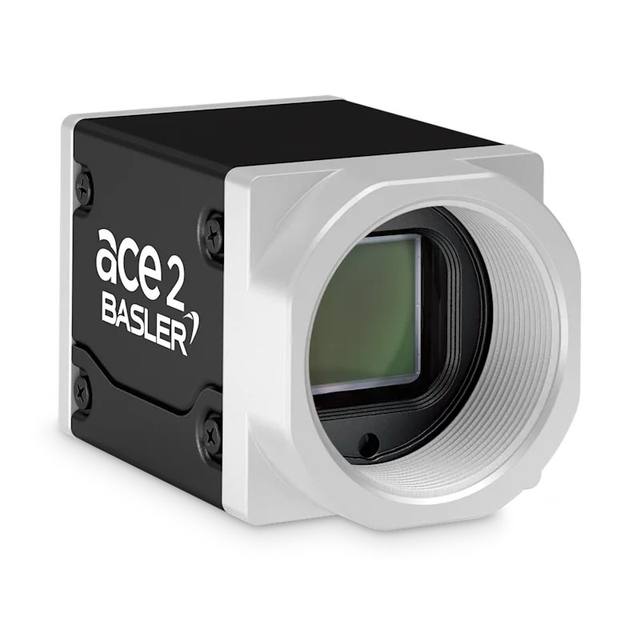
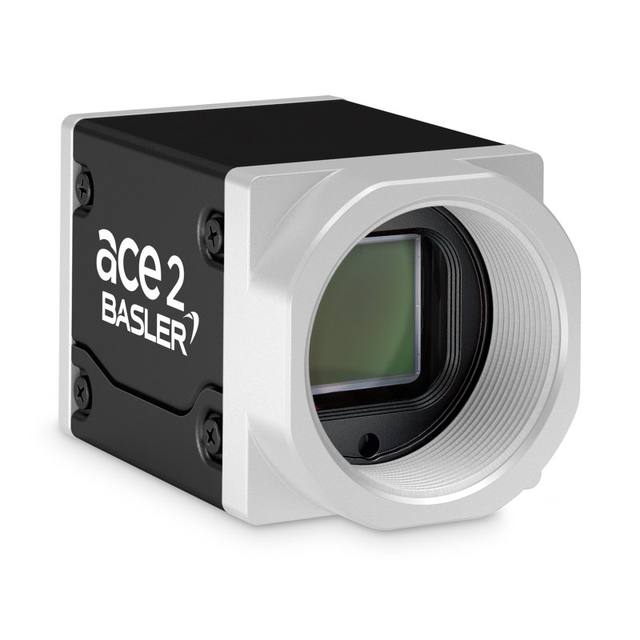
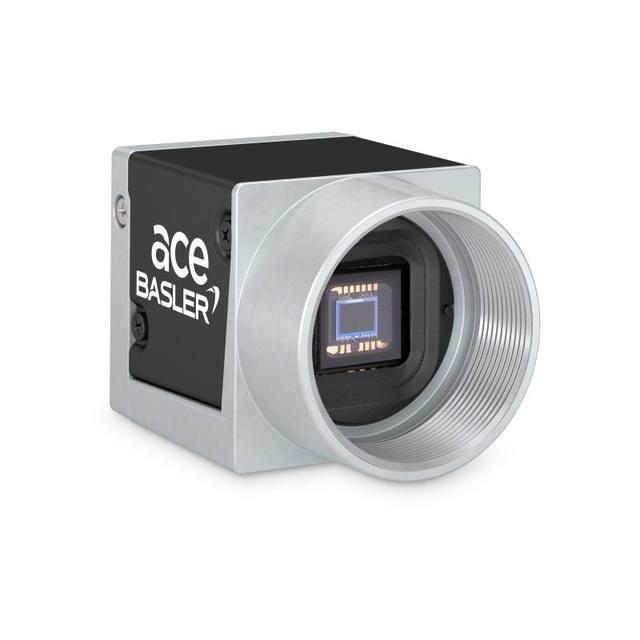
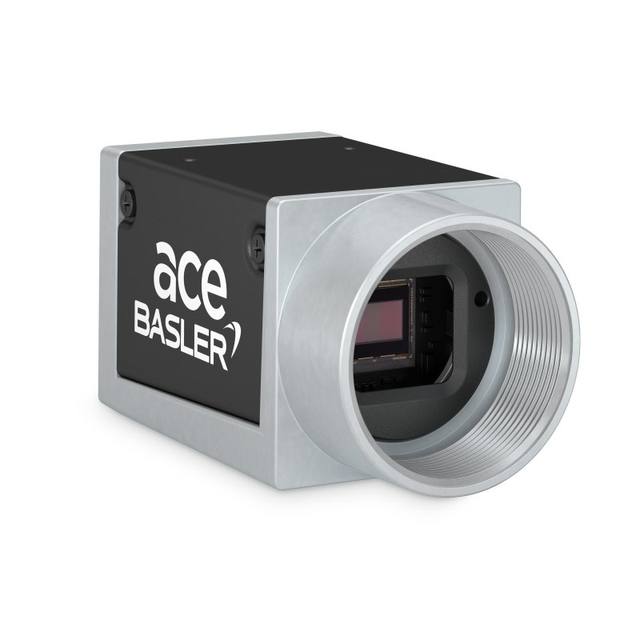
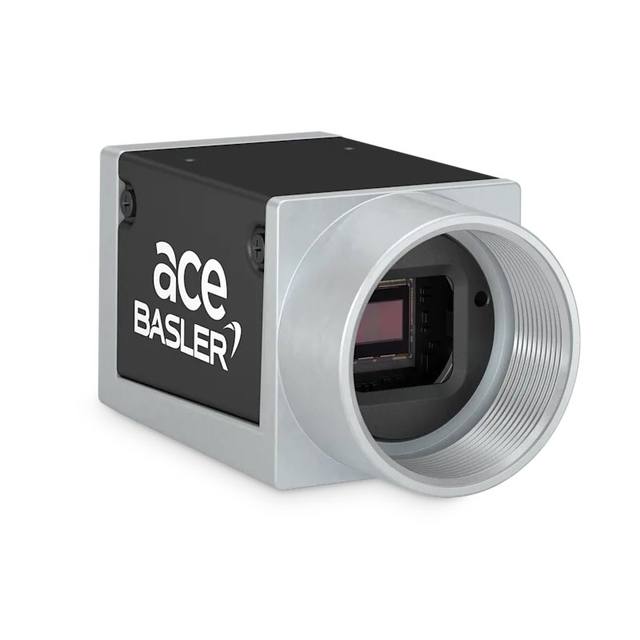
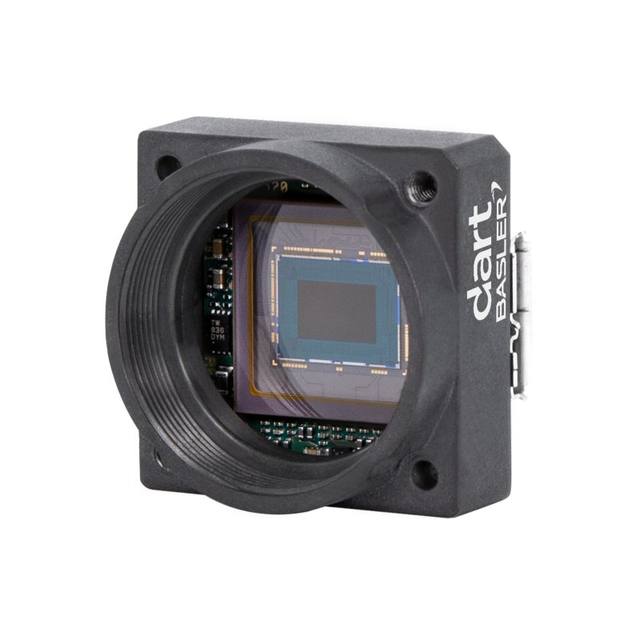
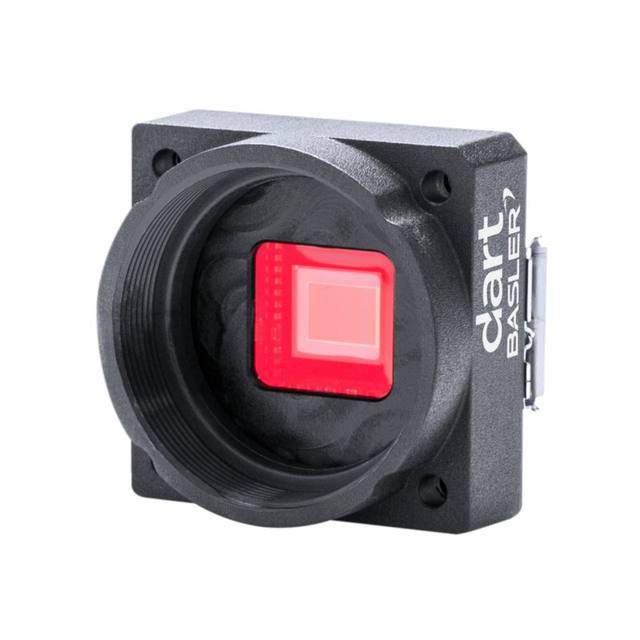
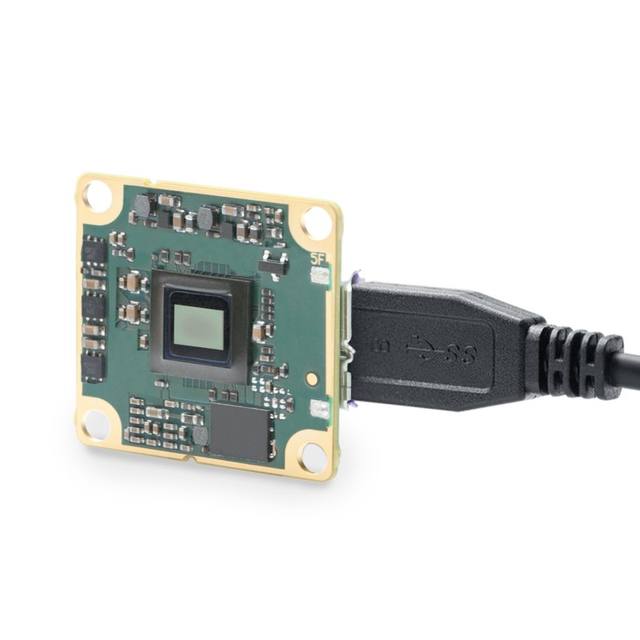
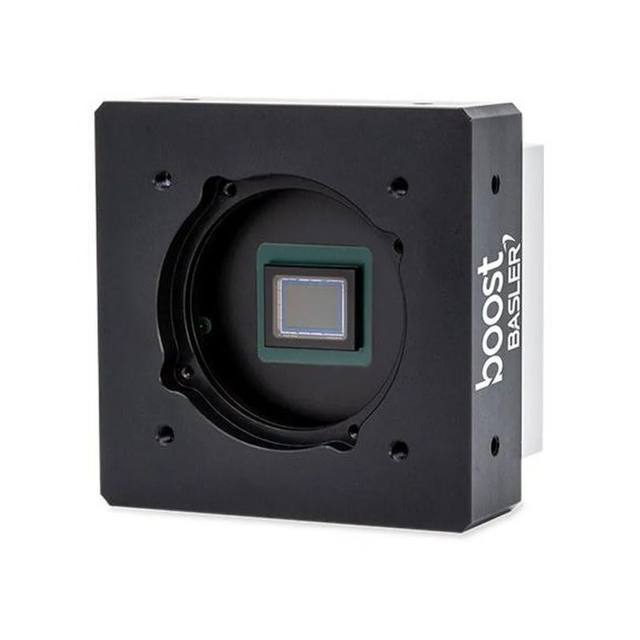
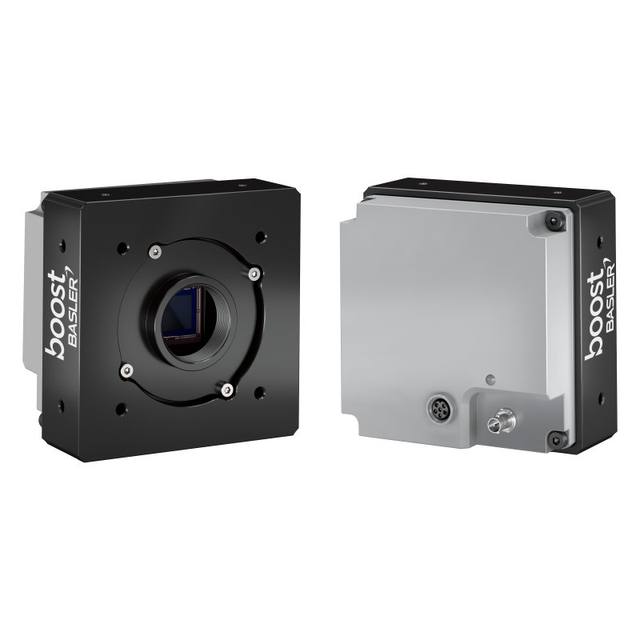
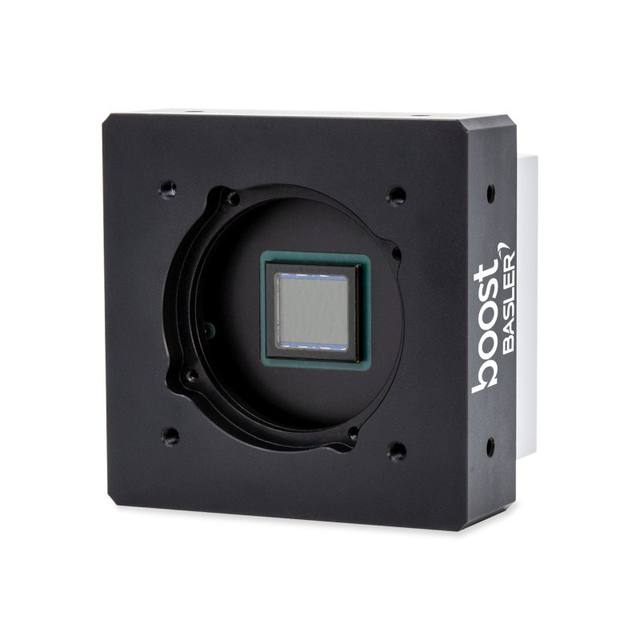
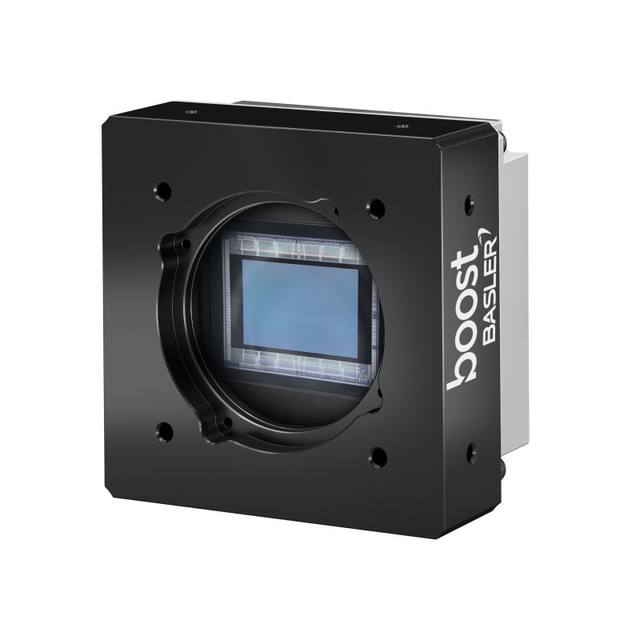
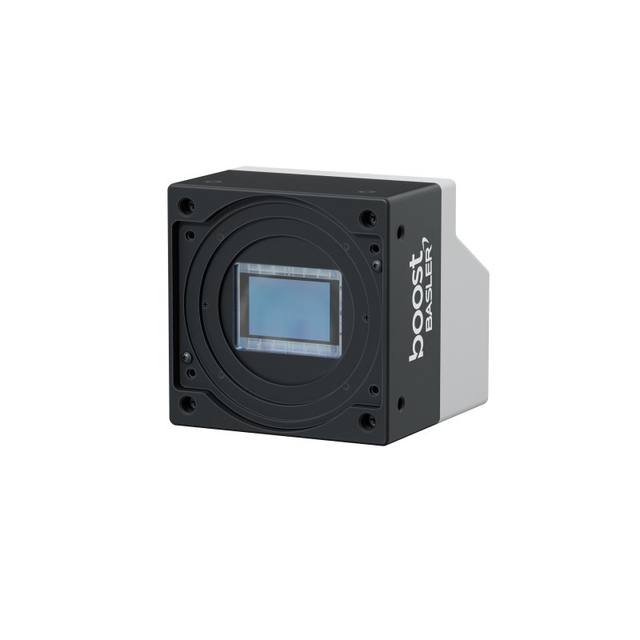
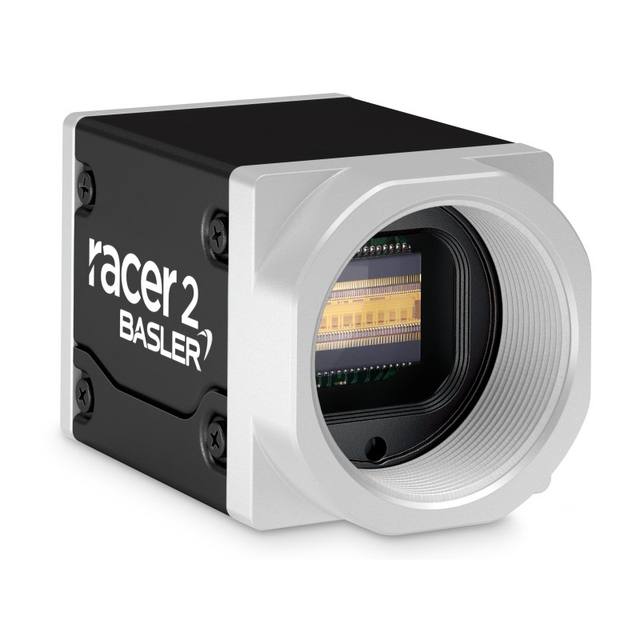
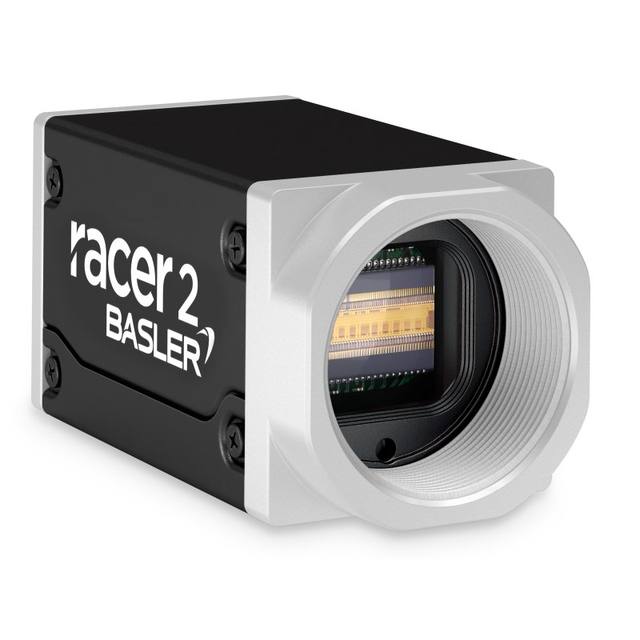
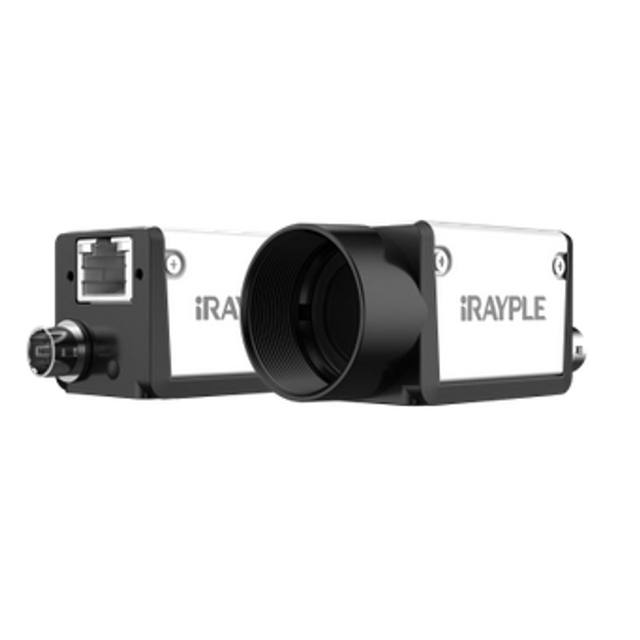
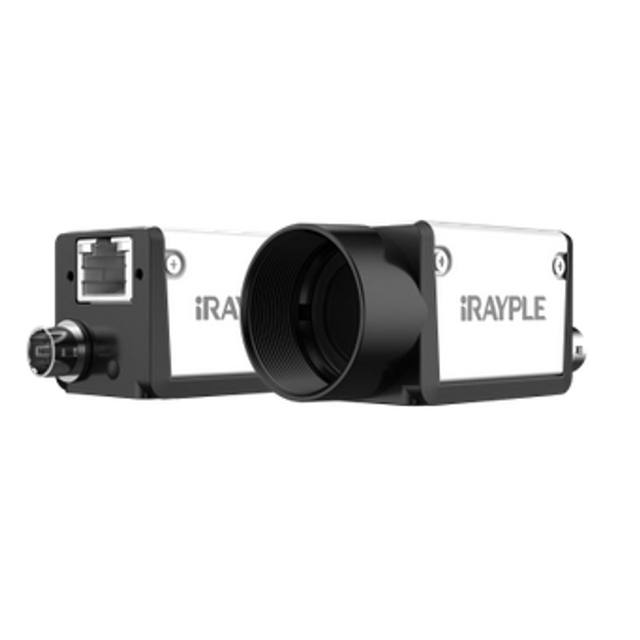
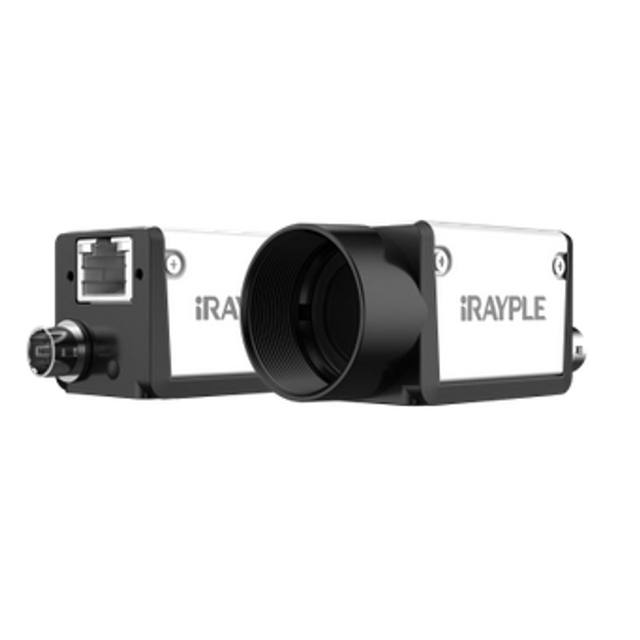
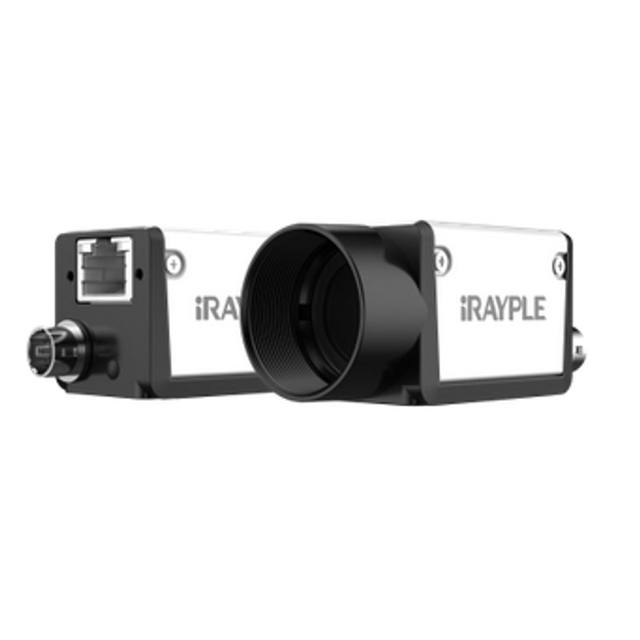
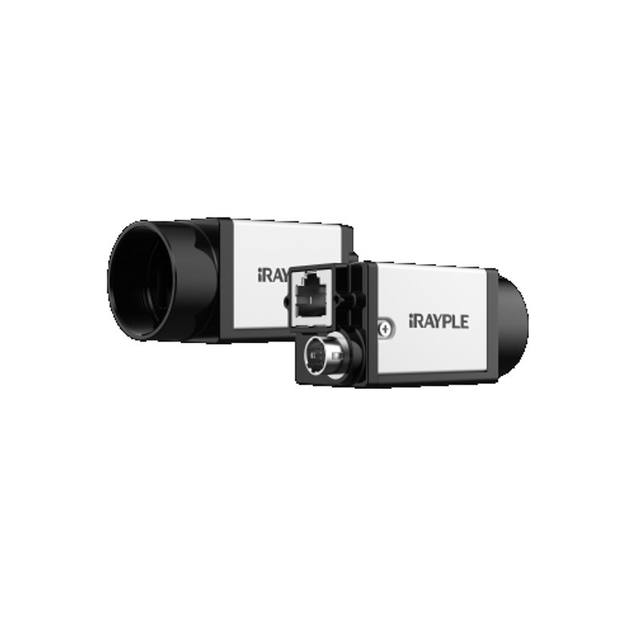
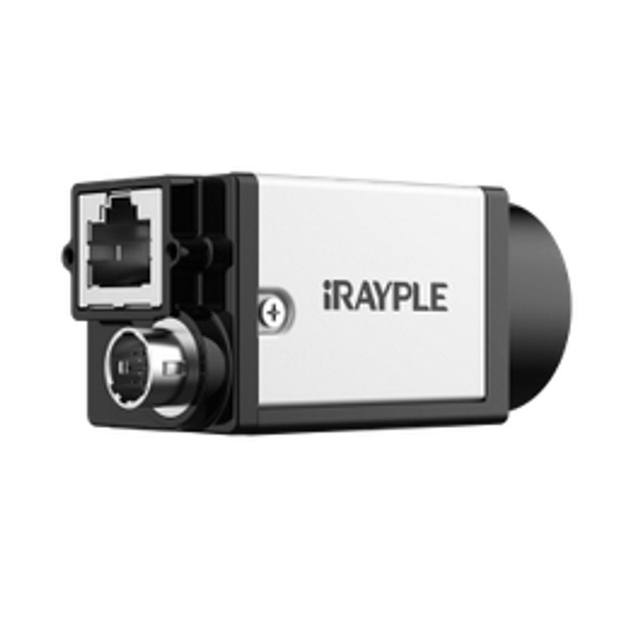
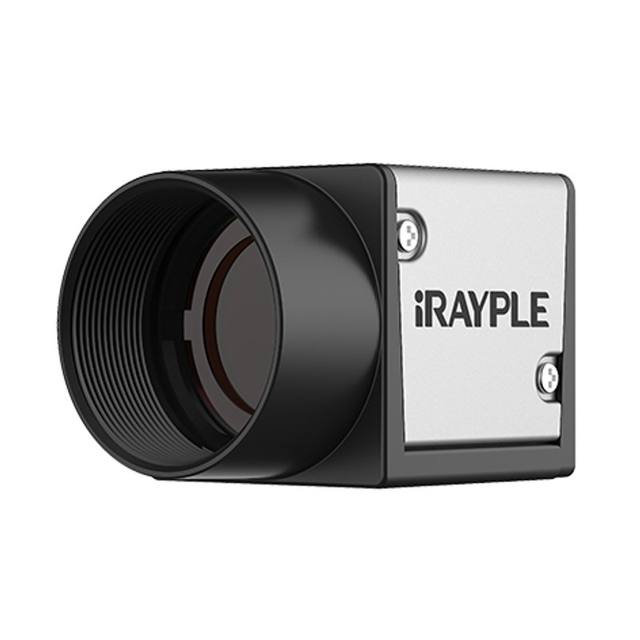
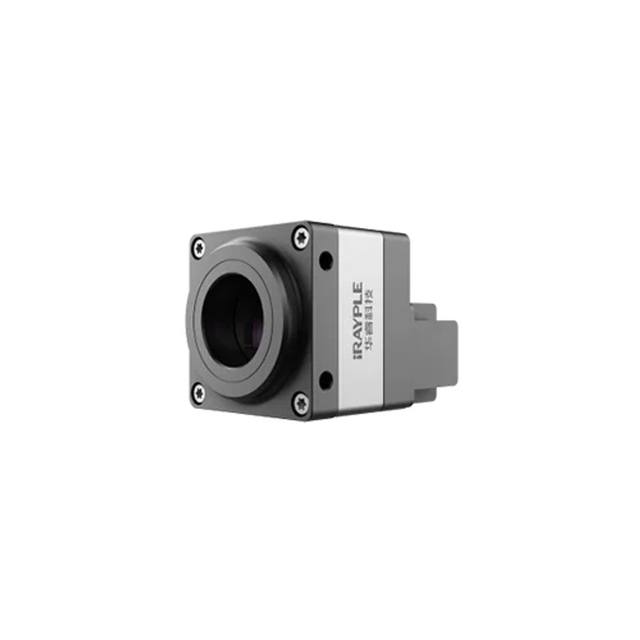
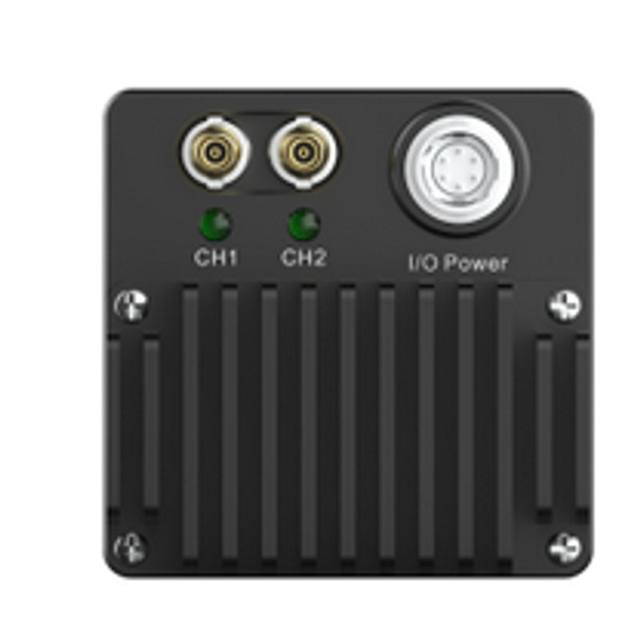
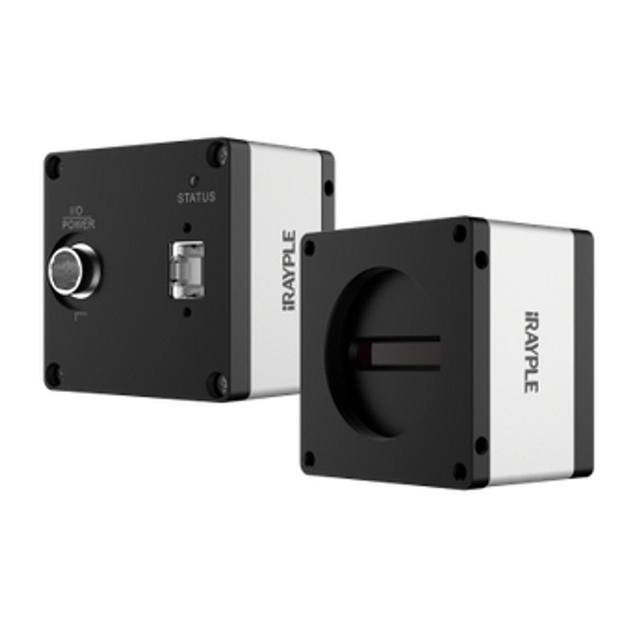
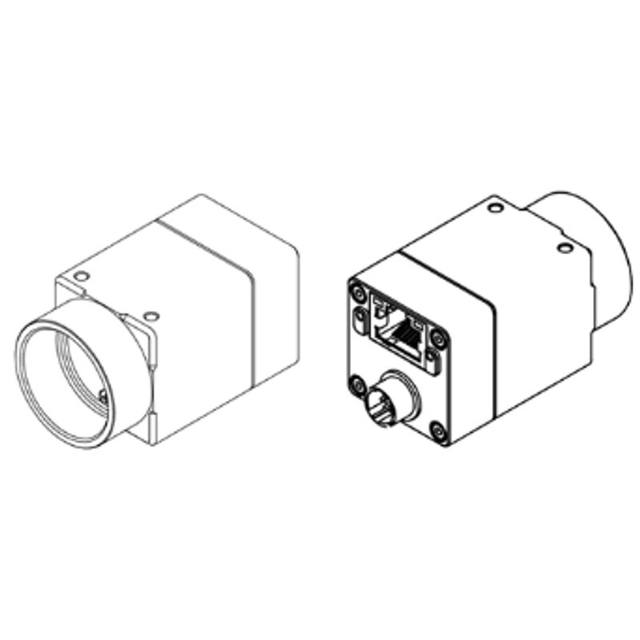
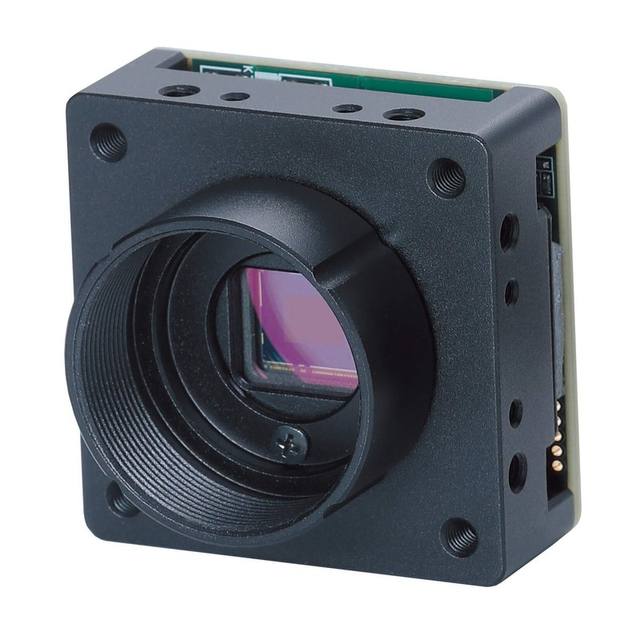
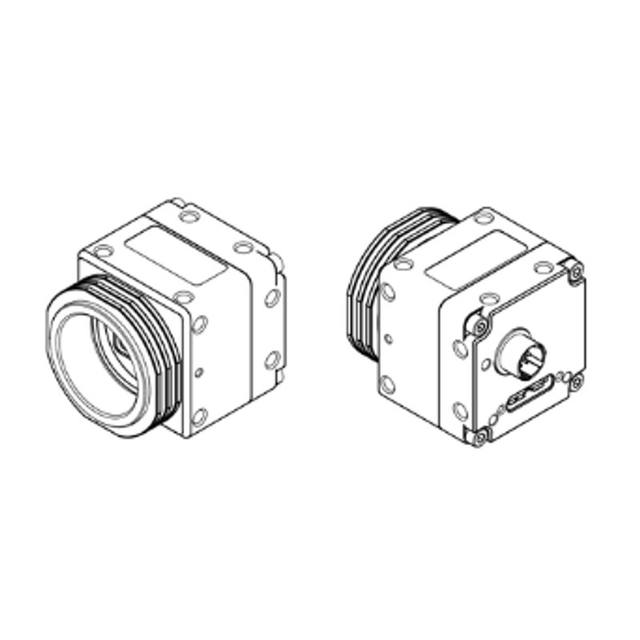
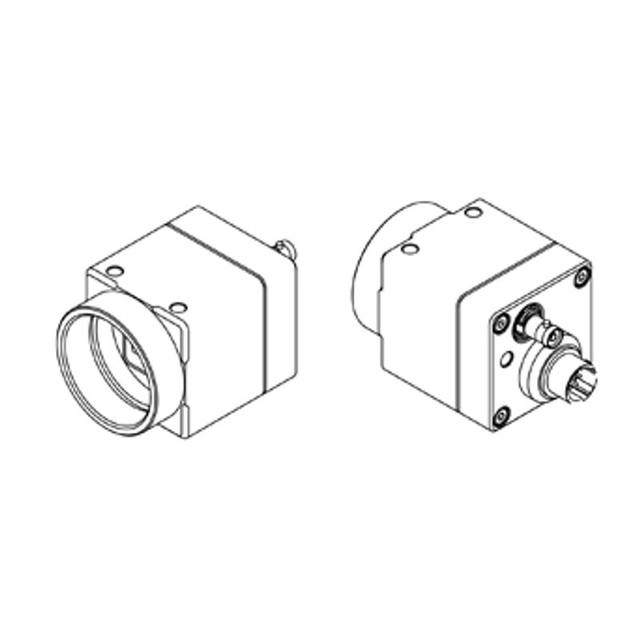
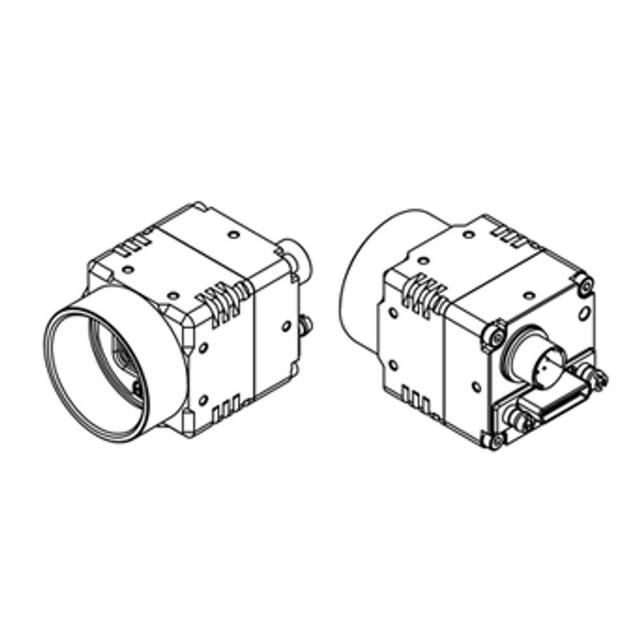
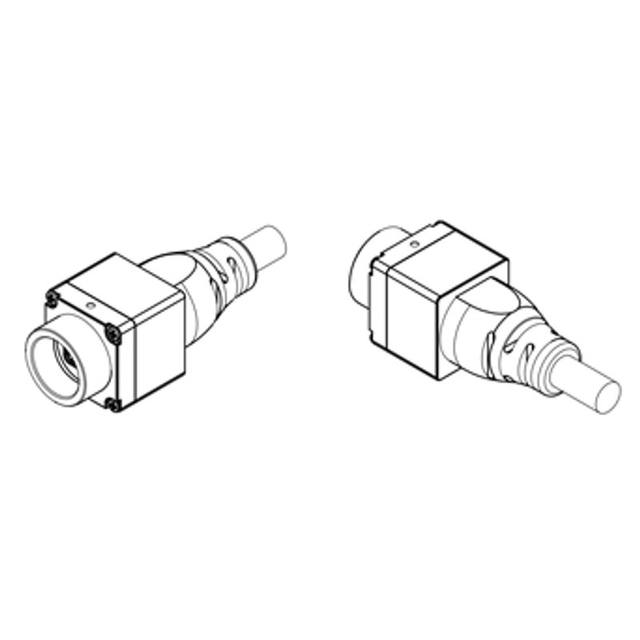
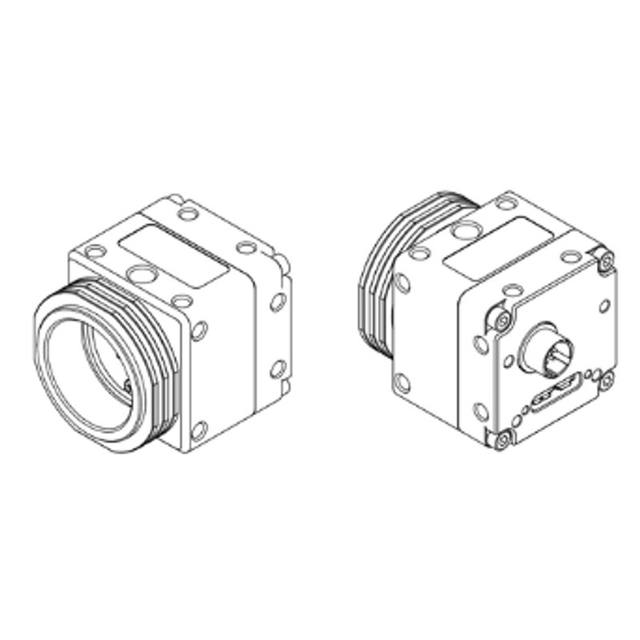
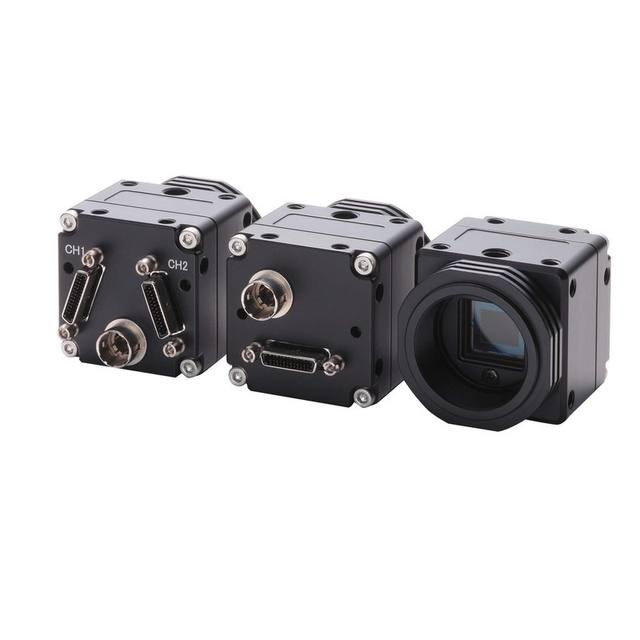
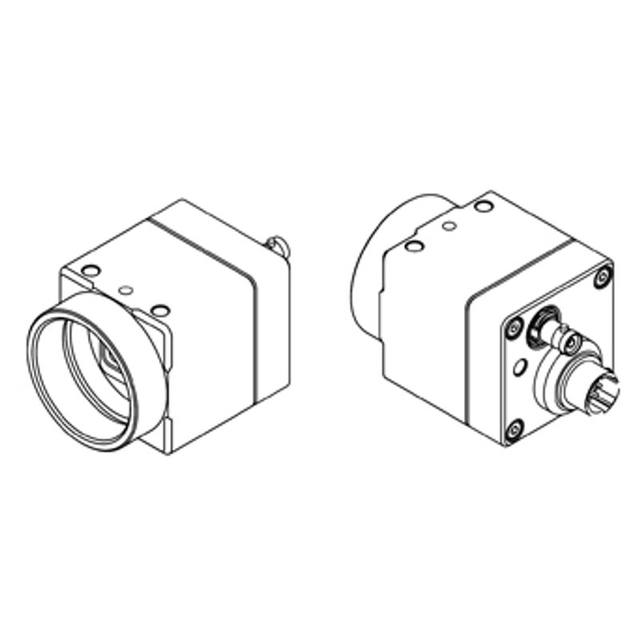
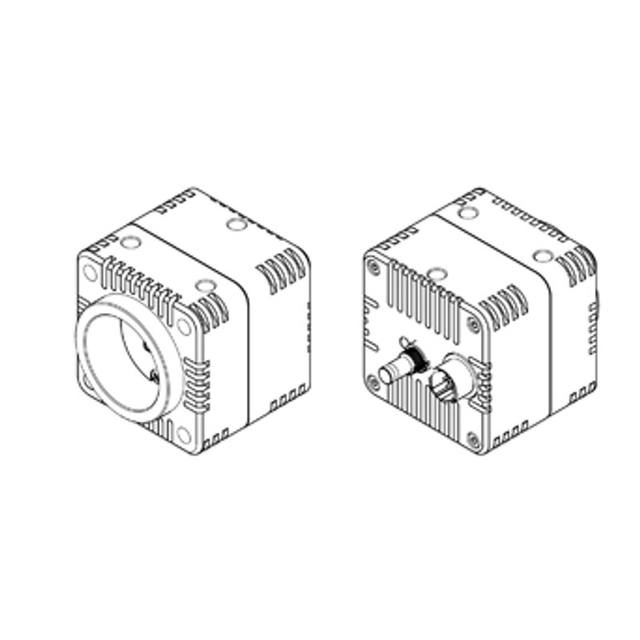
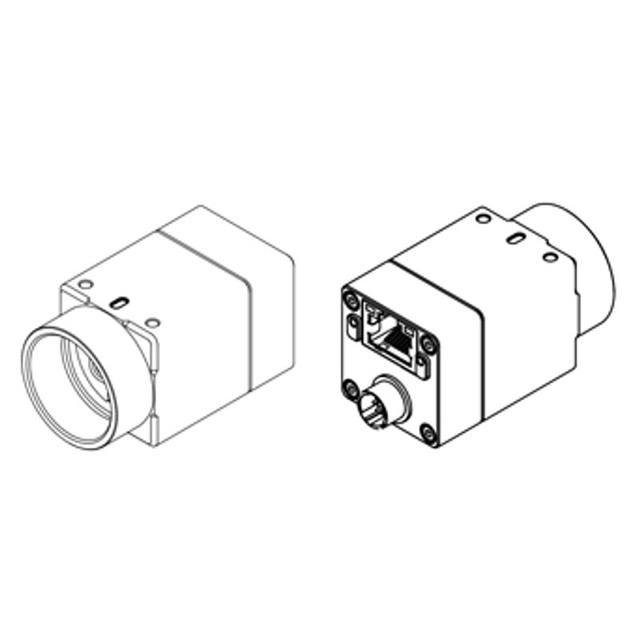
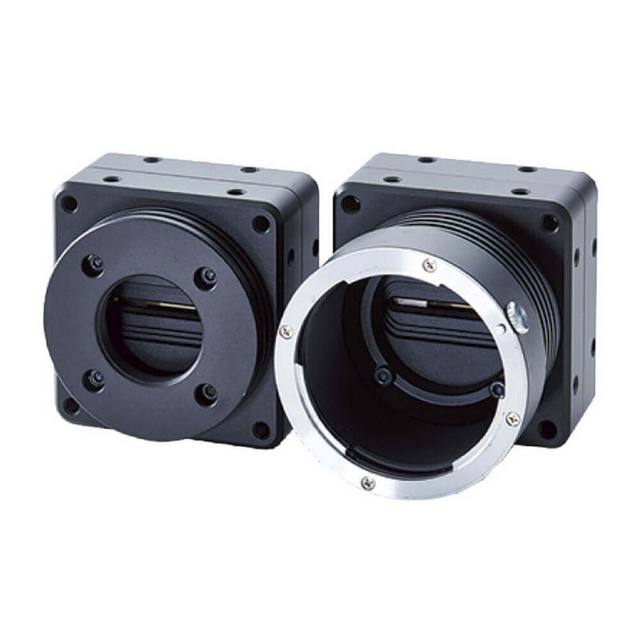
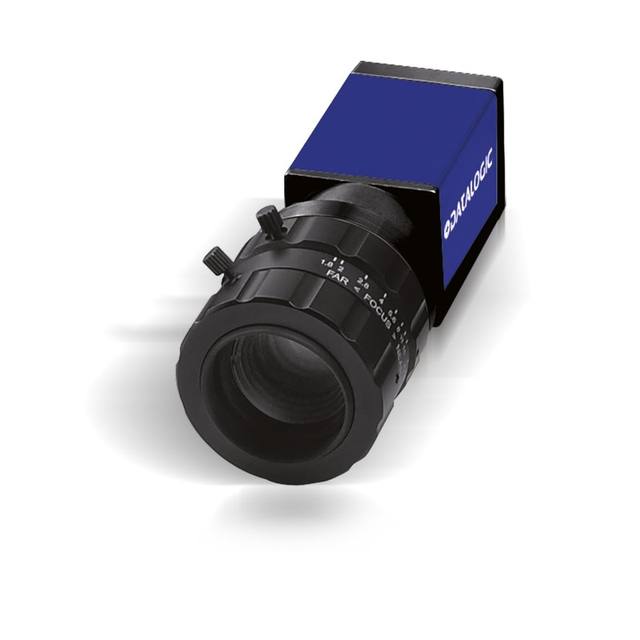
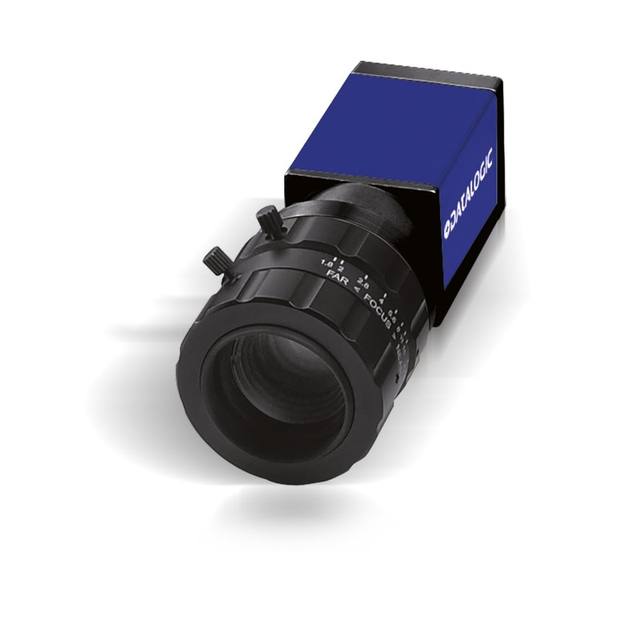
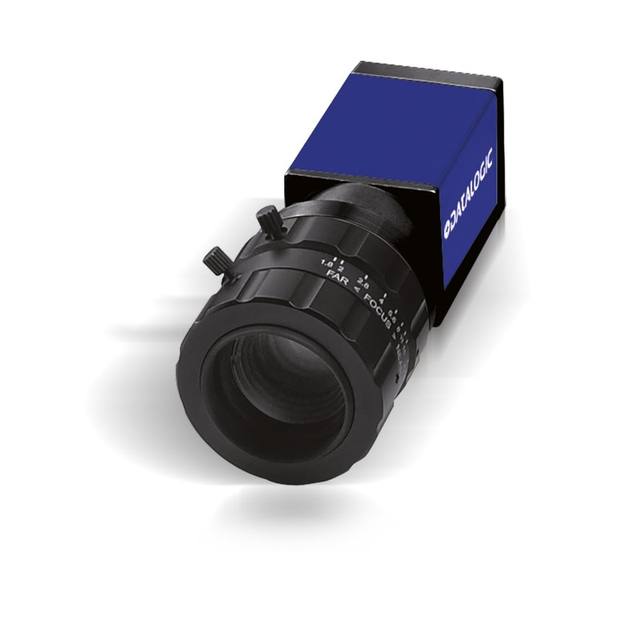
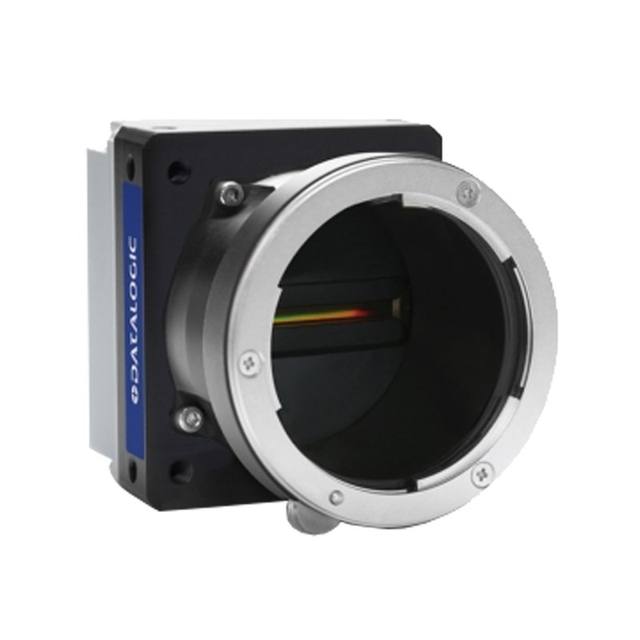
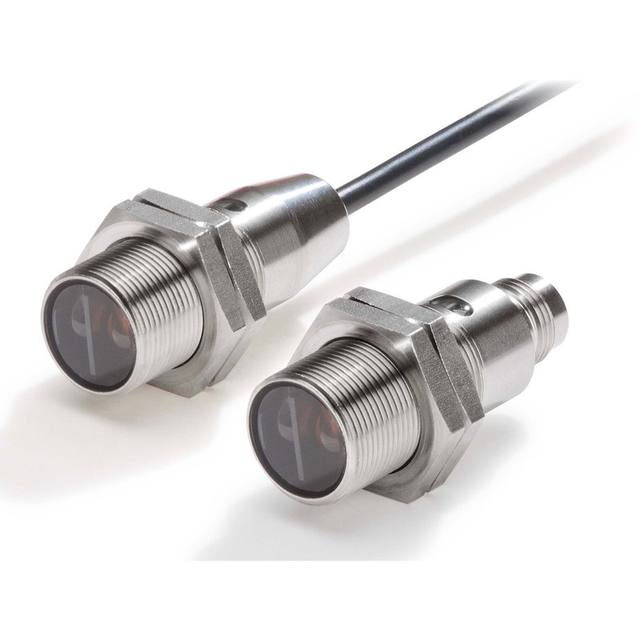
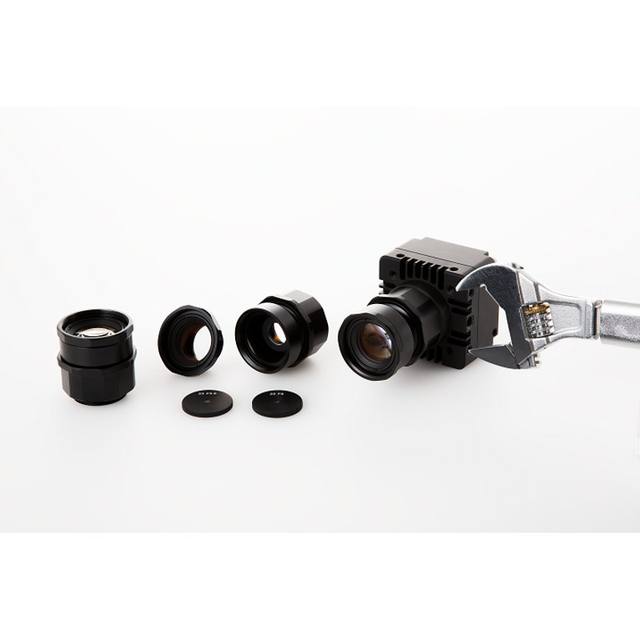
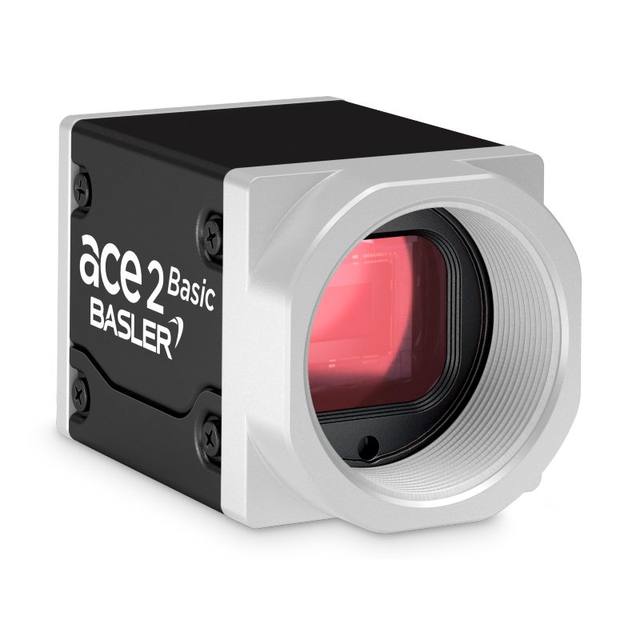
For the imaging device, choose an industrial camera offered in an IP-rated, ideally IP67 or IP69K, stainless or hygienically finished housing, or a standard camera deployed inside a purpose-built washdown enclosure with a sealed optical window and a sloped, self-draining roof. Catalog ranges from Basler, iRAYPLE and Omron/Sentech (STC) include models and enclosure options suited to protected and washdown deployments; the engineering choice between an inherently sealed camera and an enclosed standard camera comes down to access for service, cost, and how close the device sits to direct jet cleaning. Pair the sensor and lens so that the protective front window does not introduce flare or vignetting, and select the resolution and field of view for the inspection task as you would on any line.
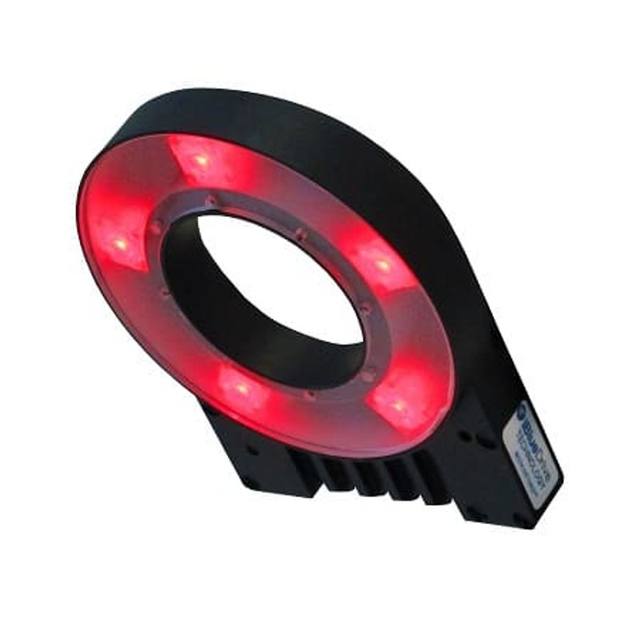
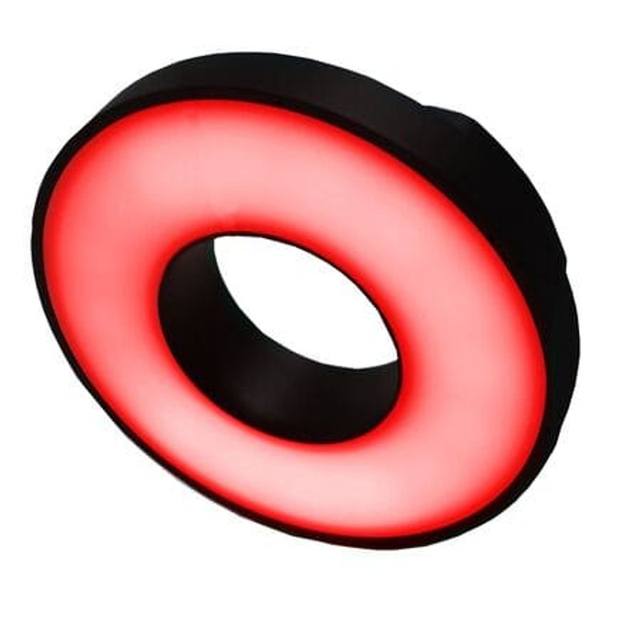
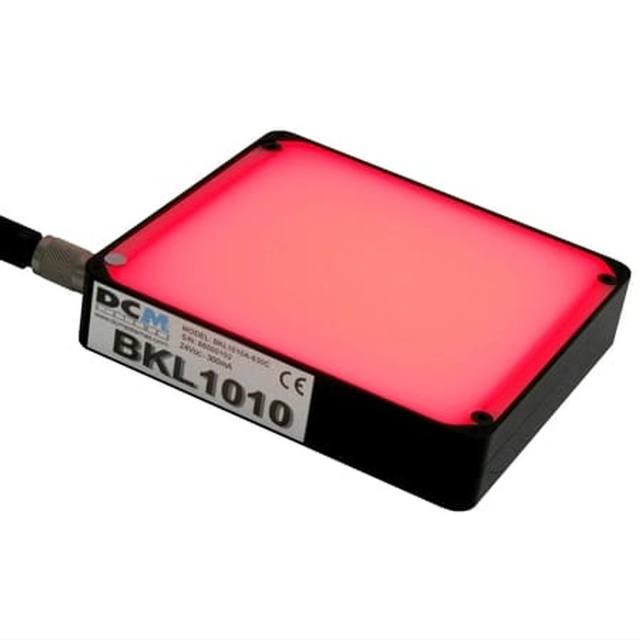
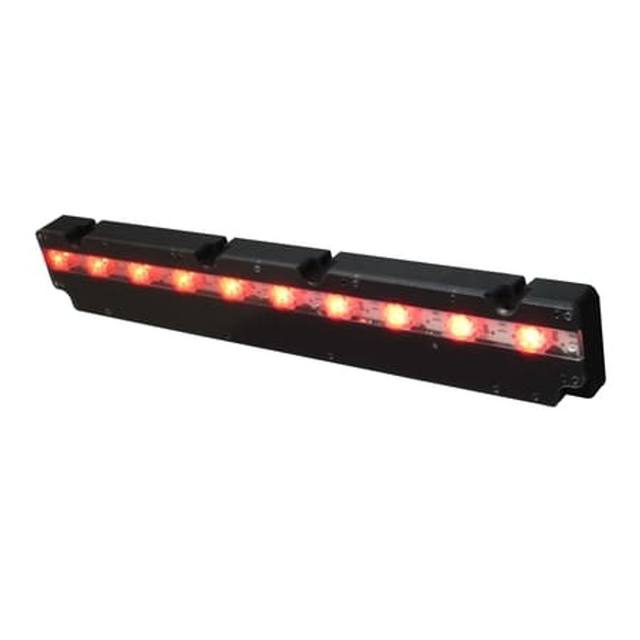
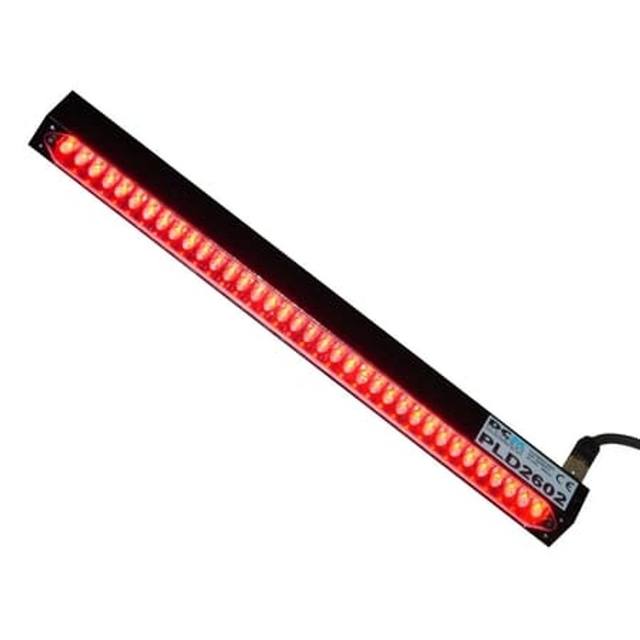
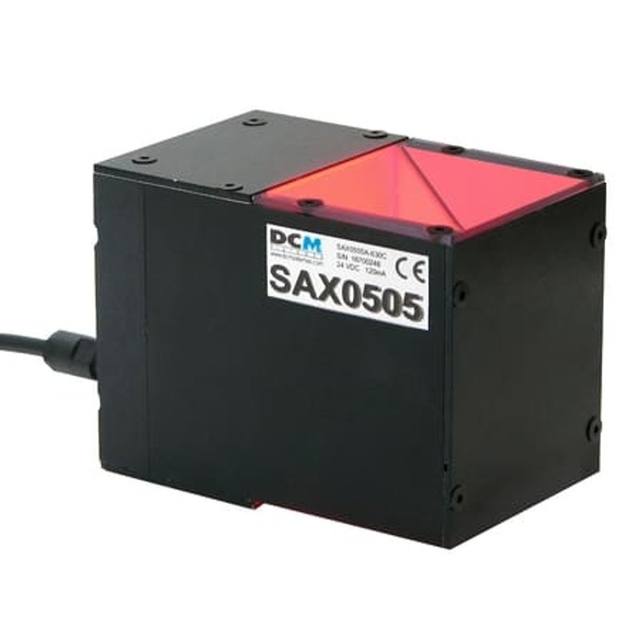
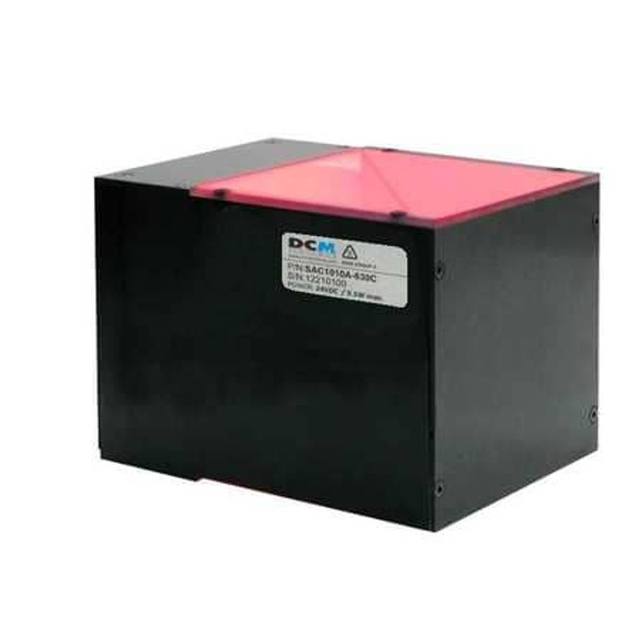
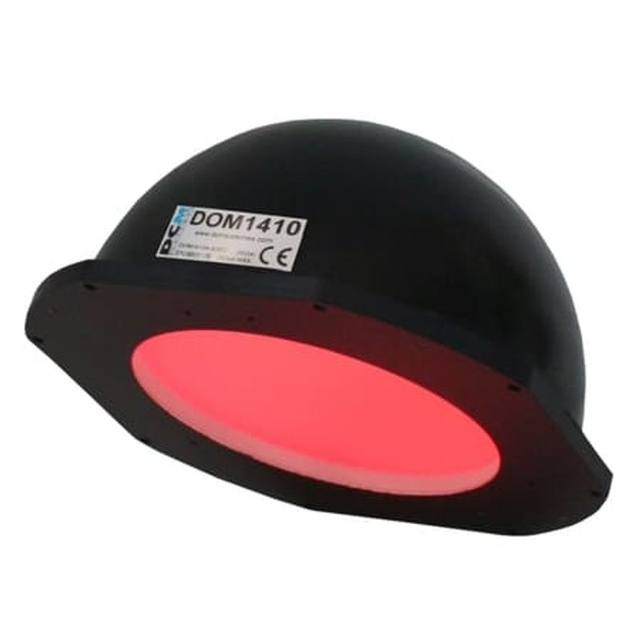
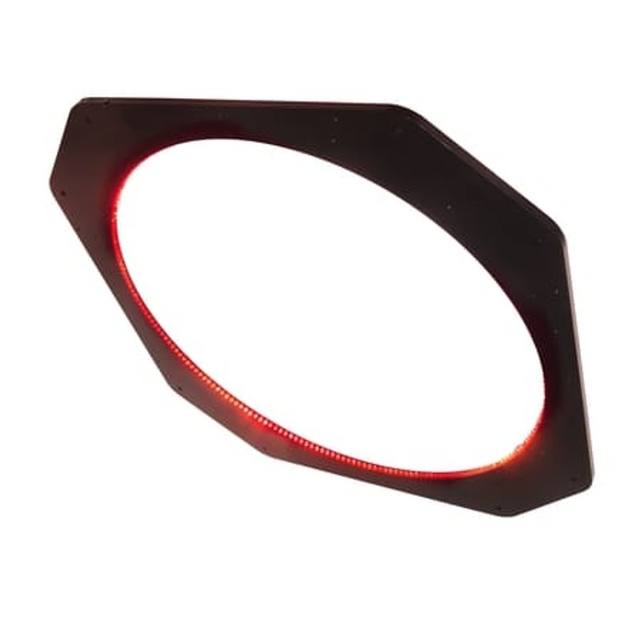
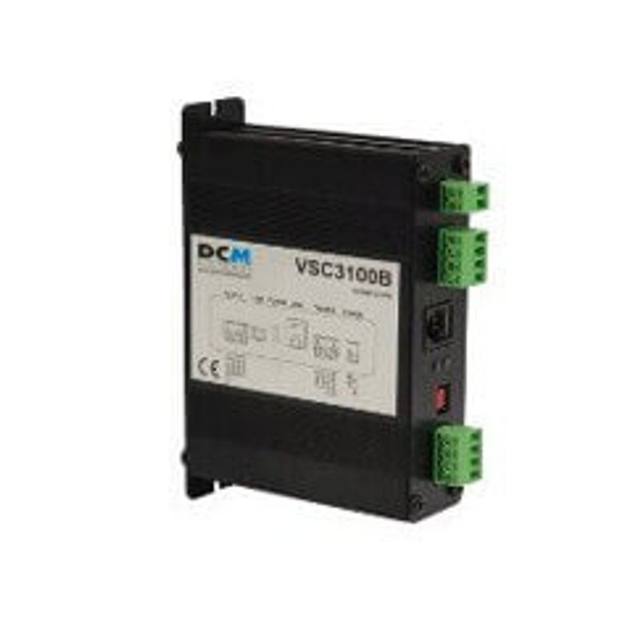
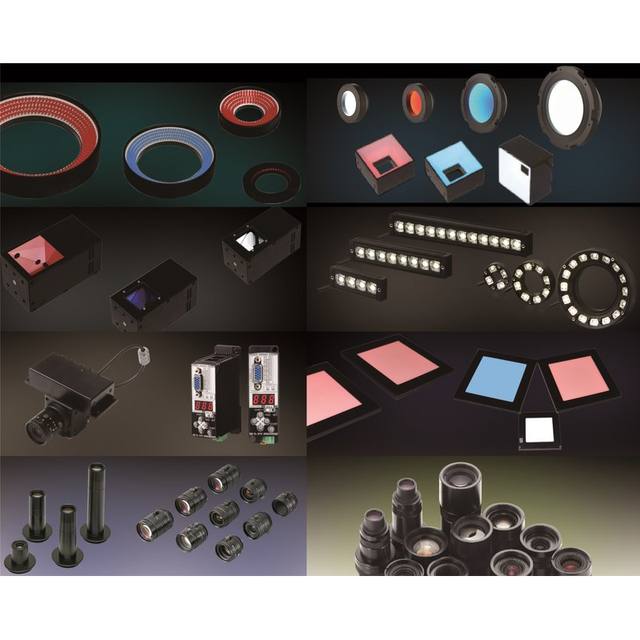
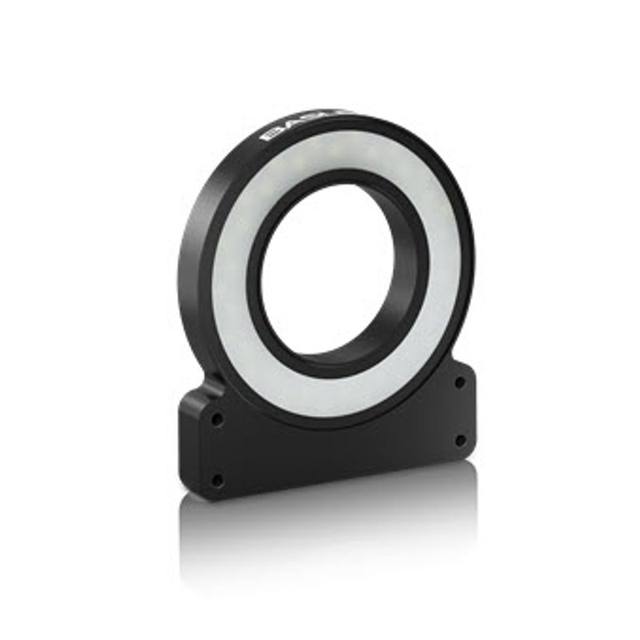
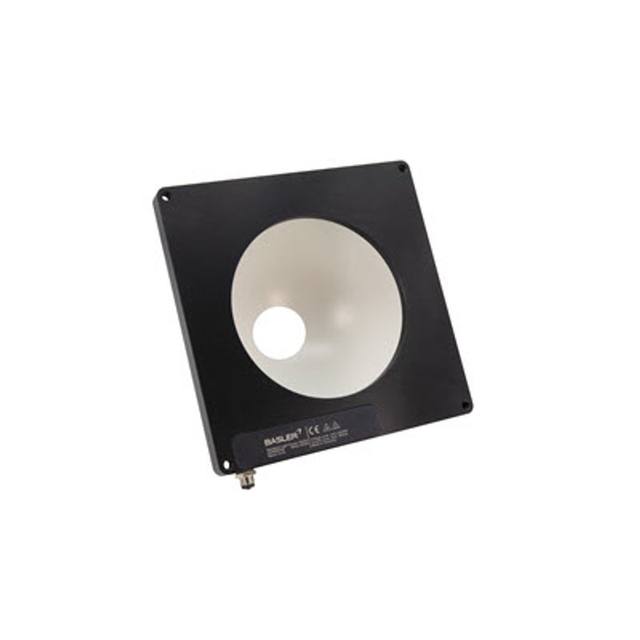
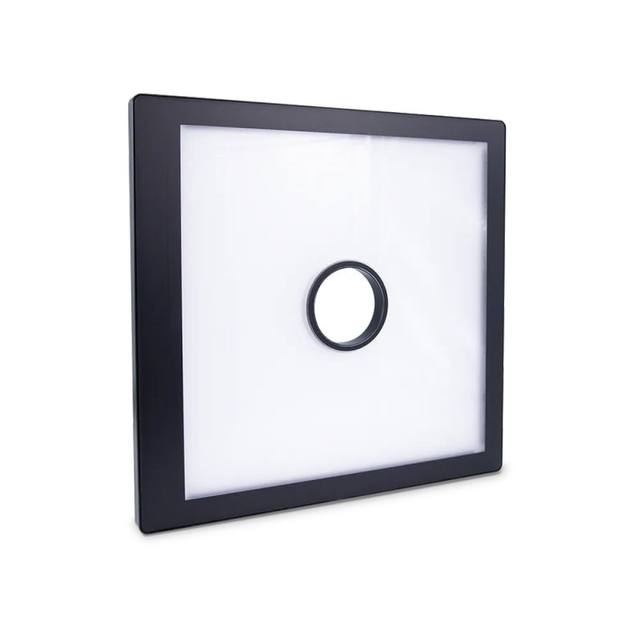
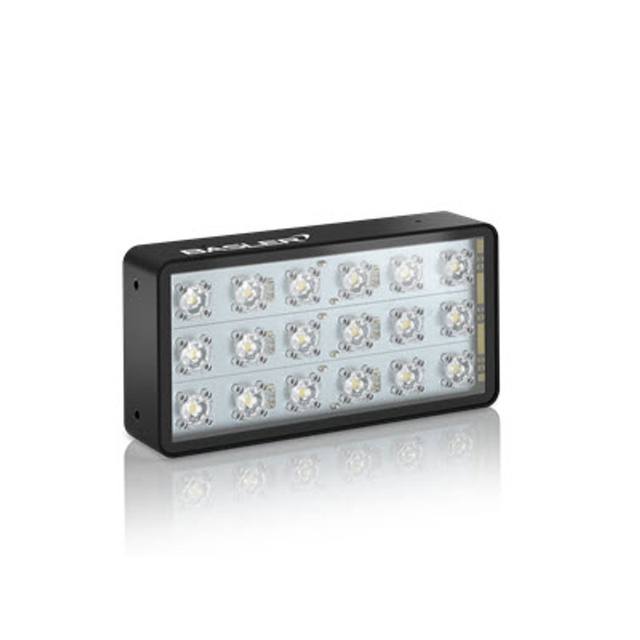
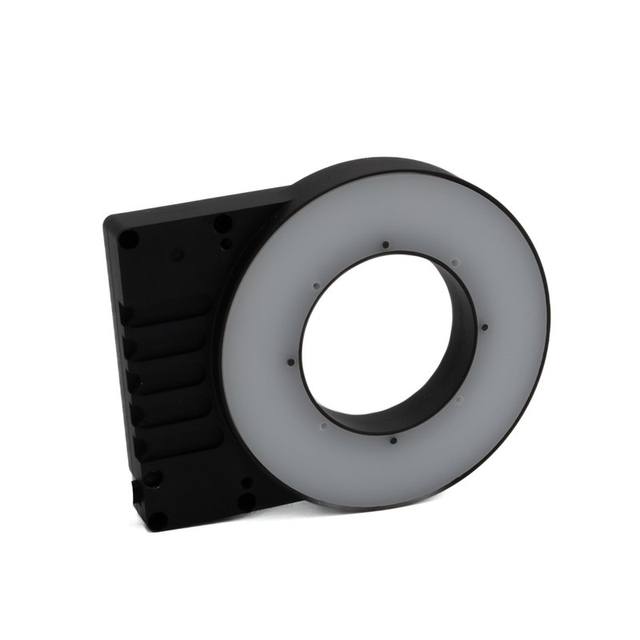
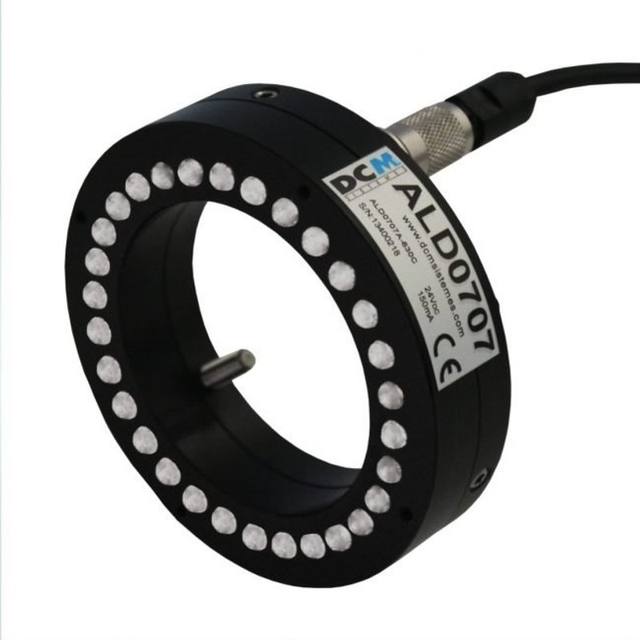
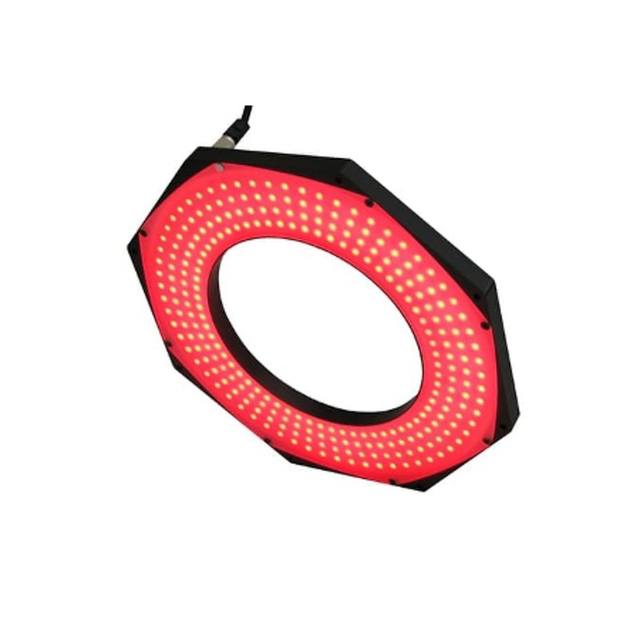
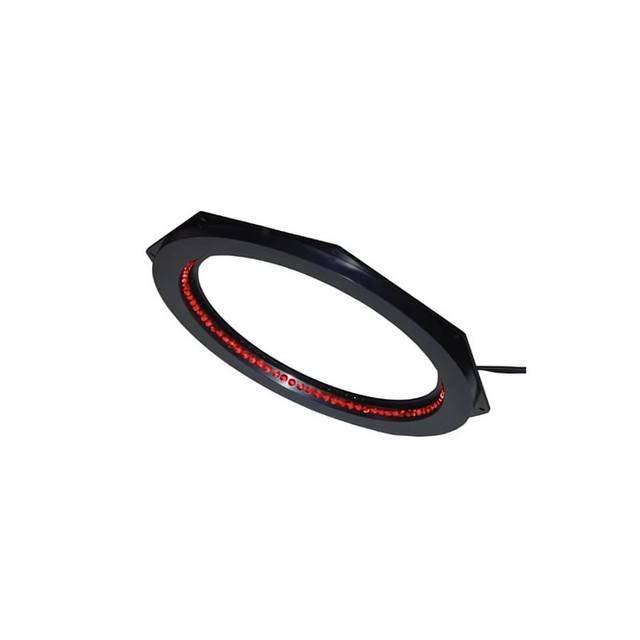
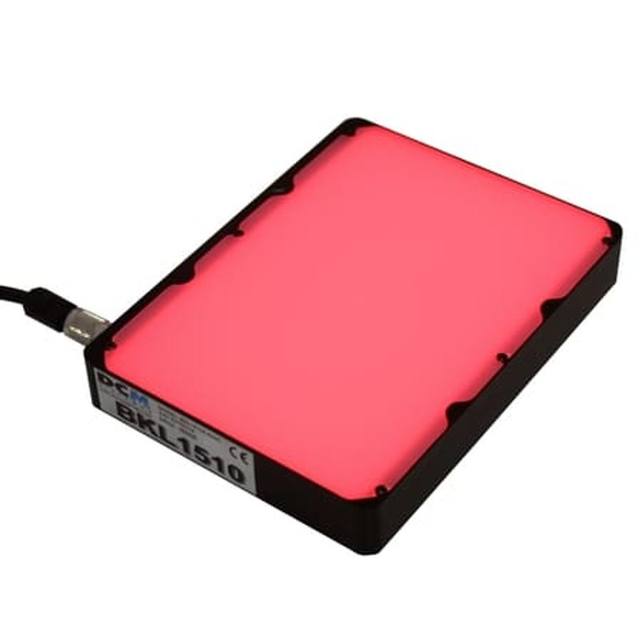
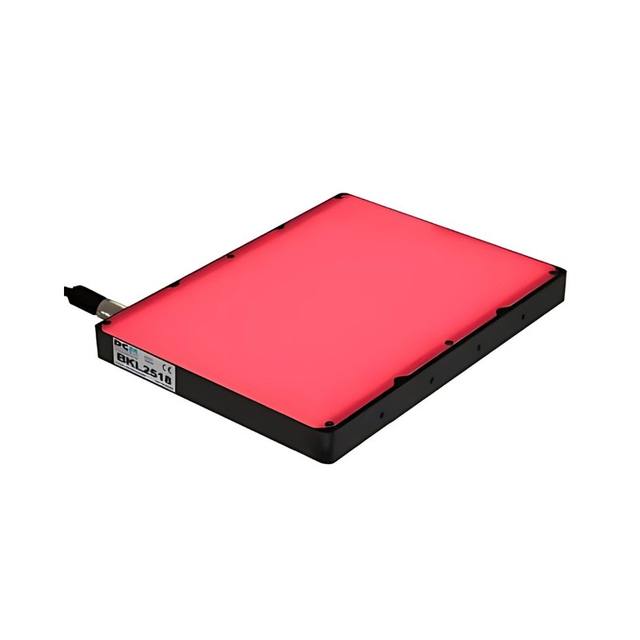
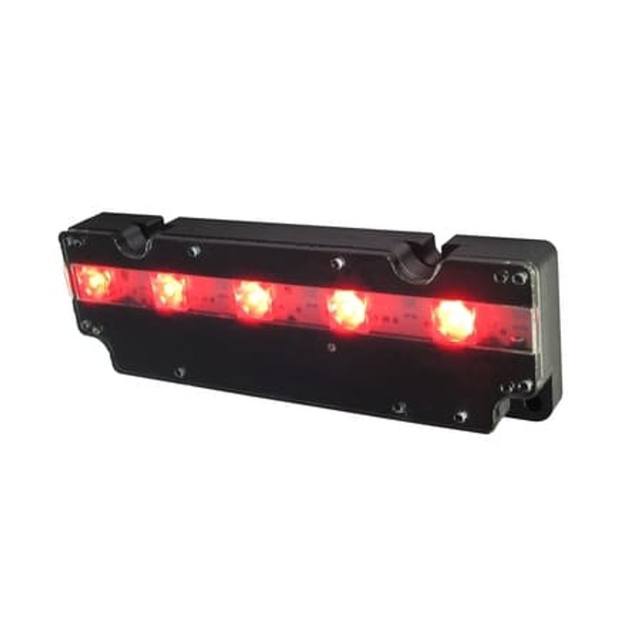
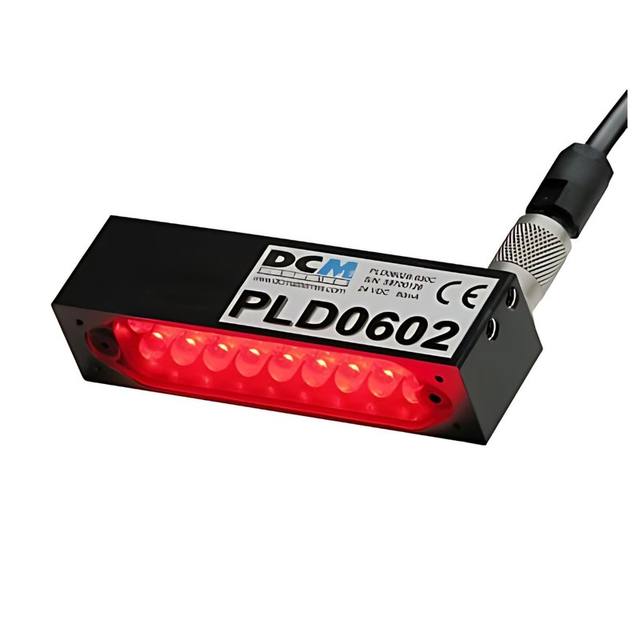
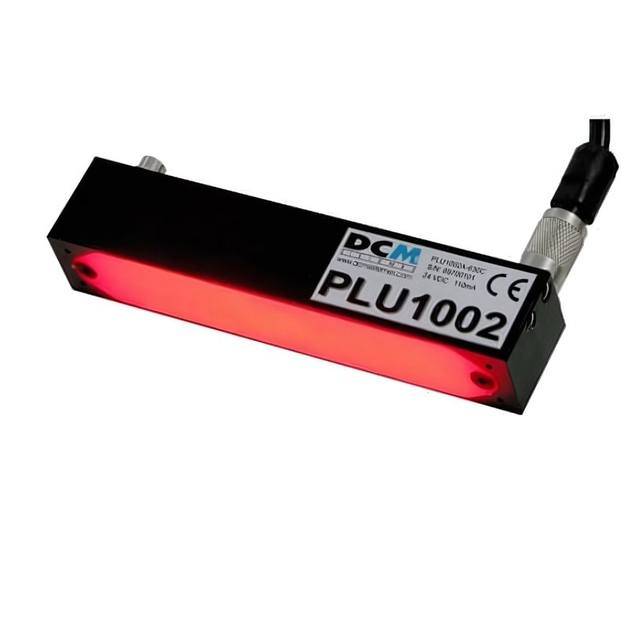
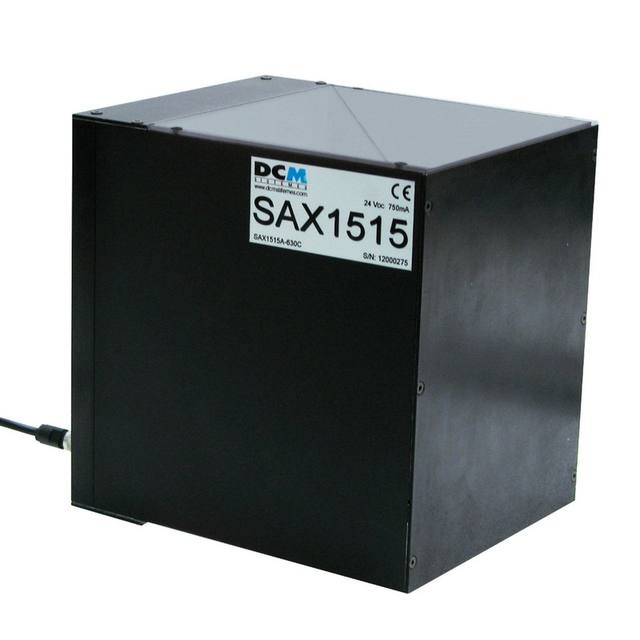
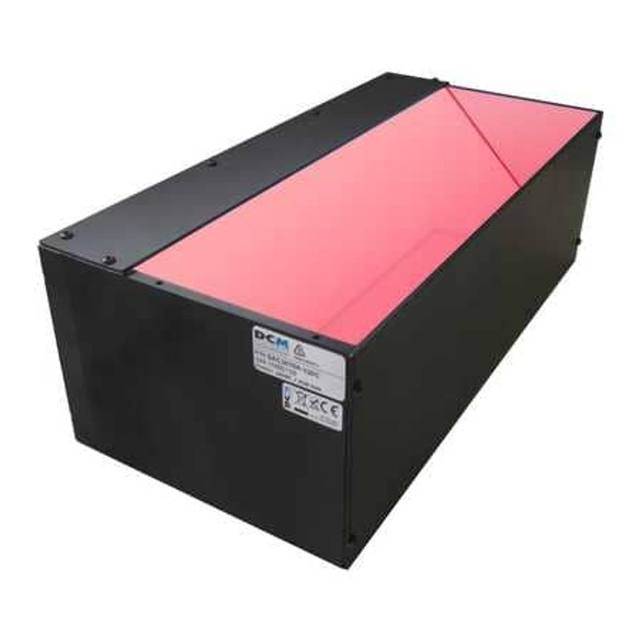
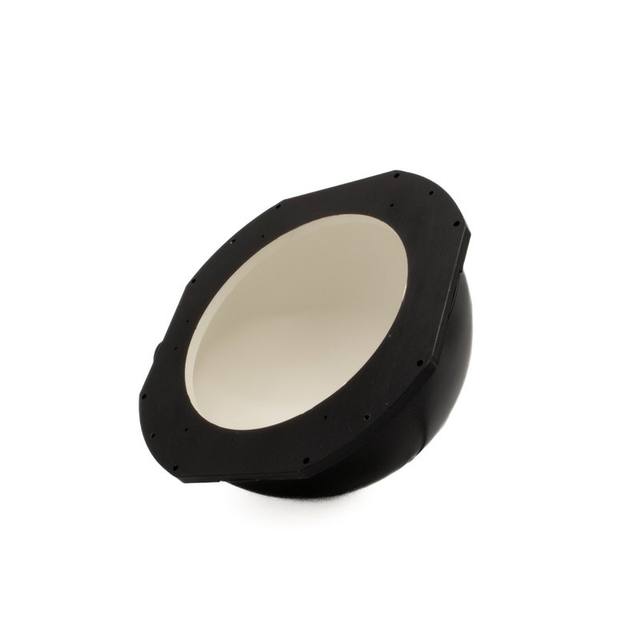
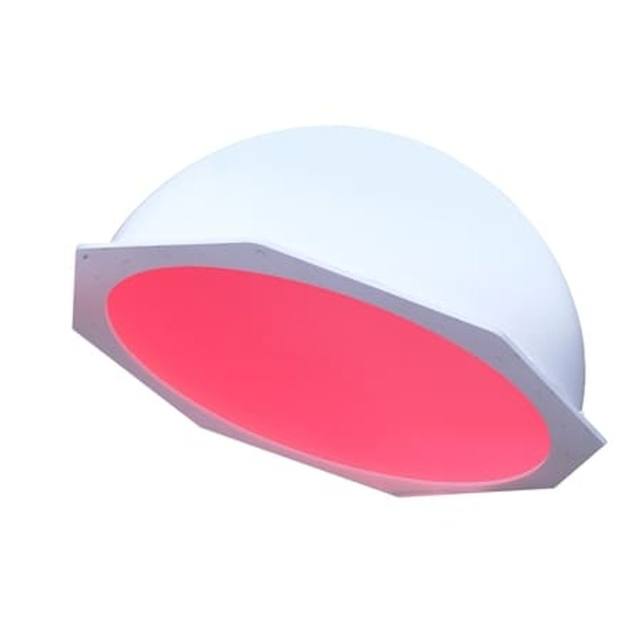
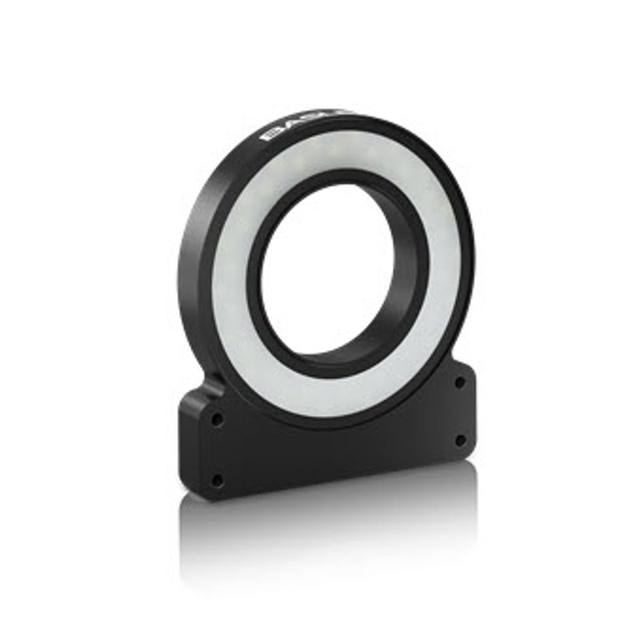
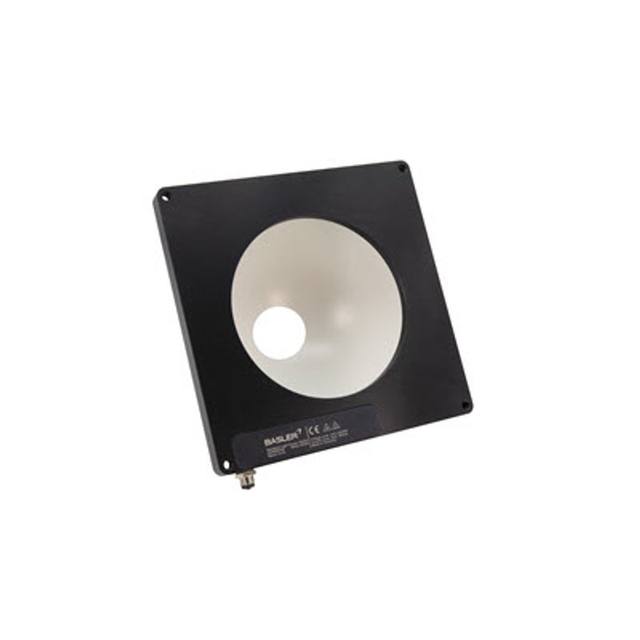
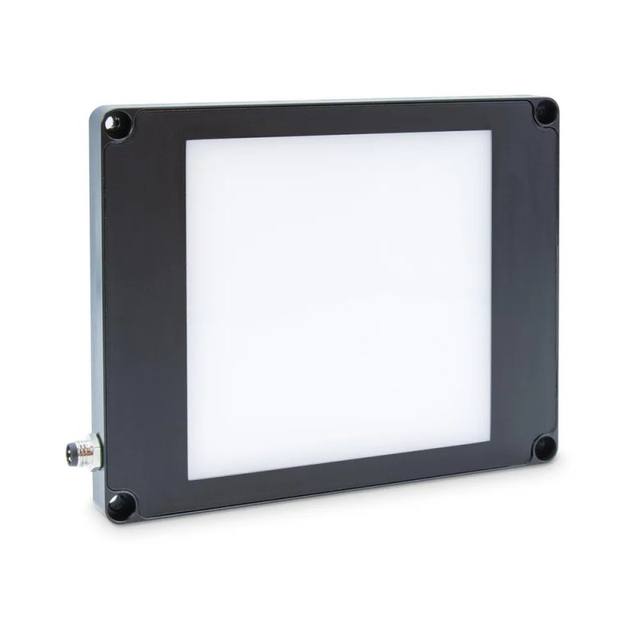
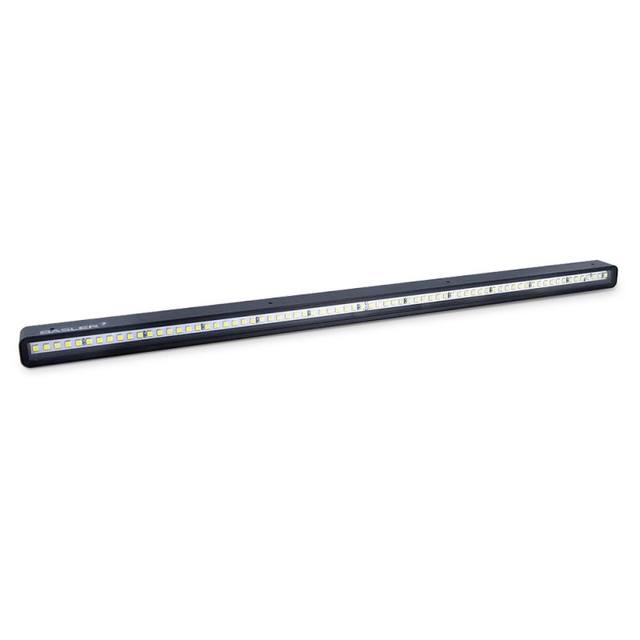
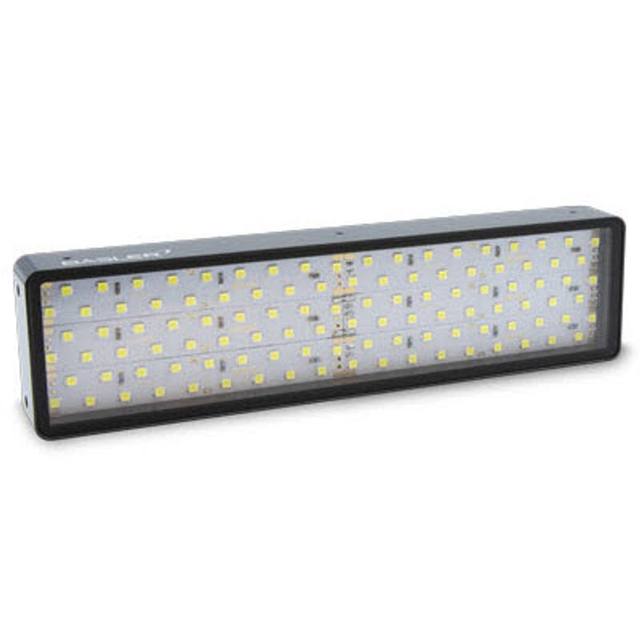
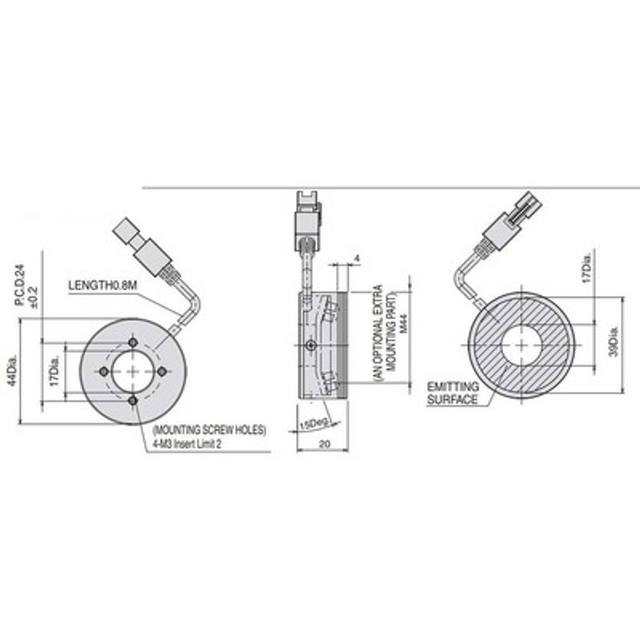
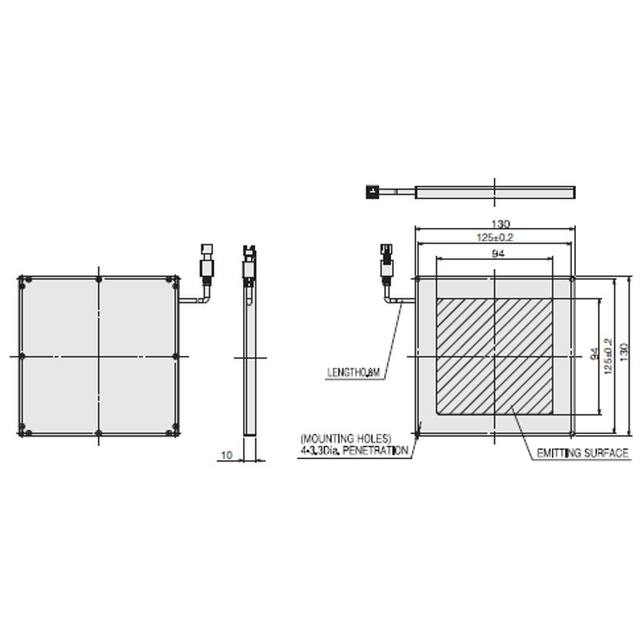
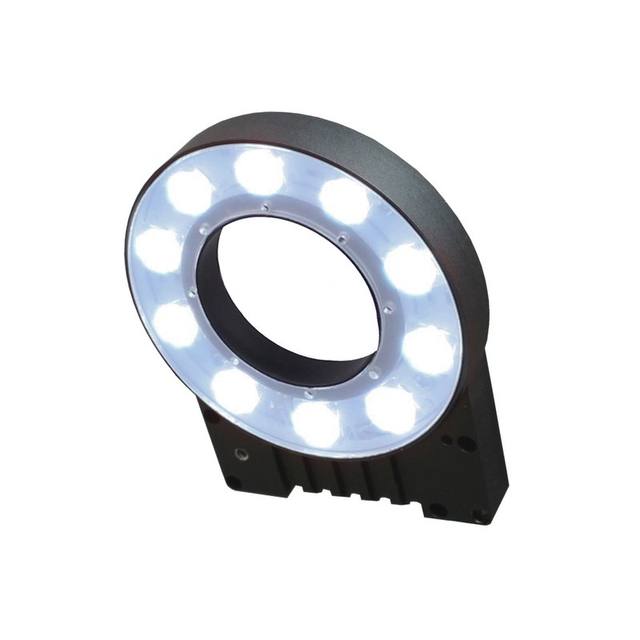
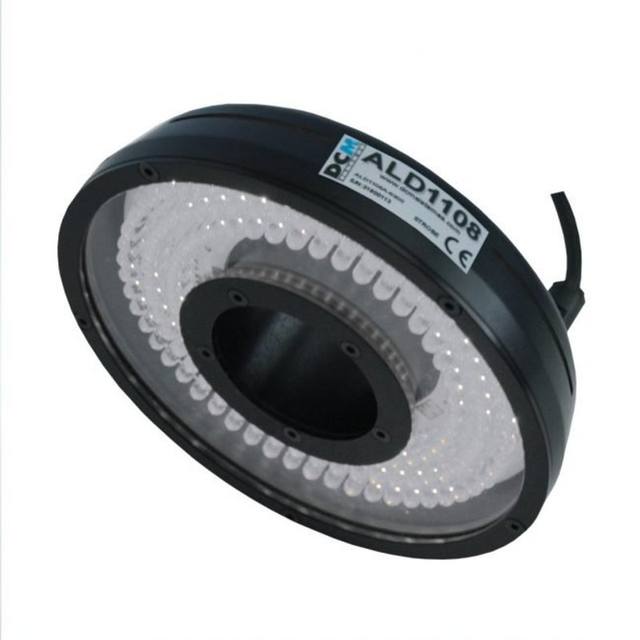
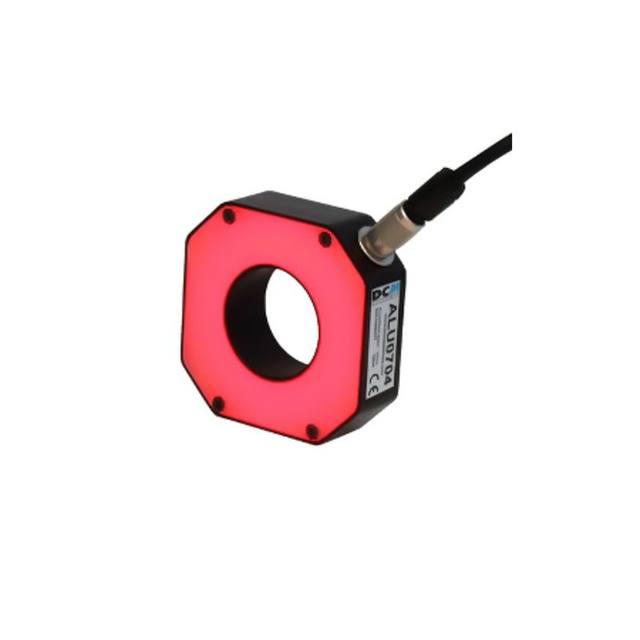
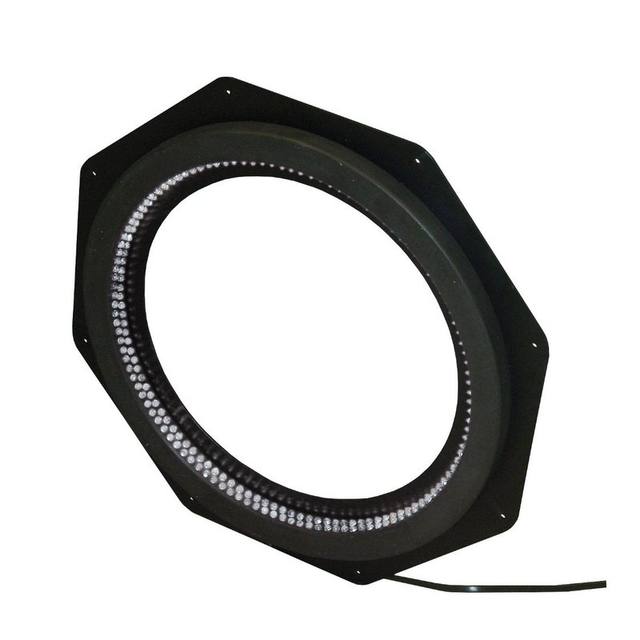
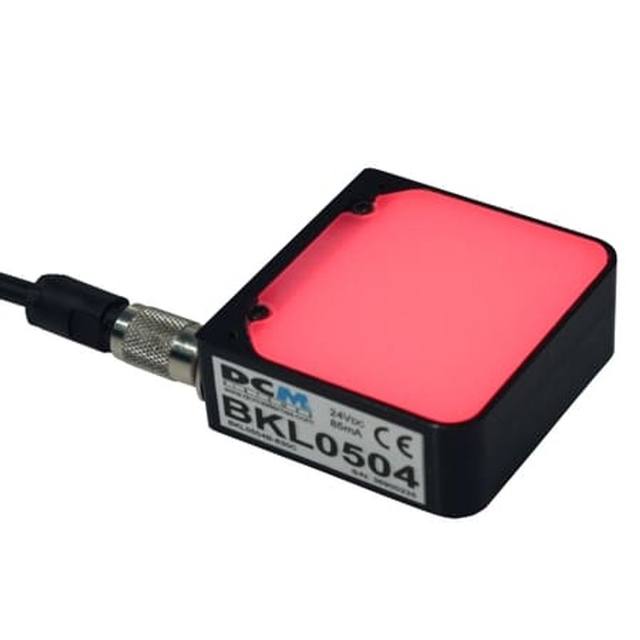
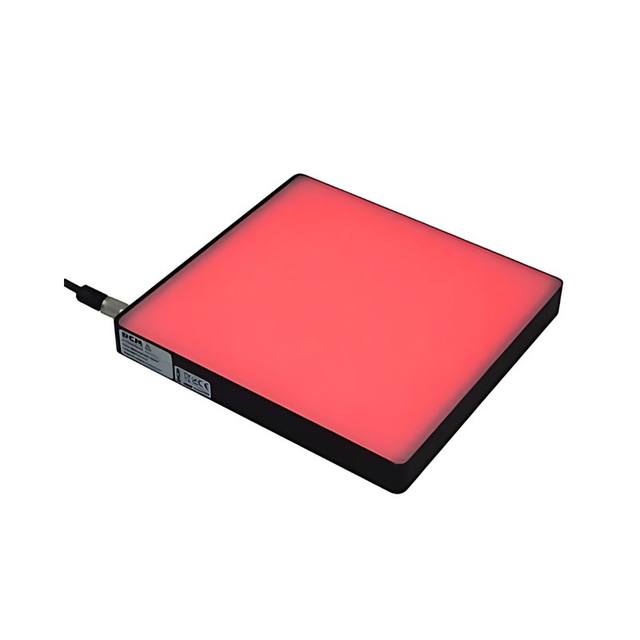
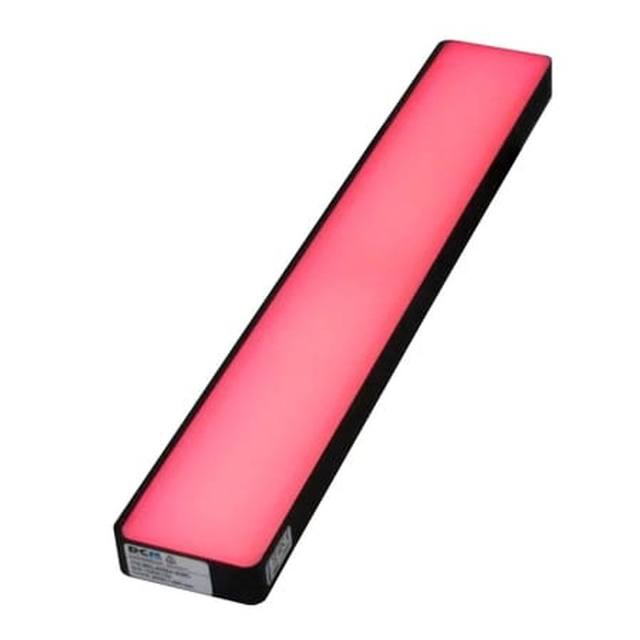
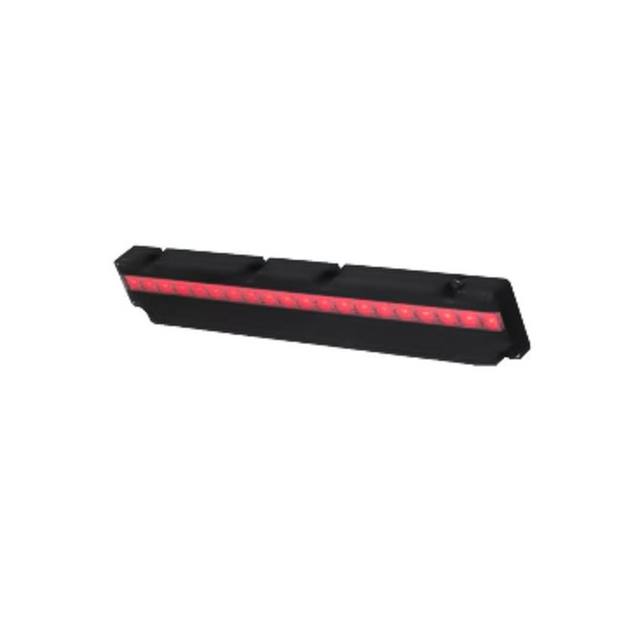
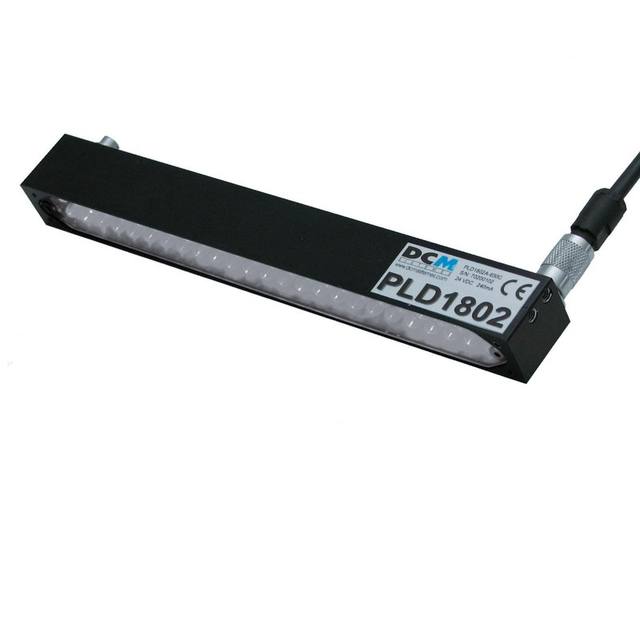
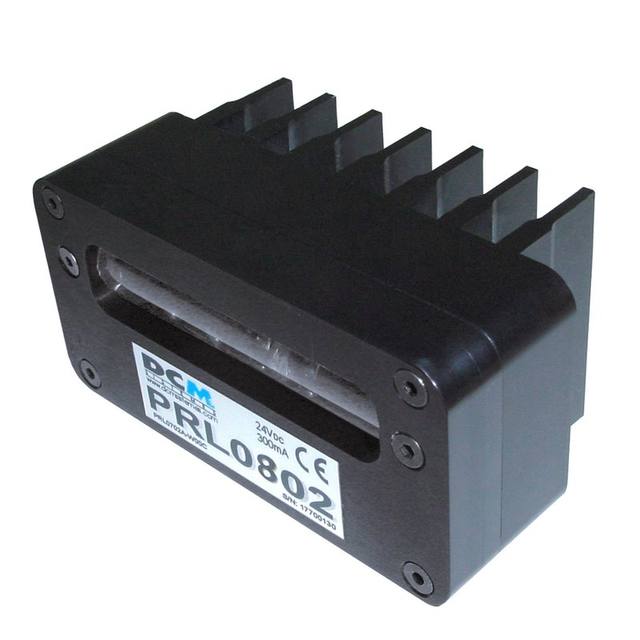
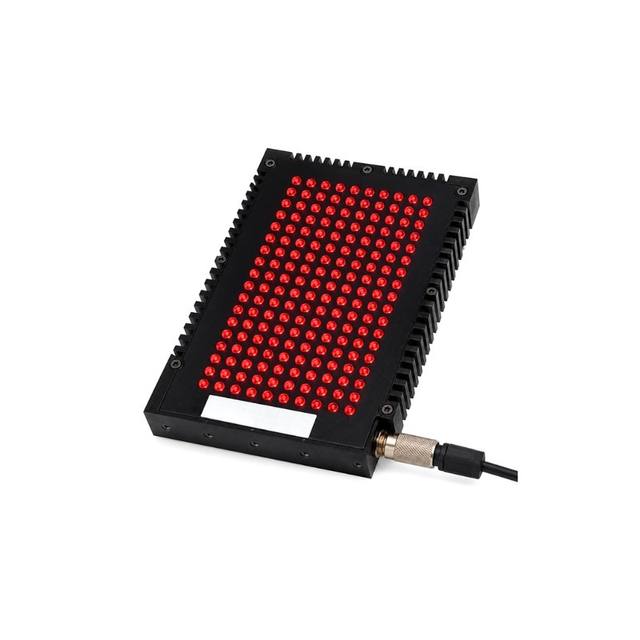
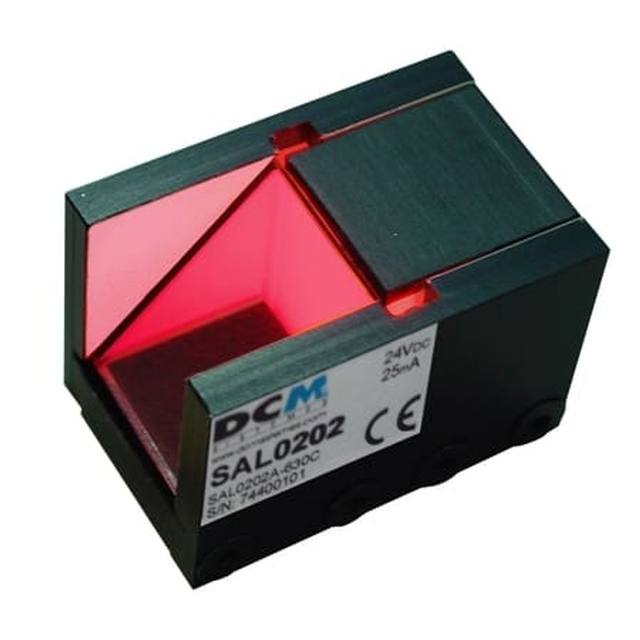
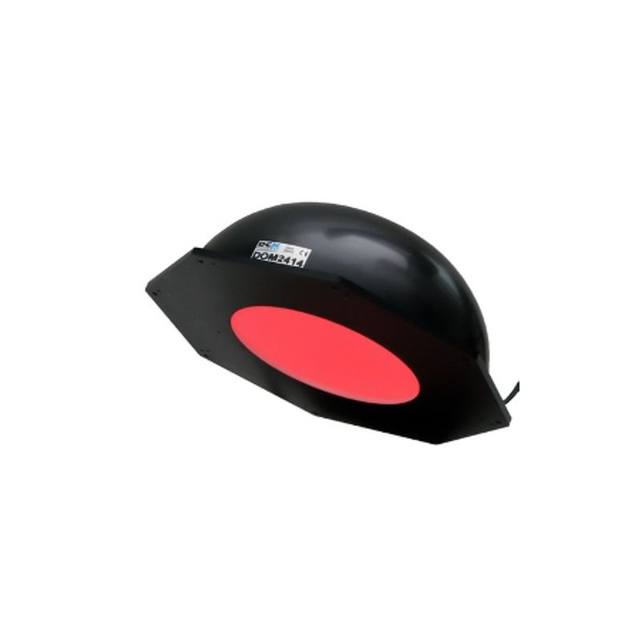
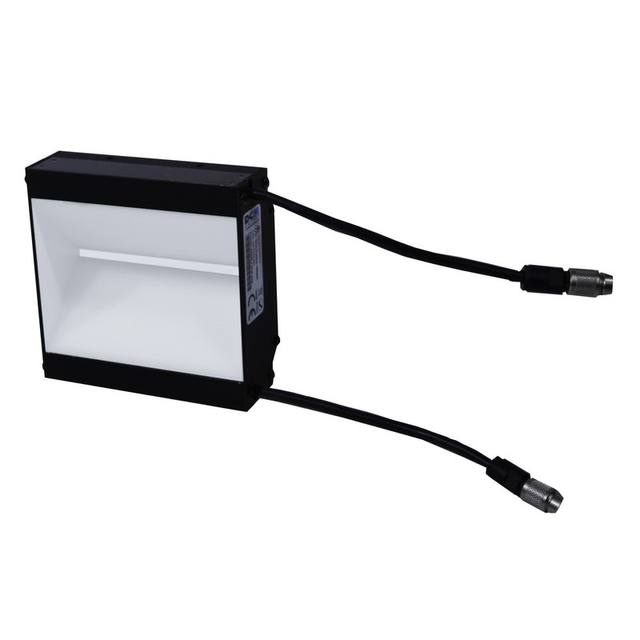
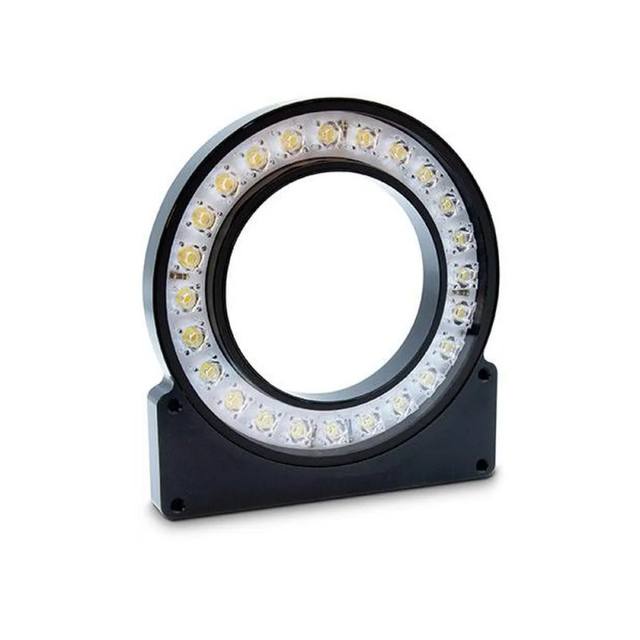
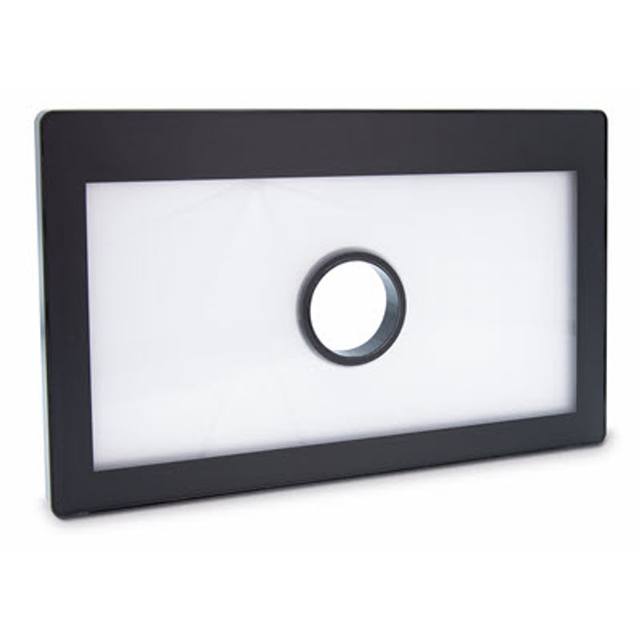
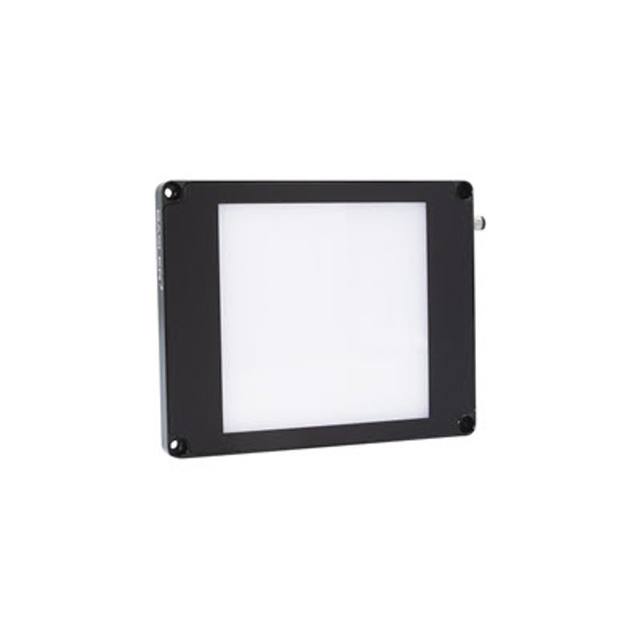
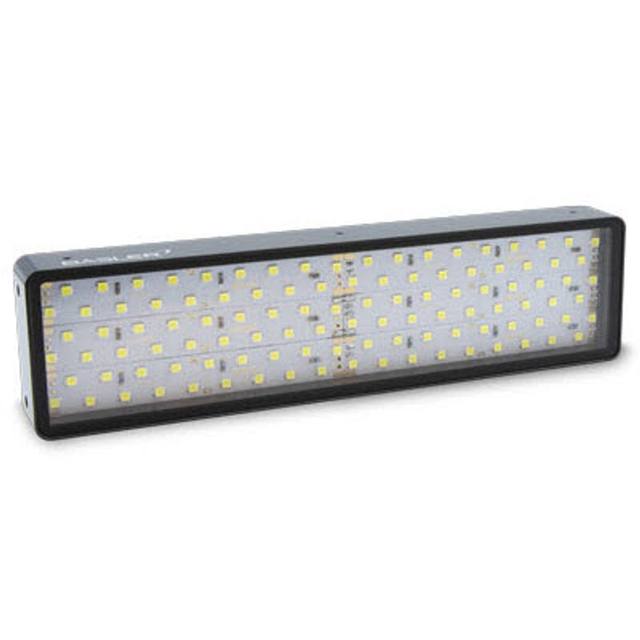
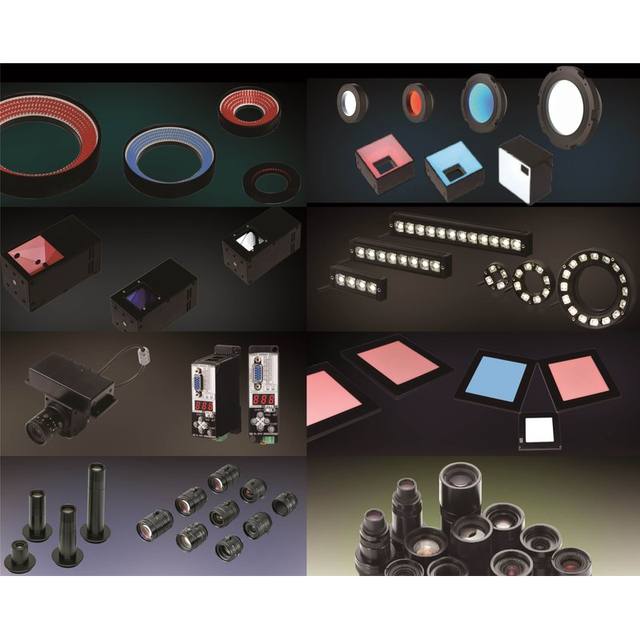
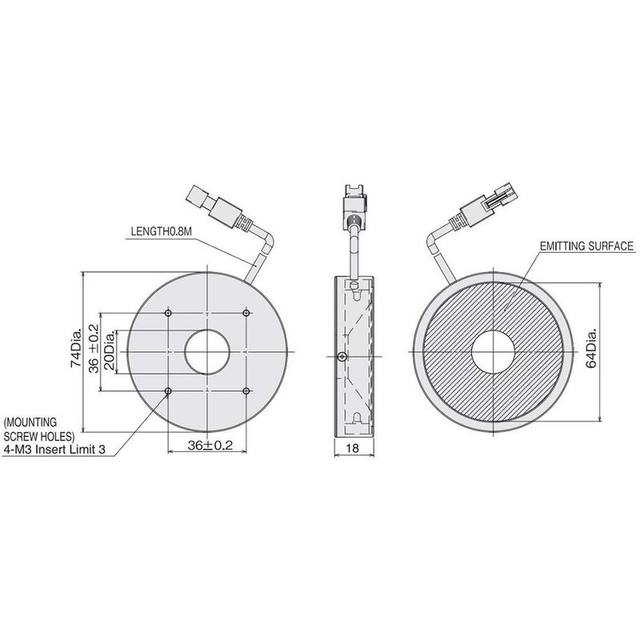
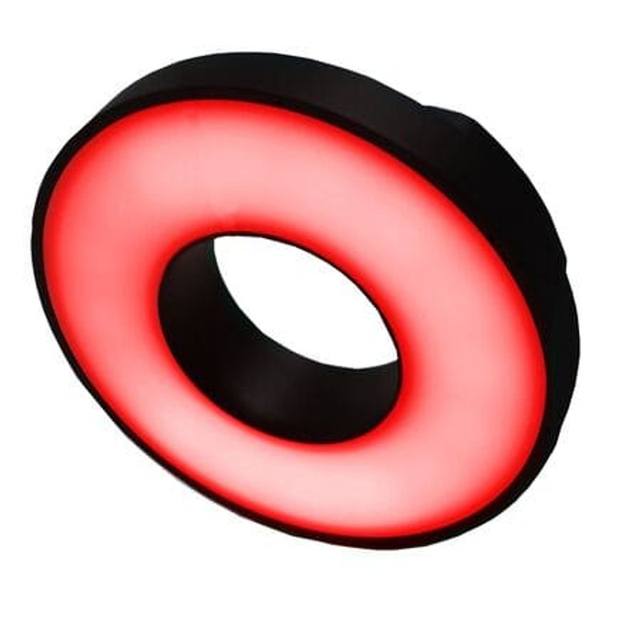
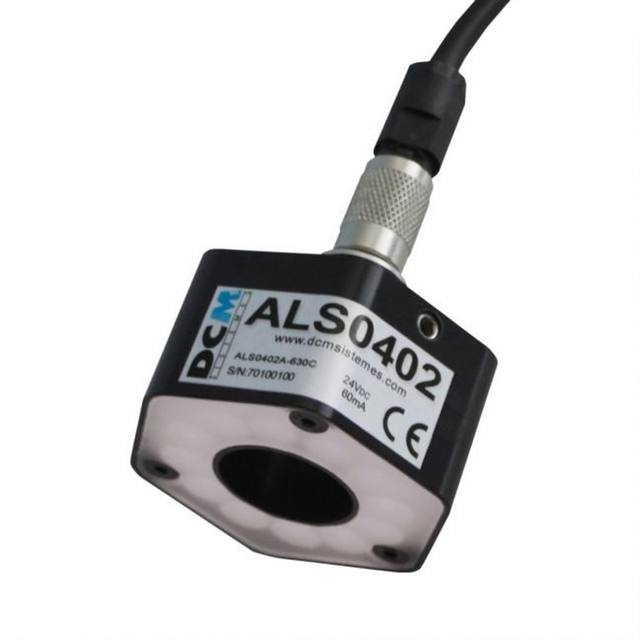
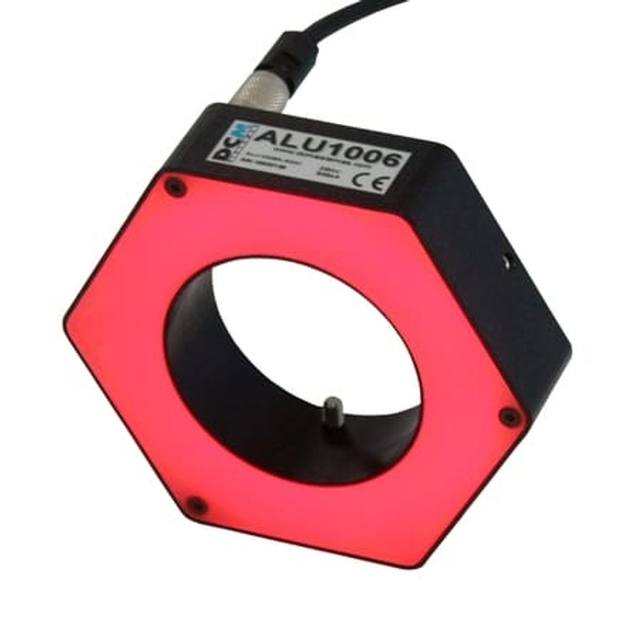
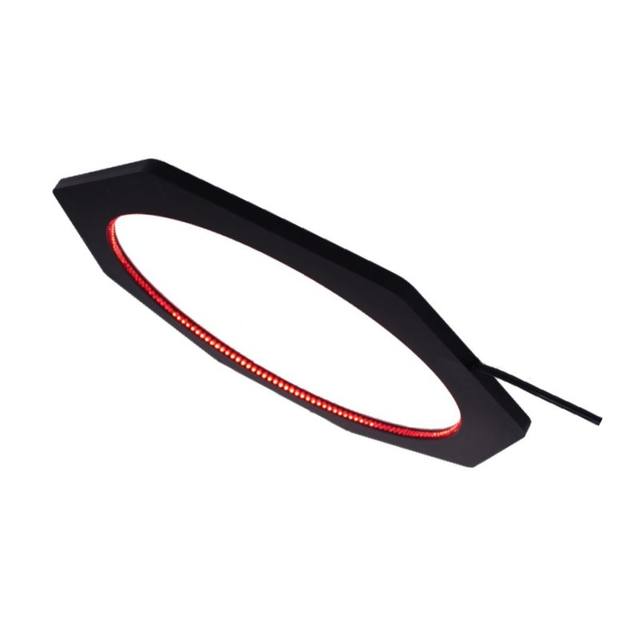
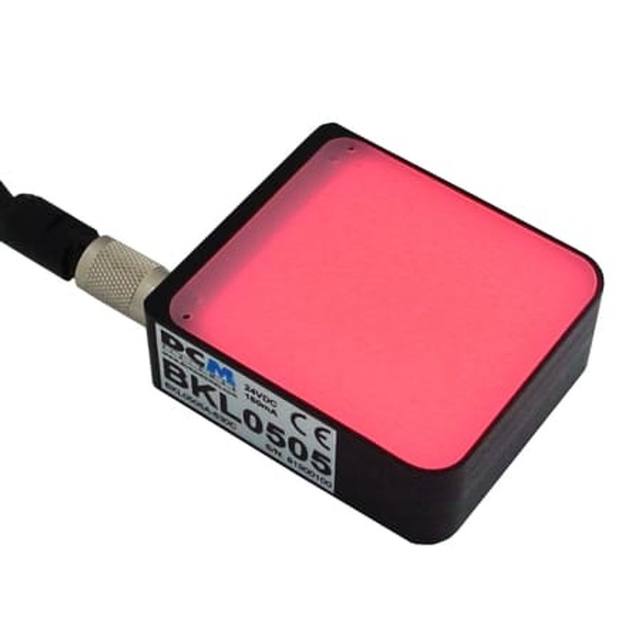
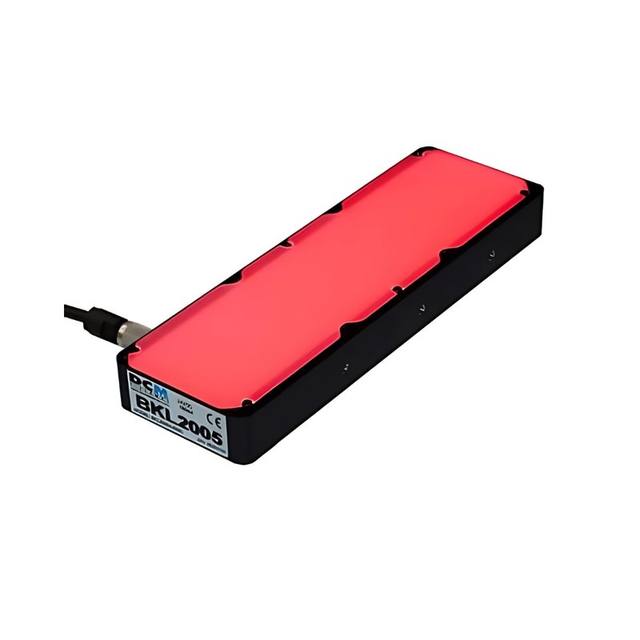
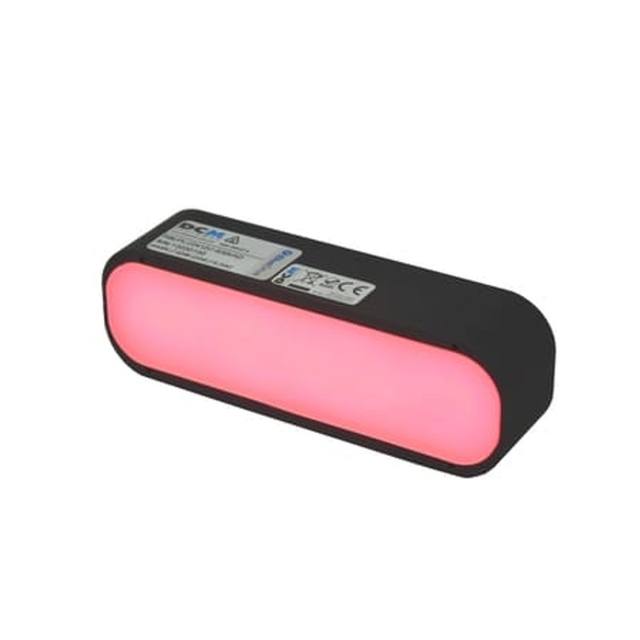
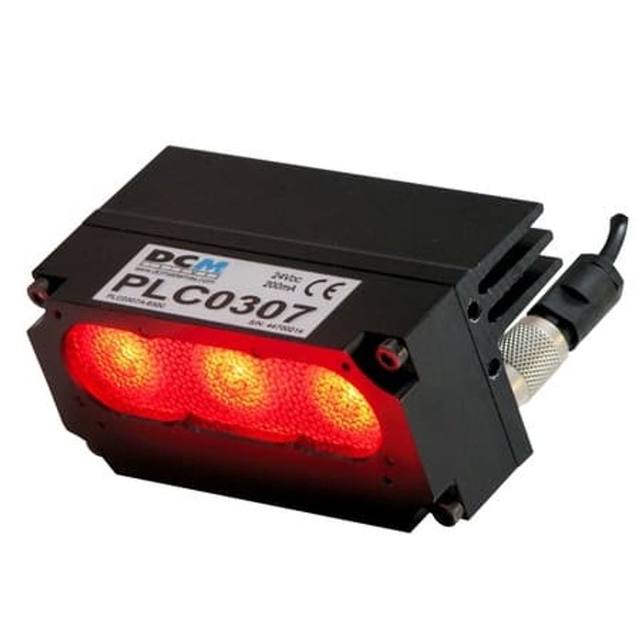
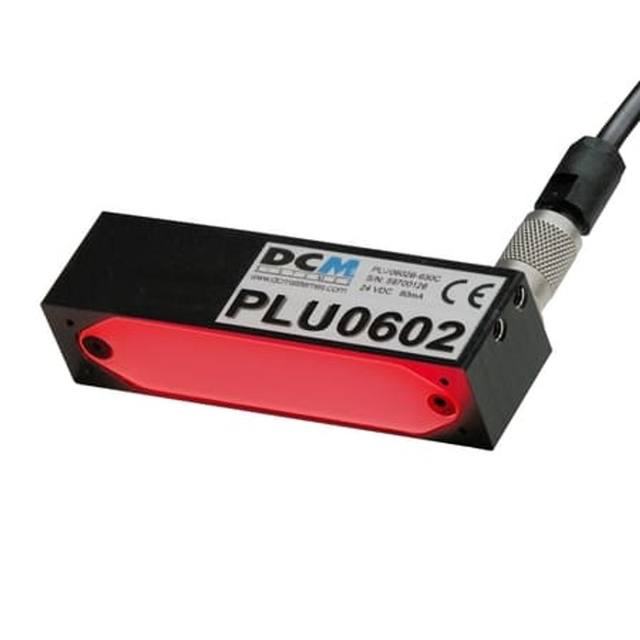
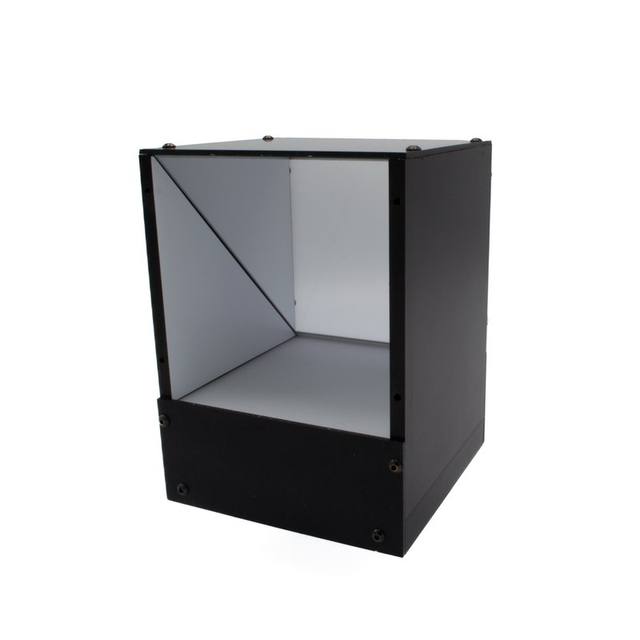
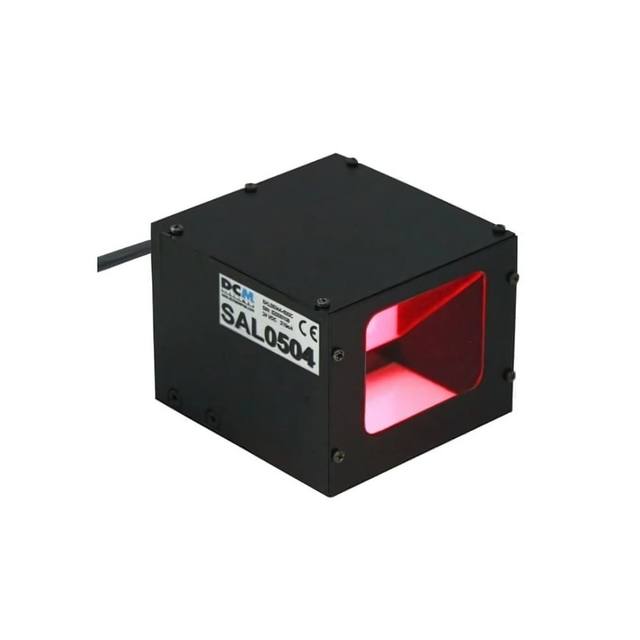
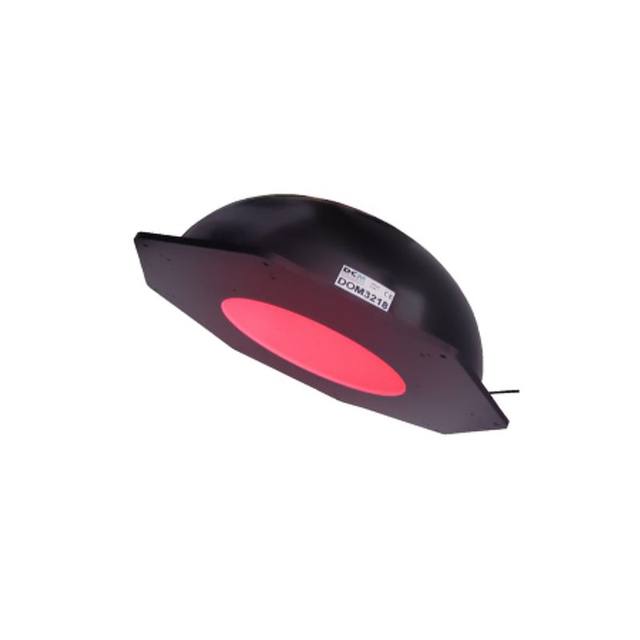
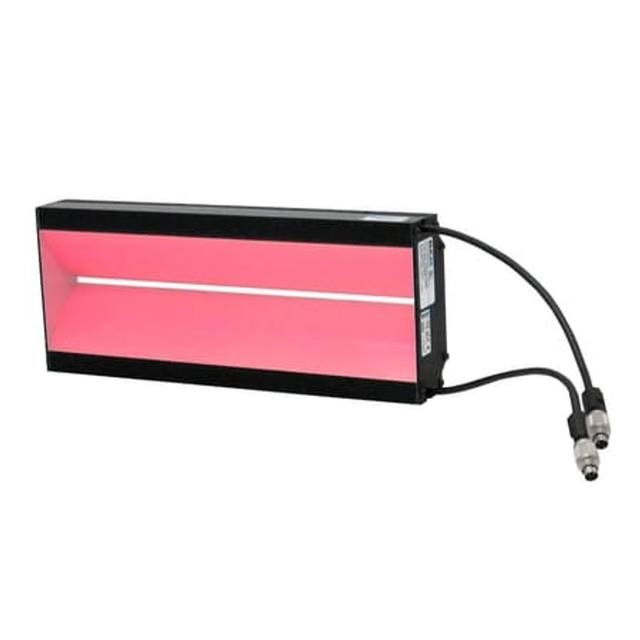
Lighting must survive the same wash. Specify IP-rated, sealed illumination with chemically resistant housings and lenses rather than open LED bars; DCM Sistemes washdown-grade lighting is built for this, and ring, bar, dome or backlight geometry is still chosen by the inspection (low-angle for embossing and seam defects, dome or coaxial for glossy wet surfaces, backlight for fill-level and silhouette checks). Wet, reflective and transparent surfaces, condensation, foam and films of product are the recurring imaging problems in this sector, so controlled, polarised or diffuse lighting often matters more here than in a dry environment.
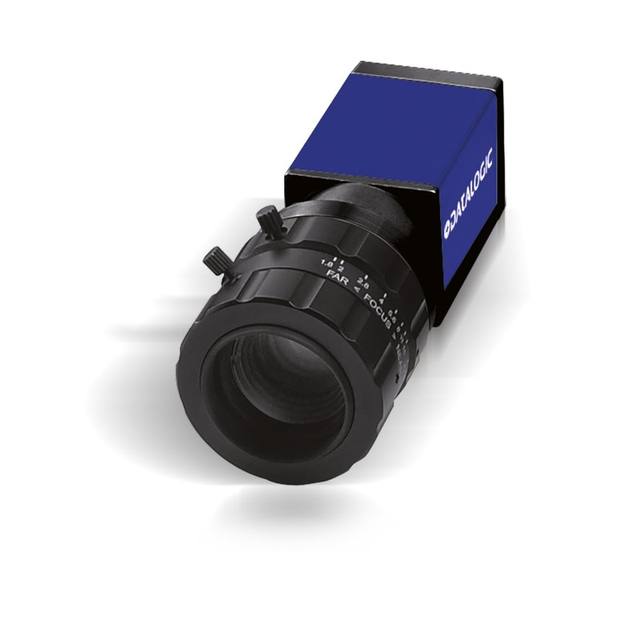
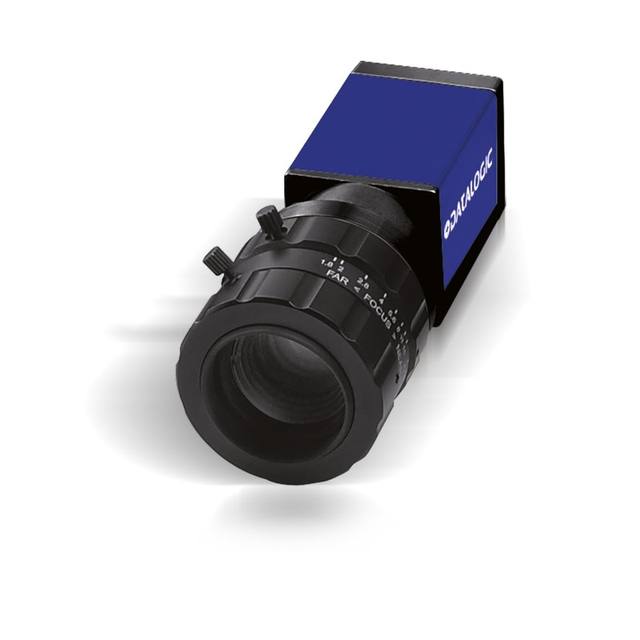
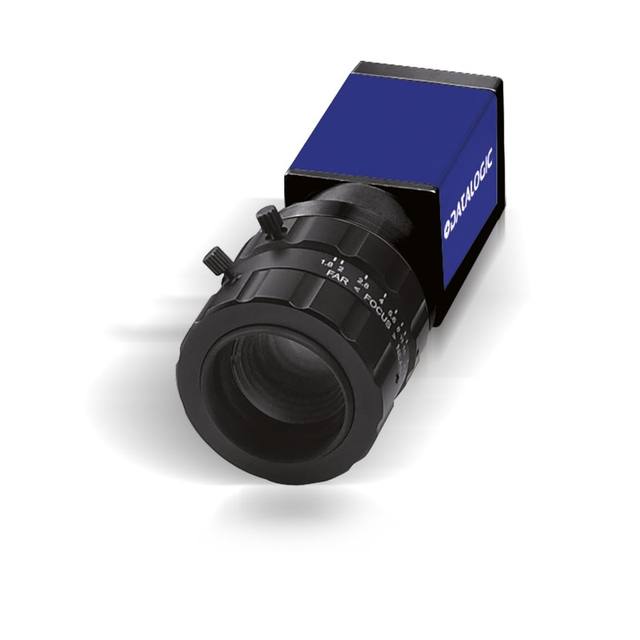
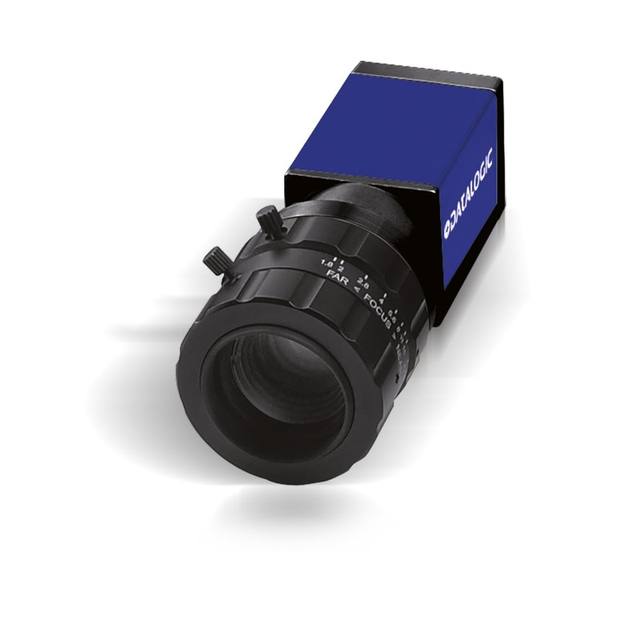
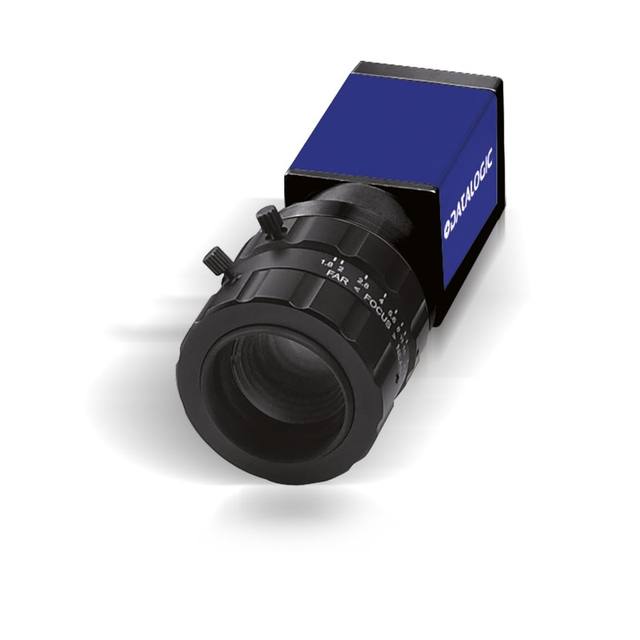
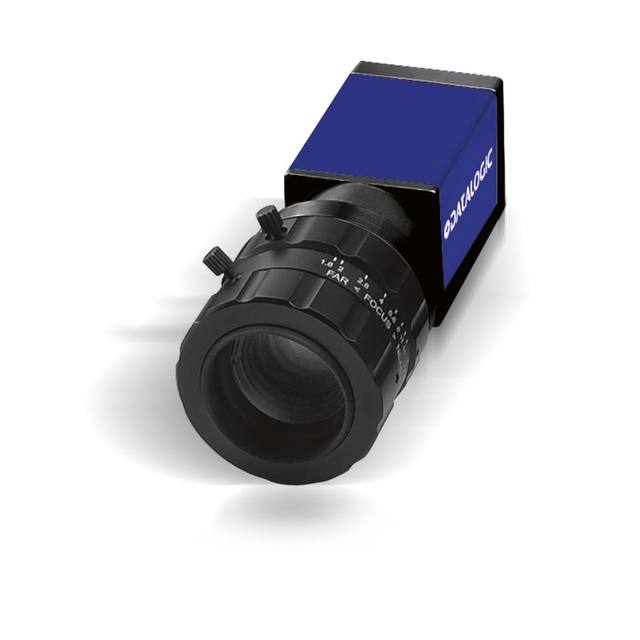
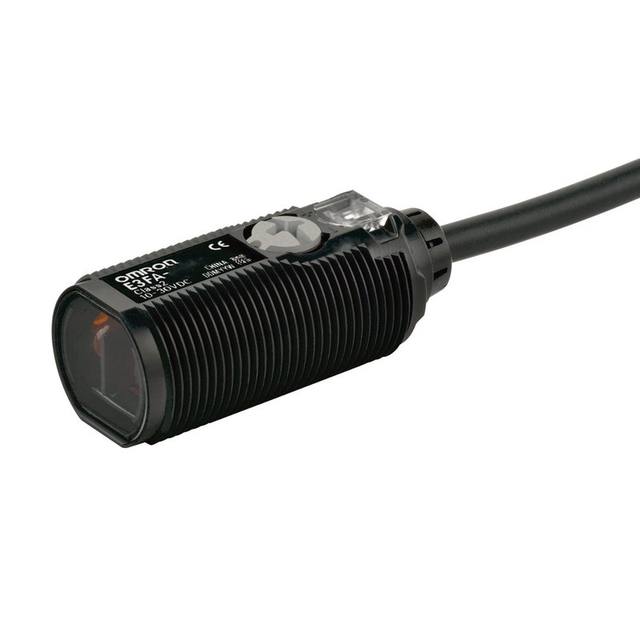
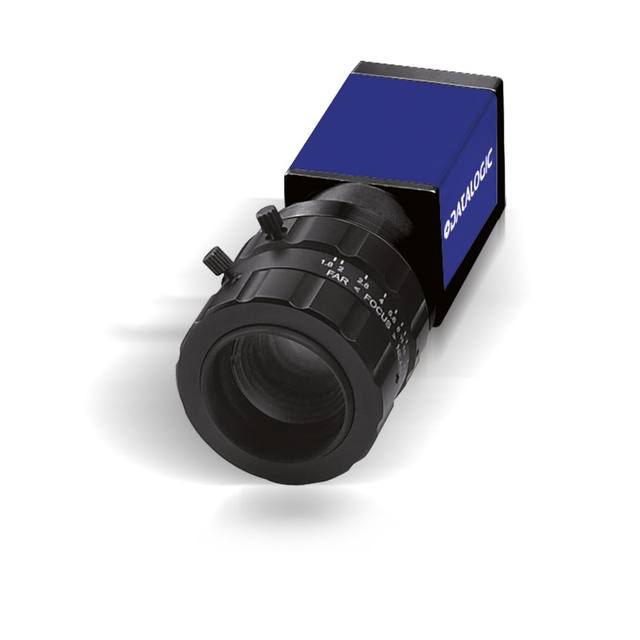
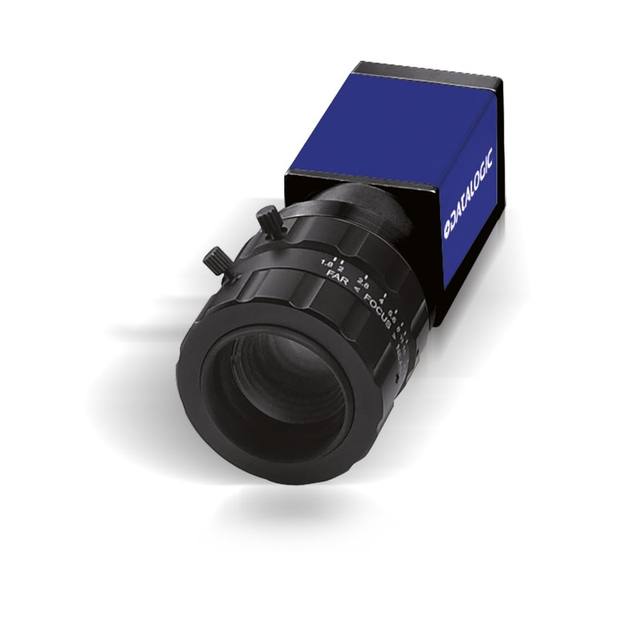
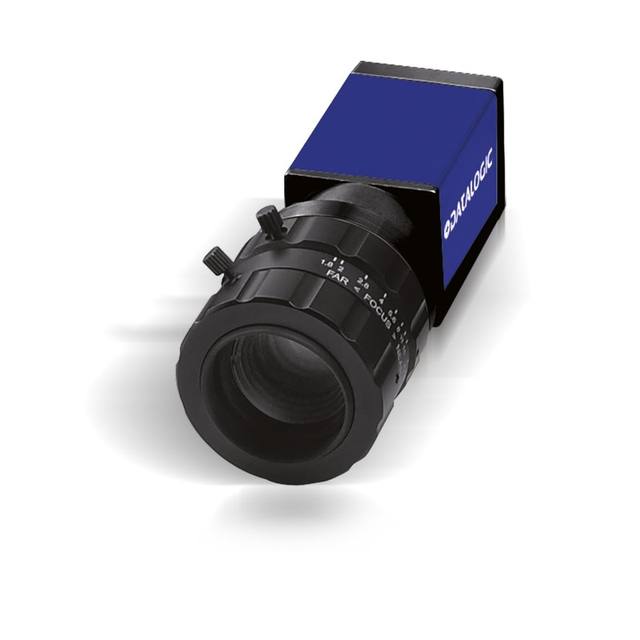
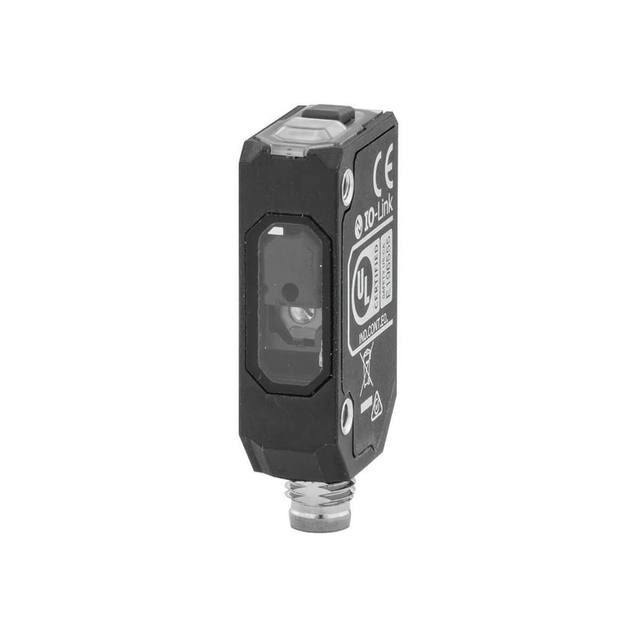
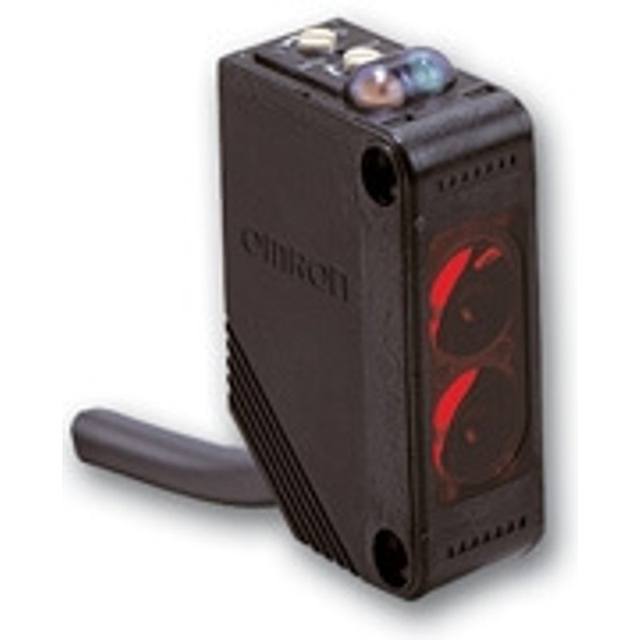
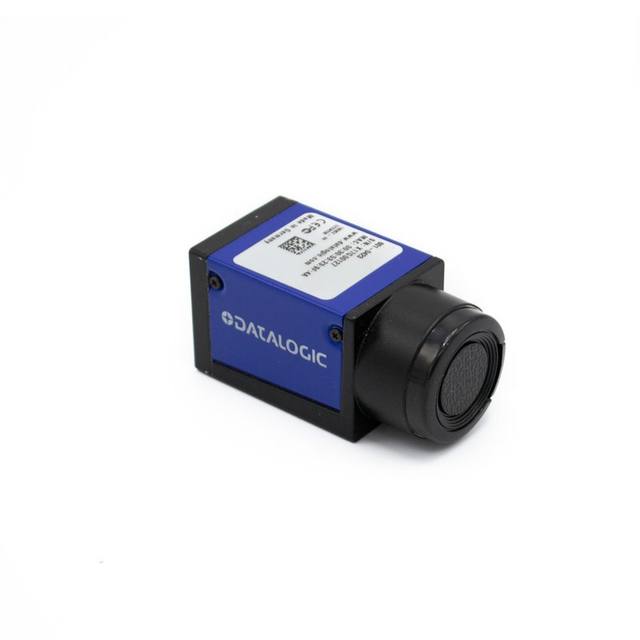
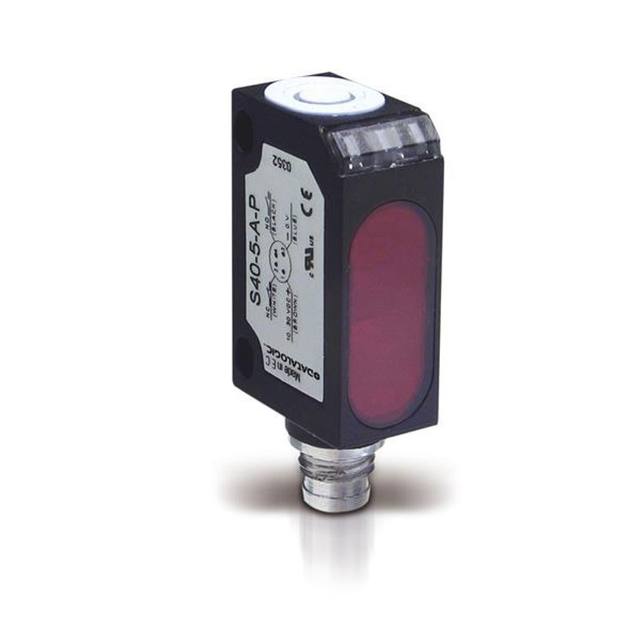
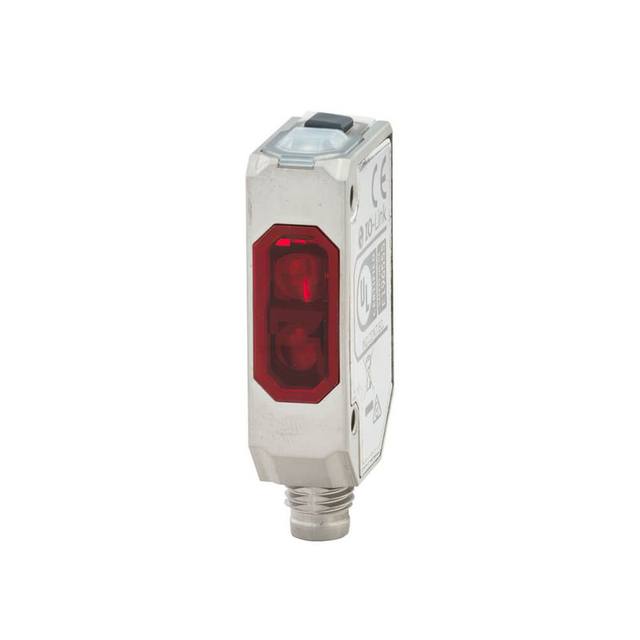
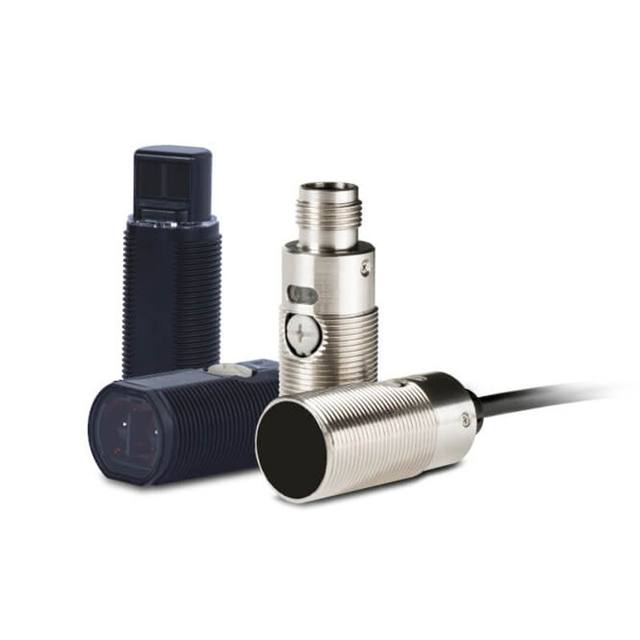
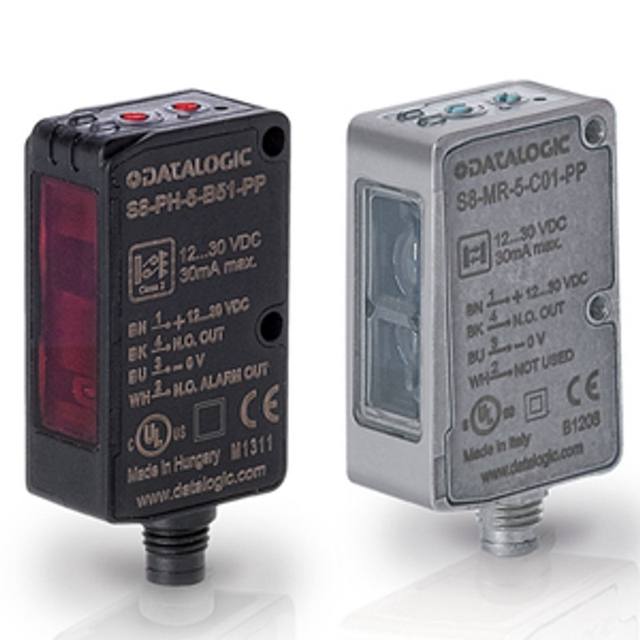
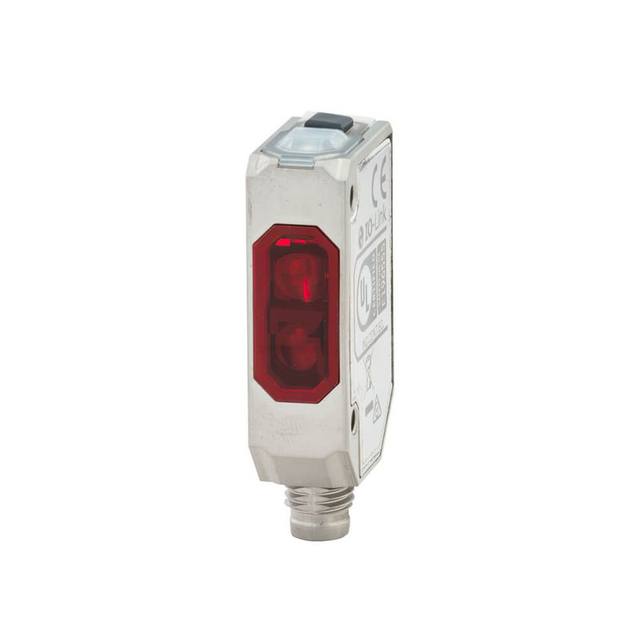
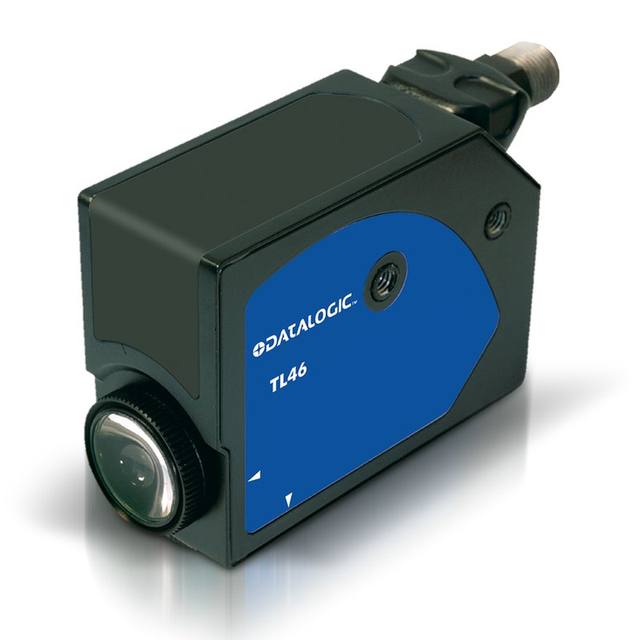
For traceability, use industrial code readers in IP65/IP67 housings to read 1D, 2D and direct-part-marked codes for lot, batch and best-before verification. Datalogic/Datasensing and Omron offer washdown-suitable readers; a standalone reader is appropriate where the task is purely decode and verify, while an IP-rated camera feeding software is the better route where reading is combined with presence, label and defect checks. Mount all devices out of the direct line of the cleaning lance where possible, route rated cabling with sealed glands, and use sloped brackets so water sheds rather than pools on the optics.
- IP-rated cameras (Basler, iRAYPLE, Omron/Sentech): inherently sealed body or standard camera in a sealed washdown enclosure
- Machine vision lighting (DCM Sistemes): sealed, chemically resistant fixtures; geometry chosen for wet, glossy and transparent surfaces
- Code readers (Datalogic/Datasensing, Omron): IP65/IP67 housings for lot, date and DPM code reading and verification
- Mounting and cabling: out of the direct jet path, sloped self-draining brackets, sealed glands and rated connectors
From component choice to a validated installation
Specifying IP-rated parts is necessary but not sufficient. The decisive question is whether the assembled system survives the plant's real cleaning protocol over its service life, and that is established by validation, not by a datasheet. A focused trial that images representative product, both wet and dry, under the chosen lighting, and that subjects the installed hardware to the line's actual wash cycle, exposes the problems that catalog ratings cannot predict: window fogging, foam on glossy surfaces, glare from wet film, or a code that decodes when dry but not when beaded with water.
Where the inspection involves variable, organic or cosmetically defined defects, such as foreign material, contamination, or surface and seal anomalies on natural products, rule-based vision can struggle with the natural variation. In those cases the group's deep-learning inspection software, Rosepetal, can be trained on real production images to classify acceptable variation from genuine defects, running on the IP-rated cameras above. Where the task is straightforward code reading or presence checking, a smart camera or standalone reader is the more economical answer, and AI is not required.
AIS Vision integrates the camera, lighting, code reader, enclosures, mounting and cabling into a single validated system specified against your sanitation regime, your product mix and your line speed, and proves it holds up before it goes into production. Request an application validation to confirm the imaging, the ingress protection and the chemical and thermal resistance for your specific washdown environment.